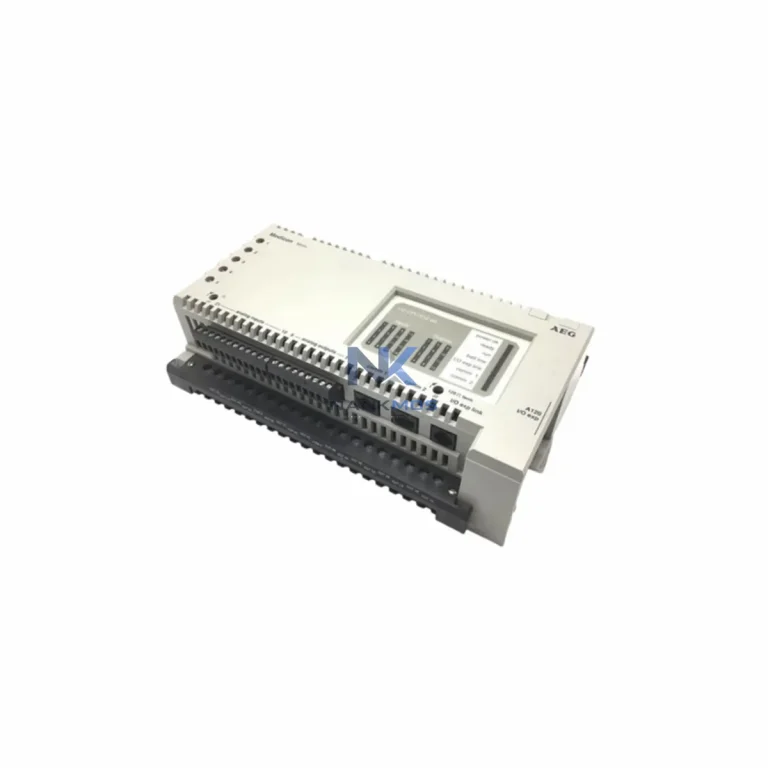
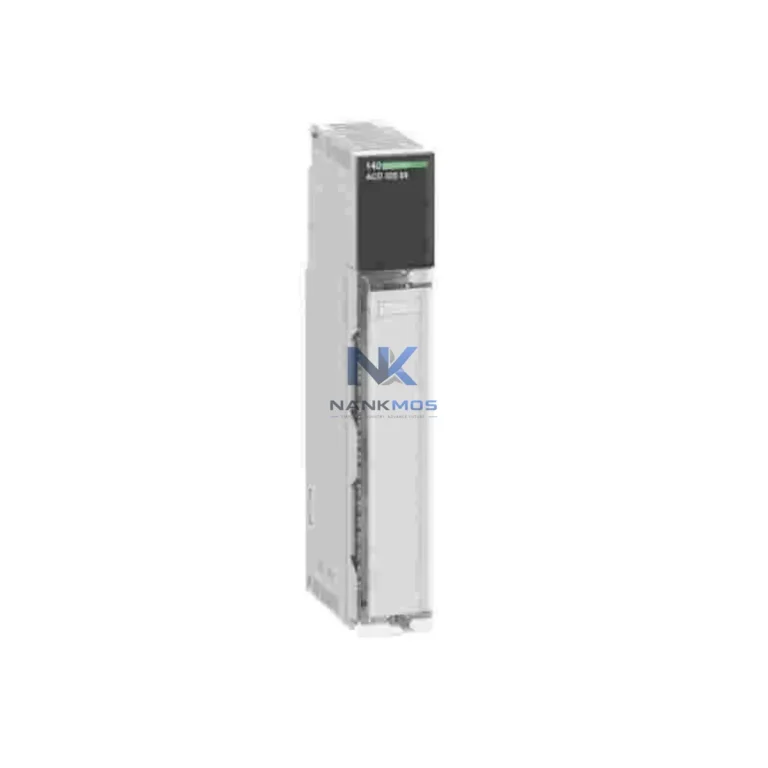
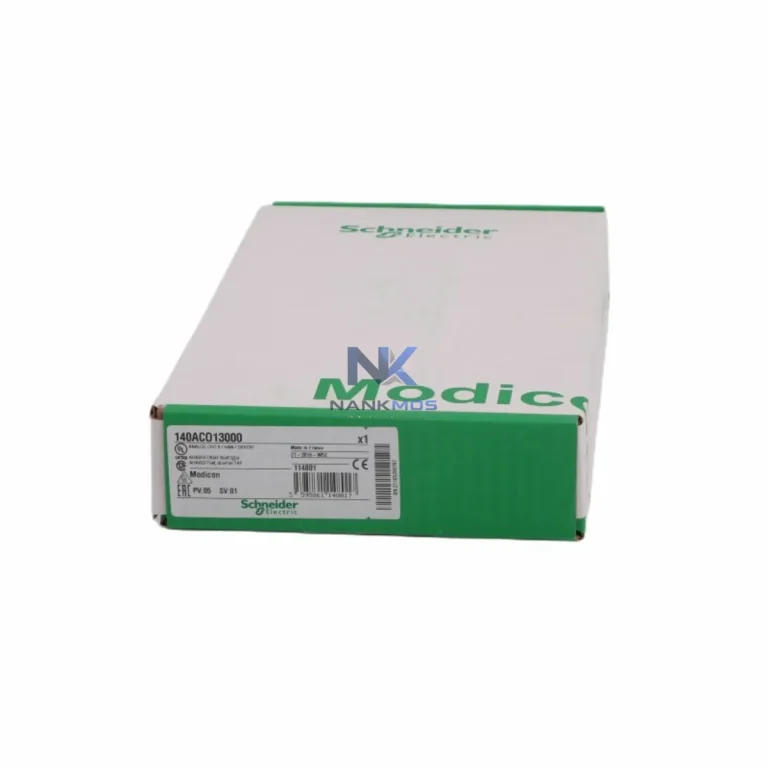
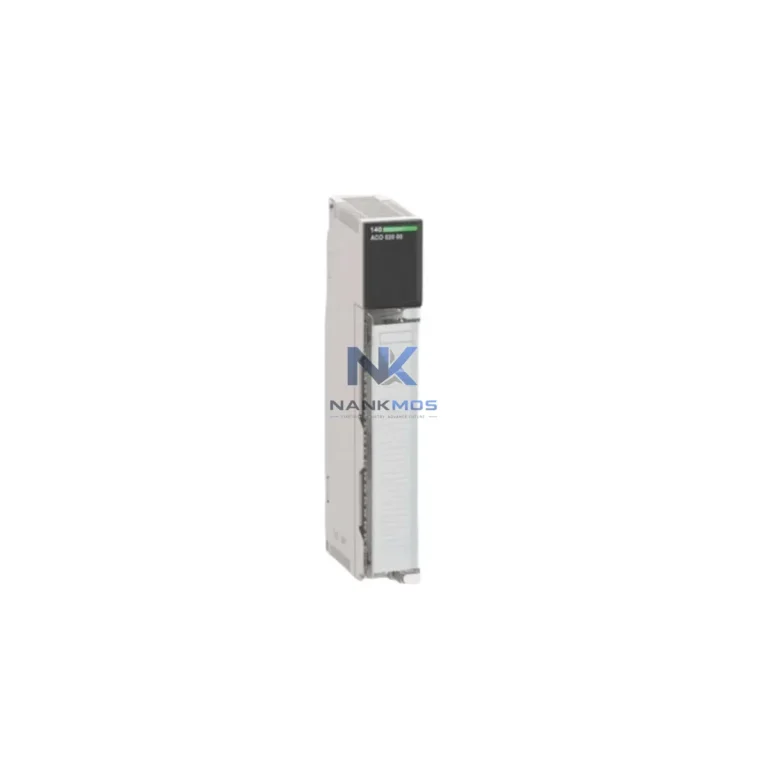
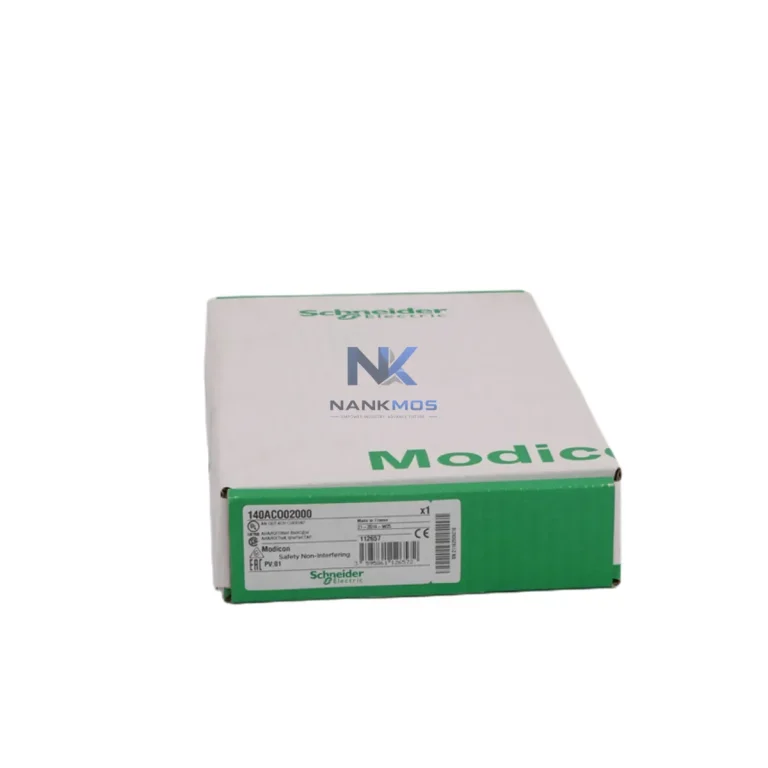
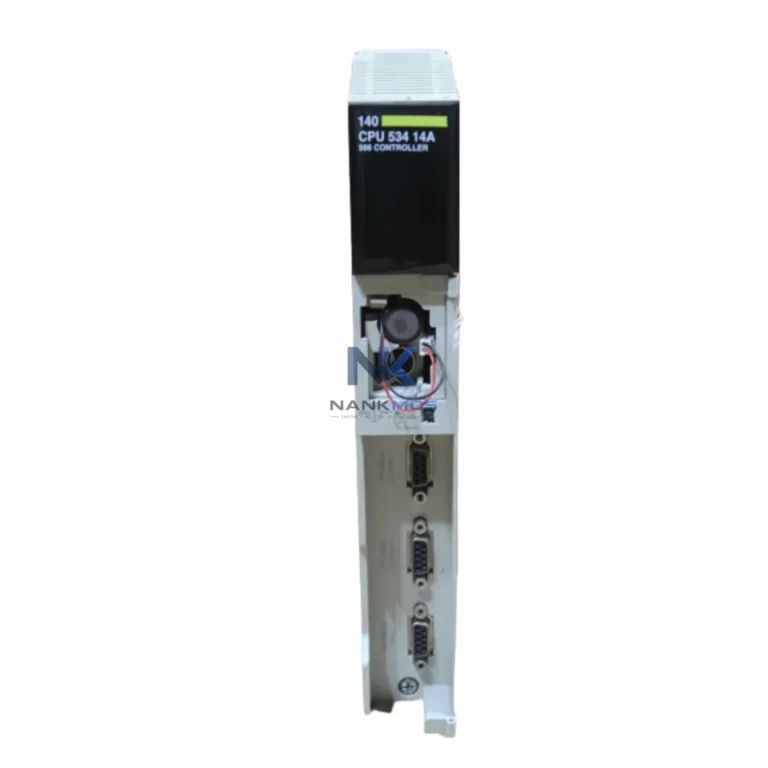
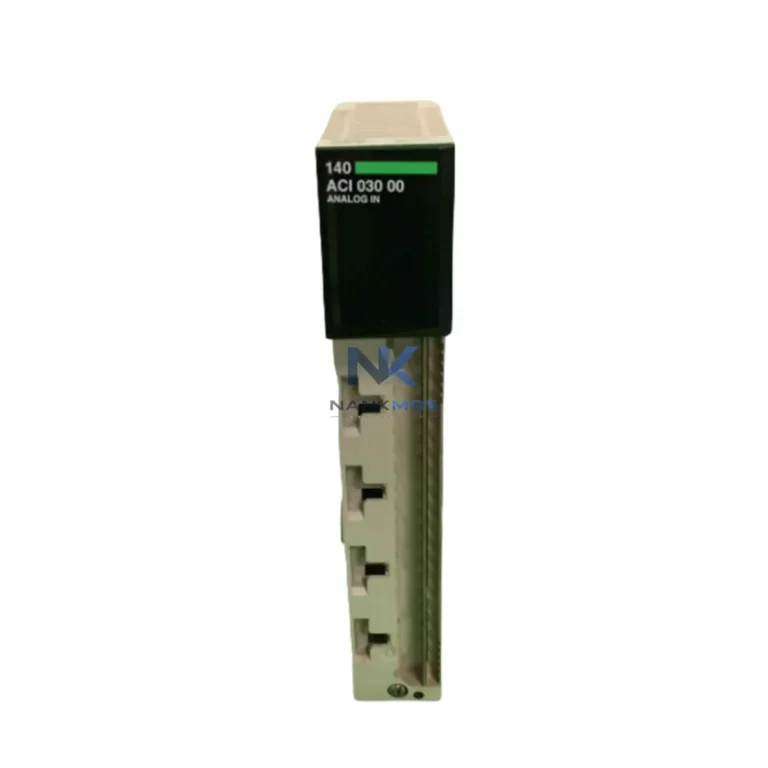
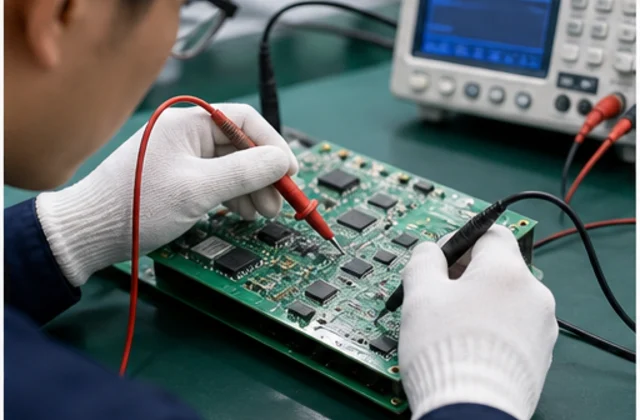
 Functional Inspection
100% tested on professional platforms to ensure stable performance.
Schneider Electric 140CPU31110 is a NANKMOS industrial automation product record Listed under Other series series and Business & Industrial > Automation, Control & Flow Devices > Programmable Logic Controllers. Confirm condition, availability, lead time, compatibility and documentation by email inquiry.
Brand names are used for identification only.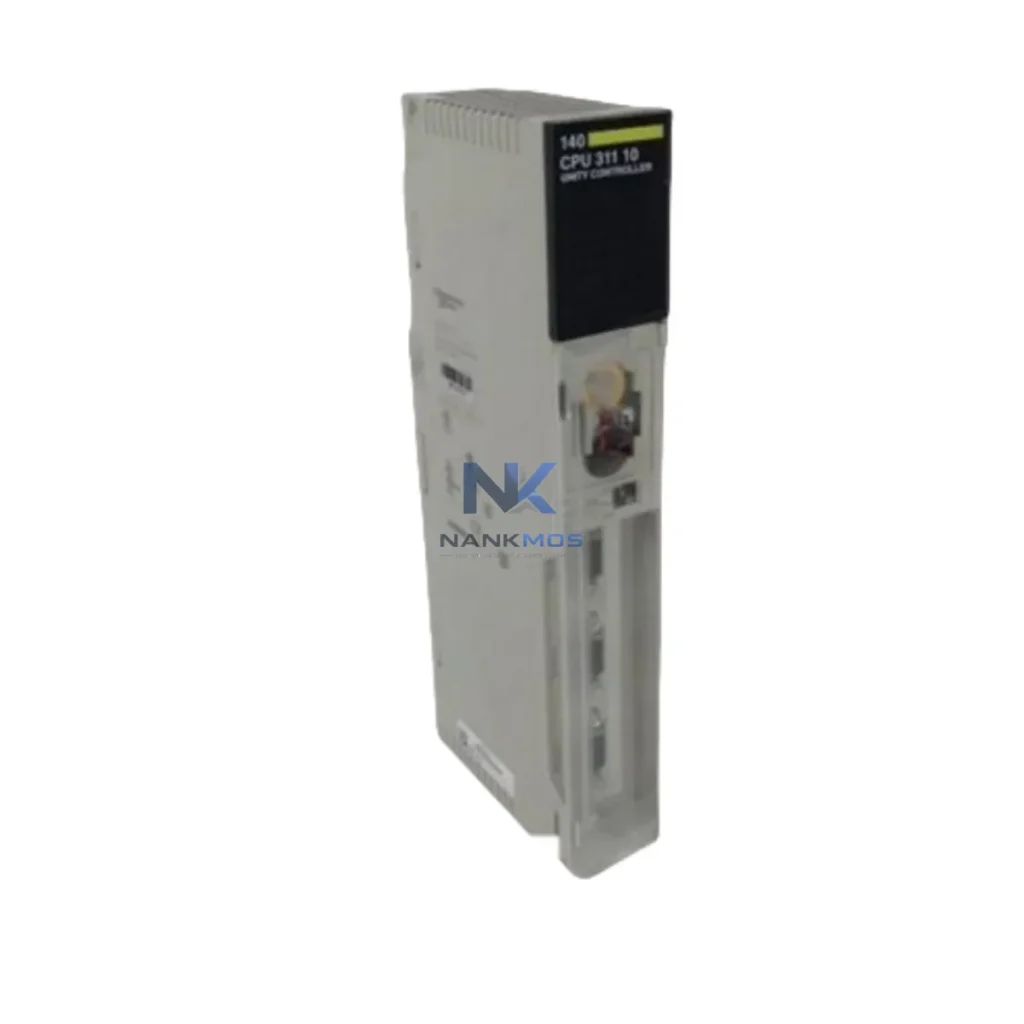
Schneider Electric 140CPU31110 is a NANKMOS industrial automation product record Listed under Other series series and Business & Industrial > Automation, Control & Flow Devices > Programmable Logic Controllers. Confirm condition, availability, lead time, compatibility and documentation by email inquiry.
| Manufacturer | Schneider Electric |
|---|---|
| Application | Controller Processing & System Control |
| Part Number / Model | 140CPU31110 |
| Compatible System | Confirmed by inquiry |
| Condition Options | To Confirm |
| Module Type | Controller / CPU Module |
| Warranty | 12 Months |
| Packaging | Anti-static Bag / Secure Box |
| Shipping Methods | DHL / FedEx / UPS / Air / Sea |
| Availability | To Confirm |
| Lead Time | To Confirm |
| Documentation | Part number and revision checked before quote |
The Schneider Electric 140CPU31110 is a Unity-based processor module for the Quantum PLC platform, engineered to serve as the central intelligence node in industrial data link architectures. With native Modbus TCP/IP communication capability, this CPU module bridges field-level devices and upper-layer supervisory systems, enabling seamless data flow across every tier of a smart factory — from sensor signal acquisition to SCADA visualization and remote diagnostics. Whether deployed in power generation, petrochemical processing, water treatment, or discrete manufacturing, the 140CPU31110 delivers deterministic scan-cycle performance, robust protocol support, and the network connectivity demanded by Industry 4.0 automation environments.
At the heart of modern industrial connectivity, the 140CPU31110 functions as the protocol gateway and data orchestration engine for the Quantum rack system. It communicates directly with remote I/O drops via the Modbus Plus network, while simultaneously exposing process data to Ethernet-based SCADA and HMI platforms through its integrated Modbus TCP/IP port. This dual-network capability eliminates the need for standalone protocol converters in many architectures, reducing hardware complexity and improving overall system reliability. Engineers integrating this CPU into a Quantum 140 series rack can leverage the full Unity Pro programming environment to configure structured data exchange, define communication objects, and map real-time process variables to supervisory systems without additional middleware.
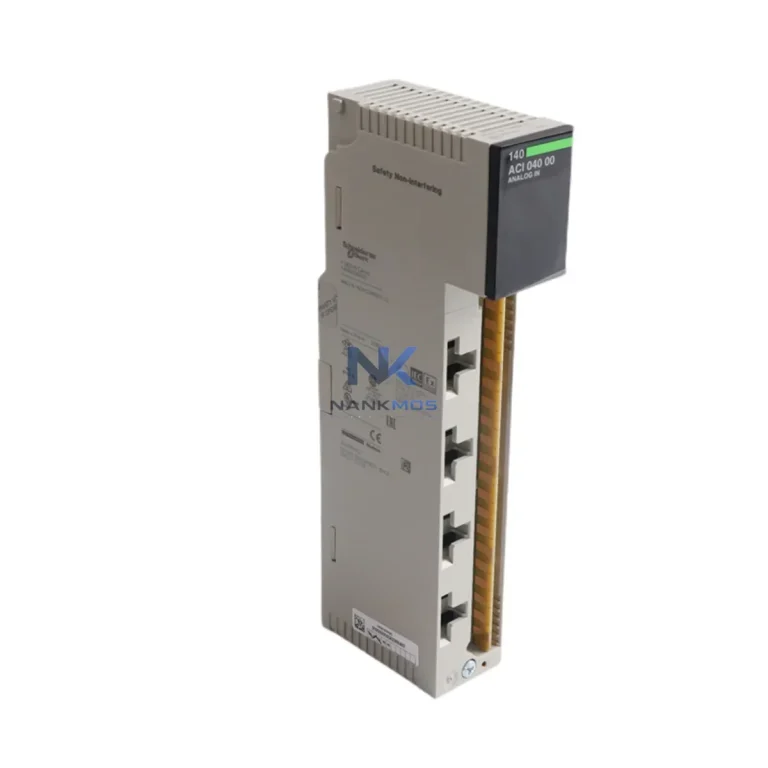
In a typical smart factory deployment, the 140CPU31110 sits at the center of a layered communication hierarchy. At the field level, it interfaces with distributed I/O modules — such as the 140DAI74000 digital input module and 140ACI04000 analog input module — collecting process signals from pressure transmitters, flow meters, temperature sensors, and motor drive feedback. These signals are processed within the Unity application logic and made available to the Ethernet backbone via Modbus TCP/IP, where Wonderware, Ignition SCADA, or Vijeo Citect HMI platforms can poll live data at configurable refresh rates. The result is a transparent, real-time data pipeline from the physical process layer to the operator dashboard.
For remote I/O expansion, the 140CPU31110 supports Modbus Plus peer-to-peer communication with remote drop adapters such as the 140CRP93100, enabling distributed I/O racks to be placed close to field equipment while maintaining high-speed, deterministic data exchange with the main CPU. This architecture is particularly valuable in large-scale installations — refineries, power substations, water treatment plants — where field devices are spread across hundreds of meters. The Quantum platform's modular design allows engineers to add 140NOE77101 Ethernet communication modules to the same rack, extending connectivity to OPC-UA servers or historian platforms for long-term data archiving and KPI analysis.
The 140CPU31110 also plays a critical role in alarm management and remote diagnostics workflows. By exposing diagnostic data blocks through Modbus TCP/IP, maintenance teams can remotely query CPU health, I/O module status, and communication error counters from any networked workstation — without requiring physical access to the control panel. Integration with asset management platforms such as Schneider Electric's EcoStruxure Plant enables predictive maintenance workflows, where CPU cycle time trends, memory utilization, and communication latency metrics are continuously monitored and compared against established baselines. When anomalies are detected, automated alarm notifications can be routed to mobile devices or CMMS systems, accelerating response times and reducing unplanned downtime.
In variable frequency drive (VFD) integration scenarios, the 140CPU31110 coordinates speed references and feedback signals between the PLC application and drives such as the Altivar 71 or Altivar Process series, using Modbus TCP/IP or Modbus RTU via communication adapters. This closed-loop control architecture supports energy optimization strategies — ramping motor speeds based on process demand rather than running at fixed setpoints — directly contributing to measurable reductions in energy consumption across pump, fan, and compressor applications.
For edge computing and IIoT gateway integration, the 140CPU31110's Modbus TCP/IP interface is natively supported by industrial edge gateways such as the Advantech WISE-5000 series or Moxa MGate protocol converters, enabling data forwarding to cloud platforms including AWS IoT, Azure IoT Hub, or on-premise MES systems. This connectivity path supports digital twin applications, where real-time PLC data feeds simulation models for process optimization and operator training. The 140CPU31110 thus serves not only as a traditional PLC CPU but as a foundational data source for the broader digital transformation of industrial operations.
A complete smart factory data flow built around the 140CPU31110 begins at the field instrument layer. Analog signals from pressure transmitters, thermocouple inputs, and flow sensors are wired into 140ACI04000 analog input modules mounted in the Quantum rack. Digital status signals from motor starters, valve positioners, and safety interlocks connect through 140DAI74000 digital input modules. The 140CPU31110 scans these I/O modules at deterministic cycle times, executing the Unity Pro application logic that governs process control, sequencing, and alarm evaluation.
Processed data is simultaneously published to two network layers. On the Modbus Plus network, the CPU exchanges data with remote drop adapters — 140CRP93100 modules installed in satellite racks located near field equipment — extending the I/O footprint without long analog cable runs. On the Ethernet layer, the CPU's Modbus TCP/IP server responds to polling requests from SCADA clients, HMI panels (such as Magelis XBTGT series), and data historians. A 140NOE77101 Ethernet communication module installed in the same Quantum rack can provide additional Ethernet ports for network segmentation or redundant SCADA connections.
At the supervisory layer, Ignition SCADA or Vijeo Citect reads tag values from the 140CPU31110 via Modbus TCP/IP drivers, displaying real-time process trends, alarm states, and equipment status on operator workstations. Alarm events generated by the CPU's application logic are time-stamped and forwarded to the alarm management system, where they are logged, acknowledged, and escalated according to configured priority rules. For remote sites, an industrial edge gateway — such as a Moxa MGate MB3660 or Advantech ECU-1251 — can forward Modbus TCP/IP data to cloud-based MES or ERP platforms, enabling production reporting and KPI dashboards accessible from any browser.
Variable frequency drives integrated into the system — Altivar 71 or Altivar Process units controlling pump and fan motors — receive speed references from the 140CPU31110 via Modbus TCP/IP or hardwired analog outputs, closing the control loop between process demand signals and motor speed. Energy meters connected through Modbus RTU-to-TCP/IP converters feed power consumption data back to the CPU, enabling energy optimization logic that adjusts drive setpoints based on real-time load conditions. This end-to-end data architecture — from field sensor through PLC to SCADA, historian, and cloud — represents the complete industrial data link that the 140CPU31110 enables in a connected factory environment.
Many industrial sites operate with fragmented automation architectures: legacy PLCs using proprietary protocols, isolated control islands with no network connectivity, and SCADA systems that cannot access real-time field data. The 140CPU31110 addresses these challenges directly through its multi-protocol communication capability and open programming environment.
Protocol fragmentation is resolved by the CPU's native Modbus TCP/IP support, which is universally recognized by SCADA platforms, HMI systems, and industrial edge gateways. Sites migrating from older Modbus RTU or Modbus Plus architectures can retain existing field wiring and I/O modules while upgrading the CPU to gain Ethernet connectivity — eliminating the need for wholesale system replacement. For sites requiring OPC-UA connectivity to MES or ERP platforms, a 140NOE77101 module or an external OPC-UA gateway can bridge the Modbus TCP/IP data to the OPC-UA namespace, resolving the protocol mismatch without modifying the PLC application.
Data silos — where process data exists only within the PLC and is inaccessible to production management systems — are eliminated by configuring the 140CPU31110 as a Modbus TCP/IP server with a well-defined register map. SCADA clients, data historians, and edge gateways can all poll this register map simultaneously, creating a single source of truth for process data that feeds multiple downstream systems. Remote monitoring gaps are addressed by the CPU's diagnostic data blocks, which expose communication health, I/O module status, and application fault codes to any Modbus TCP/IP client — enabling remote maintenance teams to diagnose issues without dispatching field technicians.
Production line transparency is achieved by mapping key process variables — throughput rates, cycle counts, alarm frequencies, energy consumption — to SCADA tags that feed real-time dashboards and shift reports. System expansion is supported by the Quantum platform's modular architecture: additional I/O modules, communication modules, and remote drop racks can be added without replacing the CPU, protecting the capital investment in the 140CPU31110 as production requirements grow.
Q1: What communication protocols does the 140CPU31110 support for SCADA and HMI integration? The 140CPU31110 supports Modbus TCP/IP via its integrated Ethernet port and Modbus Plus for peer-to-peer PLC communication. These protocols are natively supported by major SCADA platforms including Ignition, Wonderware, Vijeo Citect, and FactoryTalk, enabling direct integration without protocol converters in most architectures. For OPC-UA connectivity, a 140NOE77101 Ethernet module or external gateway can be added to the Quantum rack.
Q2: How does the 140CPU31110 handle network stability and communication redundancy? The CPU's Modbus TCP/IP implementation supports configurable timeout and retry parameters, ensuring robust communication even on congested industrial Ethernet networks. For critical applications requiring redundancy, the Quantum platform supports hot-standby CPU configurations using 140CPU67160 redundancy modules, providing automatic failover without process interruption. Network-level redundancy can be achieved by connecting the CPU's Ethernet port to a managed industrial switch with RSTP or ring topology support.
Q3: Can the 140CPU31110 support remote diagnostics and predictive maintenance workflows? Yes. The CPU exposes diagnostic data — including scan cycle time, memory utilization, I/O module health, and communication error counters — through Modbus TCP/IP register blocks accessible to any networked client. Integration with EcoStruxure Plant or third-party asset management platforms enables continuous monitoring of these metrics, supporting predictive maintenance workflows that identify degradation trends before failures occur. Remote firmware updates and application downloads are supported via Unity Pro's online connection over Ethernet.
Q4: What is the warranty and pre-shipment testing policy for the 140CPU31110? All 140CPU31110 units supplied by NANKMOS carry a 12-month warranty covering manufacturing defects and functional failures under normal operating conditions. Each unit undergoes pre-shipment functional testing — including power-on verification, communication port validation, and I/O scan confirmation — before dispatch. In-stock units are available for immediate shipment. For bulk procurement or project-specific lead time requirements, contact [email protected] or call +86 18359268345.
Functional Inspection100% tested on professional platforms to ensure stable performance.
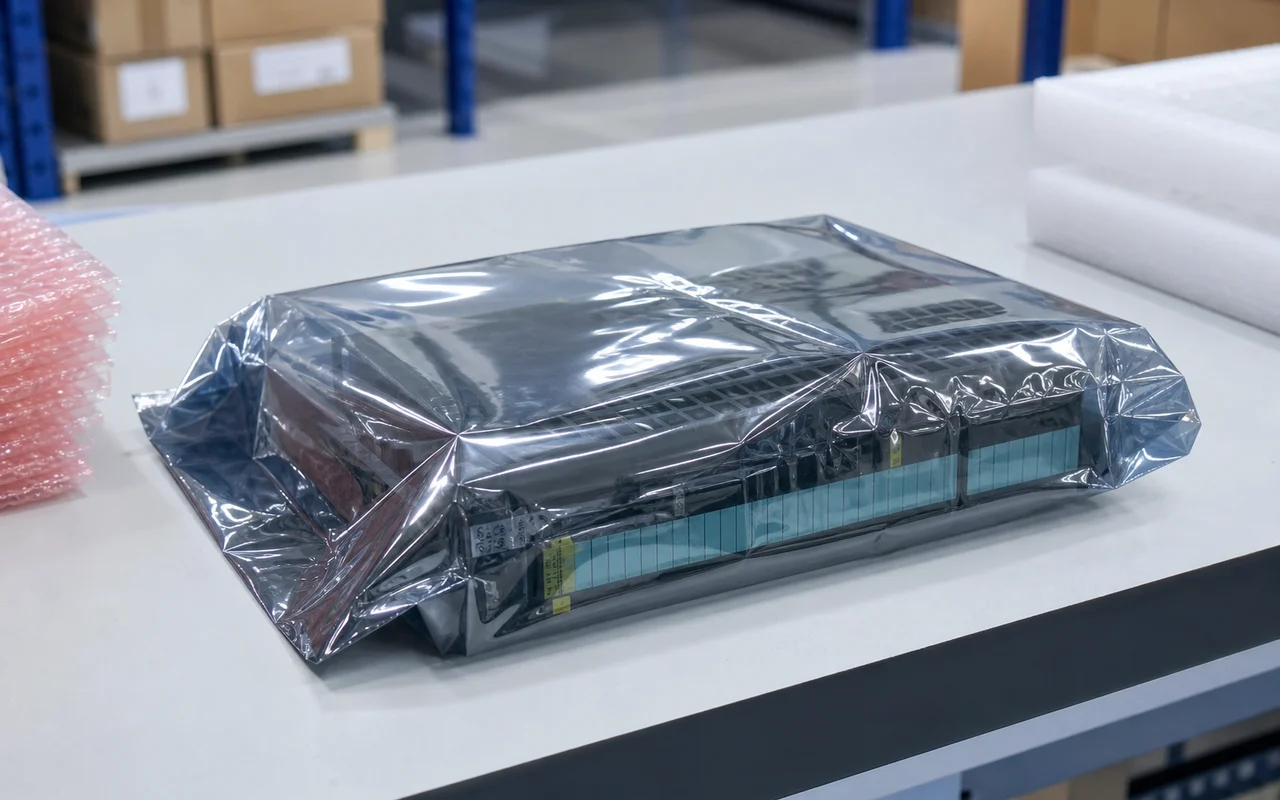 Anti-static Packaging
Modules are packed in anti-static bags to prevent electrostatic damage.
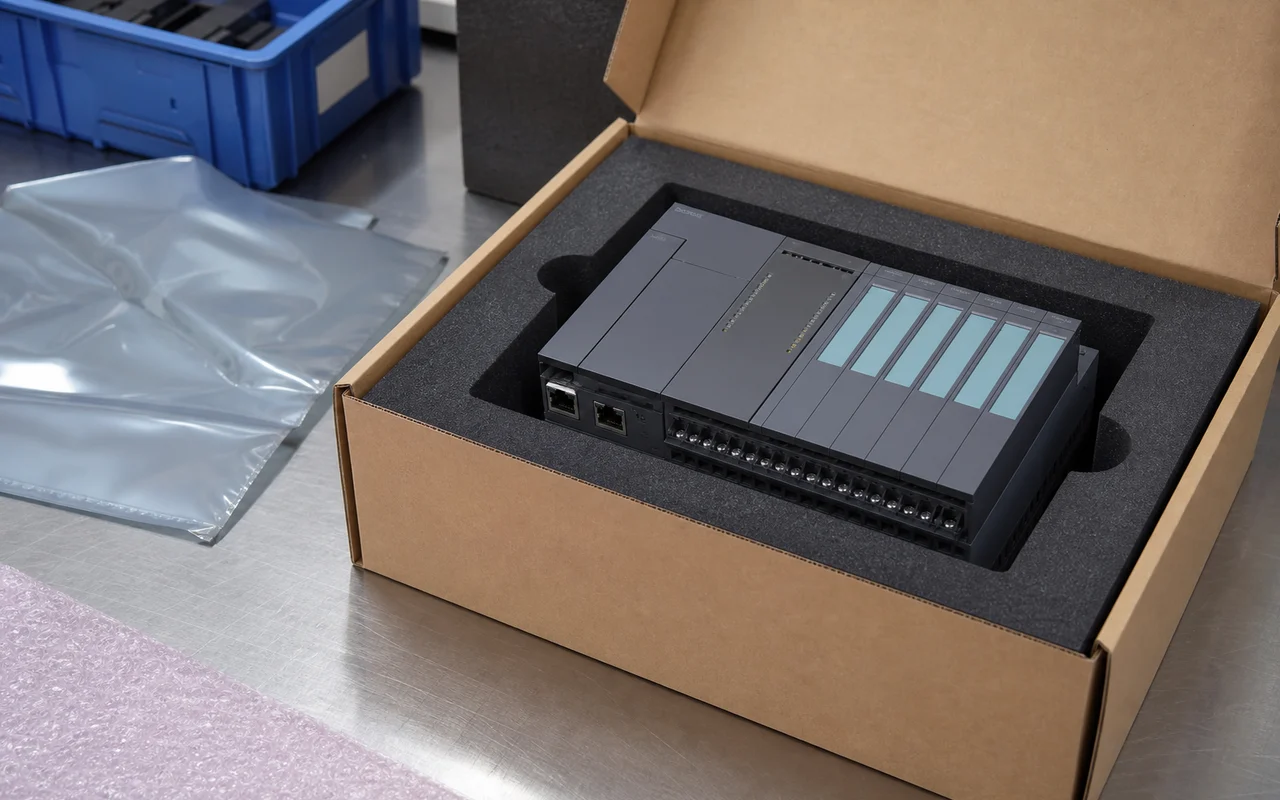 Secure Export Packing
Cushion protection and strong cartons ensure safe transportation.
 Worldwide Shipping
Global logistics network supports air, sea and express delivery.
 Documentation Check
Part number, revision and compatibility verified before shipment.
 After-sales Support
Professional technical support to help resolve your issues.