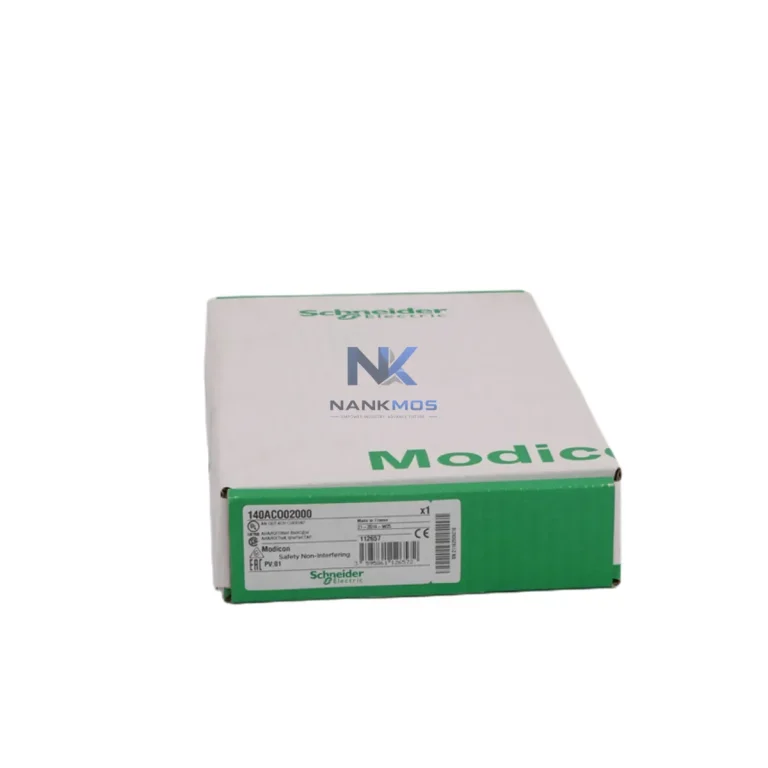
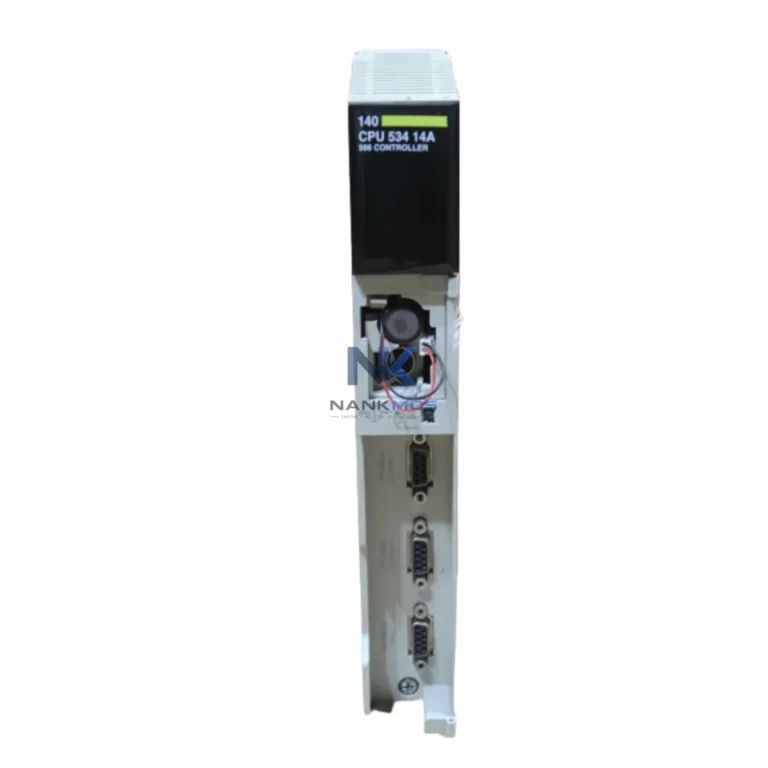
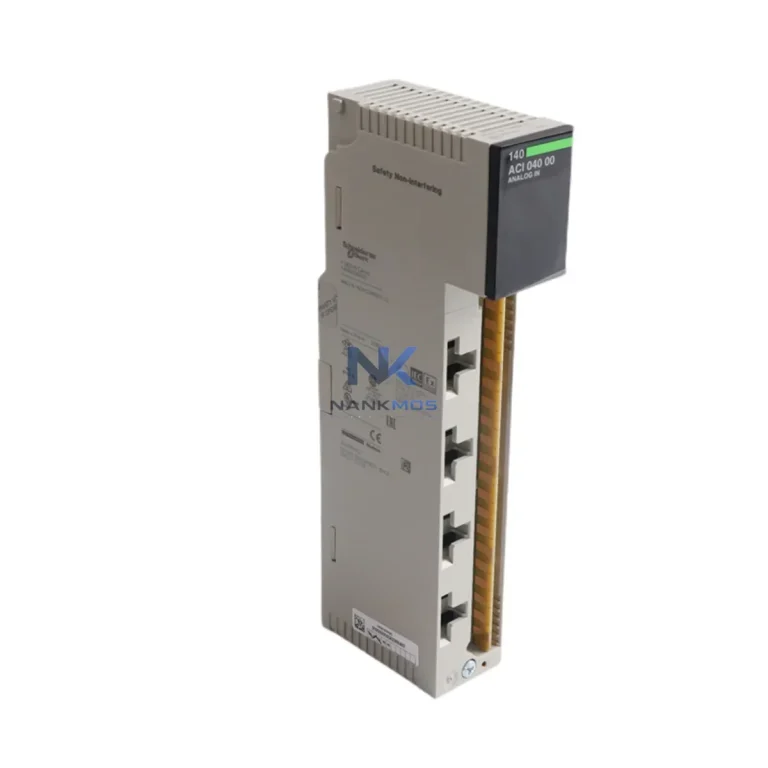
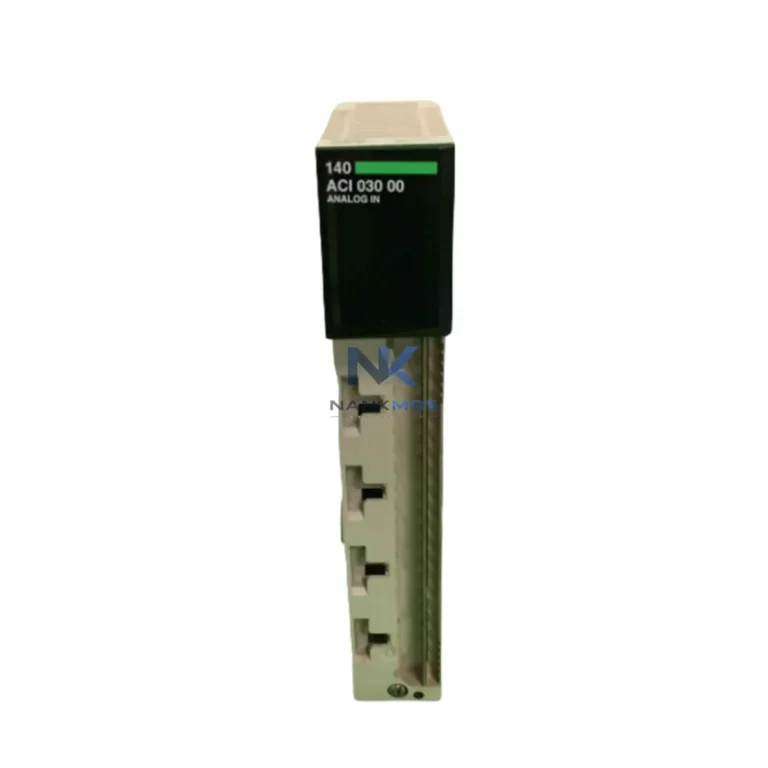
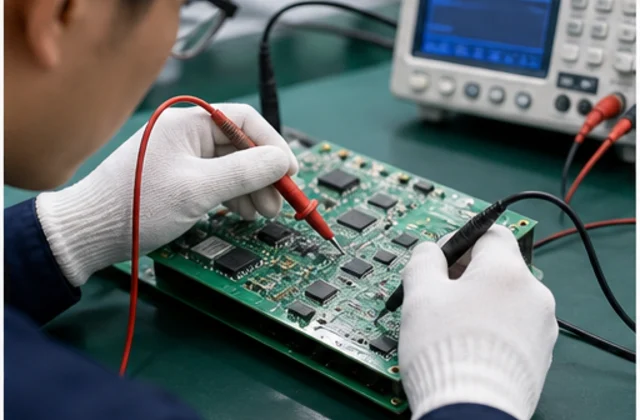
 Functional Inspection
100% tested on professional platforms to ensure stable performance.
Schneider Electric LC1D12M7C is a NANKMOS industrial automation product record Listed under TeSys series and Business & Industrial > Automation, Control & Flow Devices > Programmable Logic Controllers. Confirm condition, availability, lead time, compatibility and documentation by email inquiry.
Brand names are used for identification only.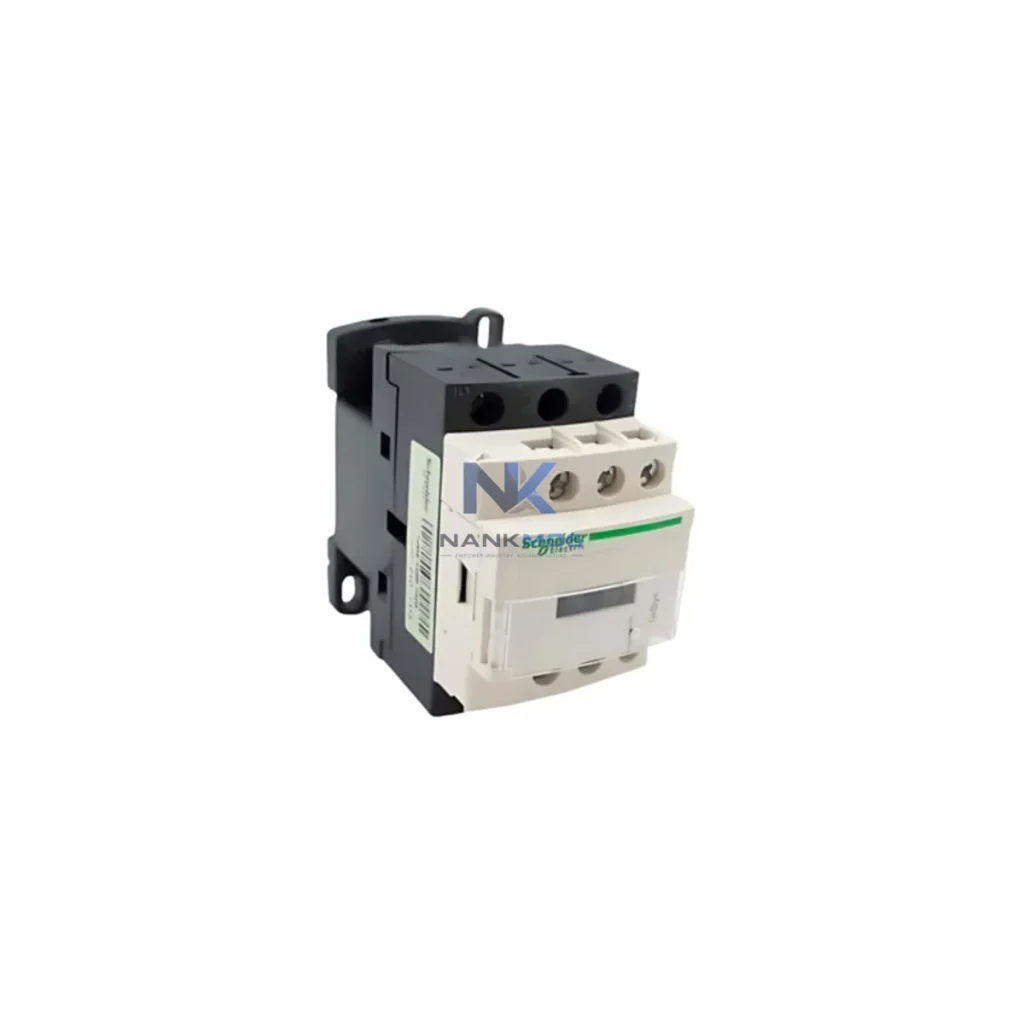
Schneider Electric LC1D12M7C is a NANKMOS industrial automation product record Listed under TeSys series and Business & Industrial > Automation, Control & Flow Devices > Programmable Logic Controllers. Confirm condition, availability, lead time, compatibility and documentation by email inquiry.
| Manufacturer | Schneider Electric |
|---|---|
| Application | Controller Processing & System Control |
| Part Number / Model | LC1D12M7C |
| Compatible System | TeSys |
| Series | TeSys |
| Condition Options | To Confirm |
| Module Type | Controller / CPU Module |
| Warranty | 12 Months |
| Packaging | Anti-static Bag / Secure Box |
| Shipping Methods | DHL / FedEx / UPS / Air / Sea |
| Availability | To Confirm |
| Lead Time | To Confirm |
| Documentation | Part number and revision checked before quote |
The Schneider Electric LC1D12M7C is a 12A three-pole contactor from the renowned TeSys D series, engineered for seamless integration into modern smart factory environments. Far beyond a conventional motor starter, the LC1D12M7C serves as a critical node in the industrial data chain — bridging field-level motor control with upper-layer PLC controllers, SCADA platforms, HMI systems, and remote diagnostic networks. With a 220V AC coil voltage (M7 designation) and robust IEC-rated switching capacity, this contactor is designed for continuous duty in demanding automation sites where network transparency, real-time monitoring, and remote diagnostics are non-negotiable requirements.
In a connected factory architecture, the LC1D12M7C does not operate in isolation. It is typically paired with TeSys D auxiliary contact blocks (e.g., LA1DN11) and TeSys D overload relays (e.g., LRD14C or LRD16C) to form a complete motor protection and control assembly. This assembly feeds status signals — run/stop state, overload trip, phase fault — directly into a Modicon M221 or M241 PLC via digital I/O modules, enabling the controller to make real-time decisions based on live motor status. The PLC then communicates upstream over Modbus TCP/IP or EtherNet/IP to a SCADA server or EcoStruxure Machine SCADA Expert platform, where operators gain full visibility into motor runtime, energy consumption, and fault history.
The LC1D12M7C sits at the intersection of physical motor control and digital data flow. In a typical smart factory deployment, the data chain begins at the field level: the contactor switches a 3-phase motor load while simultaneously reporting its coil energisation state and auxiliary contact status to a Schneider Electric TM3 remote I/O module mounted on the same DIN rail. The TM3 module aggregates discrete signals from multiple LC1D12M7C units across a production line and transmits them over Modbus RTU to a local Modicon M221 PLC.
The M221 PLC processes the incoming motor status data alongside signals from Schneider Electric Zelio Logic smart relays and Acti9 iEM energy meters, which provide real-time power consumption data for each motor circuit. This energy data is critical for predictive maintenance algorithms running on the SCADA layer. The PLC then forwards all consolidated data upstream via EtherNet/IP through a Schneider Electric ConneXium industrial Ethernet switch — ensuring deterministic, low-latency communication even in electrically noisy factory environments.
At the SCADA level, EcoStruxure Machine SCADA Expert receives the data stream and renders it on operator HMI dashboards. Maintenance engineers can monitor the run/stop status of every LC1D12M7C-controlled motor, view cumulative operating hours, and receive alarm notifications when an LRD overload relay trips due to sustained overcurrent. The alarm is timestamped, logged, and can trigger an automated SMS or email alert via the SCADA notification engine — enabling remote diagnostics without requiring a technician to be physically present on the factory floor.
For sites requiring protocol translation between legacy Modbus RTU field devices and modern OPC-UA or MQTT-based IoT platforms, a Schneider Electric EGX300 Ethernet gateway or a third-party edge gateway can be inserted between the PLC and the cloud layer. This architecture allows the LC1D12M7C's operational data to flow seamlessly into EcoStruxure Asset Advisor or any IIoT analytics platform, enabling data visualisation dashboards, trend analysis, and AI-driven anomaly detection at the enterprise level. The result is a fully transparent, end-to-end data chain from motor contactor to cloud — the foundation of a truly connected smart factory.
Protocol Fragmentation: Many automation sites operate a mix of legacy Modbus RTU devices alongside newer EtherNet/IP or PROFINET controllers. The LC1D12M7C, when paired with a TeSys D LU9GC3 communication module, bridges this gap by exposing motor status data over a standardised network protocol — eliminating the need for manual status checks and reducing the risk of data silos between field devices and upper-layer systems.
Data Islands and Production Blind Spots: Without network-connected motor starters, production managers often lack real-time visibility into motor runtime, energy draw, and fault events. The LC1D12M7C resolves this by feeding live operational data into the PLC and SCADA layers, enabling production line transparency and supporting OEE (Overall Equipment Effectiveness) calculations based on actual motor uptime data.
Remote Monitoring and Alarm Tracking: In multi-site or unmanned facilities, the ability to remotely diagnose a motor fault without dispatching a technician is a significant operational advantage. The LC1D12M7C's integration with SCADA alarm management systems ensures that every overload trip, phase loss event, or coil failure is captured, logged, and escalated through the appropriate notification channel — reducing mean time to repair (MTTR) and minimising unplanned downtime.
System Scalability: As production capacity grows, additional LC1D12M7C units can be added to the existing network architecture without redesigning the communication backbone. The TeSys D platform's modular design — supporting auxiliary contact blocks, surge suppressors, and communication modules — ensures that the motor control layer scales in parallel with the automation network, protecting the initial infrastructure investment.
Q1: Does the LC1D12M7C support direct Modbus TCP/IP or EtherNet/IP communication? The LC1D12M7C itself is a hardwired contactor; direct network communication requires the addition of a TeSys D communication module (e.g., LU9GC3 for CANopen or LU9GC31 for DeviceNet). When fitted with the appropriate module, the contactor assembly exposes run/stop commands and status feedback over the selected fieldbus protocol, enabling full PLC and SCADA integration without additional wiring.
Q2: What is the communication latency when integrating LC1D12M7C status data into a SCADA system? When connected via Modbus TCP/IP through a Modicon PLC, typical scan cycle times are 10–50ms depending on network load and PLC program cycle time. For time-critical applications, EtherNet/IP with implicit messaging can achieve sub-10ms update rates, ensuring that motor status changes are reflected in the SCADA HMI with minimal delay.
Q3: Is the LC1D12M7C compatible with third-party PLC platforms such as Siemens S7-1200 or Mitsubishi iQ-R? Yes. When the LC1D12M7C assembly communicates via standard Modbus RTU or Modbus TCP/IP, it is fully compatible with any PLC platform that supports these protocols, including Siemens S7-1200/1500, Mitsubishi iQ-R/F, Allen-Bradley CompactLogix, and Omron NX/NJ series. Protocol-specific gateway modules may be required for PROFINET or EtherNet/IP native integration.
Q4: What does the 12-Month Warranty cover, and what is the lead time for in-stock units? All LC1D12M7C units supplied by NANKMOS are covered by a 12-Month Warranty from the date of shipment, covering manufacturing defects and functional failures under normal operating conditions. Each unit undergoes pre-shipment functional testing to verify coil operation, contact resistance, and auxiliary contact continuity. In-stock units are available for immediate dispatch; lead time for confirmed orders is typically 3–7 business days depending on destination. Contact [email protected] or +86 18359268345 for real-time stock confirmation and RFQ.
Functional Inspection100% tested on professional platforms to ensure stable performance.
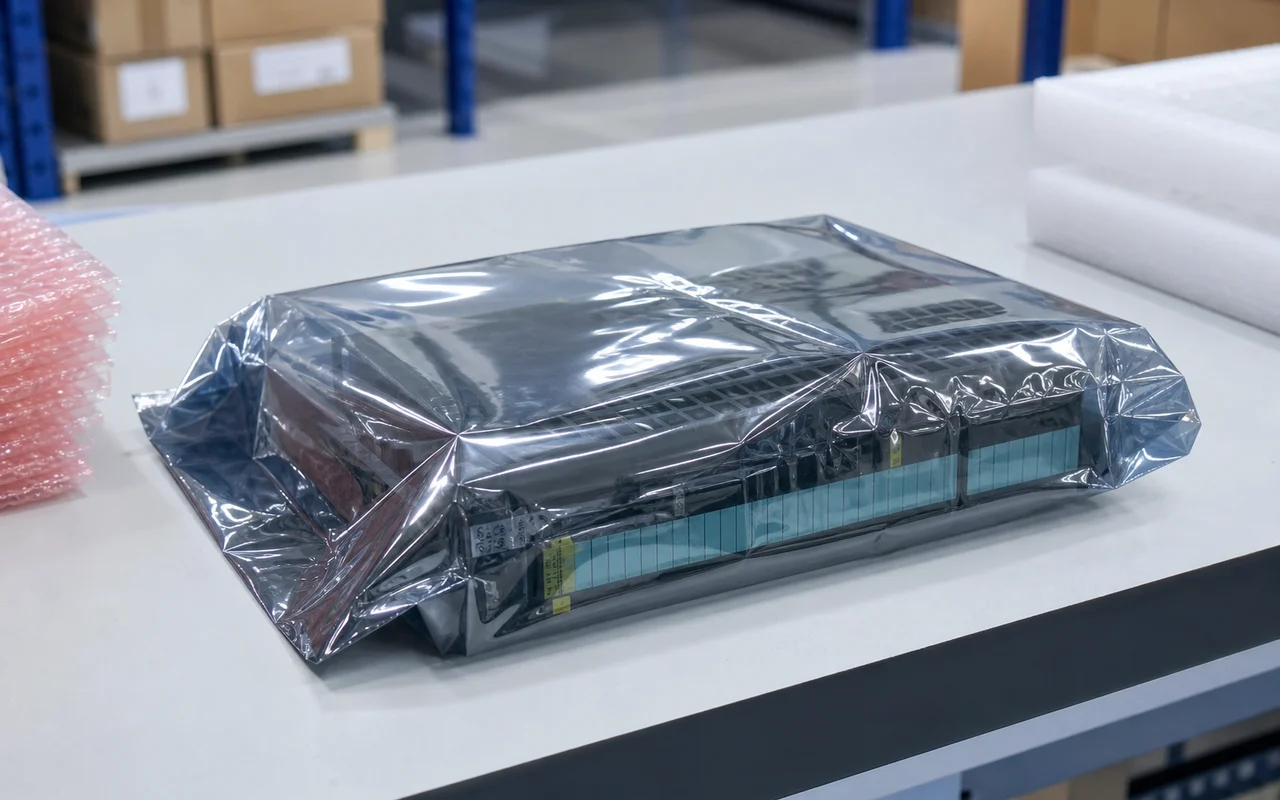 Anti-static Packaging
Modules are packed in anti-static bags to prevent electrostatic damage.
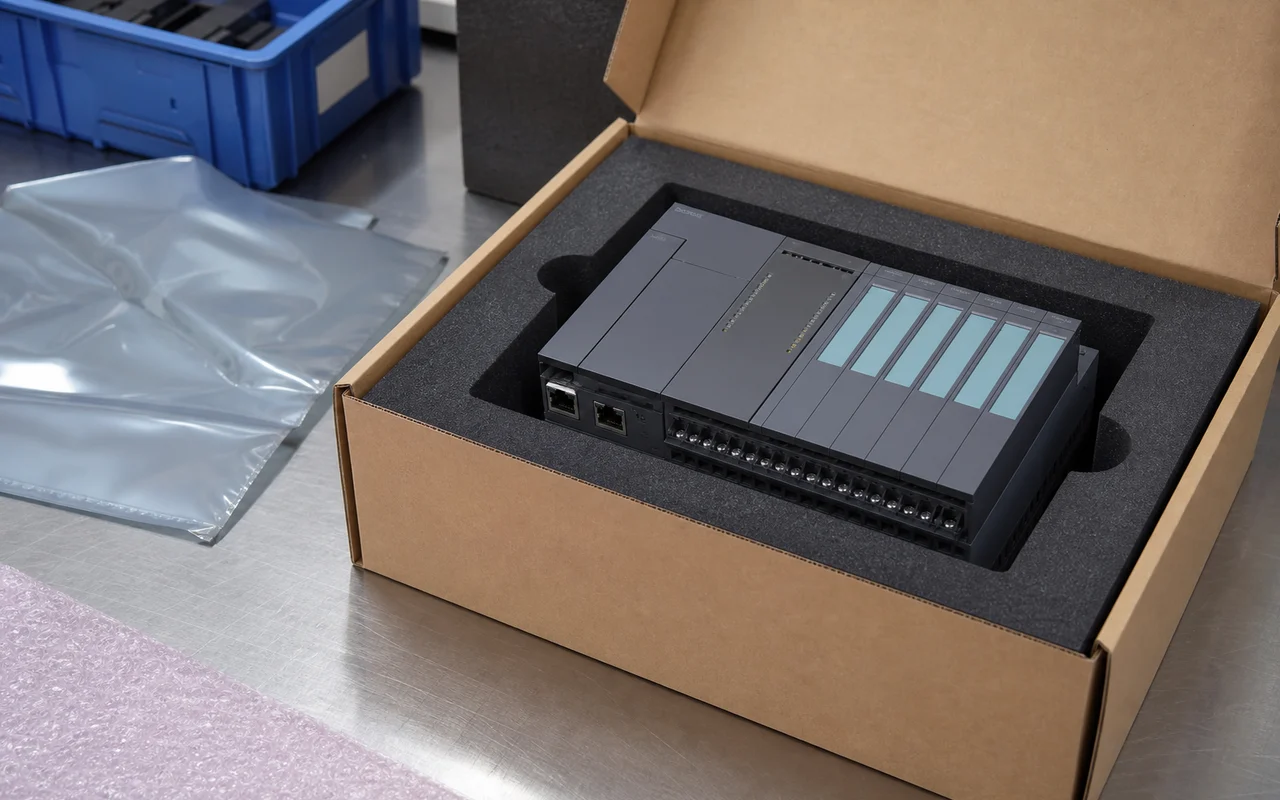 Secure Export Packing
Cushion protection and strong cartons ensure safe transportation.
 Worldwide Shipping
Global logistics network supports air, sea and express delivery.
 Documentation Check
Part number, revision and compatibility verified before shipment.
 After-sales Support
Professional technical support to help resolve your issues.