Functional Inspection
100% tested on professional platforms to ensure stable performance.
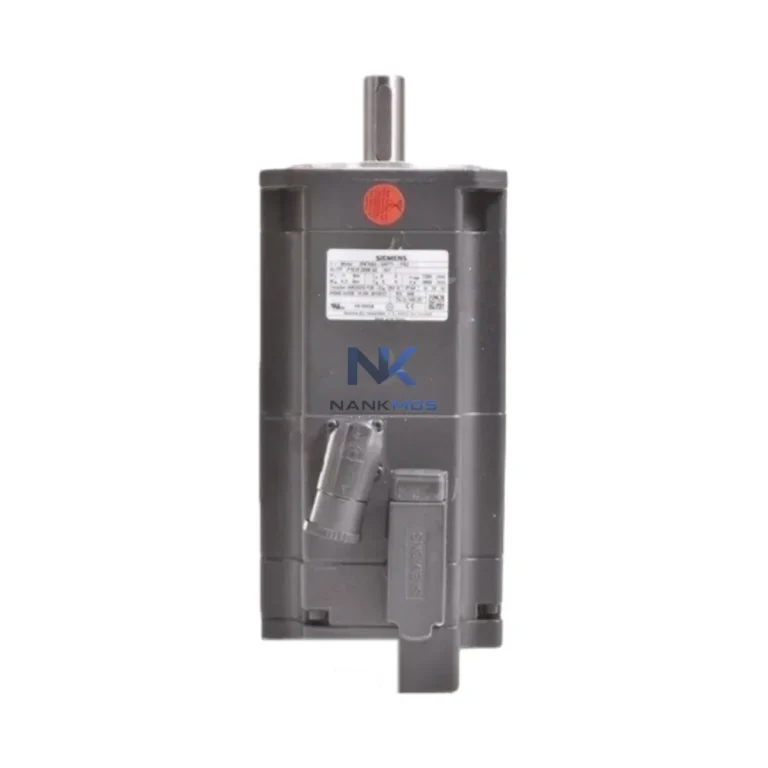
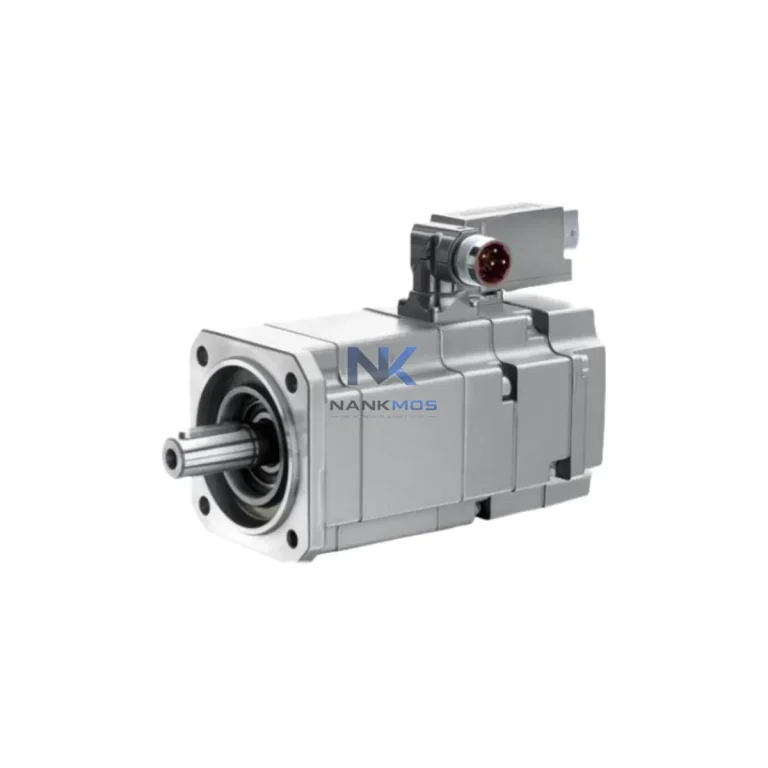
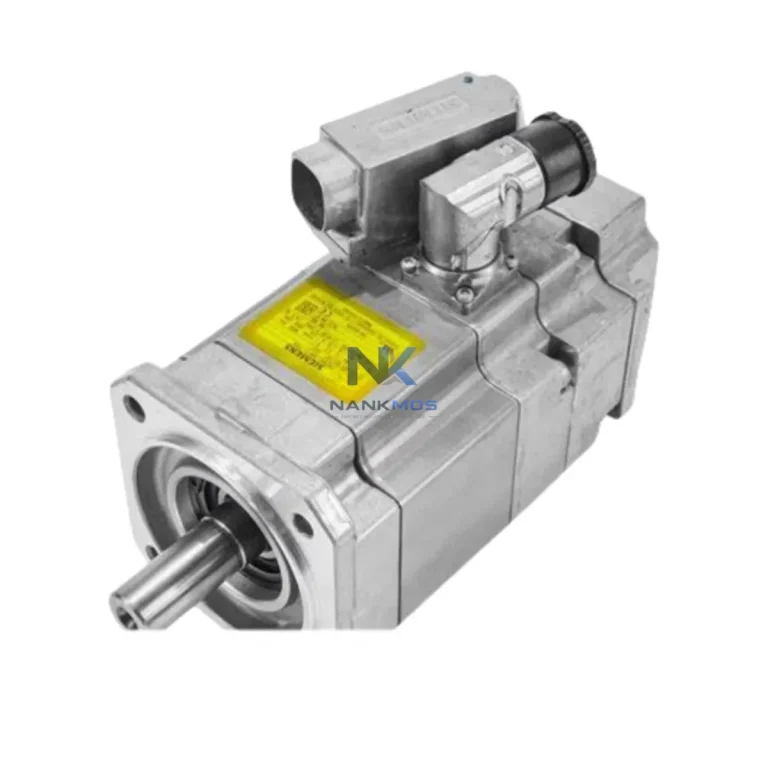
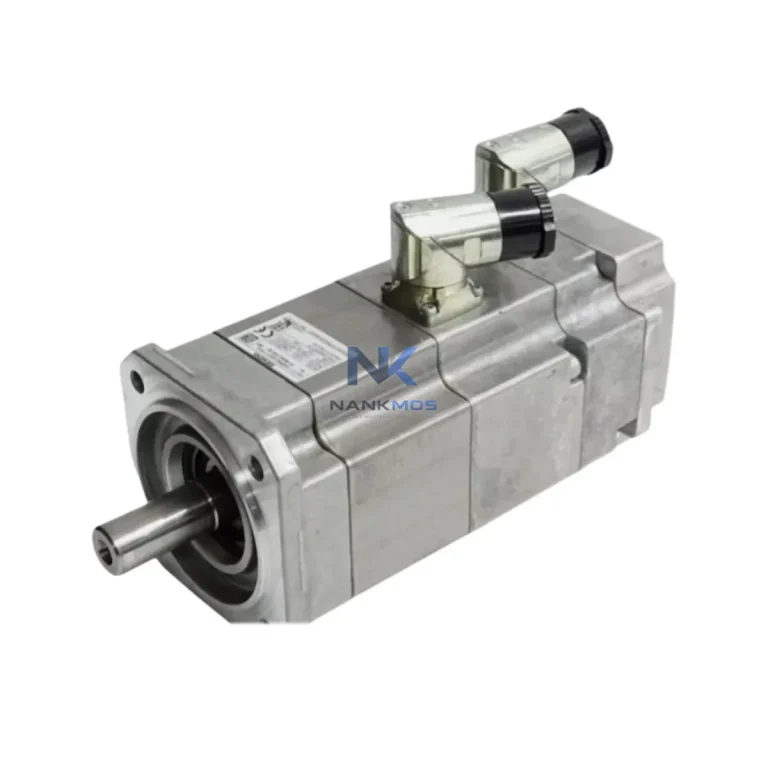
Siemens 460A68.10 is a NANKMOS industrial automation product record Listed under Other series series and Drives. Confirm condition, availability, lead time, compatibility and documentation by email inquiry.
Brand names are used for identification only.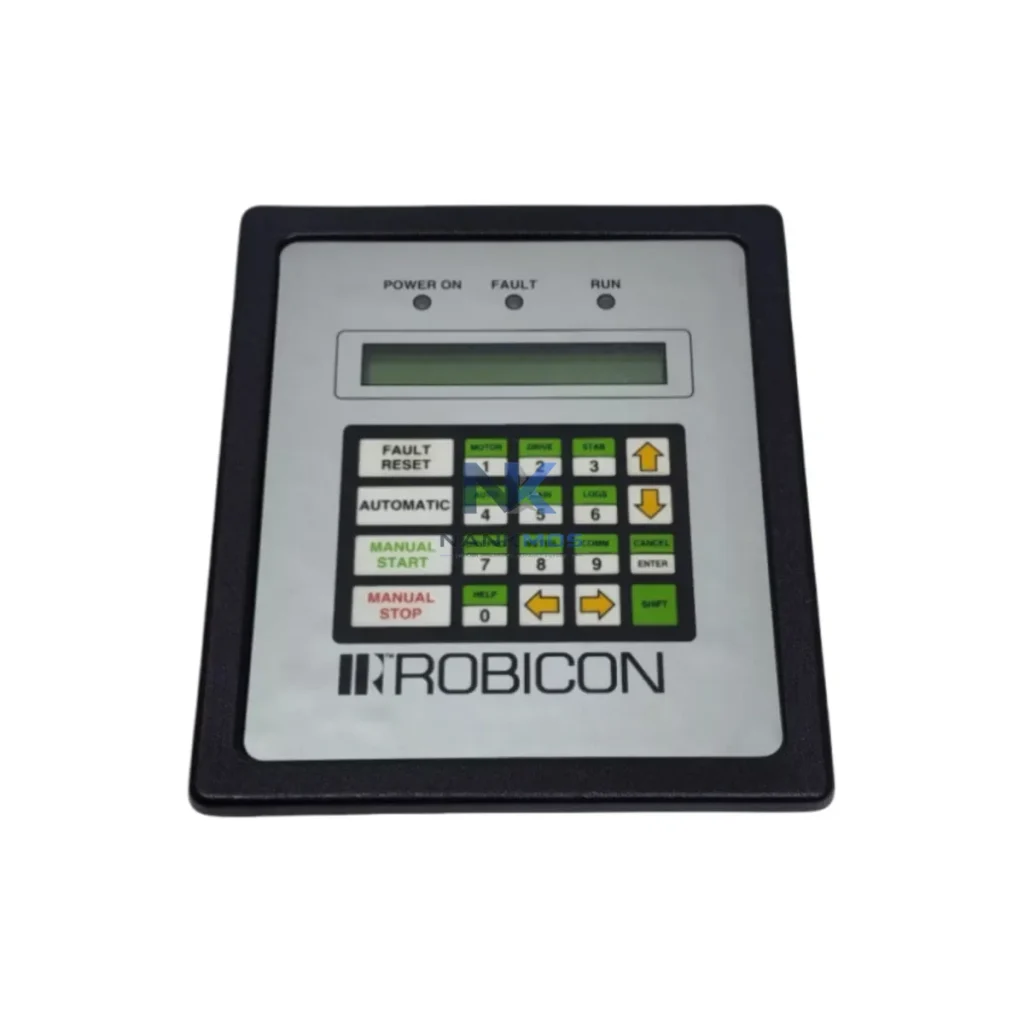
Siemens 460A68.10 is a NANKMOS industrial automation product record Listed under Other series series and Drives. Confirm condition, availability, lead time, compatibility and documentation by email inquiry.
| Manufacturer | Siemens |
|---|---|
| Application | Motion Control & Drive System |
| Part Number / Model | 460A68.10 |
| Compatible System | Confirmed by inquiry |
| Condition Options | To Confirm |
| Module Type | Servo / Drive Module |
| Warranty | 12 Months |
| Packaging | Anti-static Bag / Secure Box |
| Shipping Methods | DHL / FedEx / UPS / Air / Sea |
| Availability | To Confirm |
| Lead Time | To Confirm |
| Documentation | Part number and revision checked before quote |
The Siemens 460A68.10 Cell Control Board is a precision-engineered control module designed for Robicon medium-voltage variable frequency drive (VFD) systems. In modern smart factory environments, this board serves as a critical node in the industrial data chain — bridging field-level power electronics with upper-layer control, monitoring, and diagnostic systems. From signal acquisition at the drive cell level to real-time data transmission across SCADA and HMI platforms, the 460A68.10 enables seamless connectivity across the full automation stack.
As industrial facilities transition toward Industry 4.0 architectures, the demand for reliable, network-aware drive control components has intensified. The 460A68.10 integrates within Robicon Perfect Harmony drive systems, where each cell control board manages gate firing, voltage feedback, fault detection, and inter-cell communication. This data — cell voltage, current waveform, thermal status, and fault codes — flows upward through the drive's fiber-optic communication backbone to the main control unit, and from there into plant-level SCADA systems such as Siemens SIMATIC WinCC or equivalent OPC-UA-compatible platforms.
In a typical smart factory deployment, the 460A68.10 operates alongside the Siemens A1A10000285 Master Control Board, which coordinates multi-cell synchronization and communicates drive status to the plant DCS. Paired with Siemens SINAMICS or MICROMASTER series communication modules, the system supports Profibus-DP and PROFINET protocol layers, enabling real-time parameter exchange with Siemens S7-300 or S7-1500 PLC controllers. This architecture allows plant engineers to monitor individual cell health, adjust modulation parameters, and trigger protective shutdowns — all from a centralized HMI terminal without physical intervention at the drive cabinet.
The board's role in remote diagnostics is particularly valuable in high-availability industries such as petrochemical processing, power generation, and water treatment. When integrated with an edge gateway — such as a Siemens SCALANCE XC-200 industrial switch or equivalent managed Ethernet switch — fault data from the 460A68.10 can be routed to cloud-based or on-premise condition monitoring platforms. Engineers at remote operations centers receive alarm notifications, waveform snapshots, and trend data in real time, enabling predictive maintenance decisions before a cell failure escalates to an unplanned shutdown.
Data visualization is another key benefit of deploying the 460A68.10 within a networked drive architecture. When cell-level data is aggregated through the drive's communication interface and fed into a historian or MES platform, operators gain visibility into energy consumption per drive cell, harmonic distortion trends, and thermal cycling patterns. This granularity supports both energy optimization and compliance reporting — critical requirements in regulated industries. The 460A68.10 thus contributes not only to drive reliability but to the broader data transparency goals of smart manufacturing.
For facilities running mixed automation environments, the 460A68.10 can coexist with third-party remote I/O modules, Modbus RTU-to-PROFINET gateways, and distributed I/O racks connected to Siemens ET 200SP or ET 200M systems. This interoperability ensures that legacy analog instrumentation — pressure transmitters, temperature sensors, flow meters — can be digitized and integrated into the same data fabric as the drive system, eliminating data silos and enabling unified alarm management across the plant floor.
Every Siemens 460A68.10 unit supplied by NANKMOS is pre-shipment tested under functional load conditions, verifying gate drive signal integrity, fiber-optic communication link quality, and protection circuit response. Units are shipped with full traceability documentation and are backed by a 12-month warranty. In-stock inventory ensures rapid dispatch to support both planned maintenance windows and emergency replacement scenarios across global industrial sites.
In a fully networked Robicon drive installation, the 460A68.10 Cell Control Board sits at the base of a layered data architecture. At the field level, each board monitors its assigned power cell — capturing gate firing timing, DC bus voltage, output current, and IGBT junction temperature. This data is transmitted via fiber-optic links to the Siemens A1A10000285 Master Control Board, which aggregates cell-level telemetry and manages the overall drive modulation strategy.
From the master control unit, drive status and fault data are passed to the plant automation layer via PROFIBUS-DP or PROFINET. A Siemens CP 343-1 or CP 443-1 communication processor installed in the S7-300 or S7-400 PLC rack handles protocol translation and data routing to the plant DCS. Simultaneously, a Siemens SCALANCE XC-200 managed industrial Ethernet switch provides the network backbone, ensuring deterministic data delivery between the drive system, PLC, and SCADA server.
At the SCADA layer, Siemens SIMATIC WinCC or a third-party OPC-UA client receives structured drive data — including per-cell health status, energy consumption metrics, and active alarm lists. Operators interact with this data through Siemens TP1200 Comfort Panel HMI terminals mounted at the drive control station, enabling local parameter adjustment and alarm acknowledgment without requiring remote desktop access.
For remote diagnostics, an industrial edge gateway — such as a Siemens SINEMA Remote Connect-compatible device — forwards encrypted drive telemetry to a cloud or on-premise condition monitoring platform. Maintenance engineers at remote locations receive push notifications for critical faults, access historical trend data, and can initiate controlled drive restarts through authenticated remote sessions. This capability is particularly valuable for offshore platforms, remote pumping stations, and unmanned substations where on-site response time is measured in hours rather than minutes.
The data chain is further extended by integrating Siemens ET 200SP distributed I/O modules, which collect analog signals from field instruments — including vibration sensors on motor bearings, inlet pressure transmitters, and cooling water temperature probes — and feed this contextual data into the same SCADA historian. When correlated with drive cell data from the 460A68.10, this multi-source dataset enables root cause analysis of drive faults and supports condition-based maintenance scheduling.
Protocol Fragmentation: Many industrial sites operate a mix of legacy PROFIBUS-DP devices alongside newer PROFINET and Ethernet/IP equipment. The 460A68.10, operating within the Robicon drive's fiber-optic cell network, interfaces cleanly with the master control board's PROFIBUS or PROFINET output, allowing protocol-agnostic integration into existing plant networks without requiring drive-level firmware changes.
Data Silos and Production Transparency: Without cell-level visibility, drive faults are often reported only as generic trip events — providing no actionable information about which cell failed or why. The 460A68.10's granular fault reporting, when surfaced through SCADA, transforms opaque drive trips into structured diagnostic events with cell ID, fault type, and timestamp — enabling faster root cause analysis and reducing mean time to repair (MTTR).
Remote Monitoring Gaps: In facilities where drive cabinets are located in hazardous or physically inaccessible areas, the ability to remotely monitor cell health via the 460A68.10's communication chain eliminates the need for routine manual inspections. Alarm thresholds configured in the SCADA system trigger automated notifications before conditions deteriorate to fault level, supporting a shift from reactive to predictive maintenance.
System Scalability: As production capacity expands, additional Robicon drive cells equipped with 460A68.10 boards can be added to the fiber-optic ring without disrupting existing network topology. The master control board automatically recognizes new cells during initialization, and SCADA tag databases can be updated via bulk import — ensuring that system expansion does not create new data gaps or monitoring blind spots.
Q1: What communication protocols does the Siemens 460A68.10 support for SCADA integration?The 460A68.10 communicates with the Robicon drive's master control board via a proprietary fiber-optic inter-cell link. At the plant network level, the master control board outputs drive data via PROFIBUS-DP or PROFINET, which is then accessible to SCADA systems through OPC-UA servers or Siemens SIMATIC communication processors. This layered architecture ensures compatibility with both legacy DCS platforms and modern IIoT-ready SCADA environments.
Q2: How does the 460A68.10 support remote diagnostics and predictive maintenance?The board continuously transmits cell-level fault codes, voltage feedback, and thermal data to the master control unit. When this data is routed through an industrial edge gateway to a condition monitoring platform, maintenance teams can track cell health trends remotely, set predictive alarm thresholds, and schedule maintenance interventions before a cell fault causes an unplanned drive trip — significantly reducing downtime in critical process applications.
Q3: Is the Siemens 460A68.10 compatible with third-party PLC and HMI systems?Yes. While the 460A68.10 is natively designed for Robicon Perfect Harmony drive systems, the drive's PROFIBUS-DP or PROFINET output is compatible with any PLC or DCS that supports these standard industrial protocols — including Allen-Bradley ControlLogix, ABB AC500, and Schneider Electric Modicon M340 platforms. HMI integration is achieved through OPC-UA or PROFINET IO device mapping, enabling cross-vendor system compatibility.
Q4: What pre-shipment testing and warranty coverage does NANKMOS provide for the 460A68.10?Every 460A68.10 unit undergoes functional pre-shipment testing, including gate drive signal verification, fiber-optic link integrity check, and protection circuit response validation. Units are supplied with traceability documentation confirming test results. NANKMOS provides a 12-month warranty on all 460A68.10 boards, with in-stock inventory available for immediate dispatch to minimize lead times for both planned maintenance and emergency replacement requirements.
Functional Inspection100% tested on professional platforms to ensure stable performance.
 Anti-static Packaging
Modules are packed in anti-static bags to prevent electrostatic damage.
 Secure Export Packing
Cushion protection and strong cartons ensure safe transportation.
 Worldwide Shipping
Global logistics network supports air, sea and express delivery.
 Documentation Check
Part number, revision and compatibility verified before shipment.
 After-sales Support
Professional technical support to help resolve your issues.