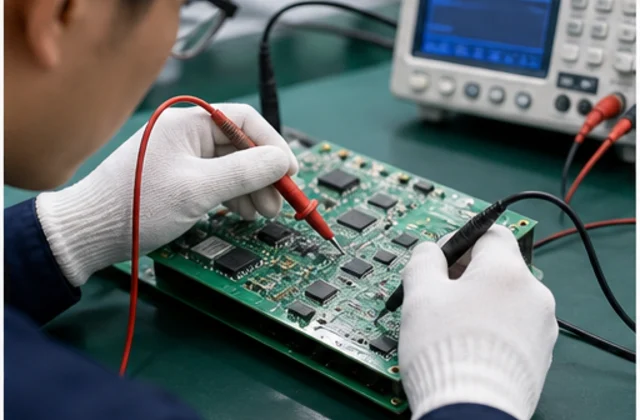
 Functional Inspection
100% tested on professional platforms to ensure stable performance.
ABB 3HAC029236-001/06 is a NANKMOS industrial automation product record Listed under Other series series and Drives. Confirm condition, availability, lead time, compatibility and documentation by email inquiry.
Brand names are used for identification only.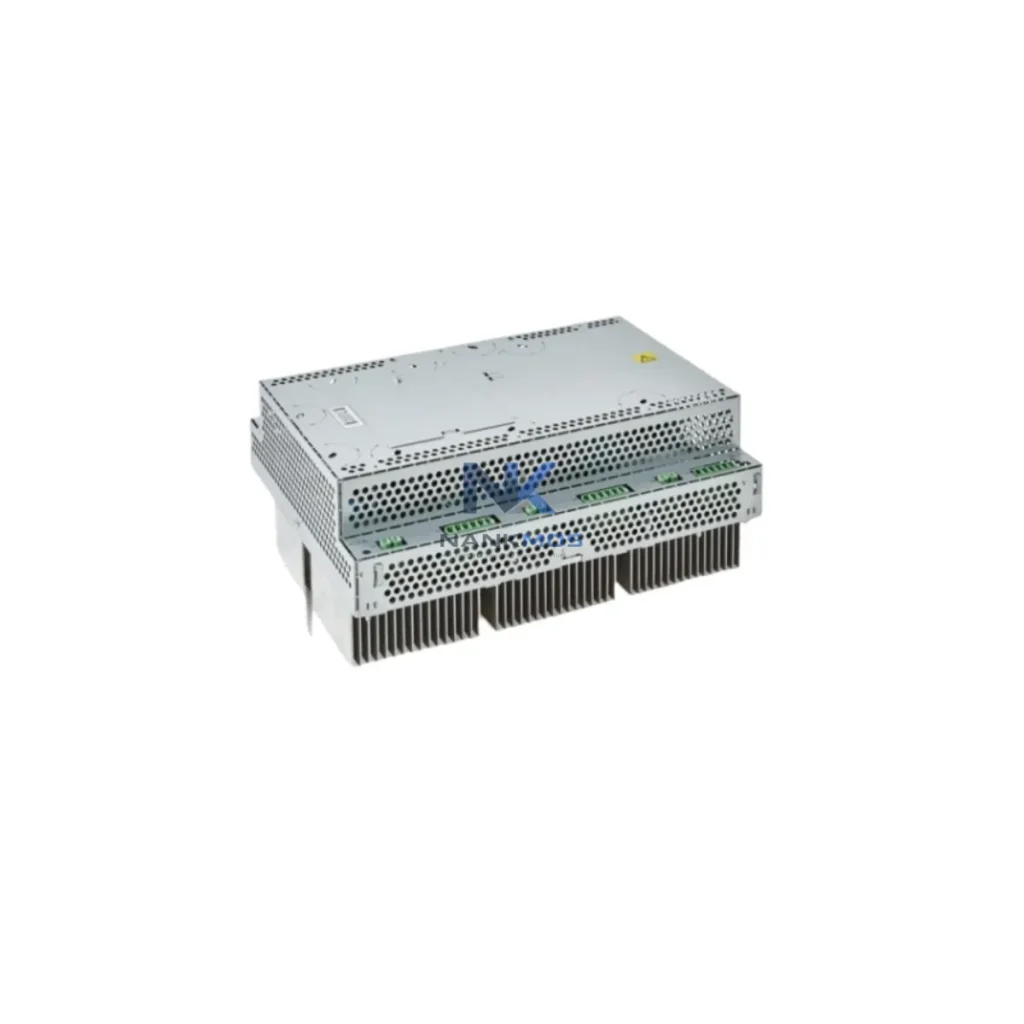
ABB 3HAC029236-001/06 is a NANKMOS industrial automation product record Listed under Other series series and Drives. Confirm condition, availability, lead time, compatibility and documentation by email inquiry.
| Manufacturer | ABB |
|---|---|
| Application | Motion Control & Drive System |
| Part Number / Model | 3HAC029236-001/06 |
| Compatible System | Confirmed by inquiry |
| Condition Options | To Confirm |
| Module Type | Servo / Drive Module |
| Warranty | 12 Months |
| Packaging | Anti-static Bag / Secure Box |
| Shipping Methods | DHL / FedEx / UPS / Air / Sea |
| Availability | To Confirm |
| Lead Time | To Confirm |
| Documentation | Part number and revision checked before quote |
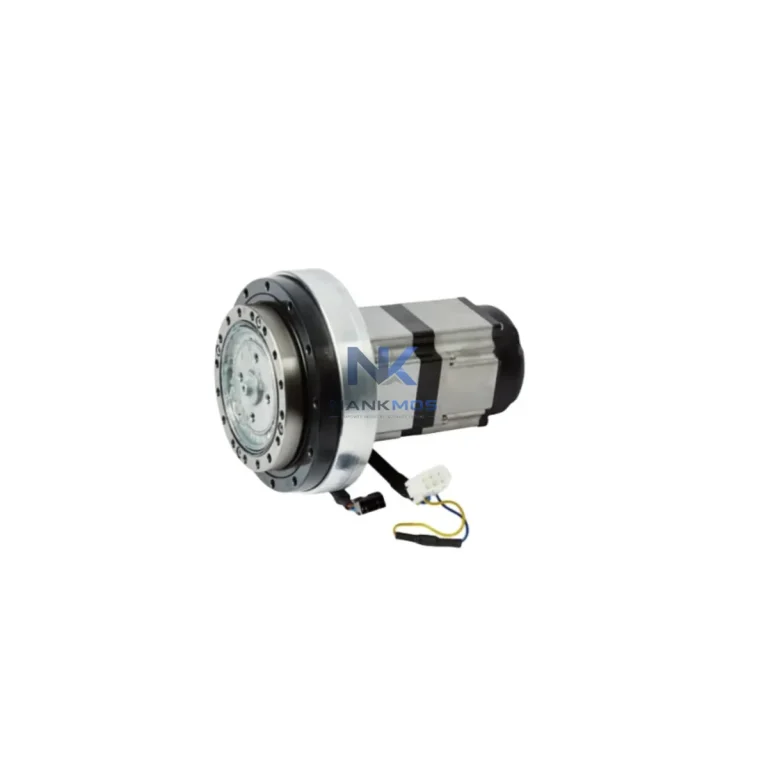
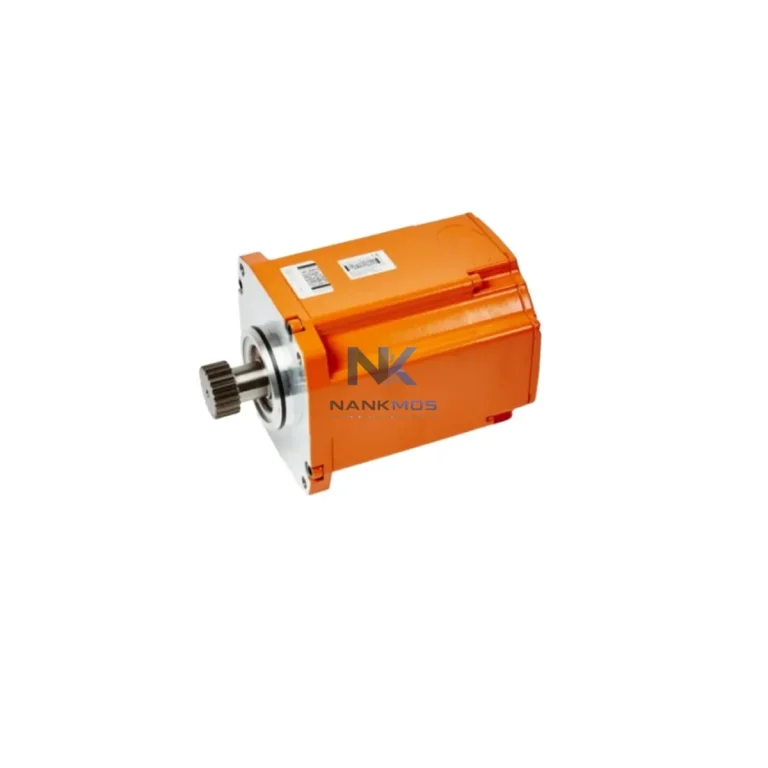
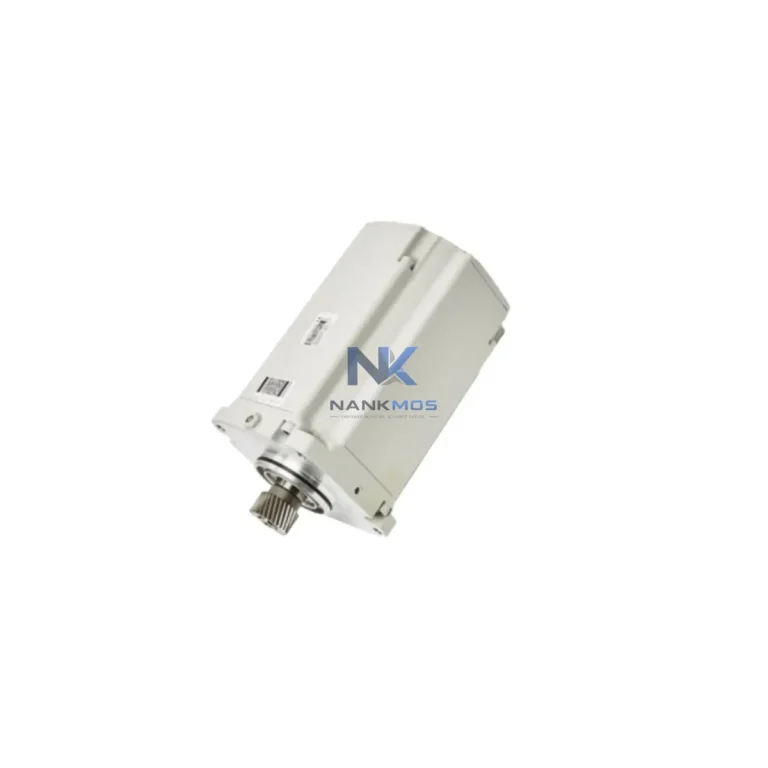
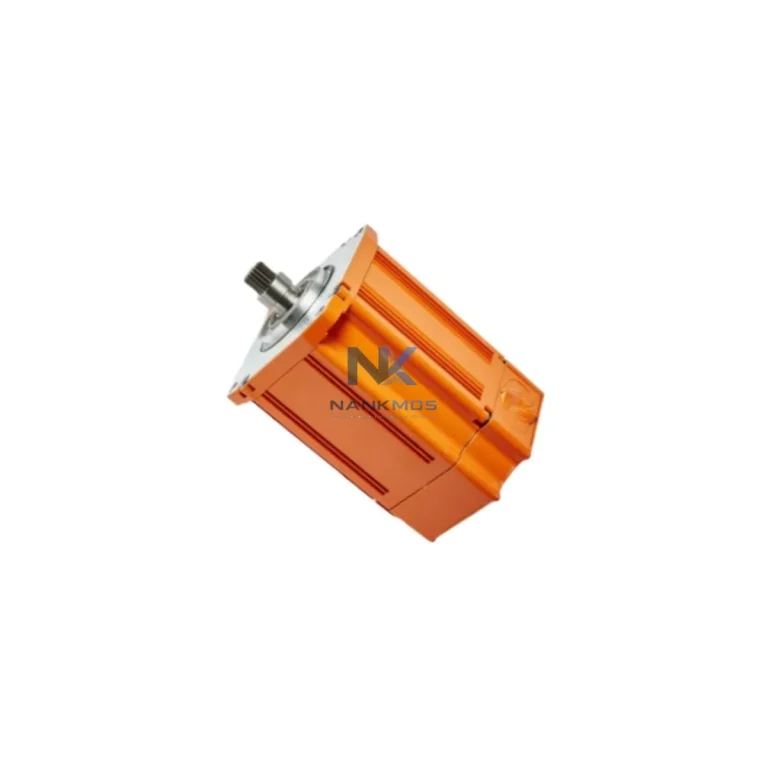
The ABB 3HAC029236-001/06 is a precision AC servo motor engineered for ABB IRB series industrial robots, delivering high-torque, closed-loop motion control within fully networked smart factory environments. Designed to operate as a core actuator node in multi-axis robotic cells, this servo motor integrates seamlessly into the ABB IRC5 controller ecosystem, enabling real-time position feedback, velocity regulation, and torque monitoring across the entire automation data chain. From signal acquisition at the encoder level to visualization on SCADA dashboards, the 3HAC029236-001/06 anchors the motion layer of your connected factory architecture.
In modern smart manufacturing, every actuator must be a data source. The ABB 3HAC029236-001/06 fulfills this role by feeding continuous motion telemetry — speed, load, temperature, and fault status — back through the ABB IRC5 drive module and into the plant-wide communication backbone. Whether your facility runs PROFIBUS DP, DeviceNet, or EtherNet/IP, this motor's resolver and encoder signals are processed by the servo drive and transmitted upstream to PLC controllers, HMI panels, and SCADA systems without latency gaps or protocol barriers.
The ABB 3HAC029236-001/06 sits at the motion execution layer of a multi-tier industrial data architecture. Its operational data flow begins at the motor's resolver, which continuously reports rotor position and velocity to the ABB IRC5 servo drive module. The IRC5 drive processes this feedback in real time, executing closed-loop PID corrections and simultaneously packaging motion telemetry for upstream transmission.
At the controller level, the ABB IRC5 controller aggregates servo data from all robot axes — including those driven by companion motors such as the 3HAC026253-001 and 3HAC17484-1 — and exposes this data to the plant network via PROFIBUS DP or EtherNet/IP. A PROFIBUS DP master card installed in a Siemens S7-300 or S7-400 PLC can poll the IRC5 for axis status, cycle counts, and fault registers at scan rates under 10 ms, ensuring that the motion layer remains fully transparent to the control layer.
For facilities using distributed I/O architectures, the IRC5 network data is further aggregated by an edge gateway — such as an HMS Anybus X-gateway or a Moxa MGate protocol converter — which bridges PROFIBUS segments to EtherNet/IP or Modbus TCP for integration with upstream SCADA platforms like Wonderware InTouch, Ignition by Inductive Automation, or Siemens WinCC. At this layer, the 3HAC029236-001/06's torque load and temperature readings become live process variables on operator HMI screens, enabling real-time monitoring of robot joint health without manual inspection.
Remote I/O modules — such as ABB's own AC500 remote I/O or Beckhoff EtherCAT terminals — extend the data reach to peripheral devices in the robotic cell: safety light curtains, pneumatic valve islands, conveyor encoders, and vision system triggers. These signals are time-stamped and correlated with the servo motor's motion events, creating a synchronized data record that supports both real-time alarm management and post-event root cause analysis.
Variable frequency drives (VFDs) controlling conveyor belts and auxiliary axes adjacent to the IRB robot cell also participate in this data chain. By connecting Danfoss FC302 or ABB ACS880 drives to the same PROFIBUS or EtherNet/IP segment, plant engineers can correlate servo motor load spikes with conveyor speed variations, identifying mechanical interference patterns before they escalate into unplanned downtime. Industrial Ethernet switches — such as Hirschmann SPIDER or Cisco IE-2000 series — provide the managed Layer 2 infrastructure that keeps all these nodes communicating with deterministic latency.
At the top of the data chain, the SCADA system receives structured datasets from the IRC5 controller, edge gateways, and remote I/O modules, rendering them as trend charts, alarm logs, and OEE dashboards. Maintenance engineers can drill down from a SCADA alarm — triggered by an abnormal torque reading on the 3HAC029236-001/06 — through the data chain to the specific robot axis, joint angle, and timestamp, enabling remote diagnosis without dispatching a technician to the factory floor.
Protocol Fragmentation: Many IRB robot cells operate on legacy PROFIBUS DP networks while newer plant systems have migrated to EtherNet/IP or OPC-UA. The ABB IRC5 controller's dual-protocol support, combined with protocol gateway devices, allows the 3HAC029236-001/06's motion data to be published to both legacy and modern network segments simultaneously, eliminating the need for parallel wiring or manual data transcription.
Data Silos Between Robot and Plant Systems: Without proper network integration, servo motor performance data remains locked inside the IRC5 controller and invisible to plant-level SCADA or MES systems. By configuring the IRC5's PROFIBUS or EtherNet/IP adapter and mapping axis variables to PLC data blocks, engineers can break down these silos and make the 3HAC029236-001/06's operational data available across the entire plant information hierarchy.
Remote Monitoring Gaps: In multi-site manufacturing operations, remote visibility into robot joint health is critical for predictive maintenance scheduling. The 3HAC029236-001/06's continuous feedback loop — resolver → IRC5 drive → PLC → SCADA → cloud historian — provides the data foundation for remote condition monitoring dashboards, enabling maintenance teams at central engineering offices to track motor load trends, thermal profiles, and fault histories across all production sites.
Production Line Transparency and Alarm Traceability: Untracked servo faults create alarm floods that overwhelm operators and obscure root causes. By integrating the IRC5 alarm output into the plant SCADA alarm management system, every fault event on the 3HAC029236-001/06 is automatically logged with timestamp, axis ID, fault code, and process context — transforming reactive fault response into structured, traceable alarm management.
System Scalability: As production lines expand with additional IRB robot cells, the PROFIBUS or EtherNet/IP network architecture scales linearly. New IRC5 controllers and their associated servo motors — including additional 3HAC029236-001/06 units or complementary axis motors — are added as new network nodes without redesigning the communication backbone, protecting the initial infrastructure investment.
Q1: What communication protocols does the ABB 3HAC029236-001/06 support for SCADA integration? The 3HAC029236-001/06 itself is a servo motor; its network connectivity is provided by the ABB IRC5 controller and drive module. The IRC5 supports PROFIBUS DP, DeviceNet, and EtherNet/IP adapter options, allowing the motor's position, velocity, torque, and fault data to be transmitted to any SCADA or PLC system that supports these standard industrial protocols. OPC-UA connectivity is achievable via protocol gateway devices.
Q2: How is network stability maintained in high-cycle robotic applications? The IRC5 controller's real-time operating system manages servo communication at deterministic cycle times (typically 4 ms for motion control), independent of the plant network load. Managed industrial Ethernet switches with QoS prioritization ensure that servo telemetry packets are not delayed by general plant traffic. PROFIBUS DP's token-passing architecture further guarantees bounded response times even in high-node-count networks.
Q3: Can the 3HAC029236-001/06 be remotely diagnosed without stopping production? Yes. The ABB IRC5 controller continuously monitors resolver feedback, drive current, and thermal parameters from the 3HAC029236-001/06 and exposes these as readable process variables on the PROFIBUS or EtherNet/IP network. SCADA systems can poll these variables at configurable intervals, enabling remote condition monitoring and predictive maintenance analysis without interrupting the robot's production cycle.
Q4: What pre-shipment testing and warranty coverage is provided? Every ABB 3HAC029236-001/06 unit supplied by NANKMOS undergoes pre-shipment functional testing to verify encoder/resolver integrity, winding resistance, and insulation resistance before dispatch. All units are covered by a 12-month warranty from the date of shipment. In-stock availability ensures rapid delivery to minimize production downtime, and our technical team provides post-sale support for installation and network integration queries.
Functional Inspection100% tested on professional platforms to ensure stable performance.
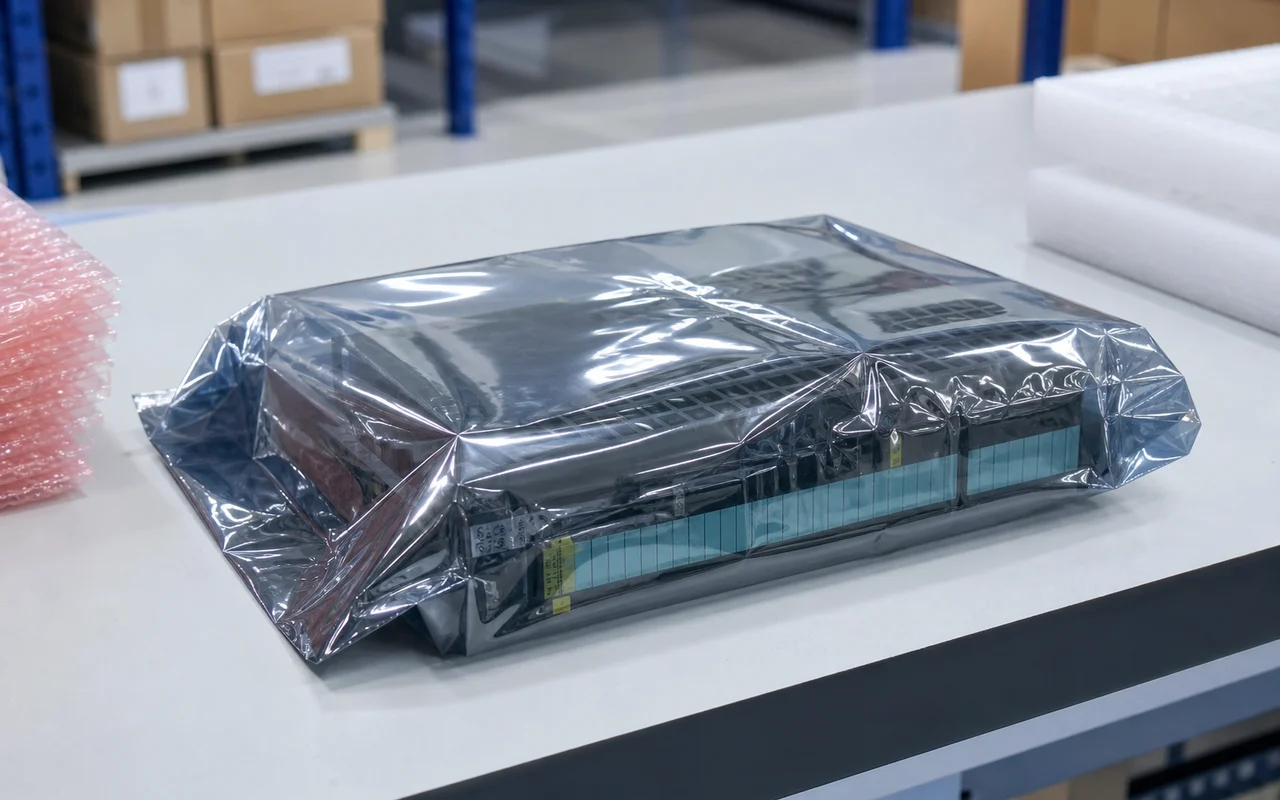 Anti-static Packaging
Modules are packed in anti-static bags to prevent electrostatic damage.
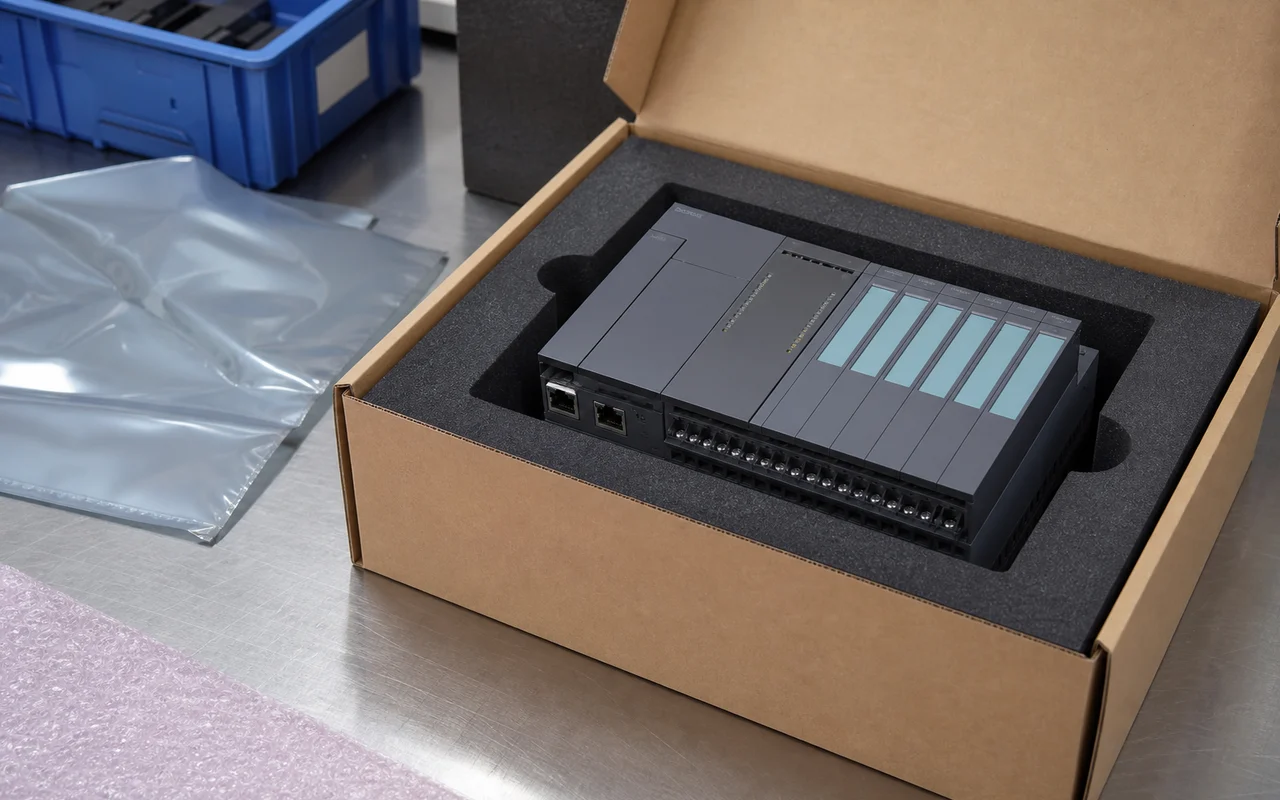 Secure Export Packing
Cushion protection and strong cartons ensure safe transportation.
 Worldwide Shipping
Global logistics network supports air, sea and express delivery.
 Documentation Check
Part number, revision and compatibility verified before shipment.
 After-sales Support
Professional technical support to help resolve your issues.