Functional Inspection
100% tested on professional platforms to ensure stable performance.
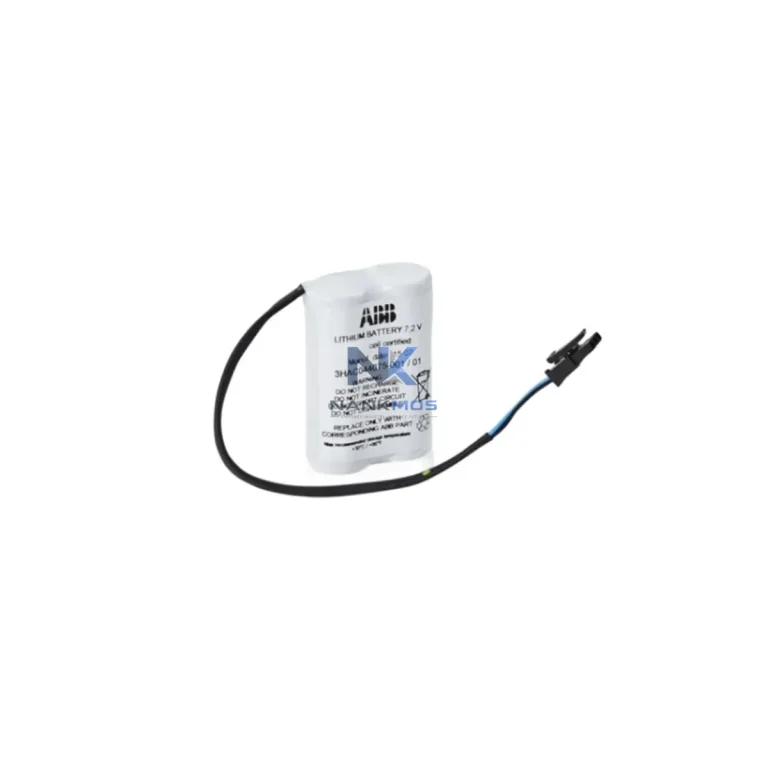
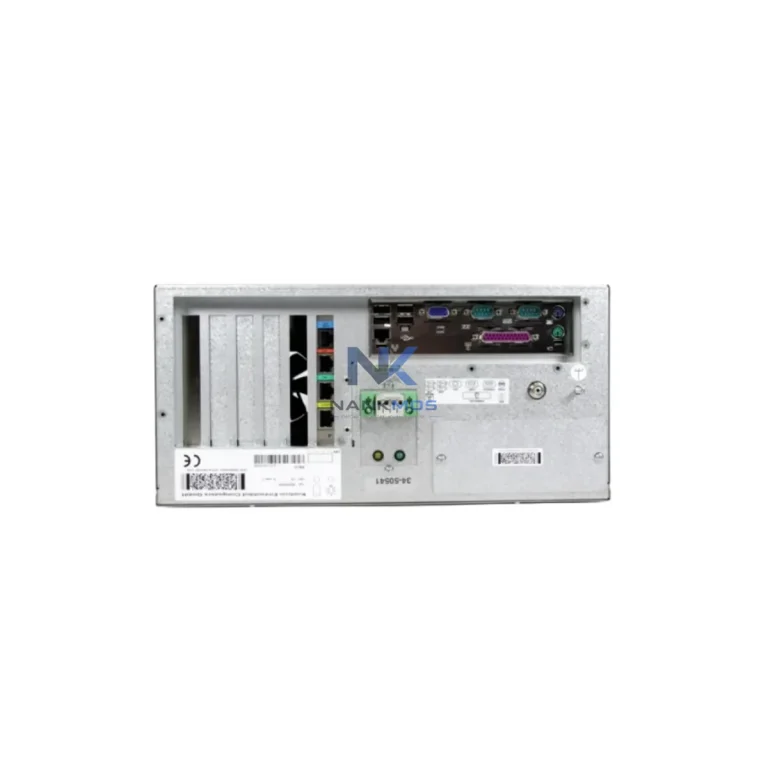
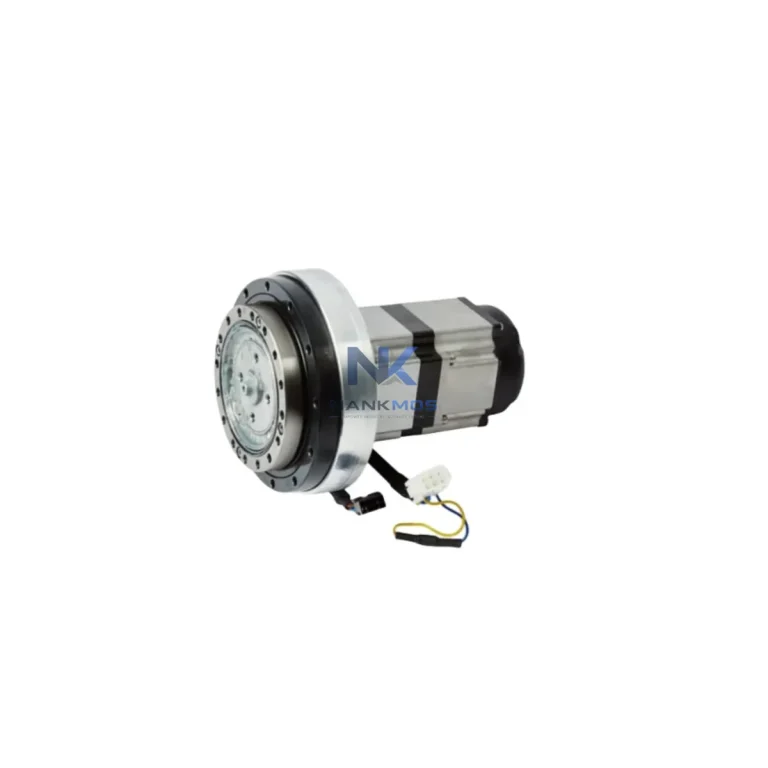
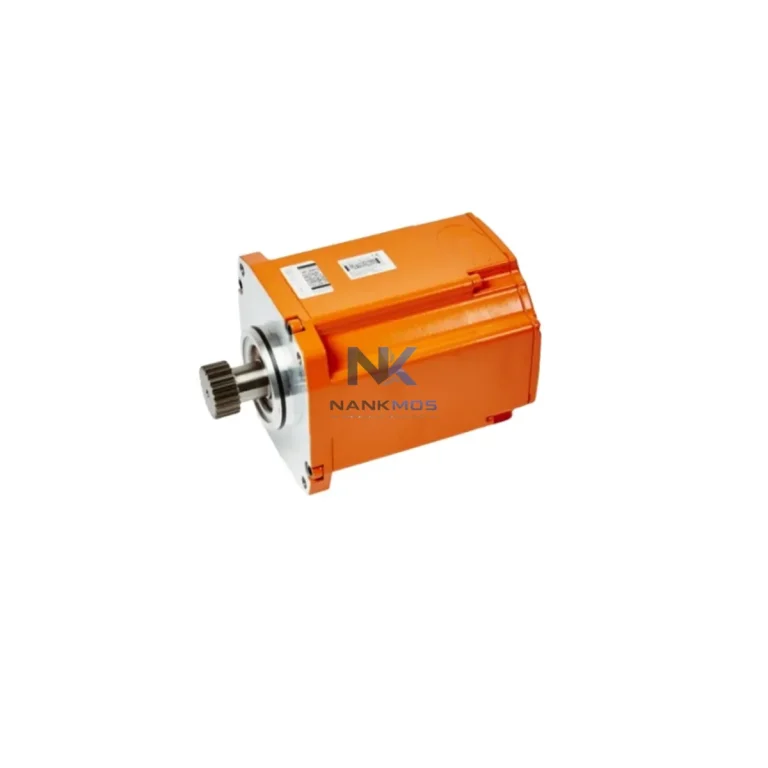
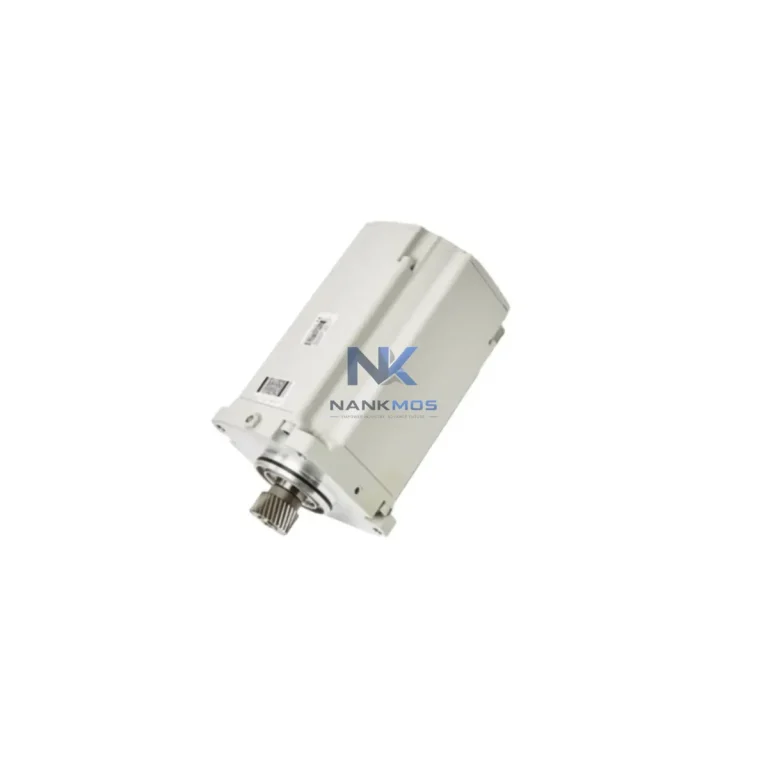
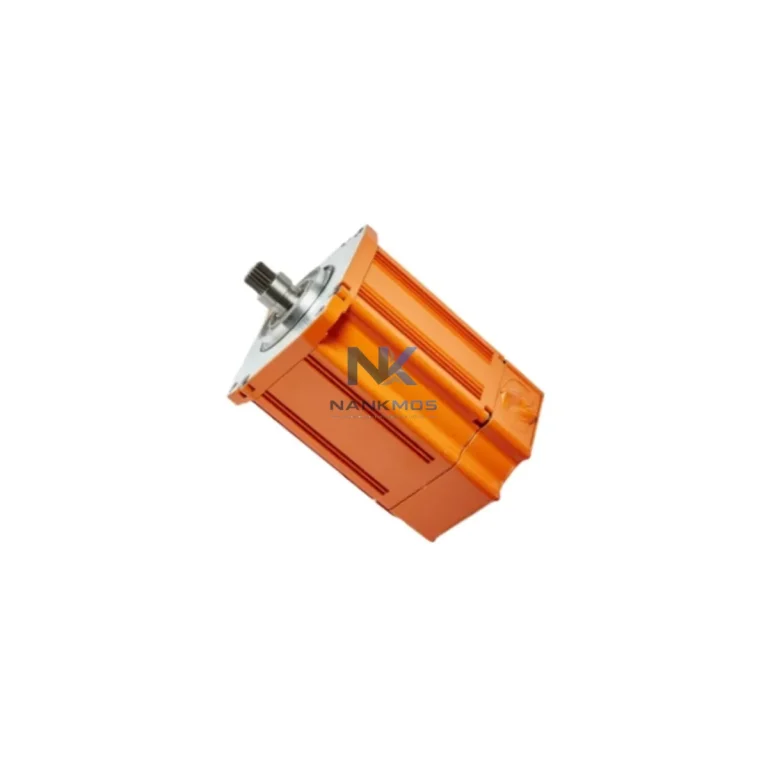
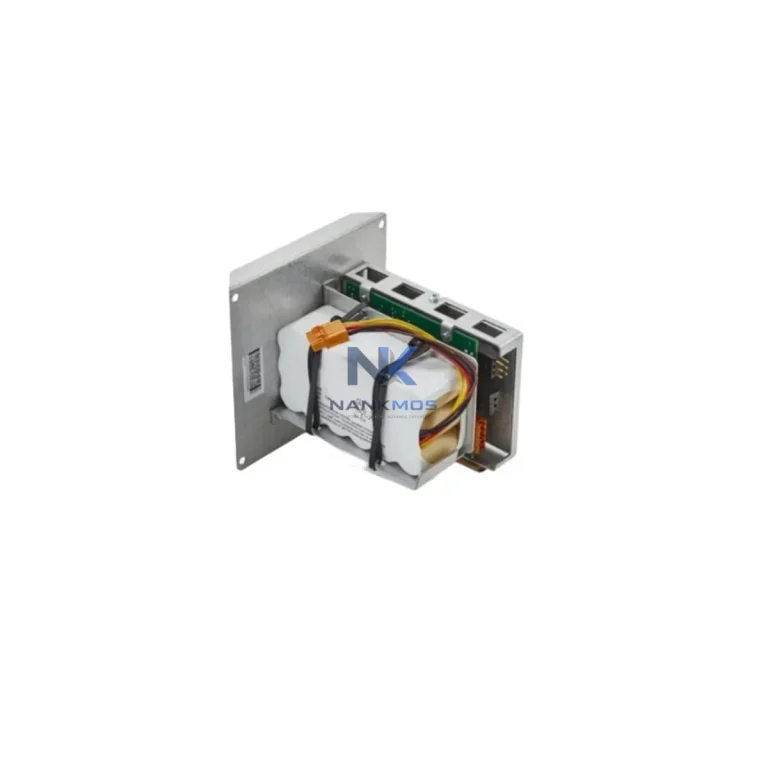
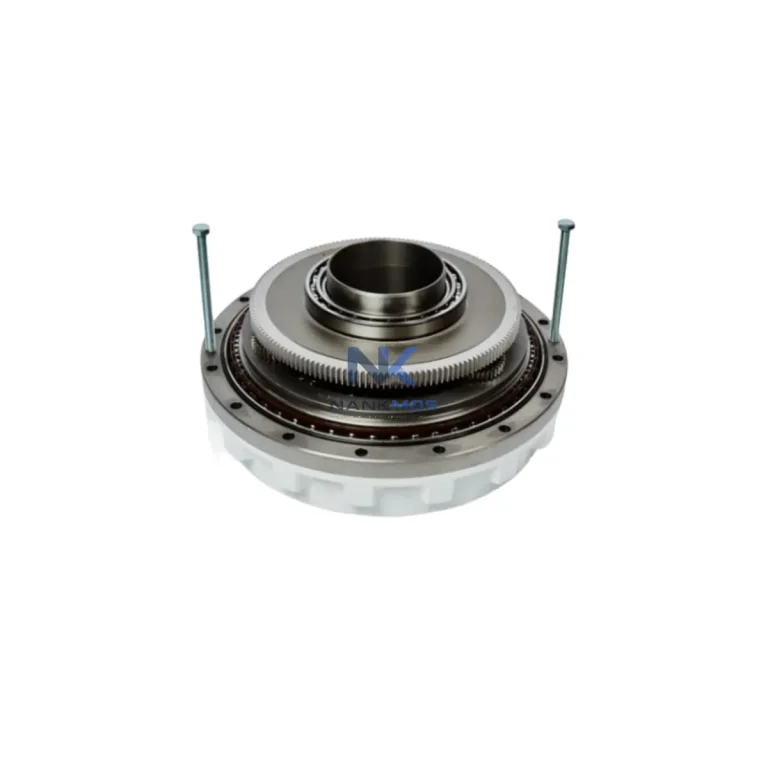
ABB 3HAC10602-2 3HAC10602-1 3HAC10555-1 is a NANKMOS industrial automation product record Listed under Other series series and Drives. Confirm condition, availability, lead time, compatibility and documentation by email inquiry.
Brand names are used for identification only.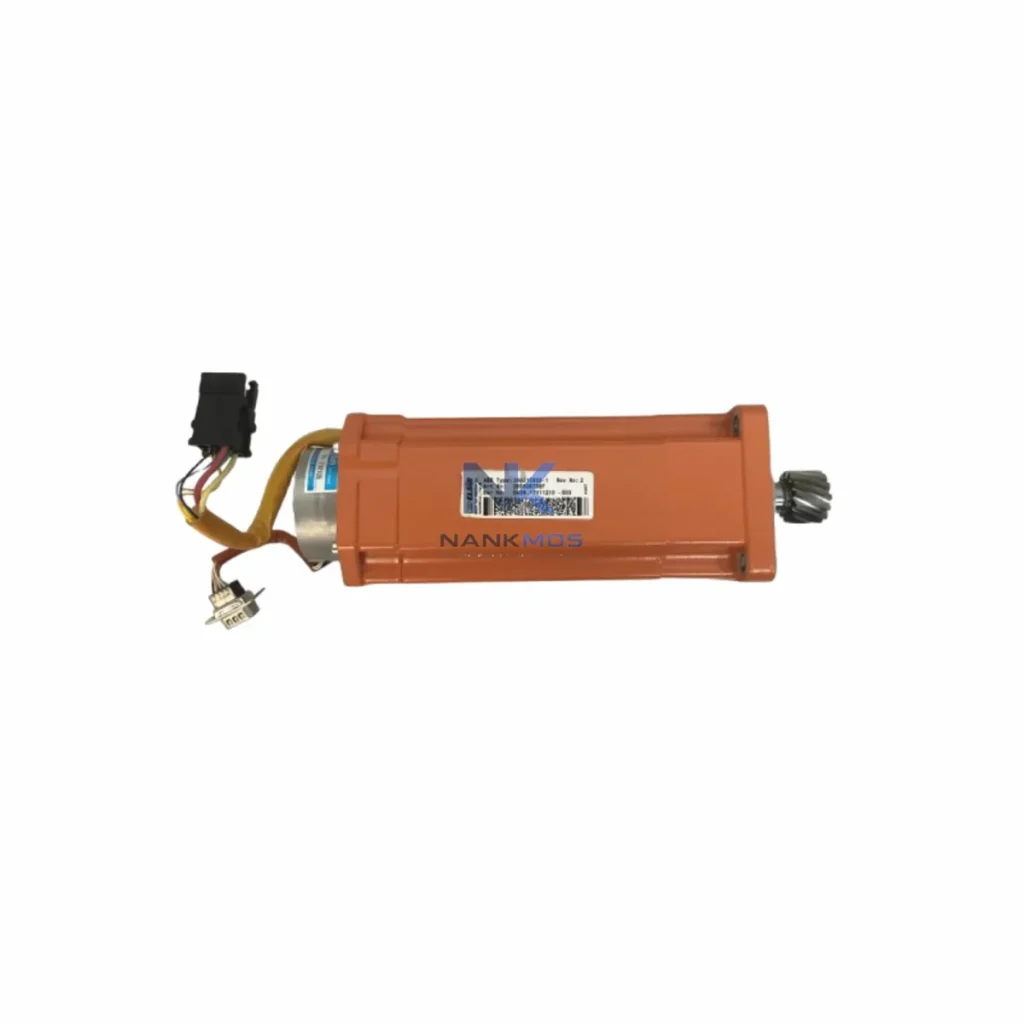
ABB 3HAC10602-2 3HAC10602-1 3HAC10555-1 is a NANKMOS industrial automation product record Listed under Other series series and Drives. Confirm condition, availability, lead time, compatibility and documentation by email inquiry.
| Manufacturer | ABB |
|---|---|
| Application | Motion Control & Drive System |
| Part Number / Model | 3HAC10602-2 3HAC10602-1 3HAC10555-1 |
| Compatible System | Confirmed by inquiry |
| Condition Options | To Confirm |
| Module Type | Servo / Drive Module |
| Warranty | 12 Months |
| Packaging | Anti-static Bag / Secure Box |
| Shipping Methods | DHL / FedEx / UPS / Air / Sea |
| Availability | To Confirm |
| Lead Time | To Confirm |
| Documentation | Part number and revision checked before quote |
The ABB 3HAC10602-2 (cross-compatible with 3HAC10602-1 and 3HAC10555-1) is a precision servo motor engineered for ABB IRB-series industrial robots operating in energy-intensive manufacturing environments. Designed to deliver consistent torque output with minimal power draw, this motor plays a central role in reducing unnecessary energy consumption across automated production lines — from semiconductor fabrication cells to petrochemical handling systems and automotive body welding stations.
As factories transition toward smart energy management and carbon-neutral production targets, the 3HAC10602-2 provides a mechanically and electrically optimized drive solution that integrates seamlessly with modern control architectures. Its compact rotor design minimizes resistive losses during acceleration and deceleration cycles, directly reducing thermal load on surrounding drive cabinets and lowering cooling energy demand.
In a fully integrated smart factory, the ABB 3HAC10602-2 servo motor does not operate in isolation — it functions as a precision energy node within a layered automation architecture. At the controller level, the ABB IRC5 robot controller manages motion profiles and axis coordination, issuing torque commands that the 3HAC10602-2 executes with high fidelity, minimizing overshoot and unnecessary energy expenditure during path execution.
The motor interfaces directly with ABB DSQC645 and DSQC662 drive units, which regulate current delivery and regenerative braking cycles. When the robot decelerates, regenerative energy is fed back into the DC bus — a process that the DSQC drive units manage to reduce net energy consumption across multi-axis robot cells. This is particularly valuable in high-cycle applications such as spot welding or pick-and-place operations where deceleration events are frequent.
For broader energy visibility, the 3HAC10602-2 can be deployed alongside power monitoring modules such as the ABB CM-series or third-party DIN-rail power analyzers integrated via Profibus DP or EtherNet/IP communication modules. These modules capture real-time current draw, power factor, and cumulative kWh data — feeding the plant's SCADA system or MES energy dashboard for load trend analysis and shift-level energy reporting.
At the I/O layer, ABB DSQC328A or compatible digital I/O modules relay motor status signals — including fault flags, temperature warnings, and encoder feedback — to the IRC5 controller and upstream HMI panels. Operators can monitor axis health and energy draw in real time, enabling proactive intervention before thermal faults or overcurrent events disrupt production rhythm.
In multi-robot cells, the 3HAC10602-2 is often paired with ABB FlexPositioner or external servo positioners driven by coordinated motion programs. Synchronizing these axes through the IRC5's MultiMove function reduces idle wait time between robot operations, compressing cycle time and improving energy utilization per produced unit.
For facilities running mixed automation platforms, the motor's drive signals are compatible with integration via DeviceNet or PROFINET gateways, allowing the ABB robot cell to participate in plant-wide energy optimization routines managed by a central Siemens S7 PLC or Rockwell ControlLogix controller. This cross-platform compatibility ensures the 3HAC10602-2 can contribute to energy KPIs regardless of the broader control ecosystem.
The ABB 3HAC10602-2 contributes to production line energy optimization through three primary mechanisms: reduced idle-state power draw, efficient torque delivery during active motion, and compatibility with regenerative drive architectures.
In high-throughput manufacturing environments — such as automotive body shops running three-shift operations — servo motors account for a significant share of total robot cell energy consumption. Motors that operate with poor torque efficiency or excessive thermal output force cooling systems to work harder, compounding energy waste. The 3HAC10602-2's winding design and rotor geometry are optimized for the cyclic load profiles typical of IRB-series robots, ensuring that energy input translates directly into productive mechanical output rather than heat dissipation.
From a predictive maintenance perspective, the motor's encoder feedback system provides continuous position and velocity data to the IRC5 controller. Deviations from expected motion profiles — caused by bearing wear, load imbalance, or mechanical interference — are detectable early through trend analysis in the robot's condition monitoring software or an integrated SCADA platform. Early fault detection prevents unplanned downtime, which is one of the most energy-inefficient events in automated production: a stopped line with powered-up ancillary systems (conveyors, HVAC, compressed air) continues consuming energy without producing output.
For production planners, the 3HAC10602-2's availability as a stocked, tested replacement unit means that scheduled maintenance windows can be executed on time without extended lead times. Planned replacements during scheduled downtime are far more energy-efficient than emergency shutdowns, which often require extended restart sequences and system re-calibration cycles that consume additional power.
The motor also supports line balancing strategies: by maintaining consistent axis performance across all joints of the IRB robot, production engineers can optimize robot path programs for minimum cycle time at minimum energy cost — a key lever in OEE (Overall Equipment Effectiveness) improvement programs targeting both throughput and energy intensity per unit produced.
Q1: How does the ABB 3HAC10602-2 contribute to energy savings in robot cells?The 3HAC10602-2 is designed for the cyclic torque demands of IRB-series robots, delivering high torque-per-watt efficiency during active motion phases. Combined with ABB DSQC drive units that support regenerative braking, the motor helps reduce net energy consumption in high-cycle applications. Its low thermal output also reduces the cooling load on drive cabinets, further lowering facility energy use.
Q2: Which control systems and drives are compatible with this servo motor?The 3HAC10602-2 is compatible with ABB IRC5 and OmniCore robot controllers, and interfaces with DSQC645 and DSQC662 drive units. It is also compatible with S4C+ controller platforms. For cross-platform integration, the motor's drive signals can be routed through PROFINET or EtherNet/IP gateways to interface with third-party PLC systems.
Q3: Can this motor replace 3HAC10602-1 or 3HAC10555-1 in existing installations?Yes. The 3HAC10602-2 is cross-compatible with 3HAC10602-1 and 3HAC10555-1 in most IRB robot axis configurations. We recommend verifying the axis assignment and connector pinout against your robot's maintenance manual before installation. Our technical team can assist with compatibility confirmation prior to shipment.
Q4: What does the 12-month warranty cover, and how is the motor tested before shipment?Every 3HAC10602-2 unit is functionally tested prior to shipment, including encoder signal verification, winding resistance check, and insulation integrity testing. The 12-month warranty covers manufacturing defects and premature failure under normal operating conditions. Units are stocked and available for immediate dispatch, minimizing downtime risk for urgent replacement requirements.
Functional Inspection100% tested on professional platforms to ensure stable performance.
 Anti-static Packaging
Modules are packed in anti-static bags to prevent electrostatic damage.
 Secure Export Packing
Cushion protection and strong cartons ensure safe transportation.
 Worldwide Shipping
Global logistics network supports air, sea and express delivery.
 Documentation Check
Part number, revision and compatibility verified before shipment.
 After-sales Support
Professional technical support to help resolve your issues.