Functional Inspection
100% tested on professional platforms to ensure stable performance.
ABB 3HAC17484-10/04 is a NANKMOS industrial automation product record Listed under Other series series and Drives. Confirm condition, availability, lead time, compatibility and documentation by email inquiry.
Brand names are used for identification only.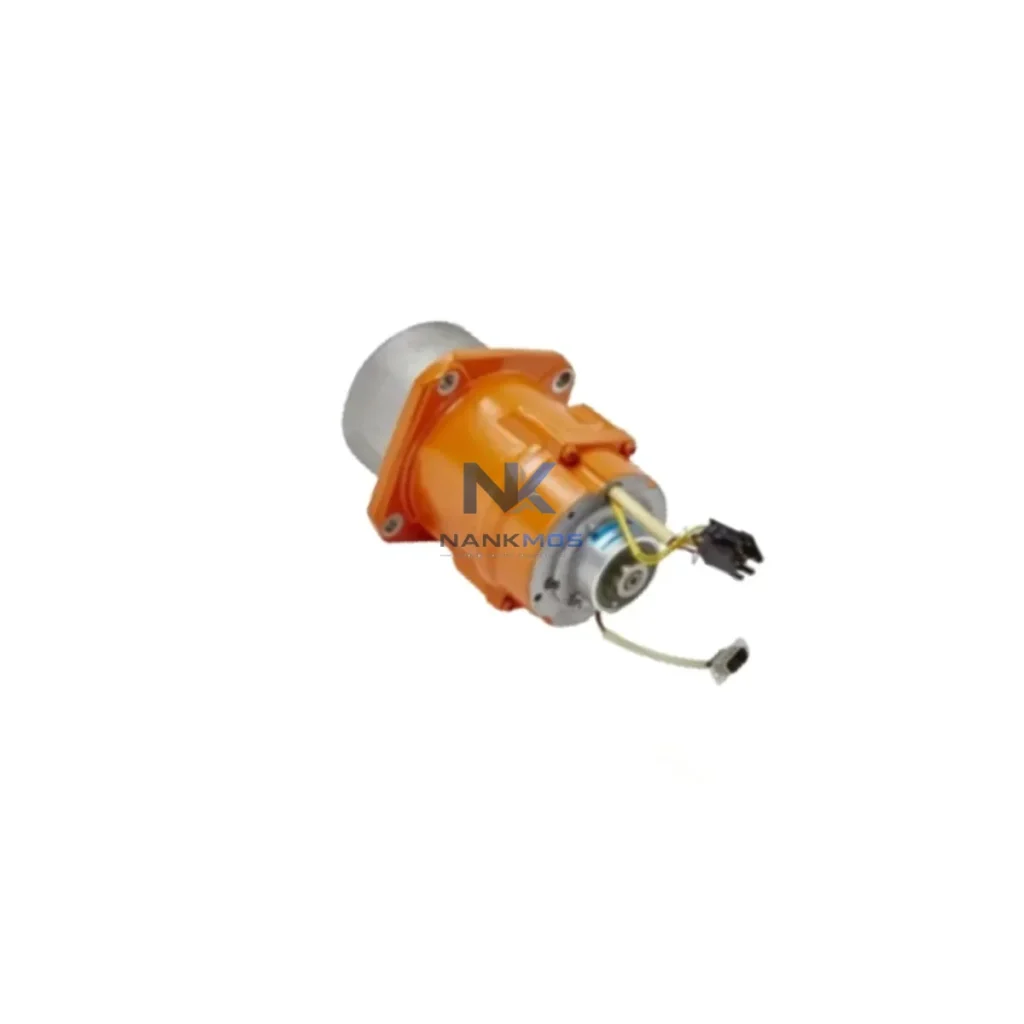
ABB 3HAC17484-10/04 is a NANKMOS industrial automation product record Listed under Other series series and Drives. Confirm condition, availability, lead time, compatibility and documentation by email inquiry.
| Manufacturer | ABB |
|---|---|
| Application | Motion Control & Drive System |
| Part Number / Model | 3HAC17484-10/04 |
| Compatible System | Confirmed by inquiry |
| Condition Options | To Confirm |
| Module Type | Servo / Drive Module |
| Warranty | 12 Months |
| Packaging | Anti-static Bag / Secure Box |
| Shipping Methods | DHL / FedEx / UPS / Air / Sea |
| Availability | To Confirm |
| Lead Time | To Confirm |
| Documentation | Part number and revision checked before quote |
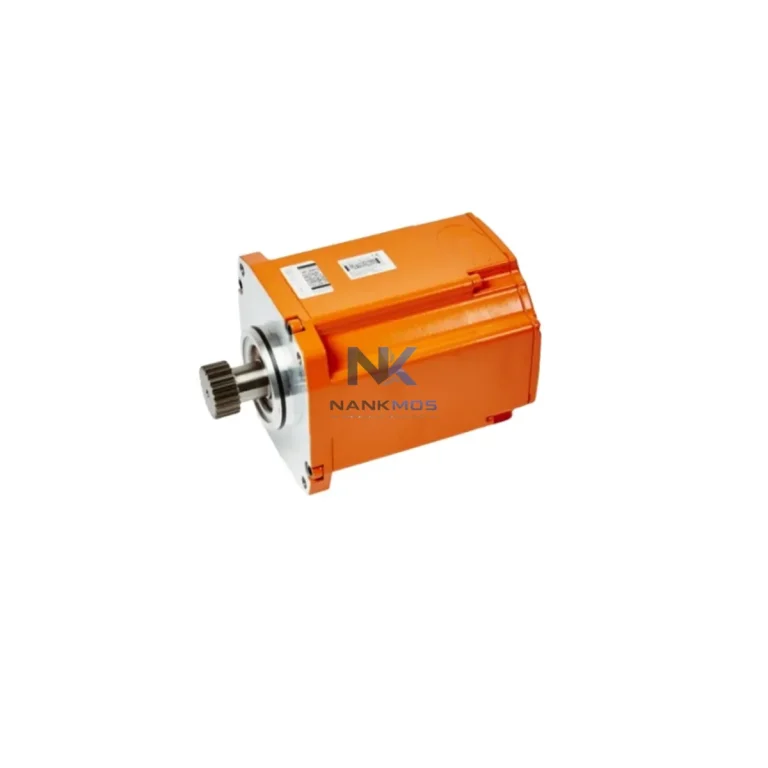
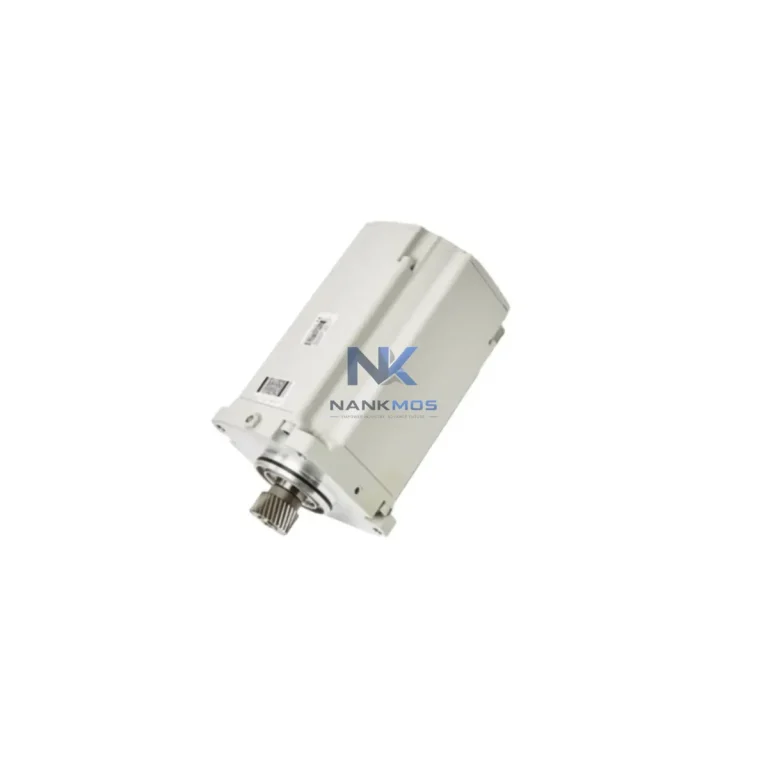
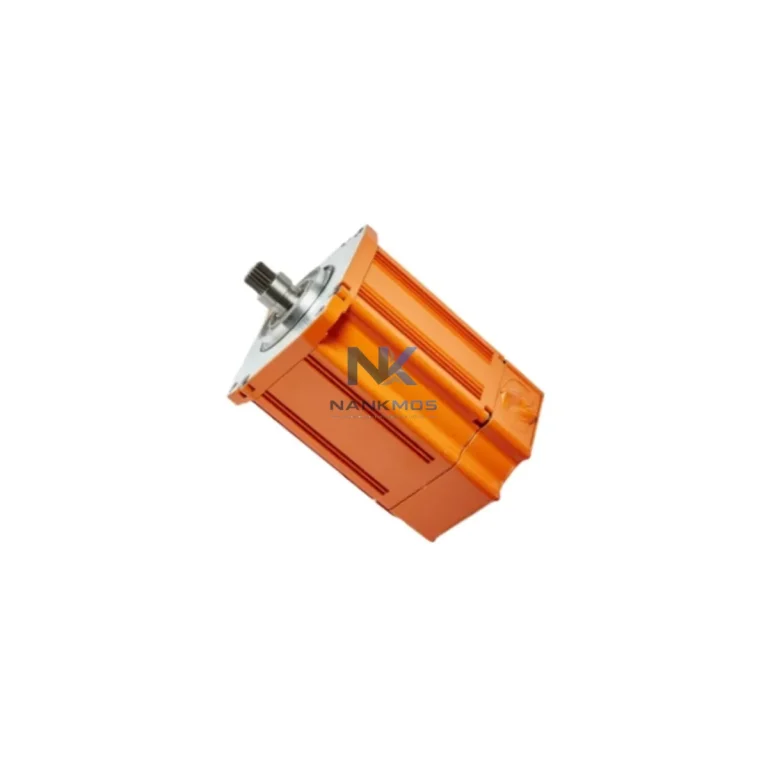
The ABB 3HAC17484-10/04 is a precision-engineered AC servo motor designed for the ABB IRB robot series, delivering high-efficiency motion control across demanding industrial environments. Built to reduce energy consumption at the axis level, this motor integrates seamlessly into energy-aware automation architectures — from single-cell robotic workcells to multi-axis production lines requiring coordinated load management and real-time drive feedback.
In modern smart manufacturing, every kilowatt saved at the motor level compounds across a facility's energy budget. The 3HAC17484-10/04 achieves this through tight encoder feedback loops, low-loss winding design, and compatibility with ABB's DSQC-series drive modules, enabling the servo controller to apply only the torque demanded by the load — eliminating the idle-draw inefficiencies common in oversized or poorly matched motor-drive pairs.
The 3HAC17484-10/04 does not operate in isolation — its energy efficiency is fully realized when integrated into a coordinated automation architecture. In a typical IRB robot cell, the motor is driven by an ABB DSQC 661 or DSQC 662 servo drive module housed within the IRC5 controller cabinet. These drive modules regulate current delivery based on real-time position and torque feedback from the motor's encoder, ensuring that energy is consumed only when mechanical work is being performed.
At the system level, the IRC5 controller communicates with upstream PLCs — such as the ABB AC500 series or Siemens S7-300/S7-1500 — via Profibus-DP or DeviceNet, allowing the production scheduler to coordinate robot motion with conveyor timing, press cycles, and vision system triggers. This synchronization prevents the motor from holding position under unnecessary load, directly reducing reactive power draw and thermal stress on the drive.
For facilities running energy management systems, the 3HAC17484-10/04's drive data can be surfaced through SCADA platforms via OPC-UA or Modbus TCP, enabling power monitoring modules — such as the ABB M2M or third-party Janitza UMG series — to log per-axis energy consumption and flag anomalies indicative of bearing wear or misalignment before they escalate into unplanned downtime.
On the I/O side, the IRC5's DSQC 652 digital I/O module manages handshaking with peripheral equipment — grippers, safety gates, and part-present sensors — ensuring the servo axis is only energized during productive motion segments. Paired with an ABB CP600 HMI or equivalent operator panel, maintenance teams can monitor motor temperature trends, cumulative run hours, and torque utilization rates without interrupting production.
In multi-robot lines, the 3HAC17484-10/04 contributes to line-level energy balancing when the IRC5 controller's motion planner staggers axis acceleration profiles across robots sharing a common power bus — a technique that reduces peak demand charges and smooths the load curve seen by the facility's industrial power supply infrastructure.
Replacing a worn or inefficient servo motor with a correctly specified 3HAC17484-10/04 delivers measurable improvements across four dimensions of production line performance:
Reduced Energy Waste: A degraded servo motor draws excess current to maintain position accuracy, particularly under cyclic load reversals common in welding and press-tending applications. The 3HAC17484-10/04's precision winding and matched encoder resolution restore demand-accurate current delivery, cutting unnecessary energy draw at the axis level.
Lower Thermal Load: Excess heat is the primary accelerant of insulation degradation in servo motors. By restoring efficient current-to-torque conversion, the 3HAC17484-10/04 reduces winding temperature rise under continuous duty cycles, extending the service interval of both the motor and the associated DSQC drive module — which itself runs cooler when not compensating for motor inefficiency.
Stable Production Rhythm: Servo motor degradation manifests as position jitter, velocity ripple, and intermittent following errors — all of which disrupt the takt time of synchronized production lines. Restoring a healthy 3HAC17484-10/04 eliminates these disturbances, allowing the IRC5 motion planner to execute programmed trajectories with the repeatability the line was designed around.
Predictive Maintenance Integration: With a correctly functioning motor, baseline torque and temperature signatures can be established in the SCADA or condition monitoring system. Deviations from these baselines — detectable months before failure — enable maintenance teams to schedule replacements during planned downtime rather than reacting to emergency stoppages, directly improving Overall Equipment Effectiveness (OEE).
All units are held in inventory for rapid dispatch, pre-shipment tested under load conditions, and covered by a 12-month warranty — ensuring that the energy and productivity gains delivered by the 3HAC17484-10/04 are backed by supply chain reliability from day one.
Q1: How does the 3HAC17484-10/04 contribute to energy savings compared to a degraded motor?A degraded servo motor compensates for mechanical losses by drawing excess current, increasing both energy consumption and heat generation. The 3HAC17484-10/04 restores factory-spec torque-to-current efficiency, reducing axis-level energy draw and lowering the thermal burden on the IRC5 drive cabinet — translating to measurable reductions in per-cycle energy cost.
Q2: Which ABB robot models and controller platforms is this motor compatible with?The 3HAC17484-10/04 is designed for ABB IRB series robots and is compatible with the IRC5 and S4C+ controller platforms using the corresponding DSQC servo drive modules. For integration with external PLCs or SCADA systems, communication is supported via Profibus-DP, DeviceNet, and OPC-UA depending on the controller configuration.
Q3: What is the recommended replacement and testing process?Prior to dispatch, each unit undergoes functional and load testing to verify encoder integrity, winding resistance, and torque output. Upon installation, the IRC5 controller's calibration routine should be executed to re-establish axis zero and verify following error thresholds. If replacing a motor mid-production, we recommend scheduling the swap during a planned maintenance window to allow full system re-calibration.
Q4: What does the 12-month warranty cover, and what is stock availability?The 12-month warranty covers manufacturing defects and functional failures under normal operating conditions from the date of shipment. Units are held in ready stock and can be dispatched promptly to minimize production downtime. For urgent requirements or volume orders, contact our team directly to confirm lead times and reserve allocation.
Functional Inspection100% tested on professional platforms to ensure stable performance.
 Anti-static Packaging
Modules are packed in anti-static bags to prevent electrostatic damage.
 Secure Export Packing
Cushion protection and strong cartons ensure safe transportation.
 Worldwide Shipping
Global logistics network supports air, sea and express delivery.
 Documentation Check
Part number, revision and compatibility verified before shipment.
 After-sales Support
Professional technical support to help resolve your issues.