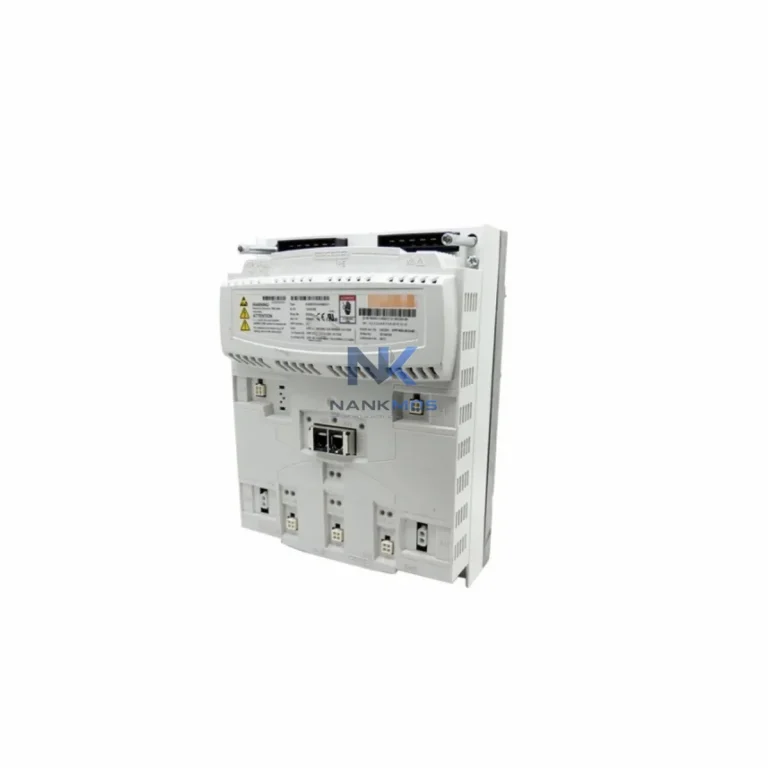
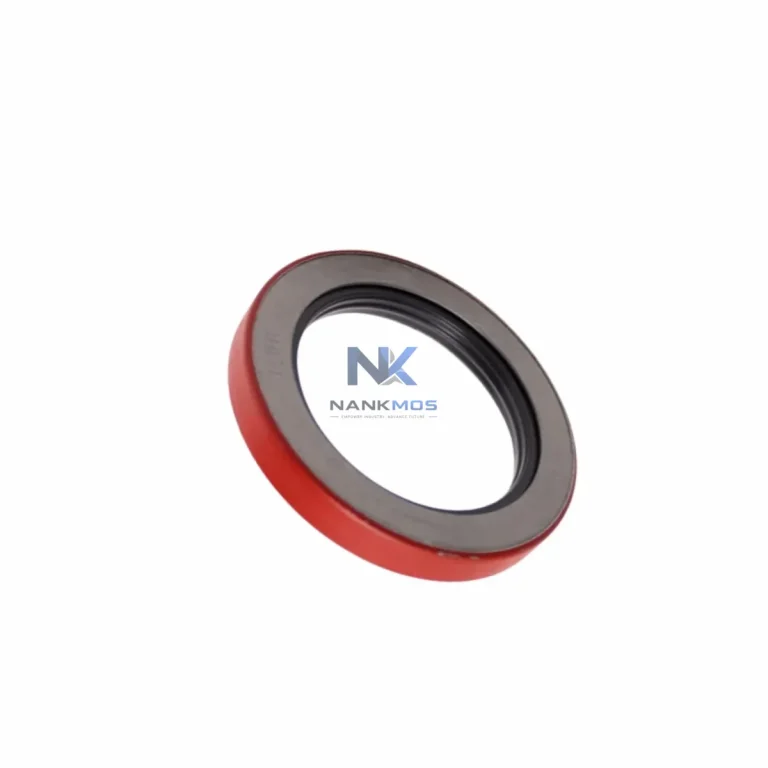
Functional Inspection
100% tested on professional platforms to ensure stable performance.
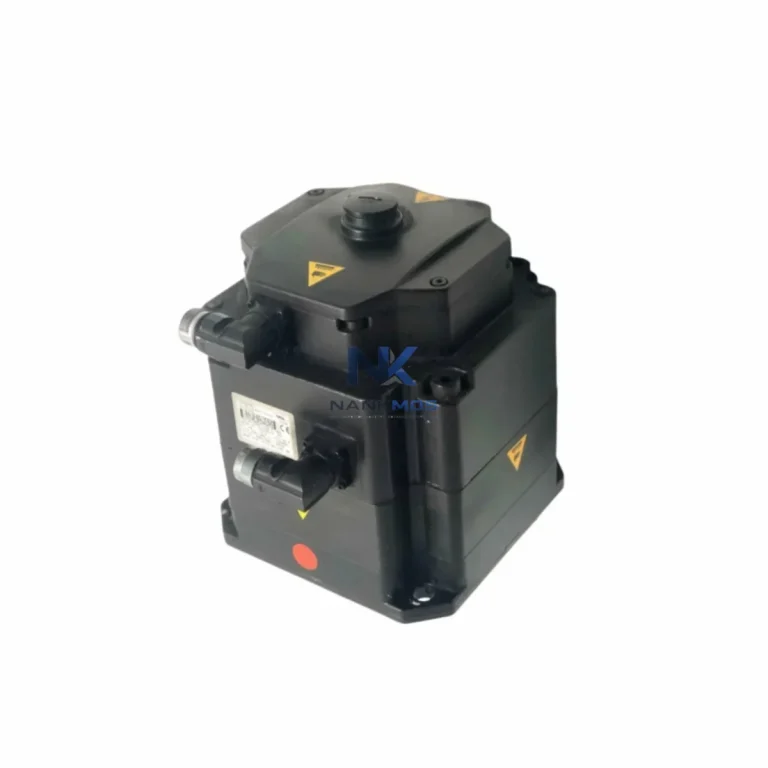
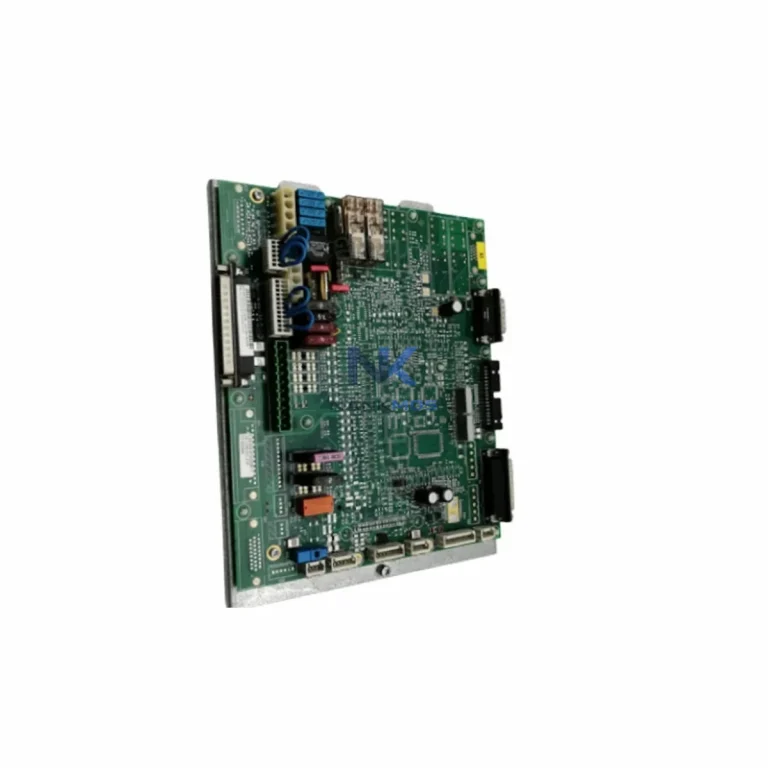
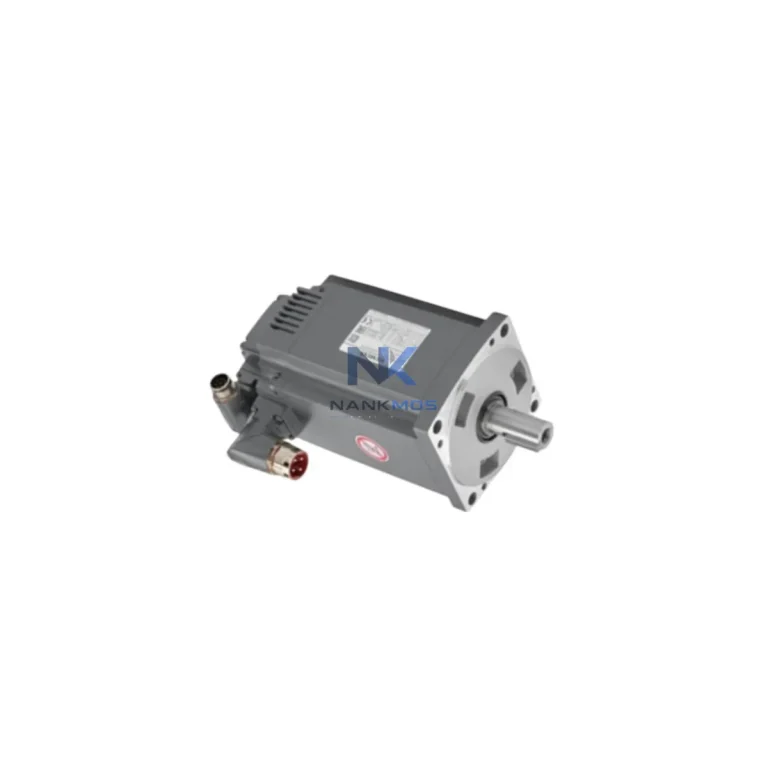
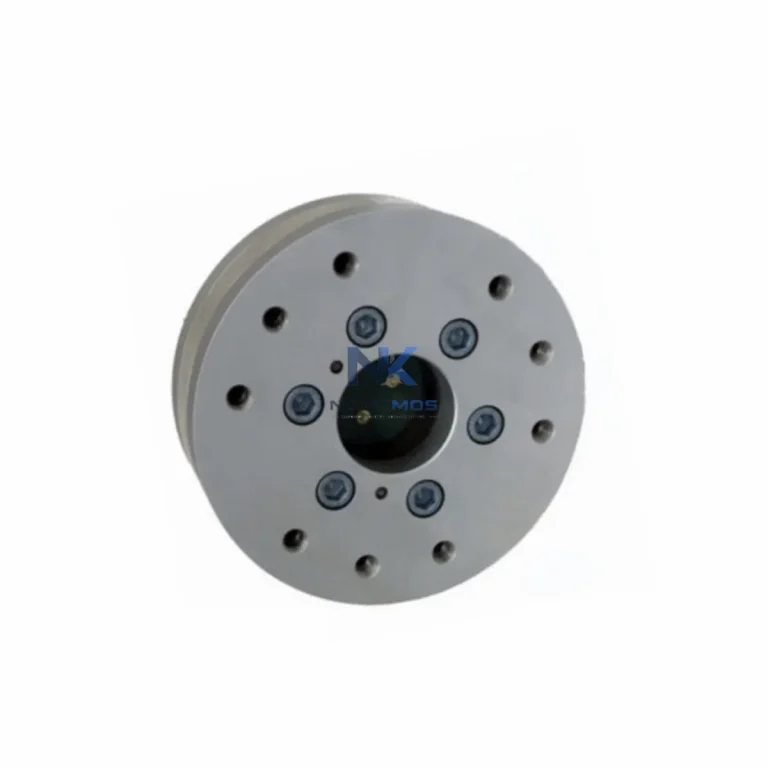
KUKA 00-176-037 00-176-037 00-262-652 00-262-652 00-178-888 00-178-888 is a NANKMOS industrial automation product record Listed under Other series series and Drives. Confirm condition, availability, lead time, compatibility and documentation by email inquiry.
Brand names are used for identification only.
KUKA 00-176-037 00-176-037 00-262-652 00-262-652 00-178-888 00-178-888 is a NANKMOS industrial automation product record Listed under Other series series and Drives. Confirm condition, availability, lead time, compatibility and documentation by email inquiry.
| Manufacturer | KUKA |
|---|---|
| Application | Motion Control & Drive System |
| Part Number / Model | 00-176-037 00-176-037 00-262-652 00-262-652 00-178-888 00-178-888 |
| Compatible System | Confirmed by inquiry |
| Condition Options | To Confirm |
| Module Type | Servo / Drive Module |
| Warranty | 12 Months |
| Packaging | Anti-static Bag / Secure Box |
| Shipping Methods | DHL / FedEx / UPS / Air / Sea |
| Availability | To Confirm |
| Lead Time | To Confirm |
| Documentation | Part number and revision checked before quote |
The KUKA 00-176-037 is a precision-engineered robot reducer designed for the KR Series articulated robot platform, delivering high torque transmission efficiency with minimized power loss across continuous-duty production cycles. As factories transition toward energy-aware automation architectures, this reducer plays a central role in reducing mechanical friction losses, stabilizing joint load profiles, and enabling tighter integration with upstream drive and control systems. Cross-reference part numbers 00-262-652 and 00-178-888 confirm compatibility across multiple KR Series configurations, ensuring broad applicability in retrofit and new-line deployments.
In modern smart manufacturing environments, every mechanical component in the kinematic chain contributes to the overall energy budget of the production cell. The 00-176-037 reducer is engineered to minimize backlash and internal heat generation, directly reducing the thermal load on adjacent servo drives and cooling infrastructure. When paired with KUKA KRC4 or KRC5 controllers, the reducer's low-loss gear mesh allows the servo amplifier to operate closer to its efficiency peak, reducing reactive current draw and improving the power factor of the entire robot axis group.
The KUKA 00-176-037 reducer operates at the intersection of mechanical precision and electrical efficiency. In a fully integrated production cell, it works in concert with the KUKA KRC5 robot controller, which manages motion profiles and torque envelopes to keep each axis within its optimal efficiency band. The servo drives within the KRC5 cabinet — responsible for powering each robot joint — benefit directly from the reducer's low-loss transmission, as reduced mechanical resistance translates to lower current demand per motion cycle.
For facilities running energy monitoring infrastructure, the 00-176-037 can be evaluated alongside Siemens SENTRON PAC power monitoring modules or similar power measurement devices installed at the robot cell distribution panel. These modules capture real-time kWh consumption per robot, enabling energy managers to benchmark the efficiency gains achieved after reducer replacement or upgrade. When the reducer's gear mesh degrades, power draw increases measurably — making power monitoring a practical predictive maintenance trigger.
In multi-robot lines, the reducer integrates into broader SCADA-managed energy optimization strategies. Systems such as Wonderware or Ignition SCADA can aggregate per-robot power data, correlate it with production throughput from the MES layer, and flag cells where energy-per-part ratios are drifting upward. The 00-176-037's consistent efficiency profile provides a stable baseline for these calculations.
On the I/O and communication side, KUKA robots equipped with PROFINET or EtherNet/IP interfaces allow the KRC controller to report axis torque and temperature data to the plant PLC — typically a Siemens S7-1500 or Allen-Bradley ControlLogix — enabling supervisory load management. If axis torque feedback indicates the reducer is operating under abnormal load, the PLC can trigger a speed reduction or maintenance alert via the HMI panel, preventing thermal runaway and unplanned downtime.
For servo-intensive applications such as semiconductor wafer handling or precision electronics assembly, the 00-176-037 is often deployed alongside KUKA linear track units and external servo positioners, all coordinated through the KRC5's multi-axis synchronization engine. In these configurations, minimizing reducer-level energy loss is critical to maintaining the tight cycle-time budgets that define throughput in high-mix, low-volume production.
Replacing a worn or inefficient robot reducer with the KUKA 00-176-037 delivers measurable improvements across several dimensions of production line energy management. First, reduced internal friction lowers the steady-state current draw of the associated servo axis, which compounds across a multi-robot cell to produce meaningful reductions in peak demand charges — a significant cost driver in industrial electricity tariffs.
Second, lower heat generation within the reducer reduces the thermal load on the robot's internal cooling system and the surrounding cell enclosure. In climate-controlled cleanroom environments or thermally sensitive assembly areas, this reduction in waste heat can decrease HVAC energy consumption and improve ambient temperature stability for sensitive processes.
Third, the reducer's precision gear mesh supports tighter motion repeatability, which reduces the number of correction cycles the servo drive must execute per production part. Fewer correction cycles mean shorter effective cycle times and lower cumulative energy expenditure per unit produced — directly improving the energy intensity metric (kWh per part) that modern energy management systems track.
From a predictive maintenance perspective, the 00-176-037's consistent torque transmission characteristics provide a reliable baseline for vibration and temperature monitoring. Deviations from this baseline — detectable via accelerometers mounted on the robot joint housing or via the KRC controller's internal diagnostics — signal early-stage wear before it progresses to efficiency loss or unplanned failure. This proactive approach minimizes unscheduled downtime, which is itself a major source of energy waste in production lines that must restart thermal processes or re-run quality checks after interruptions.
NANKMOS maintains verified inventory of the KUKA 00-176-037 and its cross-reference equivalents 00-262-652 and 00-178-888, with pre-shipment functional testing performed on each unit. Standard lead times support both planned maintenance schedules and urgent replacement requirements, with global logistics coverage to minimize line-down duration.
Q1: How does the KUKA 00-176-037 contribute to energy savings in a KR Series robot cell?The 00-176-037 reduces mechanical friction losses at the joint level, lowering the servo drive's current demand per motion cycle. Across a full production shift, this reduction compounds into measurable kWh savings per robot, particularly in high-cycle applications such as spot welding, palletizing, or component insertion.
Q2: Is the 00-176-037 compatible with both KRC4 and KRC5 controller platforms?Yes. The 00-176-037 is mechanically compatible with KR Series robots managed by both KRC4 and KRC5 controllers. Cross-reference numbers 00-262-652 and 00-178-888 cover variant configurations within the same KR platform family, ensuring fit across different axis positions and payload classes.
Q3: What testing is performed before shipment, and what warranty coverage is provided?Each KUKA 00-176-037 unit supplied by NANKMOS undergoes pre-shipment functional inspection to verify dimensional integrity, gear mesh quality, and rotational smoothness. All units are covered by a 12-month warranty from the date of shipment, covering manufacturing defects and performance deviations under normal operating conditions.
Q4: Can this reducer be used as a direct replacement for a degraded unit without recalibrating the robot?In most KR Series configurations, the 00-176-037 is a direct mechanical replacement that does not require robot recalibration beyond the standard mastering procedure performed after any joint-level mechanical intervention. NANKMOS recommends following KUKA's official maintenance documentation for post-replacement mastering to ensure motion accuracy and energy efficiency are fully restored.
Functional Inspection100% tested on professional platforms to ensure stable performance.
 Anti-static Packaging
Modules are packed in anti-static bags to prevent electrostatic damage.
 Secure Export Packing
Cushion protection and strong cartons ensure safe transportation.
 Worldwide Shipping
Global logistics network supports air, sea and express delivery.
 Documentation Check
Part number, revision and compatibility verified before shipment.
 After-sales Support
Professional technical support to help resolve your issues.