Functional Inspection
100% tested on professional platforms to ensure stable performance.
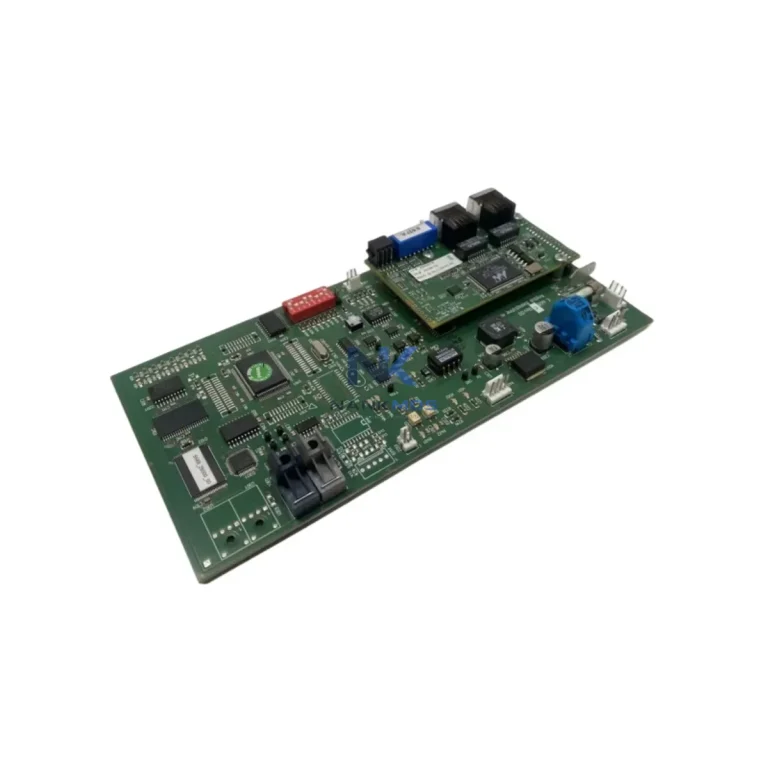
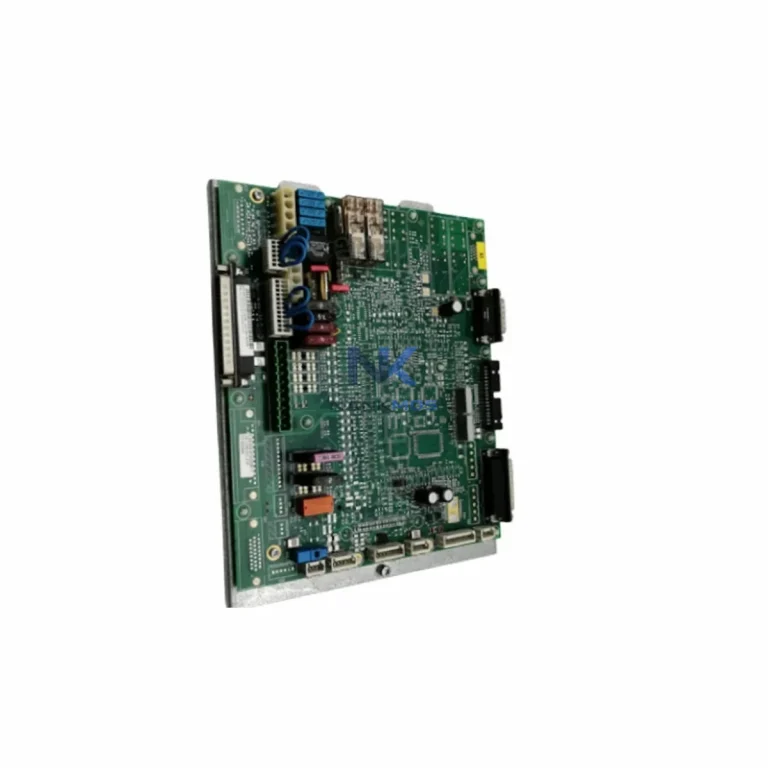
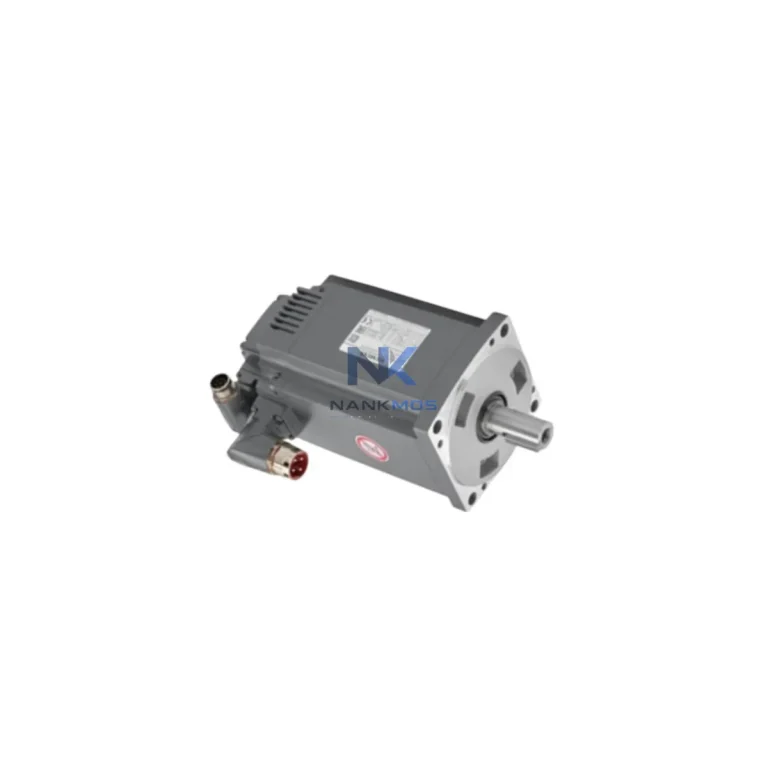
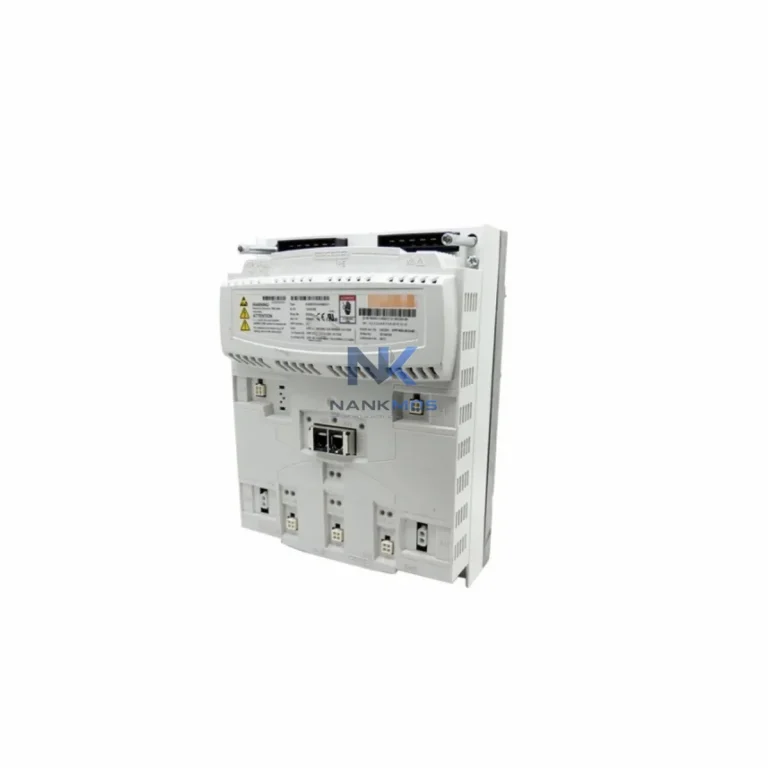
KUKA 00-200-588 MG_35_84_25 00200588 is a NANKMOS industrial automation product record Listed under Other series series and Drives. Confirm condition, availability, lead time, compatibility and documentation by email inquiry.
Brand names are used for identification only.
KUKA 00-200-588 MG_35_84_25 00200588 is a NANKMOS industrial automation product record Listed under Other series series and Drives. Confirm condition, availability, lead time, compatibility and documentation by email inquiry.
| Manufacturer | KUKA |
|---|---|
| Application | Motion Control & Drive System |
| Part Number / Model | 00-200-588 MG_35_84_25 00200588 |
| Compatible System | Confirmed by inquiry |
| Condition Options | To Confirm |
| Module Type | Servo / Drive Module |
| Warranty | 12 Months |
| Packaging | Anti-static Bag / Secure Box |
| Shipping Methods | DHL / FedEx / UPS / Air / Sea |
| Availability | To Confirm |
| Lead Time | To Confirm |
| Documentation | Part number and revision checked before quote |
The KUKA 00-200-588 is a precision-engineered teach pendant designed for the KUKA KR C1 and KR C2 robot controller platforms. As industrial facilities face increasing pressure to reduce energy consumption and maximise equipment utilisation, the 00-200-588 plays a central role in enabling operators to configure, monitor, and optimise robot motion profiles directly at the machine level — reducing unnecessary drive cycles, minimising idle-state energy draw, and supporting leaner production rhythms across automated lines.
Sourced from Germany and supplied with pre-shipment functional testing, this unit is backed by a 12-month warranty and maintained in ready-to-ship inventory to support urgent replacement and maintenance schedules.
In a modern robotic workcell, energy efficiency is not achieved by a single component — it is the result of coordinated control across the entire drive and automation stack. The KUKA 00-200-588 teach pendant serves as the primary human-machine interface for programming and fine-tuning the KUKA KR C2 controller, which directly governs the servo drive outputs responsible for axis motion. By enabling precise velocity profiling and motion path optimisation at the pendant level, operators can reduce peak current draw on the KUKA servo amplifier modules integrated within the KR C2 cabinet, lowering both energy consumption and thermal stress on drive components.
When integrated into a broader automation architecture, the 00-200-588 supports coordination with SIEMENS SIMATIC S7 PLCs or equivalent programmable logic controllers via the KR C2's digital I/O interface, allowing production supervisors to synchronise robot motion with upstream and downstream equipment — eliminating unnecessary idle cycles and reducing standby energy draw. Power monitoring modules such as the SIEMENS SENTRON PAC3200 can be deployed alongside the robot cell to capture real-time energy consumption data, providing the baseline metrics needed to validate efficiency gains achieved through pendant-level motion tuning.
For facilities running mixed automation environments, the teach pendant's compatibility with the KR C2 platform also supports integration with PROFIBUS DP and DeviceNet communication modules, enabling the robot controller to exchange status and load data with SCADA systems or energy management platforms. This connectivity allows facility engineers to correlate robot cycle data with plant-wide energy dashboards, identifying high-consumption periods and scheduling maintenance windows to prevent unplanned downtime. Complementary components such as KUKA KPS600 power supply units and KUKA KSD servo drives within the KR C2 cabinet benefit directly from optimised motion profiles programmed via the 00-200-588, as smoother acceleration and deceleration curves reduce regenerative braking losses and heat dissipation within the drive enclosure.
HMI panels such as the SIEMENS TP700 Comfort or equivalent operator terminals can be configured to display robot status and energy metrics in parallel, giving line supervisors a consolidated view of production throughput and power consumption without requiring access to the teach pendant itself. Safety I/O modules and light curtain interfaces connected to the KR C2 safety circuit further support energy-aware operation by enabling controlled power-down sequences during unplanned stops, rather than allowing drives to remain energised in fault-hold states.
Industrial facilities operating KUKA KR C1 or KR C2 robot systems face a common challenge: as production volumes fluctuate, robot motion profiles that were originally programmed for peak throughput continue to run at full speed and torque demand even during reduced-load periods. The KUKA 00-200-588 teach pendant provides the direct programming interface required to address this inefficiency. Operators can use the pendant to adjust velocity overrides, modify path interpolation settings, and reconfigure tool-centre-point parameters to match actual production requirements — reducing unnecessary axis travel, lowering average motor current, and decreasing heat generation within the servo drive modules.
Thermal load management is a significant factor in long-term drive reliability. Servo drives and motor windings operating consistently near thermal limits experience accelerated insulation degradation and bearing wear, increasing the frequency of unplanned maintenance events. By using the 00-200-588 to programme smoother motion profiles with controlled acceleration ramps, facilities can reduce peak thermal loading on drive components, extending mean time between failures and reducing the total cost of ownership across the robot system lifecycle.
Production line rhythm stability — often referred to as takt time consistency — is directly influenced by the quality of robot motion programming. Poorly optimised paths introduce micro-delays at path segment transitions, which accumulate across high-cycle-count operations and reduce overall line throughput. The teach pendant enables engineers to fine-tune path blending parameters and zone definitions within the KR C2 controller, achieving smoother, more consistent cycle times that support stable downstream equipment pacing and reduce buffer inventory requirements between production stages.
For predictive maintenance programmes, the ability to access and modify robot parameters via the 00-200-588 is essential. Engineers can use the pendant to review axis load data, check drive status registers, and adjust motion limits in response to early-warning indicators — intervening before a developing fault causes a production stoppage. Combined with inventory availability of critical spare components and the assurance of a 12-month warranty on the 00-200-588 unit itself, facilities can maintain high equipment utilisation rates with confidence in both the reliability of the pendant and the support infrastructure behind it.
Q1: How does the KUKA 00-200-588 contribute to energy savings in a KR C2 robot cell?The 00-200-588 teach pendant is the primary interface for programming robot motion profiles on the KR C2 controller. By enabling operators to optimise velocity settings, acceleration ramps, and path blending parameters, it directly reduces unnecessary energy consumption during robot operation. Smoother motion profiles lower peak current demand on servo drives and reduce heat generation within the controller cabinet, contributing to measurable reductions in cell-level energy consumption.
Q2: Is the 00-200-588 compatible with both KR C1 and KR C2 controllers?Yes. The KUKA 00-200-588 is designed for use with both the KR C1 and KR C2 robot controller platforms. If you are uncertain whether this pendant is the correct replacement for your specific controller variant or cable configuration, please contact us with your controller serial number and we will confirm compatibility before shipment.
Q3: What testing is performed before the unit is shipped?Each KUKA 00-200-588 unit undergoes pre-shipment functional verification to confirm display operation, keypad response, emergency stop circuit continuity, and communication interface integrity. This testing process ensures that the unit is operational upon arrival and reduces the risk of installation delays caused by latent defects.
Q4: What does the 12-month warranty cover, and how is stock availability managed?The 12-month warranty covers manufacturing defects and functional failures under normal operating conditions from the date of shipment. Units are maintained in ready-to-ship inventory to support urgent replacement requirements, minimising production downtime for facilities that cannot afford extended lead times on critical robot controller components. For warranty claims or stock enquiries, contact our technical support team directly.
Functional Inspection100% tested on professional platforms to ensure stable performance.
 Anti-static Packaging
Modules are packed in anti-static bags to prevent electrostatic damage.
 Secure Export Packing
Cushion protection and strong cartons ensure safe transportation.
 Worldwide Shipping
Global logistics network supports air, sea and express delivery.
 Documentation Check
Part number, revision and compatibility verified before shipment.
 After-sales Support
Professional technical support to help resolve your issues.