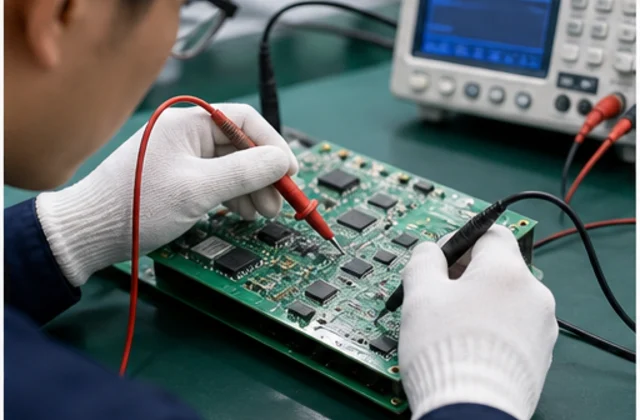
 Functional Inspection
100% tested on professional platforms to ensure stable performance.
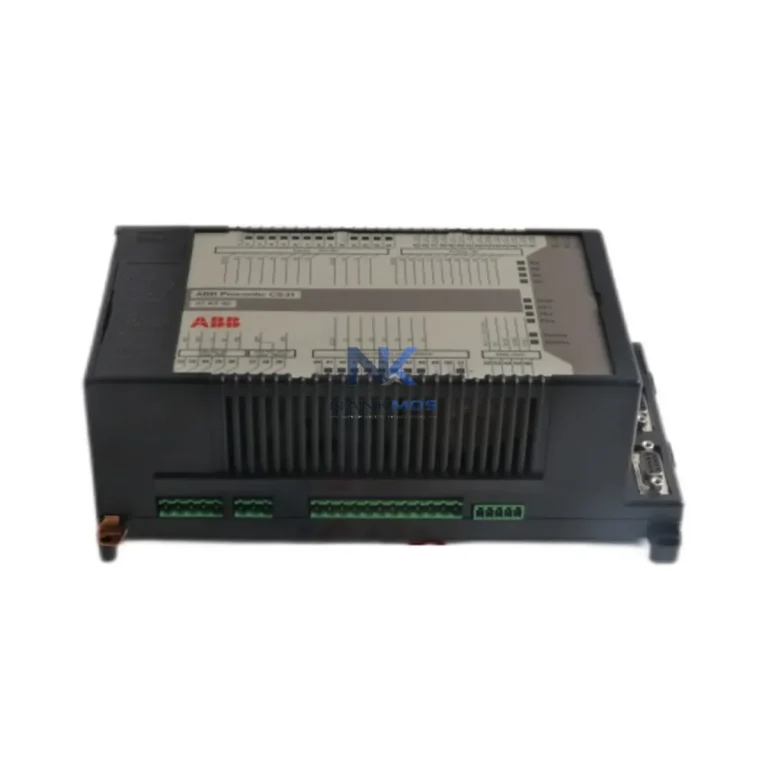
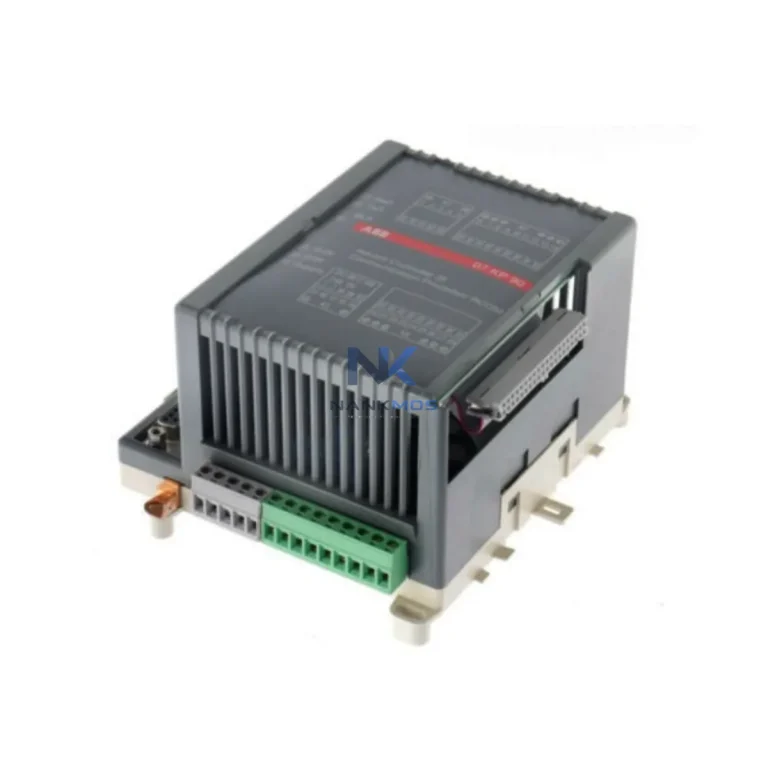
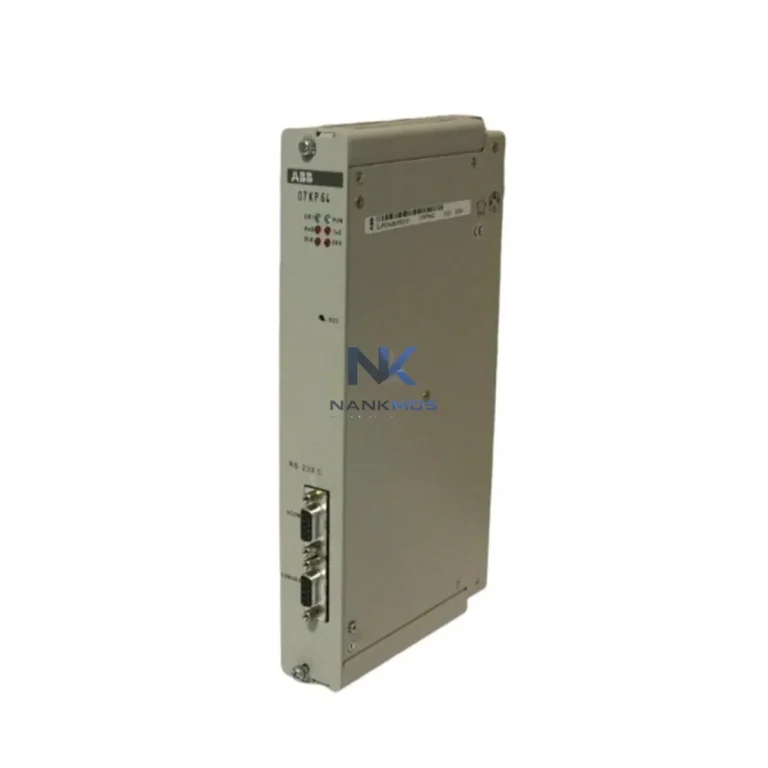
ABB 3BDH000606R1 PM875-2 is a NANKMOS industrial automation product record Listed under AC500 series and Business & Industrial > Automation, Control & Flow Devices > Programmable Logic Controllers. Confirm condition, availability, lead time, compatibility and documentation by email inquiry.
Brand names are used for identification only.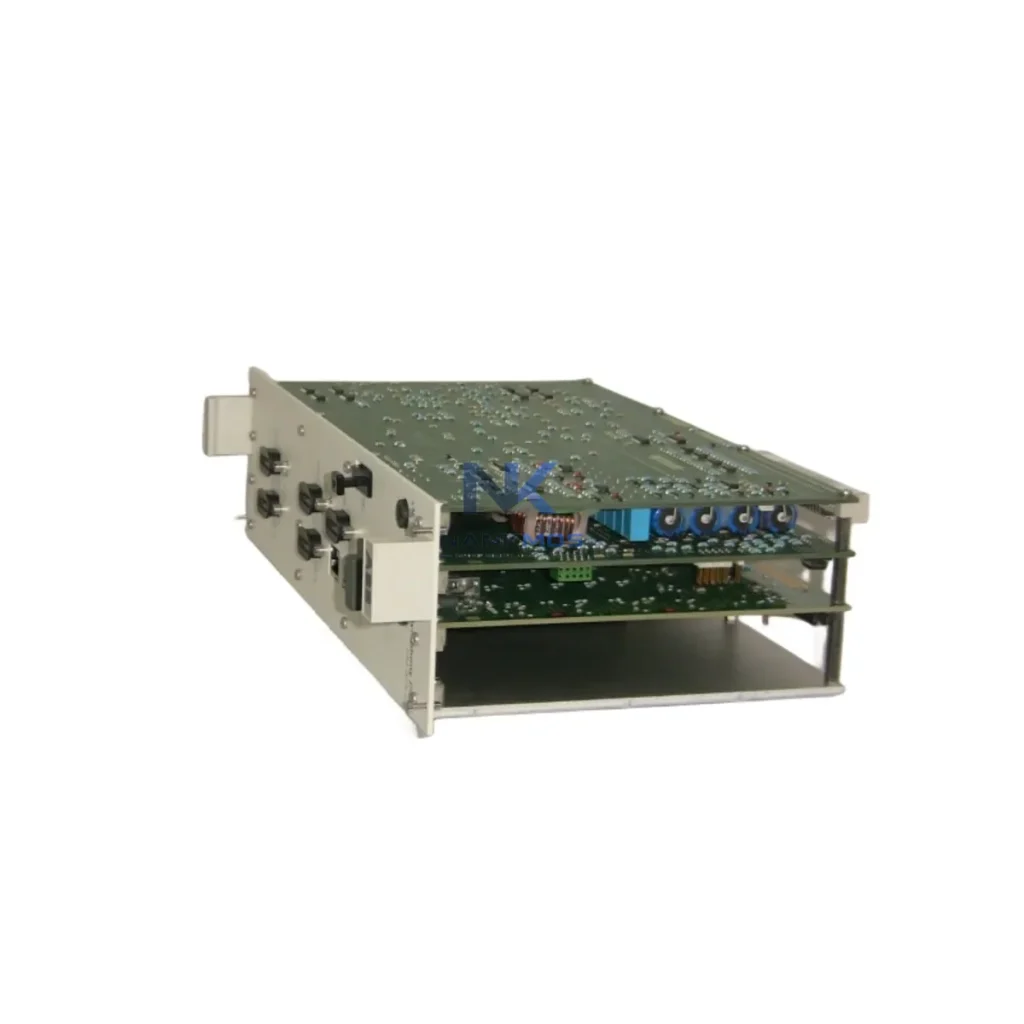
ABB 3BDH000606R1 PM875-2 is a NANKMOS industrial automation product record Listed under AC500 series and Business & Industrial > Automation, Control & Flow Devices > Programmable Logic Controllers. Confirm condition, availability, lead time, compatibility and documentation by email inquiry.
| Manufacturer | ABB |
|---|---|
| Application | Controller Processing & System Control |
| Part Number / Model | 3BDH000606R1 PM875-2 |
| Compatible System | AC500 |
| Series | AC500 |
| Condition Options | To Confirm |
| Module Type | Controller / CPU Module |
| Warranty | 12 Months |
| Packaging | Anti-static Bag / Secure Box |
| Shipping Methods | DHL / FedEx / UPS / Air / Sea |
| Availability | To Confirm |
| Lead Time | To Confirm |
| Documentation | Part number and revision checked before quote |
The ABB PM875-2 (3BDH000606R1) is a high-performance CPU module from the ABB AC500 PLC series, engineered for energy-conscious industrial automation. Designed to serve as the computational core of smart production lines, this module delivers precise cycle control, real-time load management, and seamless integration with energy monitoring infrastructure — making it a cornerstone component for factories pursuing measurable efficiency gains and reduced operational energy costs.
With its robust processing architecture and deterministic scan-cycle execution, the PM875-2 enables plant engineers to implement energy-aware control strategies across multi-axis drive systems, conveyor networks, and process automation cells. Whether deployed in automotive assembly, semiconductor fabrication, petrochemical processing, or discrete manufacturing, this CPU module provides the computational backbone required to coordinate energy flows, minimize idle-state consumption, and sustain optimal production throughput.
The PM875-2 is built to orchestrate a layered automation architecture where every connected component contributes to a unified energy management strategy. In a typical smart factory deployment, this CPU module acts as the central coordinator between field-level devices and supervisory systems, enabling real-time energy decisions at the millisecond level.
At the drive layer, the PM875-2 communicates directly with ABB ACS880 variable frequency drives and ACS580 general-purpose VFDs via PROFIBUS or Ethernet/IP, dynamically adjusting motor speed references based on production demand signals. This eliminates fixed-speed motor operation — one of the largest sources of wasted energy in industrial facilities. Paired with ABB MicroFlex e190 servo drives, the CPU enables precision torque and velocity profiling for pick-and-place, CNC, and robotic welding cells, ensuring motors draw only the energy required for each motion segment.
For energy visibility, the PM875-2 integrates with ABB M2M Ethernet communication modules and third-party power monitoring modules (such as Schneider PowerLogic or Siemens SENTRON PAC series) via Modbus TCP or IEC 61850, pulling real-time kW, kVAR, and power factor data into the PLC scan cycle. This data feeds closed-loop demand management algorithms that can shed non-critical loads during peak tariff windows — directly reducing energy procurement costs.
At the I/O layer, the PM875-2 expands through ABB AC500 SM560 digital I/O modules and AI523 analog input modules, collecting temperature, pressure, flow, and current signals from field sensors. These inputs enable the CPU to detect thermal anomalies, motor overloads, and process deviations before they escalate into unplanned downtime — a key pillar of predictive maintenance strategy. Integration with ABB CP600 HMI panels provides operators with live energy dashboards, alarm management, and production KPI visualization without requiring a separate SCADA server for basic monitoring tasks.
For plant-wide energy management, the PM875-2 connects upstream to SCADA platforms (such as ABB Ability System 800xA or Wonderware InTouch) via OPC-UA or Modbus TCP, enabling historians to log energy consumption per production order, shift, and machine cell. This data supports ISO 50001 energy management reporting and continuous improvement initiatives targeting specific energy consumption (SEC) reduction targets.
Modern production lines face a dual challenge: maintaining throughput targets while reducing energy intensity per unit produced. The ABB PM875-2 addresses this directly through its deterministic real-time control engine, which enables engineers to implement energy optimization strategies that were previously only possible with dedicated energy management controllers.
Load Management and Demand Response: The PM875-2 supports configurable load priority tables, allowing the PLC program to automatically shed secondary loads — such as auxiliary conveyors, cooling fans, and lighting circuits — when primary process demand spikes. This prevents demand charge penalties on industrial electricity tariffs and smooths the facility's load profile, reducing peak kW draw by 10–25% in typical implementations.
Drive Coordination and Regenerative Braking: When coordinating multiple VFDs across a production line, the PM875-2 can synchronize deceleration ramps to allow regenerative energy from braking motors to be shared across the DC bus — a technique particularly effective in high-inertia applications such as centrifuges, winders, and large conveyor systems. This reduces net energy consumption and lowers thermal stress on drive components, extending mean time between failures (MTBF).
Thermal Load Reduction: By implementing precise motor speed control and eliminating throttling valve losses in pump and fan applications, the PM875-2 reduces heat generation at the motor and drive level. Lower thermal loads translate directly into reduced cooling infrastructure requirements, lower ambient temperatures in control cabinets, and extended component lifespans — all of which reduce total cost of ownership (TCO) over the equipment lifecycle.
Production Line Throughput Optimization: The PM875-2's fast scan cycle and deterministic I/O response enable takt time optimization — the process of aligning machine cycle times to the exact pace of customer demand. By eliminating unnecessary idle periods, buffer accumulation, and over-speed operation, the CPU helps production planners achieve target output with minimum energy expenditure per unit.
Predictive Maintenance Integration: Vibration sensors, current signature analyzers, and thermal imaging systems can feed data into the PM875-2 via analog or digital I/O, enabling condition-based maintenance triggers. Early detection of bearing wear, insulation degradation, and mechanical imbalance prevents catastrophic failures that cause both energy waste (through inefficient operation) and costly unplanned downtime.
Inventory Availability and Shipment Testing: Each ABB PM875-2 (3BDH000606R1) unit held in stock undergoes functional power-on testing and visual inspection prior to shipment. Units are verified for communication port integrity, memory initialization, and firmware version compatibility. Fast dispatch from verified inventory ensures minimal lead time for maintenance replacements and new project builds alike.
Q1: What measurable energy savings can the PM875-2 deliver in a typical production environment? Actual savings depend on the baseline control architecture being replaced. In applications migrating from fixed-speed motor control to VFD-coordinated control via the PM875-2, energy reductions of 20–40% at the motor level are commonly reported. When combined with demand response logic and load shedding programs, facility-level peak demand reductions of 10–25% are achievable. The PM875-2 provides the processing capacity and communication bandwidth to implement all of these strategies within a single control platform.
Q2: Is the PM875-2 compatible with third-party drives, HMIs, and SCADA systems, or is it limited to ABB ecosystem components? The PM875-2 supports open industrial communication protocols including PROFIBUS DP, CANopen, Modbus RTU/TCP, and Ethernet/IP, enabling integration with drives, HMIs, power meters, and SCADA systems from multiple vendors. It is not restricted to the ABB ecosystem, making it suitable for brownfield upgrades where existing third-party infrastructure must be retained. Protocol-specific configuration is handled through ABB Automation Builder software.
Q3: What is the recommended replacement or upgrade path for facilities currently using older ABB AC500 CPU modules? The PM875-2 is compatible with the ABB AC500 V2 hardware platform and can be used as a direct replacement for earlier PM series CPUs in many configurations, subject to firmware and I/O module compatibility verification. For facilities running PM554, PM564, or PM583 CPUs, a migration assessment using ABB Automation Builder's project conversion tools is recommended before deployment. Contact our technical team for a compatibility review specific to your installed base.
Q4: What does the 12-Month Warranty cover, and what is the testing process before shipment? Each PM875-2 unit is covered by a 12-Month Warranty from the date of shipment, covering defects in materials and workmanship under normal operating conditions. Prior to dispatch, every unit undergoes power-on functional testing, communication port verification, and physical inspection for connector integrity and housing condition. Units that do not pass testing are quarantined and not shipped. Warranty claims are processed with priority support, and replacement units are dispatched from verified stock to minimize production downtime for our customers.
Functional Inspection100% tested on professional platforms to ensure stable performance.
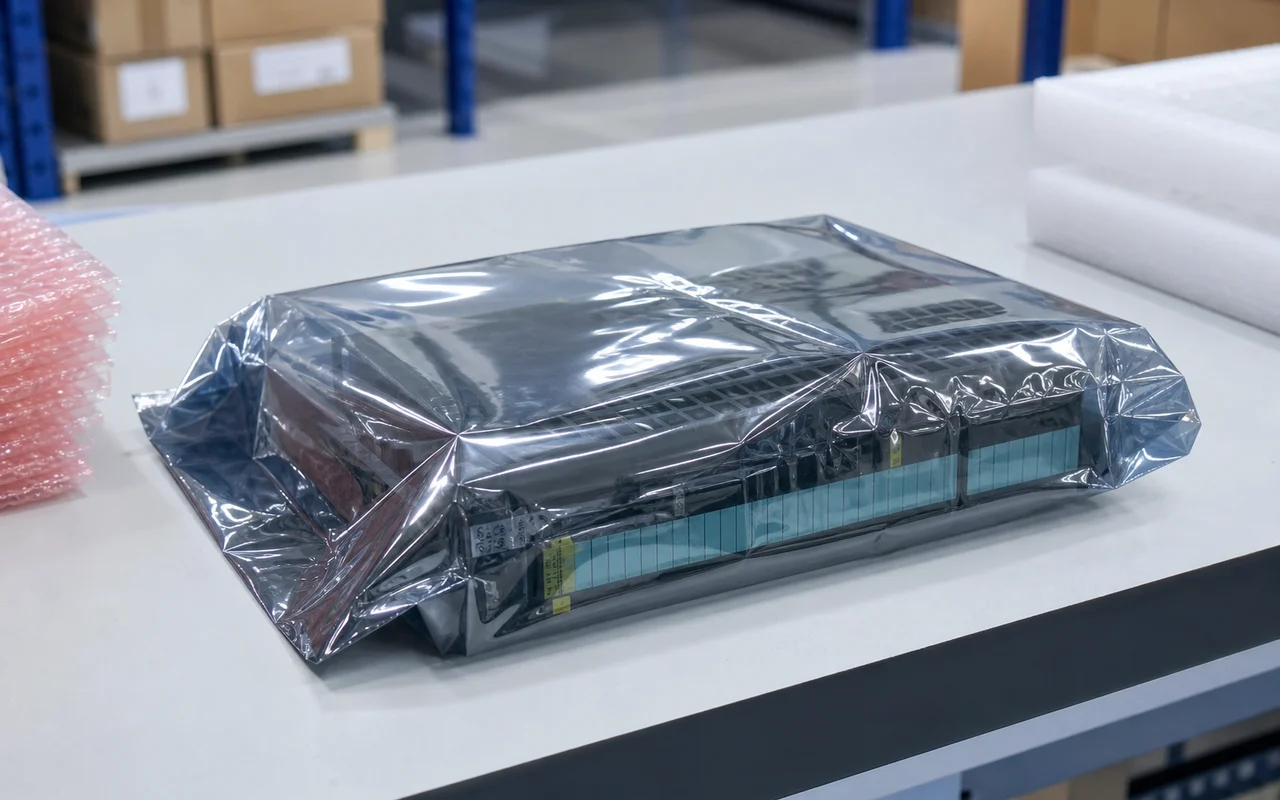 Anti-static Packaging
Modules are packed in anti-static bags to prevent electrostatic damage.
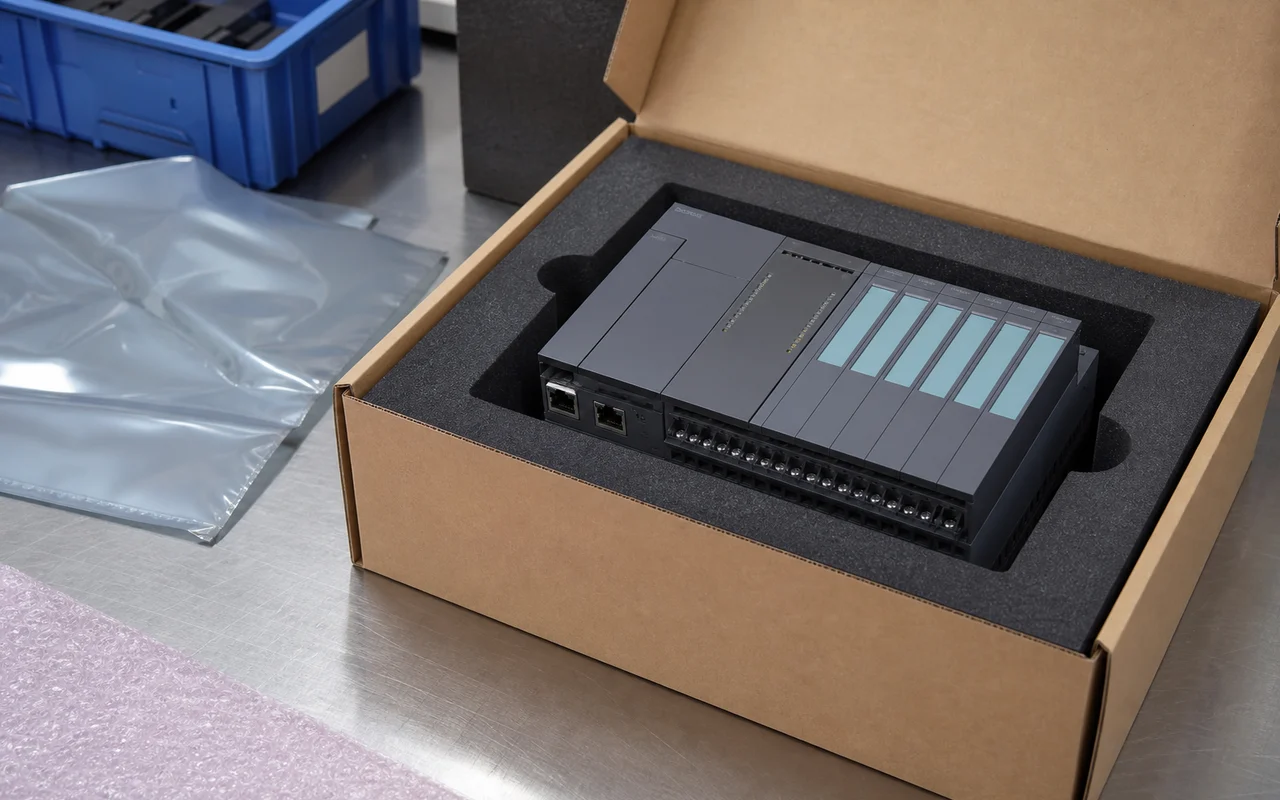 Secure Export Packing
Cushion protection and strong cartons ensure safe transportation.
 Worldwide Shipping
Global logistics network supports air, sea and express delivery.
 Documentation Check
Part number, revision and compatibility verified before shipment.
 After-sales Support
Professional technical support to help resolve your issues.