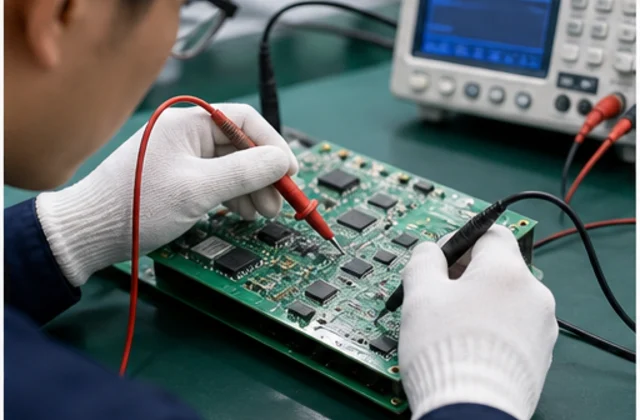
 Functional Inspection
100% tested on professional platforms to ensure stable performance.
ABB 3BSE013208R1 TB820V2 is a NANKMOS industrial automation product record Listed under AC 800M series and Business & Industrial > Automation, Control & Flow Devices > Programmable Logic Controllers. Confirm condition, availability, lead time, compatibility and documentation by email inquiry.
Brand names are used for identification only.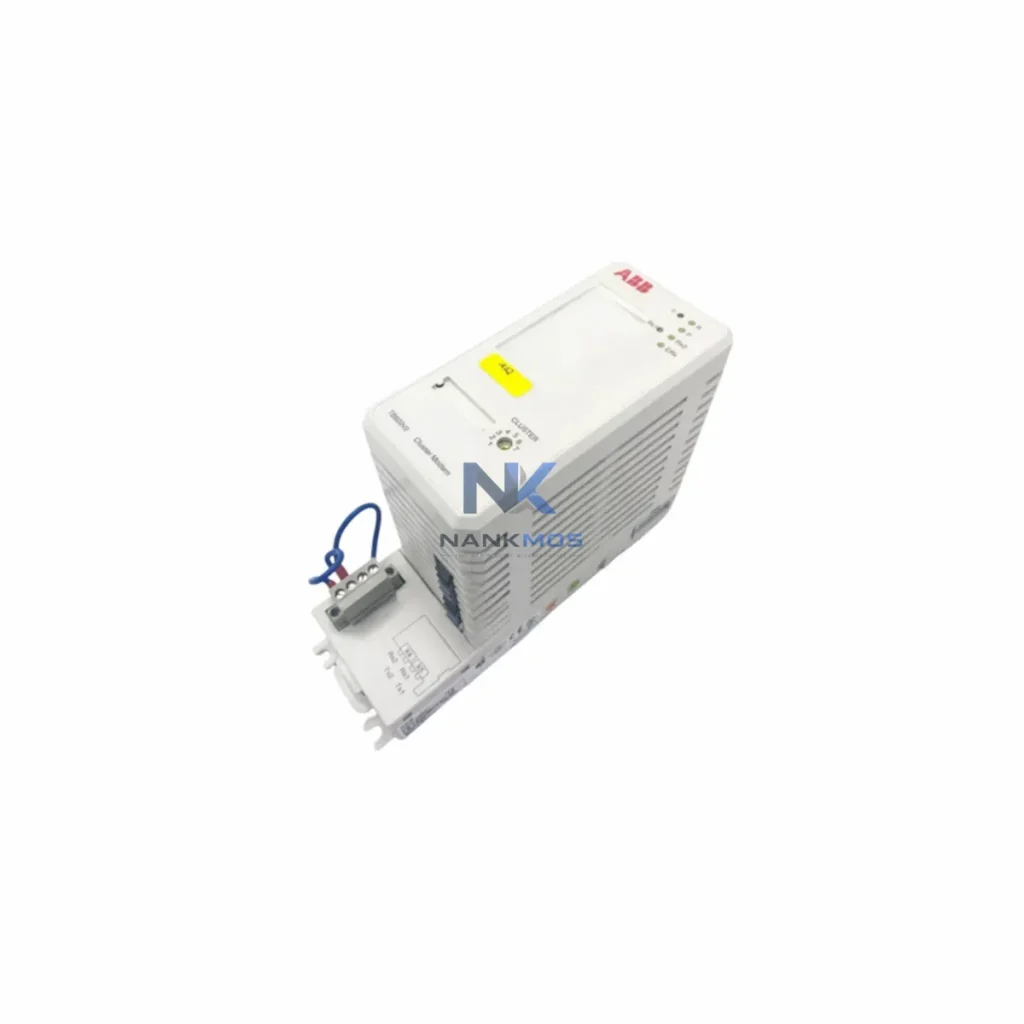
ABB 3BSE013208R1 TB820V2 is a NANKMOS industrial automation product record Listed under AC 800M series and Business & Industrial > Automation, Control & Flow Devices > Programmable Logic Controllers. Confirm condition, availability, lead time, compatibility and documentation by email inquiry.
| Manufacturer | ABB |
|---|---|
| Application | Industrial Network & Bus Termination |
| Part Number / Model | 3BSE013208R1 TB820V2 |
| Compatible System | AC 800M |
| Series | AC 800M |
| Condition Options | To Confirm |
| Module Type | Bus / Network Interface Module |
| Warranty | 12 Months |
| Packaging | Anti-static Bag / Secure Box |
| Shipping Methods | DHL / FedEx / UPS / Air / Sea |
| Availability | To Confirm |
| Lead Time | To Confirm |
| Documentation | Part number and revision checked before quote |
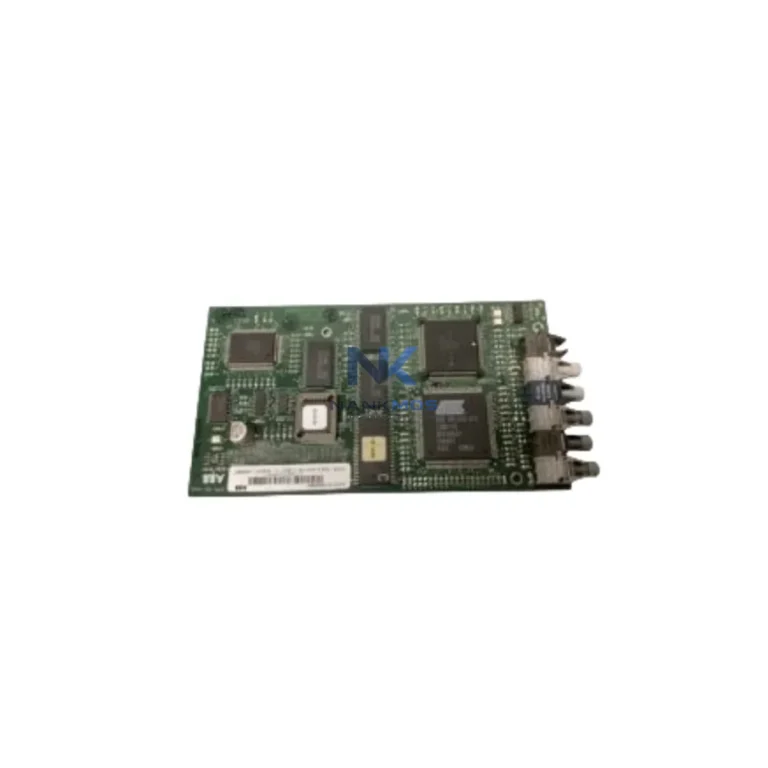
The ABB TB820V2 (3BSE013208R1) is a ModuleBus Cluster Modem engineered for the AC 800M Distributed Control System platform — one of ABB's most widely deployed process automation architectures across power generation, oil & gas, chemical processing, and advanced manufacturing. As a dedicated inter-module communication bridge, the TB820V2 extends the ModuleBus backbone from the AC 800M controller to remote I/O clusters, enabling high-integrity signal transmission, deterministic scan cycles, and scalable I/O expansion without compromising system timing or diagnostic transparency.
In modern industrial control architectures, the reliability of the communication layer between the CPU and field I/O is as critical as the controller itself. The TB820V2 fulfils this role by providing a stable, noise-immune ModuleBus link that supports multi-cluster I/O configurations — allowing engineers to distribute I/O nodes across large process areas while maintaining centralised control logic in the AC 800M PM866, PM864A, or PM891 controller modules. This architecture reduces field wiring complexity, shortens commissioning timelines, and improves long-term maintainability across the full system lifecycle.
The TB820V2 does not operate in isolation — it is a structural node within a layered AC 800M automation architecture. Understanding its role requires examining how it interacts with adjacent system components across every control layer.
At the control layer, the AC 800M PM866 or PM864A CPU module executes the application logic and manages all I/O communication via the ModuleBus. The TB820V2 acts as the physical and logical bridge that extends this bus to remote S800 I/O stations, allowing the controller to address field signals located tens of metres away from the main cabinet. In redundant CPU configurations using the PM891 or PM895, the TB820V2 supports dual-path ModuleBus topologies, ensuring that a single modem failure does not interrupt process control.
At the I/O layer, the TB820V2 interfaces directly with S800 I/O modules such as the AI810 (8-channel analogue input), AO810V2 (8-channel analogue output), DI810 (24 VDC digital input), and DO810 (digital output relay). These modules mount on S800 I/O station backplanes — typically the TB807 or TB840A — which provide both mechanical support and power distribution. The TB820V2 modem connects to the backplane's ModuleBus port, establishing the communication link back to the AC 800M controller. This modular arrangement allows engineers to mix analogue, digital, and specialised I/O types within a single cluster, adapting the I/O configuration to the specific process requirements of each plant area.
At the communication layer, the ModuleBus protocol managed by the TB820V2 is a deterministic, cyclic bus designed for real-time I/O scanning. Unlike fieldbus protocols such as PROFIBUS DP or PROFINET, ModuleBus is an internal ABB protocol optimised for low-latency, high-reliability communication within the AC 800M ecosystem. For plants that also require external fieldbus connectivity, the AC 800M supports CI854A (PROFIBUS DP master), CI856 (INSUM), or CI867 (IEC 61850) communication interface modules, which operate in parallel with the ModuleBus I/O clusters managed by the TB820V2.
At the power layer, the S800 I/O station requires stable 24 VDC field power, typically supplied through dedicated power supply units such as the SD821 or SD822 (ABB 24 VDC power supply modules). The TB820V2 itself draws power from the backplane, making power budget calculations for the I/O station an important engineering step during system design. Redundant power configurations using dual SD821 units with diode ORing are common in high-availability process plants.
At the HMI and SCADA layer, the AC 800M system integrates with ABB System 800xA — the engineering, operations, and asset management platform. System 800xA communicates with the AC 800M controller via OPC-UA or proprietary ABB connectivity, providing operators with real-time process visualisation, alarm management, and historical data trending. The TB820V2's role in maintaining stable I/O communication directly supports the data integrity that System 800xA relies on for accurate process representation.
At the protection and safety layer, plants with SIL-rated requirements may deploy the AC 800M Safety controller (PM865) alongside standard process controllers. While the TB820V2 is a standard (non-SIL) component, its reliable ModuleBus performance contributes to overall system availability, reducing the frequency of spurious trips caused by communication faults in the I/O network.
Power Generation & Utilities: In combined-cycle power plants and thermal generation facilities, the AC 800M with TB820V2 ModuleBus modems manages turbine control, boiler drum level, feedwater regulation, and auxiliary systems. The ability to distribute I/O clusters across large turbine halls — while maintaining deterministic scan cycles — is a key operational requirement that the TB820V2 directly addresses. Redundant ModuleBus configurations ensure that a single modem fault does not cause a forced outage.
Oil & Gas / Petrochemical: Upstream and downstream process plants rely on the AC 800M for wellhead control, separator management, compressor anti-surge, and pipeline SCADA integration. The TB820V2 enables remote I/O clusters in hazardous area junction boxes (with appropriate IS barriers), reducing the volume of intrinsically safe field wiring routed back to the main control room. This architecture simplifies ATEX compliance and reduces installation costs in Zone 1 and Zone 2 classified areas.
Water & Wastewater Treatment: Municipal water treatment plants and industrial effluent systems use the AC 800M for pump sequencing, dosing control, filtration management, and SCADA telemetry. The TB820V2 supports distributed I/O across pump stations and treatment stages, allowing a single AC 800M controller to manage multiple process areas with consistent scan performance and centralised diagnostics.
Mining & Minerals Processing: Conveyor systems, crusher control, flotation cell management, and tailings pump stations in mining operations benefit from the AC 800M's robust I/O architecture. The TB820V2 enables I/O clusters in remote drive rooms and field junction boxes, supporting the long cable runs typical of open-pit and underground mining environments.
Pulp, Paper & Packaging: High-speed production lines in pulp mills and packaging plants require deterministic I/O scanning and fast fault detection. The TB820V2's ModuleBus communication supports the tight timing requirements of web tension control, dryer section management, and winder sequencing — applications where I/O latency directly affects product quality.
Q1: How many TB820V2 modems can be connected to a single AC 800M controller, and what is the maximum I/O count per cluster? The AC 800M controller supports up to 12 S800 I/O clusters per ModuleBus, with each cluster managed by one TB820V2 modem. Each cluster can accommodate up to 12 S800 I/O modules (AI810, DI810, AO810V2, DO810, etc.), giving a theoretical maximum of 144 I/O modules per controller. In practice, the actual I/O count is constrained by the controller's memory, scan cycle budget, and power supply capacity. For large-scale systems, multiple AC 800M controllers are networked via the Control Network (CN) to distribute the I/O load. NANKMOS maintains stock of TB820V2 units and can advise on cluster configuration for your specific architecture.
Q2: Is the TB820V2 compatible with redundant AC 800M CPU configurations, and how does failover affect ModuleBus communication? Yes. In redundant AC 800M configurations using paired PM891 or PM895 controllers, the ModuleBus I/O clusters — including those connected via TB820V2 — are shared between the primary and backup CPUs. During a CPU failover, the backup controller assumes control of the ModuleBus within the configured bumpless transfer window, typically less than one scan cycle. The TB820V2 itself does not require replacement or reconfiguration during failover; it continues to serve as the ModuleBus bridge for the I/O cluster regardless of which CPU is active. This architecture is a key reason why the AC 800M is specified for high-availability process applications. All TB820V2 units supplied by NANKMOS are tested for compatibility with redundant CPU topologies and covered by a 12-Month Warranty.
Q3: What is the recommended maintenance and replacement strategy for TB820V2 modems in long-running process plants? ABB recommends periodic inspection of ModuleBus modem status via System 800xA diagnostics, which provides real-time communication health indicators for each TB820V2 in the network. In plants with extended maintenance intervals (e.g., annual shutdowns), it is advisable to maintain at least one spare TB820V2 per controller cluster to enable rapid replacement without waiting for procurement lead times. NANKMOS stocks TB820V2 units with full functional test certification and ships within 3–5 business days globally. Each unit is supplied with a 12-Month Warranty and Contextual Integration documentation confirming compatibility with the AC 800M platform. For plants approaching end-of-life for their AC 800M systems, NANKMOS can also advise on migration pathways and compatible replacement strategies.
Functional Inspection100% tested on professional platforms to ensure stable performance.
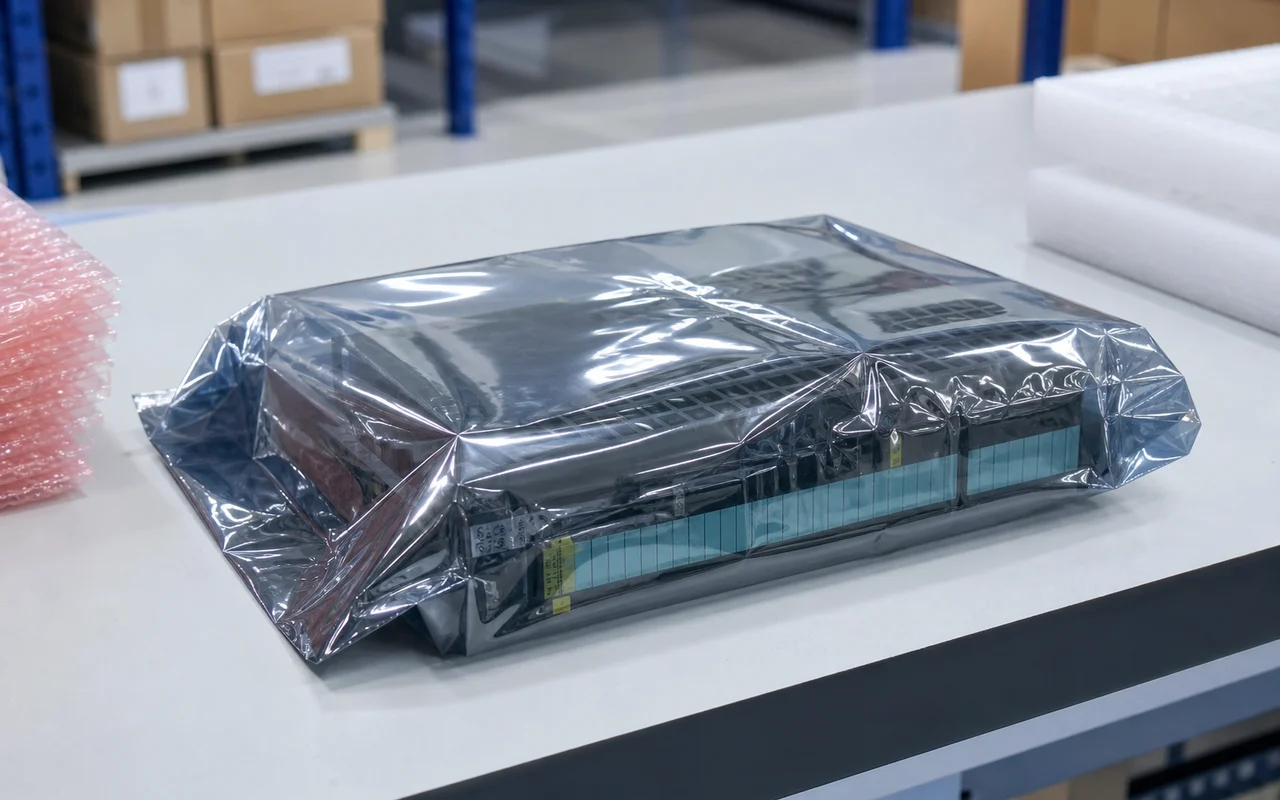 Anti-static Packaging
Modules are packed in anti-static bags to prevent electrostatic damage.
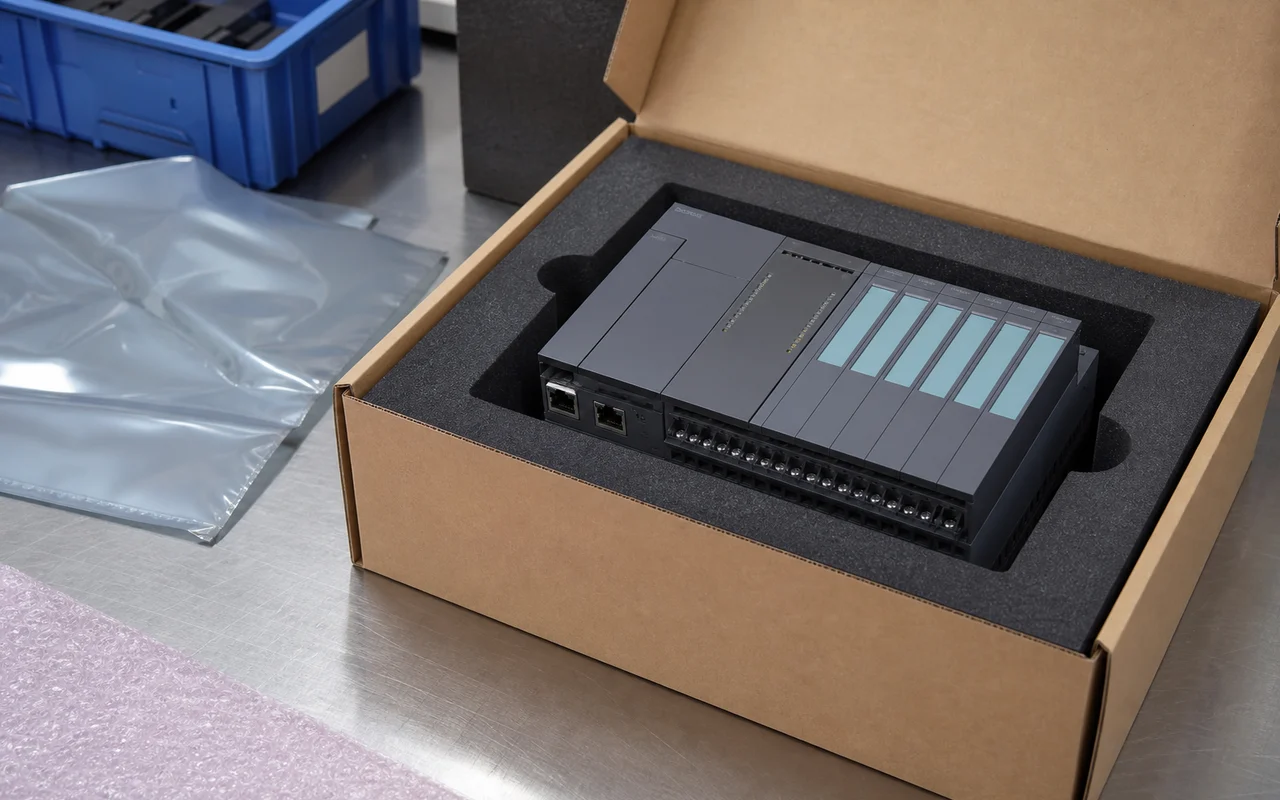 Secure Export Packing
Cushion protection and strong cartons ensure safe transportation.
 Worldwide Shipping
Global logistics network supports air, sea and express delivery.
 Documentation Check
Part number, revision and compatibility verified before shipment.
 After-sales Support
Professional technical support to help resolve your issues.