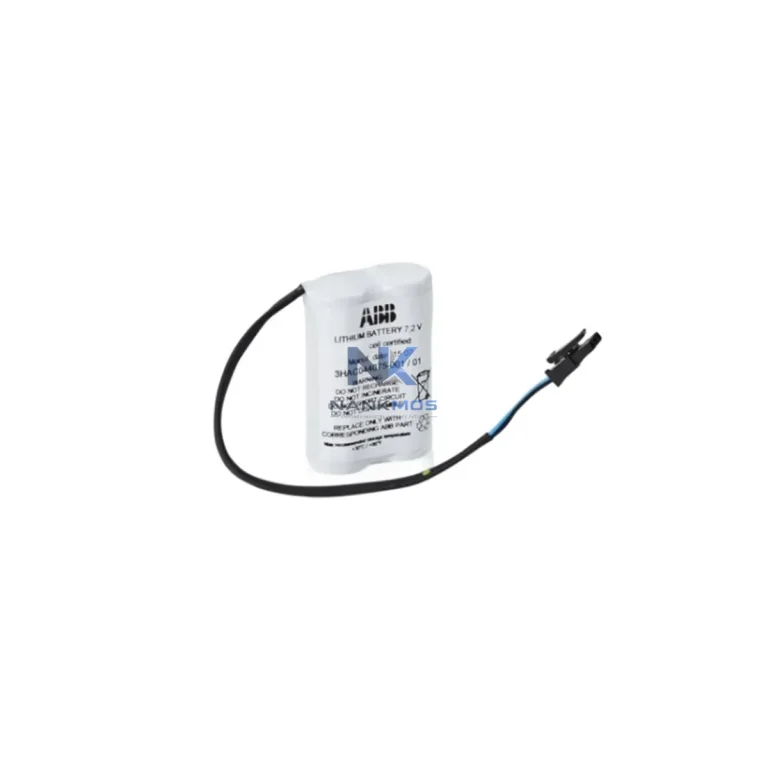
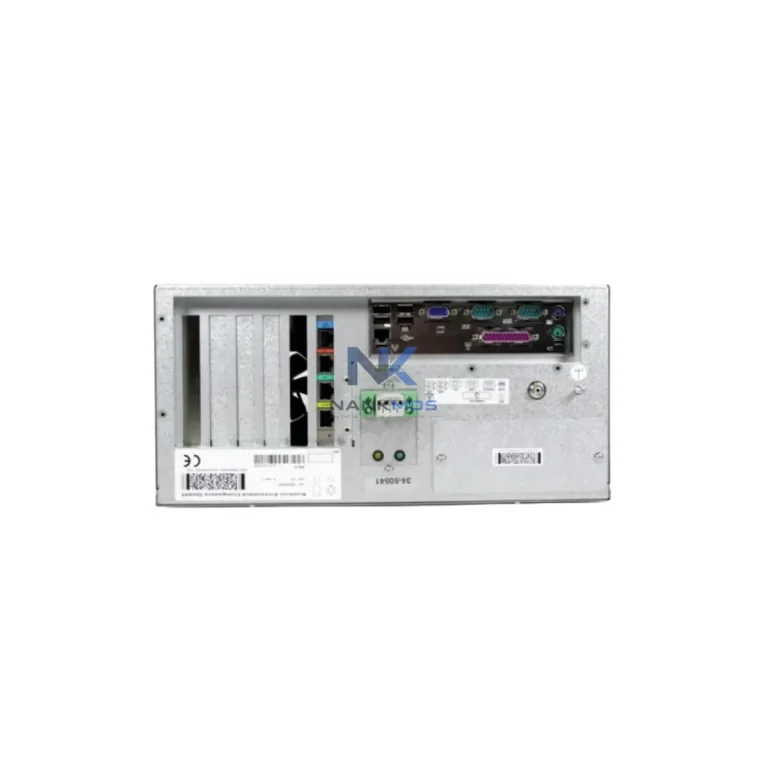
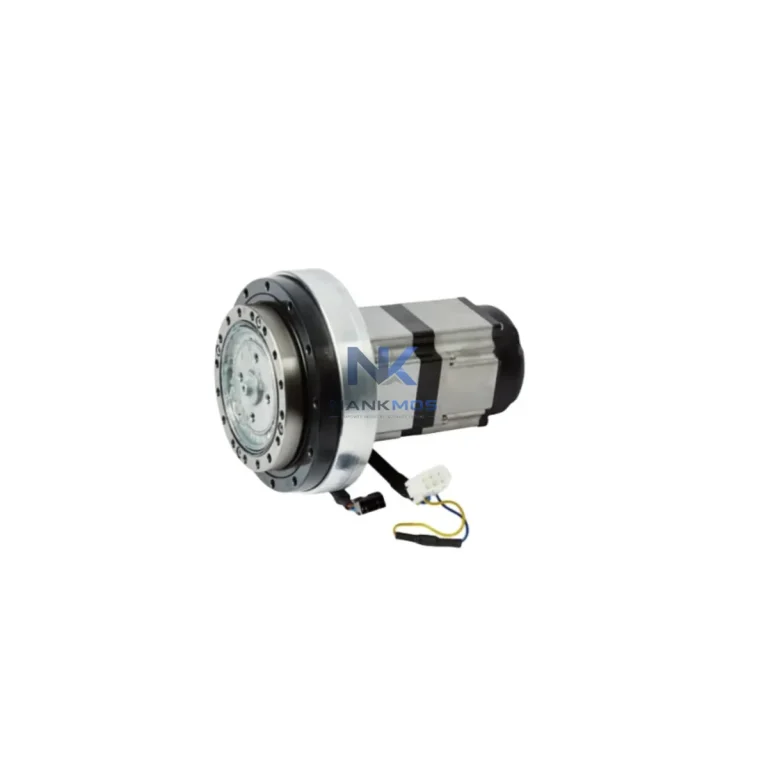
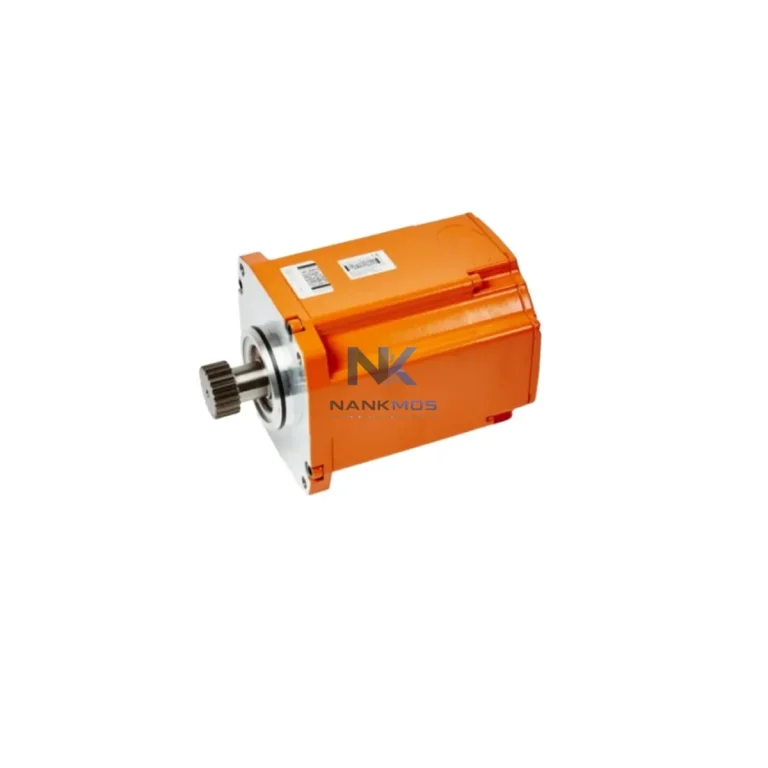
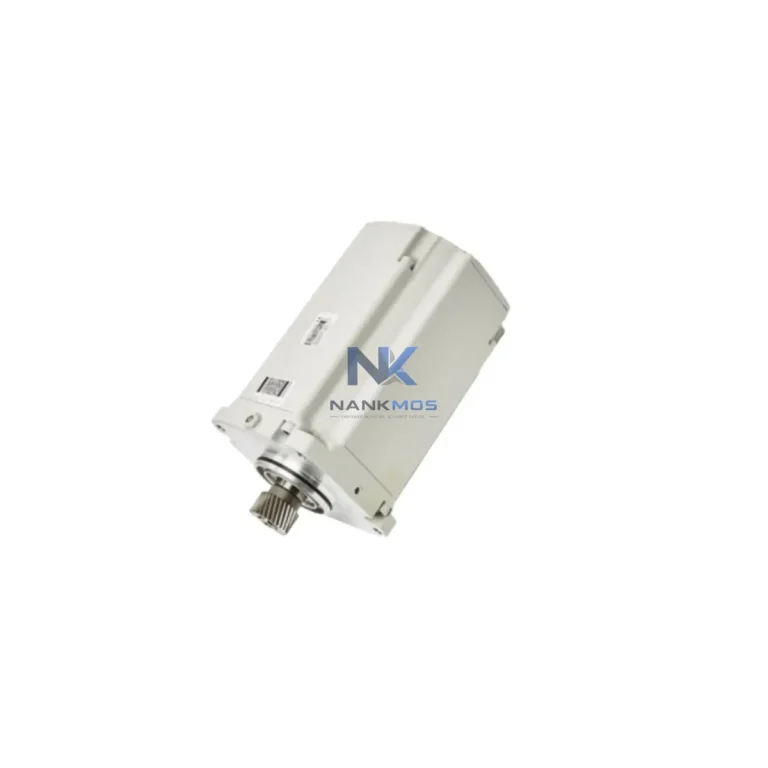
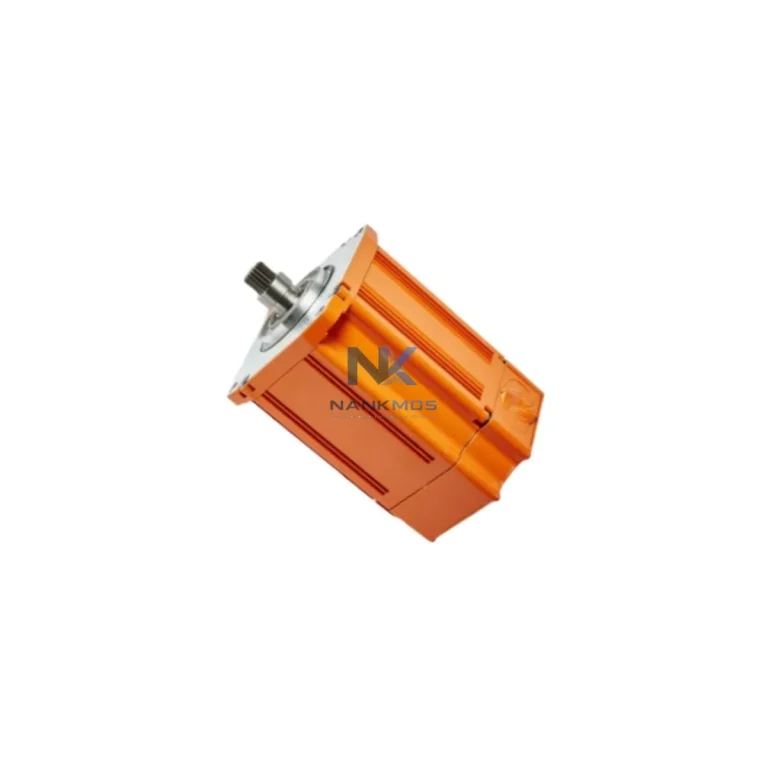
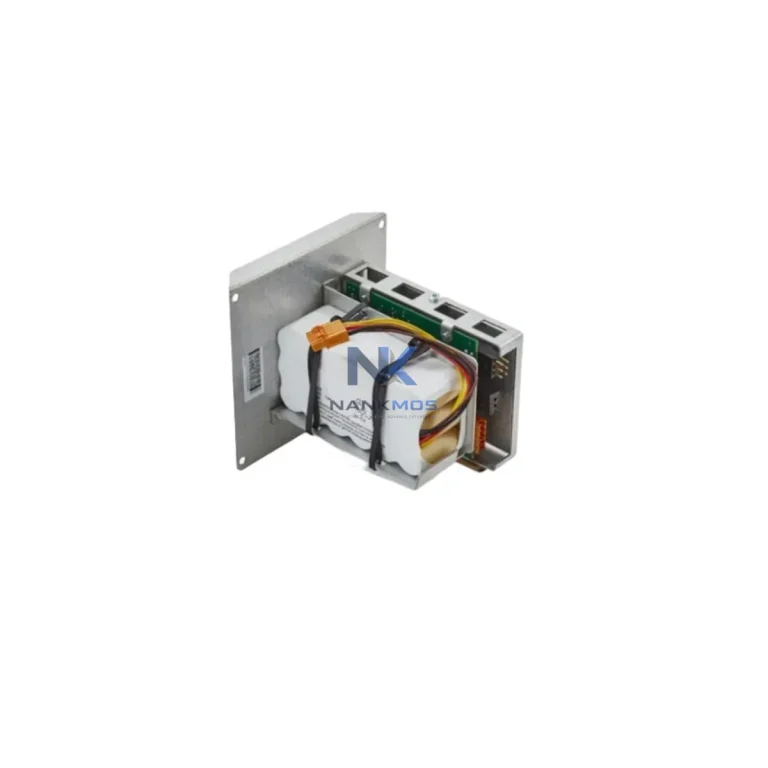
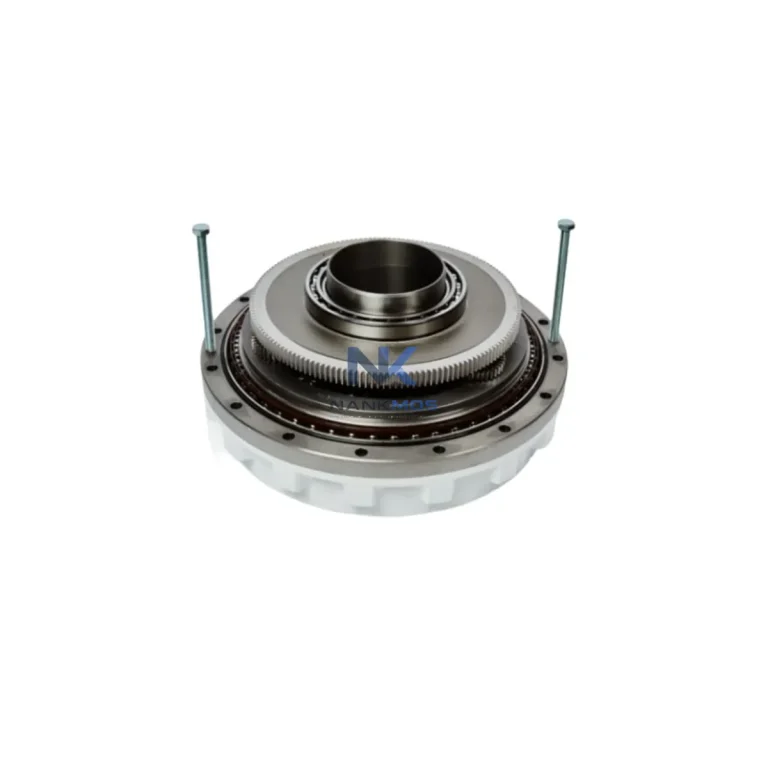
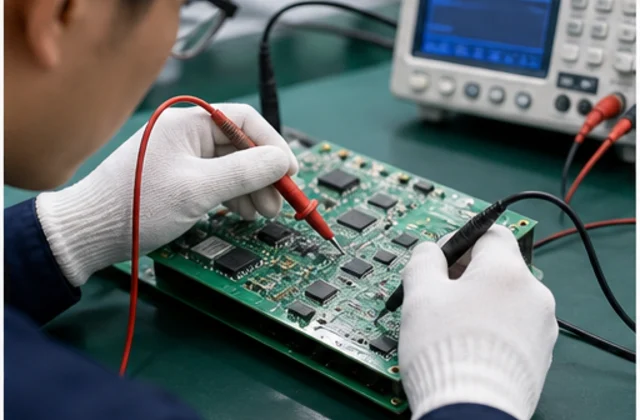
 Functional Inspection
100% tested on professional platforms to ensure stable performance.
ABB DSQC236G is a NANKMOS industrial automation product record Listed under IRC5 series and Drives. Confirm condition, availability, lead time, compatibility and documentation by email inquiry.
Brand names are used for identification only.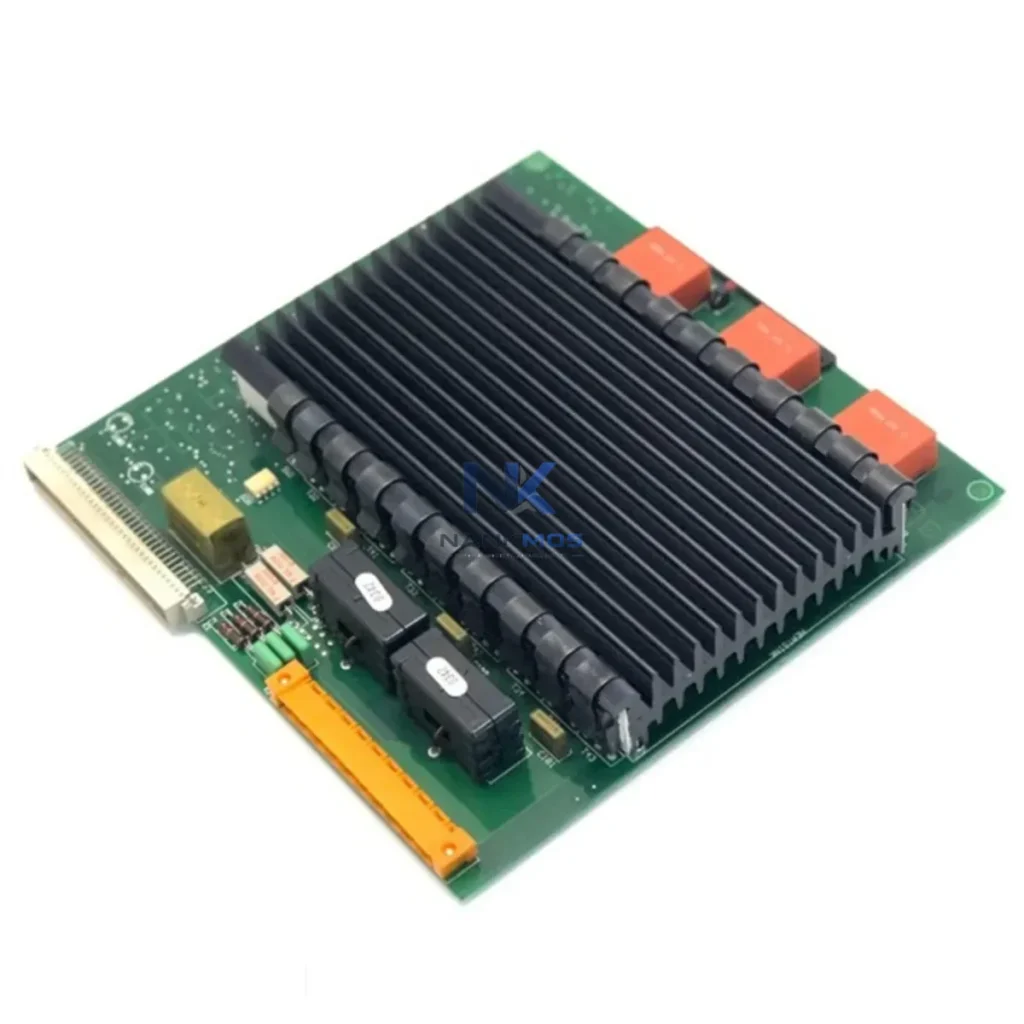
ABB DSQC236G is a NANKMOS industrial automation product record Listed under IRC5 series and Drives. Confirm condition, availability, lead time, compatibility and documentation by email inquiry.
| Manufacturer | ABB |
|---|---|
| Application | Motion Control & Drive System |
| Part Number / Model | DSQC236G |
| Compatible System | IRC5 |
| Series | IRC5 |
| Condition Options | To Confirm |
| Module Type | Servo / Drive Module |
| Warranty | 12 Months |
| Packaging | Anti-static Bag / Secure Box |
| Shipping Methods | DHL / FedEx / UPS / Air / Sea |
| Availability | To Confirm |
| Lead Time | To Confirm |
| Documentation | Part number and revision checked before quote |
The ABB DSQC236G is a precision-engineered Robot Axis Drive Board designed for ABB IRC5 robot controller systems, delivering reliable multi-axis motion control within high-demand smart factory environments. As industrial facilities accelerate their transition toward fully connected production lines, the DSQC236G serves as a critical node in the data chain — bridging servo drive signals, axis feedback loops, and upper-level control networks into a unified, transparent automation architecture. Whether deployed in automotive body welding cells, precision assembly stations, or material handling systems, the DSQC236G ensures deterministic axis response, stable network communication, and seamless integration with SCADA, HMI, and edge computing platforms.
In a modern smart factory, the DSQC236G operates at the intersection of physical motion and digital intelligence. The data flow begins at the servo motor encoder level, where the DSQC236G captures real-time axis position, velocity, and torque feedback from each of the robot's six axes. This raw motion data is processed and forwarded through the IRC5 controller's internal communication bus to the ABB DSQC239 main computer board, which coordinates trajectory planning and safety supervision.
At the fieldbus layer, the IRC5 system — equipped with optional modules such as the ABB DSQC378 DeviceNet gateway or the DSQC352A PROFIBUS adapter — bridges robot motion data onto the plant-floor network. This allows PLCs such as the ABB AC500 series or Siemens S7-300/S7-1500 to receive live robot status, fault codes, and cycle completion signals without polling delays. The DSQC236G's axis data becomes part of a broader production dataset that flows upward through industrial Ethernet switches — such as managed switches supporting PROFINET or EtherNet/IP — toward SCADA servers and MES platforms.
Remote I/O modules positioned at peripheral stations — for example, ABB CI854 PROFIBUS remote I/O or third-party EtherNet/IP I/O blocks — relay gripper status, fixture clamp signals, and vision system triggers back into the IRC5 controller, creating a closed-loop feedback environment. HMI panels connected via the IRC5 FlexPendant interface or standalone SCADA terminals running ABB Ability™ or third-party platforms such as Ignition or WinCC display real-time axis load, cycle time, and alarm states derived from DSQC236G data streams.
At the edge layer, edge gateways — such as those running OPC-UA server stacks — aggregate IRC5 robot data alongside signals from variable frequency drives (VFDs) controlling conveyor motors, temperature sensors on welding guns, and torque sensors on assembly tools. This consolidated data stream feeds cloud analytics dashboards and AI-based predictive maintenance engines, enabling plant managers to detect axis overload trends, bearing wear signatures, and thermal anomalies before they cause unplanned downtime. The DSQC236G is therefore not merely a drive board — it is the foundational data source for the entire robot cell's digital twin.
For multi-robot cells, the DSQC236G-equipped IRC5 controllers communicate peer-to-peer via ABB's MultiMove coordination protocol, synchronizing axis trajectories across up to four robots sharing a common workspace. This synchronized data flow is critical for applications such as tandem welding, cooperative assembly, and coordinated material transfer, where microsecond-level axis timing directly impacts weld quality and part accuracy.
Protocol Fragmentation: Many production sites run a mix of legacy PROFIBUS robots alongside newer EtherNet/IP-based PLCs and SCADA systems. The DSQC236G, operating within the IRC5 platform, supports fieldbus option boards that translate between these protocols, eliminating data silos between robot cells and plant-level control systems. Engineers no longer need custom middleware to extract axis data — the IRC5 stack handles protocol bridging natively.
Data Islands and Production Transparency: Without proper axis drive integration, robot performance data remains locked inside the controller and invisible to MES or ERP systems. The DSQC236G enables the IRC5 to expose structured data — cycle counts, axis utilization, fault histories — to upstream systems via OPC-UA or PROFINET, turning isolated robot cells into transparent production nodes on the factory network.
Remote Monitoring and Diagnostics: Maintenance teams at multi-site facilities can use ABB Ability™ Connected Services or third-party remote access platforms to monitor DSQC236G-driven axis health in real time. Axis current draw, position error, and temperature data are streamed continuously, enabling remote fault diagnosis without dispatching engineers to the shop floor. Alarm thresholds configured in the IRC5 controller trigger automatic notifications to SCADA dashboards and mobile devices.
System Scalability: As production lines expand, additional robot cells equipped with DSQC236G boards can be added to the network without architectural changes. The IRC5 platform's modular design allows new axes, additional I/O, and expanded fieldbus connectivity to be integrated incrementally, protecting the initial infrastructure investment while supporting future capacity growth.
Q1: What communication protocols does the ABB DSQC236G support within the IRC5 system? The DSQC236G operates as the axis drive board within the IRC5 controller, which supports DeviceNet, PROFIBUS-DP, EtherNet/IP, and PROFINET via optional fieldbus adapter boards (e.g., DSQC378, DSQC352A). The axis data generated by the DSQC236G is accessible to all these protocols through the IRC5 main computer, enabling seamless integration with PLCs, SCADA, and MES platforms.
Q2: How does the DSQC236G contribute to remote diagnostics and predictive maintenance? The DSQC236G continuously feeds axis position, torque, and current data to the IRC5 main computer, which can be accessed remotely via OPC-UA servers or ABB Ability™ Connected Services. This real-time data stream enables predictive maintenance algorithms to detect axis overload, encoder drift, and thermal stress patterns before they result in unplanned downtime, reducing maintenance costs and improving OEE.
Q3: Is the DSQC236G compatible with both single-cabinet and dual-cabinet IRC5 configurations? Yes. The DSQC236G is designed for use in ABB IRC5 single-cabinet (IRC5 Compact) and dual-cabinet (IRC5 with drive module) configurations. It interfaces with the IRC5 backplane and axis computer stack, making it compatible across the full IRC5 product family including IRC5 Panel Mounted Controller (PMC) variants used in integrated machine applications.
Q4: What quality assurance and warranty coverage does NANKMOS provide for the DSQC236G? Every DSQC236G unit shipped by NANKMOS undergoes pre-shipment functional verification, including power-on testing and interface continuity checks. All units are covered by a 12-month warranty from the date of shipment. In the event of a verified defect within the warranty period, NANKMOS provides replacement or repair support. Stock is maintained in verified inventory for immediate dispatch. Contact [email protected] or +86 18359268345 for RFQ and lead time confirmation.
Functional Inspection100% tested on professional platforms to ensure stable performance.
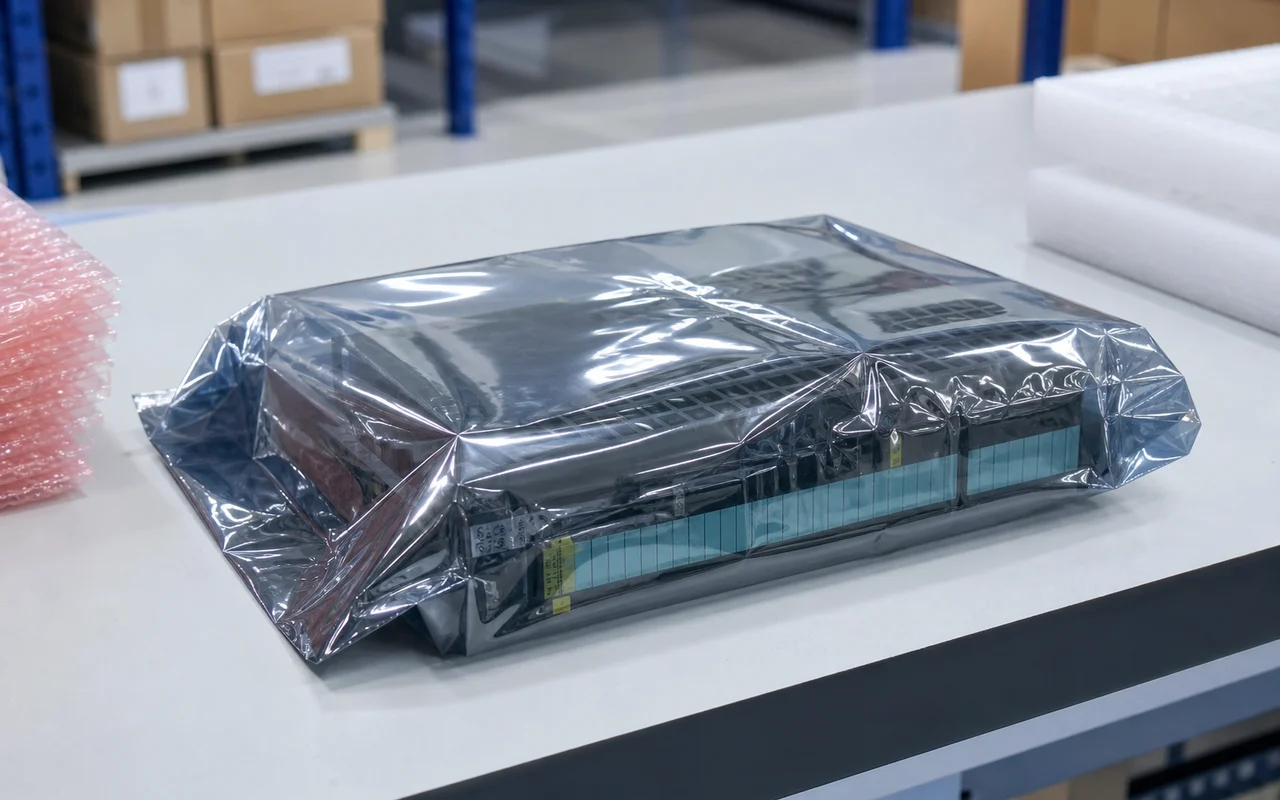 Anti-static Packaging
Modules are packed in anti-static bags to prevent electrostatic damage.
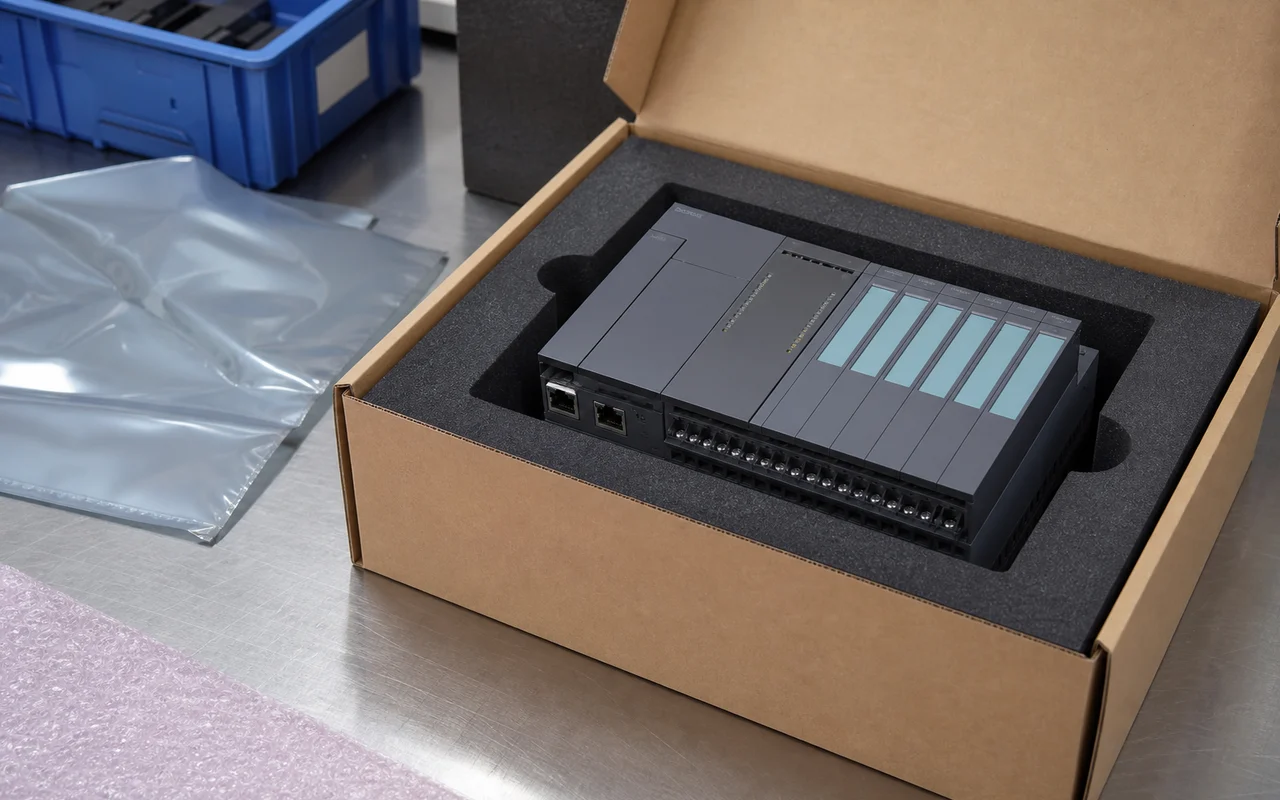 Secure Export Packing
Cushion protection and strong cartons ensure safe transportation.
 Worldwide Shipping
Global logistics network supports air, sea and express delivery.
 Documentation Check
Part number, revision and compatibility verified before shipment.
 After-sales Support
Professional technical support to help resolve your issues.