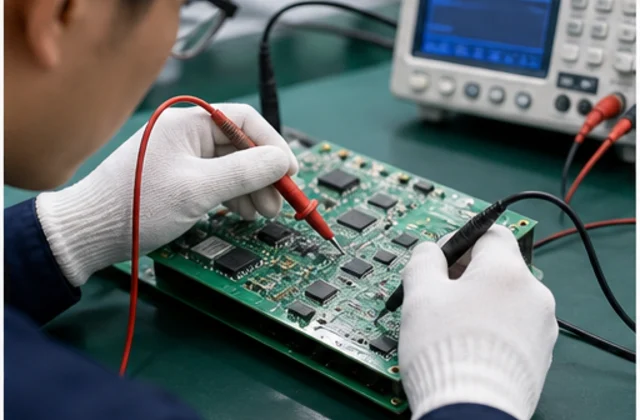
 Functional Inspection
100% tested on professional platforms to ensure stable performance.
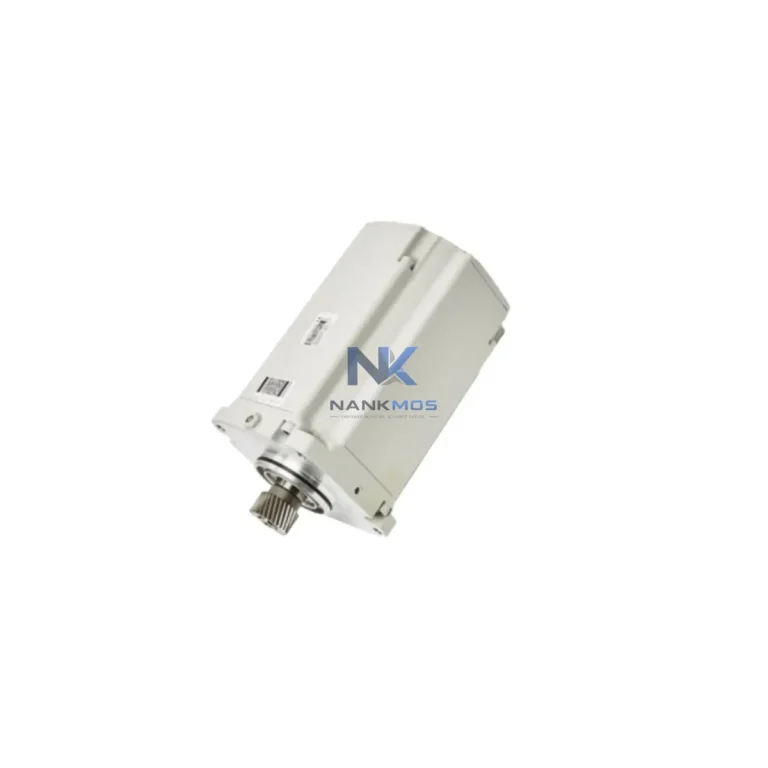
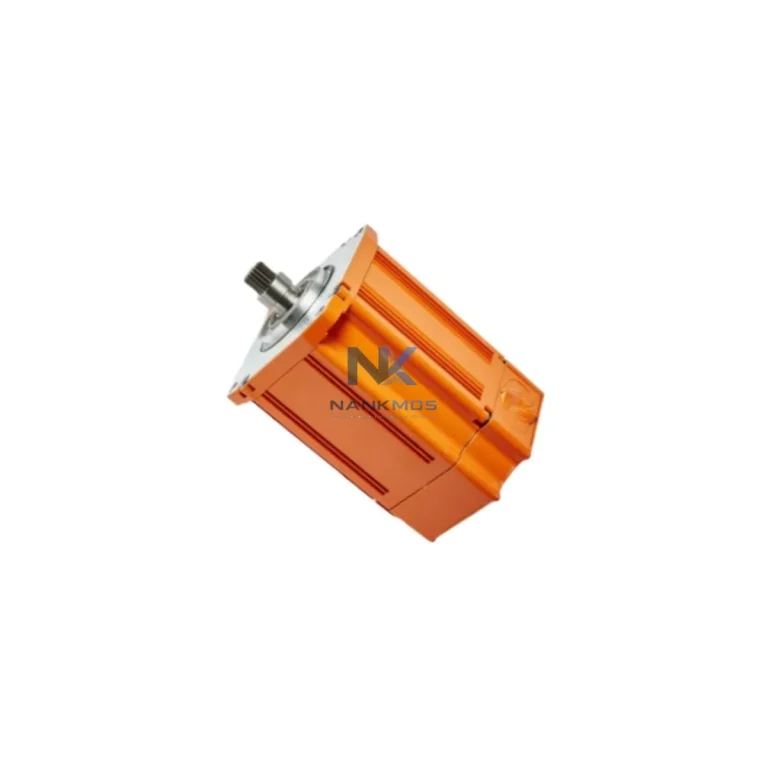
ABB DSQC646 3HAC026271-001 EPS DSQC646 3HAC026271-001 MU200505955890/02 is a NANKMOS industrial automation product record Listed under IRC5 series and Drives. Confirm condition, availability, lead time, compatibility and documentation by email inquiry.
Brand names are used for identification only.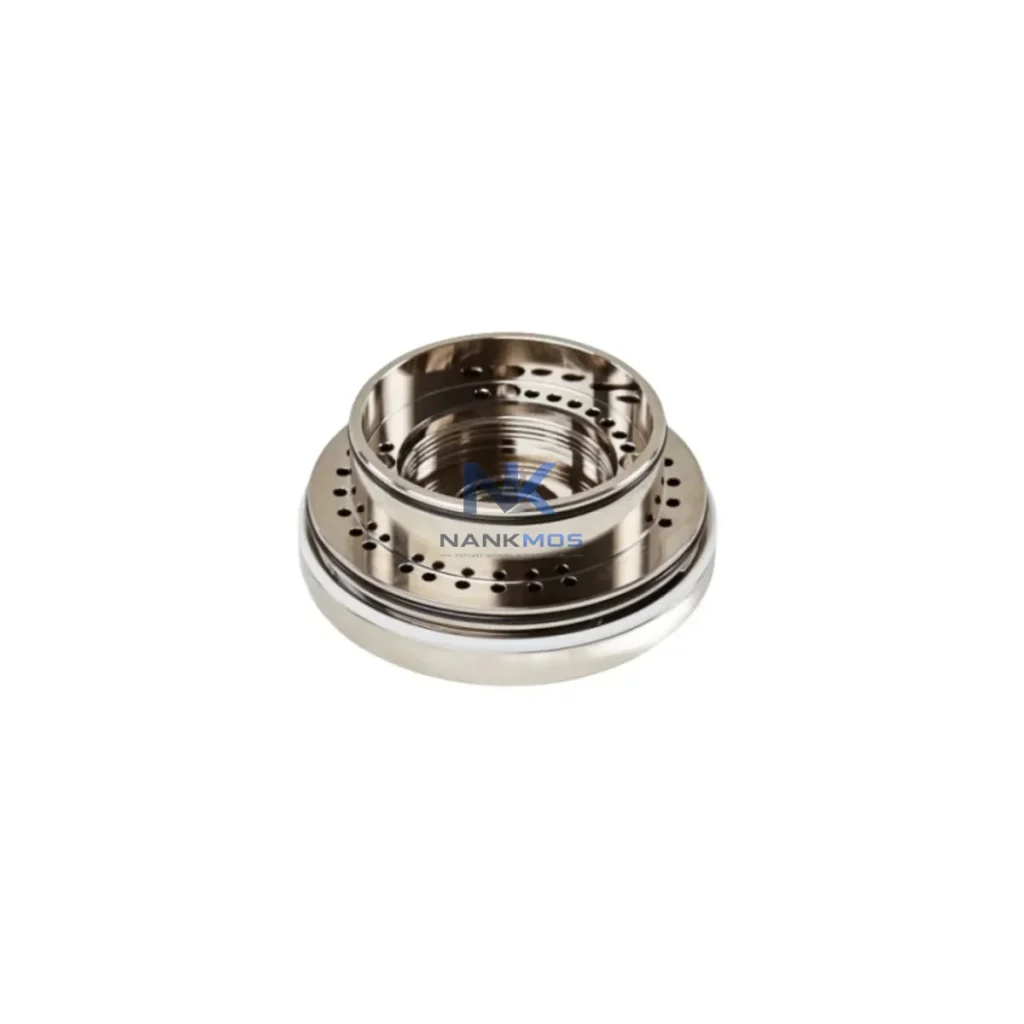
ABB DSQC646 3HAC026271-001 EPS DSQC646 3HAC026271-001 MU200505955890/02 is a NANKMOS industrial automation product record Listed under IRC5 series and Drives. Confirm condition, availability, lead time, compatibility and documentation by email inquiry.
| Manufacturer | ABB |
|---|---|
| Application | Motion Control & Drive System |
| Part Number / Model | DSQC646 3HAC026271-001 EPS DSQC646 3HAC026271-001 MU200505955890/02 |
| Compatible System | IRC5 |
| Series | IRC5 |
| Condition Options | To Confirm |
| Module Type | Servo / Drive Module |
| Warranty | 12 Months |
| Packaging | Anti-static Bag / Secure Box |
| Shipping Methods | DHL / FedEx / UPS / Air / Sea |
| Availability | To Confirm |
| Lead Time | To Confirm |
| Documentation | Part number and revision checked before quote |
The ABB DSQC646 (3HAC026271-001) is a high-performance servo drive unit engineered for ABB IRC5 robot controllers, delivering precise torque regulation, dynamic motion profiling, and intelligent energy-control capabilities across demanding industrial environments. Designed for continuous-duty operation in automotive assembly, semiconductor handling, petrochemical processing, and smart factory integration, the DSQC646 reduces unnecessary energy draw during idle and deceleration phases — directly lowering operating costs and thermal load on the control cabinet.
In a fully integrated IRC5 robot cell, the DSQC646 servo drive unit operates as the core motion-energy interface between the ABB IRC5 Main Computer (DSQC639) and the robot's axis motors. The IRC5 controller issues motion commands through the DSQC668 Drive System Interface Board, which coordinates axis torque references and feedback loops across all six robot joints. The DSQC646 translates these commands into precisely modulated PWM signals, ensuring that each motor axis draws only the current required for the actual load — eliminating the over-current conditions that inflate energy bills and accelerate insulation wear.
For energy monitoring at the cabinet level, the DSQC646 integrates naturally with ABB CP600 HMI panels and third-party SCADA systems via the IRC5's built-in DeviceNet or PROFIBUS communication modules, enabling real-time visibility into per-axis power consumption, regenerative energy recovery, and thermal status. When paired with a power monitoring module on the incoming supply rail, plant engineers can correlate robot cycle energy signatures with production throughput — identifying inefficient motion profiles and optimizing path planning to reduce peak demand charges.
The DSQC646 also works in concert with the ABB DSQC662 I/O Module for digital feedback on drive status, fault codes, and ready signals, feeding data upstream to the ABB IRC5 FlexPendant (DSQC679) for operator-level energy dashboards. In multi-robot cells, the ABB IRC5 MultiMove Controller coordinates synchronized motion across multiple DSQC646 units, distributing load across axes to flatten the aggregate power demand curve — a critical factor in facilities operating near transformer capacity limits.
For facilities running mixed automation architectures, the DSQC646's compatibility with standard 24 VDC industrial power supplies and its clean interface to Ethernet/IP or PROFINET communication adapters makes it straightforward to integrate into broader MES or ERP-connected energy management systems, supporting ISO 50001 energy performance tracking without requiring additional gateway hardware.
Production line energy waste in robot-intensive facilities typically originates from three sources: excessive idle-phase current draw, inefficient deceleration energy dissipation, and thermal runaway in undersized or aging drive units. The ABB DSQC646 (3HAC026271-001) addresses all three directly.
During idle and low-speed phases — common in pick-and-place, welding, and palletizing applications — the DSQC646's intelligent torque management holds axis motors at minimum holding current rather than full rated current, reducing cabinet heat load and extending the service life of adjacent components including the DSQC609 Power Supply Unit and the drive system's internal cooling fans. This thermal load reduction translates directly into fewer unplanned stops caused by over-temperature faults, which are among the most disruptive and energy-wasteful events in continuous production.
During deceleration, the DSQC646 supports regenerative braking cycles where kinetic energy from decelerating robot arms is converted back into usable DC bus energy rather than dissipated as heat through braking resistors. In high-cycle applications — such as automotive spot welding lines running 1,200+ cycles per shift — this regenerative capability can meaningfully reduce net energy consumption per part produced.
From a production rhythm perspective, a healthy DSQC646 maintains consistent axis response times, ensuring that robot cycle times remain stable across shifts. Degraded or counterfeit drive units introduce micro-delays in torque response that accumulate into measurable cycle time drift — reducing OEE and increasing energy consumption per unit output. Every DSQC646 unit shipped by NANKMOS undergoes a full functional and load test prior to dispatch, verifying torque response, thermal performance, and communication integrity under simulated production conditions.
Predictive maintenance integration is supported through the IRC5 controller's event log and the DSQC646's built-in fault reporting, which surfaces drive health data to connected SCADA or MES platforms. This allows maintenance teams to schedule drive replacements during planned downtime windows rather than reacting to unplanned failures — preserving production rhythm and avoiding the energy spikes associated with emergency restarts and re-homing sequences.
Q1: How does the DSQC646 contribute to measurable energy savings on the production line? The DSQC646 reduces energy consumption through intelligent idle-phase current management and regenerative deceleration support. In high-cycle robot applications, these features reduce per-cycle energy draw and lower cabinet thermal load, decreasing cooling system demand and extending component service intervals.
Q2: Which ABB IRC5 controller variants and robot models are compatible with the DSQC646? The DSQC646 (3HAC026271-001) is compatible with ABB IRC5 Single Cabinet, Dual Cabinet, and Panel Mounted Controller variants. It supports a wide range of ABB robot families including IRB 1600, IRB 2600, IRB 4600, and IRB 6640 series. For specific axis configurations or non-standard IRC5 builds, contact NANKMOS for compatibility confirmation before ordering.
Q3: What is the recommended replacement and testing process for a failed DSQC646 unit? Upon receipt, the replacement DSQC646 should be installed in the IRC5 drive bay following ABB's standard drive replacement procedure, with the IRC5 powered down and axis brakes engaged. After installation, perform a full axis calibration and a low-speed test cycle before returning the robot to production speed. All NANKMOS-supplied DSQC646 units are pre-tested under load, reducing commissioning time and the risk of infant failure.
Q4: What does the 12-month warranty cover, and what is the stock availability? The 12-month warranty covers manufacturing defects and functional failures under normal operating conditions, commencing from the date of shipment. NANKMOS maintains in-stock inventory of the DSQC646 (3HAC026271-001) for immediate dispatch. Expedited shipping options are available for urgent production line recovery situations. Contact [email protected] or +86 18359268345 for stock confirmation and lead time.
Functional Inspection100% tested on professional platforms to ensure stable performance.
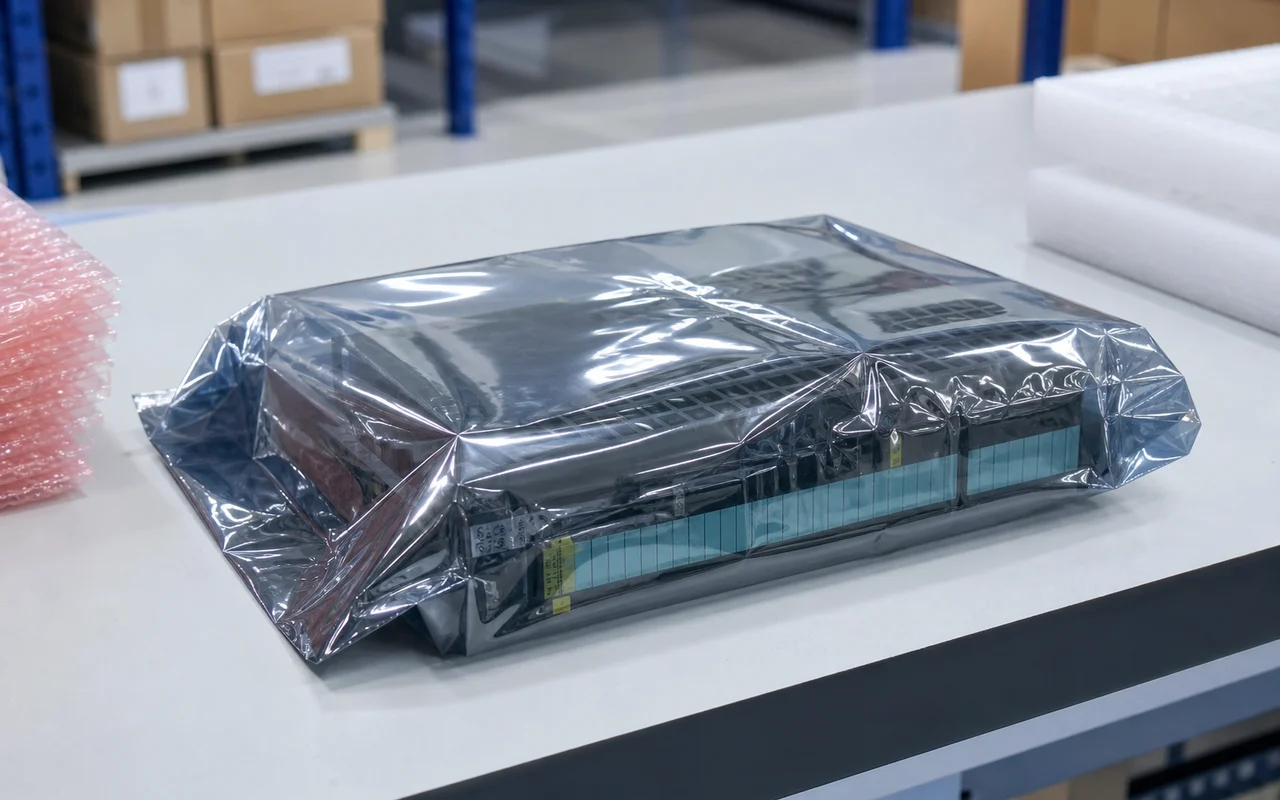 Anti-static Packaging
Modules are packed in anti-static bags to prevent electrostatic damage.
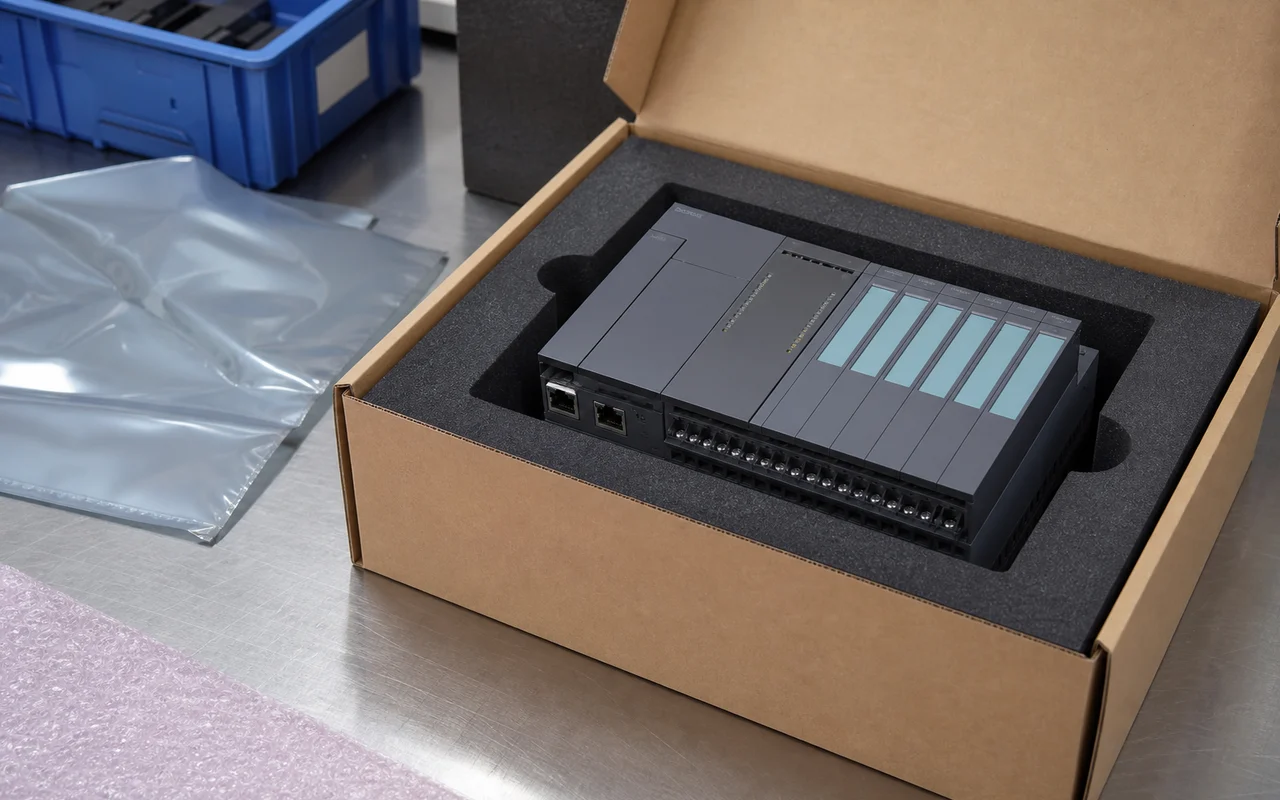 Secure Export Packing
Cushion protection and strong cartons ensure safe transportation.
 Worldwide Shipping
Global logistics network supports air, sea and express delivery.
 Documentation Check
Part number, revision and compatibility verified before shipment.
 After-sales Support
Professional technical support to help resolve your issues.