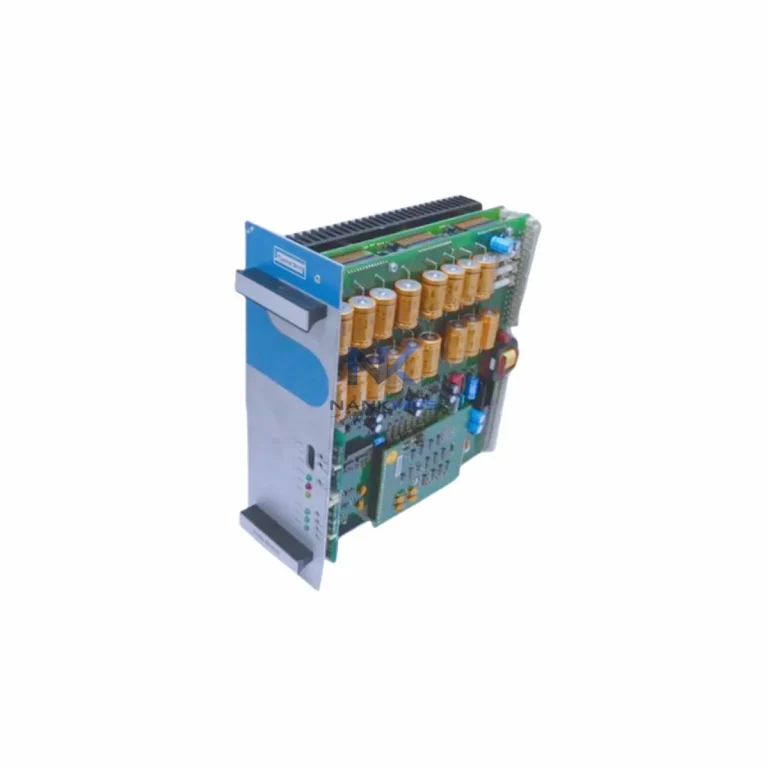
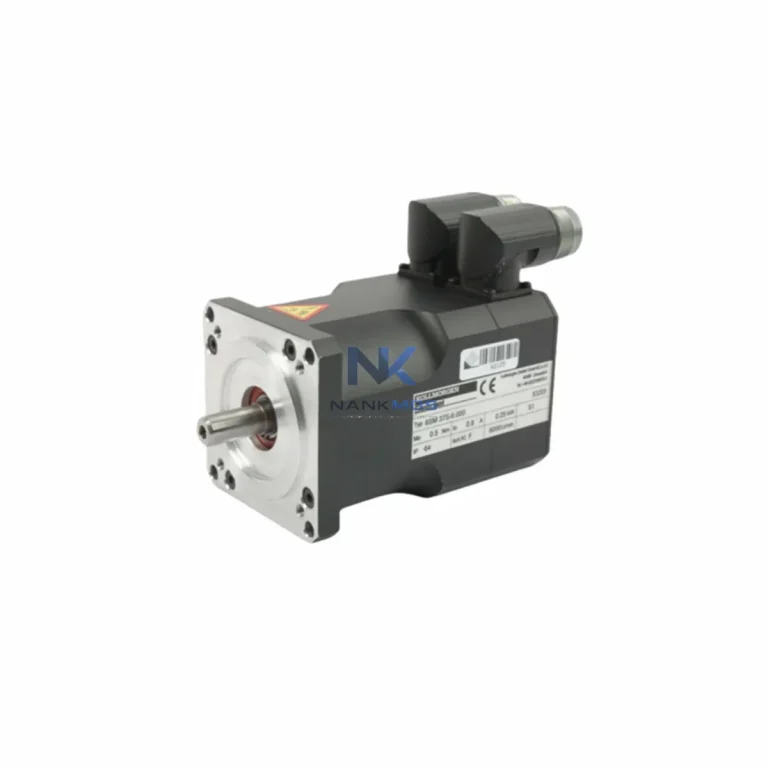
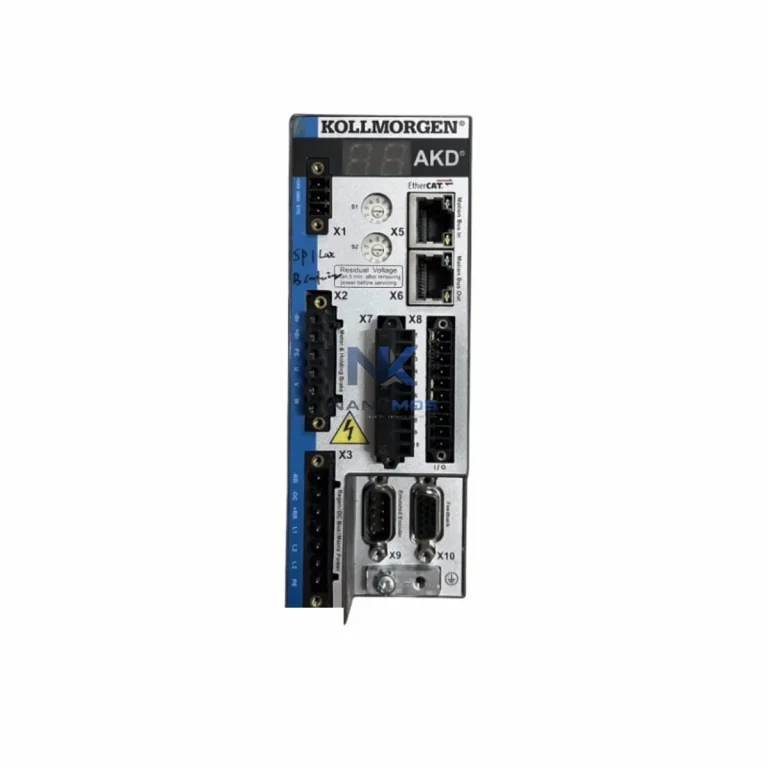
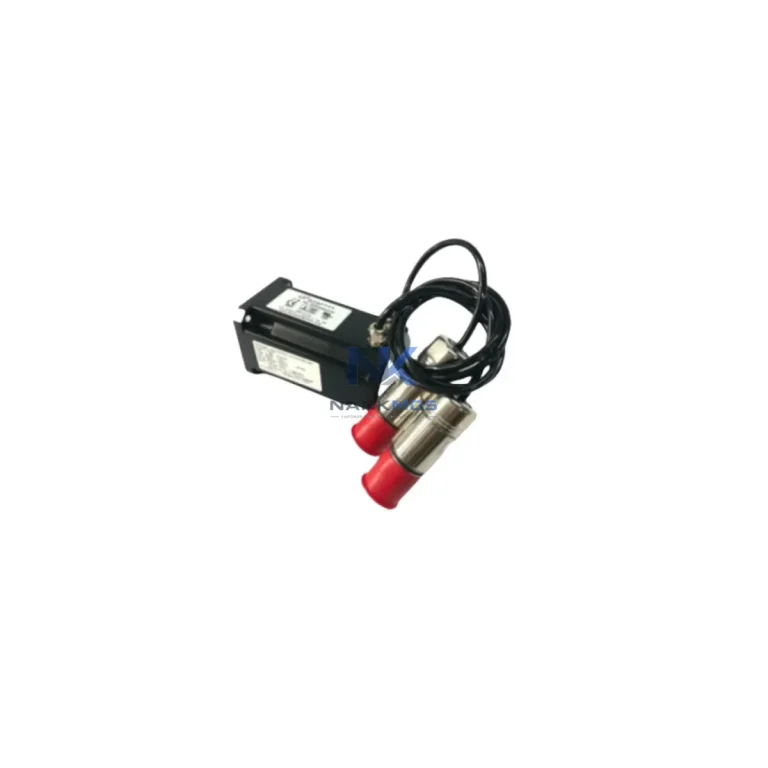
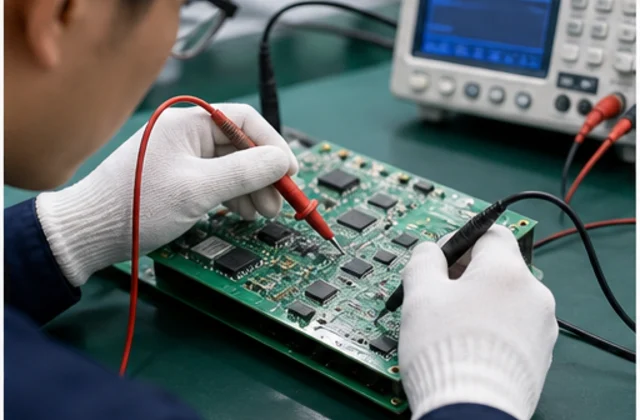
 Functional Inspection
100% tested on professional platforms to ensure stable performance.
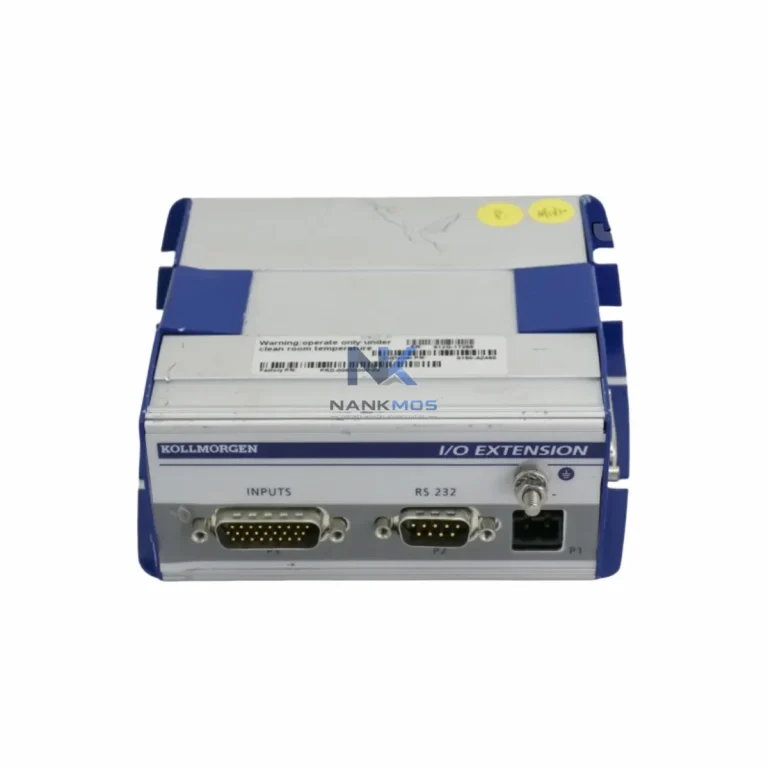
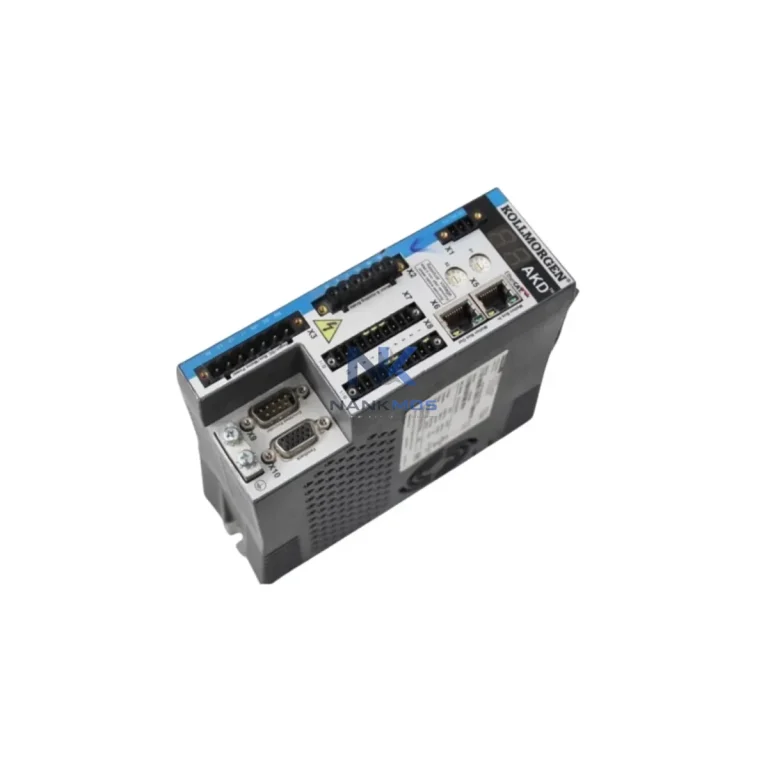
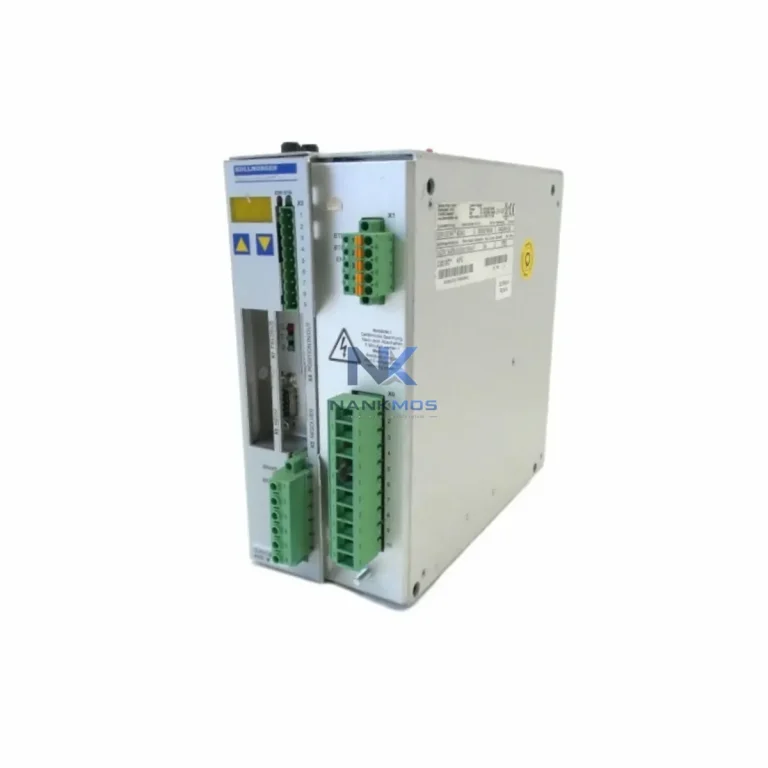
KOLLMORGEN 19187-3 is a NANKMOS industrial automation product record Listed under Other series series and Drives. Confirm condition, availability, lead time, compatibility and documentation by email inquiry.
Brand names are used for identification only.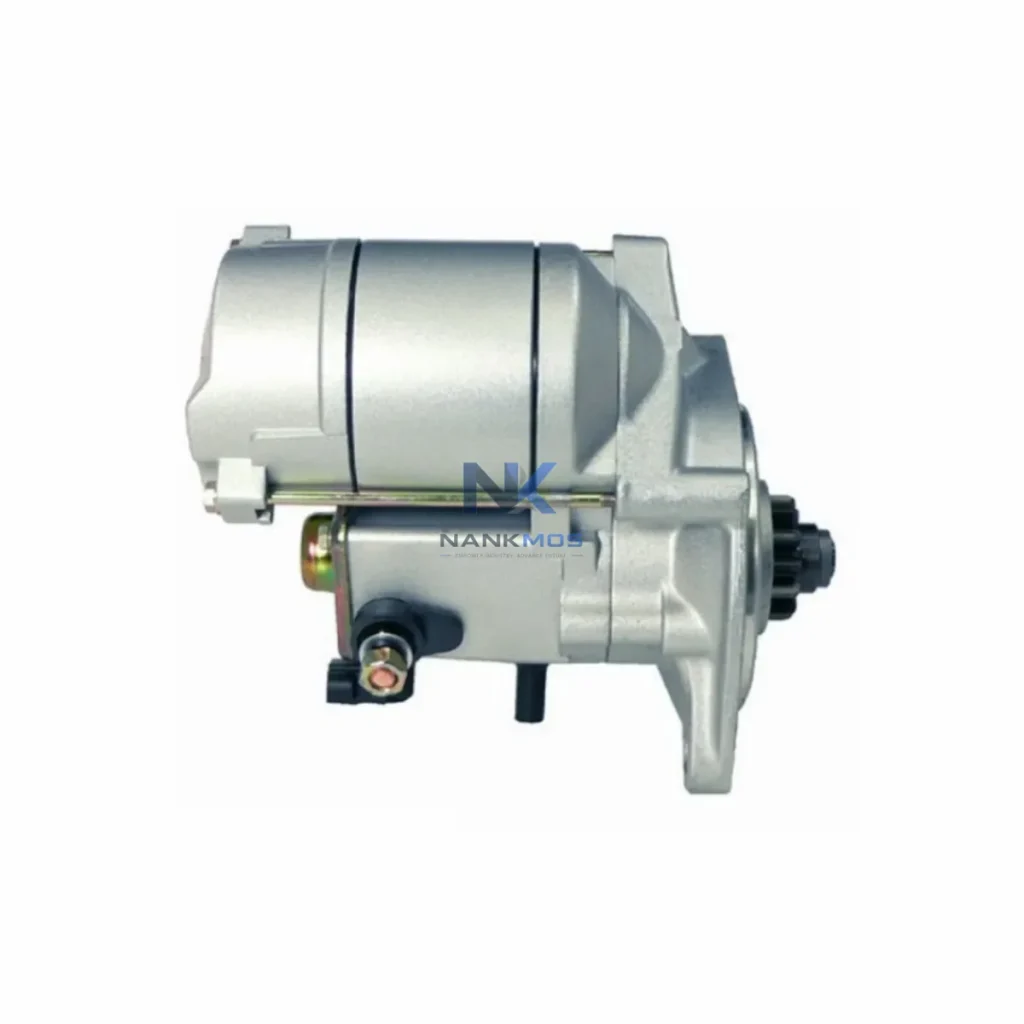
KOLLMORGEN 19187-3 is a NANKMOS industrial automation product record Listed under Other series series and Drives. Confirm condition, availability, lead time, compatibility and documentation by email inquiry.
| Manufacturer | KOLLMORGEN |
|---|---|
| Application | Motion Control & Drive System |
| Part Number / Model | 19187-3 |
| Compatible System | Confirmed by inquiry |
| Condition Options | To Confirm |
| Module Type | Servo / Drive Module |
| Warranty | 12 Months |
| Packaging | Anti-static Bag / Secure Box |
| Shipping Methods | DHL / FedEx / UPS / Air / Sea |
| Availability | To Confirm |
| Lead Time | To Confirm |
| Documentation | Part number and revision checked before quote |
The Kollmorgen 19187-3 is a high-performance energy-control servo drive module engineered for demanding industrial environments where precision motor control, load management, and production line efficiency are non-negotiable. Designed to integrate seamlessly into smart factory architectures, the 19187-3 delivers tightly regulated torque and velocity output while actively minimizing reactive power losses and thermal overhead — two of the most significant contributors to wasted energy in continuous-duty manufacturing operations.
Whether deployed in packaging machinery, CNC machining centers, material handling conveyors, or robotic assembly cells, the Kollmorgen 19187-3 provides the dynamic response and energy transparency that modern production engineers demand. Its closed-loop feedback architecture ensures that motor shaft position, speed, and torque are continuously optimized against the actual load profile, eliminating the energy waste associated with open-loop or oversized drive configurations.
The Kollmorgen 19187-3 servo drive is most effective when deployed as part of a coordinated, power-aware automation architecture. In a typical smart production line, the 19187-3 receives motion commands from a Kollmorgen AKD WorkBench-configured PLC or a third-party controller such as a Siemens S7-1500 or Allen-Bradley ControlLogix, translating high-level trajectory profiles into precise current commands delivered to paired Kollmorgen AKM servo motors. This tight integration between the drive and motor eliminates the efficiency gap that occurs when mismatched components are used together.
For energy monitoring, the 19187-3 can be paired with a dedicated power measurement module — such as a Siemens SENTRON PAC3200 or a Schneider Electric PowerLogic ION7650 — to provide real-time visibility into per-axis energy consumption. This data feeds directly into an energy management system or SCADA platform, enabling engineers to identify axes operating outside their optimal efficiency band and schedule corrective maintenance before energy waste escalates into unplanned downtime.
On the communications side, the 19187-3 supports industrial fieldbus protocols including EtherCAT and CANopen, allowing it to exchange status, fault, and energy data with upstream Beckhoff CX-series controllers or Omron NJ/NX PLCs without additional gateway hardware. This reduces network latency and ensures that load-shedding commands from the energy management layer reach the drive within the cycle time required for real-time production line control.
In multi-axis gantry or robotic applications, the 19187-3 works alongside Kollmorgen AKD2G dual-axis drives and Kollmorgen KBM frameless motors to distribute mechanical load across axes intelligently, preventing any single drive from operating in its high-loss saturation region. Coupled with a Kollmorgen PCMM2G motion controller, the system can execute coordinated energy-optimized motion profiles that reduce peak power demand — a critical factor in facilities operating under demand-charge tariffs.
For I/O integration, the 19187-3 connects to distributed I/O modules such as Beckhoff EL series terminals or Phoenix Contact Axioline F modules, enabling the drive to receive enable signals, speed references, and fault acknowledgments from the machine safety and control layer without burdening the primary fieldbus with low-priority traffic. HMI panels — including Kollmorgen's own operator interfaces or third-party Weintek and Proface displays — provide operators with real-time drive status, energy consumption trends, and alarm history at the machine level.
One of the most impactful ways the Kollmorgen 19187-3 contributes to factory energy optimization is through its regenerative braking capability. During deceleration phases — which occur hundreds or thousands of times per shift in high-cycle applications — the 19187-3 converts kinetic energy back into electrical energy and returns it to the DC bus, where it can be consumed by other axes in the same drive system or fed back to the facility power grid through a regenerative supply unit. In high-inertia applications such as large-format printing machines or heavy conveyor systems, this regenerative recovery can reduce net energy consumption by a measurable percentage per shift.
Beyond regeneration, the 19187-3's adaptive load management algorithm continuously monitors motor current draw and compares it against the commanded motion profile. When the actual load is lighter than the programmed profile — as frequently occurs during product changeovers, partial-load production runs, or scheduled idle periods — the drive automatically reduces its output voltage and switching frequency to match the actual demand. This dynamic adaptation eliminates the fixed-loss overhead that plagues older, non-adaptive drive architectures and directly reduces the thermal load on the drive's power stage, extending component life and reducing cooling energy requirements in the control cabinet.
From a production line rhythm perspective, the 19187-3's high-bandwidth current loop — with update rates in the microsecond range — ensures that servo axes track their commanded profiles with minimal following error even during rapid acceleration and deceleration. This precision directly translates into consistent machine cycle times, reduced scrap rates from positioning errors, and higher overall equipment effectiveness (OEE). In facilities where production throughput is directly tied to energy cost per unit produced, improving OEE through tighter servo control is one of the highest-return energy optimization strategies available.
Predictive maintenance integration is another key energy optimization lever enabled by the 19187-3. By logging drive temperature, bus voltage ripple, motor current harmonics, and fault event history over time, maintenance teams can identify degrading bearings, worn motor windings, or deteriorating cable insulation before they cause catastrophic failures. Catching these issues early prevents the energy waste associated with a motor running in a degraded state — where increased friction or insulation leakage forces the drive to deliver more current than the load actually requires — and avoids the production losses and emergency repair costs of an unplanned shutdown.
All units supplied by NANKMOS undergo pre-shipment functional testing under load conditions representative of typical servo axis applications. Each 19187-3 is verified for correct commutation, encoder feedback integrity, fieldbus communication, and thermal performance before dispatch. In-stock inventory is maintained to support urgent replacement requirements, with same-day or next-business-day shipping available for verified orders. Every unit is covered by a 12-month warranty from the date of shipment, providing procurement and maintenance teams with the supply chain confidence needed to plan production schedules without buffer stock anxiety.
Q1: How does the Kollmorgen 19187-3 reduce energy consumption compared to a standard AC drive?Unlike a general-purpose AC variable frequency drive, the 19187-3 operates as a closed-loop servo drive with continuous feedback from a high-resolution encoder. This means the drive delivers exactly the current required to maintain the commanded position or velocity — no more, no less. Combined with regenerative braking energy recovery and adaptive switching frequency control, the 19187-3 consistently outperforms open-loop drives in energy efficiency across the full duty cycle, particularly in applications with frequent start-stop cycles or variable load profiles.
Q2: Which control systems and communication protocols is the 19187-3 compatible with?The 19187-3 is compatible with EtherCAT, CANopen, SERCOS III, and Modbus TCP fieldbus protocols, making it suitable for integration with a wide range of PLC and motion controller platforms including Siemens, Beckhoff, Omron, and Rockwell Automation systems. For analog reference applications, ±10V velocity and torque command inputs are also supported. Consult the Kollmorgen drive configuration documentation or contact NANKMOS technical support to confirm compatibility with your specific control architecture.
Q3: Can the 19187-3 replace an existing Kollmorgen servo drive in a running production line without re-engineering the motion program?In most cases, yes. The 19187-3 is designed to be parameter-compatible with other drives in the Kollmorgen AKD and S700 platform families. Motor configuration files (motor database entries) and motion program parameters can typically be transferred with minimal modification using Kollmorgen AKD WorkBench software. NANKMOS recommends a bench-level functional verification before installation in a live production environment, and our technical team can provide guidance on parameter migration for specific application configurations.
Q4: What does the 12-month warranty cover, and what is the pre-shipment testing process?Every Kollmorgen 19187-3 supplied by NANKMOS is tested prior to shipment under representative load conditions. Testing covers power stage functionality, encoder feedback signal integrity, fieldbus communication initialization, and thermal performance under sustained load. The 12-month warranty covers manufacturing defects and functional failures under normal operating conditions from the date of shipment. Warranty claims are processed directly through NANKMOS, with replacement units dispatched from in-stock inventory to minimize production downtime during the claims process.
Functional Inspection100% tested on professional platforms to ensure stable performance.
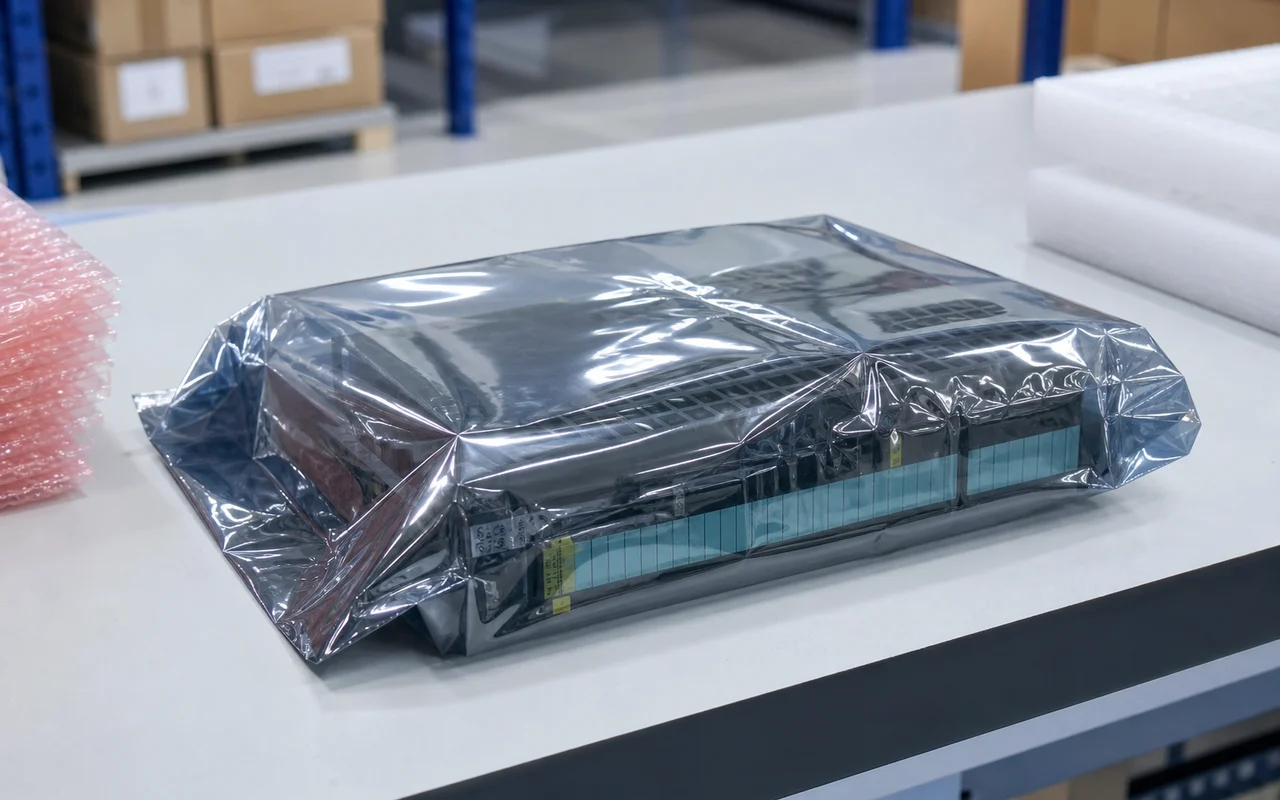 Anti-static Packaging
Modules are packed in anti-static bags to prevent electrostatic damage.
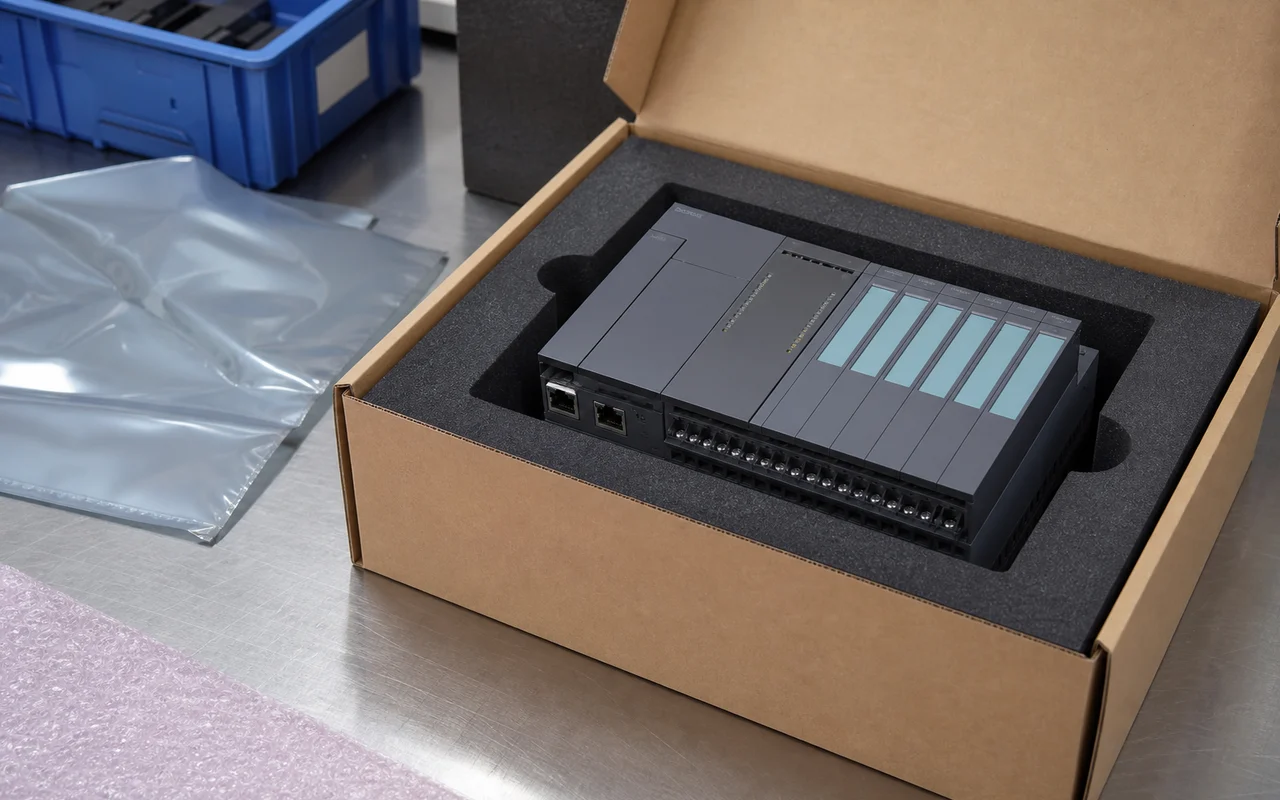 Secure Export Packing
Cushion protection and strong cartons ensure safe transportation.
 Worldwide Shipping
Global logistics network supports air, sea and express delivery.
 Documentation Check
Part number, revision and compatibility verified before shipment.
 After-sales Support
Professional technical support to help resolve your issues.