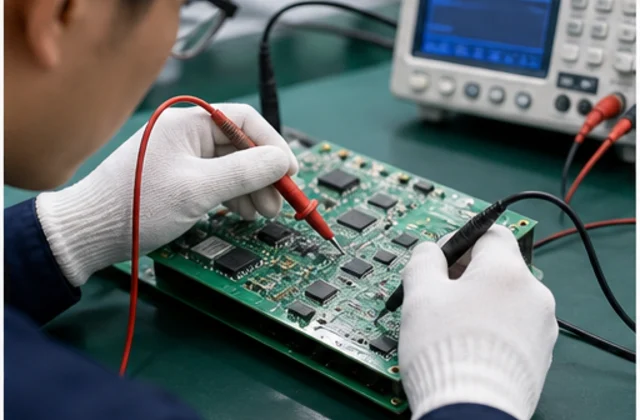
 Functional Inspection
100% tested on professional platforms to ensure stable performance.
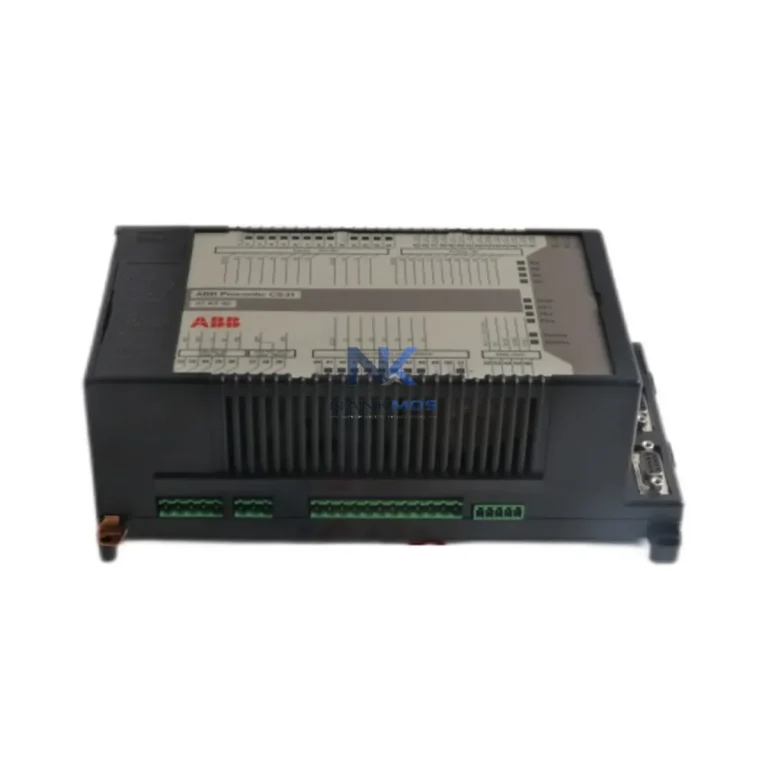
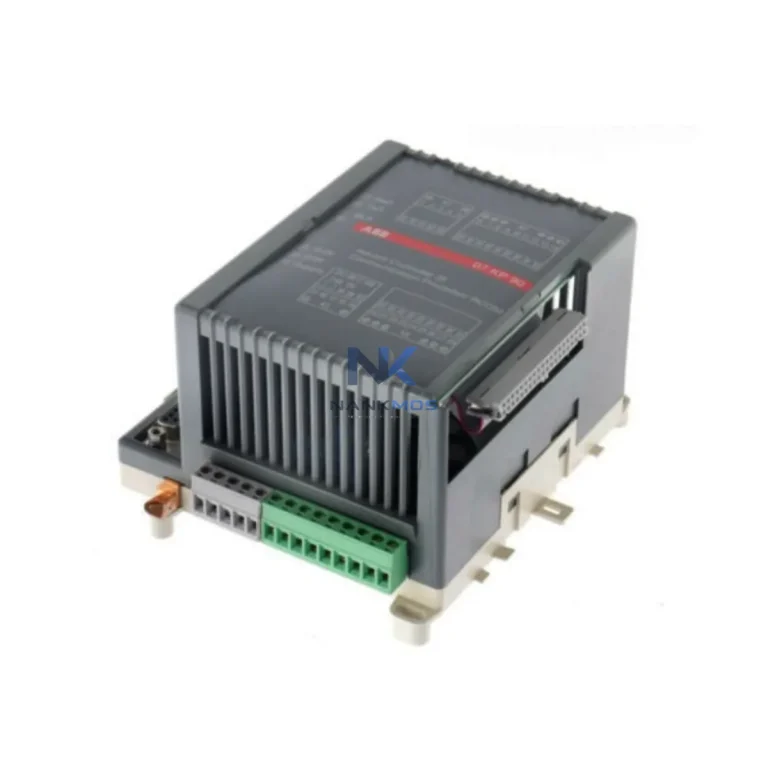
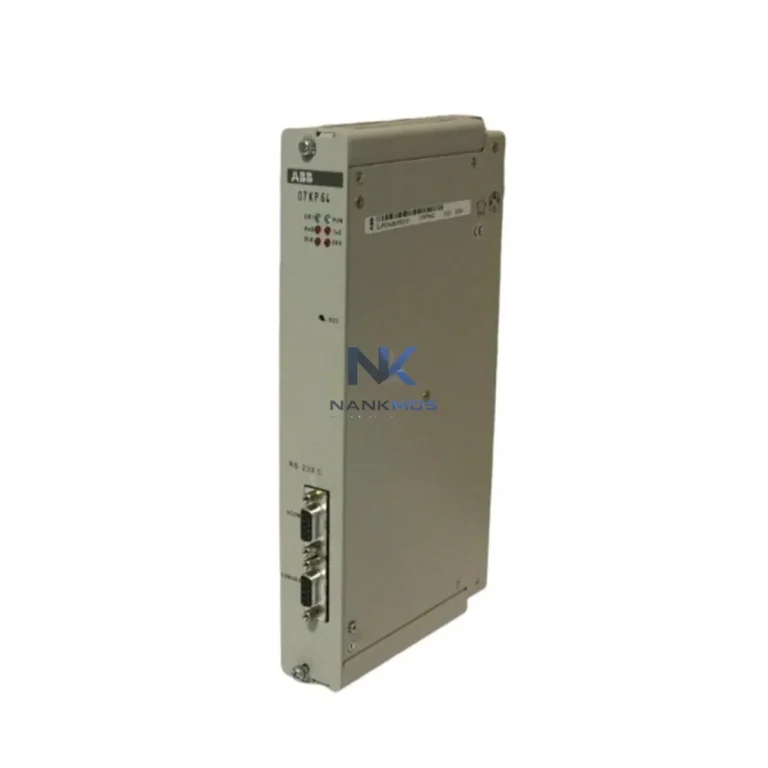
ABB AO523 1SAP250200R0001 is a NANKMOS industrial automation product record Listed under AC500 series and Business & Industrial > Automation, Control & Flow Devices > Programmable Logic Controllers. Confirm condition, availability, lead time, compatibility and documentation by email inquiry.
Brand names are used for identification only.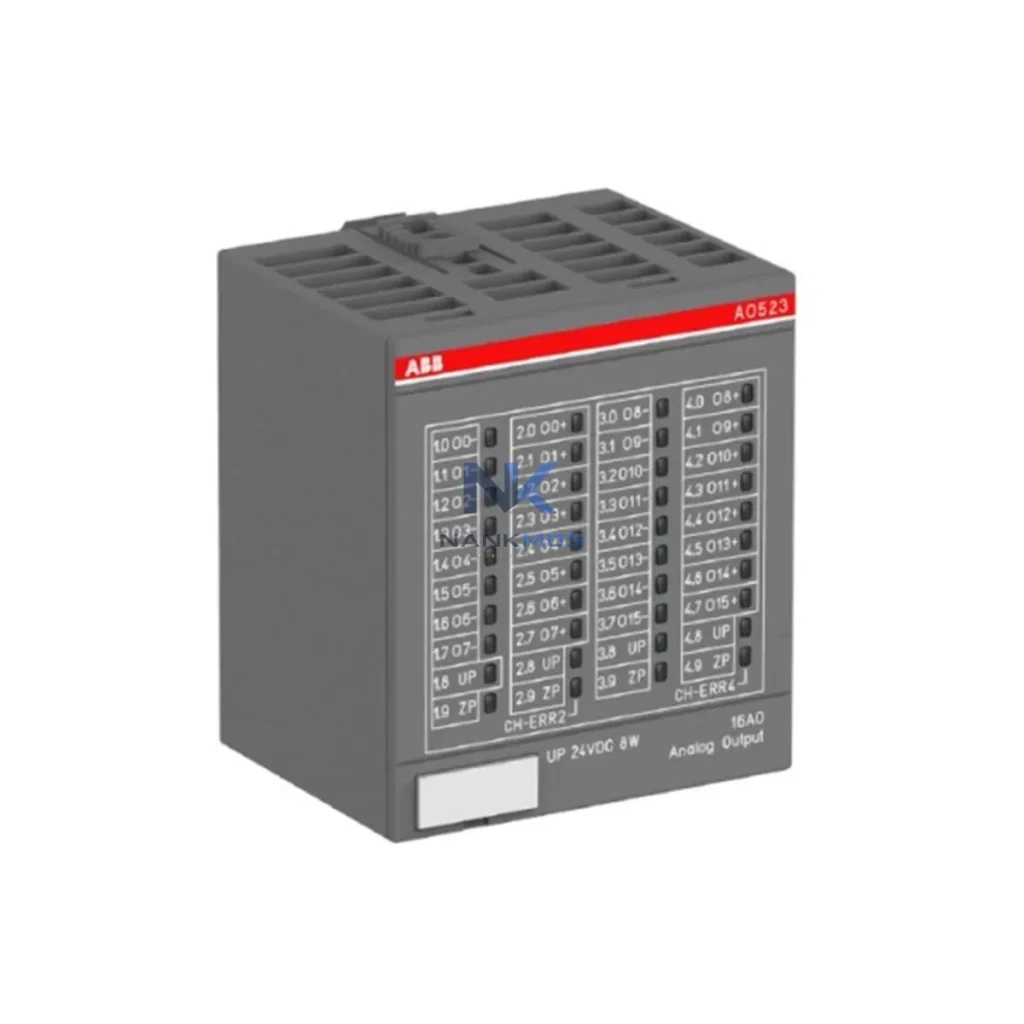
ABB AO523 1SAP250200R0001 is a NANKMOS industrial automation product record Listed under AC500 series and Business & Industrial > Automation, Control & Flow Devices > Programmable Logic Controllers. Confirm condition, availability, lead time, compatibility and documentation by email inquiry.
| Manufacturer | ABB |
|---|---|
| Application | Controller Processing & System Control |
| Part Number / Model | AO523 1SAP250200R0001 |
| Compatible System | AC500 |
| Series | AC500 |
| Condition Options | To Confirm |
| Module Type | Controller / CPU Module |
| Warranty | 12 Months |
| Packaging | Anti-static Bag / Secure Box |
| Shipping Methods | DHL / FedEx / UPS / Air / Sea |
| Availability | To Confirm |
| Lead Time | To Confirm |
| Documentation | Part number and revision checked before quote |
The ABB AO523 (catalog number 1SAP250200R0001) is an 8-channel analog output module engineered for the AC500 PLC platform — ABB's flagship modular controller family designed for demanding industrial automation environments. Delivering precision 0–20 mA and 4–20 mA current output signals across eight independent channels, the AO523 serves as a critical data-link node between the PLC control layer and field-level actuators including control valves, variable frequency drives, positioners, and process transmitters. In smart factory architectures where real-time signal fidelity and deterministic data flow are non-negotiable, the AO523 provides the analog backbone that connects digital control decisions to physical process outcomes.
Designed to integrate seamlessly within ABB's AC500 ecosystem, the AO523 mounts directly onto the AC500 terminal base units and communicates with the CPU modules — such as the PM573 or PM591 — via the internal S500 communication bus. This tight integration eliminates signal latency between the controller and output channels, ensuring that SCADA commands issued from systems like ABB Ability Symphony Plus or third-party platforms reach field devices within deterministic cycle times. The module's high-resolution DAC output supports fine-grained process control in applications ranging from flow regulation and pressure management to temperature setpoint transmission and motor speed reference signaling.
In connected factory deployments, the AO523 operates as part of a layered data architecture. At the field level, sensors and transmitters feed analog signals into companion input modules such as the AI523 or AI531, which digitize process variables and pass them to the AC500 CPU. The CPU processes this data — applying PID loops, alarm logic, and setpoint calculations — and then routes corrected output values back through the AO523 to drive actuators in closed-loop control. This signal chain forms the core of real-time process automation, enabling continuous feedback between measurement and control without manual intervention.
For facilities integrating PROFIBUS DP fieldbus networks, the AO523 works alongside ABB's CI502-PNIO or CI504-PNIO communication interface modules, which bridge the AC500 platform to PROFIBUS and PROFINET segments respectively. This allows the AO523's output channels to be orchestrated from a centralized DCS or SCADA layer, with setpoints transmitted over the fieldbus network and executed locally at the module level. In Modbus RTU or Modbus TCP environments, the AC500 CPU handles protocol translation, enabling the AO523 to serve as an output endpoint for legacy SCADA systems that communicate over serial or Ethernet backbones.
Remote diagnostics and predictive maintenance workflows benefit directly from the AO523's integration within the AC500 architecture. Channel-level diagnostics — including wire-break detection and output range monitoring — are surfaced through the AC500 CPU to connected HMI panels such as the ABB CP635 or CP651, and forwarded upstream to SCADA and MES platforms via OPC UA or Modbus TCP. Maintenance engineers can monitor output channel health, identify signal drift, and schedule calibration interventions without dispatching field technicians, reducing unplanned downtime and extending equipment service intervals.
Edge computing deployments pair the AO523 with ABB's AC500-eCo or third-party edge gateways to enable local data processing and cloud forwarding. In IIoT-enabled plants, analog output values are logged at the edge, timestamped, and transmitted to cloud analytics platforms for trend analysis, energy optimization, and digital twin synchronization. This positions the AO523 not merely as a signal output device, but as a data source within the broader industrial data chain — contributing process state information that feeds machine learning models and advanced process control algorithms.
Industrial switching infrastructure — including managed Ethernet switches with PROFINET or EtherNet/IP support — provides the network backbone over which AC500 CPUs communicate with remote I/O stations, HMI panels, and SCADA servers. The AO523, as a local I/O module, benefits from this network stability by receiving setpoint updates with minimal jitter, ensuring that analog output signals remain synchronized with the control system's execution cycle. In redundant network topologies using Media Redundancy Protocol (MRP), the AC500 platform maintains communication continuity even during network segment failures, protecting the integrity of AO523 output signals in critical process applications.
In a fully integrated smart factory, the AO523 sits at the intersection of digital control and physical process execution. A typical data flow begins at the sensor layer, where process variables — pressure, temperature, flow rate, level — are captured by field transmitters and fed into analog input modules such as the ABB AI523 (8-channel analog input, 1SAP240000R0001) or the AI531 (8-channel high-speed analog input). These modules digitize the incoming signals and pass structured data to the AC500 CPU — for example, the PM573-ETH or PM591-ETH — which executes the control program and calculates corrected output setpoints.
The CPU transmits these setpoints to the AO523 via the S500 backplane bus, and the AO523 converts them to precision 4–20 mA current signals that drive downstream actuators: control valves, variable frequency drives (VFDs) such as the ABB ACS580 or ACS880 series, electro-pneumatic positioners, and proportional solenoid valves. This closed-loop signal chain — from sensor to input module, through the CPU, and out via the AO523 to the actuator — forms the core of real-time process control in automated production lines.
At the network layer, the AC500 CPU communicates with remote I/O stations, HMI panels (such as the ABB CP635 touch panel), and SCADA servers over PROFINET or Modbus TCP. Managed industrial Ethernet switches with MRP ring topology provide redundant network paths, ensuring that setpoint updates reach the AO523 without interruption even during cable or switch failures. For facilities using PROFIBUS DP legacy infrastructure, the CI502-PNIO gateway module bridges the PROFIBUS segment to the AC500 Ethernet backbone, allowing the AO523 to receive commands from DCS platforms that predate Ethernet-based fieldbus standards.
Edge gateways deployed alongside the AC500 rack — such as ABB's Edge Controller or compatible third-party IIoT gateways — collect analog output values logged by the CPU, timestamp them, and forward the data to cloud analytics platforms or on-premise MES systems. This enables production managers to visualize AO523 output trends, correlate setpoint changes with process outcomes, and build predictive models that anticipate actuator wear or process drift before they cause quality deviations or unplanned shutdowns.
Many industrial facilities operate with fragmented automation architectures — islands of control where PLCs, DCS systems, and standalone controllers manage individual process units without sharing data. The AO523, deployed within an AC500-based control strategy, addresses these data gaps by providing a standardized, protocol-agnostic analog output interface that bridges legacy field devices with modern networked control systems.
Protocol fragmentation is one of the most common barriers to plant-wide data visibility. Sites running a mix of PROFIBUS DP, Modbus RTU, and proprietary serial protocols often struggle to consolidate process data into a unified SCADA view. The AC500 platform — with the AO523 as its analog output workhorse — supports multi-protocol communication through interchangeable communication interface modules, allowing a single control rack to serve as a protocol gateway between fieldbus segments and Ethernet-based supervisory systems.
Remote monitoring and alarm management are significantly enhanced when the AO523's channel diagnostics are integrated into the SCADA alarm management workflow. Wire-break faults, output saturation events, and channel-level deviations are surfaced as structured alarm objects in the AC500 CPU's diagnostic buffer, forwarded to the HMI and SCADA layers, and logged with timestamps for post-event analysis. This alarm traceability supports root cause investigation, regulatory compliance reporting, and continuous improvement initiatives in ISO 9001 and IEC 61511 environments.
System scalability is built into the AC500 architecture. As production capacity expands, additional AO523 modules can be added to existing terminal base units without modifying the control program structure — the AC500 CPU automatically recognizes new I/O modules during configuration updates. This plug-and-expand capability reduces engineering time for capacity expansion projects and minimizes the risk of configuration errors that can cause process upsets during commissioning.
Q1: What communication protocols does the ABB AO523 support in a networked automation environment? The AO523 communicates with the AC500 CPU via the S500 internal backplane bus. At the network level, the AC500 CPU supports PROFIBUS DP, PROFINET, Modbus RTU, Modbus TCP, and OPC UA, depending on the communication interface module installed. This allows the AO523's output channels to be controlled from SCADA, DCS, and MES platforms using the protocol native to the supervisory system, without requiring signal converters or additional gateways.
Q2: How does the AO523 support remote diagnostics and predictive maintenance? The AO523 provides channel-level diagnostics including wire-break detection and output range monitoring. These diagnostic events are reported to the AC500 CPU's diagnostic buffer and can be forwarded to HMI panels and SCADA systems via OPC UA or Modbus TCP. Remote maintenance teams can monitor channel health in real time, set alarm thresholds for output deviation, and schedule calibration without on-site intervention — reducing maintenance travel costs and unplanned downtime.
Q3: Can the AO523 be integrated into an existing PROFIBUS DP network alongside legacy field devices? Yes. When the AC500 CPU is equipped with a CI502-PNIO or compatible PROFIBUS communication interface module, the AO523 can receive setpoints from a PROFIBUS DP master — such as a DCS controller or a SCADA gateway — and convert them to 4–20 mA output signals for legacy actuators. This makes the AO523 a practical upgrade path for facilities modernizing their control infrastructure without replacing existing fieldbus wiring.
Q4: What warranty and delivery terms apply to the ABB AO523 1SAP250200R0001? All ABB AO523 1SAP250200R0001 units supplied by NANKMOS carry a 12-Month Warranty covering manufacturing defects and functional failures from the date of shipment. Each unit undergoes pre-shipment functional testing to verify output channel accuracy and communication integrity. Stock is available for dispatch within 3–5 business days. For volume orders, lead time and pricing inquiries, contact [email protected] or call +86 18359268345.
Functional Inspection100% tested on professional platforms to ensure stable performance.
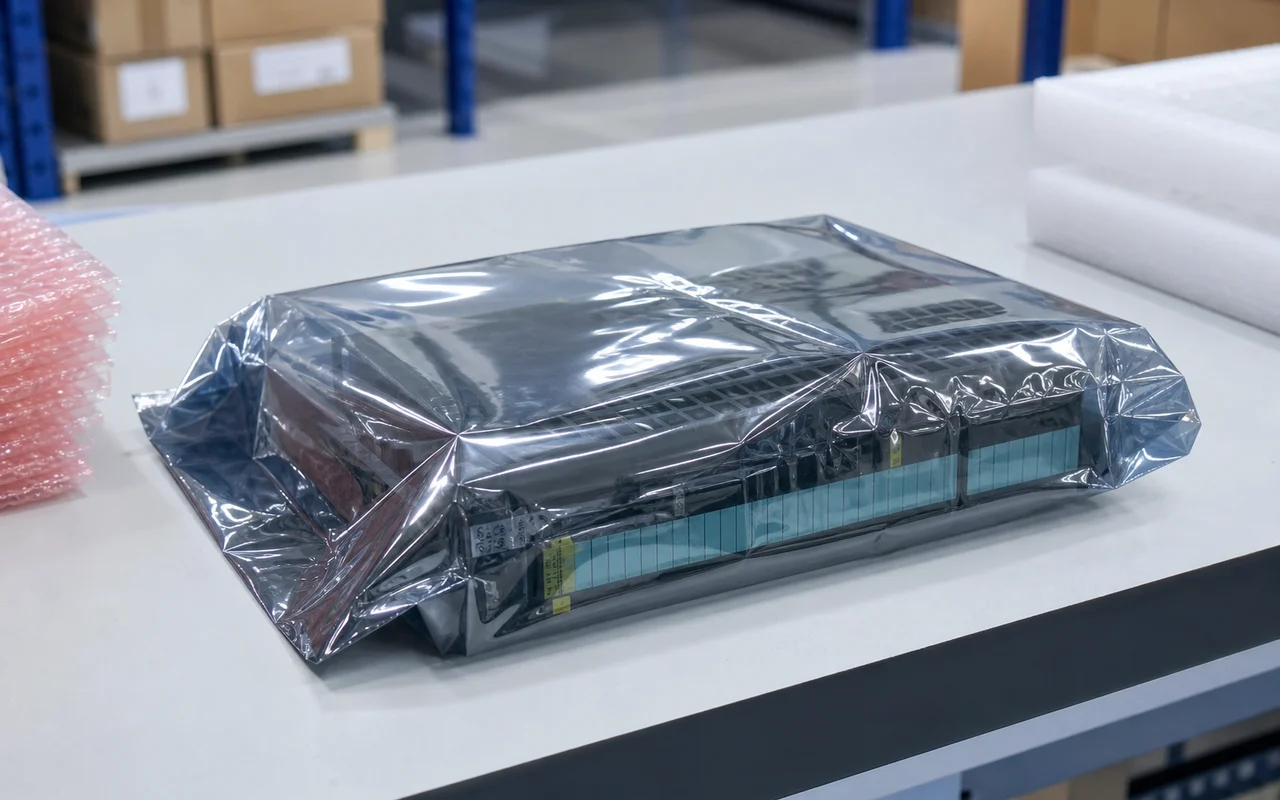 Anti-static Packaging
Modules are packed in anti-static bags to prevent electrostatic damage.
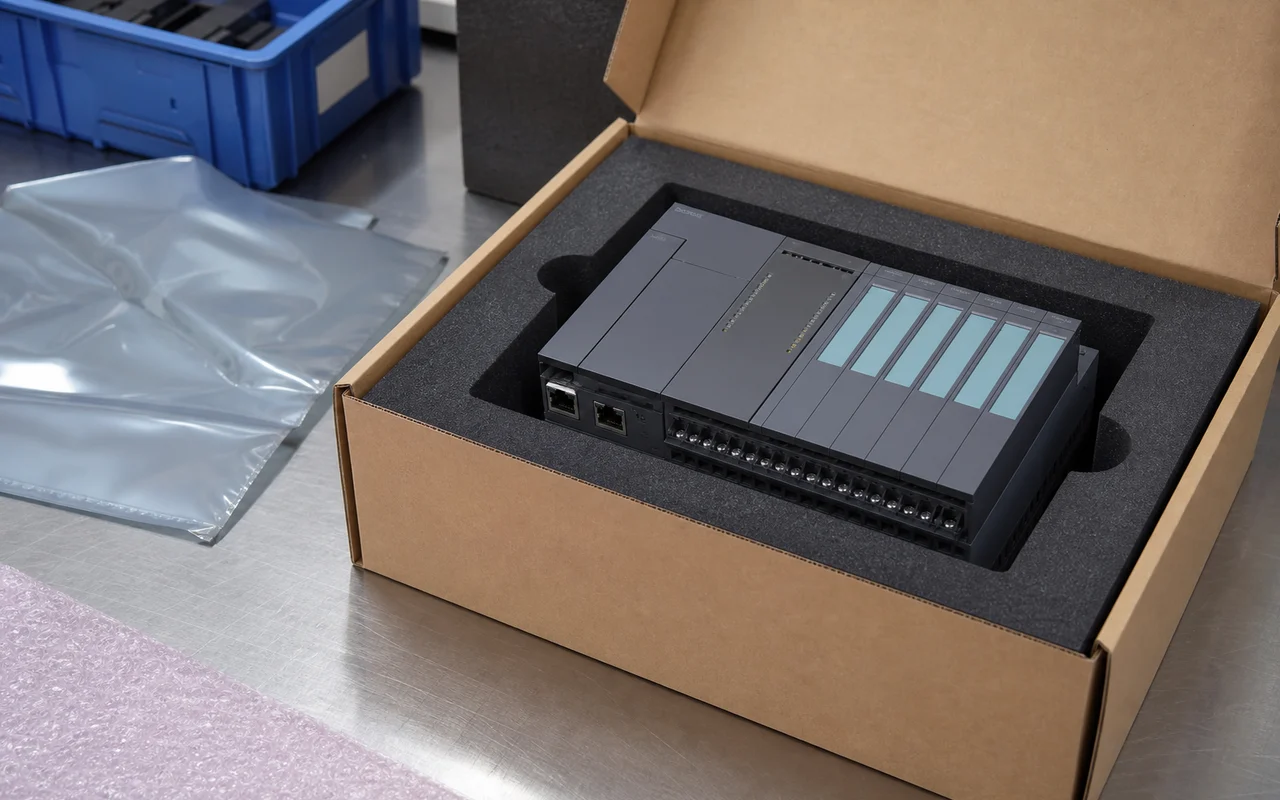 Secure Export Packing
Cushion protection and strong cartons ensure safe transportation.
 Worldwide Shipping
Global logistics network supports air, sea and express delivery.
 Documentation Check
Part number, revision and compatibility verified before shipment.
 After-sales Support
Professional technical support to help resolve your issues.