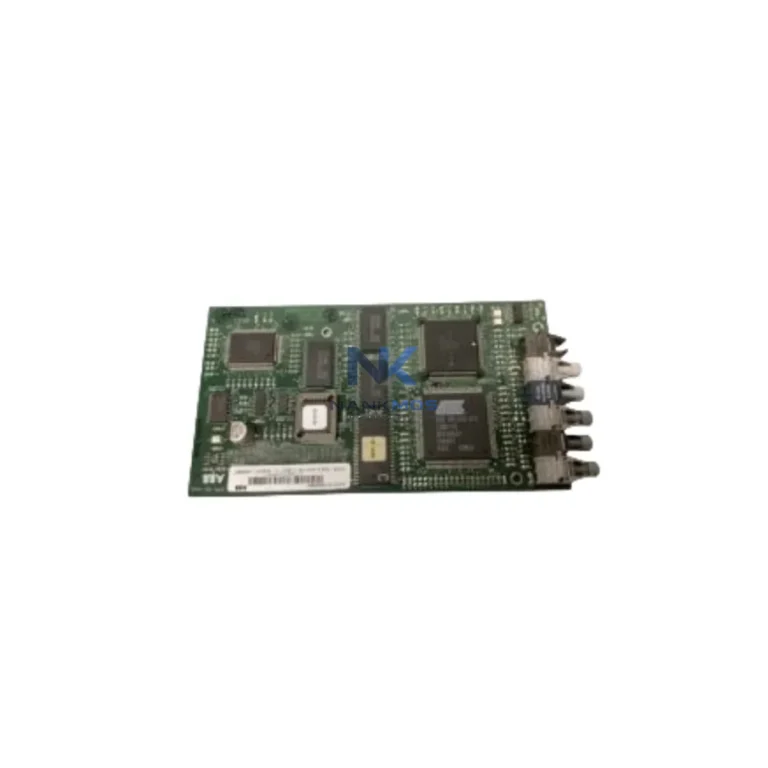
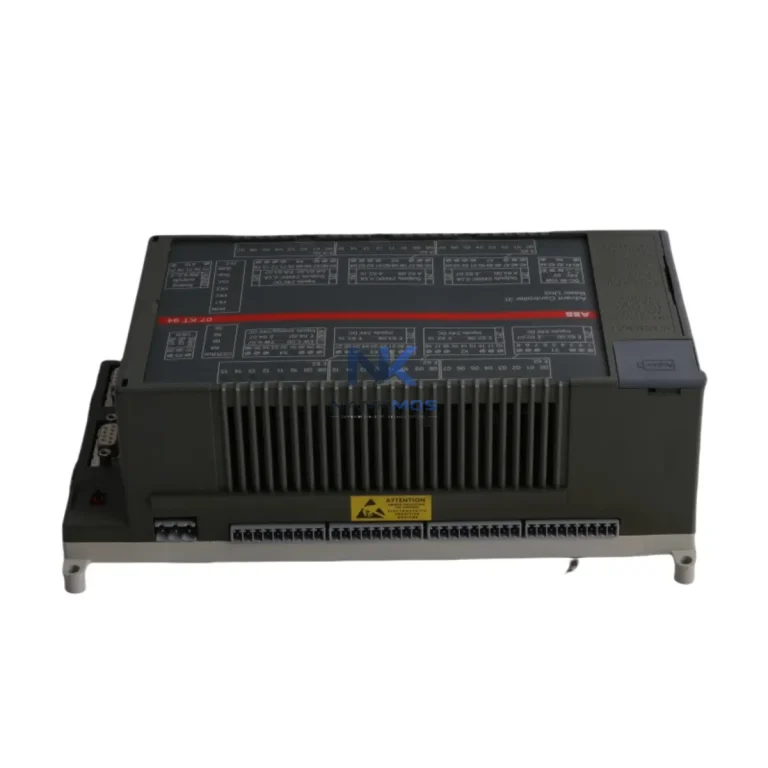
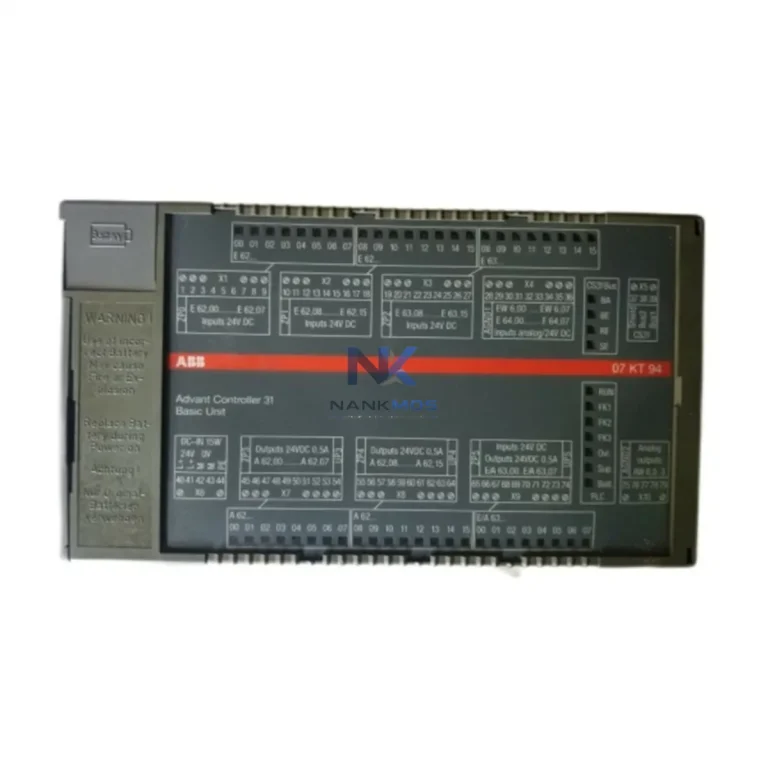
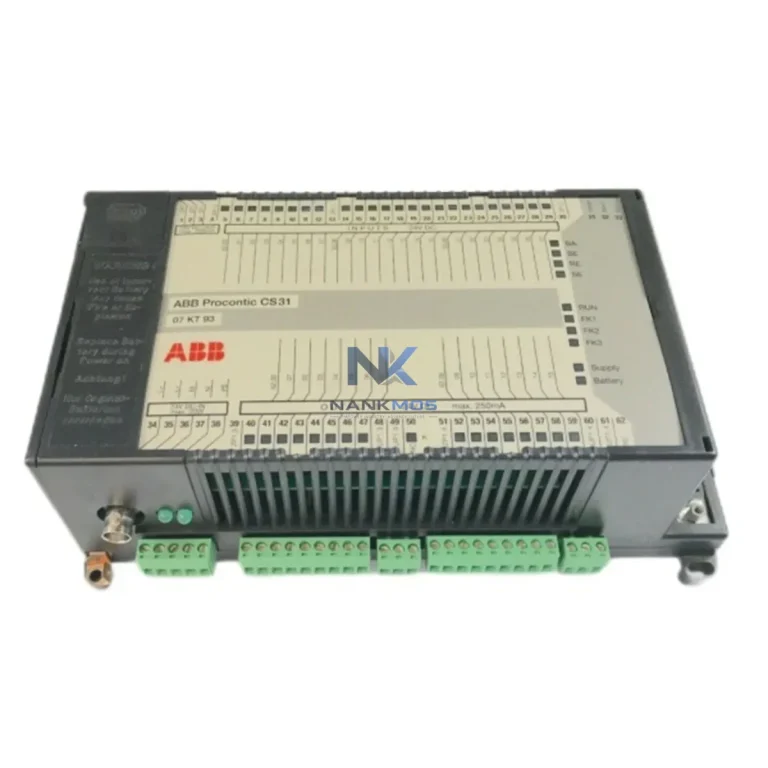
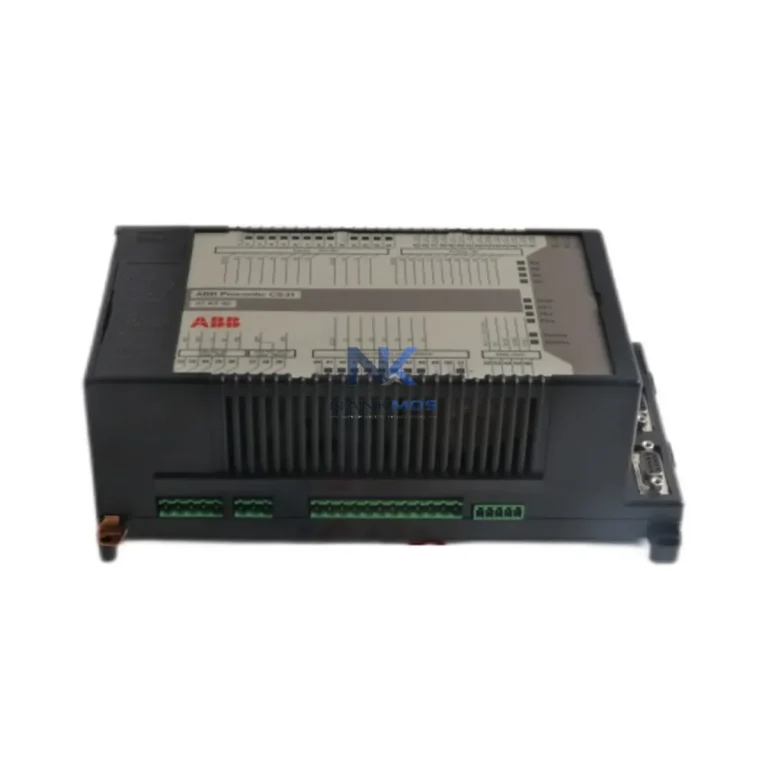
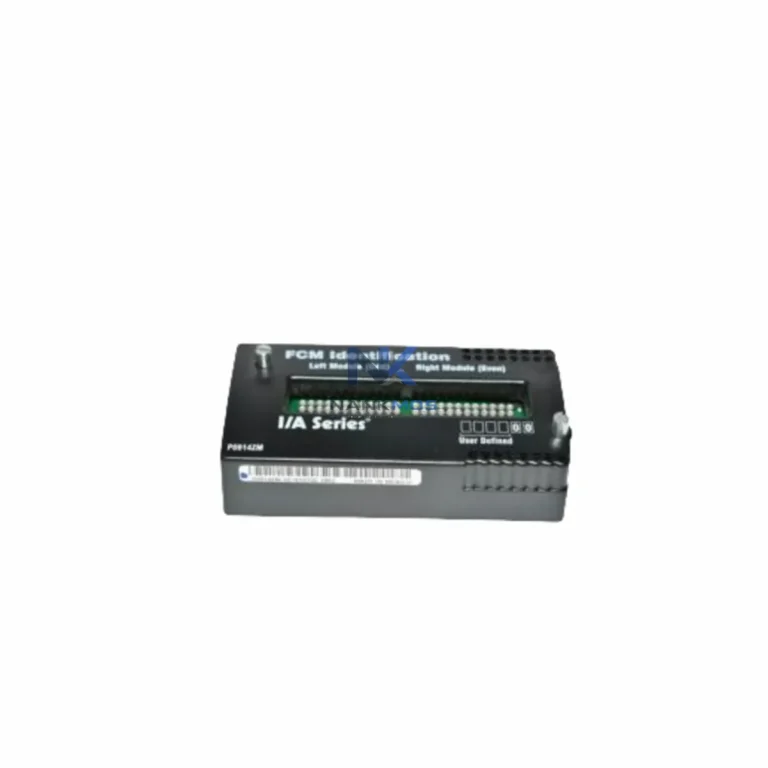
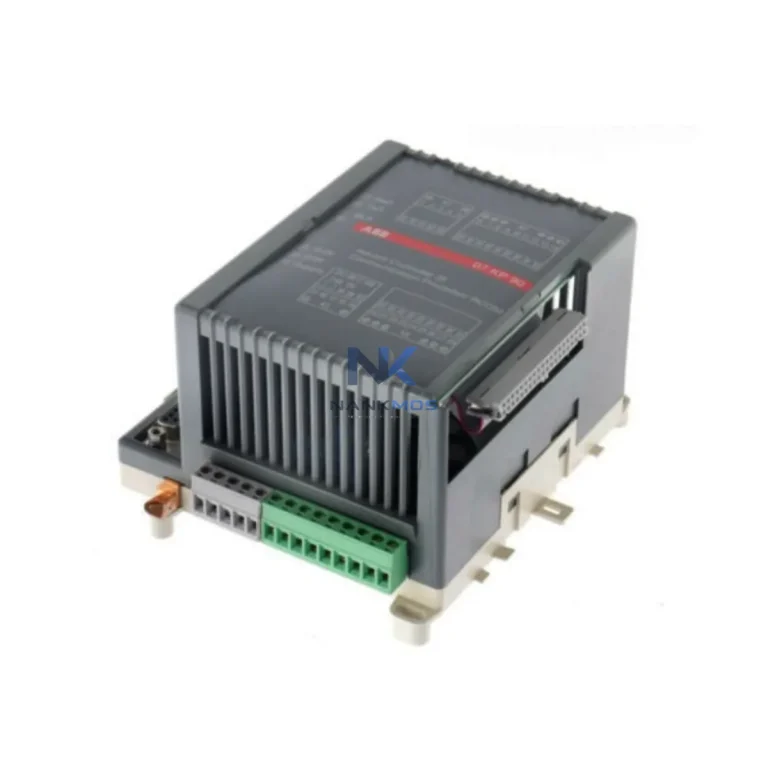
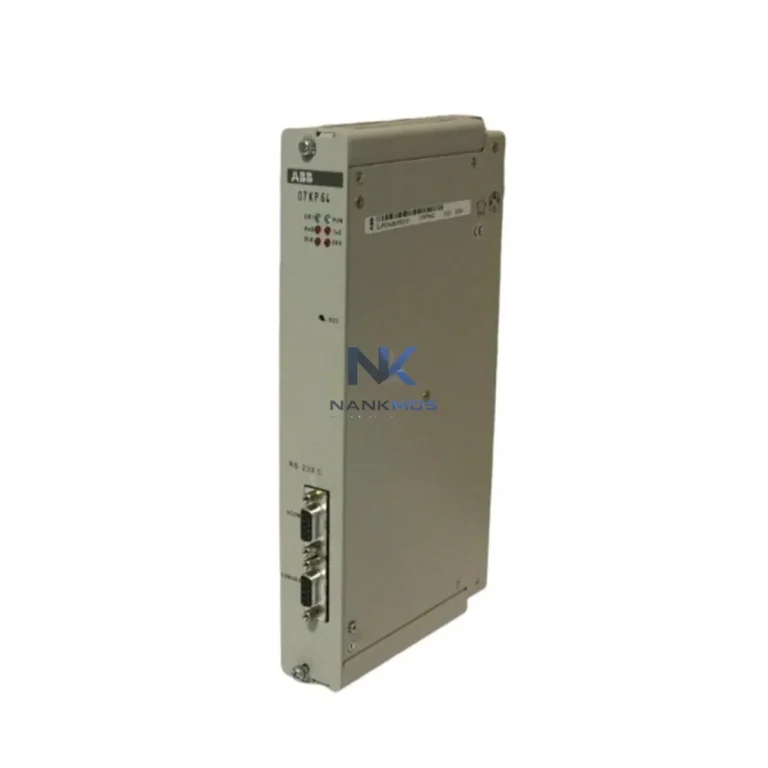
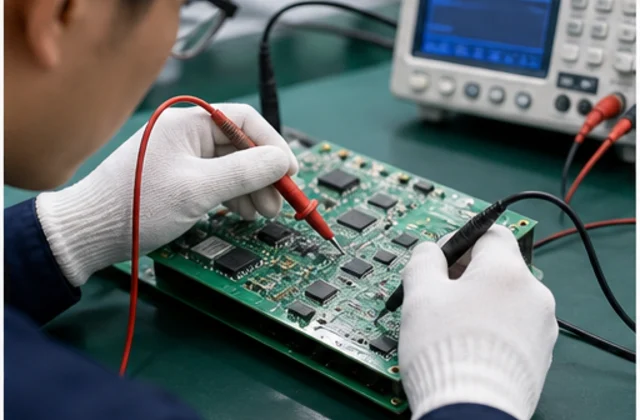
 Functional Inspection
100% tested on professional platforms to ensure stable performance.
ABB CBO10 is a NANKMOS industrial automation product record Listed under AC500 series and Business & Industrial > Automation, Control & Flow Devices > Programmable Logic Controllers. Confirm condition, availability, lead time, compatibility and documentation by email inquiry.
Brand names are used for identification only.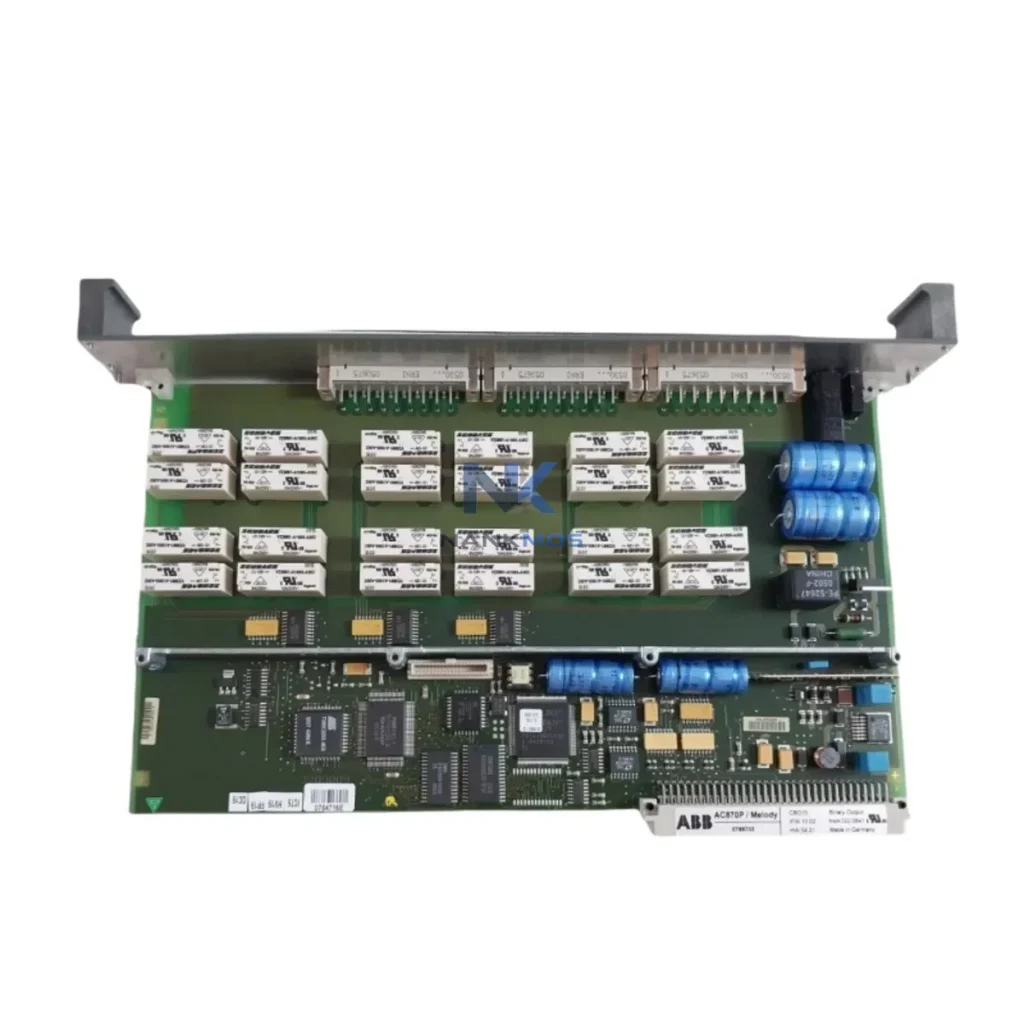
ABB CBO10 is a NANKMOS industrial automation product record Listed under AC500 series and Business & Industrial > Automation, Control & Flow Devices > Programmable Logic Controllers. Confirm condition, availability, lead time, compatibility and documentation by email inquiry.
| Manufacturer | ABB |
|---|---|
| Application | Controller Processing & System Control |
| Part Number / Model | CBO10 |
| Compatible System | AC500 |
| Series | AC500 |
| Condition Options | To Confirm |
| Module Type | Controller / CPU Module |
| Warranty | 12 Months |
| Packaging | Anti-static Bag / Secure Box |
| Shipping Methods | DHL / FedEx / UPS / Air / Sea |
| Availability | To Confirm |
| Lead Time | To Confirm |
| Documentation | Part number and revision checked before quote |
The ABB CBO10 is a binary output module engineered for the AC500 PLC platform, delivering deterministic switching control across high-demand industrial environments. Designed to minimize reactive energy losses and reduce unnecessary actuator energization cycles, the CBO10 integrates seamlessly into energy-aware automation architectures where load management, motor control sequencing, and production line throughput optimization are mission-critical. Whether deployed in power generation switchgear panels, petrochemical process skids, or water treatment pump stations, the CBO10 provides the output reliability and signal integrity that modern energy management systems demand.
In a fully integrated energy-control architecture, the ABB CBO10 output module operates as the final command executor within the AC500 PLC control loop. The AC500 CPU — such as the PM591 or PM595 — processes real-time data from field sensors and energy monitoring inputs, then issues switching commands through the CBO10's binary output channels to actuators, contactors, and relay-driven loads. This tight integration eliminates unnecessary polling delays and ensures that load-shedding or motor start/stop sequences are executed with millisecond-level precision.
On the input side, the CBO10 pairs naturally with the ABB CI590-CS31-HA communication interface module, enabling the AC500 rack to exchange energy data over CS31 fieldbus or Modbus RTU networks connected to SCADA systems and energy management platforms. For installations requiring Ethernet-based connectivity, the CI592-CS31 or CM589-PNIO PROFINET communication module extends the AC500's reach to OPC-UA and PROFINET-enabled HMI panels and historian servers.
Variable frequency drives (VFDs) — such as the ABB ACS580 or ACS880 series — receive start/stop and speed-reference commands routed through the AC500 PLC, with the CBO10 providing the discrete output signals that trigger drive enable lines, bypass contactors, or brake release relays. This coordinated approach ensures that motor acceleration ramps are synchronized with production line throughput targets, preventing energy spikes during simultaneous multi-motor starts.
Power monitoring modules, such as the ABB M2M energy meter or third-party Modbus-compatible power analyzers, feed real-time kWh, power factor, and demand data back to the AC500 CPU via the CM572-DP PROFIBUS DP communication module. The PLC logic then uses this data to dynamically adjust the CBO10's output switching patterns — for example, staggering conveyor motor starts to flatten peak demand curves and reduce utility penalty charges.
On the I/O expansion side, the CBO10 works alongside ABB DC532 digital combination modules and AI523 analog input modules to build a comprehensive field I/O layer. Temperature sensors, pressure transmitters, and vibration transducers feed process variables into the AC500, while the CBO10 closes the control loop by actuating cooling fans, solenoid valves, and alarm annunciators based on threshold logic — directly reducing thermal load on drive cabinets and motor windings.
The CBO10's role in production line energy optimization extends well beyond simple on/off switching. When integrated with an AC500-based energy management strategy, the module enables structured load management sequences that align actuator energization with actual production demand rather than running equipment continuously at full load. This approach — sometimes called demand-responsive control — can meaningfully reduce a facility's total electrical consumption during partial-load production shifts, weekend maintenance windows, or planned downtime intervals.
In conveyor and material handling applications, the CBO10 controls zone-by-zone motor enable signals, ensuring that belt sections only run when product is present — a strategy validated by proximity sensors and photoelectric detectors wired to the AC500's digital input modules. The result is a measurable reduction in no-load motor runtime, which directly lowers heat generation in motor windings and reduces the cooling burden on drive enclosures.
For pump and compressor stations, the CBO10 manages lead-lag sequencing between multiple pump units, distributing runtime hours evenly to prevent premature wear on any single motor while maintaining system pressure within setpoint bands. This sequencing logic, executed by the AC500 CPU and delivered through the CBO10's output channels, also supports predictive maintenance workflows: by tracking cumulative run hours per output channel, maintenance teams can schedule bearing inspections and seal replacements before failures occur — eliminating unplanned downtime that disrupts production throughput and wastes energy through emergency restart cycles.
In smart factory deployments aligned with Industry 4.0 frameworks, the CBO10 contributes to overall equipment effectiveness (OEE) improvement by ensuring that machine-ready signals, safety gate interlocks, and tooling change confirmations are executed with the deterministic timing that high-speed assembly lines require. Stable production cadence — free from spurious output faults or communication timeouts — directly translates to higher throughput per kWh consumed, improving the facility's energy intensity metric.
Every CBO10 unit shipped by NANKMOS is pre-shipment tested under simulated load conditions to verify output channel integrity, leakage current compliance, and bus communication handshake with the AC500 backplane. This testing protocol ensures that the module performs to ABB factory specifications from the first power-on, eliminating commissioning delays and the energy waste associated with repeated startup troubleshooting cycles. All units are covered by a 12-month warranty, with in-stock availability supporting fast delivery to global project sites.
Q1: How does the ABB CBO10 contribute to measurable energy savings on a production line?The CBO10 enables the AC500 PLC to implement demand-responsive load control — actuators, motors, and solenoids are energized only when process conditions require it. Combined with VFD coordination via the ACS580 or ACS880 drive series, this eliminates continuous no-load energization and reduces peak demand charges. Facilities typically observe reduced motor heat buildup and lower cooling system runtime as secondary efficiency gains.
Q2: Is the CBO10 compatible with existing AC500 racks and communication modules?Yes. The CBO10 is fully compatible with the AC500 S500 I/O bus and integrates with AC500 CPU modules including the PM571, PM581, PM591, and PM595. It operates alongside communication modules such as the CI590-CS31-HA, CM589-PNIO (PROFINET), and CM572-DP (PROFIBUS DP), supporting Modbus RTU, PROFIBUS, PROFINET, and OPC-UA data exchange with SCADA and energy management systems.
Q3: Can the CBO10 replace an existing binary output module from another vendor?The CBO10 is designed specifically for the ABB AC500 platform and is not a drop-in replacement for non-ABB I/O systems. For cross-platform migration projects, NANKMOS recommends verifying rack slot compatibility, bus protocol version, and firmware revision of the target AC500 CPU before installation. Our technical team can assist with compatibility assessment prior to order confirmation.
Q4: What does the pre-shipment test cover, and what is the warranty scope?Each CBO10 unit undergoes output channel load switching verification, bus communication handshake testing with an AC500 backplane, and leakage current measurement prior to shipment. The 12-month warranty covers manufacturing defects and functional failures under normal operating conditions as defined in the ABB AC500 system documentation. In-stock units are available for immediate dispatch, supporting urgent project timelines without lead-time risk.
Functional Inspection100% tested on professional platforms to ensure stable performance.
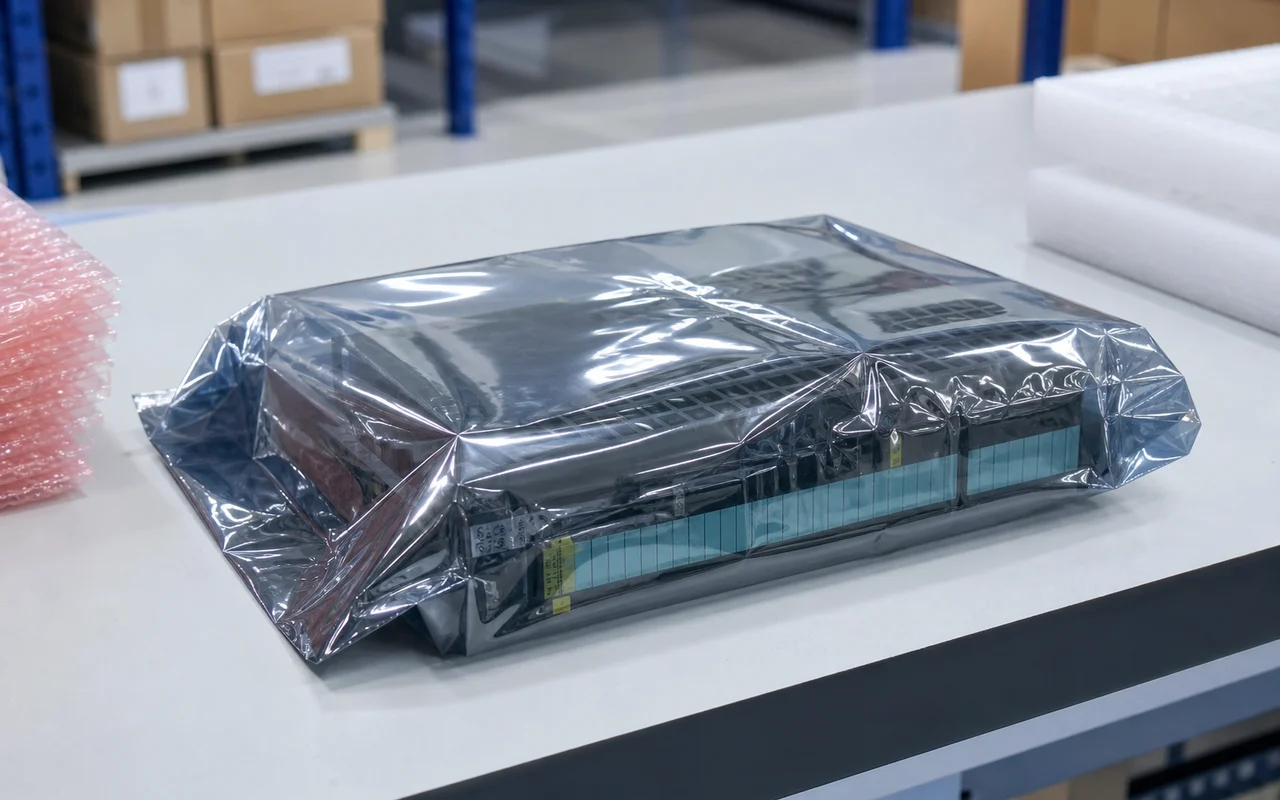 Anti-static Packaging
Modules are packed in anti-static bags to prevent electrostatic damage.
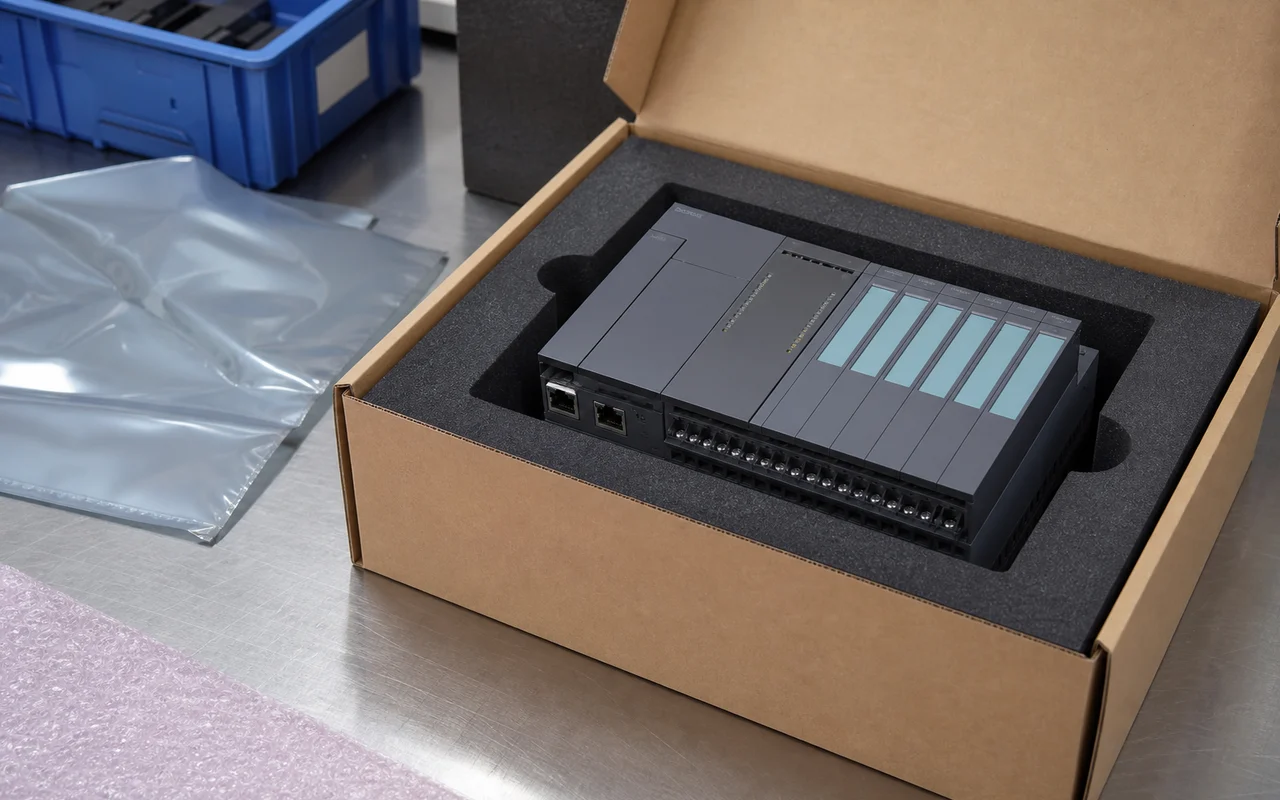 Secure Export Packing
Cushion protection and strong cartons ensure safe transportation.
 Worldwide Shipping
Global logistics network supports air, sea and express delivery.
 Documentation Check
Part number, revision and compatibility verified before shipment.
 After-sales Support
Professional technical support to help resolve your issues.