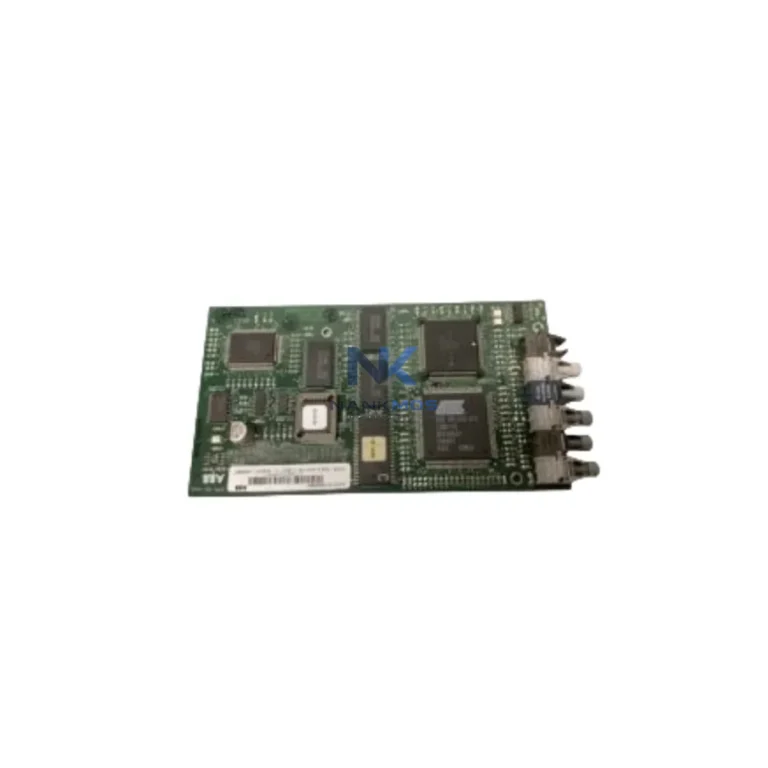
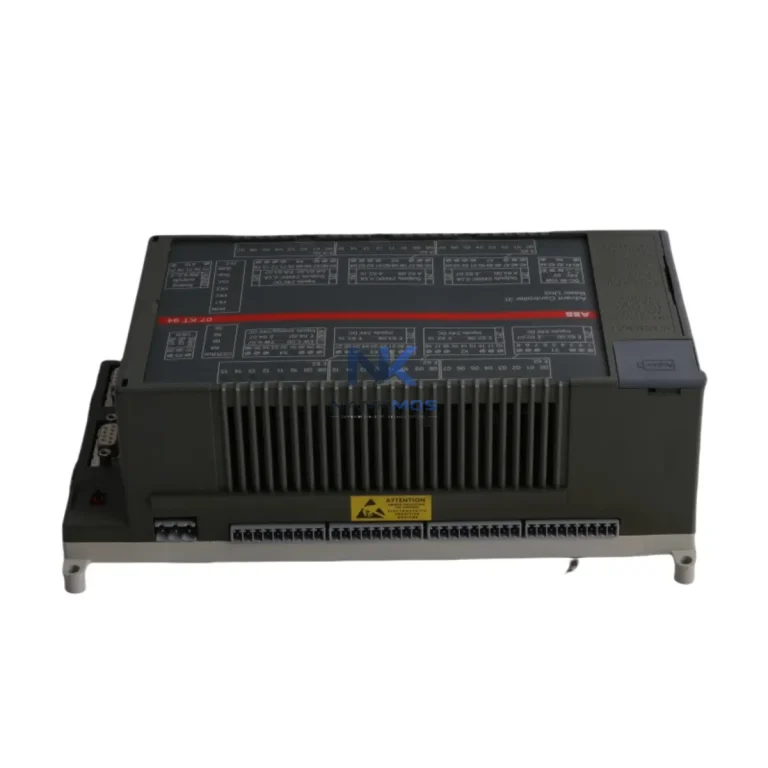
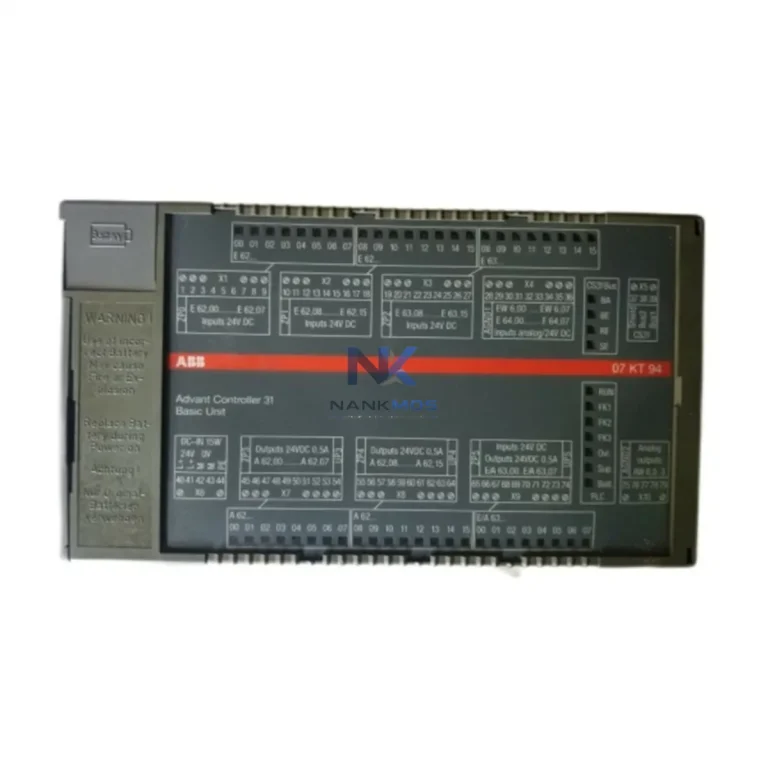
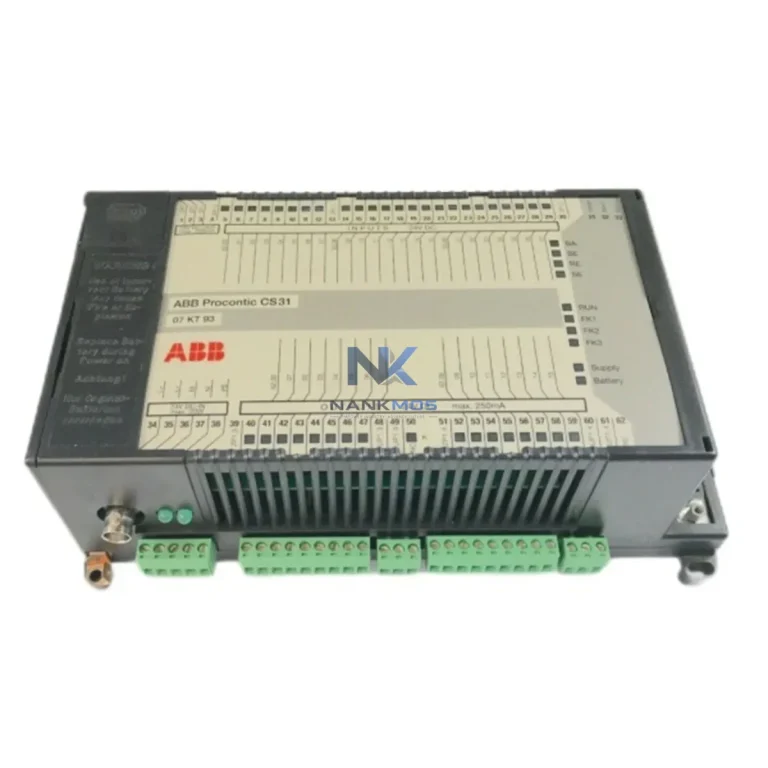
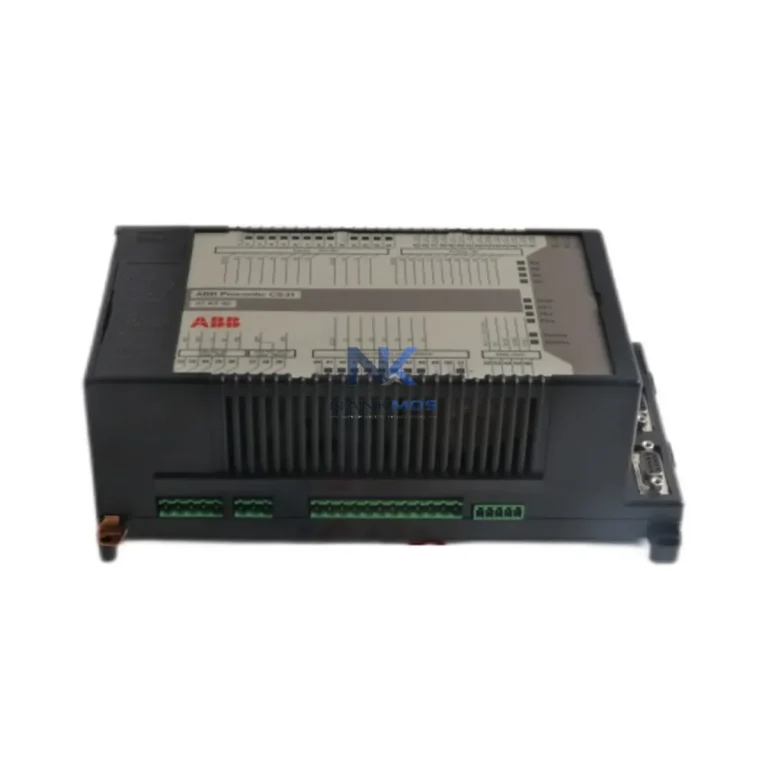
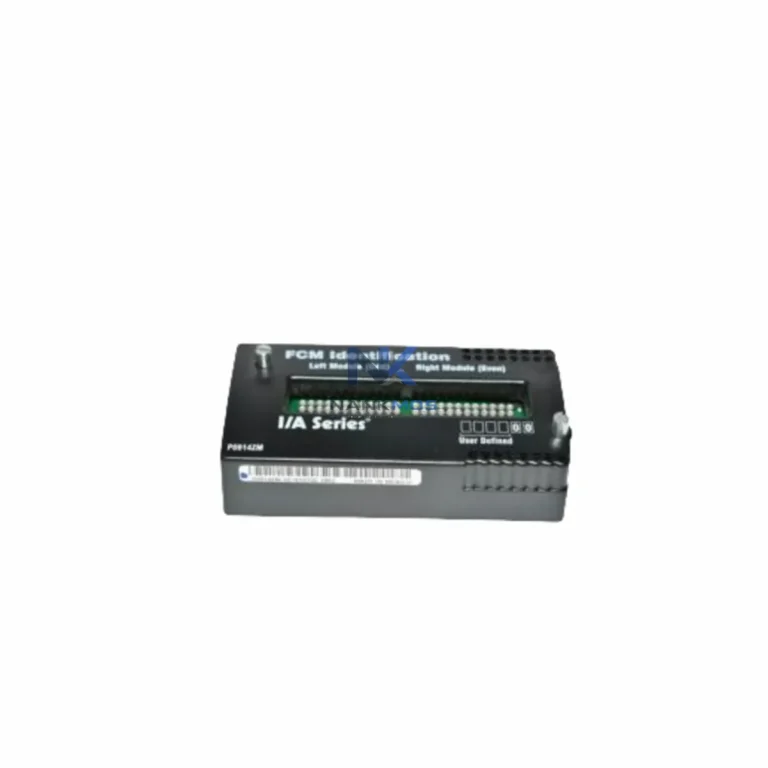
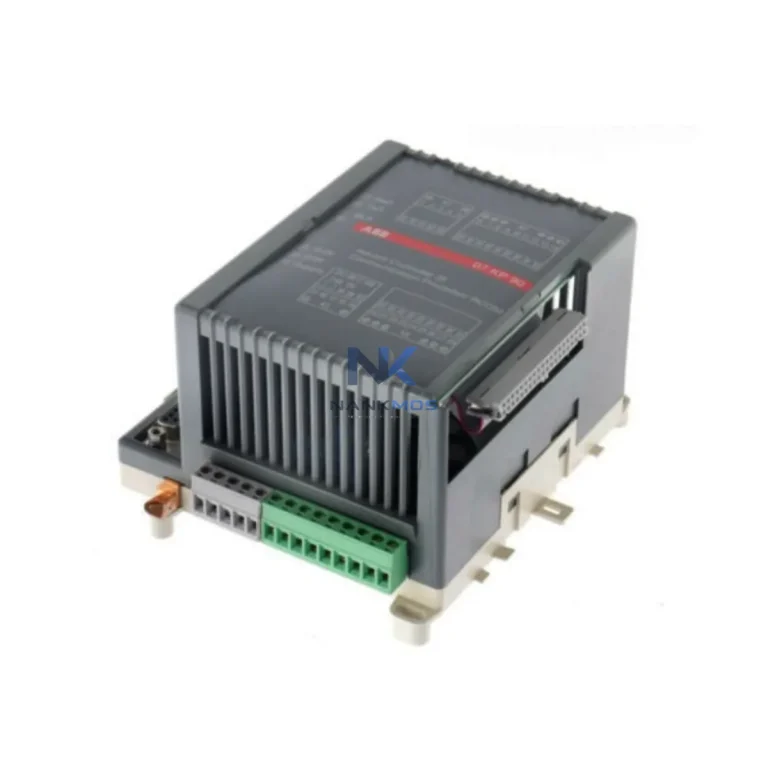
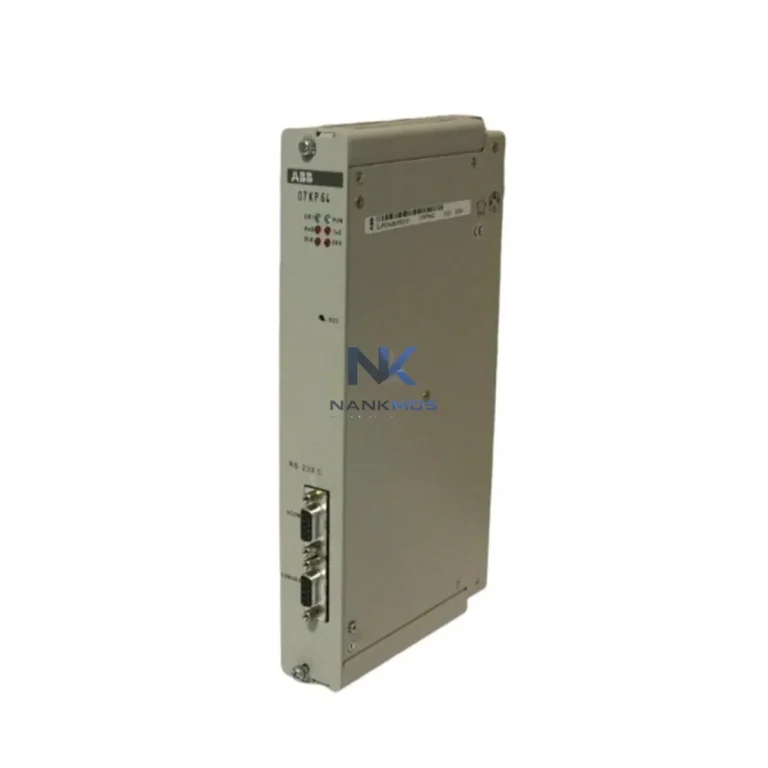
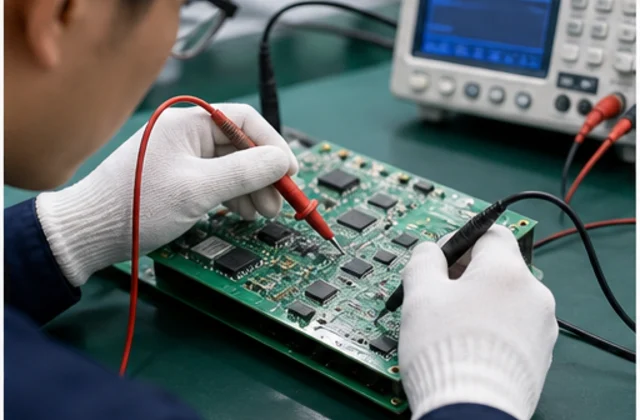
 Functional Inspection
100% tested on professional platforms to ensure stable performance.
ABB CPU is a NANKMOS industrial automation product record Listed under AC500 series and Business & Industrial > Automation, Control & Flow Devices > Programmable Logic Controllers. Confirm condition, availability, lead time, compatibility and documentation by email inquiry.
Brand names are used for identification only.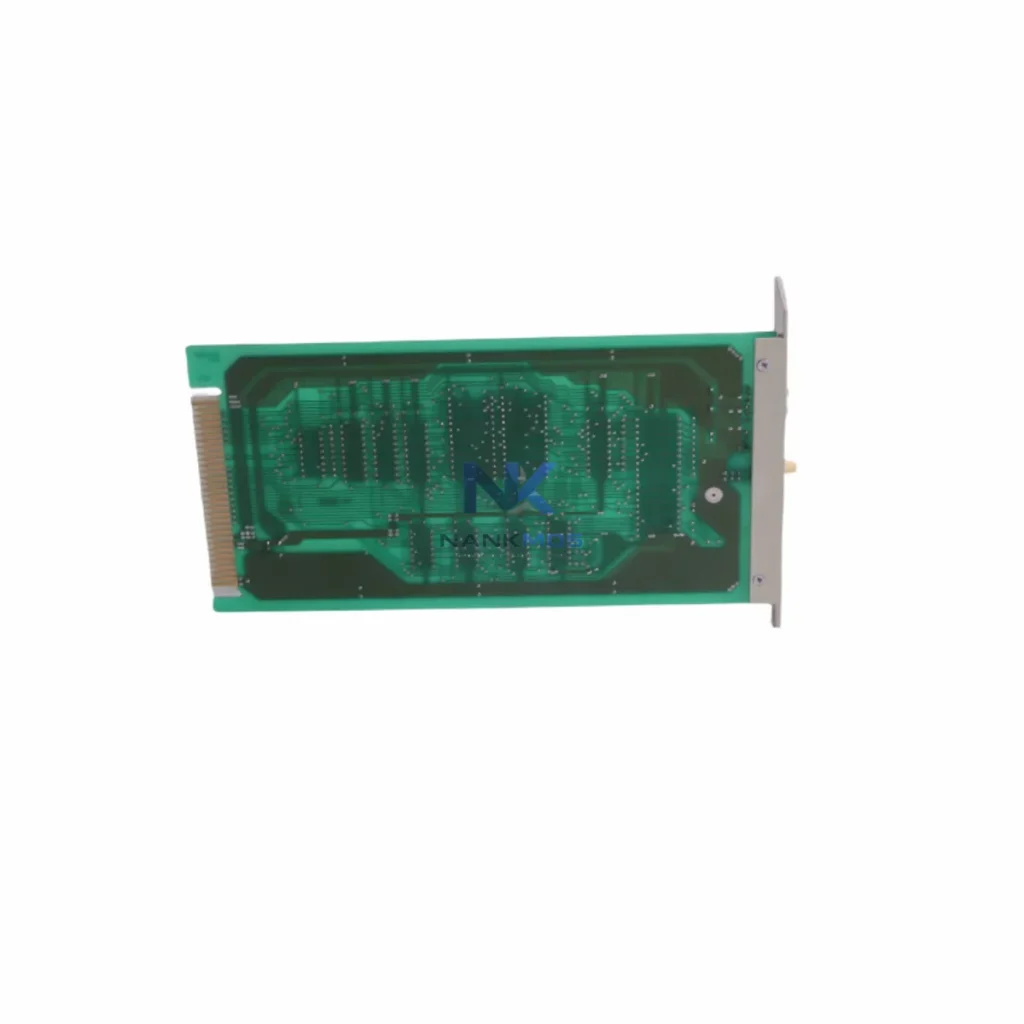
ABB CPU is a NANKMOS industrial automation product record Listed under AC500 series and Business & Industrial > Automation, Control & Flow Devices > Programmable Logic Controllers. Confirm condition, availability, lead time, compatibility and documentation by email inquiry.
| Manufacturer | ABB |
|---|---|
| Application | Controller Processing & System Control |
| Part Number / Model | CPU |
| Compatible System | AC500 |
| Series | AC500 |
| Condition Options | To Confirm |
| Module Type | Controller / CPU Module |
| Warranty | 12 Months |
| Packaging | Anti-static Bag / Secure Box |
| Shipping Methods | DHL / FedEx / UPS / Air / Sea |
| Availability | To Confirm |
| Lead Time | To Confirm |
| Documentation | Part number and revision checked before quote |
The ABB PM554-TP-ETH is a high-performance CPU module from the ABB AC500 PLC series, engineered to deliver precise energy control and load management across demanding industrial production environments. Designed for smart manufacturing lines, this CPU integrates onboard Ethernet connectivity with Modbus TCP/IP support, enabling real-time communication with SCADA systems, HMI panels, and energy management platforms without additional communication modules. Its compact form factor and low power consumption profile make it a cornerstone component for factories targeting measurable reductions in energy overhead and thermal load.
With a processing architecture optimized for cyclic scan efficiency, the PM554-TP-ETH minimizes idle CPU cycles and reduces unnecessary power draw during low-demand production intervals. This directly supports energy-aware automation strategies where load shedding, demand response, and production rhythm optimization are critical KPIs. The module is fully compatible with the ABB Automation Builder programming environment, supporting IEC 61131-3 languages including Structured Text and Function Block Diagram for flexible energy logic implementation.
In a fully integrated energy-aware production line, the ABB PM554-TP-ETH serves as the central decision-making node that coordinates power consumption across multiple subsystems. When paired with ABB AC500 digital and analog I/O modules such as the DC532 and AX522, the CPU continuously monitors field-level signals from current transformers, power transducers, and energy metering sensors, enabling real-time load profiling at the machine level.
For motor-driven applications, the PM554-TP-ETH communicates directly with ABB ACS580 variable frequency drives via Modbus TCP, dynamically adjusting motor speed references based on production demand signals. This eliminates fixed-speed motor operation — one of the largest sources of wasted energy in manufacturing — and replaces it with demand-proportional drive control. In servo-driven axes, the CPU coordinates with ABB MicroFlex e190 servo drives through the CS31 fieldbus, synchronizing motion profiles to minimize regenerative energy losses and reduce peak current draw during acceleration phases.
The PM554-TP-ETH also interfaces with ABB CP635 HMI panels, providing operators with live energy dashboards that display per-zone power consumption, drive load percentages, and thermal status indicators. This visibility enables shift supervisors to make informed decisions about load scheduling and equipment sequencing without relying on external energy management software. For facilities running SCADA platforms such as ABB System 800xA or third-party OPC-UA compatible systems, the CPU's Ethernet port provides a direct data pathway for energy KPI logging, alarm management, and predictive maintenance triggers.
Power monitoring modules such as the ABB B23 energy meter, when integrated into the same control network, feed consumption data back to the PM554-TP-ETH via Modbus TCP registers. The CPU can then execute load-shedding routines automatically when total facility demand approaches contracted thresholds, protecting against demand charge penalties and reducing peak energy costs. Communication modules such as the ABB CM592-DP PROFIBUS adapter can extend the CPU's reach to legacy field devices, ensuring that older sensors, actuators, and transmitters remain part of the energy monitoring ecosystem without requiring hardware replacement.
Factory energy optimization begins at the control layer, and the ABB PM554-TP-ETH is purpose-built for this role. By executing energy management logic directly within the PLC scan cycle, the CPU eliminates the latency associated with cloud-based or PC-based energy controllers, enabling sub-100ms response to load anomalies, equipment faults, and production rhythm deviations.
In continuous process lines — such as conveyor systems, packaging machines, and assembly stations — the PM554-TP-ETH monitors equipment utilization rates through digital feedback signals from proximity sensors, encoder modules, and current sensors wired to AC500 I/O expansion racks. When a station enters an idle or standby state, the CPU can automatically issue speed reduction commands to associated drives, activate sleep modes on non-critical actuators, and log the energy saved per idle interval. Over a full production shift, these micro-optimizations compound into significant reductions in kWh consumption.
Thermal load management is another critical benefit. By preventing motors and drives from operating at full load during low-demand periods, the PM554-TP-ETH reduces heat generation within control panels and machine enclosures. This extends the service life of contactors, relays, and power supplies, and reduces the duty cycle of cooling systems — delivering secondary energy savings beyond the primary drive efficiency gains.
For predictive maintenance integration, the CPU's analog input channels — accessed through ABB AC500 analog I/O modules — can accept 4–20 mA signals from vibration sensors, temperature transmitters, and current monitoring devices. Trend data collected over time enables the PLC program to flag early-stage equipment degradation before it causes unplanned downtime, keeping production rhythm stable and avoiding the energy spikes associated with emergency restarts and cold-start sequences.
All units are shipped after full functional testing under load conditions. Stock is maintained for immediate dispatch, and each PM554-TP-ETH is covered by a 12-Month Warranty against manufacturing defects, ensuring confidence in long-term deployment across critical production infrastructure.
Q1: What energy savings can I expect by deploying the ABB PM554-TP-ETH in a motor control application? When the PM554-TP-ETH is used to implement demand-based speed control on variable frequency drives such as the ABB ACS580, facilities typically report 20–40% reductions in motor energy consumption compared to fixed-speed operation. Actual savings depend on load profile variability and the number of drive axes under PLC control.
Q2: Is the PM554-TP-ETH compatible with third-party SCADA and energy management systems? Yes. The onboard Ethernet port supports Modbus TCP/IP, which is natively compatible with most industrial SCADA platforms, energy management systems, and OPC-UA gateways. No additional communication modules are required for standard Ethernet-based integration.
Q3: Can this CPU replace an existing AC500 CPU module without rewiring the I/O rack? The PM554-TP-ETH is designed for direct replacement within the ABB AC500 platform. It is compatible with existing AC500 I/O expansion modules and terminal bases. Program migration from older AC500 CPUs is supported via ABB Automation Builder. We recommend verifying firmware compatibility before deployment.
Q4: What does the 12-Month Warranty cover, and how is the testing process handled before shipment? Every PM554-TP-ETH unit undergoes functional load testing prior to shipment, verifying communication interfaces, I/O bus integrity, and power supply response. The 12-Month Warranty covers manufacturing defects and component failures under normal operating conditions. Replacement units are dispatched from in-stock inventory to minimize downtime in the event of a warranty claim.
Functional Inspection100% tested on professional platforms to ensure stable performance.
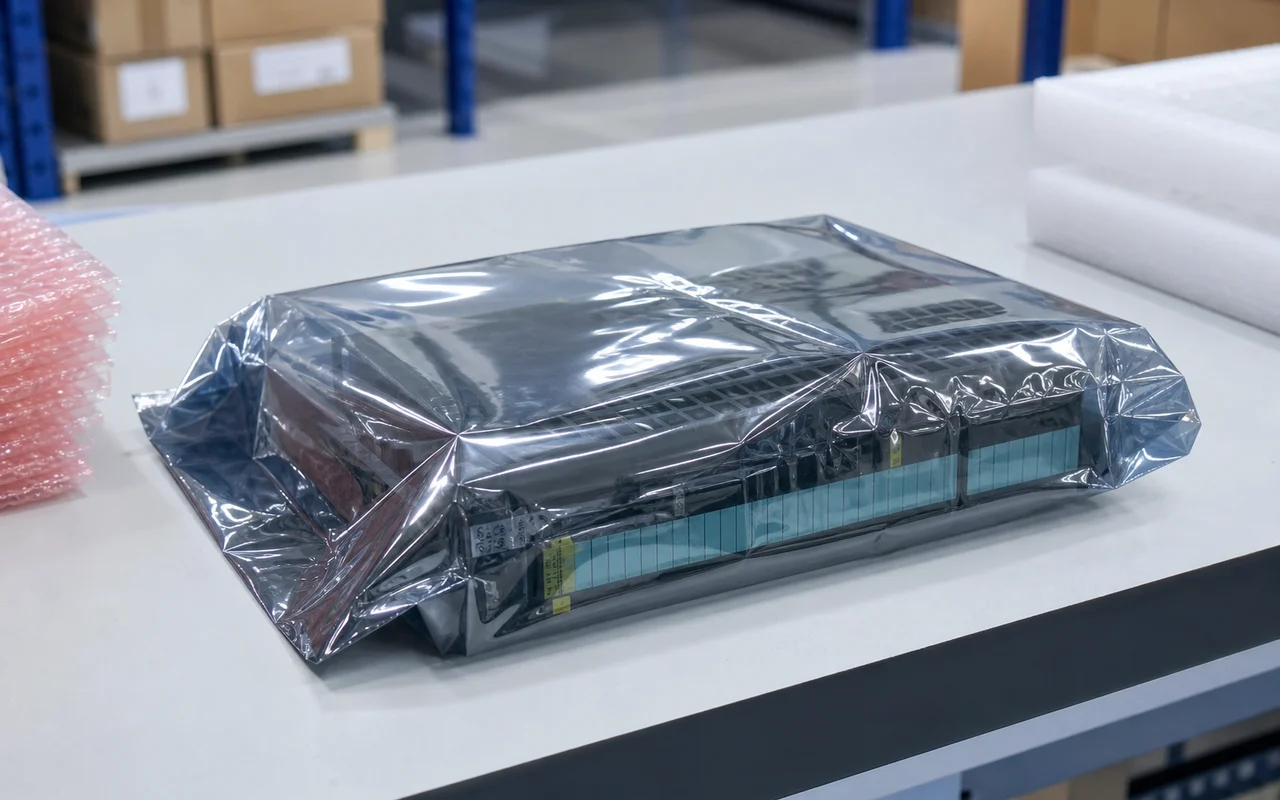 Anti-static Packaging
Modules are packed in anti-static bags to prevent electrostatic damage.
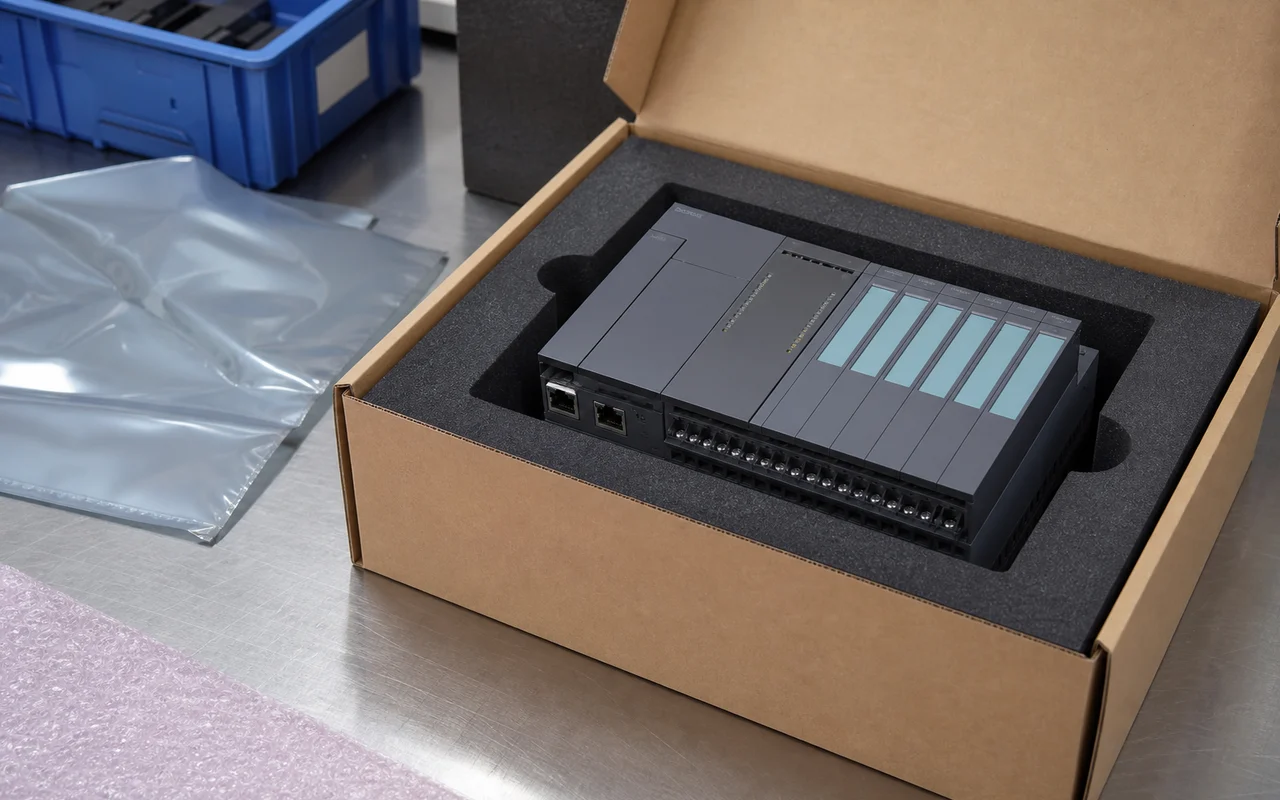 Secure Export Packing
Cushion protection and strong cartons ensure safe transportation.
 Worldwide Shipping
Global logistics network supports air, sea and express delivery.
 Documentation Check
Part number, revision and compatibility verified before shipment.
 After-sales Support
Professional technical support to help resolve your issues.