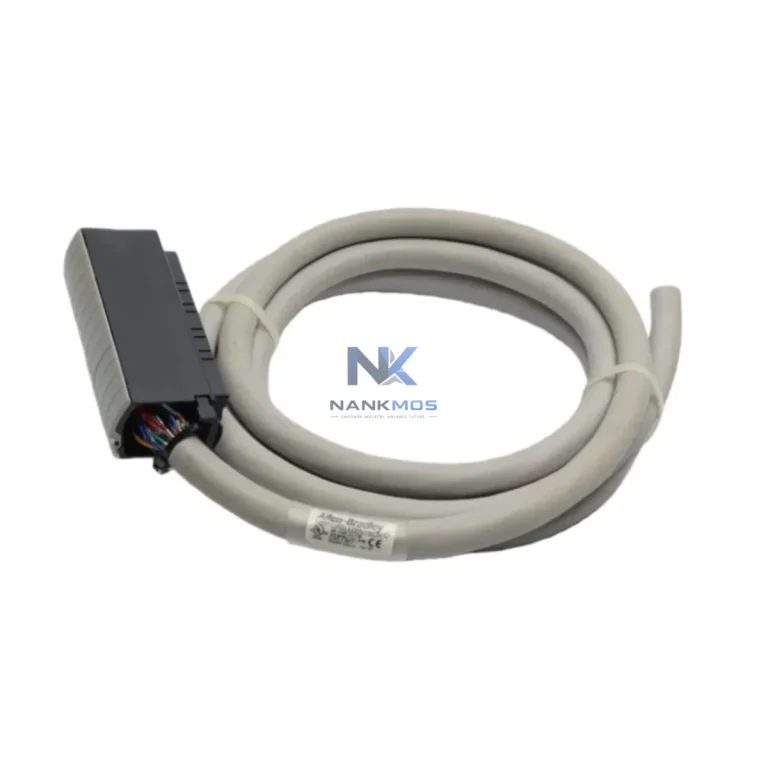
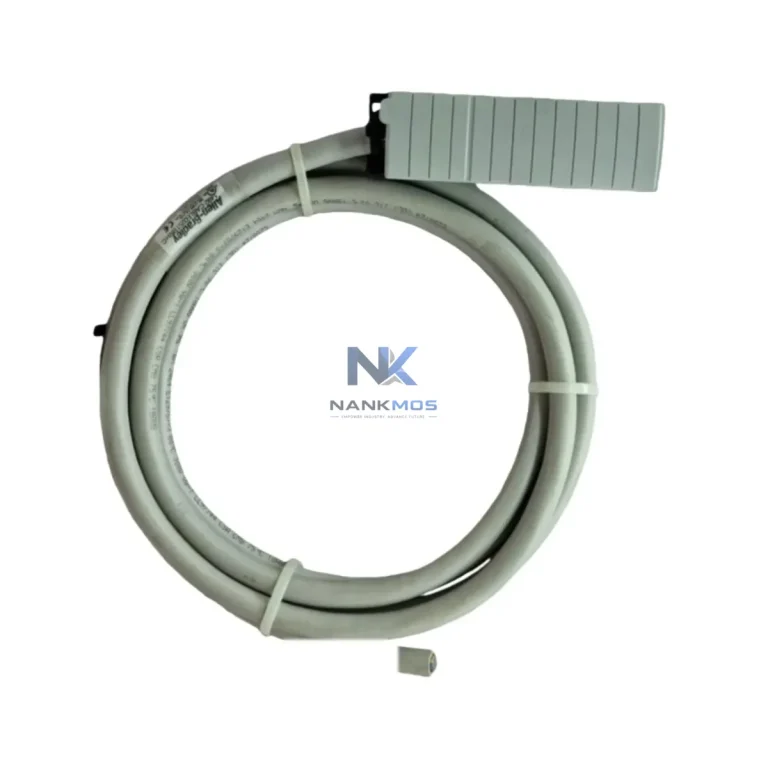
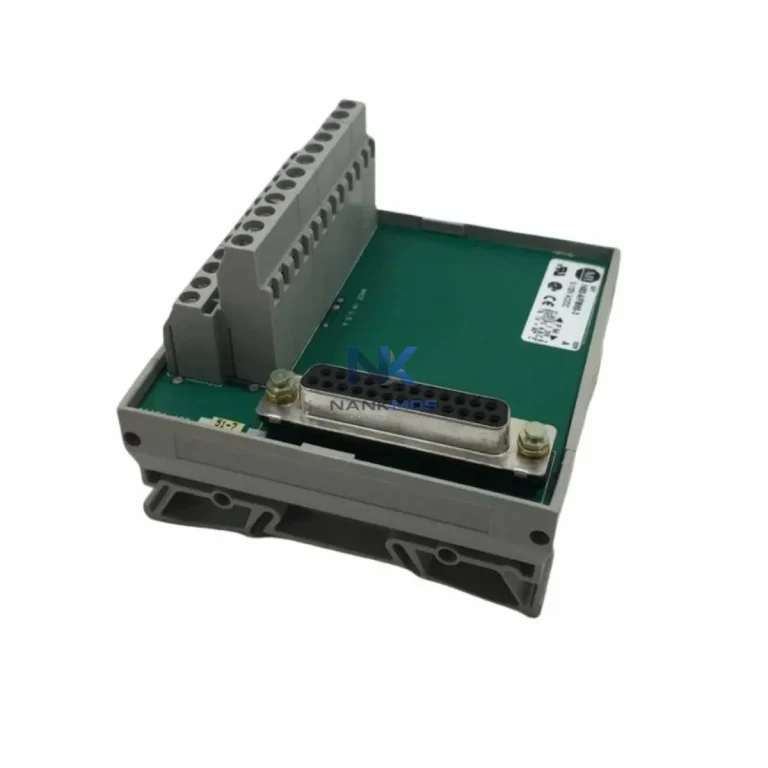
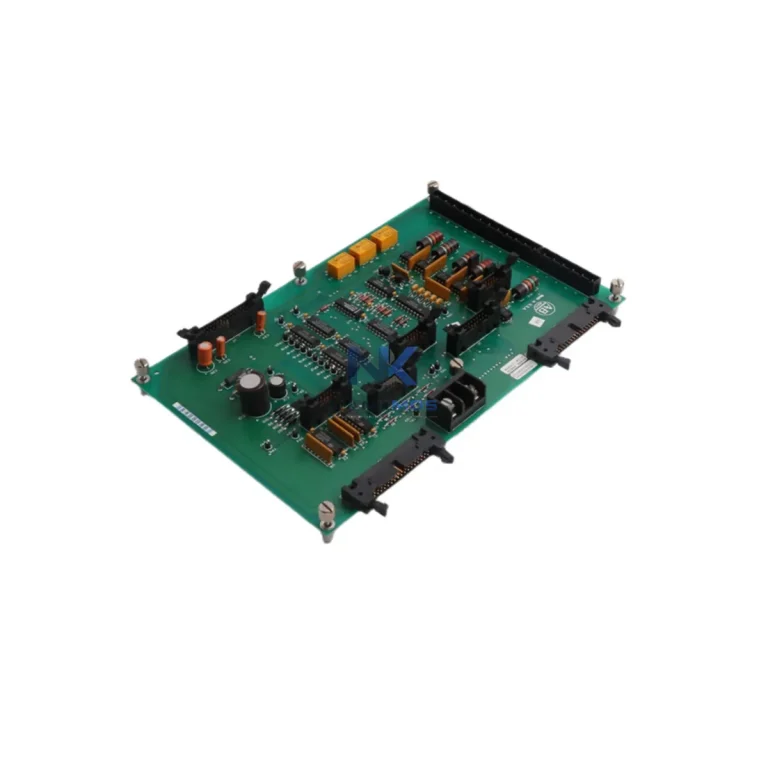
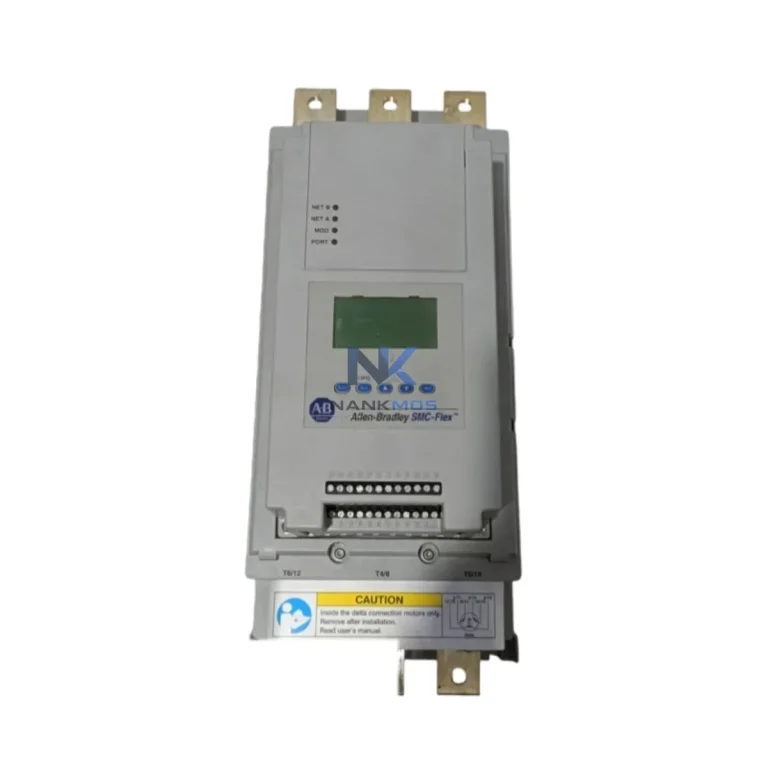
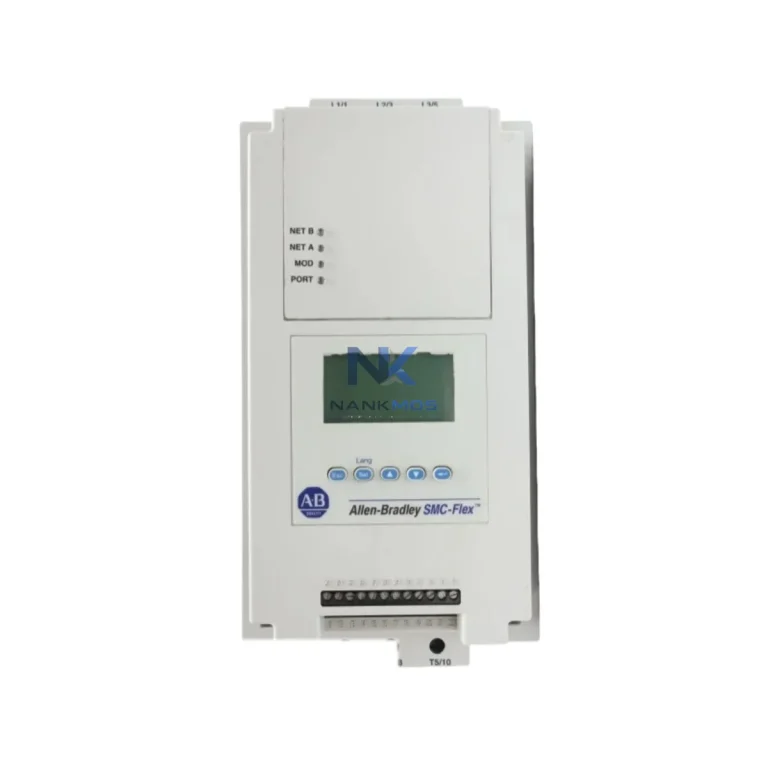
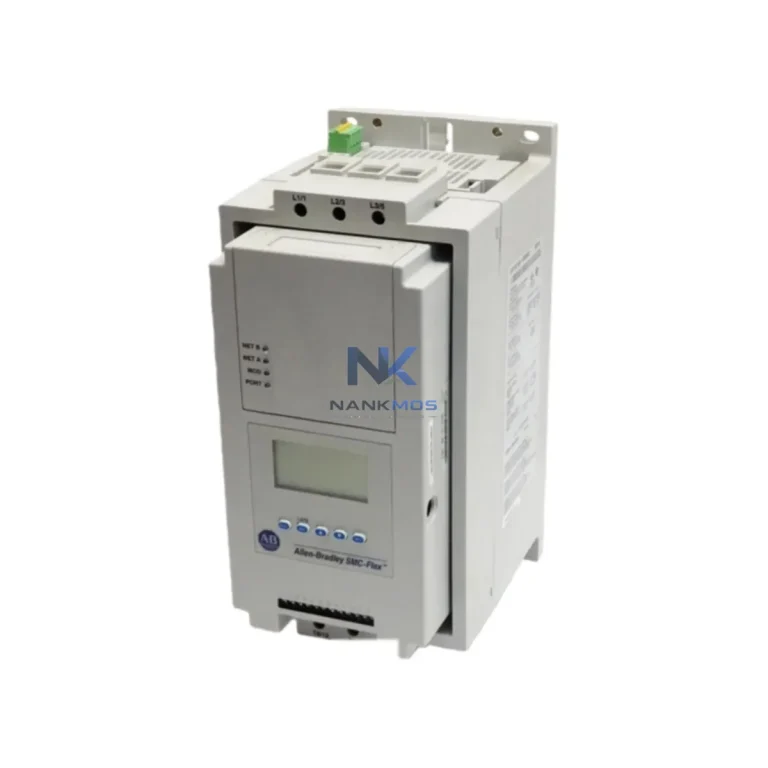
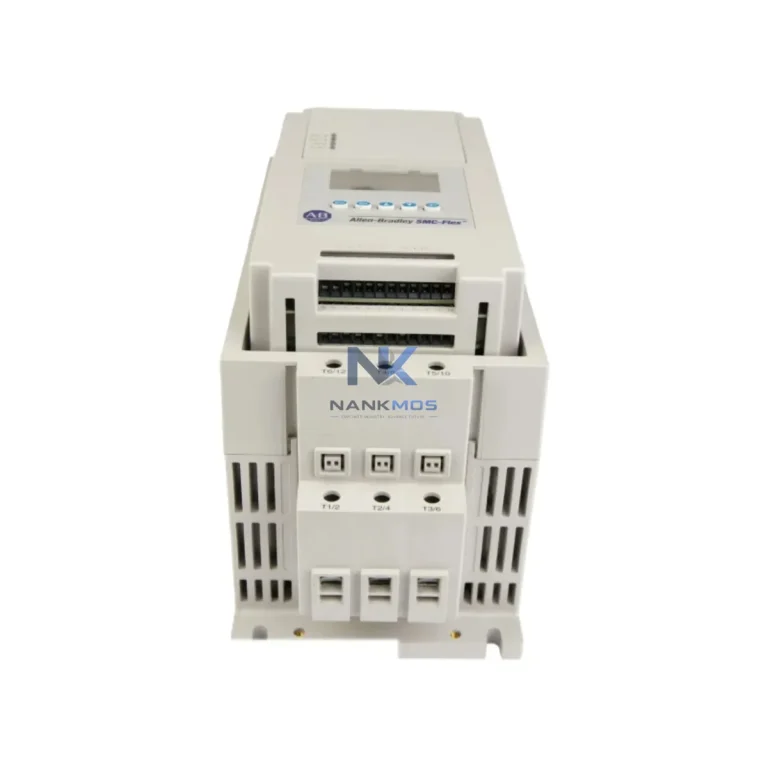
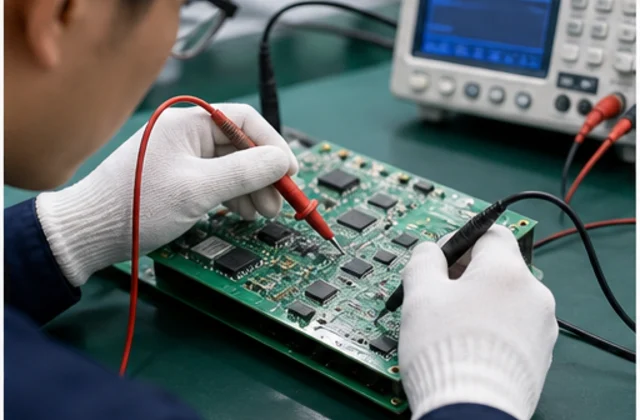
 Functional Inspection
100% tested on professional platforms to ensure stable performance.
Allen-Bradley 1771-IXHR is a NANKMOS industrial automation product record Listed under PLC-5 series and Business & Industrial > Automation, Control & Flow Devices > Programmable Logic Controllers. Confirm condition, availability, lead time, compatibility and documentation by email inquiry.
Brand names are used for identification only.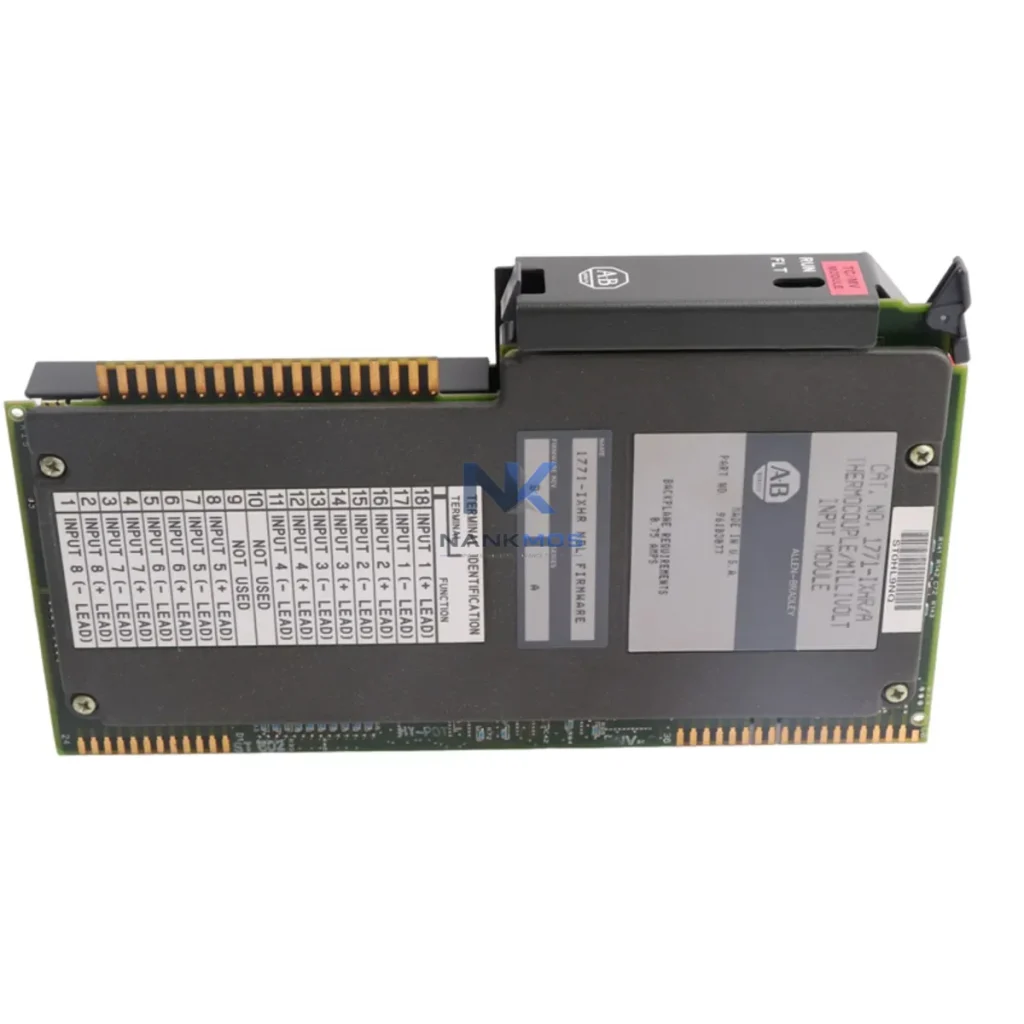
Allen-Bradley 1771-IXHR is a NANKMOS industrial automation product record Listed under PLC-5 series and Business & Industrial > Automation, Control & Flow Devices > Programmable Logic Controllers. Confirm condition, availability, lead time, compatibility and documentation by email inquiry.
| Manufacturer | Allen-Bradley |
|---|---|
| Application | Controller Processing & System Control |
| Part Number / Model | 1771-IXHR |
| Compatible System | PLC-5 |
| Series | PLC-5 |
| Condition Options | To Confirm |
| Module Type | Controller / CPU Module |
| Warranty | 12 Months |
| Packaging | Anti-static Bag / Secure Box |
| Shipping Methods | DHL / FedEx / UPS / Air / Sea |
| Availability | To Confirm |
| Lead Time | To Confirm |
| Documentation | Part number and revision checked before quote |
The Allen-Bradley 1771-IXHR is a high-resolution analog input module engineered for the PLC-5 processor family, delivering precision signal acquisition across thermocouple and RTD sensor types in demanding industrial environments. As manufacturing sites evolve toward smart factory architectures, the 1771-IXHR serves as a critical data entry point — converting real-world process variables into structured digital signals that flow upstream through PLC backplanes, communication bridges, and SCADA/HMI platforms. Its role in the data chain extends from field-level sensor integration all the way to enterprise-level data visualization and remote diagnostics.
In modern automation sites, the 1771-IXHR is typically installed within a 1771 I/O chassis alongside processor modules such as the Allen-Bradley 1785-L40B or 1785-L80B PLC-5 controllers. Signal data acquired by the 1771-IXHR is processed locally by the PLC-5 CPU and then transmitted via Data Highway Plus (DH+) or Remote I/O (RIO) networks to upstream systems. Communication bridges such as the 1770-KF2 or 1785-KA5 gateway modules translate DH+ traffic into Ethernet/IP or ControlNet frames, enabling seamless integration with modern SCADA platforms including FactoryTalk View SE and Wonderware InTouch. This multi-layer protocol conversion ensures that temperature, pressure, and flow data captured at the field level reaches control room dashboards in real time.
The 1771-IXHR sits at the foundation of a layered industrial data architecture. At the field level, thermocouple and RTD sensors — monitoring furnace temperatures, motor windings, or process fluid temperatures — feed analog signals directly into the 1771-IXHR input channels. The module performs high-resolution analog-to-digital conversion and passes structured data across the 1771 backplane to the resident PLC-5 processor. From there, the PLC-5 executes ladder logic, applies engineering unit scaling, and manages alarm thresholds before forwarding data packets over the DH+ network.
For sites requiring Ethernet connectivity, the 1785-KA5 ControlNet/DH+ bridge or the 1770-KF2 serial gateway provides the protocol translation layer, converting DH+ frames into formats readable by Ethernet/IP-based SCADA servers. Remote I/O drops — using 1771-ASB adapter modules — extend the 1771-IXHR's reach to distributed field panels without requiring additional PLC processors. At the supervisory level, FactoryTalk Historian captures time-stamped process data from the PLC-5 network, enabling trend analysis, KPI dashboards, and predictive maintenance workflows.
In multi-zone manufacturing environments, the 1771-IXHR integrates alongside Allen-Bradley 1771-OFE analog output modules to form closed-loop control architectures — where temperature readings from the 1771-IXHR drive PID control outputs to variable frequency drives (VFDs) managing heating elements or cooling fans. PowerFlex 700 or PowerFlex 40 drives receive setpoint commands from the PLC-5 via RIO, completing the feedback loop. Edge gateway devices such as the Moxa MGate MB3180 or Kepware KEPServerEX OPC-DA/UA servers further bridge legacy DH+ data into IIoT-ready MQTT streams for cloud-based analytics platforms.
Panel-level industrial Ethernet switches — such as the Stratix 2000 or Stratix 5700 managed switches — provide the network backbone connecting PLC-5 gateway nodes, HMI workstations, and SCADA servers within the plant LAN. This end-to-end architecture ensures that every analog signal captured by the 1771-IXHR contributes to a unified, real-time operational picture across the smart factory.
Many legacy automation sites face persistent challenges: protocol fragmentation between older DH+ networks and modern Ethernet/IP infrastructure, data silos where field-level analog values never reach SCADA dashboards, and limited visibility into process anomalies until equipment failure occurs. The 1771-IXHR addresses these gaps by providing a reliable, high-resolution analog input point that integrates natively into the PLC-5 ecosystem — a platform still widely deployed across energy, water treatment, food processing, and discrete manufacturing industries.
Protocol unification is achieved through gateway modules that translate DH+ traffic into Ethernet/IP or OPC-UA, eliminating the need for full system replacement. Data island problems are resolved by connecting 1771-IXHR data streams into centralized FactoryTalk or Ignition SCADA historians, where cross-plant analytics become possible. Remote monitoring capabilities — enabled by DH+ network bridges and VPN-secured SCADA access — allow maintenance engineers to diagnose thermocouple drift, RTD open-circuit faults, or out-of-range process values without physical site visits. Alarm tracking is managed through PLC-5 ladder logic alarm rungs, with alarm events forwarded to HMI annunciator displays and email/SMS notification systems via SCADA middleware. System expansion is straightforward: additional 1771 I/O slots in the existing chassis accommodate new 1771-IXHR modules as process monitoring requirements grow, protecting the existing control architecture investment.
Every 1771-IXHR unit supplied by NANKMOS undergoes pre-shipment functional testing, verifying channel accuracy, backplane communication integrity, and LED status indication before dispatch. Units are shipped with full 12-month warranty coverage, supporting operational continuity for critical process control applications.
Q1: What communication protocols does the Allen-Bradley 1771-IXHR support for SCADA integration? The 1771-IXHR communicates natively over the 1771 backplane to the PLC-5 processor, which then transmits data via Data Highway Plus (DH+) or Remote I/O (RIO) networks. Integration with modern SCADA platforms is achieved through protocol gateway modules such as the 1785-KA5 or 1770-KF2, which bridge DH+ to Ethernet/IP or serial interfaces compatible with OPC-DA/UA servers.
Q2: How is network stability maintained when using the 1771-IXHR in a distributed I/O architecture? Network stability is maintained through the deterministic nature of the DH+ token-passing protocol, which ensures predictable scan cycle times even under high network load. Remote I/O drops using 1771-ASB adapters provide fault-isolated communication segments, so a single node failure does not disrupt the entire I/O network. Managed industrial switches such as the Stratix 5700 add VLAN segmentation and redundant ring topology support for enhanced uptime.
Q3: Can the 1771-IXHR be expanded or integrated into a larger multi-chassis system? Yes. The 1771-IXHR slots into any standard 1771 I/O chassis (4, 8, 12, or 16-slot configurations) and can be combined with other 1771 analog and digital I/O modules within the same chassis. Multi-chassis expansion is supported via Remote I/O cabling, allowing additional 1771 I/O racks to be distributed across the plant floor while remaining under centralized PLC-5 control.
Q4: What does the 12-month warranty cover, and how is pre-shipment testing conducted? Every 1771-IXHR unit from NANKMOS is functionally tested prior to shipment, covering analog channel accuracy verification, backplane communication handshake, and module status LED confirmation. The 12-month warranty covers hardware defects and operational failures under normal industrial use conditions, with direct technical support available through NANKMOS for fault diagnosis and replacement coordination.
Functional Inspection100% tested on professional platforms to ensure stable performance.
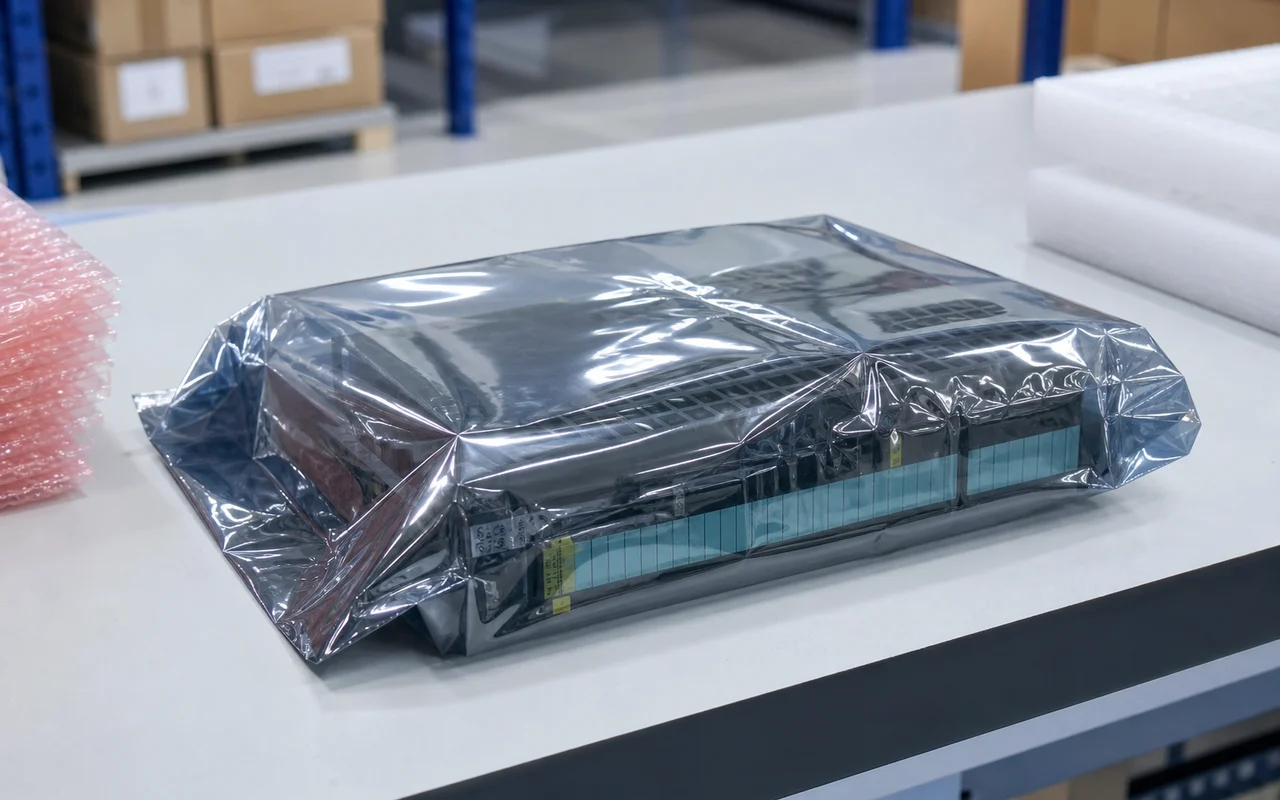 Anti-static Packaging
Modules are packed in anti-static bags to prevent electrostatic damage.
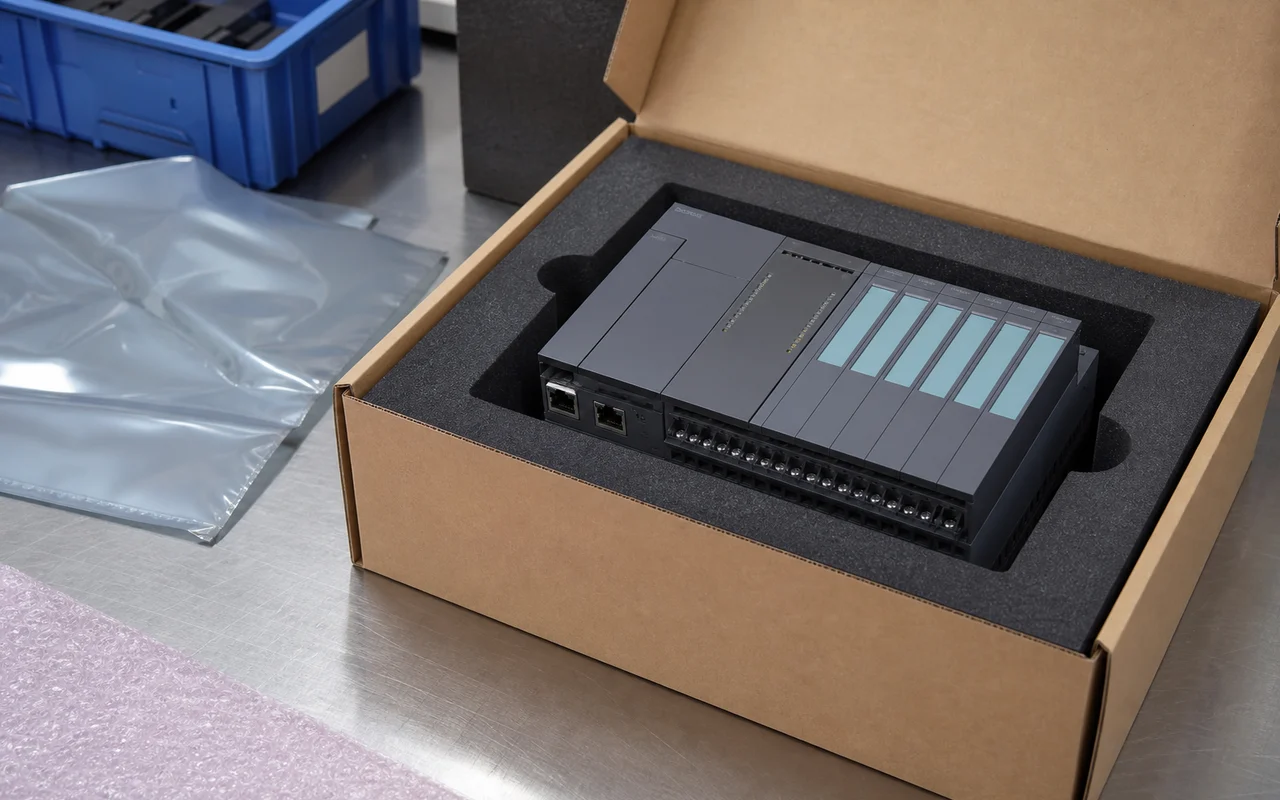 Secure Export Packing
Cushion protection and strong cartons ensure safe transportation.
 Worldwide Shipping
Global logistics network supports air, sea and express delivery.
 Documentation Check
Part number, revision and compatibility verified before shipment.
 After-sales Support
Professional technical support to help resolve your issues.