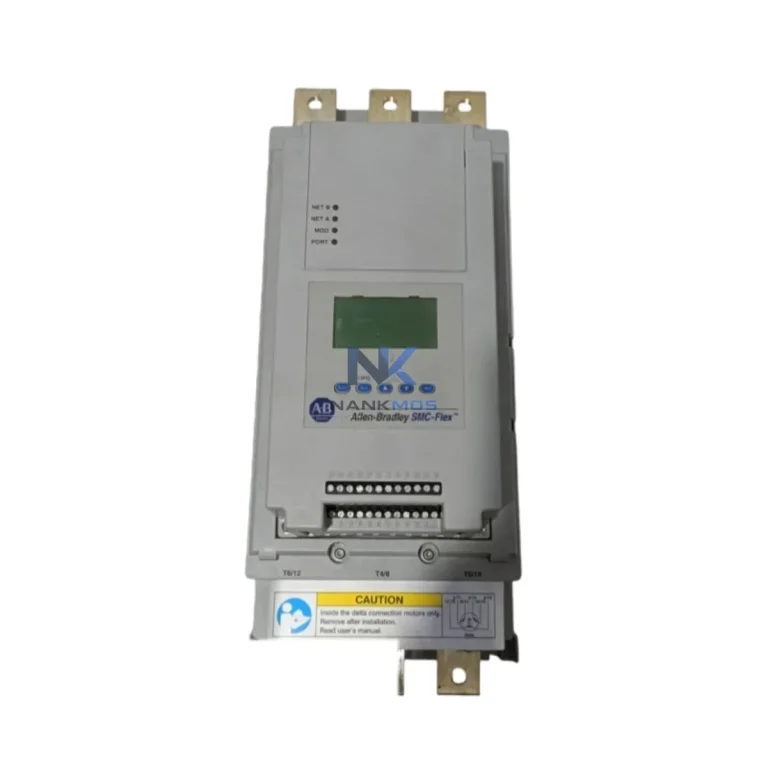
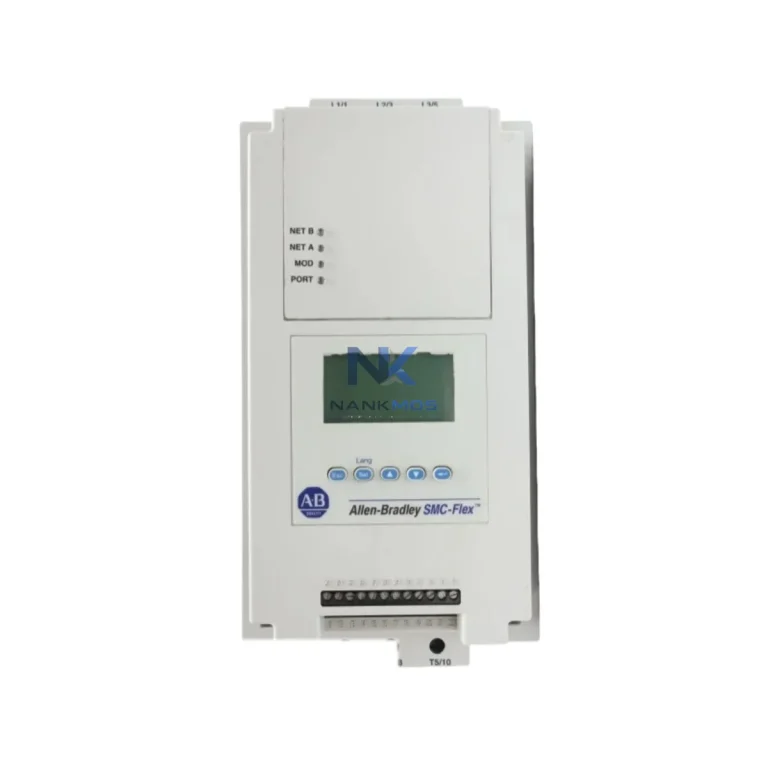
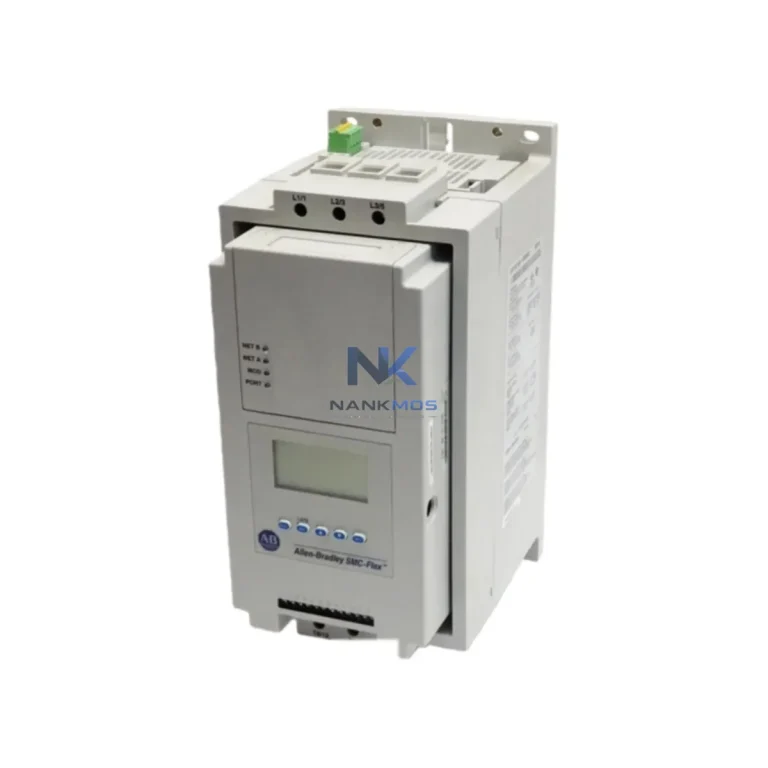
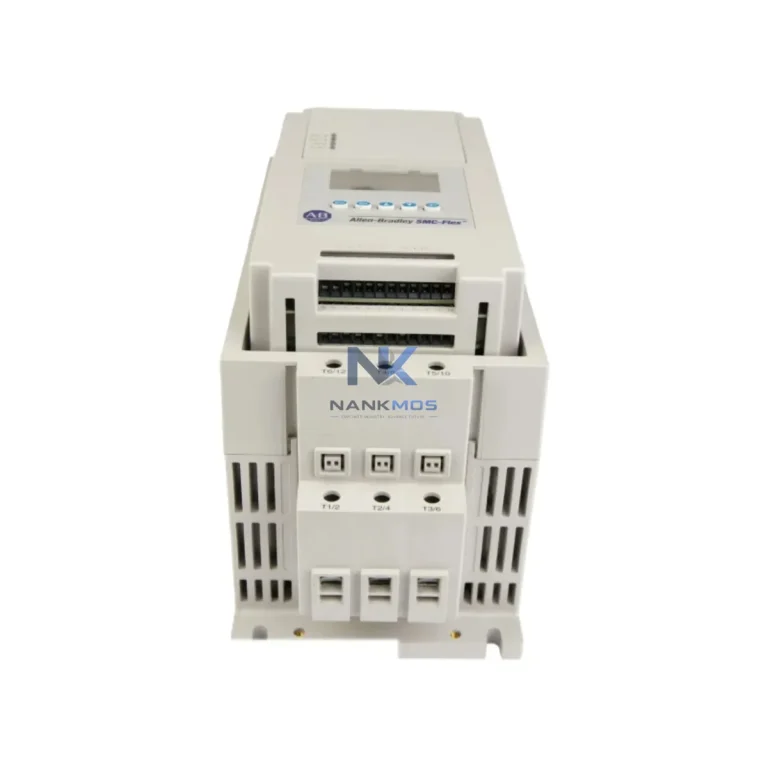
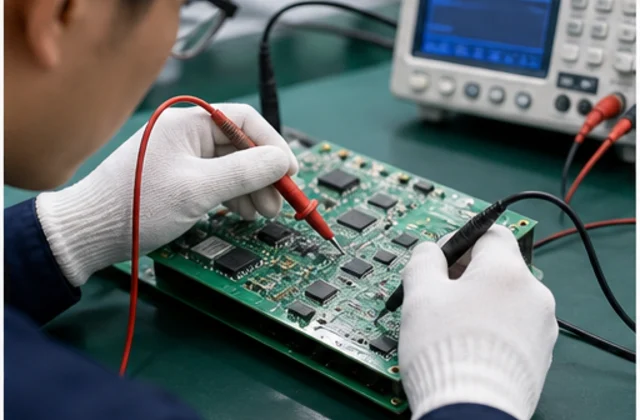
 Functional Inspection
100% tested on professional platforms to ensure stable performance.
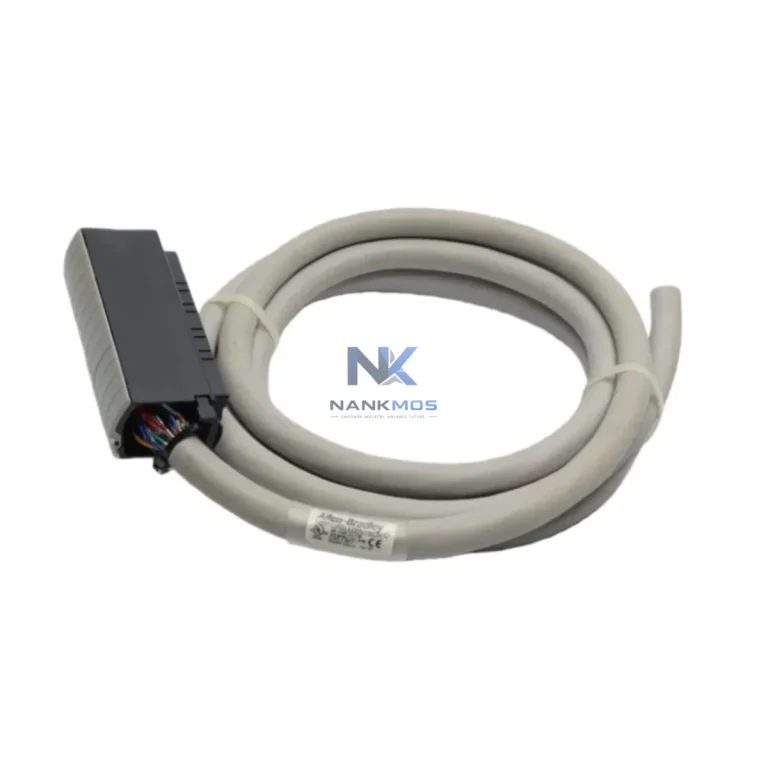
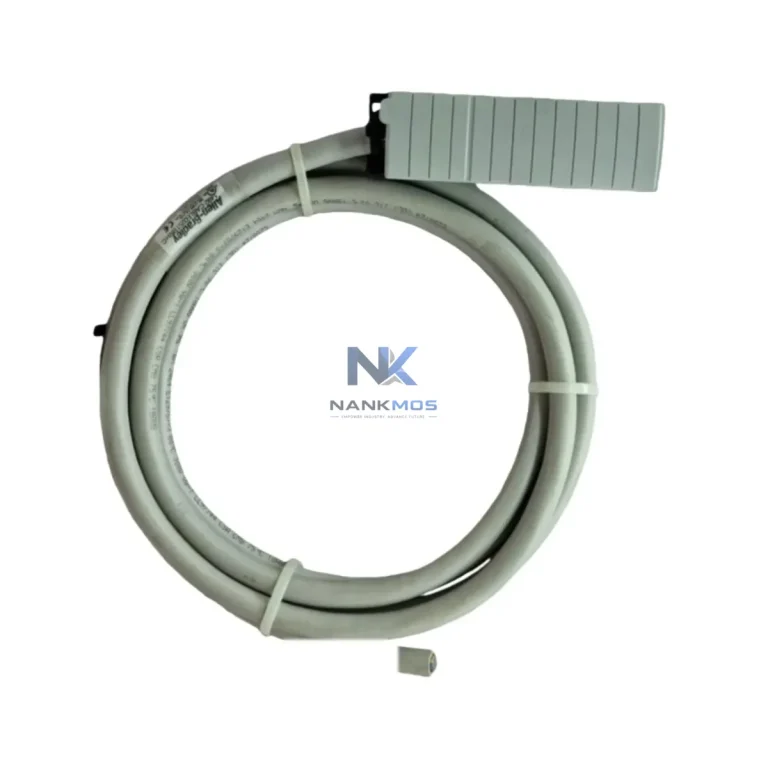
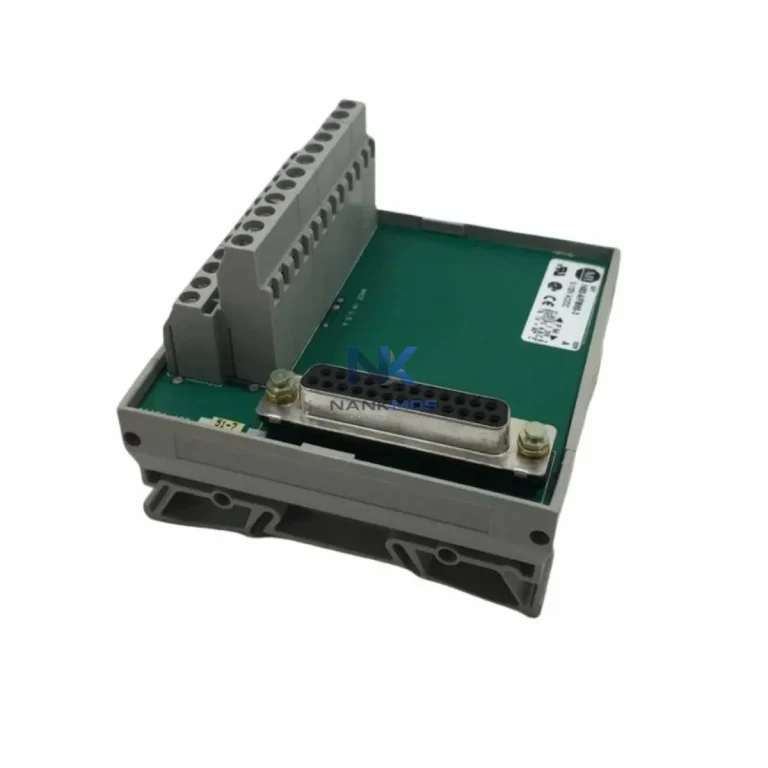
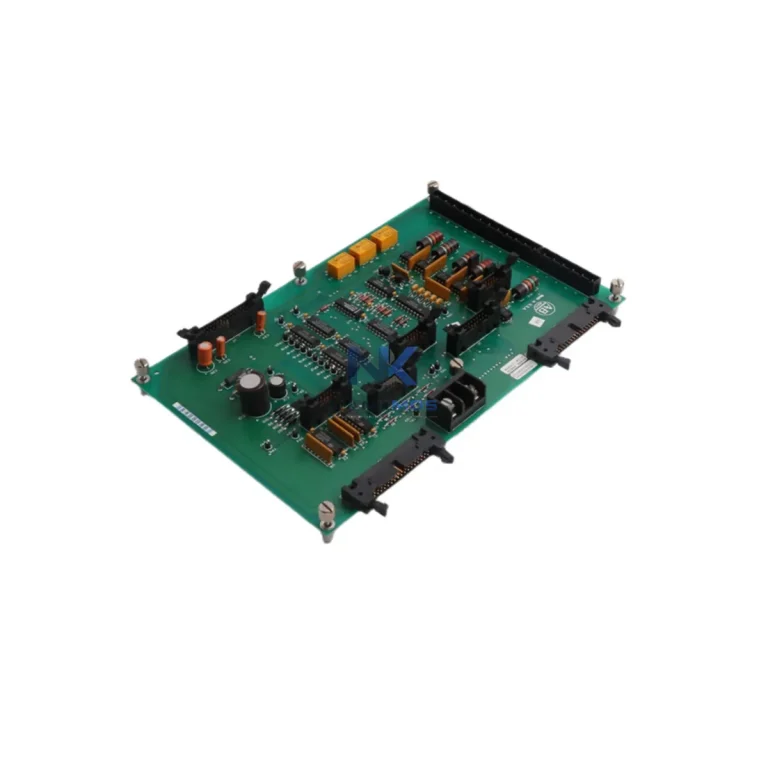
Allen-Bradley 1791-16A0 is a NANKMOS industrial automation product record Listed under Series B series and Business & Industrial > Automation, Control & Flow Devices > Programmable Logic Controllers. Confirm condition, availability, lead time, compatibility and documentation by email inquiry.
Brand names are used for identification only.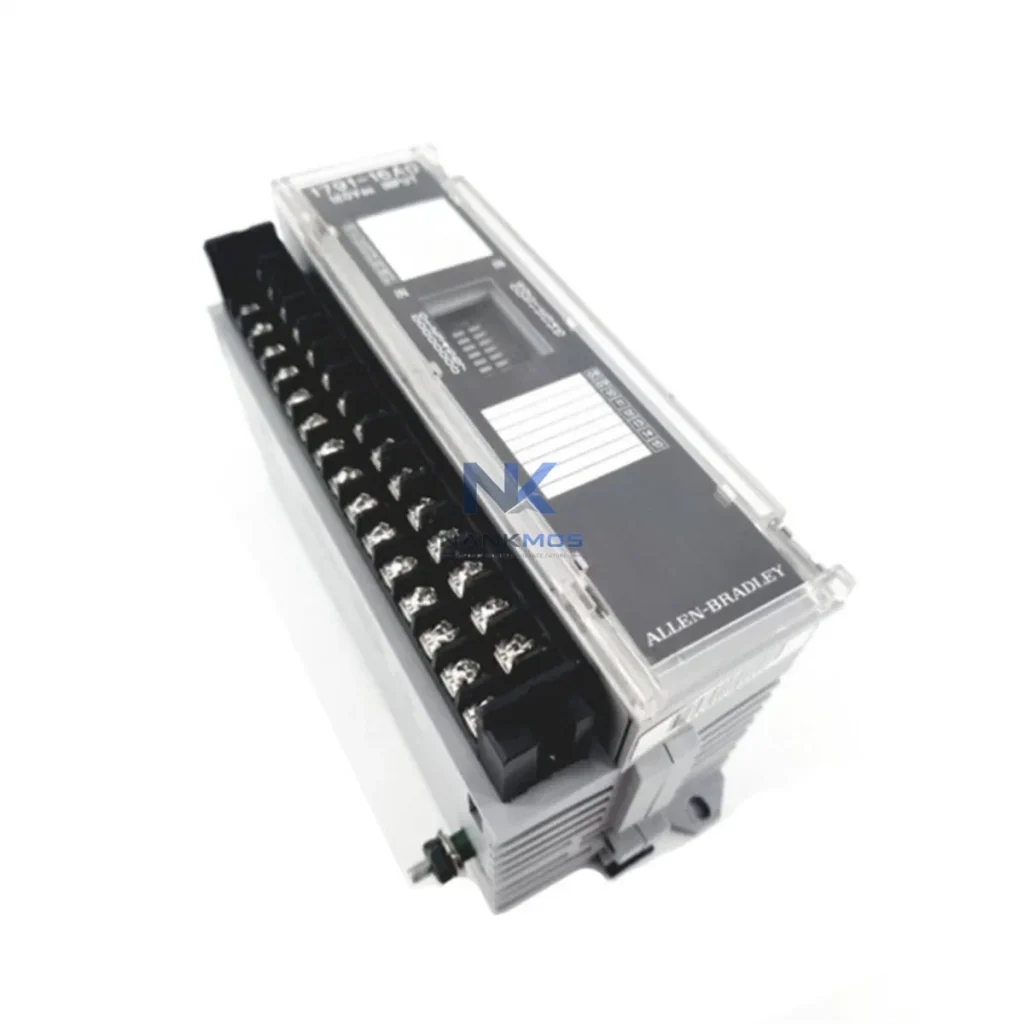
Allen-Bradley 1791-16A0 is a NANKMOS industrial automation product record Listed under Series B series and Business & Industrial > Automation, Control & Flow Devices > Programmable Logic Controllers. Confirm condition, availability, lead time, compatibility and documentation by email inquiry.
| Manufacturer | Allen-Bradley |
|---|---|
| Application | Controller Processing & System Control |
| Part Number / Model | 1791-16A0 |
| Compatible System | Series B |
| Series | Series B |
| Condition Options | To Confirm |
| Module Type | Controller / CPU Module |
| Warranty | 12 Months |
| Packaging | Anti-static Bag / Secure Box |
| Shipping Methods | DHL / FedEx / UPS / Air / Sea |
| Availability | To Confirm |
| Lead Time | To Confirm |
| Documentation | Part number and revision checked before quote |
The Allen-Bradley 1791-16A0 Block I/O Input Module (Series B) is a DeviceNet-native, 16-point discrete input module engineered for high-density signal acquisition at the field device layer. Designed to integrate seamlessly into Rockwell Automation control architectures, the 1791-16A0 serves as a critical data-link node between field sensors, actuators, and upper-level control systems — enabling real-time signal collection, protocol-transparent communication, and deterministic data delivery across the full automation stack.
In modern smart factory deployments, the 1791-16A0 functions as the first point of contact in the data chain: discrete signals from proximity sensors, limit switches, photoelectric detectors, and push-button stations are captured at the module level and transmitted over the DeviceNet fieldbus to the host PLC — typically a ControlLogix or CompactLogix controller — where they are processed, logged, and acted upon within the scan cycle. This tight integration between field I/O and the control layer eliminates signal latency, reduces wiring complexity, and provides a structured, addressable data path that SCADA and HMI systems can query in real time.
The 1791-16A0 occupies a foundational position in the connected factory data flow. At the field level, discrete signals from Banner Engineering photoelectric sensors, Turck inductive proximity switches, and Omron limit switches are wired directly into the module's 16 input terminals. The 1791-16A0 encodes these signals into DeviceNet I/O messages and transmits them over the fieldbus trunk to a 1756-DNB DeviceNet Scanner module seated in a ControlLogix chassis. The scanner maps the input data into the controller's I/O tree, making all 16 points immediately available to the Logix 5000 ladder or structured text program running on the 1756-L73 processor.
From the ControlLogix backplane, the processed data propagates upward through an EtherNet/IP backbone — typically routed through a Stratix 5700 managed industrial Ethernet switch — to the plant SCADA server running FactoryTalk View SE or Ignition SCADA. At this layer, the 16 discrete input states are visualized on operator HMI panels (such as the PanelView Plus 7), logged to a historian database, and used to trigger alarm notifications when abnormal states are detected. The entire signal path — from field sensor contact closure to SCADA alarm acknowledgment — completes within a single DeviceNet scan cycle, typically under 10 milliseconds at 500 kbps.
For installations requiring protocol bridging, the 1791-16A0 can be integrated alongside a ProSoft Technology MVI56E-MNET Modbus TCP/IP communication module, allowing the ControlLogix system to simultaneously serve DeviceNet field devices and Modbus-based energy meters or third-party drives. In distributed architectures, the module pairs naturally with 1794 FLEX I/O remote adapter modules and 1734 POINT I/O systems, enabling a layered I/O strategy where the 1791-16A0 handles high-density discrete inputs at machine level while FLEX I/O manages analog signals at the process skid. Edge gateway devices such as the Moxa MGate MB3480 can further extend the data reach, publishing DeviceNet-sourced I/O data to cloud-based MES or ERP platforms via MQTT or OPC-UA, completing the digital thread from sensor to enterprise system.
Many industrial sites operate with fragmented I/O architectures — legacy hardwired panels alongside newer networked systems — creating data silos where field device states are invisible to SCADA and production management systems. The 1791-16A0 directly addresses this challenge by converting hardwired discrete signals into structured DeviceNet network data, making previously isolated field points fully addressable and monitorable from any networked HMI or SCADA workstation.
Protocol Unification: Sites running mixed fieldbus environments — DeviceNet at the machine level alongside Modbus RTU on legacy drives or PROFIBUS on older PLCs — can use the ControlLogix platform as a protocol convergence point. The 1791-16A0 feeds DeviceNet data into the Logix controller, which then re-publishes it over EtherNet/IP to SCADA, eliminating the need for separate protocol converters at each field node.
Remote Monitoring and Diagnostics: The DeviceNet network provides node-level diagnostics for every connected device, including the 1791-16A0. Fault states, communication errors, and input status can be read remotely via RSLinx Classic or FactoryTalk Diagnostics without requiring a technician to physically inspect the module. This capability is critical for multi-site operations where on-site response time is costly.
Production Line Transparency: By integrating the 1791-16A0 into a FactoryTalk View SE or Ignition SCADA system, plant managers gain real-time visibility into every discrete input point — conveyor end-of-travel sensors, safety gate interlocks, part-present detectors — enabling OEE calculation, downtime root-cause analysis, and predictive maintenance scheduling based on actual field data rather than manual inspection logs.
Alarm Tracking and System Expansion: The module's 16-point capacity supports dense alarm mapping, with each input assignable to a specific alarm tag in the SCADA historian. As production lines expand, additional 1791-16A0 modules can be added to the DeviceNet segment (up to 63 nodes per network) without modifying the existing control program structure, providing a scalable path for future I/O expansion.
Q1: What is the maximum communication speed of the 1791-16A0 on a DeviceNet network, and how does it affect real-time control performance?The 1791-16A0 supports DeviceNet data rates of 125 kbps, 250 kbps, and 500 kbps, selectable via rotary switches on the module. At 500 kbps with a properly terminated trunk, the module delivers input data to the DeviceNet scanner within a single network scan — typically 2–5 ms for a 16-node network — ensuring deterministic response times suitable for machine-level discrete control and safety interlock monitoring.
Q2: Is the 1791-16A0 compatible with both ControlLogix and CompactLogix DeviceNet scanner modules?Yes. The 1791-16A0 is compatible with any DeviceNet scanner that supports the standard DeviceNet I/O messaging protocol, including the 1756-DNB (ControlLogix), 1769-SDN (CompactLogix/MicroLogix), and 1747-SDN (SLC 500). Configuration is performed using RSNetWorx for DeviceNet, which auto-discovers the module's EDS file and maps its 16 input bits into the scanner's input image table.
Q3: How does the 1791-16A0 support remote diagnostics and network health monitoring?The module reports its network status, communication fault state, and individual input point status via DeviceNet explicit messaging. Using RSLinx Classic or FactoryTalk Diagnostics, maintenance engineers can remotely query the module's status object, read input data, and identify wiring faults or power supply issues without physical access to the panel. This capability significantly reduces mean time to repair (MTTR) in distributed manufacturing environments.
Q4: What quality assurance and warranty coverage is provided with the 1791-16A0?Every 1791-16A0 unit supplied by NANKMOS undergoes pre-shipment functional testing, including DeviceNet communication verification, input point continuity checks, and power supply validation. All units are covered by a 12-month warranty against manufacturing defects and communication failures. In-stock units ship within 1–3 business days with full documentation. For volume orders or urgent replacement requirements, contact our technical team at [email protected] or +86 18359268345.
Functional Inspection100% tested on professional platforms to ensure stable performance.
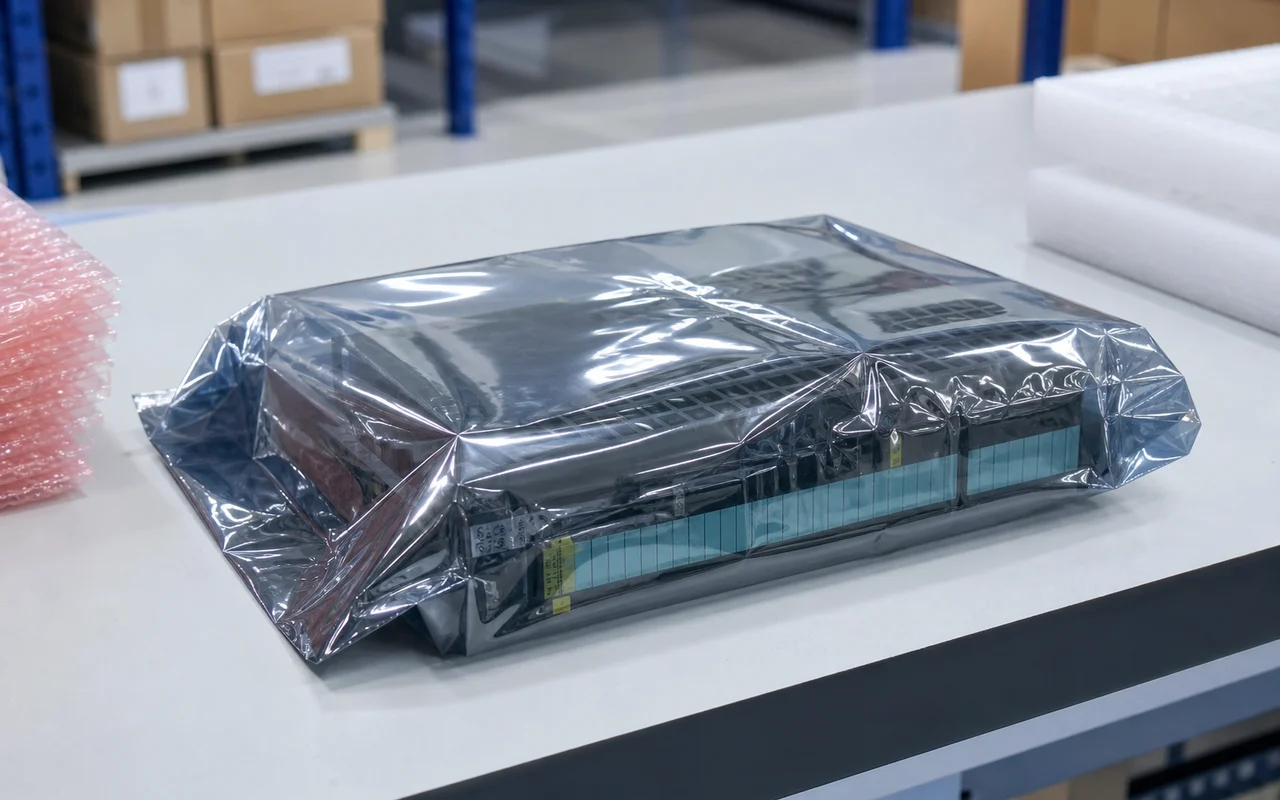 Anti-static Packaging
Modules are packed in anti-static bags to prevent electrostatic damage.
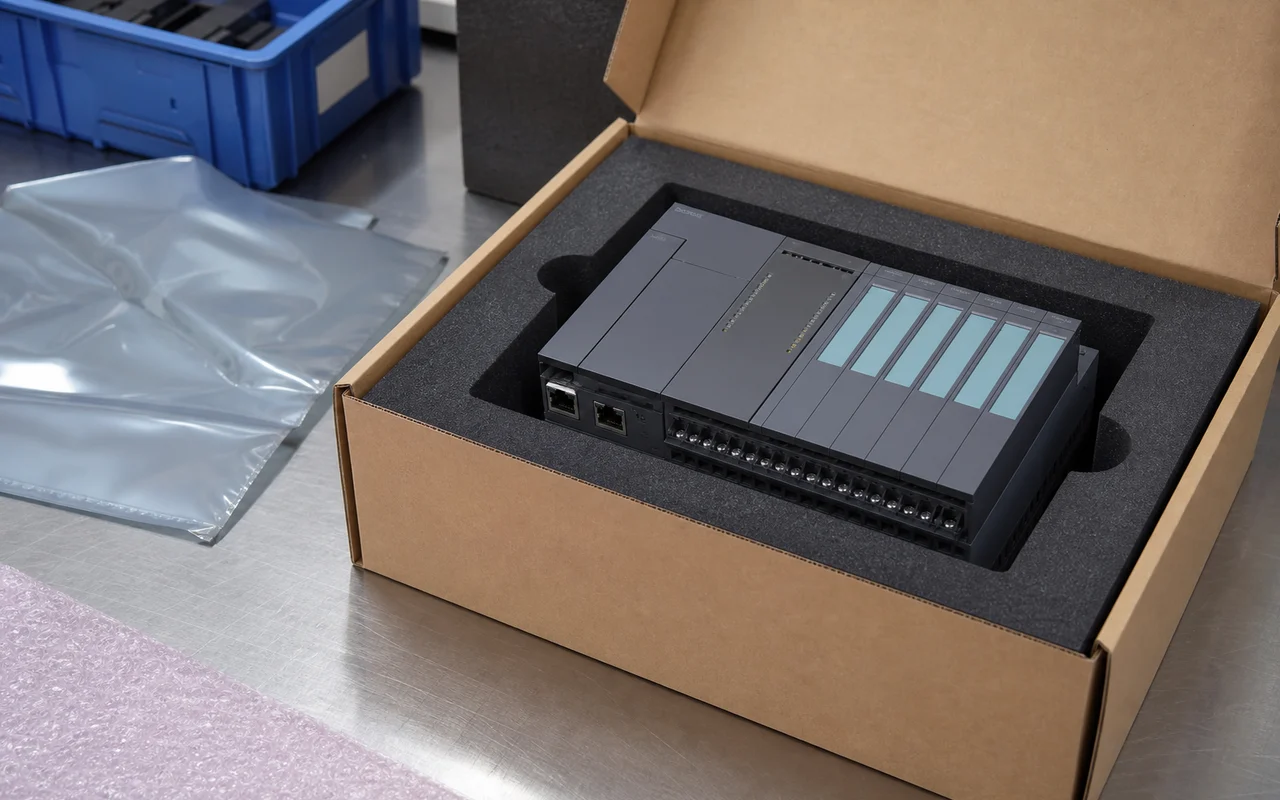 Secure Export Packing
Cushion protection and strong cartons ensure safe transportation.
 Worldwide Shipping
Global logistics network supports air, sea and express delivery.
 Documentation Check
Part number, revision and compatibility verified before shipment.
 After-sales Support
Professional technical support to help resolve your issues.