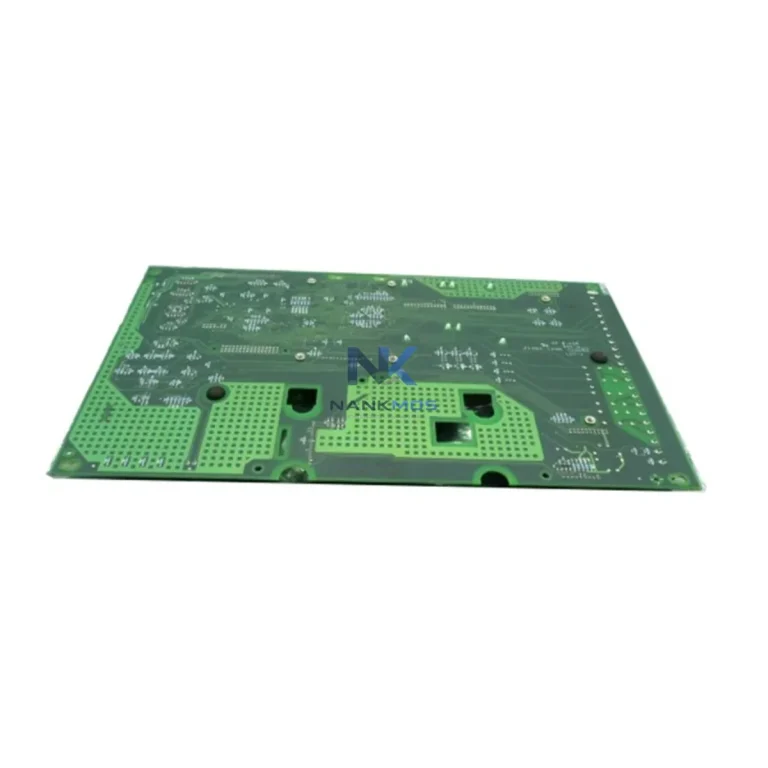
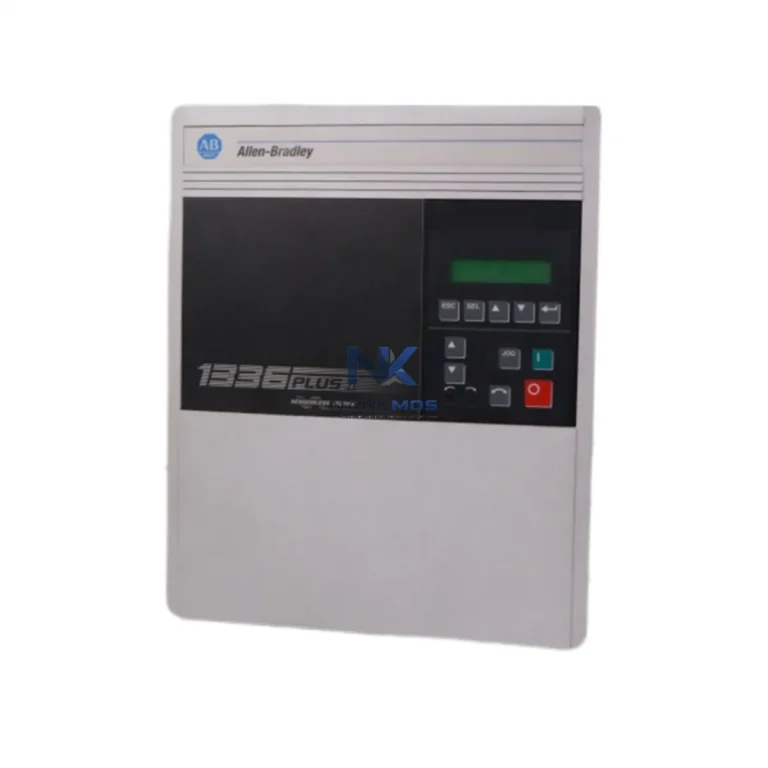
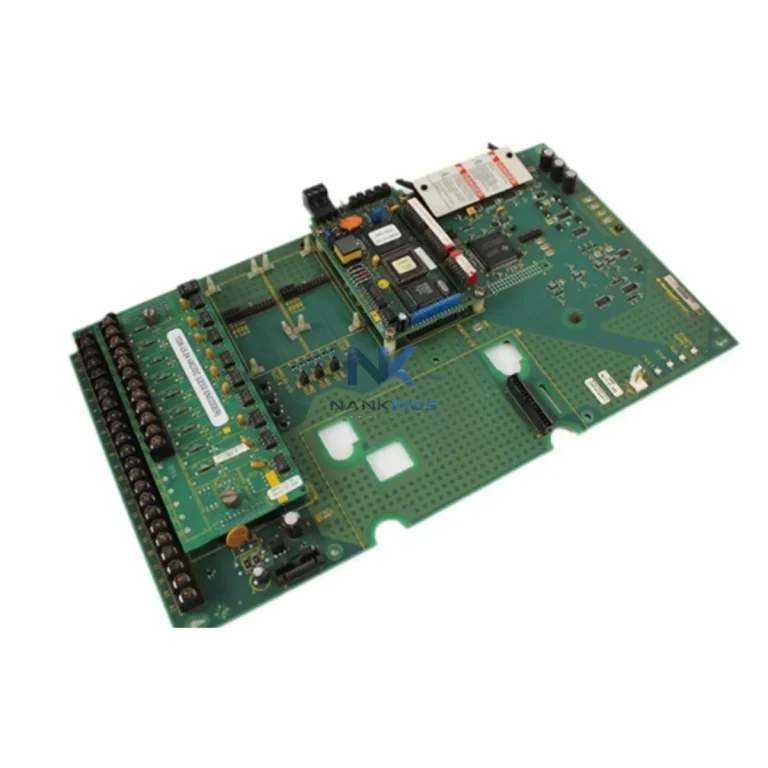
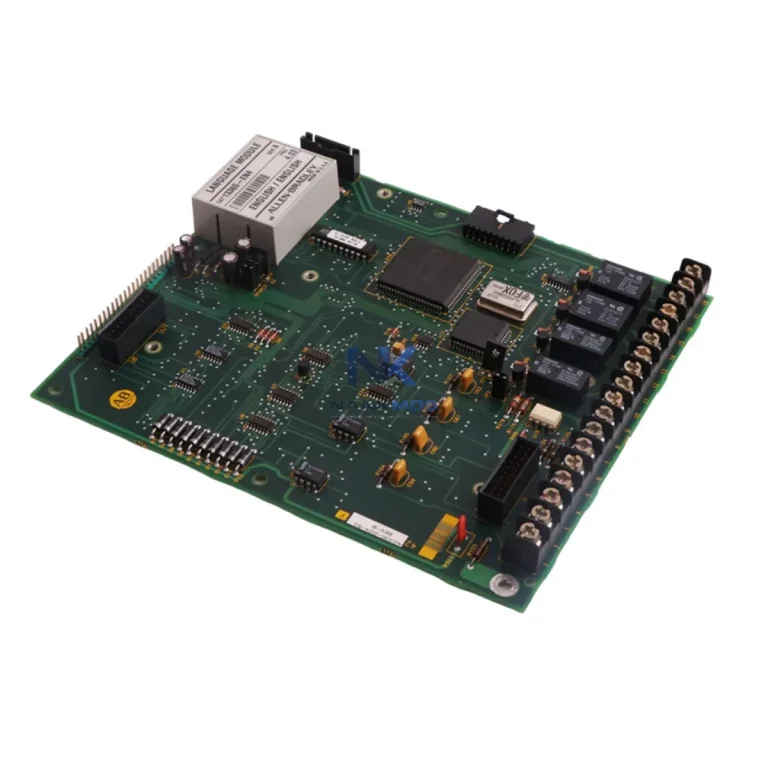
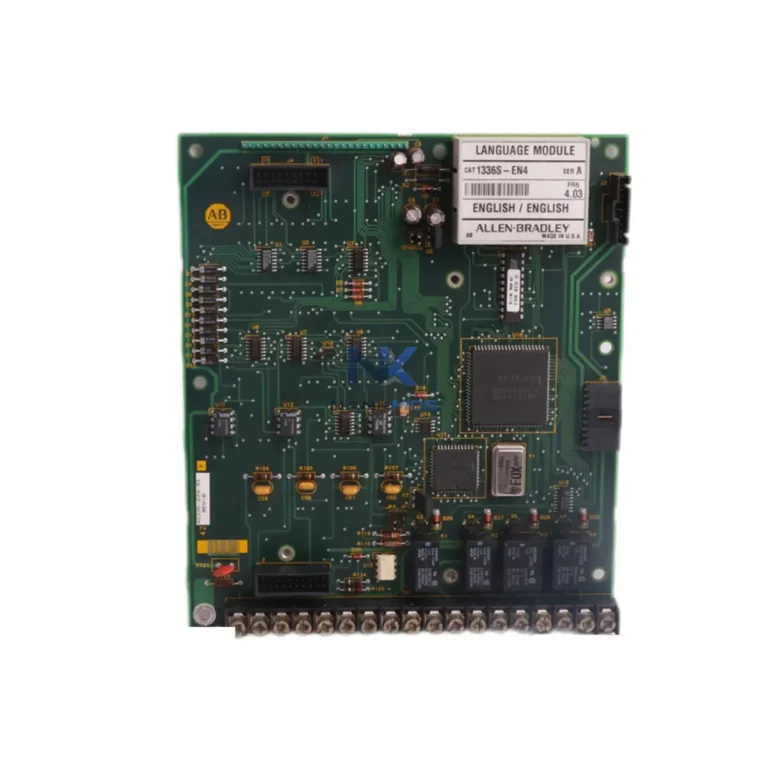
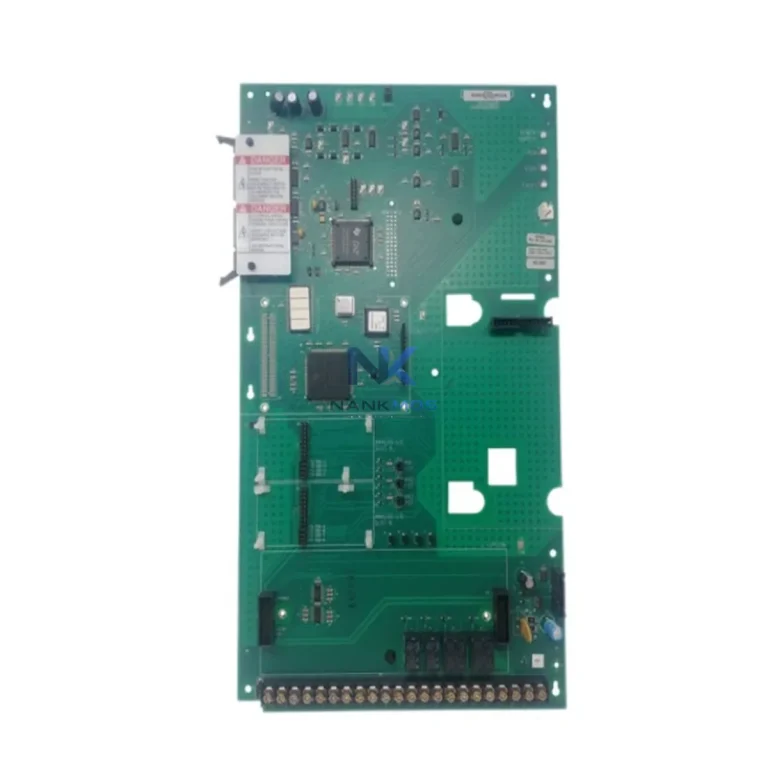
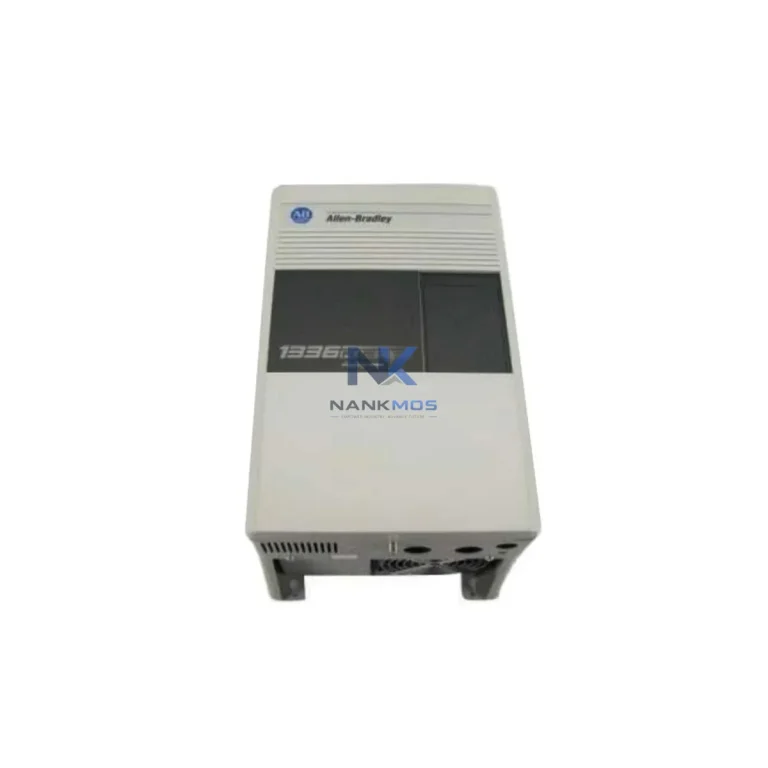
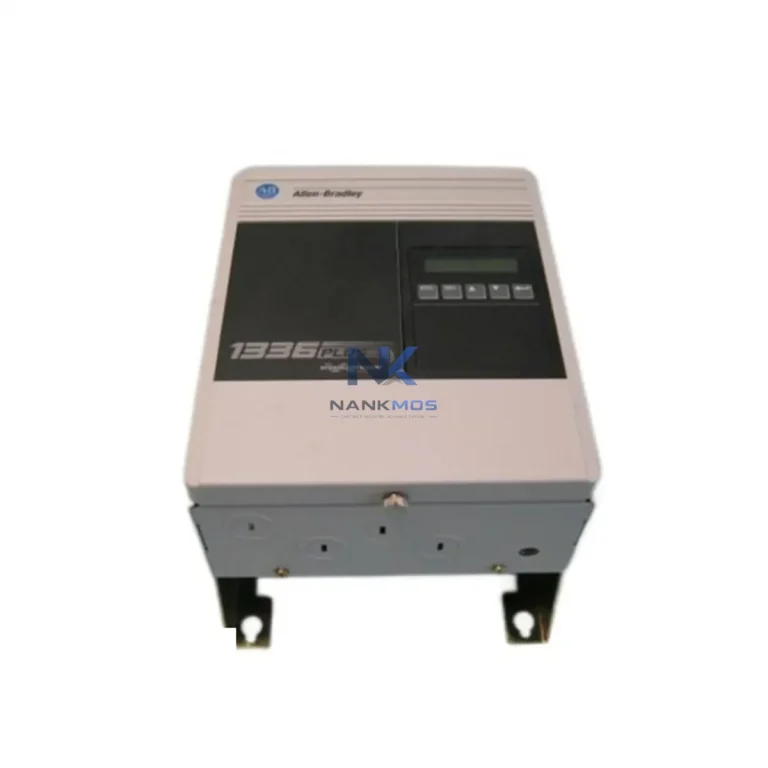
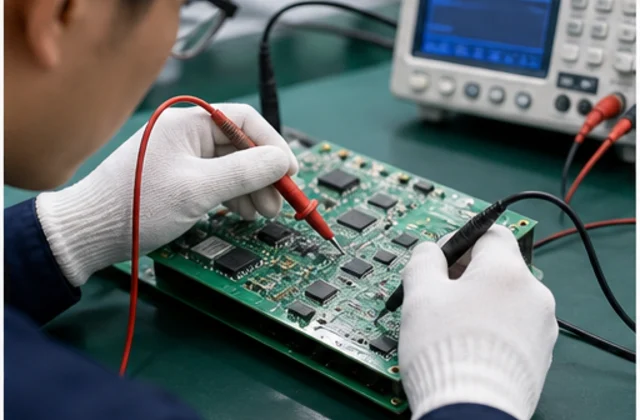
 Functional Inspection
100% tested on professional platforms to ensure stable performance.
Allen-Bradley 1336-QOUT-SP19A is a NANKMOS industrial automation product record Listed under Other series series and Drives. Confirm condition, availability, lead time, compatibility and documentation by email inquiry.
Brand names are used for identification only.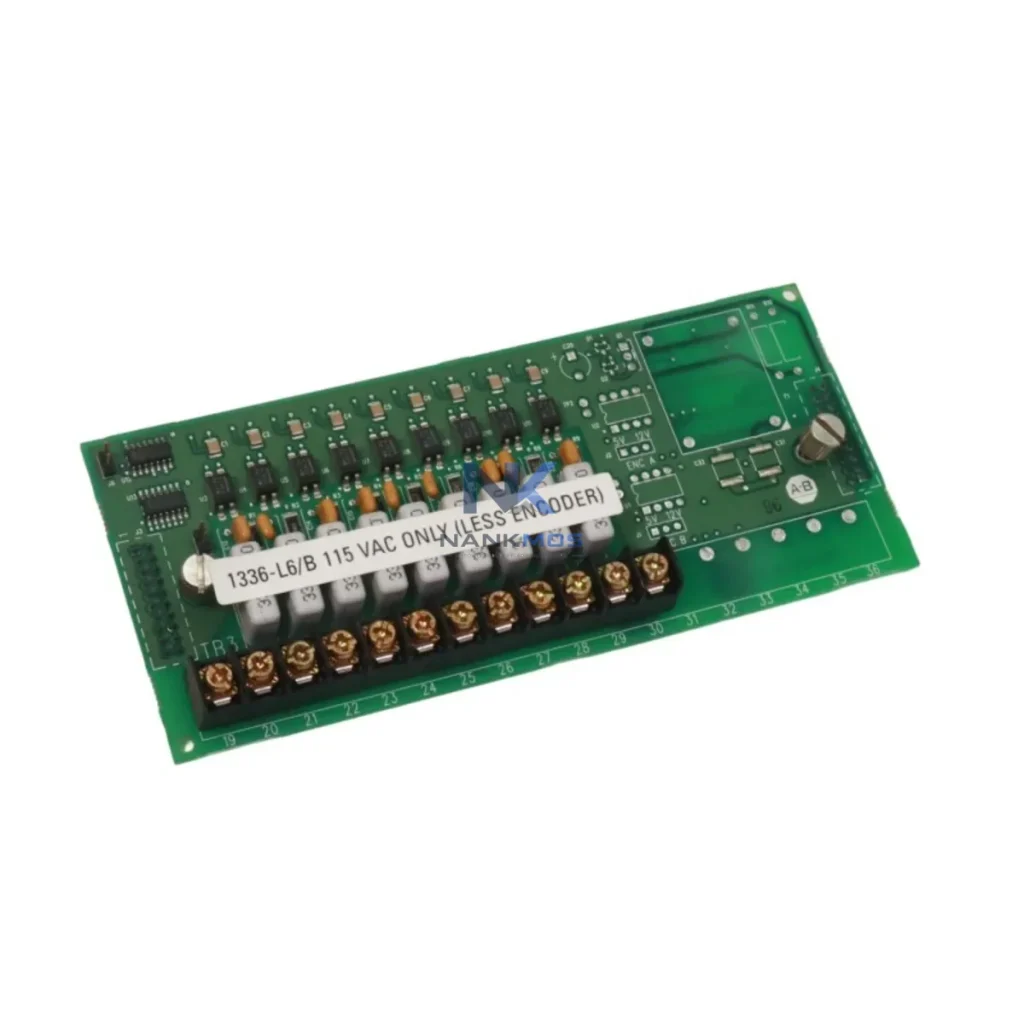
Allen-Bradley 1336-QOUT-SP19A is a NANKMOS industrial automation product record Listed under Other series series and Drives. Confirm condition, availability, lead time, compatibility and documentation by email inquiry.
| Manufacturer | Allen-Bradley |
|---|---|
| Application | Field Signal Input / Output |
| Part Number / Model | 1336-QOUT-SP19A |
| Compatible System | Confirmed by inquiry |
| Condition Options | To Confirm |
| Module Type | I/O Module |
| Warranty | 12 Months |
| Packaging | Anti-static Bag / Secure Box |
| Shipping Methods | DHL / FedEx / UPS / Air / Sea |
| Availability | To Confirm |
| Lead Time | To Confirm |
| Documentation | Part number and revision checked before quote |
The Allen-Bradley 1336-QOUT-SP19A is a transistor output assembly engineered for the 1336 VFD (Variable Frequency Drive) series, delivering reliable digital output interfacing within high-demand industrial environments. Designed to extend the control reach of Rockwell Automation drive platforms, this output assembly serves as a critical node in the smart factory data chain — bridging field-level actuator signals with upstream PLC controllers, SCADA systems, and HMI visualization layers. Whether deployed in continuous process lines, discrete manufacturing cells, or energy management networks, the 1336-QOUT-SP19A provides the output integrity and signal fidelity that modern connected factories demand.
In a fully integrated smart factory, the 1336-QOUT-SP19A operates at the intersection of drive-level control and plant-wide data visibility. The data flow begins at the field device layer, where sensors and actuators generate real-time process signals. These signals are captured and conditioned through the 1336 VFD's internal logic, with the 1336-QOUT-SP19A providing the transistor output channels needed to drive downstream actuators, contactors, and relay logic with precision timing.
From the drive layer, process data travels upward through the network backbone. In Rockwell Automation architectures, this typically involves a 1336-GM1 DeviceNet Communication Module or a 1336-BDB-SP2 Dynamic Brake Assembly working in tandem with the output assembly to maintain coordinated drive behavior. The 1336-QOUT-SP19A's output states are mapped directly into the PLC data table — typically a ControlLogix L7x or SLC 500 controller — where ladder logic or function block programs interpret output feedback for closed-loop control decisions.
At the network transport layer, DeviceNet or Remote I/O (RIO) links carry real-time I/O data between the drive and the PLC backplane. For facilities running mixed-protocol environments, an industrial protocol gateway — such as an HMS Anybus or ProSoft MVI series module — can bridge the 1336 platform's native RIO or DH+ communications into EtherNet/IP or Modbus TCP, enabling seamless integration with modern SCADA platforms like Rockwell FactoryTalk View or third-party systems such as Ignition SCADA.
HMI panels — including Allen-Bradley PanelView Plus terminals — subscribe to the drive's output status tags, displaying real-time run/fault/output states on operator screens. This visibility is essential for rapid fault response and shift-level production reporting. When the 1336-QOUT-SP19A detects an output fault condition, the alarm propagates through the PLC tag database to the SCADA alarm server, triggering notifications to maintenance teams via email or SMS — a key pillar of remote diagnostics in distributed plant environments.
For edge-level data aggregation, an industrial edge gateway (such as a Moxa UC-8100 or Advantech WISE-5000 series) can poll the PLC's output registers at configurable intervals, packaging the data into MQTT or OPC-UA payloads for transmission to cloud-based MES or ERP platforms. This architecture enables data visualization dashboards that track drive output utilization, cycle counts, and fault histories — supporting predictive maintenance strategies and OEE (Overall Equipment Effectiveness) analysis across the production line.
Power integrity for the output assembly and associated field devices is maintained through industrial DIN-rail power supplies — typically 24VDC units from the Allen-Bradley 1606 series or equivalent — ensuring stable logic-level voltages even under high-inrush load conditions. The complete data chain, from transistor output signal through PLC, network, SCADA, and edge gateway, forms the backbone of a transparent, remotely manageable smart factory node.
Many industrial sites operating legacy 1336 VFD platforms face a common set of integration challenges: protocol fragmentation, data silos between drive-level and plant-level systems, and limited remote visibility into drive output states. The 1336-QOUT-SP19A directly addresses these gaps by providing a standardized, drive-native output interface that integrates cleanly with both legacy RIO/DH+ networks and modern EtherNet/IP architectures via protocol conversion gateways.
Protocol unification: Sites running mixed Rockwell and third-party equipment often struggle with incompatible communication stacks. By pairing the 1336-QOUT-SP19A with a protocol gateway module, engineers can expose drive output data as standard Modbus registers or EtherNet/IP tags — eliminating the need for custom polling scripts or proprietary middleware.
Data silo elimination: Without proper output assembly integration, drive-level events (output faults, state changes, cycle completions) remain invisible to the SCADA layer. The 1336-QOUT-SP19A's output states, once mapped into the PLC data table, become first-class SCADA tags — enabling historians, dashboards, and alarm systems to consume drive data alongside process instrumentation.
Remote monitoring and diagnostics: Maintenance teams can remotely interrogate the PLC's output tag values to assess drive output health without physical site access. Combined with SCADA trending and alarm logging, this capability reduces mean-time-to-repair (MTTR) and supports condition-based maintenance programs.
Production line transparency: Output state logging enables shift-level production counting, cycle time analysis, and downtime attribution — providing the operational transparency required for continuous improvement initiatives and ISO-compliant production records.
System scalability: The modular architecture of the 1336 VFD platform means that additional output assemblies can be added as production lines expand, without requiring controller hardware changes. This scalability protects capital investment and simplifies future integration projects.
Q1: What communication protocols does the Allen-Bradley 1336-QOUT-SP19A support for SCADA and HMI integration? The 1336-QOUT-SP19A is a drive-mounted output assembly that interfaces natively with the 1336 VFD's internal communication architecture. The 1336 VFD platform supports DeviceNet, Remote I/O (RIO), and DH+ protocols depending on the communication module installed. For integration with modern EtherNet/IP-based SCADA or HMI systems, a protocol gateway (such as a ProSoft MVI56-DFNT or HMS Anybus module) is used to bridge legacy protocols to EtherNet/IP or Modbus TCP, enabling full SCADA/HMI visibility of output states.
Q2: How does the 1336-QOUT-SP19A contribute to remote diagnostics in distributed factory environments? The output assembly's transistor output states are mapped into the PLC data table in real time. Remote engineers can access these tags via the SCADA system or a remote PLC programming terminal (such as RSLogix 5000 or Studio 5000 over VPN) to assess output health, identify fault conditions, and verify actuator response — all without requiring physical presence at the drive panel. This capability is foundational to predictive maintenance and remote commissioning workflows.
Q3: Is the 1336-QOUT-SP19A compatible with ControlLogix and SLC 500 controller platforms? Yes. The 1336 VFD series, including the 1336-QOUT-SP19A output assembly, is designed for use within Rockwell Automation control architectures. It is compatible with SLC 500 and PLC-5 controllers via RIO/DH+ links, and can be integrated into ControlLogix systems through appropriate communication adapters or gateway modules. Always verify the specific firmware and adapter compatibility for your installation using the Rockwell Automation product compatibility matrix.
Q4: What warranty and pre-shipment testing does NANKMOS provide for the 1336-QOUT-SP19A? All Allen-Bradley 1336-QOUT-SP19A units supplied by NANKMOS carry a 12-month warranty covering manufacturing defects and functional performance. Each unit undergoes pre-shipment functional verification to confirm output channel integrity and connector condition before dispatch. In-stock units are available for fast lead times. For volume orders, RFQ inquiries, or technical pre-sales support, contact NANKMOS at [email protected] or +86 18359268345.
Functional Inspection100% tested on professional platforms to ensure stable performance.
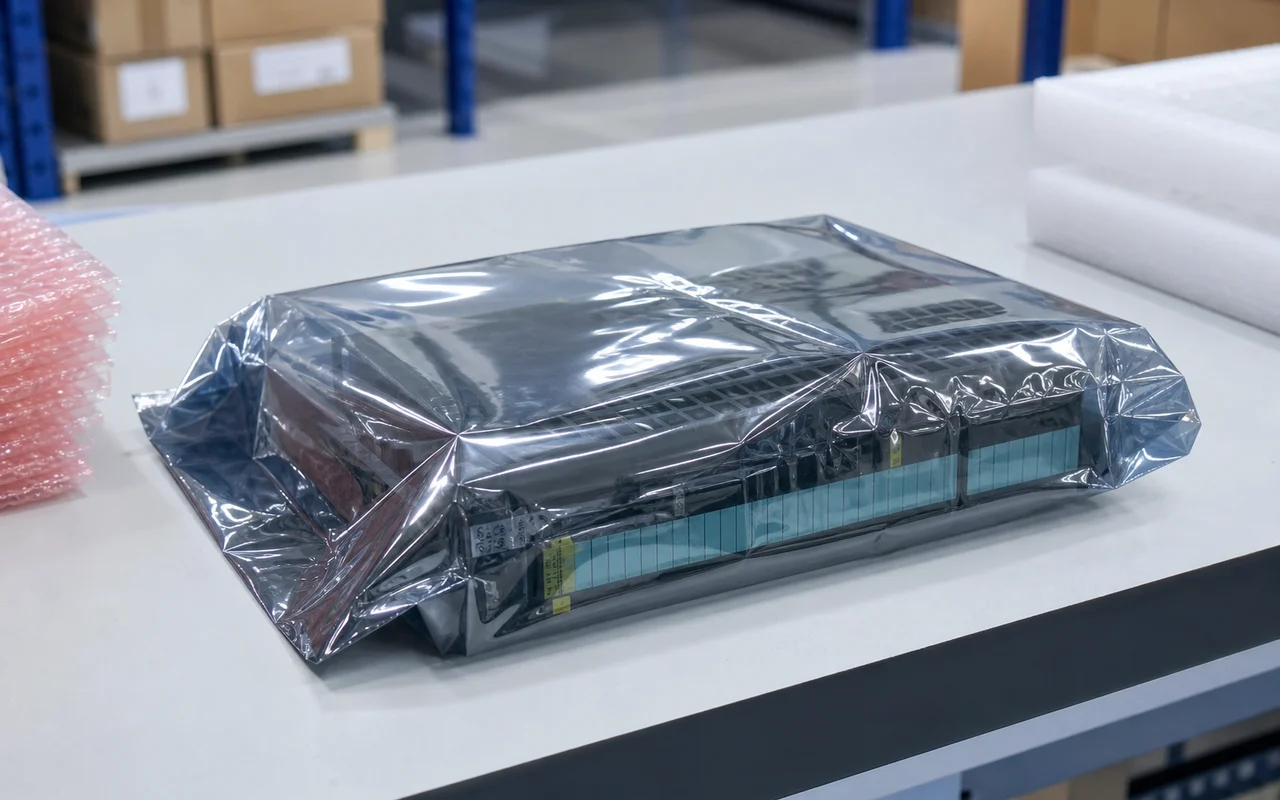 Anti-static Packaging
Modules are packed in anti-static bags to prevent electrostatic damage.
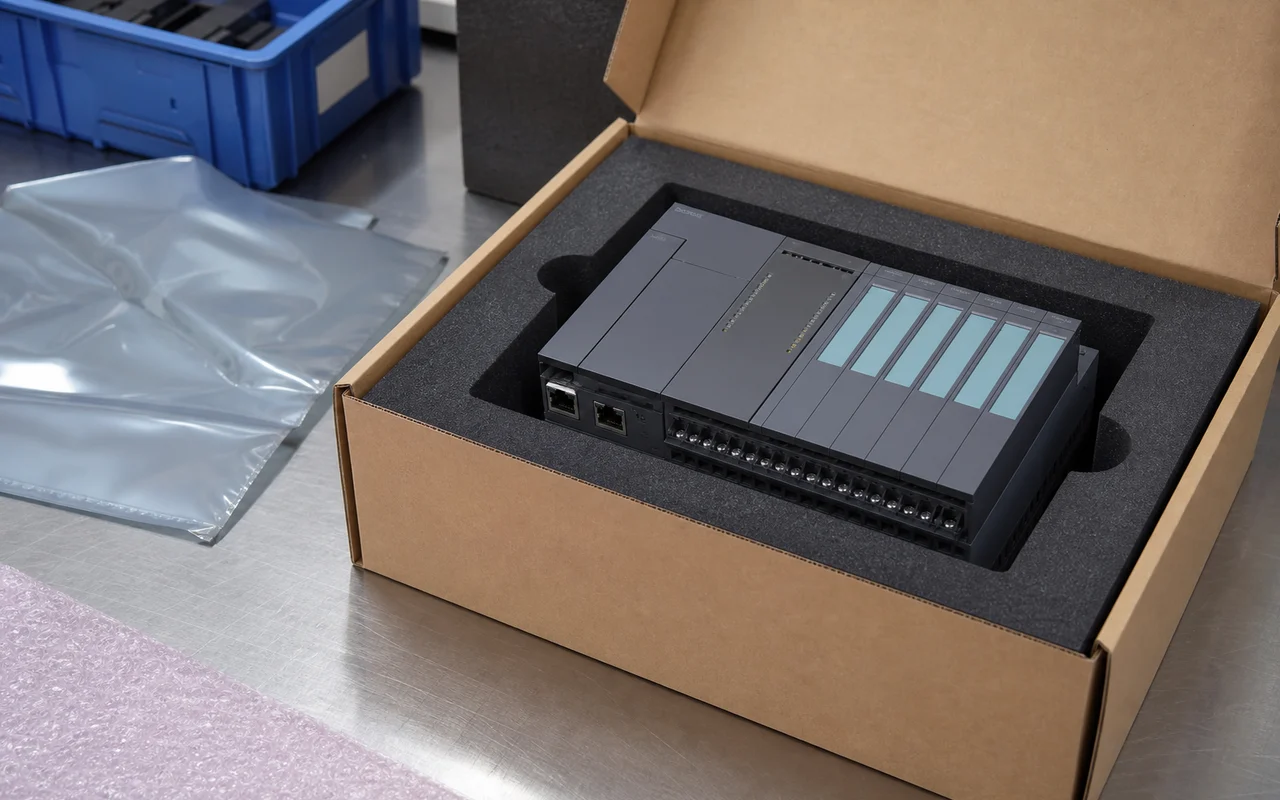 Secure Export Packing
Cushion protection and strong cartons ensure safe transportation.
 Worldwide Shipping
Global logistics network supports air, sea and express delivery.
 Documentation Check
Part number, revision and compatibility verified before shipment.
 After-sales Support
Professional technical support to help resolve your issues.