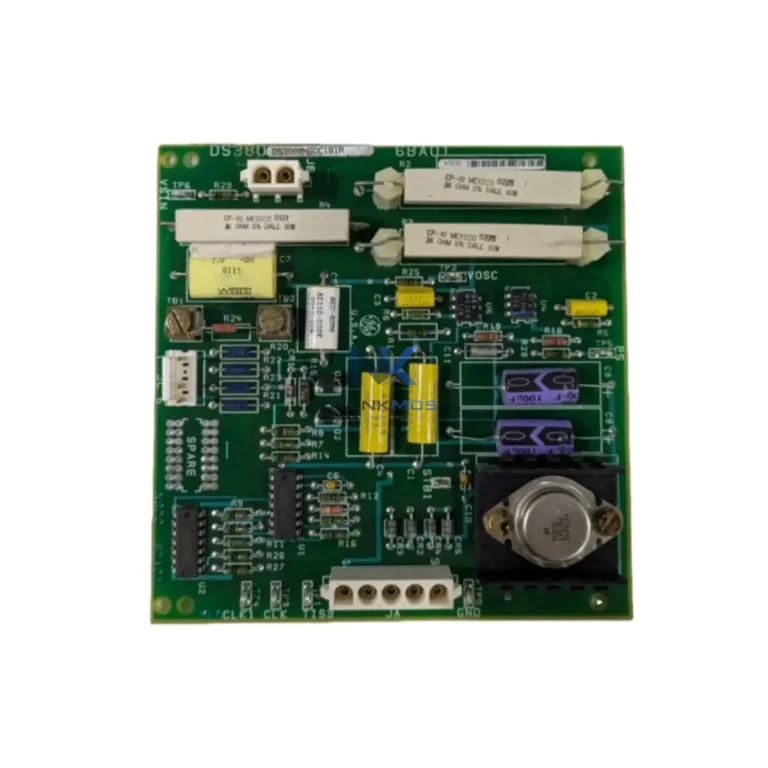
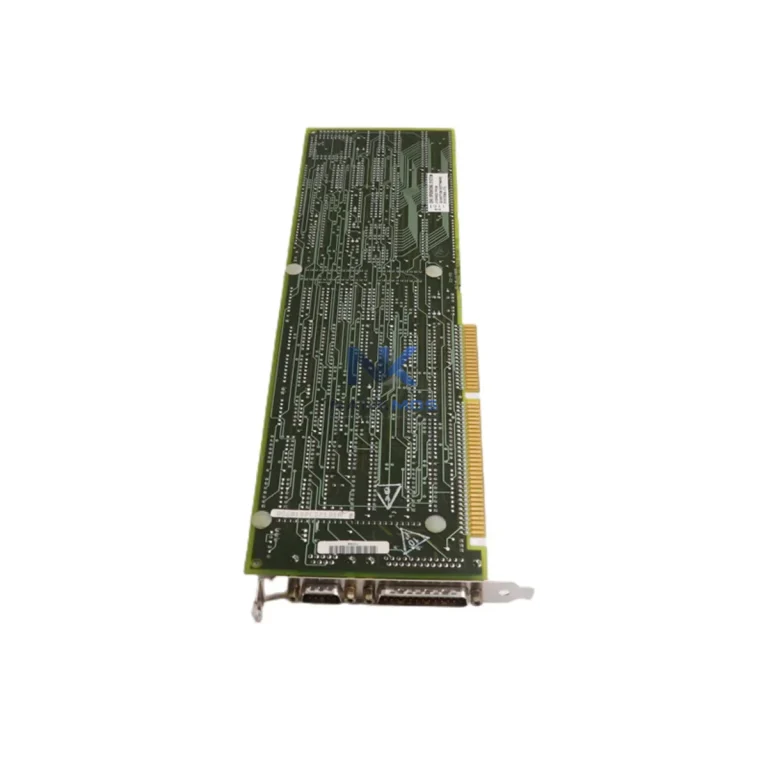
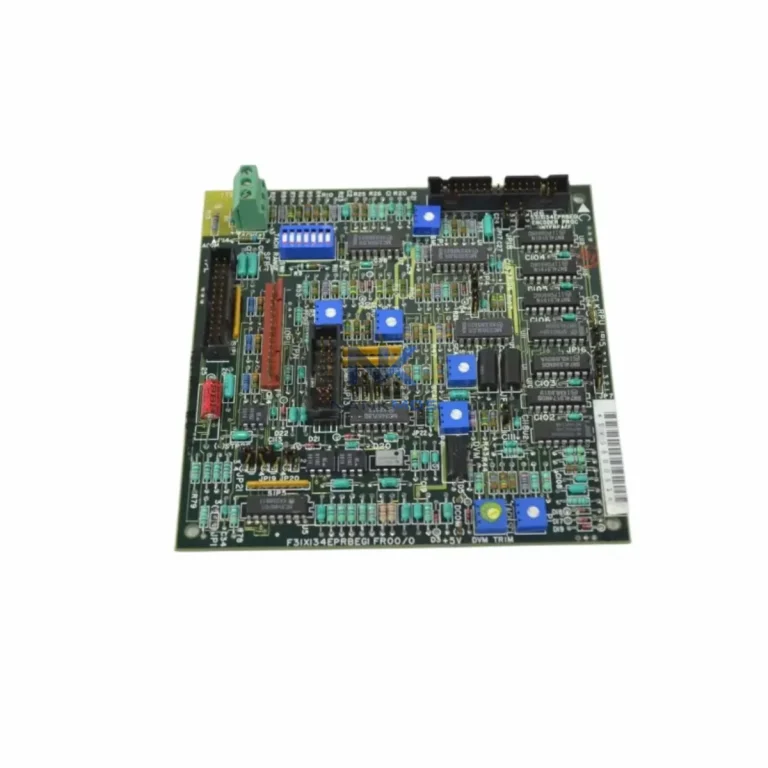
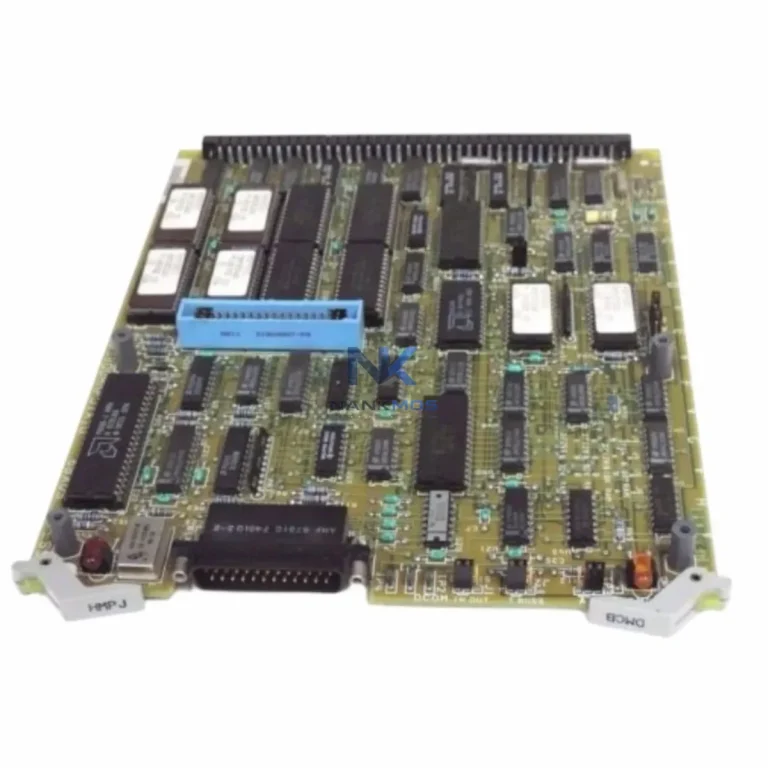
Functional Inspection
100% tested on professional platforms to ensure stable performance.
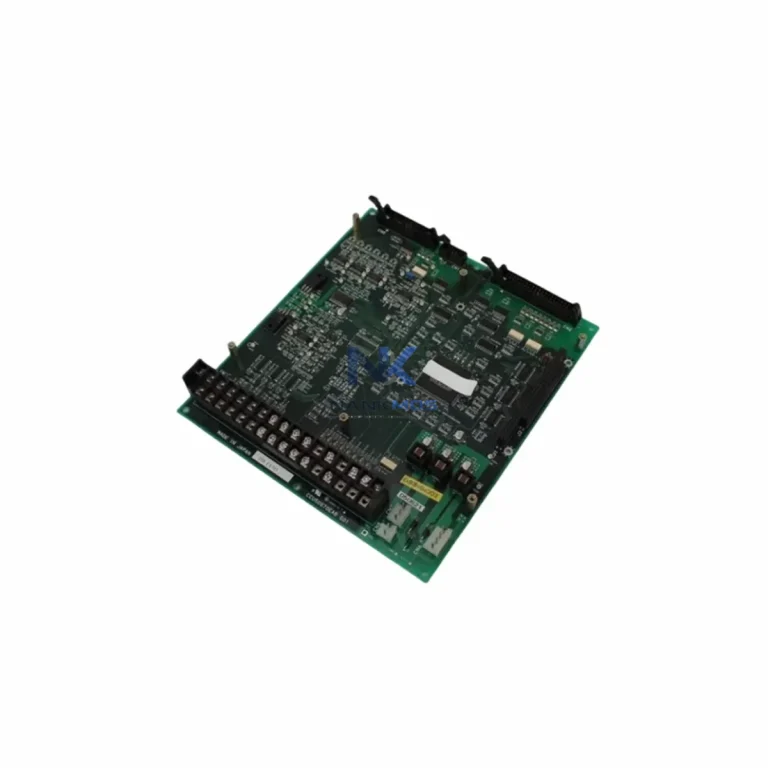
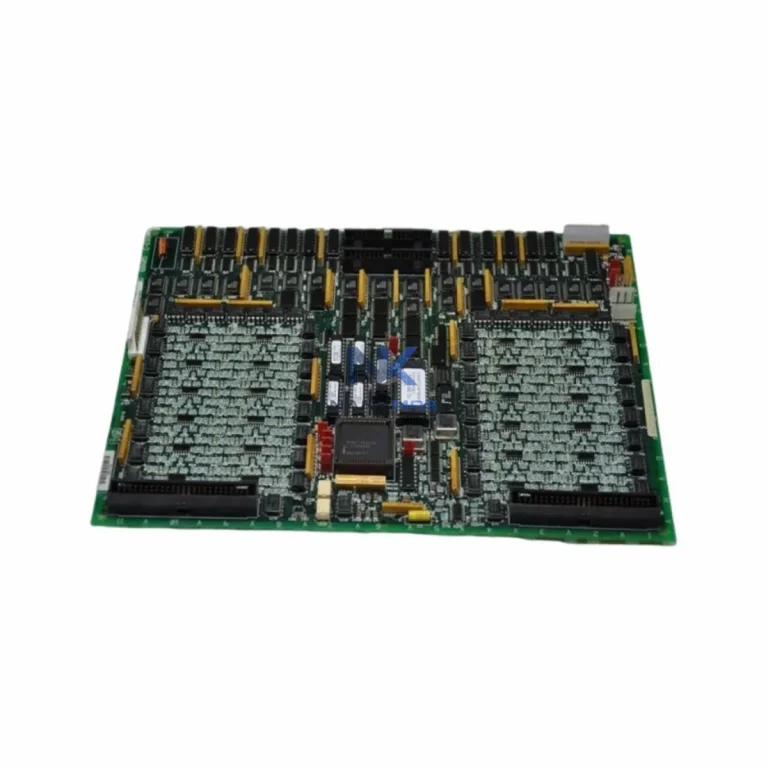
GE IS200SRTDH2ABB is a NANKMOS industrial automation product record Listed under Mark VI series and Business & Industrial > Automation, Control & Flow Devices. Confirm condition, availability, lead time, compatibility and documentation by email inquiry.
Brand names are used for identification only.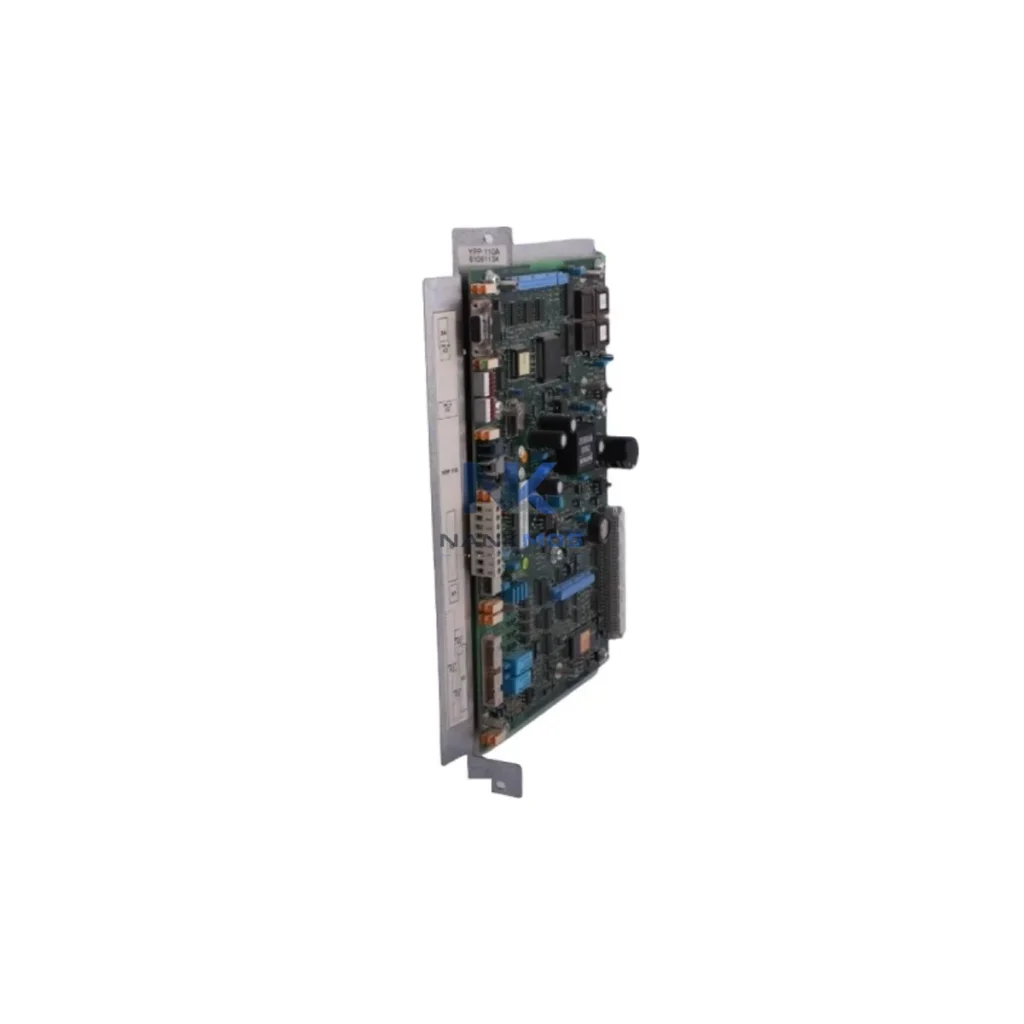
GE IS200SRTDH2ABB is a NANKMOS industrial automation product record Listed under Mark VI series and Business & Industrial > Automation, Control & Flow Devices. Confirm condition, availability, lead time, compatibility and documentation by email inquiry.
| Manufacturer | GE |
|---|---|
| Application | DCS / Control Board Replacement |
| Part Number / Model | IS200SRTDH2ABB |
| Compatible System | Mark VI |
| Series | Mark VI |
| Condition Options | To Confirm |
| Module Type | Control Board / Card |
| Warranty | 12 Months |
| Packaging | Anti-static Bag / Secure Box |
| Shipping Methods | DHL / FedEx / UPS / Air / Sea |
| Availability | To Confirm |
| Lead Time | To Confirm |
| Documentation | Part number and revision checked before quote |
The GE IS200SRTDH2ABB is a precision RTD (Resistance Temperature Detector) Terminal Board engineered for the Mark VI turbine control platform. Designed to serve as a critical signal acquisition node in industrial automation architectures, this board bridges the gap between field-level temperature sensors and the upper-layer control and monitoring systems that define modern smart factory operations. From raw signal capture at the thermocouple or RTD element, through protocol-level data conversion, to real-time visualization on SCADA dashboards, the IS200SRTDH2ABB plays a foundational role in ensuring data integrity across the entire automation chain.
In today's connected industrial environment, the ability to reliably acquire, transmit, and act on temperature data is not a peripheral concern — it is central to process stability, equipment protection, and operational transparency. The IS200SRTDH2ABB delivers on all three fronts, providing a robust, field-proven interface that supports the demanding requirements of gas turbine, steam turbine, and combined-cycle power generation facilities.
The IS200SRTDH2ABB sits at the very beginning of the smart factory data chain — the signal acquisition layer. RTD sensors installed on turbine bearings, exhaust ducts, inlet guide vanes, and lube oil systems feed analog resistance signals directly into this terminal board. The board conditions and routes these signals to the Mark VI controller modules, such as the IS200VCMIH2B (VCMI I/O controller) or the IS200VCRCG1B (VCRC controller card), which execute the real-time control logic that governs turbine operation.
Once the Mark VI controller processes the RTD data, it transmits structured process values across the IONet Ethernet control network — GE's deterministic, high-availability communication backbone for the Mark VI platform. This network connects the controller to the IS200TREGH1B (turbine regulation and excitation board) and other I/O terminal boards such as the IS200STCIH2A (thermocouple input board), enabling a unified view of all thermal and electrical parameters across the turbine train.
At the supervisory layer, an OPC-UA or OPC-DA gateway — often implemented through a dedicated industrial gateway server or an embedded edge device — translates the IONet data stream into standard protocols readable by SCADA platforms such as GE iFIX, Wonderware AVEVA System Platform, or Ignition by Inductive Automation. HMI panels installed in the control room display real-time temperature trends, alarm states, and historical logs sourced directly from the IS200SRTDH2ABB signal chain. Operators can monitor bearing temperatures, exhaust profiles, and cooling system performance from a single unified dashboard without leaving the control room.
For facilities deploying edge computing strategies, the RTD data path can be extended through an industrial edge gateway — such as a Moxa MGate or Advantech ADAM series device — which aggregates Mark VI process data alongside inputs from variable frequency drives (VFDs), pressure transmitters, vibration sensors, and flow meters. This consolidated data stream feeds into cloud-based analytics platforms or on-premise MES (Manufacturing Execution Systems), enabling predictive maintenance models that flag bearing temperature anomalies before they escalate into unplanned shutdowns.
Remote I/O expansion modules, such as the IS200SRLYH1B (relay output board) and IS200SVOAH1B (analog output board), work in concert with the IS200SRTDH2ABB to complete the closed-loop control architecture. While the RTD board acquires temperature data, the relay and analog output boards execute the corrective actions — adjusting fuel valves, activating cooling fans, or triggering protective shutdowns — based on the logic processed by the Mark VI controller. This tight integration between signal acquisition and actuation is what makes the Mark VI platform a benchmark for turbine control reliability.
Industrial Ethernet switches with managed VLAN and QoS capabilities — such as those from the Hirschmann MACH or Phoenix Contact FL SWITCH series — provide the network infrastructure that ensures IONet traffic is isolated from corporate IT networks, maintaining the deterministic performance that real-time turbine control demands. The IS200SRTDH2ABB's data, once on the IONet backbone, benefits from this managed network architecture to reach SCADA servers, historian databases, and remote diagnostic workstations with minimal latency.
Many industrial facilities operating legacy turbine control systems face a common set of challenges: fragmented data silos where temperature readings from the Mark VI platform cannot be easily accessed by plant-wide SCADA or ERP systems; protocol incompatibilities between the proprietary IONet bus and standard industrial Ethernet protocols such as Modbus TCP, PROFINET, or EtherNet/IP; and limited remote visibility into turbine thermal performance during off-hours or from remote operations centers.
The IS200SRTDH2ABB, when integrated with a properly configured OPC gateway or protocol converter, directly addresses these data gap issues. By exposing RTD process values as OPC-UA nodes, the board's data becomes accessible to any OPC-UA-compliant SCADA, historian, or analytics platform — eliminating the need for custom drivers or proprietary middleware. This open data architecture supports the gradual digitalization of legacy turbine fleets without requiring a full control system replacement.
For alarm management and remote diagnostics, the IS200SRTDH2ABB's real-time temperature data feeds into the Mark VI's built-in alarm and event logging system, which can be forwarded to remote notification platforms via email, SMS gateway, or SCADA alarm server. Maintenance teams can receive instant alerts when bearing temperatures exceed defined thresholds, enabling rapid response before equipment damage occurs. Remote diagnostic sessions — conducted via secure VPN access to the SCADA server or Mark VI toolbox software — allow engineers to review RTD trends, validate sensor calibration, and adjust alarm setpoints without dispatching field personnel.
Production line transparency is further enhanced by integrating IS200SRTDH2ABB data into digital twin models or energy management systems, where turbine thermal efficiency can be tracked against design baselines. This data-driven approach to turbine management supports both regulatory compliance reporting and continuous improvement initiatives, making the IS200SRTDH2ABB a strategic asset in any smart factory or power generation digitalization program.
Q1: What communication protocols does the GE IS200SRTDH2ABB support, and how does it integrate with SCADA systems?The IS200SRTDH2ABB communicates via the Mark VI proprietary I/O backplane bus and connects to the IONet Ethernet control network through the Mark VI controller modules. Integration with SCADA systems is achieved through OPC-DA or OPC-UA gateways, which translate IONet process data into standard industrial protocols. This allows SCADA platforms such as GE iFIX, Wonderware, or Ignition to access real-time RTD values without requiring custom protocol drivers.
Q2: How does the IS200SRTDH2ABB perform in terms of network stability and communication latency?As part of the Mark VI deterministic control architecture, the IS200SRTDH2ABB operates within a fixed scan cycle that ensures consistent, low-latency data acquisition. The IONet Ethernet backbone, when properly configured with managed industrial switches and VLAN segmentation, provides the network stability required for real-time turbine control. Communication latency from RTD signal acquisition to SCADA display is typically within the range of the Mark VI controller's scan period, ensuring operators always have current process data.
Q3: Can the IS200SRTDH2ABB support system expansion and integration with additional I/O modules or third-party devices?Yes. The Mark VI platform supports modular I/O expansion through additional terminal boards such as thermocouple input boards, analog output boards, and relay output boards, all of which share the same IONet communication infrastructure as the IS200SRTDH2ABB. Third-party device integration — including VFDs, smart sensors, and edge gateways — is supported through protocol converters or OPC gateway servers that bridge the Mark VI IONet network with Modbus TCP, PROFINET, or EtherNet/IP devices.
Q4: What pre-shipment testing and warranty coverage does NANKMOS provide for the IS200SRTDH2ABB?Every GE IS200SRTDH2ABB unit supplied by NANKMOS undergoes comprehensive pre-shipment functional testing to verify signal acquisition performance, connector integrity, and board-level communication. All units are covered by a 12-month warranty from the date of shipment. In-stock units are available for immediate dispatch, minimizing downtime for facilities requiring urgent replacement parts. For technical support or warranty claims, contact our team directly.
Functional Inspection100% tested on professional platforms to ensure stable performance.
 Anti-static Packaging
Modules are packed in anti-static bags to prevent electrostatic damage.
 Secure Export Packing
Cushion protection and strong cartons ensure safe transportation.
 Worldwide Shipping
Global logistics network supports air, sea and express delivery.
 Documentation Check
Part number, revision and compatibility verified before shipment.
 After-sales Support
Professional technical support to help resolve your issues.