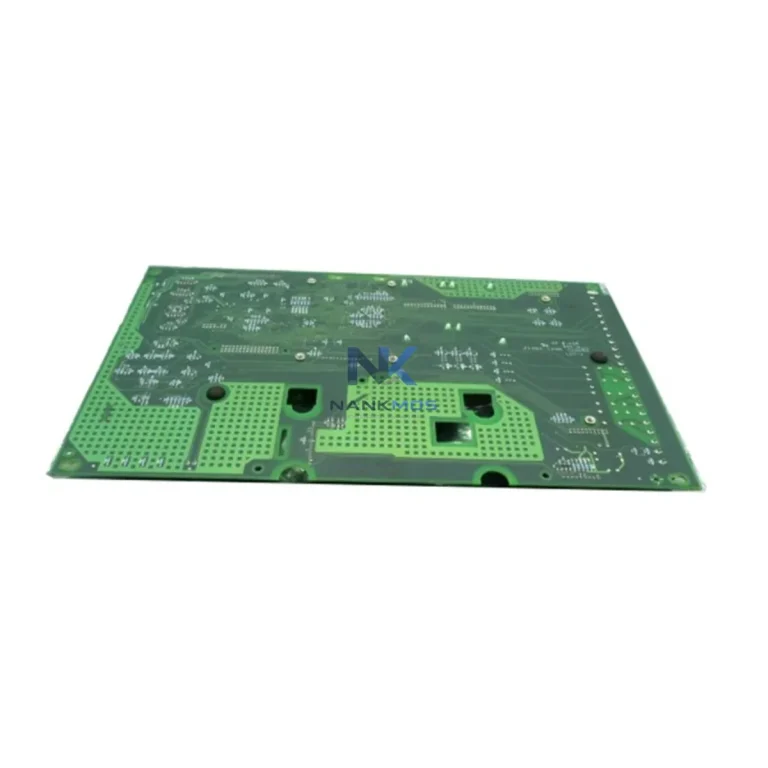
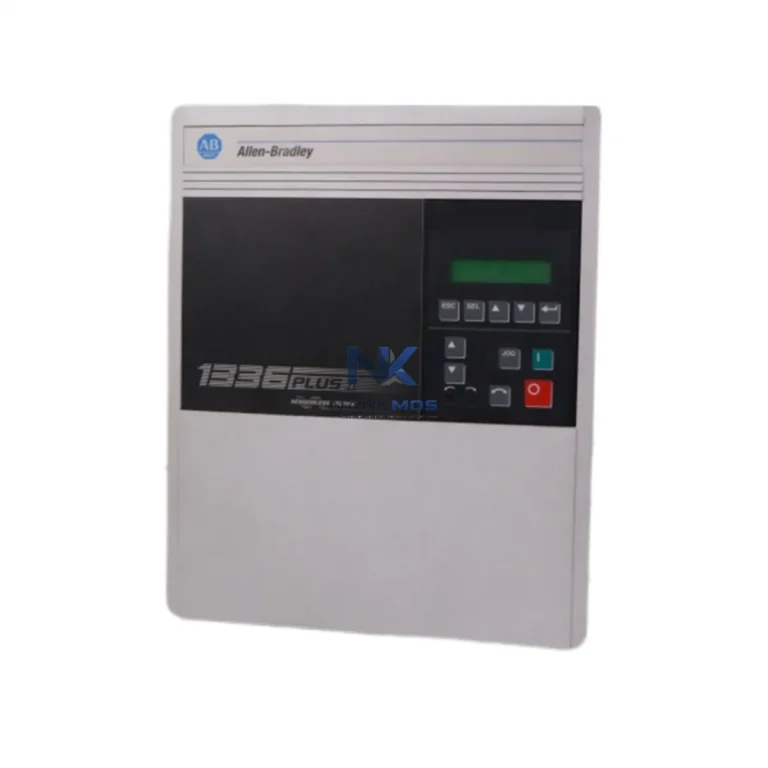
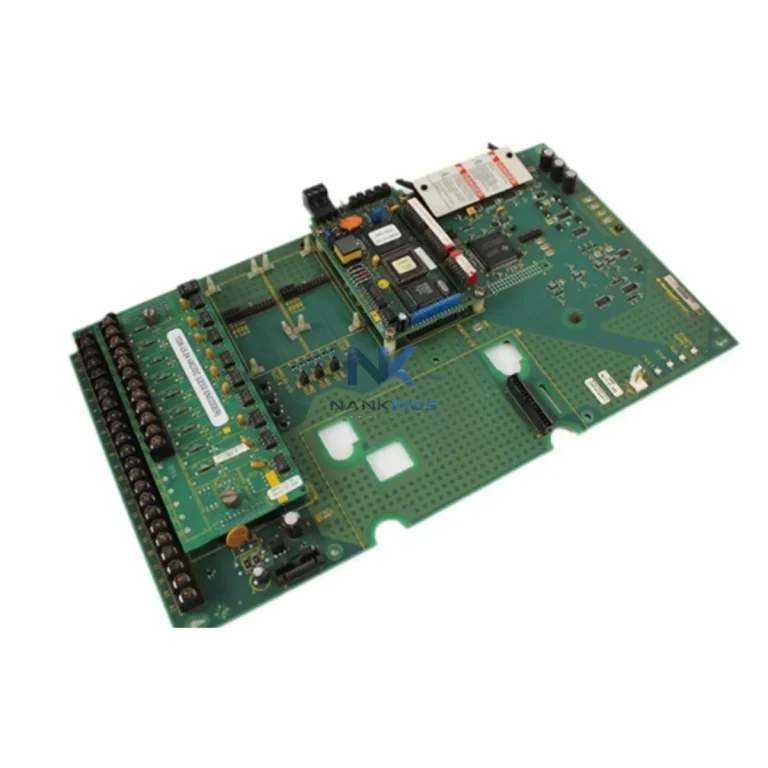
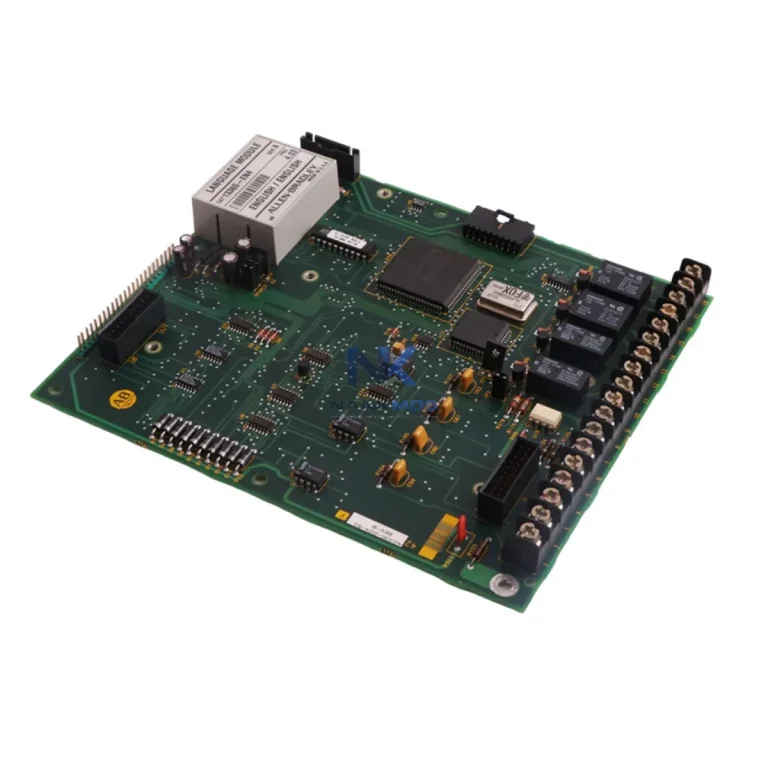
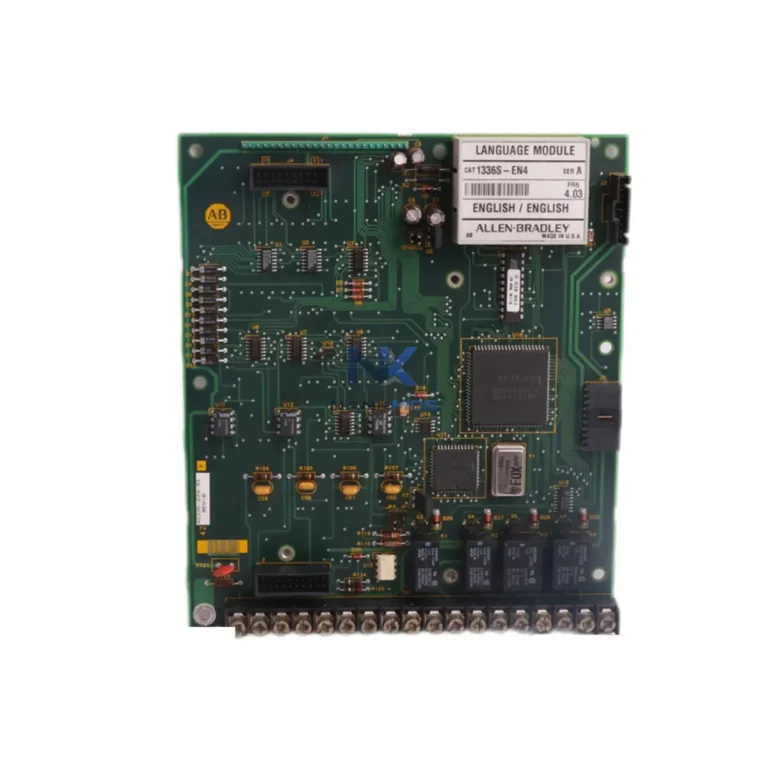
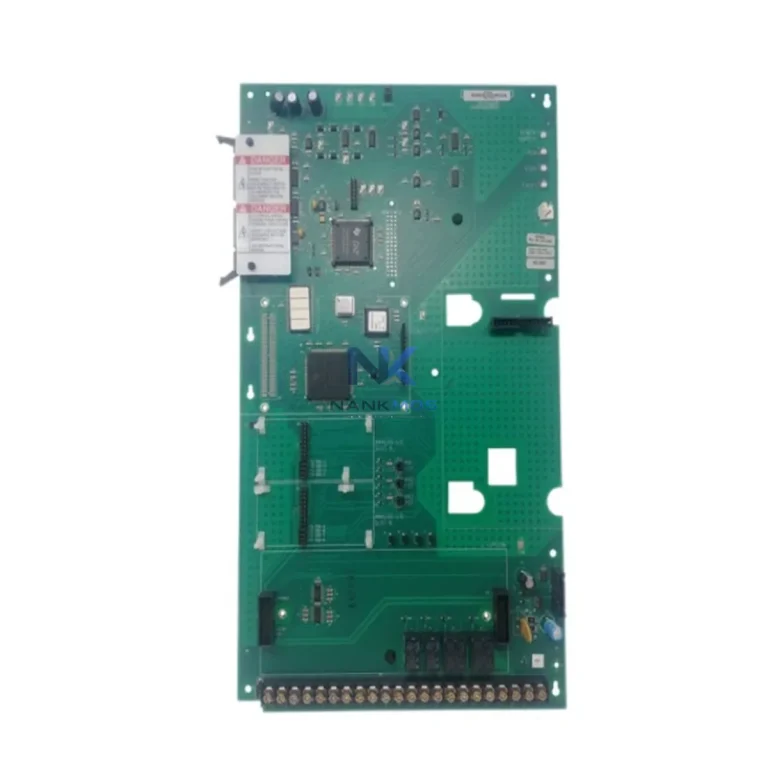
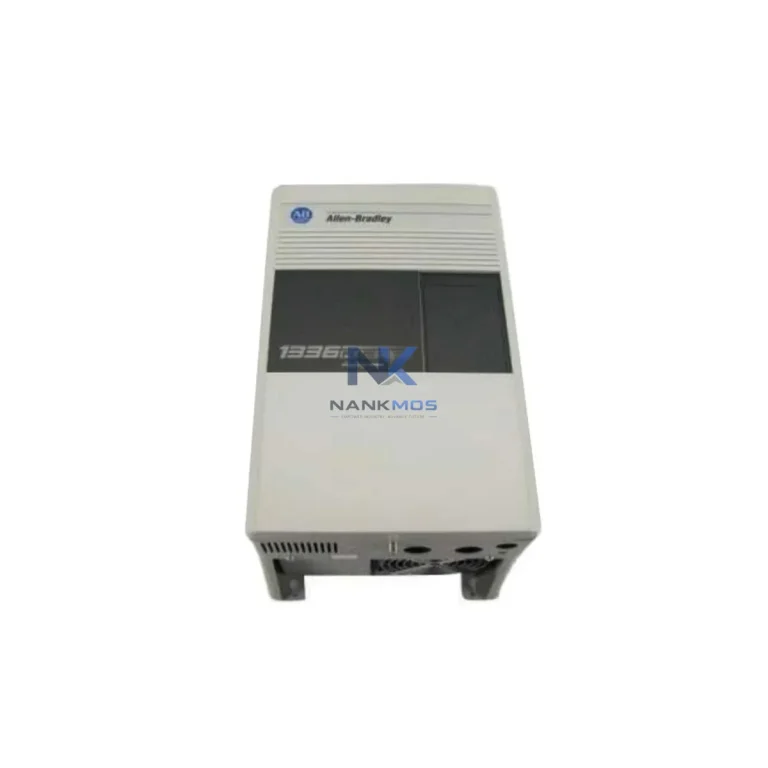
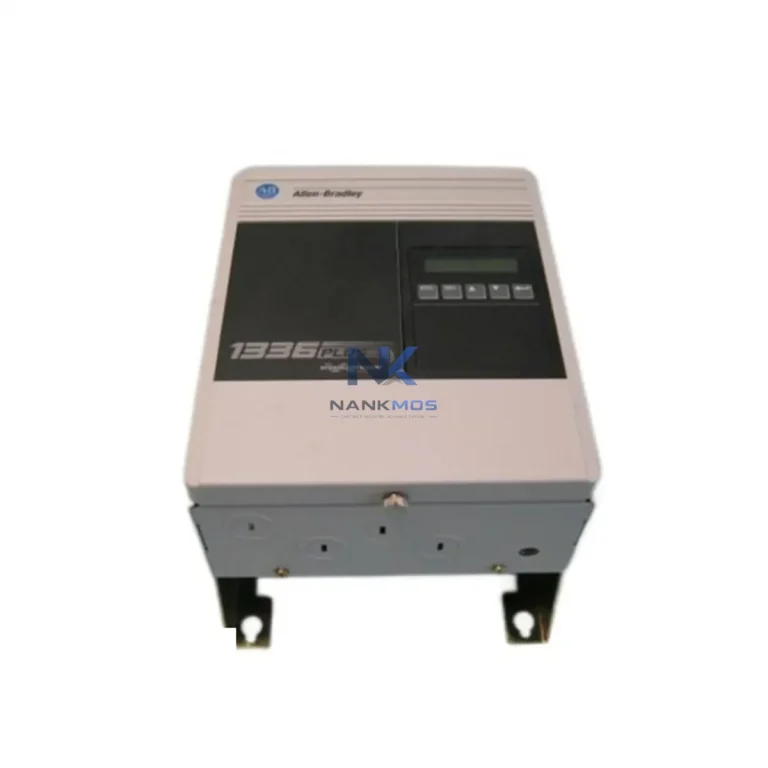
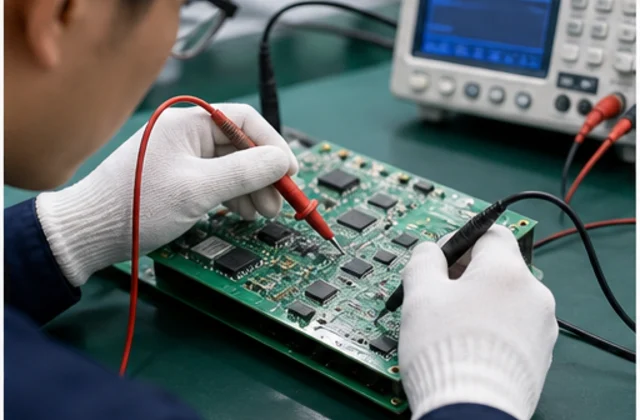
 Functional Inspection
100% tested on professional platforms to ensure stable performance.
Allen-Bradley 1756-DMD30 is a NANKMOS industrial automation product record Listed under ControlLogix series and Drives. Confirm condition, availability, lead time, compatibility and documentation by email inquiry.
Brand names are used for identification only.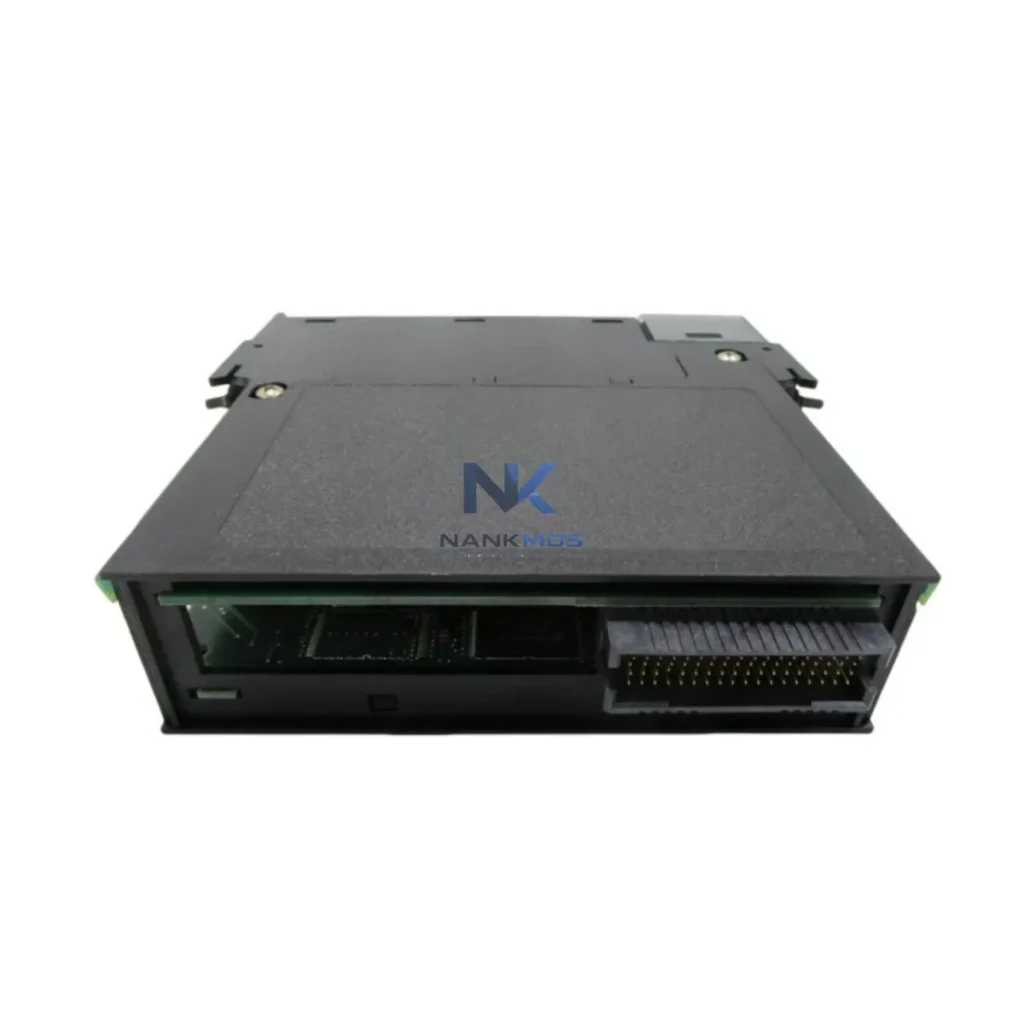
Allen-Bradley 1756-DMD30 is a NANKMOS industrial automation product record Listed under ControlLogix series and Drives. Confirm condition, availability, lead time, compatibility and documentation by email inquiry.
| Manufacturer | Allen-Bradley |
|---|---|
| Application | Motion Control & Drive System |
| Part Number / Model | 1756-DMD30 |
| Compatible System | ControlLogix |
| Series | ControlLogix |
| Condition Options | To Confirm |
| Module Type | Servo / Drive Module |
| Warranty | 12 Months |
| Packaging | Anti-static Bag / Secure Box |
| Shipping Methods | DHL / FedEx / UPS / Air / Sea |
| Availability | To Confirm |
| Lead Time | To Confirm |
| Documentation | Part number and revision checked before quote |
The Allen-Bradley 1756-DMD30 is a high-performance drive module engineered for the ControlLogix platform, purpose-built to deliver precise energy control across demanding industrial production environments. Designed to integrate seamlessly within Rockwell Automation's 1756 chassis ecosystem, the 1756-DMD30 enables real-time motor control, dynamic load management, and measurable reductions in energy consumption — making it a cornerstone component for factories pursuing leaner, more efficient operations.
In modern production lines where energy costs and equipment uptime directly impact profitability, the 1756-DMD30 provides the granular drive control needed to eliminate wasteful motor operation, reduce thermal stress on connected equipment, and maintain consistent production throughput. Whether deployed in continuous process manufacturing, discrete assembly, or hybrid production environments, this drive module delivers the responsiveness and reliability that industrial energy optimization demands.
The 1756-DMD30 is engineered to operate as an integral node within a fully coordinated power-aware automation architecture. When paired with a ControlLogix L7x or L8x series PAC running Studio 5000 Logix Designer, the module receives real-time process data and translates control logic into precise drive commands — eliminating the lag and energy waste associated with fixed-speed motor operation.
In a typical energy-optimized cell, the 1756-DMD30 works alongside PowerFlex 755 or PowerFlex 525 variable frequency drives to modulate motor speed in direct proportion to actual load demand. Rather than running motors at full capacity during low-demand intervals, the drive module enables dynamic speed scaling that can reduce motor energy consumption by 20–40% in variable-torque applications such as pumps, fans, and conveyors.
For power quality monitoring, the 1756-DMD30 integrates with Allen-Bradley 1715 Redundant I/O modules and PowerMonitor 5000 power monitoring units to provide continuous visibility into real-time energy draw, power factor, and harmonic distortion. This data feeds directly into the ControlLogix PAC, enabling closed-loop energy management without requiring a separate SCADA layer for basic load balancing decisions.
On the field device side, the module coordinates with 1756-IB16 digital input modules and 1756-OB16E digital output modules to receive feedback from proximity sensors, encoder signals, and motor thermal protection relays. This I/O integration ensures the drive module can respond to equipment state changes — such as a conveyor jam or motor overtemperature condition — within a single scan cycle, preventing energy waste from sustained fault conditions.
For facilities running Rockwell's FactoryTalk View SE HMI platform, the 1756-DMD30 exposes drive status tags directly to operator displays, enabling production staff to monitor motor load, drive efficiency, and energy consumption trends without leaving the HMI interface. When integrated with FactoryTalk EnergyMetrix or a third-party SCADA system via EtherNet/IP, the module's operational data becomes part of a plant-wide energy dashboard — supporting ISO 50001 energy management initiatives and continuous improvement programs.
The 1756-DMD30 addresses one of the most persistent sources of energy waste in industrial facilities: motors and drives operating at fixed speeds regardless of actual process demand. By enabling demand-responsive drive control within the ControlLogix environment, the module allows production engineers to implement load-shedding strategies, staggered motor start sequences, and regenerative braking profiles that collectively reduce peak energy demand and smooth out power consumption curves across shifts.
Thermal load reduction is a direct byproduct of more efficient drive operation. When motors run closer to their optimal operating point — rather than at full rated speed under partial load — heat generation decreases proportionally. This reduces the burden on facility cooling systems, extends motor winding insulation life, and lowers the frequency of thermal-related shutdowns that disrupt production schedules. In high-density panel environments where multiple drives operate in close proximity, the cumulative thermal benefit of optimized drive control can meaningfully reduce HVAC energy costs.
Production line throughput stability is another key benefit. The 1756-DMD30's tight integration with the ControlLogix PAC allows drive parameters to be adjusted in real time based on upstream and downstream process conditions — maintaining consistent line speed and product quality even as raw material properties or environmental conditions vary. This reduces the need for manual operator intervention, minimizes scrap rates associated with speed fluctuations, and supports predictable cycle times that are essential for just-in-time manufacturing environments.
For maintenance teams, the module's diagnostic data — accessible via RSLinx Classic or FactoryTalk Diagnostics — provides early warning indicators for drive degradation, motor insulation breakdown, and bearing wear. Integrating these signals into a predictive maintenance workflow allows facilities to schedule interventions during planned downtime windows rather than responding reactively to unplanned failures, further improving overall equipment effectiveness (OEE) and reducing the energy cost of restart cycles after emergency stops.
Every 1756-DMD30 unit supplied by NANKMOS is sourced from verified supply channels, undergoes pre-shipment functional testing, and is backed by a 12-month warranty. In-stock units are available for immediate dispatch, supporting fast replacement timelines for facilities that cannot tolerate extended drive downtime.
Q1: What energy savings can I realistically expect from deploying the 1756-DMD30 in a variable-torque application? In variable-torque applications such as centrifugal pumps, fans, and conveyors, demand-responsive drive control typically delivers 20–40% reductions in motor energy consumption compared to fixed-speed operation. Actual savings depend on load profile, duty cycle, and the baseline efficiency of the existing motor and drive system. The 1756-DMD30's integration with ControlLogix PAC logic enables precise load matching that maximizes these savings across varying production conditions.
Q2: Is the 1756-DMD30 compatible with my existing ControlLogix chassis and Studio 5000 project? The 1756-DMD30 is designed for the Allen-Bradley 1756 ControlLogix chassis family and is supported within Studio 5000 Logix Designer. Compatibility with your specific chassis revision and firmware version should be confirmed against the Rockwell Automation product compatibility matrix. NANKMOS technical support can assist with compatibility verification prior to purchase.
Q3: Can the 1756-DMD30 replace an existing drive module in a running production line without a full system reconfiguration? In most cases, the 1756-DMD30 can be installed as a drop-in replacement within an existing 1756 chassis slot, provided the replacement module matches the original module's I/O configuration and firmware requirements. Pre-shipment testing ensures the unit is operationally verified before it reaches your facility. A brief commissioning step in Studio 5000 is typically required to restore the module's configuration from the existing project file.
Q4: What does the 12-month warranty cover, and how is the testing process conducted? Every 1756-DMD30 unit supplied by NANKMOS undergoes functional testing prior to shipment, verifying communication integrity, I/O response, and drive control output under simulated load conditions. The 12-month warranty covers manufacturing defects and functional failures under normal operating conditions. Units that fail during the warranty period are eligible for replacement or repair, subject to standard RMA procedures. Contact [email protected] for warranty claims and technical support.
Functional Inspection100% tested on professional platforms to ensure stable performance.
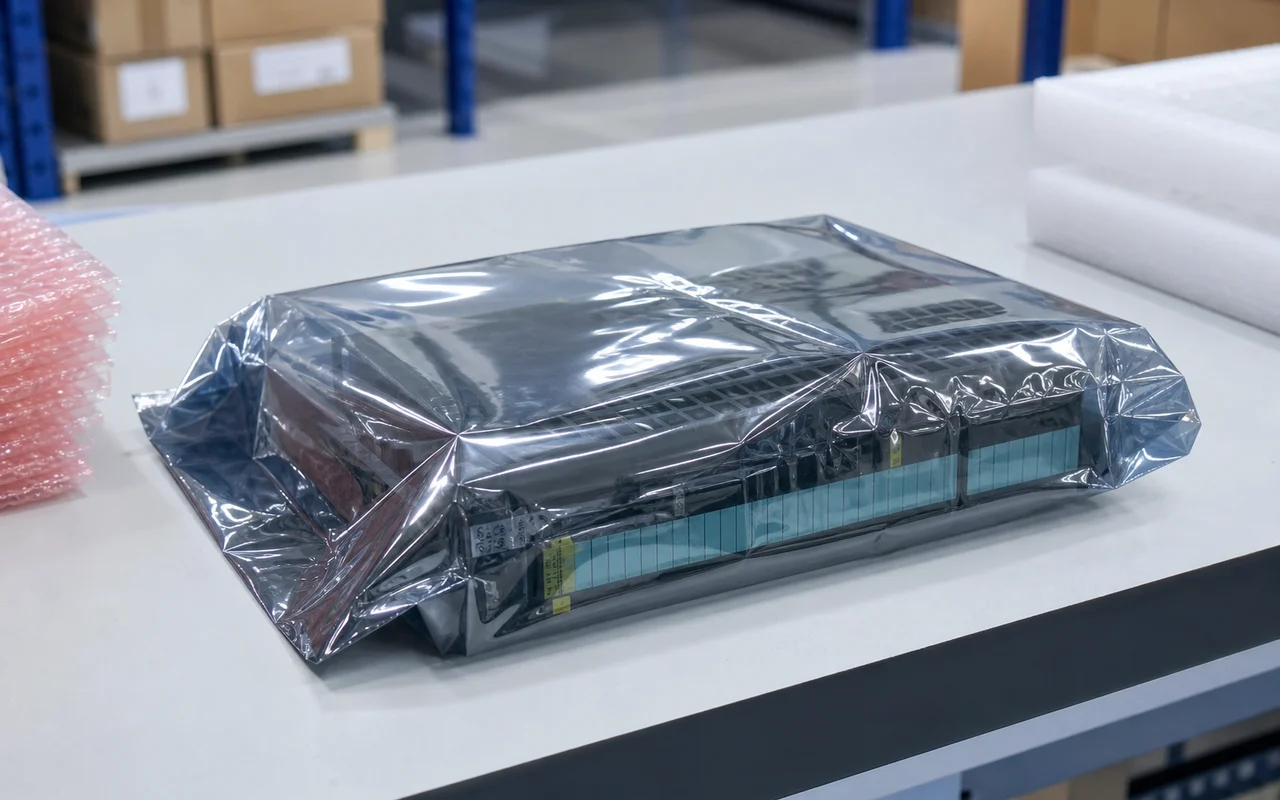 Anti-static Packaging
Modules are packed in anti-static bags to prevent electrostatic damage.
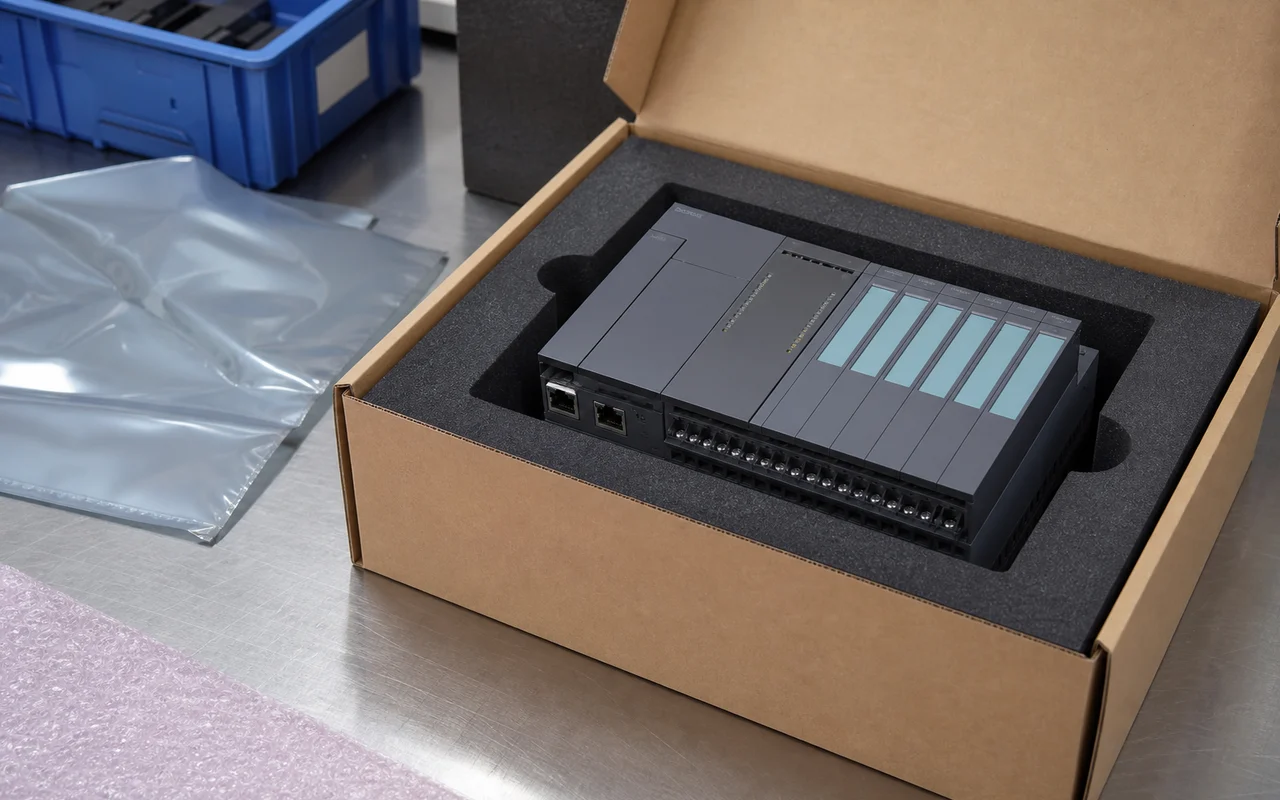 Secure Export Packing
Cushion protection and strong cartons ensure safe transportation.
 Worldwide Shipping
Global logistics network supports air, sea and express delivery.
 Documentation Check
Part number, revision and compatibility verified before shipment.
 After-sales Support
Professional technical support to help resolve your issues.