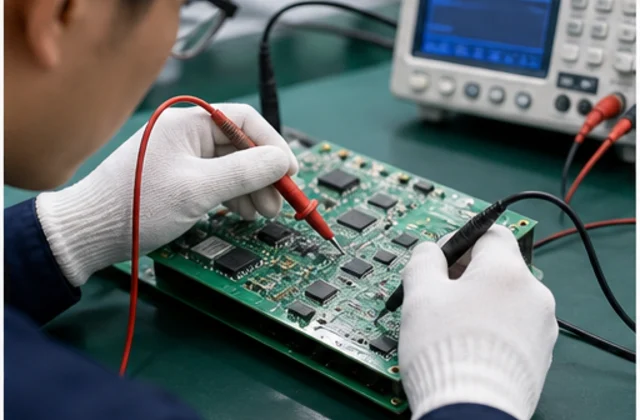
 Functional Inspection
100% tested on professional platforms to ensure stable performance.
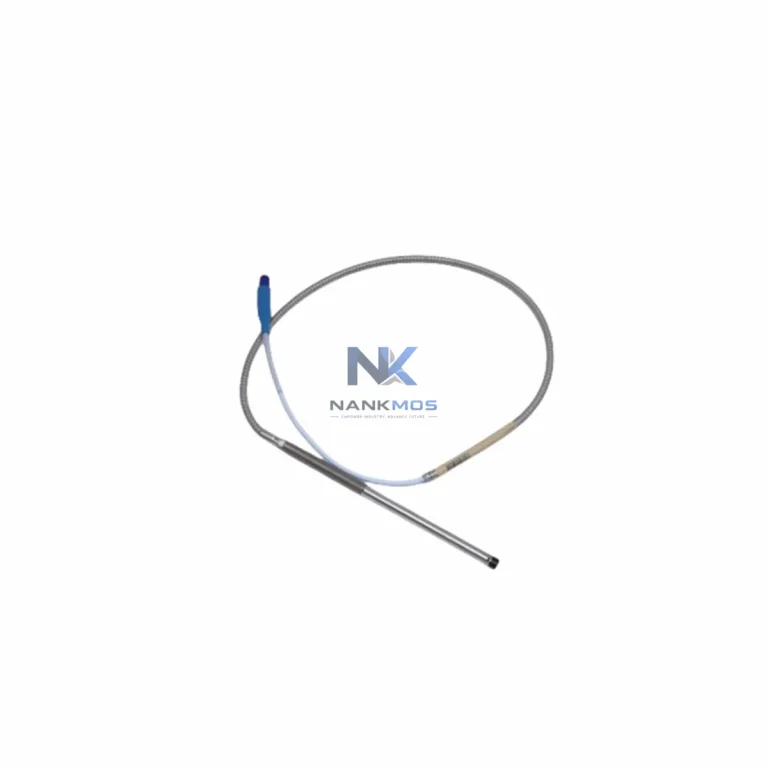
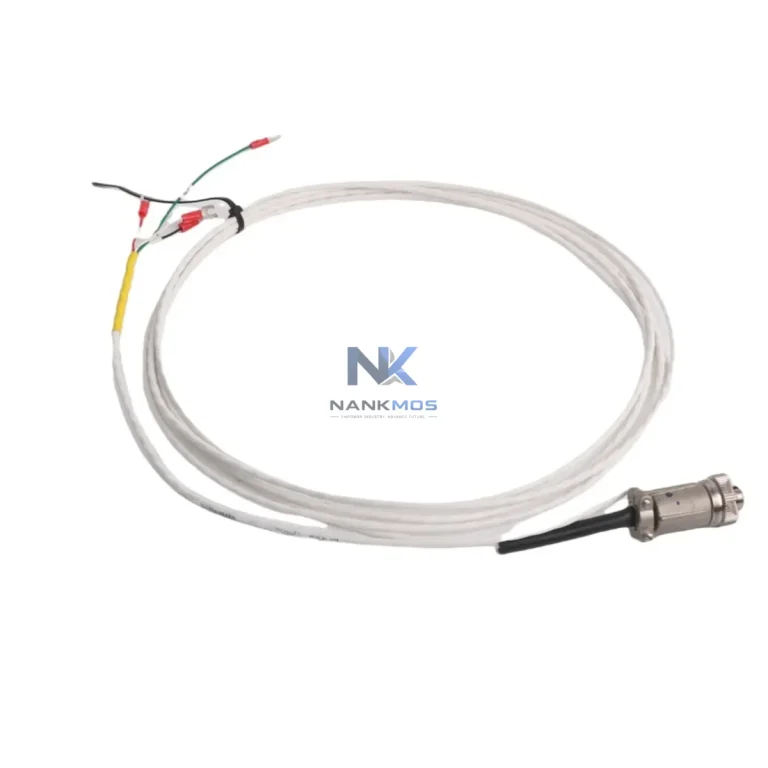
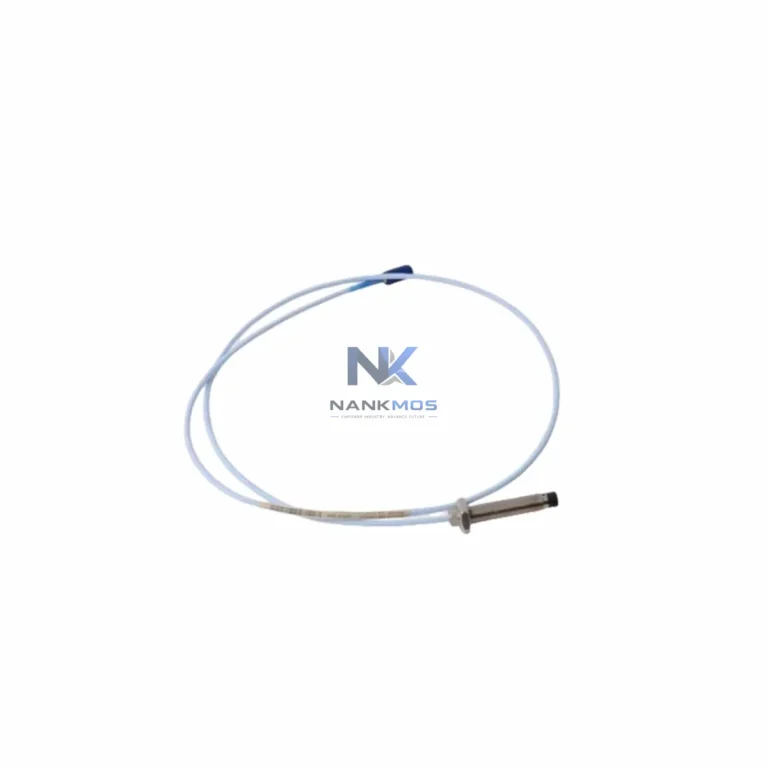
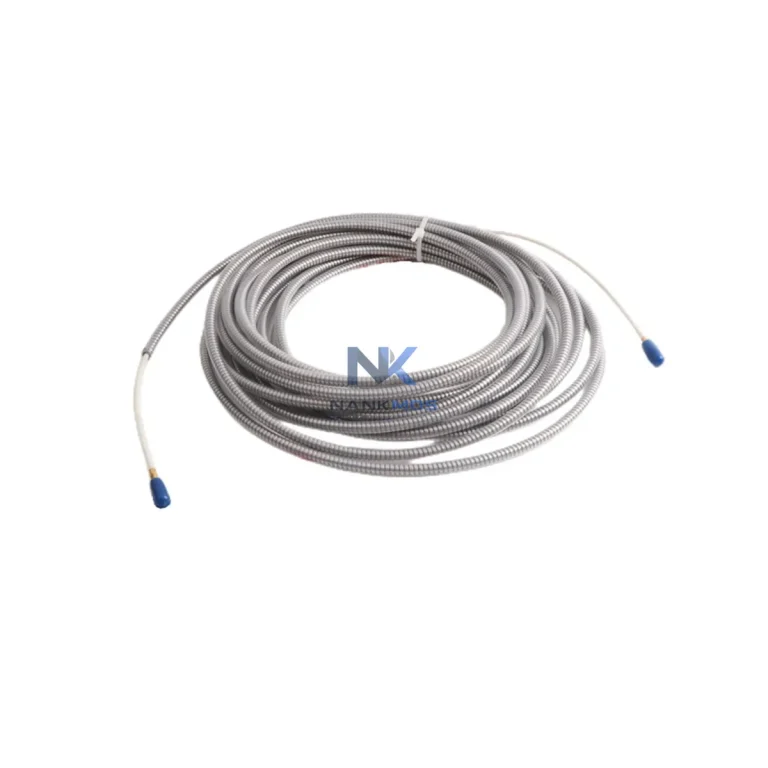
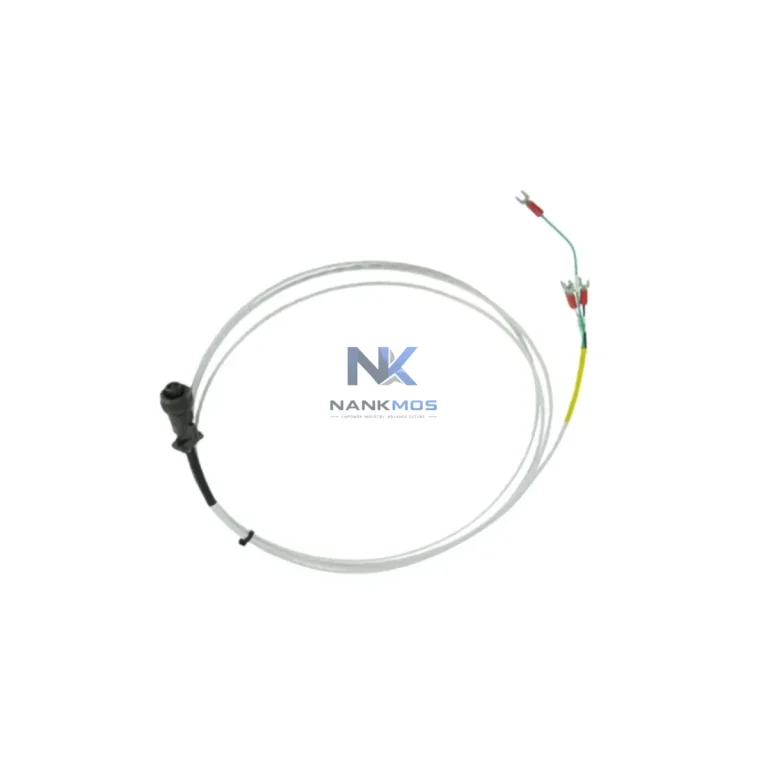
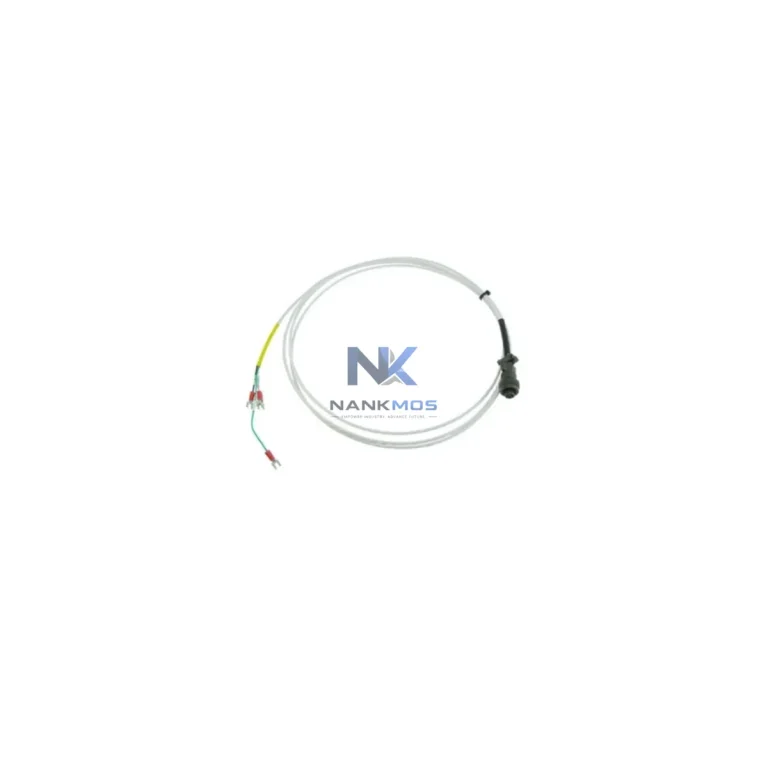
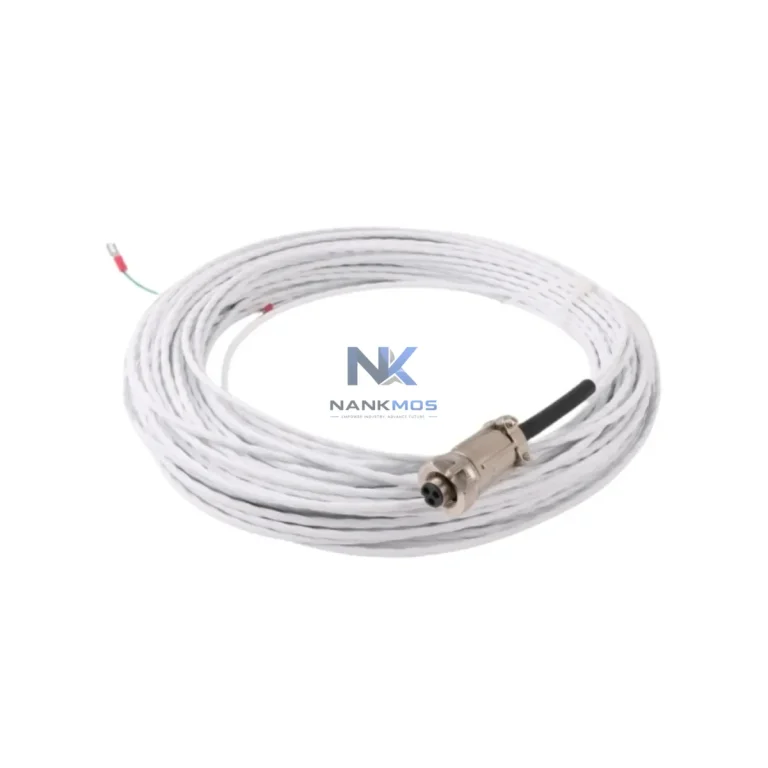
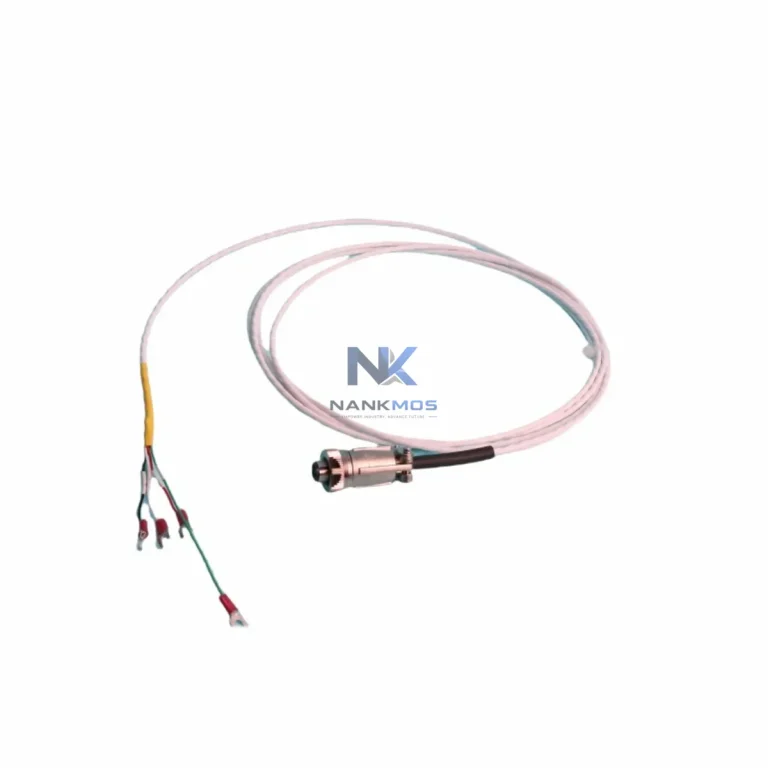
Bently Nevada 16710-65 is a NANKMOS industrial automation product record Listed under 3300 Series series and Cables & Connectors. Confirm condition, availability, lead time, compatibility and documentation by email inquiry.
Brand names are used for identification only.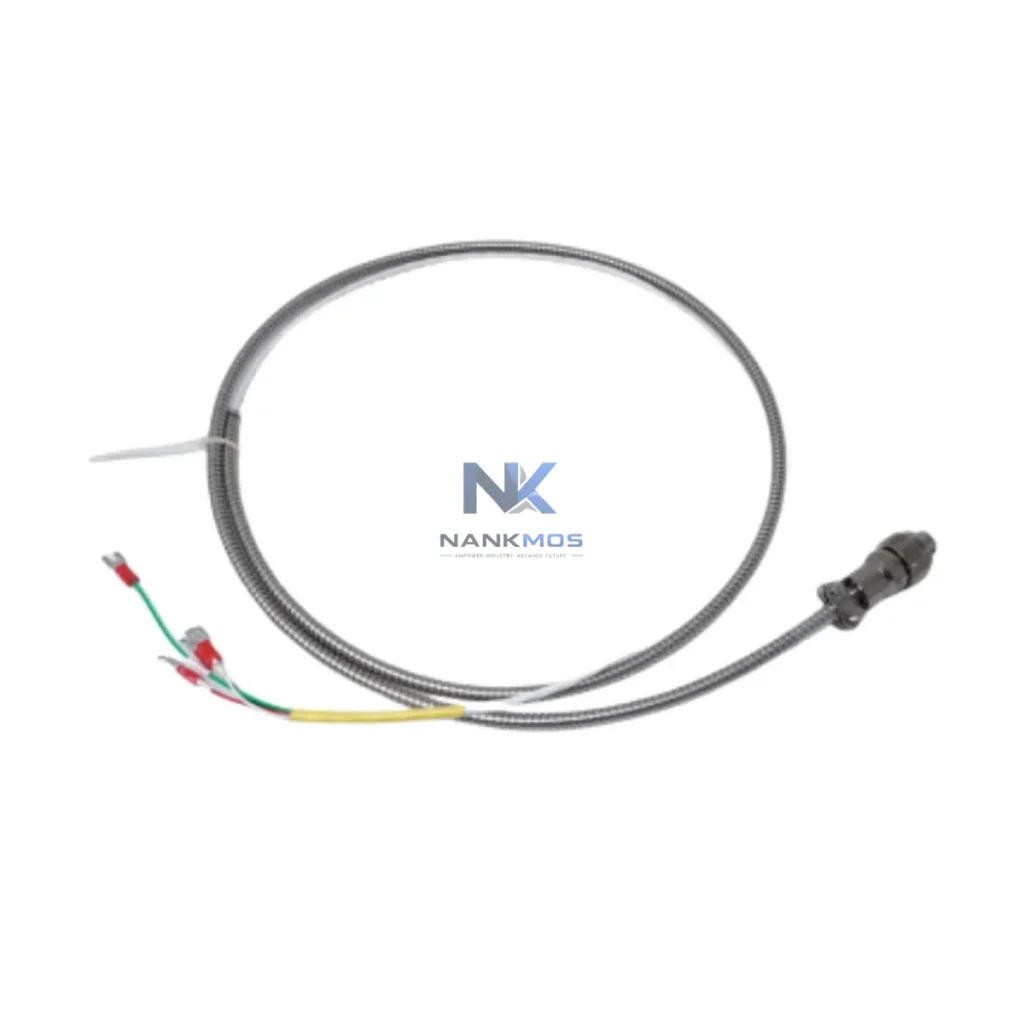
Bently Nevada 16710-65 is a NANKMOS industrial automation product record Listed under 3300 Series series and Cables & Connectors. Confirm condition, availability, lead time, compatibility and documentation by email inquiry.
| Manufacturer | Bently Nevada |
|---|---|
| Application | Turbine & Condition Monitoring |
| Part Number / Model | 16710-65 |
| Compatible System | 3300 Series |
| Series | 3300 Series |
| Condition Options | To Confirm |
| Module Type | Monitoring Module |
| Warranty | 12 Months |
| Packaging | Anti-static Bag / Secure Box |
| Shipping Methods | DHL / FedEx / UPS / Air / Sea |
| Availability | To Confirm |
| Lead Time | To Confirm |
| Documentation | Part number and revision checked before quote |
The Bently Nevada 16710-65 Interconnect Cable is a precision-engineered signal transmission component purpose-built for the Bently Nevada 3300 Series vibration monitoring platform. In modern smart factory environments, reliable signal integrity between field-mounted proximity probes, transducer drivers, and centralized monitoring modules is not optional — it is the foundation of every predictive maintenance strategy. The 16710-65 delivers exactly that: a shielded, low-noise interconnect path that preserves the fidelity of eddy-current displacement signals from rotating machinery all the way to the monitoring rack.
Within a connected factory data architecture, the 16710-65 serves as the critical first link in the vibration data chain. Proximity probes mounted on turbines, compressors, pumps, and motors generate analog displacement signals that must travel without distortion to the Bently Nevada 3300/16 Monitor or 3300/55 Dual Voting Trip modules housed in the monitoring rack. Any impedance mismatch, ground loop, or shield discontinuity at this stage corrupts the raw signal before it ever reaches the signal conditioning layer — making the quality of the interconnect cable directly responsible for measurement accuracy across the entire predictive maintenance loop.
Once the conditioned vibration signal reaches the monitoring module, it is digitized and passed upstream through the rack backplane to the Bently Nevada 3500 System Interface Module (SIM) or a dedicated Modbus TCP / OPC-UA gateway, where it becomes part of the plant-wide data stream. From there, SCADA platforms such as GE iFIX, Wonderware AVEVA, or Ignition SCADA ingest real-time vibration amplitude, phase, and gap voltage values for trend analysis, alarm management, and equipment health dashboards. The 16710-65 is the physical enabler of this entire digital chain — without a verified, specification-compliant interconnect cable, none of the downstream intelligence is trustworthy.
In installations where the Bently Nevada 3300 XL 8mm Proximity Transducer System is deployed alongside the 16710-65, the cable's shielding architecture is especially important. The 3300 XL driver outputs a high-frequency carrier signal that is highly sensitive to capacitive coupling and electromagnetic interference from adjacent VFD (variable frequency drive) power cables or servo motor wiring. Proper cable routing, combined with the 16710-65's integral shield termination, ensures that the eddy-current signal remains clean across cable runs typical of large rotating machinery installations.
For facilities running Bently Nevada System 1 Condition Monitoring Software, the 16710-65 supports seamless data continuity from the probe tip to the software's asset health dashboard. System 1 aggregates vibration vectors, orbit plots, Bode diagrams, and waterfall spectra — all of which depend on the analog signal quality preserved by the interconnect cable. When integrated with a Bently Nevada 3500/92 Communication Gateway Module, the digitized vibration data can be forwarded over Ethernet/IP or Modbus TCP to plant historians such as OSIsoft PI or AspenTech IP.21, enabling long-term trend storage and cross-asset correlation analysis.
Remote diagnostic workflows benefit directly from a properly installed 16710-65. Maintenance engineers accessing the plant SCADA from a remote operations center can monitor gap voltage stability — a key indicator of probe-to-shaft clearance — in real time. A drifting gap voltage that cannot be explained by process conditions often points to a degraded interconnect cable rather than a mechanical fault. Having a verified, in-specification 16710-65 in the signal path eliminates the cable as a variable during remote fault isolation, reducing mean time to diagnosis (MTTD) and avoiding unnecessary on-site callouts.
The 16710-65 is also compatible with installations that include Bently Nevada 3300 RAM (Rack Interface Module) configurations, where multiple monitoring channels share a common communication backbone. In these architectures, signal integrity at the interconnect level directly affects the accuracy of voted trip logic — a critical safety function in turbomachinery protection systems. Pairing the 16710-65 with Bently Nevada 330130 Proximity Probes and 330180 Extension Cables ensures a fully matched transducer system that meets OEM specifications for sensitivity, linearity, and temperature performance.
NANKMOS maintains verified inventory of the Bently Nevada 16710-65, sourced through authorized distribution channels and subject to incoming inspection before dispatch. Every unit ships with a 12-month warranty covering manufacturing defects and specification conformance. Pre-shipment functional testing confirms shield continuity, conductor resistance, and connector integrity — ensuring that the cable performs to datasheet specifications from the moment it is installed in the field.
The data flow in a Bently Nevada-based vibration monitoring installation begins at the rotating machinery surface, where Bently Nevada 330130 Proximity Probes measure shaft displacement in real time. The probe signal travels through 330180 Extension Cables to the transducer driver, and then via the 16710-65 Interconnect Cable to the monitoring module in the instrument rack. At the rack level, the Bently Nevada 3300/16 Monitor conditions and digitizes the signal, passing it to the 3500 System Interface Module for protocol conversion.
The SIM bridges the proprietary rack communication to plant-standard protocols — Modbus TCP for DCS integration, OPC-UA for SCADA connectivity, or Ethernet/IP for Allen-Bradley ControlLogix PLC environments. From the PLC or DCS, vibration data flows to the SCADA historian layer, where platforms like Ignition SCADA or Wonderware AVEVA aggregate it alongside process variables from Yokogawa CENTUM VP DCS or Emerson DeltaV controllers. HMI panels — including Siemens SIMATIC HMI TP1500 or Rockwell PanelView Plus 7 — display real-time vibration trends and alarm states to operators on the plant floor.
For edge computing architectures, a Moxa MGate MB3480 Modbus Gateway or similar industrial protocol converter can aggregate vibration data from multiple 3300 Series racks and forward it over Ethernet to cloud-based condition monitoring platforms. This edge-to-cloud pathway enables remote diagnostic access without requiring direct network exposure of the monitoring rack, preserving cybersecurity segmentation while maintaining data visibility for remote engineering teams.
Power integrity for the monitoring rack is maintained by Phoenix Contact QUINT industrial power supplies, which provide regulated 24 VDC to the transducer drivers and monitoring modules. Stable power is essential for eddy-current systems, as supply voltage ripple directly affects gap voltage accuracy. The complete signal chain — from the 330130 probe through the 16710-65 interconnect to the 3300/16 monitor and onward to the SCADA layer — represents a fully integrated industrial data link designed for continuous, unattended operation in harsh rotating machinery environments.
One of the most common challenges in legacy rotating machinery installations is signal chain fragmentation — situations where the vibration monitoring system is physically installed but its data never reaches the plant SCADA or historian in a usable form. This typically occurs when interconnect cables are substituted with non-OEM alternatives that introduce impedance mismatches, or when aging cables develop intermittent shield breaks that cause noise spikes indistinguishable from real vibration events.
The Bently Nevada 16710-65 addresses this directly by providing an OEM-specification interconnect that eliminates the cable as a source of measurement uncertainty. When combined with a properly configured 3500/92 Communication Gateway, the vibration data becomes available on the plant network in standard industrial protocols, breaking down the data silo that exists when monitoring systems operate in isolation from the broader automation infrastructure.
Protocol unification is another frequent pain point. Plants running mixed automation environments — with Allen-Bradley PLCs on Ethernet/IP, Siemens controllers on PROFIBUS, and legacy DCS systems on Modbus RTU — often struggle to aggregate vibration data alongside process variables. The 3300 Series architecture, anchored by a specification-compliant 16710-65 interconnect, supports gateway-mediated protocol translation that allows vibration vectors to appear as standard process tags in any SCADA or DCS environment, enabling unified alarm management and cross-system correlation without custom integration work.
Remote monitoring gaps are resolved by ensuring that the analog signal quality at the interconnect level is sufficient to support accurate digital conversion at the monitoring module. A degraded 16710-65 that introduces noise or signal attenuation will cause false alarms or missed fault signatures — both of which erode operator confidence in the monitoring system and lead to alarm suppression, defeating the purpose of the predictive maintenance investment. Replacing suspect interconnect cables with verified 16710-65 units is often the lowest-cost, highest-impact corrective action available to maintenance teams troubleshooting unreliable vibration data.
Q1: Does the Bently Nevada 16710-65 support direct Modbus TCP or OPC-UA communication?The 16710-65 is an analog interconnect cable and does not itself carry digital protocol traffic. Digital protocol connectivity — Modbus TCP, OPC-UA, or Ethernet/IP — is provided by the Bently Nevada 3500 System Interface Module (SIM) or 3500/92 Communication Gateway, which sit downstream in the signal chain. The 16710-65 ensures that the analog vibration signal reaching those digital conversion modules is clean and specification-compliant.
Q2: How does cable quality affect remote diagnostic accuracy?In eddy-current proximity systems, the interconnect cable is part of the tuned electrical circuit between the probe, extension cable, and driver. A non-specification cable alters the circuit's total capacitance and resistance, shifting the driver's operating point and introducing a systematic gap voltage error. This error propagates through the entire digital chain — appearing as a false offset in SCADA trend data and potentially triggering spurious alarms or masking real shaft displacement changes. Using a verified 16710-65 eliminates this error source.
Q3: Is the 16710-65 compatible with 3300 XL and standard 3300 Series monitors?Yes. The 16710-65 is designed for use across the Bently Nevada 3300 Series platform, including both standard 3300 and 3300 XL monitor configurations. Always verify the specific transducer system part number (probe + extension + driver combination) against the Bently Nevada compatibility matrix to confirm the complete system meets sensitivity and scale factor specifications for your application.
Q4: What does the 12-month warranty cover, and what pre-shipment testing is performed?NANKMOS's 12-month warranty covers manufacturing defects and specification non-conformance for the 16710-65. Pre-shipment testing includes shield continuity verification, conductor DC resistance measurement, and connector mechanical integrity inspection. Units that fail any inspection criterion are quarantined and not dispatched. Warranty claims are processed through direct contact with the NANKMOS technical team, with replacement or refund options available depending on the nature of the defect.
Functional Inspection100% tested on professional platforms to ensure stable performance.
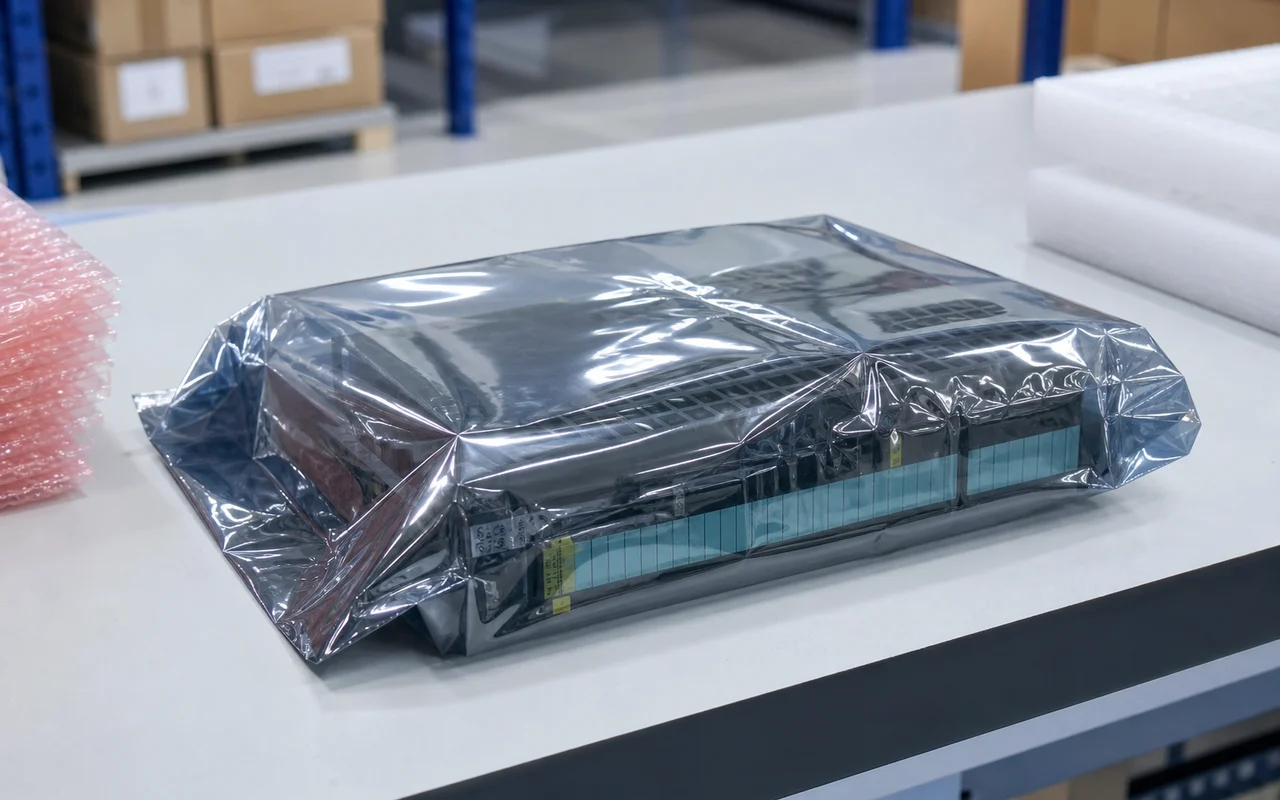 Anti-static Packaging
Modules are packed in anti-static bags to prevent electrostatic damage.
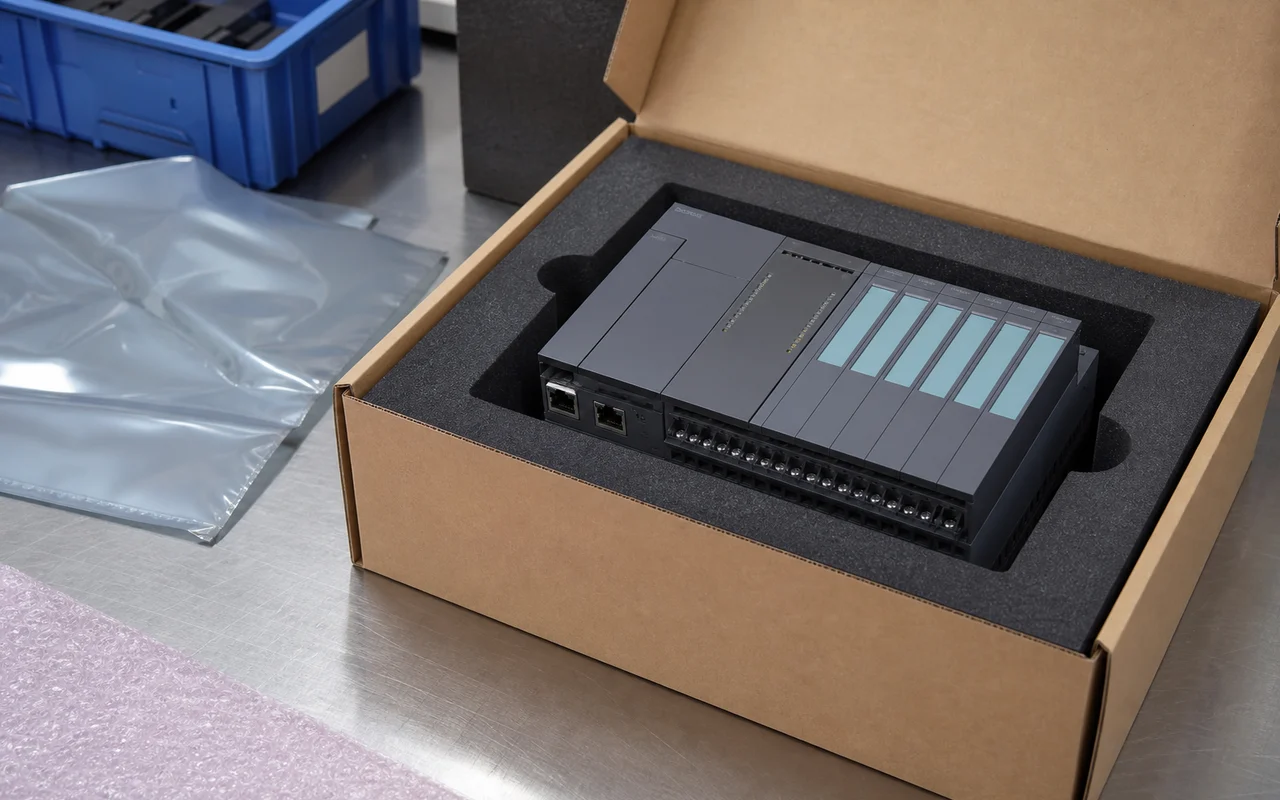 Secure Export Packing
Cushion protection and strong cartons ensure safe transportation.
 Worldwide Shipping
Global logistics network supports air, sea and express delivery.
 Documentation Check
Part number, revision and compatibility verified before shipment.
 After-sales Support
Professional technical support to help resolve your issues.