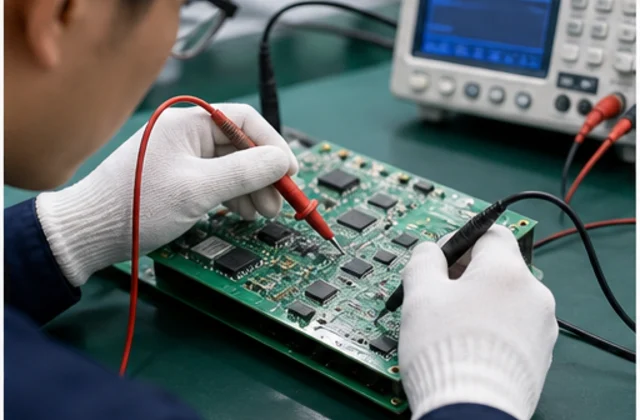
 Functional Inspection
100% tested on professional platforms to ensure stable performance.
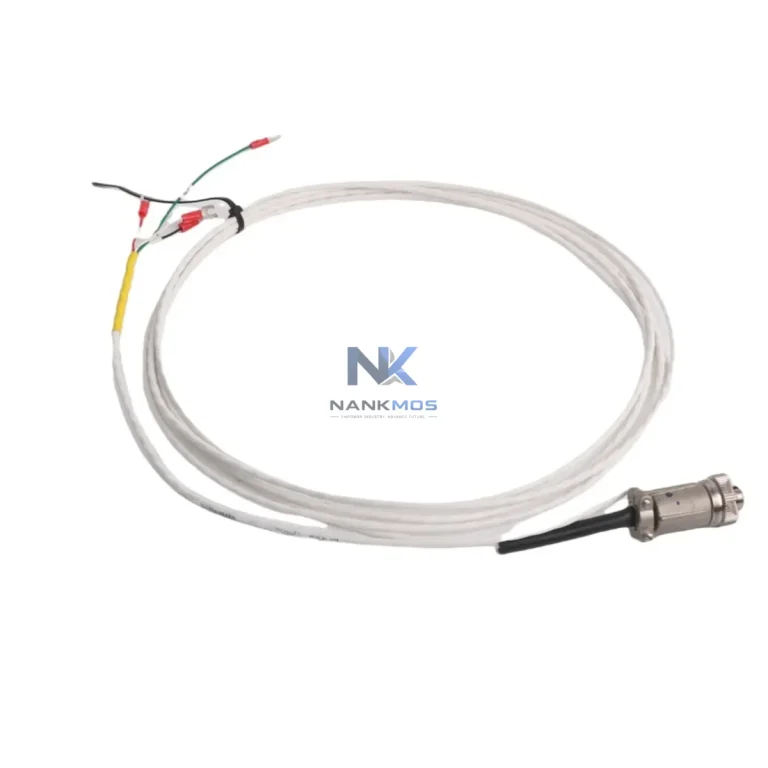
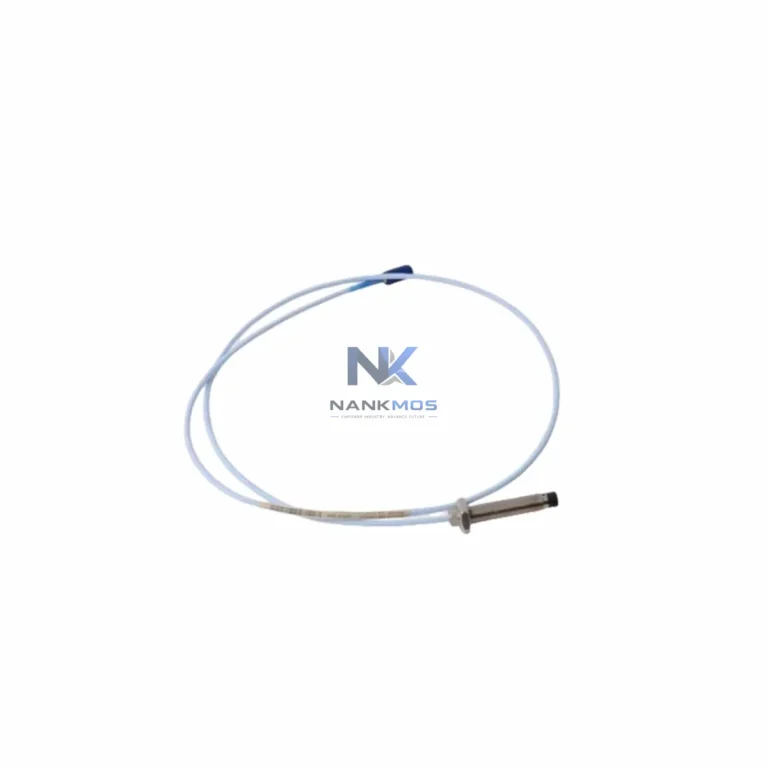
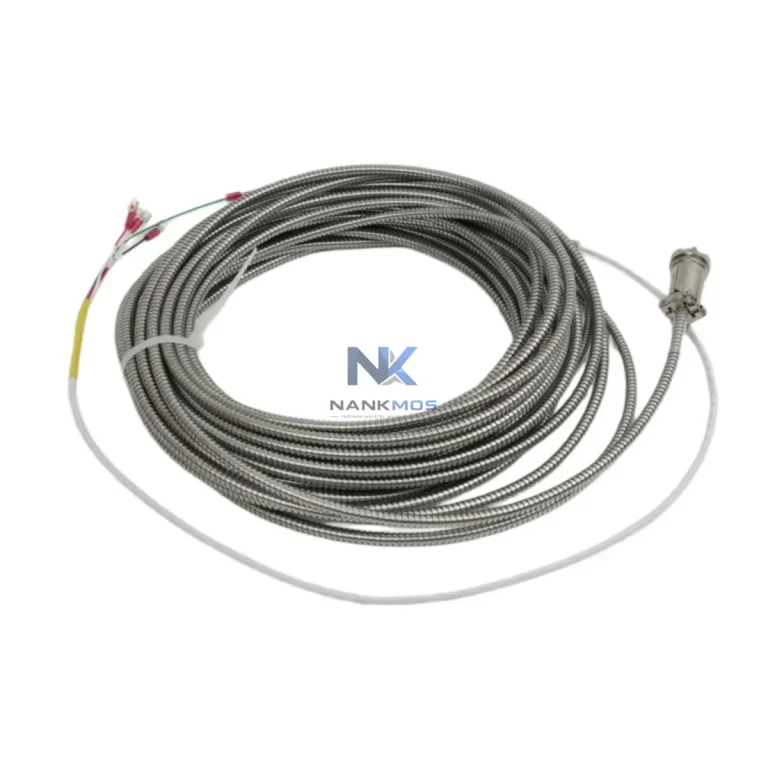
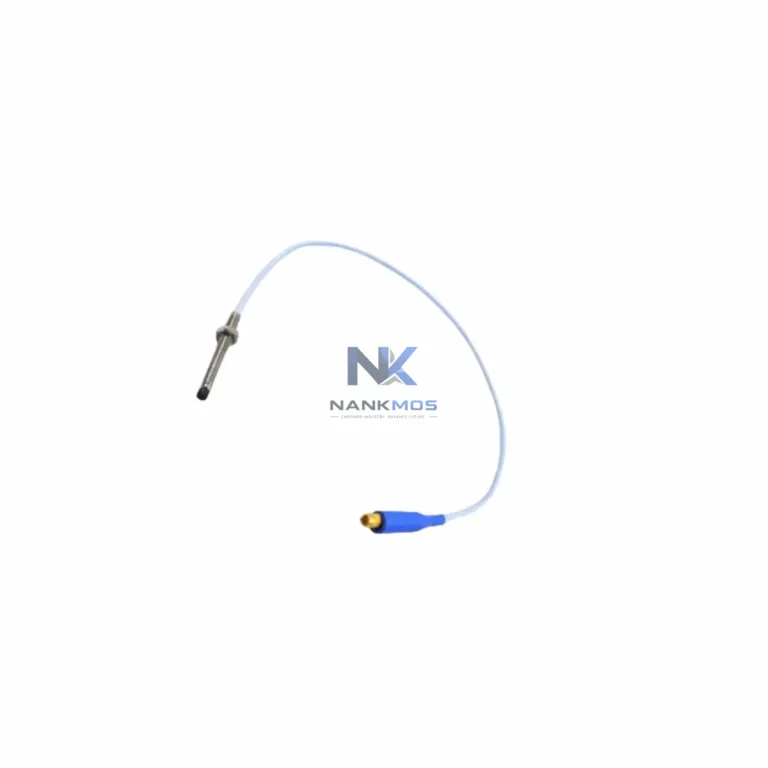
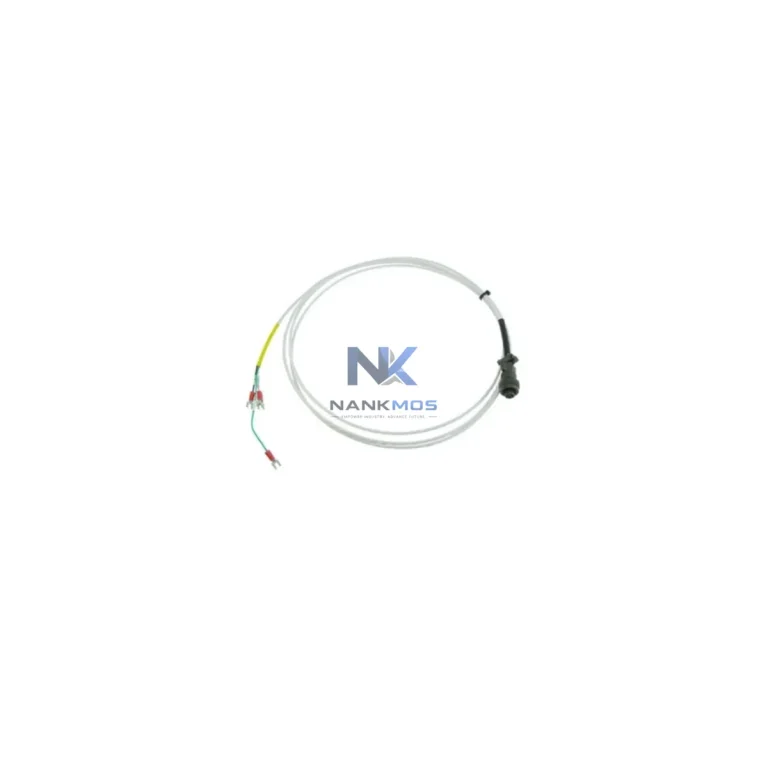
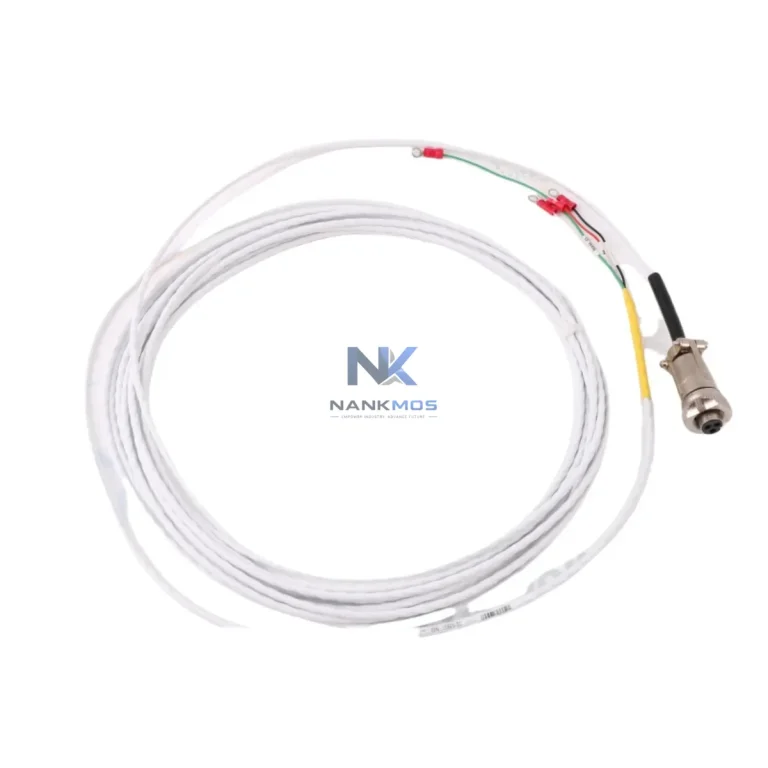
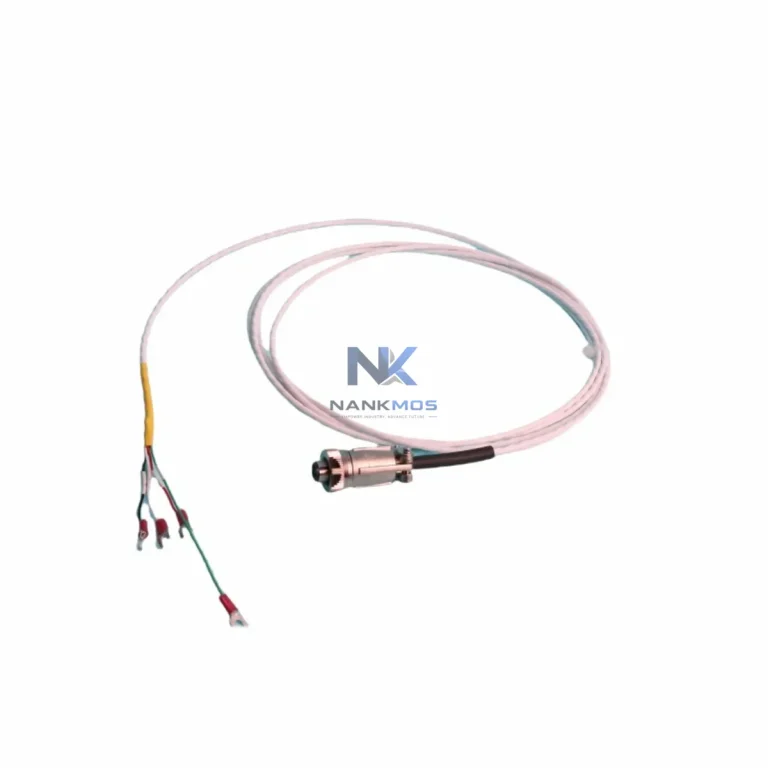
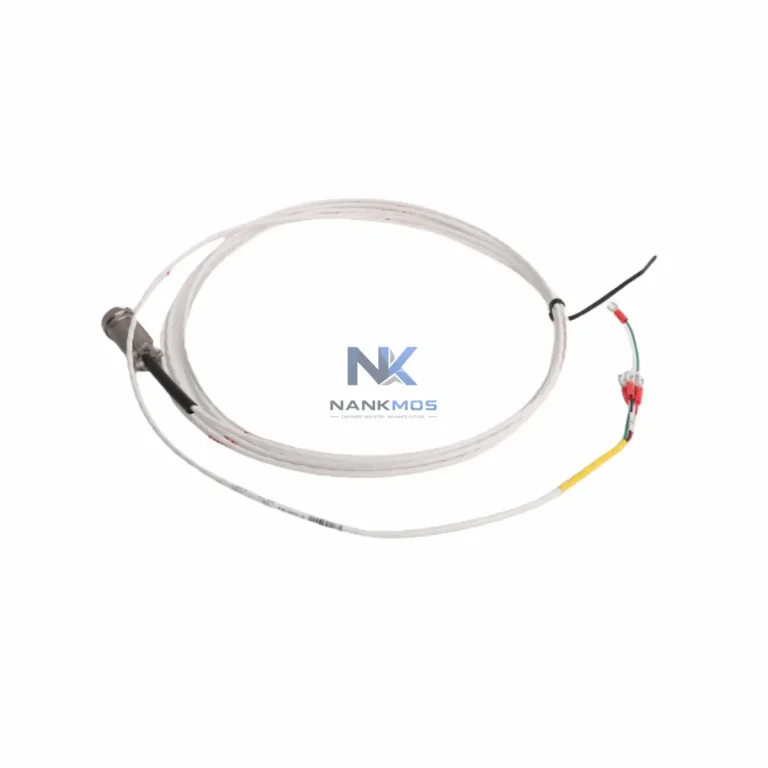
Bently Nevada 16710-33 is a NANKMOS industrial automation product record Listed under 3500 Series series and Cables & Connectors. Confirm condition, availability, lead time, compatibility and documentation by email inquiry.
Brand names are used for identification only.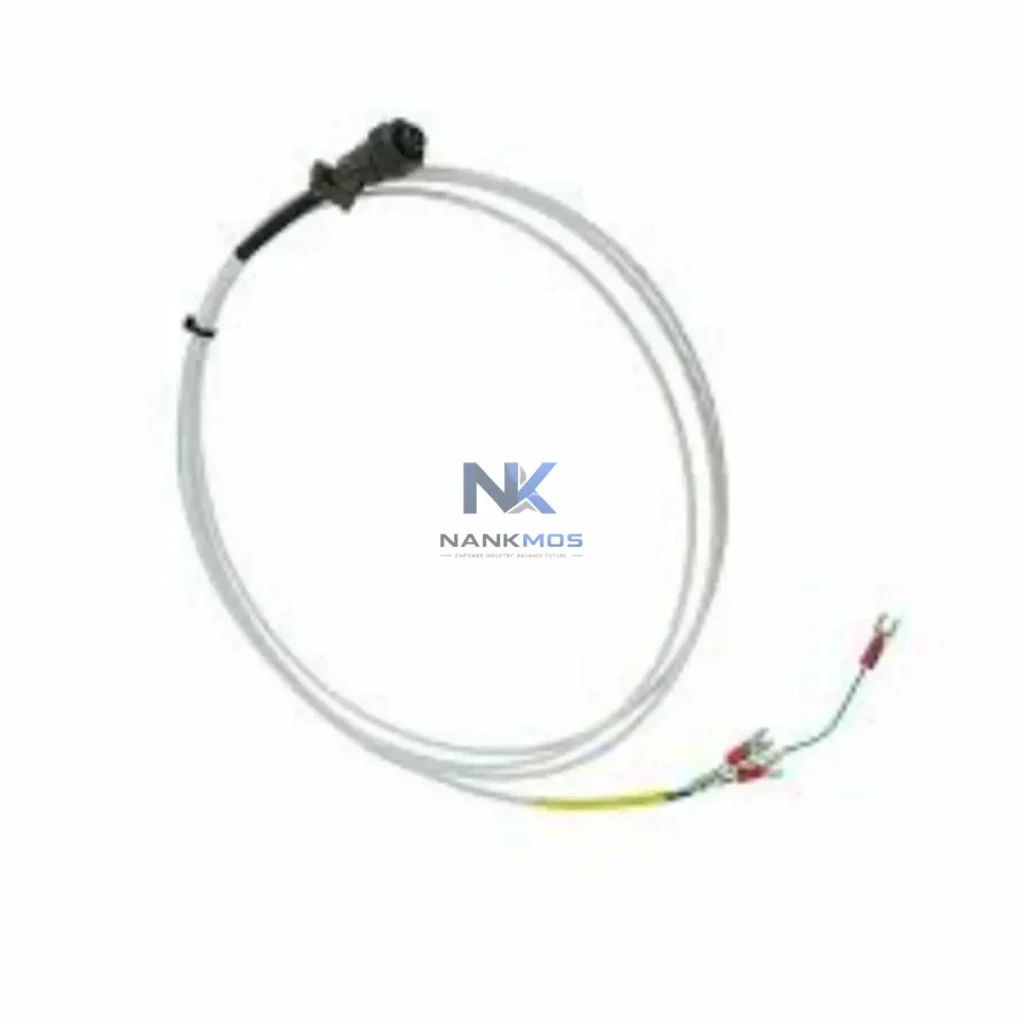
Bently Nevada 16710-33 is a NANKMOS industrial automation product record Listed under 3500 Series series and Cables & Connectors. Confirm condition, availability, lead time, compatibility and documentation by email inquiry.
| Manufacturer | Bently Nevada |
|---|---|
| Application | Turbine & Condition Monitoring |
| Part Number / Model | 16710-33 |
| Compatible System | 3500 Series |
| Series | 3500 Series |
| Condition Options | To Confirm |
| Module Type | Monitoring Module |
| Warranty | 12 Months |
| Packaging | Anti-static Bag / Secure Box |
| Shipping Methods | DHL / FedEx / UPS / Air / Sea |
| Availability | To Confirm |
| Lead Time | To Confirm |
| Documentation | Part number and revision checked before quote |
The Bently Nevada 16710-33 is a precision-engineered interconnect cable purpose-built for the 3500 Series machinery protection and condition monitoring platform. In modern smart factory environments, reliable signal integrity between field-mounted sensors and the central monitoring rack is not optional — it is the foundation of every data-driven maintenance decision. The 16710-33 delivers exactly that: a shielded, low-noise signal path that carries raw vibration, proximity, and dynamic pressure data from transducers installed on rotating machinery directly into the 3500 rack's I/O modules, where it is digitized, processed, and forwarded upstream to SCADA and historian systems.
As industrial facilities transition from isolated condition monitoring islands to fully integrated Industrial IoT architectures, the physical layer represented by the 16710-33 becomes a critical link in the data chain. Without a stable, interference-resistant cable connection, even the most sophisticated Bently Nevada 3500/22M Transient Data Interface or 3500/42M Proximitor Seismic Monitor cannot deliver the sub-millisecond sampling accuracy that predictive maintenance algorithms depend on. The 16710-33 is rated for the harsh electromagnetic environments typical of motor control centers, variable frequency drive (VFD) panels, and high-voltage switchgear rooms — environments where signal corruption can mask early-warning fault signatures.
The data journey in a Bently Nevada-equipped smart factory begins at the sensor tip. A Bently Nevada 330180 Proximity Transducer or 330500 Velomitor Piezo-Velocity Sensor is mounted on a critical asset — a compressor, turbine, pump, or gearbox. The raw analog signal travels through the 16710-33 interconnect cable to the 3500 rack's input module, such as the 3500/40M Proximitor Monitor or the 3500/42M Proximitor Seismic Monitor. Inside the rack, the signal is conditioned, digitized, and evaluated against alarm setpoints in real time.
Once the 3500 rack has processed the vibration data, it communicates upstream via the 3500/92 Communication Gateway Module, which supports Modbus TCP and OPC-UA — the two dominant protocols for SCADA and DCS integration. From there, the data flows into a plant-wide Ethernet network, typically managed through an industrial managed switch such as a Hirschmann MACH104 or Cisco IE-3400, which segments the condition monitoring traffic from the process control network using VLANs. This network architecture ensures that a burst of alarm data from a tripping machine does not interfere with the PLC scan cycle on the process side.
At the SCADA layer, platforms such as GE iFIX, Wonderware System Platform, or OSIsoft PI Server ingest the OPC-UA data stream from the 3500 gateway. Historians log every vibration trend, gap voltage reading, and alarm event with microsecond timestamps, enabling maintenance engineers to perform post-event analysis and correlate mechanical faults with process upsets. HMI panels — including Bently Nevada's own System 1 Evolution workstations — display real-time orbit plots, trend charts, and alarm lists, giving operators immediate situational awareness without leaving the control room.
For facilities deploying edge computing, an edge gateway such as a Moxa UC-8112 or Advantech WISE-5000 can be positioned between the 3500 rack and the cloud historian, performing local data aggregation, protocol translation, and anomaly pre-screening before forwarding compressed datasets to cloud-based analytics platforms. This edge-first architecture reduces WAN bandwidth consumption while maintaining the low-latency alarm response that machinery protection demands. The 16710-33 cable, as the first physical link in this chain, must therefore meet the signal integrity requirements that make all downstream intelligence possible.
Remote diagnostic workflows also depend on the integrity of the 16710-33 signal path. When a remote reliability engineer connects to the plant historian via VPN and pulls a 3500 waveform snapshot for spectral analysis, the quality of that waveform is a direct function of the cable's shielding effectiveness and connector integrity. A degraded interconnect cable introduces noise floors that can obscure sub-synchronous instability or early bearing defect frequencies — precisely the signatures that differentiate a planned maintenance window from an unplanned shutdown.
Many industrial sites operate with fragmented condition monitoring architectures: legacy 3500 racks that were never connected to the plant SCADA, vibration data trapped in proprietary formats, and maintenance teams relying on manual rounds rather than continuous online monitoring. The 16710-33 interconnect cable is often the missing physical link that enables these sites to close the data gap.
By ensuring a clean, low-noise signal path from transducer to rack, the 16710-33 eliminates one of the most common sources of false alarms and missed detections in vibration monitoring systems — cable-induced noise. Once the signal integrity problem is resolved at the physical layer, the 3500 rack can be connected to the plant network via the 3500/92 gateway, and the condition monitoring data can be integrated into the existing SCADA or DCS without requiring a full system replacement.
Protocol unification is another challenge the 16710-33 helps address indirectly. Because the 3500 platform supports OPC-UA and Modbus TCP at the rack level, a single interconnect cable upgrade can unlock connectivity to modern IIoT platforms, cloud historians, and AI-based predictive maintenance engines — without replacing the transducers, monitors, or field wiring infrastructure that the plant has already validated and trusted for years.
For sites with multiple machine trains, the 16710-33 supports a scalable, standardized cabling architecture. Each machine train uses the same cable type, the same connector standard, and the same rack interface — simplifying spare parts management, reducing technician training requirements, and enabling rapid cable replacement during planned outages. Combined with a 12-month warranty and pre-shipment functional testing, the 16710-33 delivers the supply chain reliability that maintenance planners need to keep critical assets online.
Q1: Does the Bently Nevada 16710-33 support digital communication protocols directly?The 16710-33 is an analog interconnect cable that carries raw sensor signals from transducers to the 3500 rack's I/O modules. Digital protocol support — including Modbus TCP, OPC-UA, and Ethernet/IP — is provided at the rack level by the 3500/92 Communication Gateway Module. The 16710-33 is the physical foundation that ensures signal integrity before digitization occurs.
Q2: Is the 16710-33 compatible with all 3500 Series monitor modules?The 16710-33 is designed for use within the Bently Nevada 3500 Series platform. Compatibility with specific monitor modules — such as the 3500/40M, 3500/42M, or 3500/22M — depends on the transducer type and rack configuration. We recommend verifying the connector type and cable length against your specific rack slot and field mounting requirements before ordering.
Q3: How does cable quality affect remote diagnostic accuracy?Cable-induced noise directly impacts the signal-to-noise ratio of vibration waveforms stored in the historian. A degraded or improperly shielded interconnect cable can introduce noise floors that mask early-stage fault signatures — such as sub-synchronous instability or bearing defect frequencies — making remote spectral analysis unreliable. The 16710-33's shielded construction is specifically designed to maintain signal integrity in high-EMI environments.
Q4: What does the 12-month warranty cover, and how is pre-shipment testing conducted?Every 16710-33 unit shipped by NANKMOS is covered by a 12-month warranty against manufacturing defects and functional failures. Pre-shipment testing includes continuity verification, shield integrity check, and connector seating confirmation. Units that do not pass functional testing are not shipped. Warranty claims are processed through our technical support team at [email protected].
Functional Inspection100% tested on professional platforms to ensure stable performance.
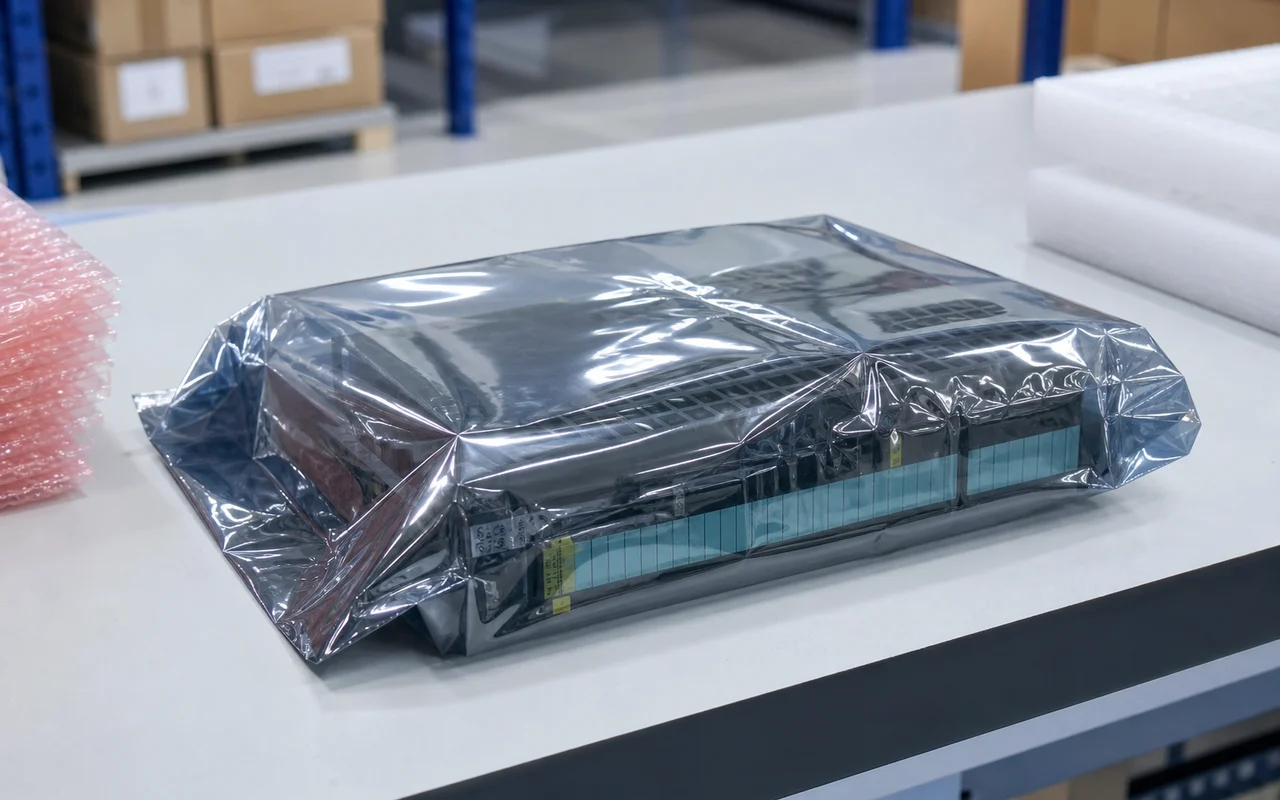 Anti-static Packaging
Modules are packed in anti-static bags to prevent electrostatic damage.
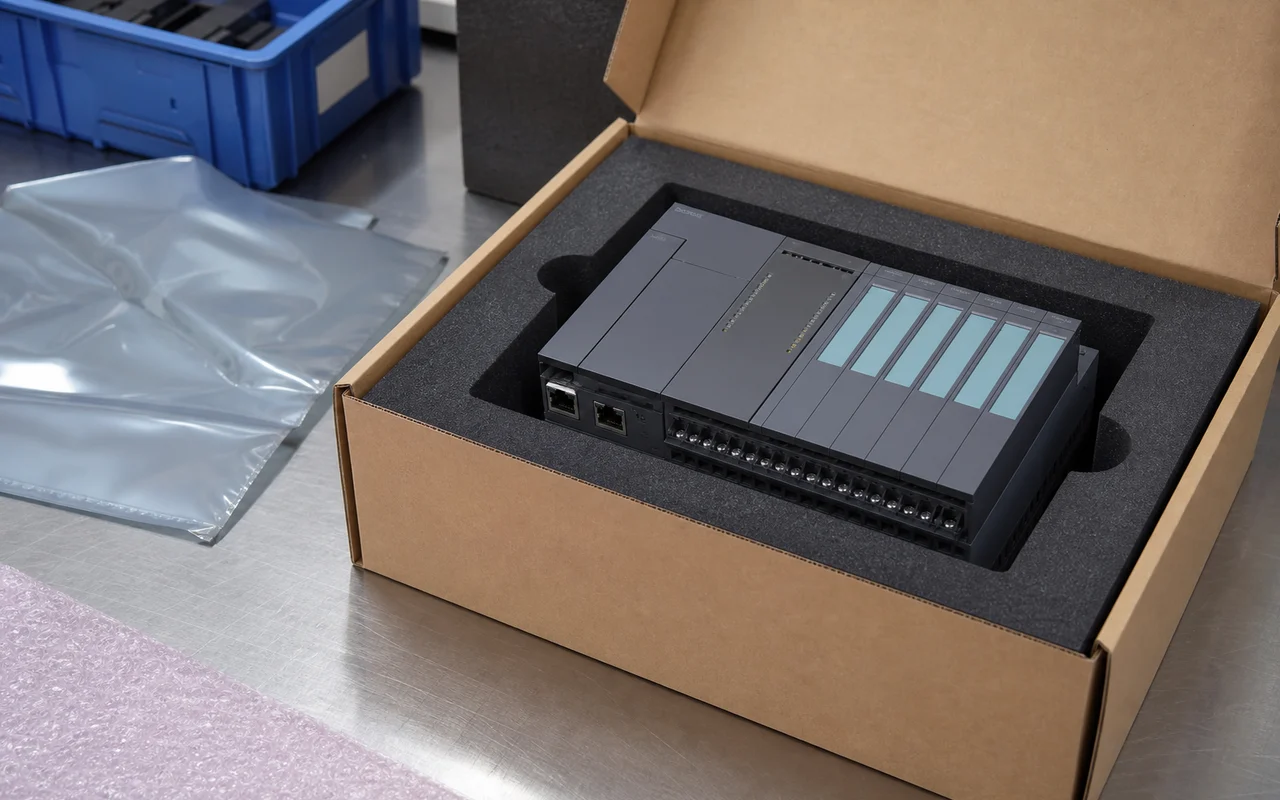 Secure Export Packing
Cushion protection and strong cartons ensure safe transportation.
 Worldwide Shipping
Global logistics network supports air, sea and express delivery.
 Documentation Check
Part number, revision and compatibility verified before shipment.
 After-sales Support
Professional technical support to help resolve your issues.