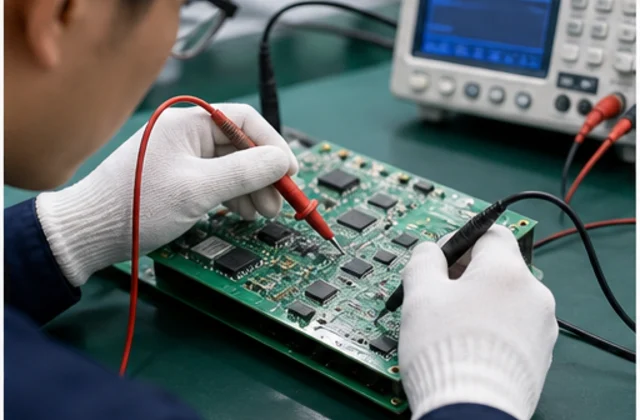
 Functional Inspection
100% tested on professional platforms to ensure stable performance.
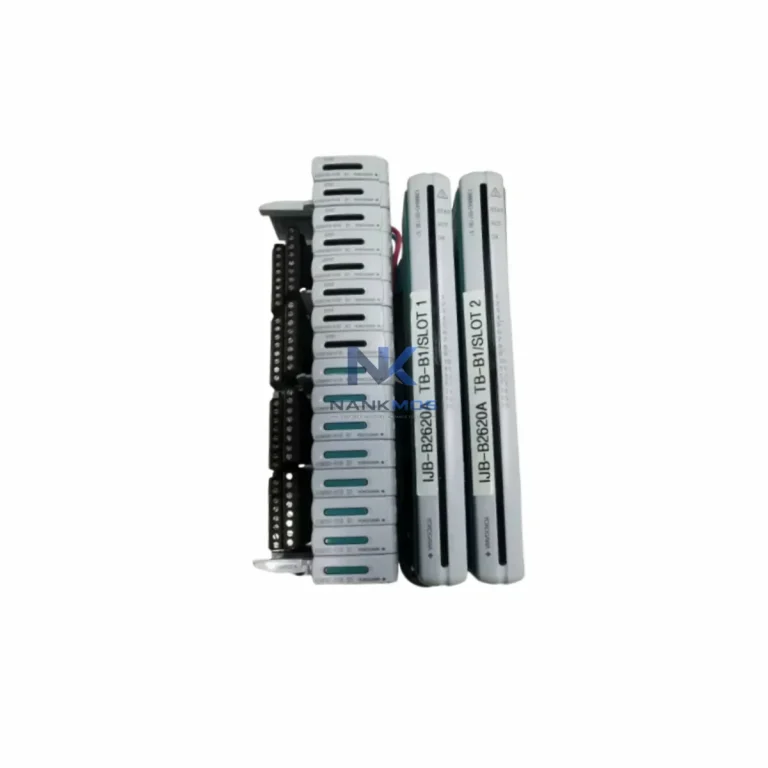
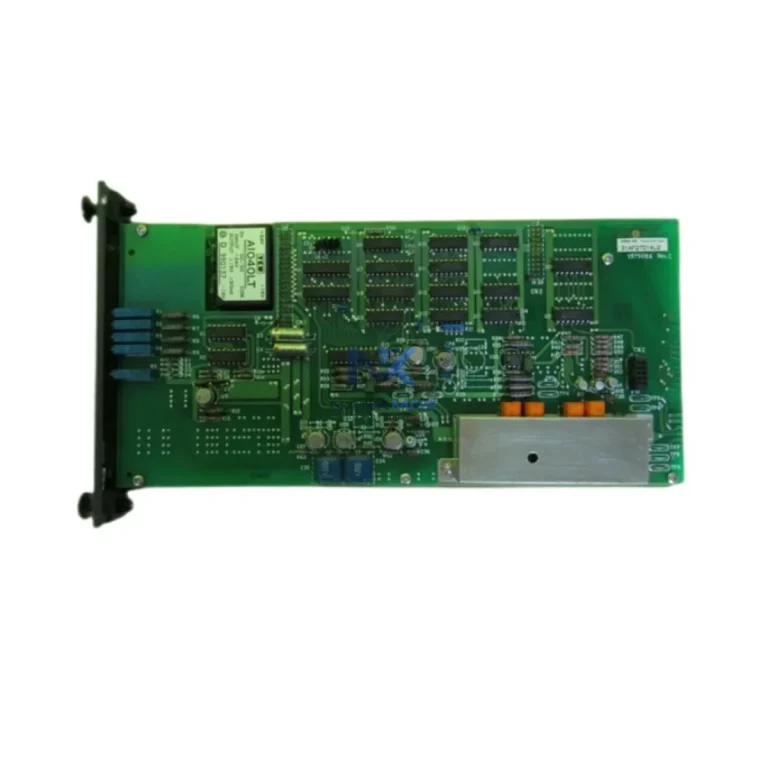
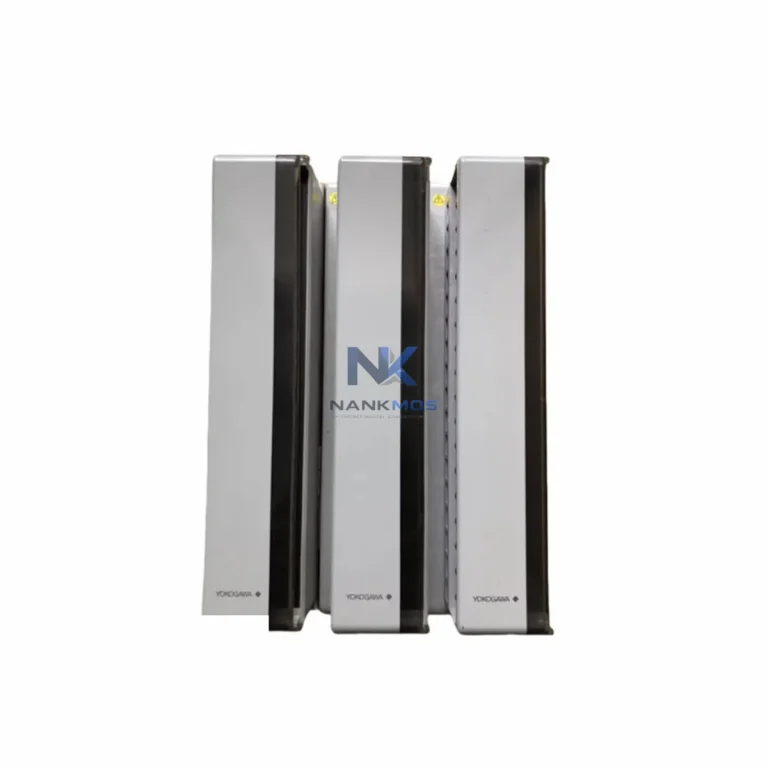
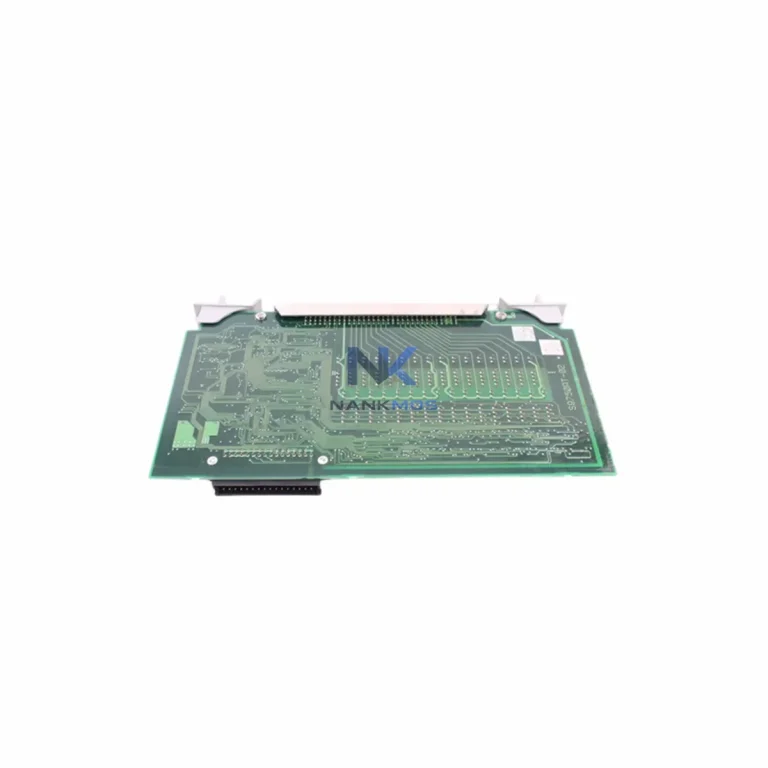
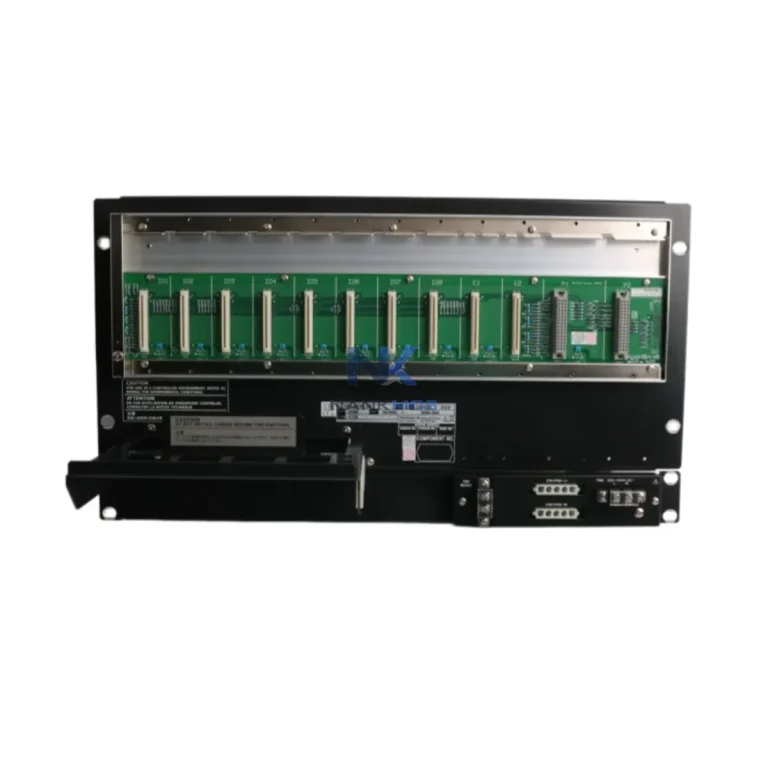
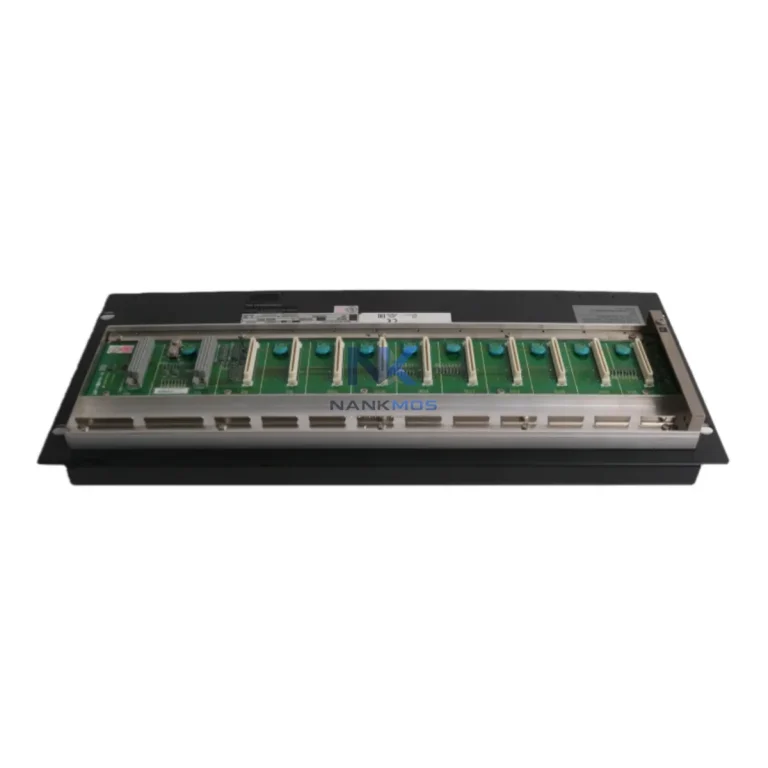
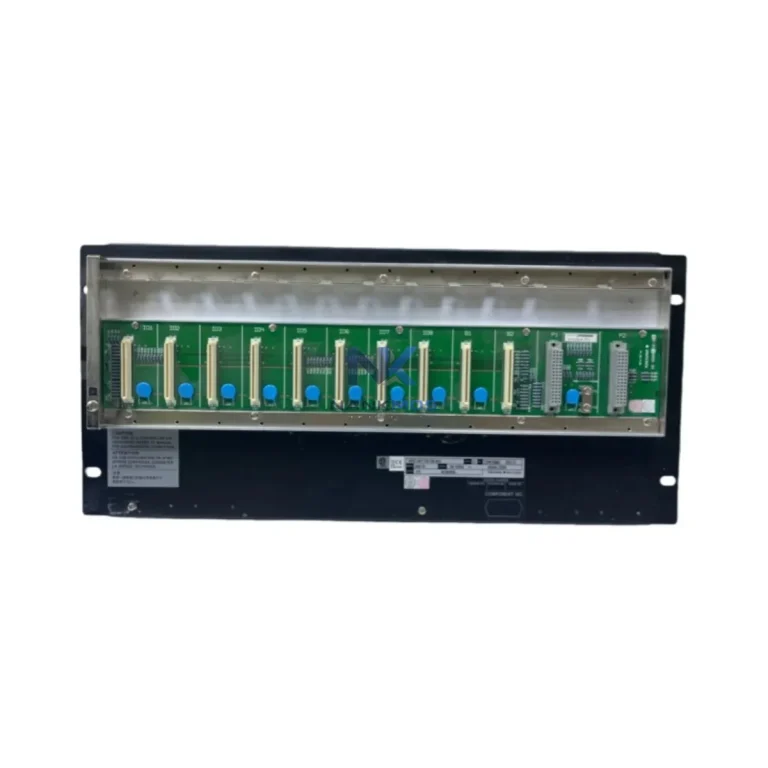
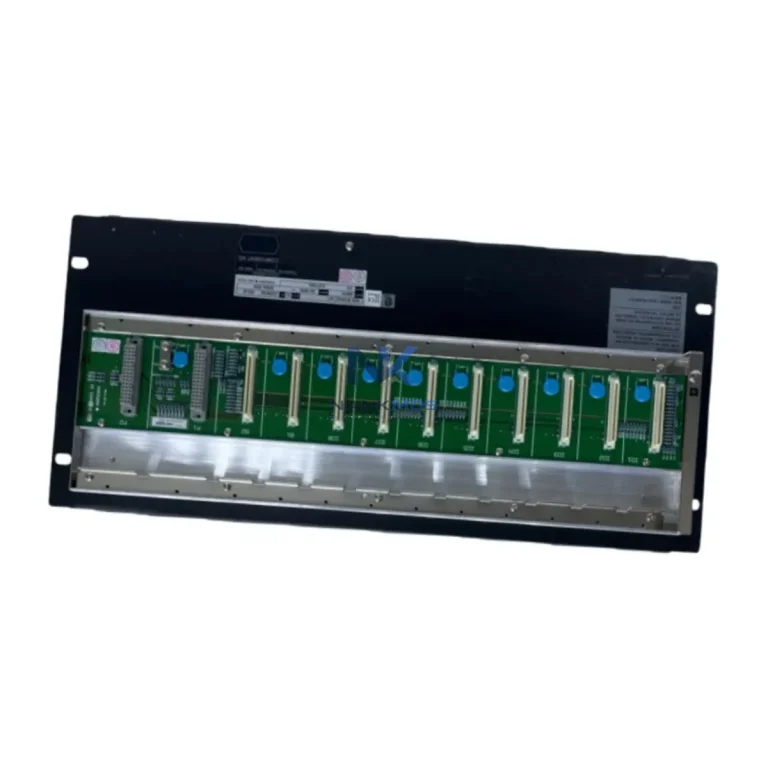
Yokogawa AIP171 S3 is a NANKMOS industrial automation product record Listed under CENTUM VP series and Business & Industrial > Automation, Control & Flow Devices. Confirm condition, availability, lead time, compatibility and documentation by email inquiry.
Brand names are used for identification only.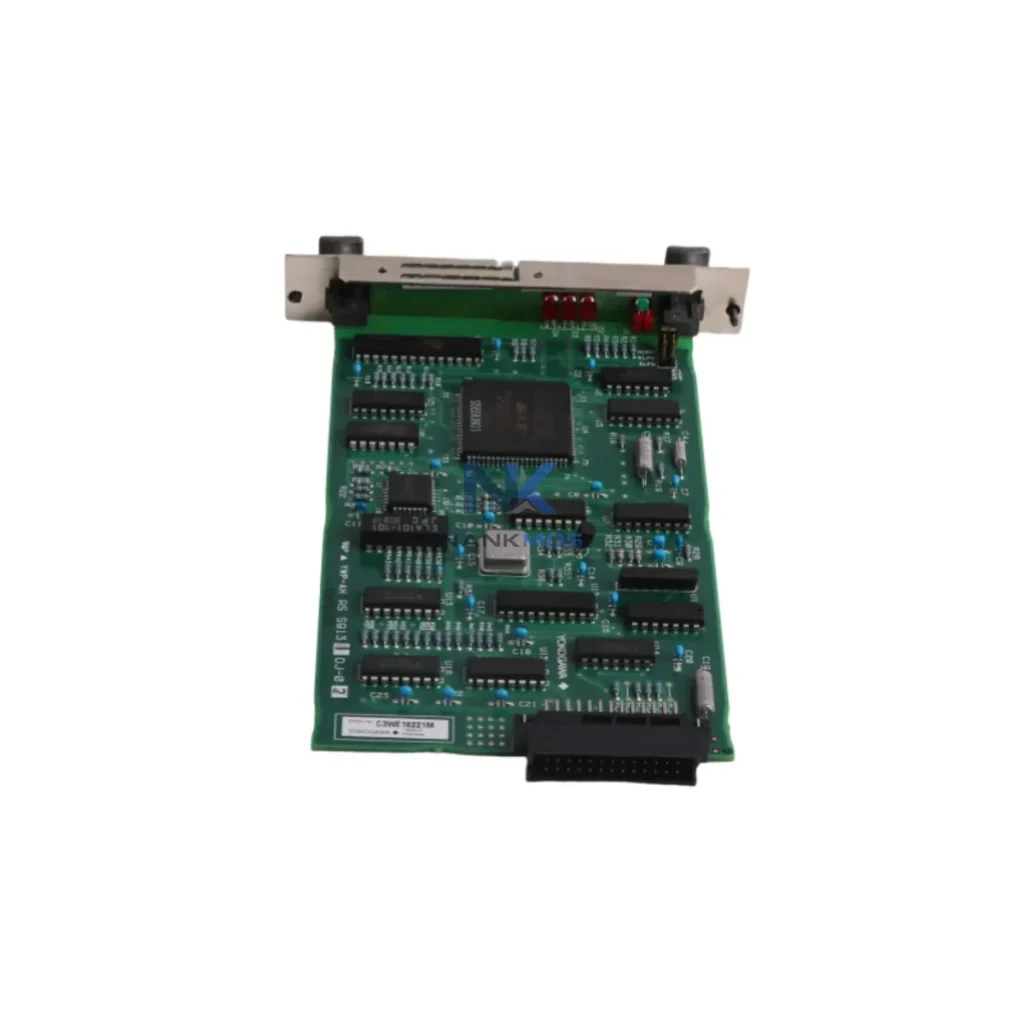
Yokogawa AIP171 S3 is a NANKMOS industrial automation product record Listed under CENTUM VP series and Business & Industrial > Automation, Control & Flow Devices. Confirm condition, availability, lead time, compatibility and documentation by email inquiry.
| Manufacturer | Yokogawa |
|---|---|
| Application | Industrial Network & Bus Termination |
| Part Number / Model | AIP171 S3 |
| Compatible System | CENTUM VP |
| Series | CENTUM VP |
| Condition Options | To Confirm |
| Module Type | Bus / Network Interface Module |
| Warranty | 12 Months |
| Packaging | Anti-static Bag / Secure Box |
| Shipping Methods | DHL / FedEx / UPS / Air / Sea |
| Availability | To Confirm |
| Lead Time | To Confirm |
| Documentation | Part number and revision checked before quote |
The Yokogawa AIP171-S3 is a high-reliability bus repeater engineered for energy-efficient field communication in distributed control system (DCS) environments. Designed specifically for integration with the Yokogawa Centum VP and Centum CS platforms, the AIP171-S3 extends and regenerates field bus signals across long cable runs while minimizing resistive losses and thermal dissipation — two of the most overlooked contributors to unnecessary energy consumption in process automation infrastructure.
In modern smart production lines, every node in the control network must justify its power draw. The AIP171-S3 achieves this by maintaining clean, low-impedance signal paths between the DCS controller and field instruments, reducing retransmission errors that force PLCs and I/O modules to cycle redundant polling requests. Fewer retries mean lower CPU load on the Yokogawa PFCS/KFCS2 field control stations and reduced switching activity across the entire bus segment — translating directly into measurable energy savings at the system level.
The AIP171-S3 does not operate in isolation — it is a precision link in a broader power-aware automation architecture. In a typical Centum VP installation, the bus repeater sits between the Yokogawa AIP587 field bus power conditioner and the terminal field instruments, ensuring that voltage sag across long cable runs does not degrade signal integrity or force the power conditioner to compensate with higher output current.
When paired with the Yokogawa PFCS field control station, the AIP171-S3 enables stable polling cycles across all connected FOUNDATION Fieldbus H1 or BRAIN protocol devices. This stability is critical when the control loop includes energy-intensive assets such as variable frequency drives (VFDs), motorized control valves, or high-current actuators — all of which generate electrical noise that can corrupt bus signals and trigger unnecessary fault responses.
Integration with Yokogawa's Exaquantum plant information management system (PIMS) allows energy engineers to correlate bus segment health data with real-time power consumption metrics. When the AIP171-S3 maintains clean signal transmission, the Exaquantum historian records fewer communication alarms, and the energy management dashboard reflects a more accurate picture of actual load versus wasted switching energy.
For facilities running Yokogawa ProSafe-RS safety instrumented systems alongside the Centum VP DCS, the AIP171-S3 supports the physical separation of safety and control bus segments while maintaining signal quality on both. This architecture reduces cross-segment interference and allows the safety PLC to operate at its minimum scan rate without being burdened by noise-induced retries from the process control bus.
In multi-loop configurations involving Yokogawa EJX-series pressure transmitters, YTA-series temperature transmitters, and rotary control valves with AV-series positioners, the AIP171-S3 ensures that each instrument receives a clean, stable bus voltage — a prerequisite for accurate process variable reporting and tight PID loop performance. Tight loops mean fewer overcorrections, which directly reduces actuator wear and the energy consumed by unnecessary valve travel.
Factory energy optimization is no longer limited to motor efficiency or compressed air management. Field communication infrastructure — the nervous system of any automated production line — contributes to energy waste through signal degradation, retransmission overhead, and the thermal load generated by poorly conditioned bus segments. The Yokogawa AIP171-S3 addresses this at the physical layer.
By regenerating bus signals at the point of extension, the AIP171-S3 eliminates the need for oversized cable cross-sections or redundant wiring runs that are sometimes used to compensate for signal loss. This reduces both the material cost and the resistive heating of the cable infrastructure — a factor that becomes significant in high-ambient-temperature environments such as refineries, chemical plants, and power generation facilities.
In production lines where cycle time (takt time) is tightly managed, communication latency introduced by degraded bus signals can cause PLC scan cycles to extend beyond their configured limits, triggering watchdog resets or forcing the SCADA system to flag false communication faults. The AIP171-S3 eliminates this latency source, allowing the Yokogawa Centum VP HMI operators to maintain production rhythm without manual intervention.
Predictive maintenance programs benefit directly from stable bus communication. When field instruments such as pressure, flow, and temperature transmitters report consistently without communication gaps, the condition monitoring algorithms embedded in Exaquantum/PM can detect early-stage equipment degradation — scheduling maintenance during planned downtime rather than responding to unplanned failures. This shift from reactive to predictive maintenance reduces both energy waste from degraded equipment and the production losses associated with emergency shutdowns.
Every AIP171-S3 unit supplied by NANKMOS undergoes pre-shipment functional testing to verify signal regeneration performance, power draw within specification, and compatibility with Centum VP bus segment configurations. Units are dispatched from verified inventory with full traceability documentation and are covered by a 12-month warranty from the date of delivery.
Q1: How does the AIP171-S3 contribute to energy savings in a Centum VP DCS installation?The AIP171-S3 regenerates field bus signals, eliminating retransmission overhead that increases CPU load on field control stations. Cleaner signals reduce the compensatory output from bus power conditioners, lowering overall segment power consumption and thermal output.
Q2: Is the AIP171-S3 compatible with both Centum VP and Centum CS 3000 systems?Yes. The AIP171-S3 is designed for use within the Yokogawa Centum platform family, including Centum VP and Centum CS 3000 DCS architectures. It supports FOUNDATION Fieldbus H1 and BRAIN protocol bus segments as used in these systems.
Q3: What is the recommended replacement or upgrade path if the AIP171-S3 is end-of-life in my installation?NANKMOS maintains verified inventory of AIP171-S3 units for direct replacement. For installations requiring extended bus segment support or higher port density, consult with your Yokogawa system integrator regarding the AIP587 power conditioner and associated repeater topology for your specific Centum VP version.
Q4: What testing is performed before shipment, and what does the 12-month warranty cover?Each AIP171-S3 unit undergoes pre-shipment functional verification including signal regeneration performance, bus voltage compliance, and communication integrity checks. The 12-month warranty covers manufacturing defects and functional failures under normal operating conditions from the date of delivery. NANKMOS provides full after-sales support for warranty claims and technical inquiries.
Functional Inspection100% tested on professional platforms to ensure stable performance.
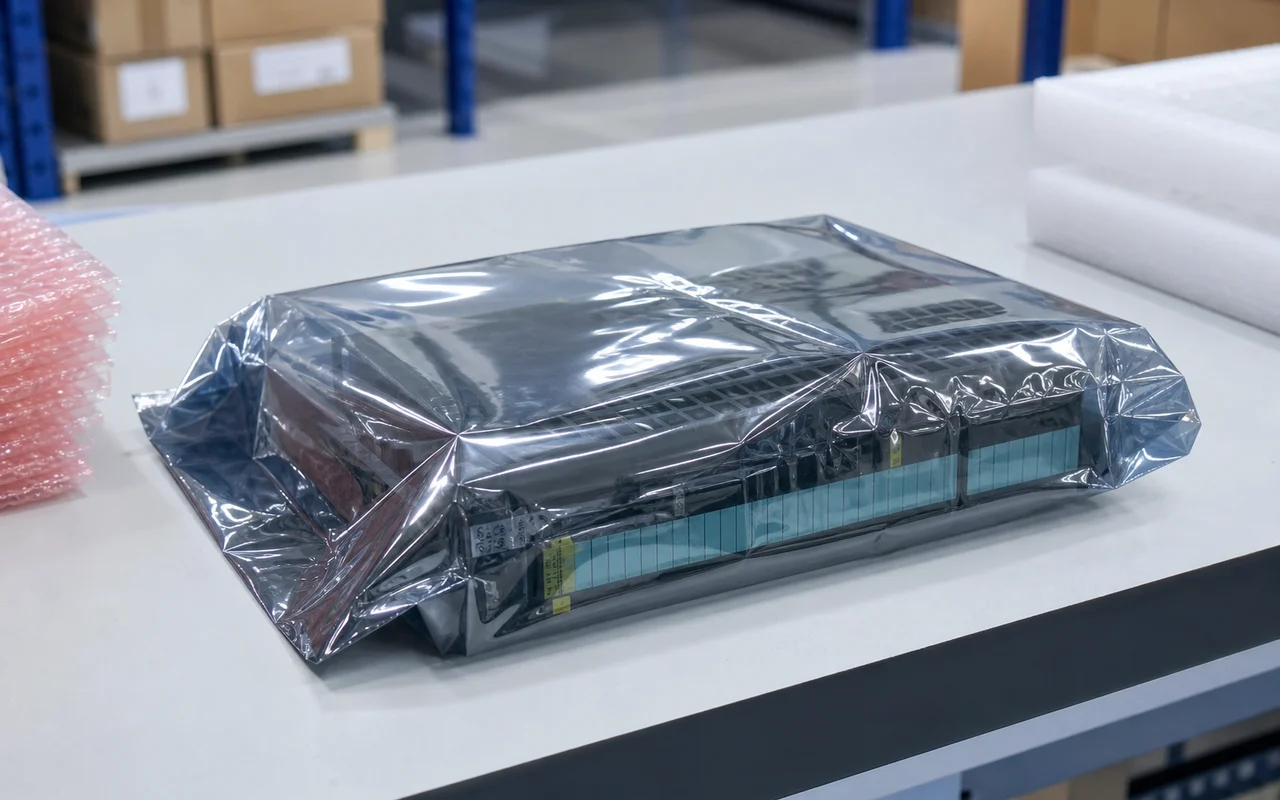 Anti-static Packaging
Modules are packed in anti-static bags to prevent electrostatic damage.
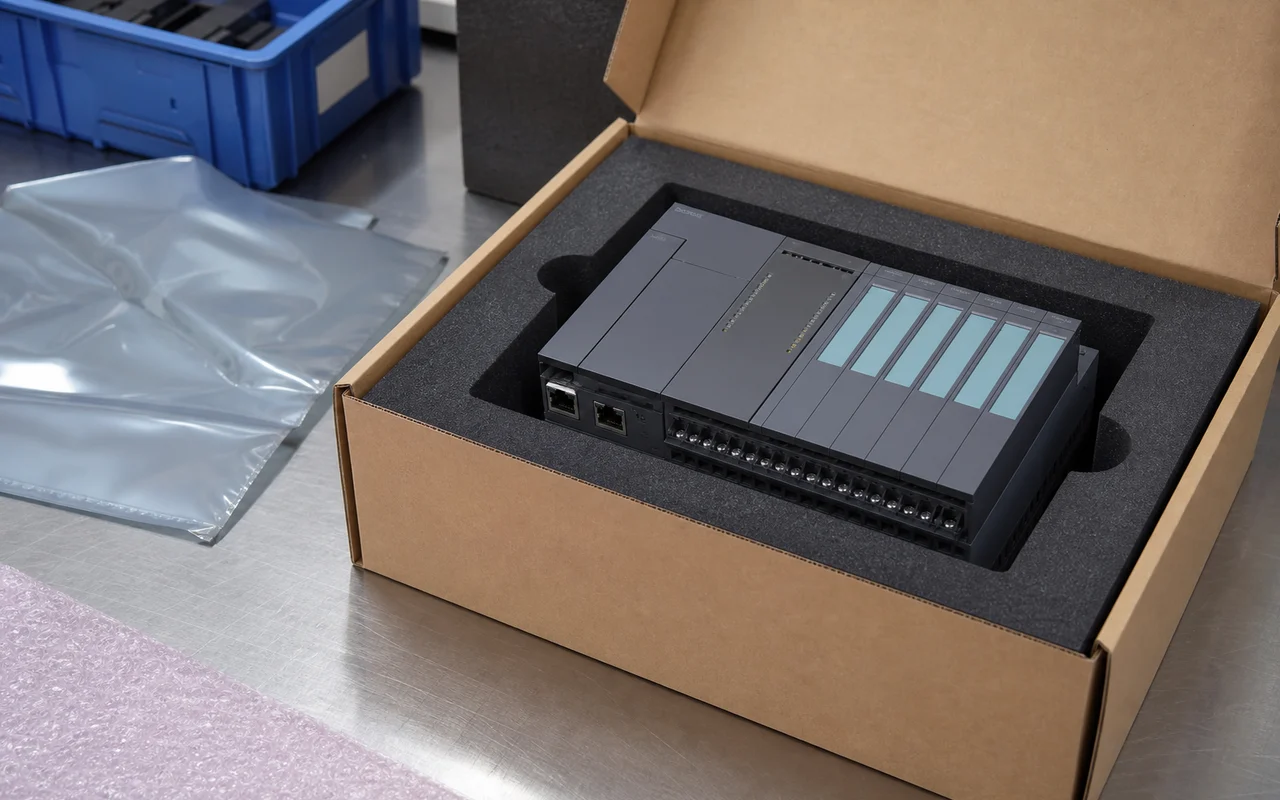 Secure Export Packing
Cushion protection and strong cartons ensure safe transportation.
 Worldwide Shipping
Global logistics network supports air, sea and express delivery.
 Documentation Check
Part number, revision and compatibility verified before shipment.
 After-sales Support
Professional technical support to help resolve your issues.