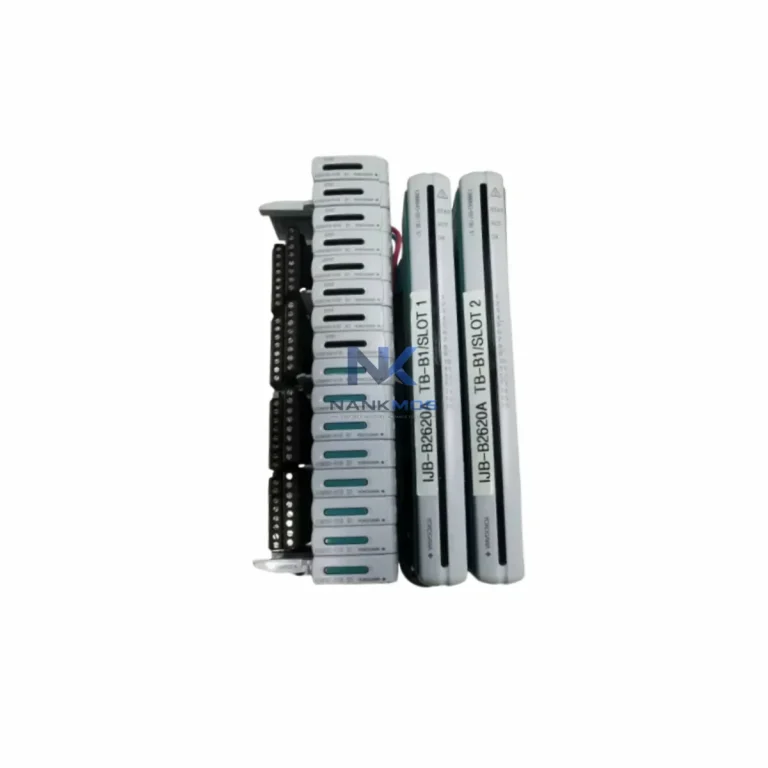
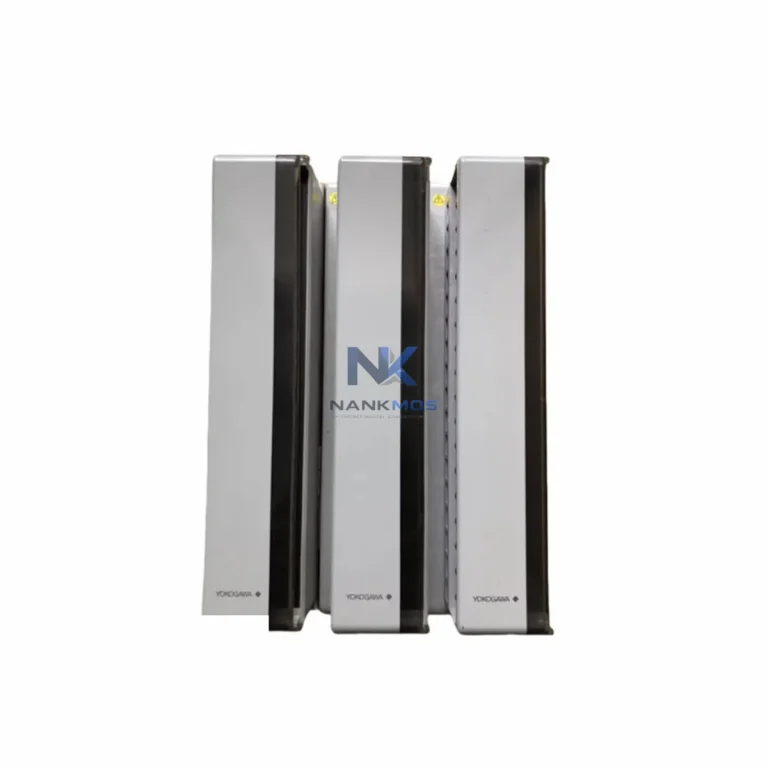
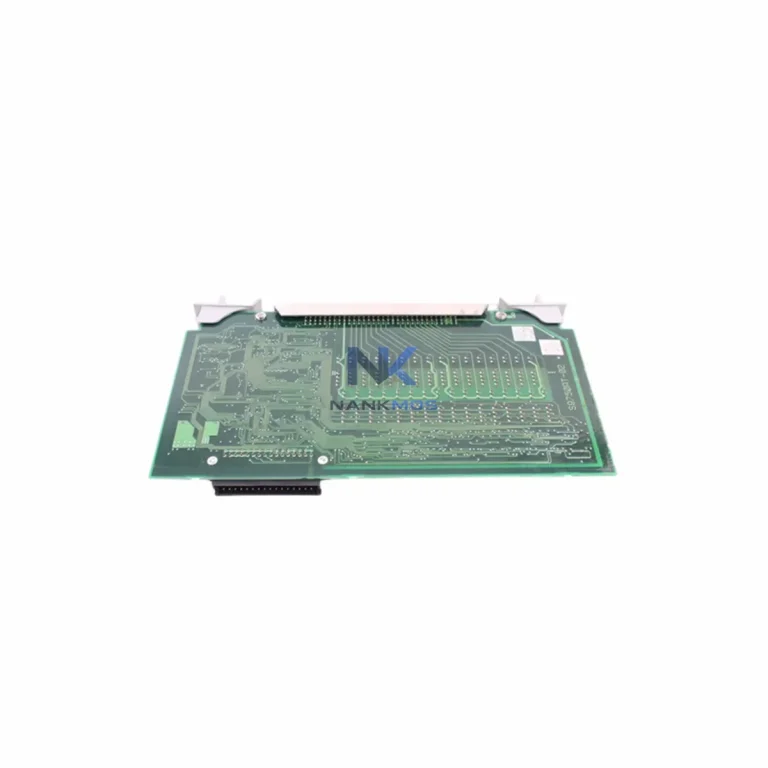
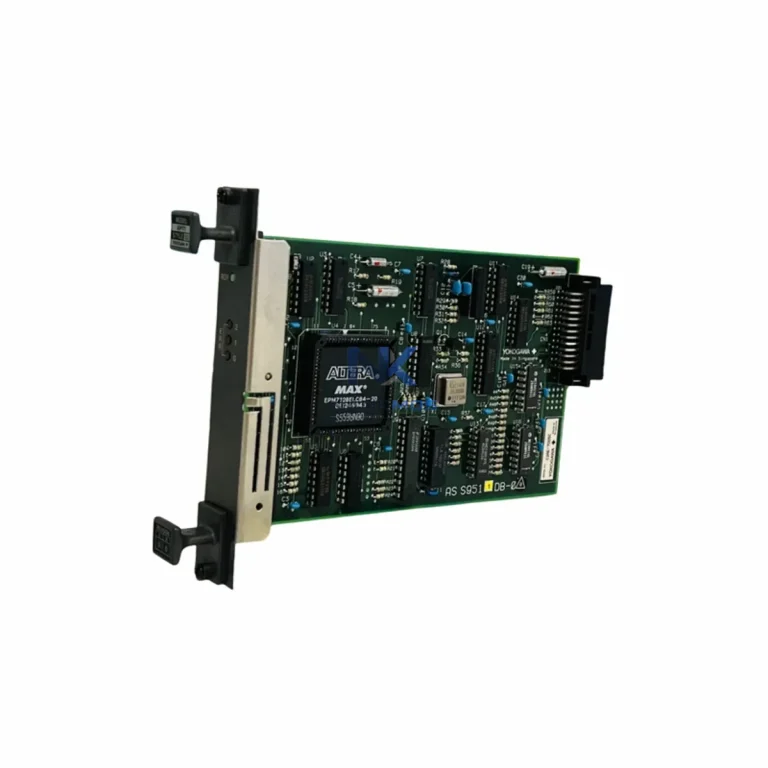
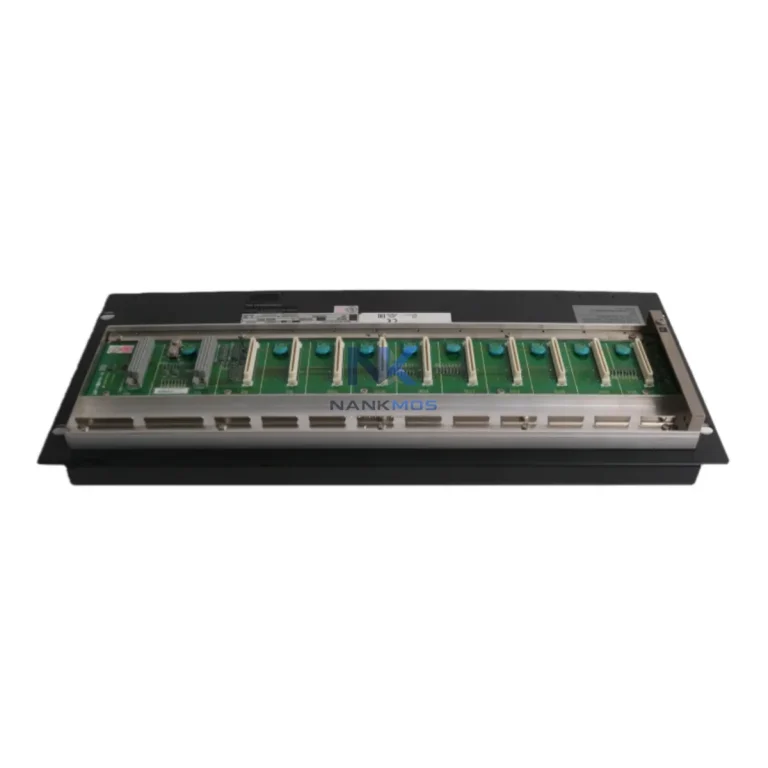
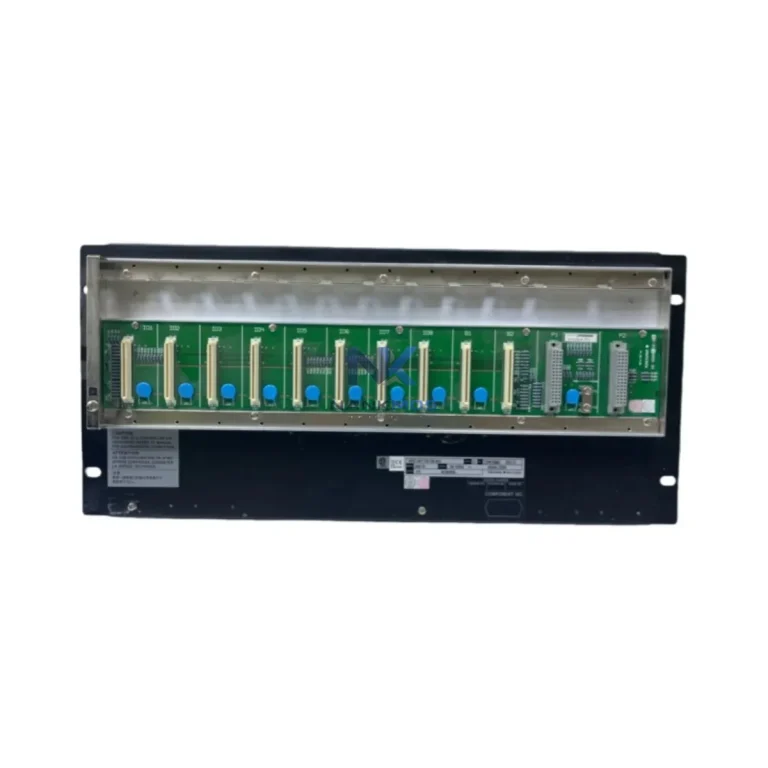
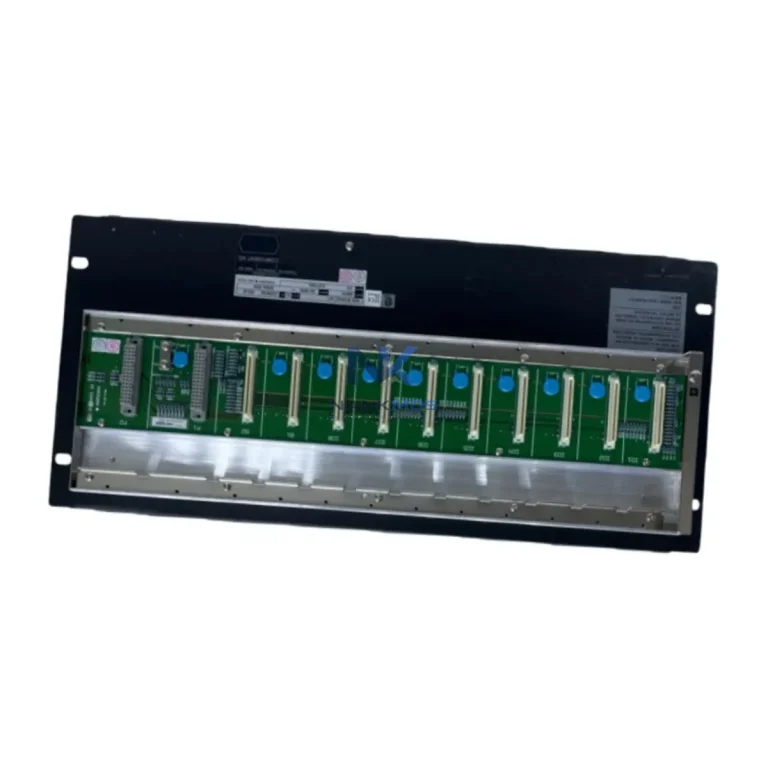
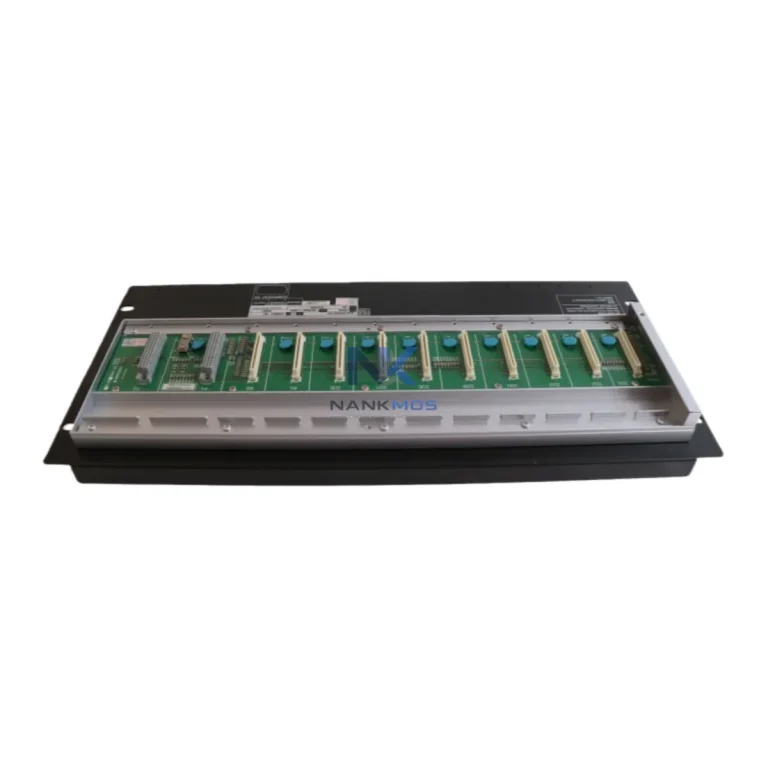
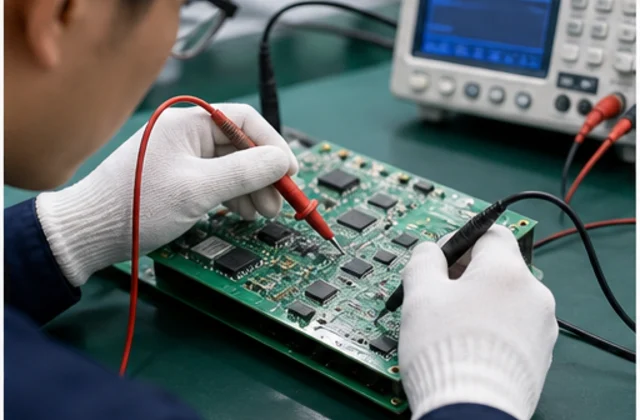
 Functional Inspection
100% tested on professional platforms to ensure stable performance.
Yokogawa AD5*D is a NANKMOS industrial automation product record Listed under Other series series and Business & Industrial > Automation, Control & Flow Devices. Confirm condition, availability, lead time, compatibility and documentation by email inquiry.
Brand names are used for identification only.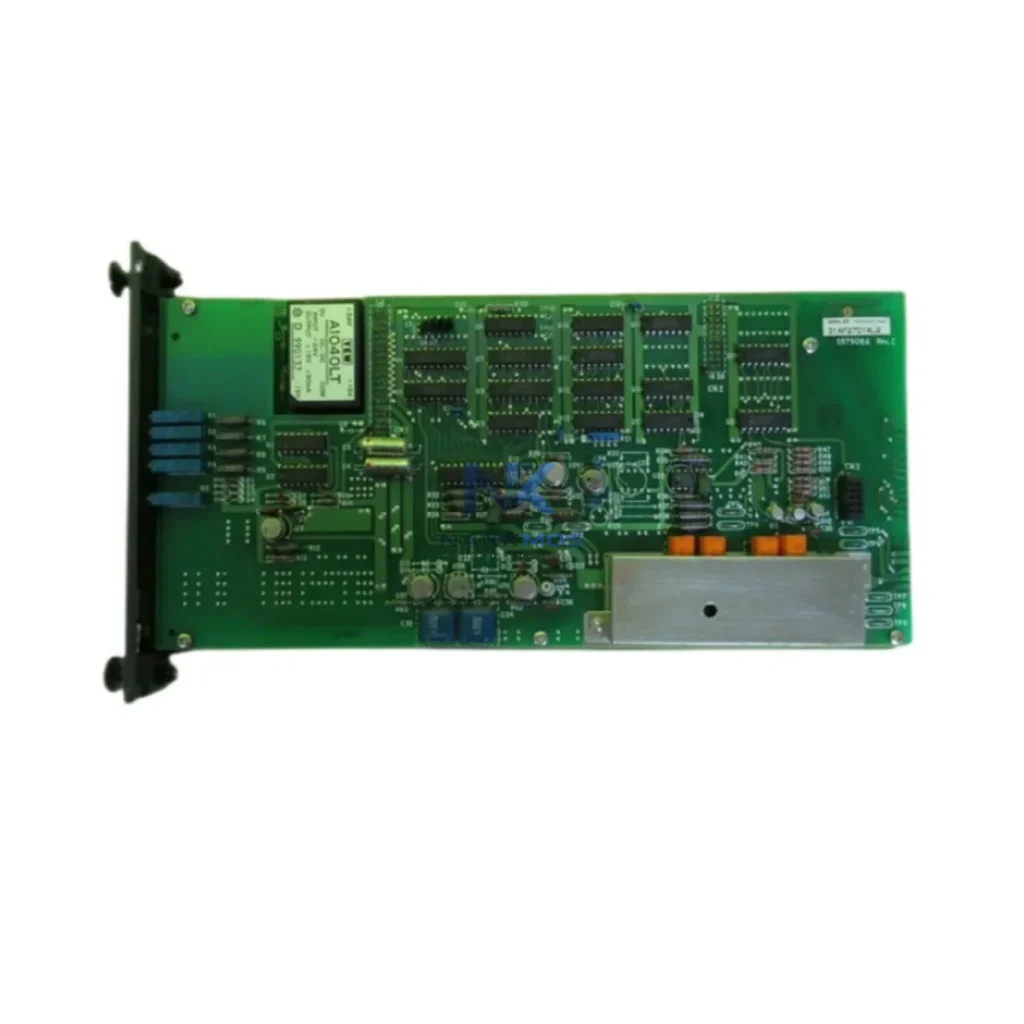
Yokogawa AD5*D is a NANKMOS industrial automation product record Listed under Other series series and Business & Industrial > Automation, Control & Flow Devices. Confirm condition, availability, lead time, compatibility and documentation by email inquiry.
| Manufacturer | Yokogawa |
|---|---|
| Application | DCS / Control Board Replacement |
| Part Number / Model | AD5*D |
| Compatible System | Confirmed by inquiry |
| Condition Options | To Confirm |
| Module Type | Control Board / Card |
| Warranty | 12 Months |
| Packaging | Anti-static Bag / Secure Box |
| Shipping Methods | DHL / FedEx / UPS / Air / Sea |
| Availability | To Confirm |
| Lead Time | To Confirm |
| Documentation | Part number and revision checked before quote |
The Yokogawa AD5*D is a precision-engineered terminal board module designed for the CENTUM CS Distributed Control System (DCS) platform. Purpose-built for energy-intensive industrial environments, the AD5*D serves as a critical interface node between field instrumentation and the DCS controller, enabling accurate signal conditioning, load management, and real-time energy monitoring across complex production lines. Whether deployed in oil and gas processing, chemical manufacturing, power generation, or water treatment facilities, the AD5*D delivers the signal integrity and thermal stability required to sustain continuous, energy-optimized operations.
In modern smart factories, every milliwatt of wasted energy represents a measurable cost. The AD5*D addresses this challenge by providing clean, low-impedance signal paths that minimize resistive losses and reduce the thermal load on adjacent control hardware. Its compact form factor and passive thermal design contribute to lower cabinet temperatures, reducing the burden on cooling systems and extending the operational lifespan of co-installed modules such as the Yokogawa AMN11 I/O module and the ADM12 analog input card. By maintaining stable signal transmission under variable load conditions, the AD5*D supports the kind of predictive maintenance strategies that prevent unplanned downtime and the energy spikes associated with emergency restarts.
The AD5*D integrates seamlessly within the CENTUM CS architecture, working in concert with Yokogawa's ACM12 controller module and the BCV1 bus coupler to ensure deterministic data throughput. Field signals from pressure transmitters, flow meters, temperature sensors, and motor feedback loops are routed through the AD5*D before being processed by the DCS, allowing the control system to make energy-aware decisions in real time. When paired with Yokogawa's PW481 industrial power supply, the terminal board benefits from regulated, noise-filtered DC power that further stabilizes analog signal quality and reduces electromagnetic interference — a key factor in maintaining measurement accuracy for energy consumption calculations.
Deploying the Yokogawa AD5*D within a power-aware automation architecture requires careful consideration of how terminal boards interact with upstream and downstream control components. In a typical CENTUM CS installation, the AD5*D sits between field devices and the ACM12 process controller, acting as the wiring hub that consolidates analog inputs from energy metering sensors, motor current transformers, and variable-speed drive feedback signals. The Yokogawa AMN11 I/O module, mounted on the same node unit, processes the conditioned signals and forwards them to the controller for load-balancing calculations.
For motor-driven applications, the AD5*D works alongside Yokogawa-compatible variable frequency drives (VFDs) and servo drive systems to close the energy feedback loop. Speed reference signals and torque feedback from drives are wired through the terminal board, giving the DCS the real-time visibility needed to modulate motor loads in response to production demand — a strategy that can reduce motor energy consumption by 20–40% compared to fixed-speed operation. The Yokogawa ADM12 analog input module, often co-deployed in the same rack, handles the high-resolution current and voltage measurements that feed into the plant's energy management system (EMS).
Communication integrity is maintained through the BCV1 bus coupler and the Yokogawa CENTUM CS Vnet/IP network, ensuring that energy data collected at the terminal board level reaches the SCADA layer without latency or packet loss. HMI stations running Yokogawa's FAST/TOOLS supervisory software can then display real-time energy dashboards, allowing operators to identify inefficient load profiles and schedule maintenance windows that minimize production disruption. The Yokogawa PW481 power supply module provides the stable 24 VDC rail that the AD5*D and its co-installed I/O modules depend on for consistent analog signal conditioning.
Production line energy optimization begins at the signal level. When field instruments report inaccurate data due to poor wiring termination or signal degradation, the DCS makes suboptimal control decisions — holding motors at higher speeds than necessary, maintaining heaters above setpoint, or failing to detect early-stage equipment wear that leads to energy-wasting friction and vibration. The Yokogawa AD5*D eliminates these failure modes by providing a robust, low-noise termination point that preserves signal fidelity from sensor to controller.
In batch processing and continuous manufacturing environments, the AD5*D supports production rhythm stability by ensuring that the CENTUM CS controller receives clean, uninterrupted feedback from flow transmitters, pressure sensors, and temperature elements. This signal reliability is the foundation of model predictive control (MPC) strategies that optimize energy consumption across entire process units. Plants that have standardized on the CENTUM CS platform with properly maintained terminal boards report measurable reductions in specific energy consumption (SEC) — the ratio of energy used per unit of product output.
Predictive maintenance integration is another key energy benefit. By monitoring signal quality trends through the ADM12 analog input module and correlating them with equipment health data in the CENTUM CS historian, maintenance teams can identify degrading sensors, loose terminations, or insulation breakdown before they cause process upsets. Early intervention prevents the energy-intensive recovery cycles that follow unplanned shutdowns — including the ramp-up power demand of restarting large motors, compressors, and furnaces. The AD5*D's role in this ecosystem is foundational: it is the point where physical process reality is translated into digital control intelligence.
All AD5*D units supplied by NANKMOS are sourced from verified channels, subjected to pre-shipment functional testing, and backed by a 12-month warranty. Stock is maintained for immediate dispatch, with typical lead times of 3–5 business days to major industrial hubs worldwide.
Q1: How does the Yokogawa AD5*D contribute to energy savings in a CENTUM CS DCS installation? The AD5*D provides low-impedance, noise-filtered signal termination that improves measurement accuracy across analog I/O channels. Accurate process data enables the CENTUM CS controller to make tighter, more energy-efficient control decisions — reducing over-processing, unnecessary actuator movement, and motor over-speed conditions that collectively waste energy.
Q2: Is the AD5*D compatible with other Yokogawa CENTUM series beyond CENTUM CS? The AD5*D is specifically designed for the CENTUM CS platform. For CENTUM VP or CENTUM CS 3000 installations, Yokogawa offers equivalent terminal board modules within those respective hardware families. NANKMOS can advise on cross-series compatibility and recommend the appropriate replacement module based on your existing rack and node configuration.
Q3: What is the recommended replacement or upgrade path for aging AD5*D terminal boards? For plants migrating from CENTUM CS to CENTUM VP, Yokogawa's migration program provides direct replacement terminal boards that maintain field wiring continuity while upgrading controller performance. NANKMOS maintains inventory of both legacy CENTUM CS modules and current-generation equivalents to support phased migration strategies without production interruption.
Q4: What testing is performed before shipment, and what does the 12-month warranty cover? Every AD5*D unit undergoes pre-shipment functional verification including continuity testing, insulation resistance checks, and visual inspection for connector integrity. The 12-month warranty covers manufacturing defects and functional failures under normal operating conditions. NANKMOS provides replacement or repair support within the warranty period, with expedited processing available for critical production applications.
Functional Inspection100% tested on professional platforms to ensure stable performance.
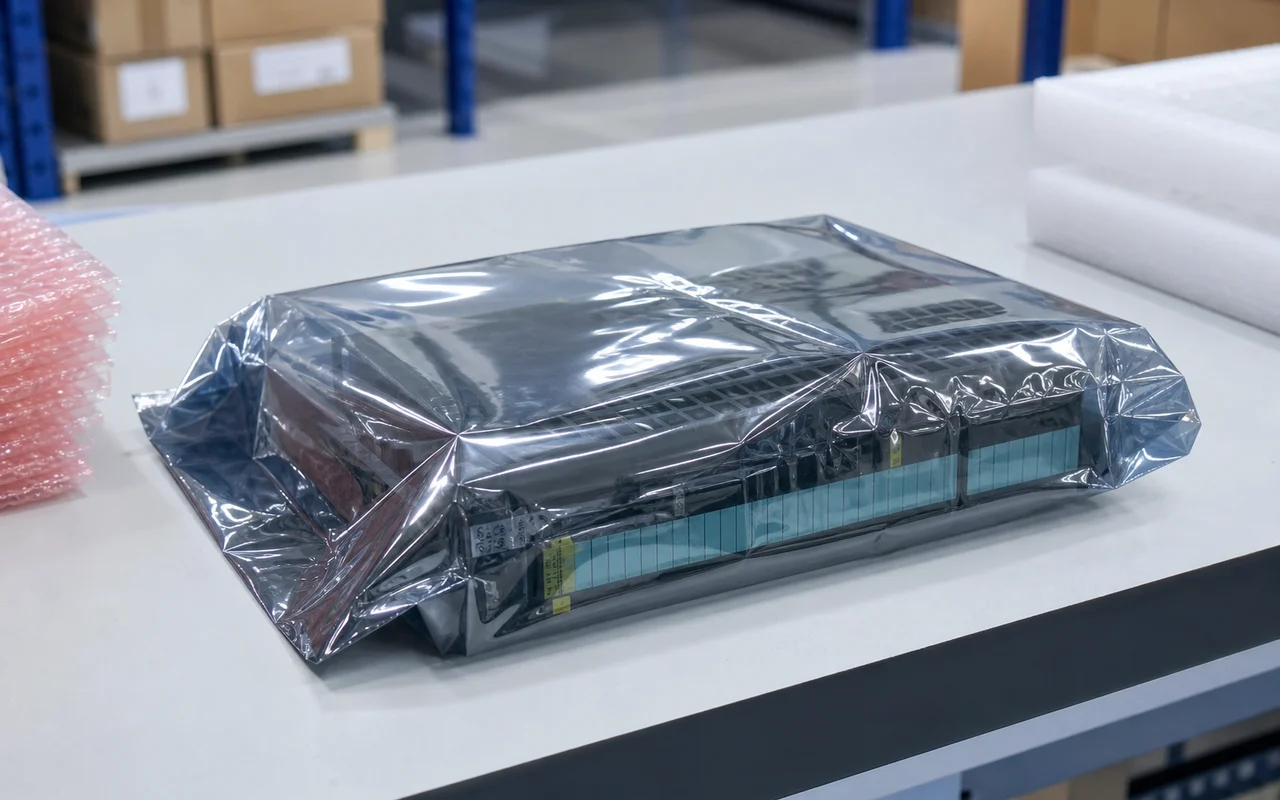 Anti-static Packaging
Modules are packed in anti-static bags to prevent electrostatic damage.
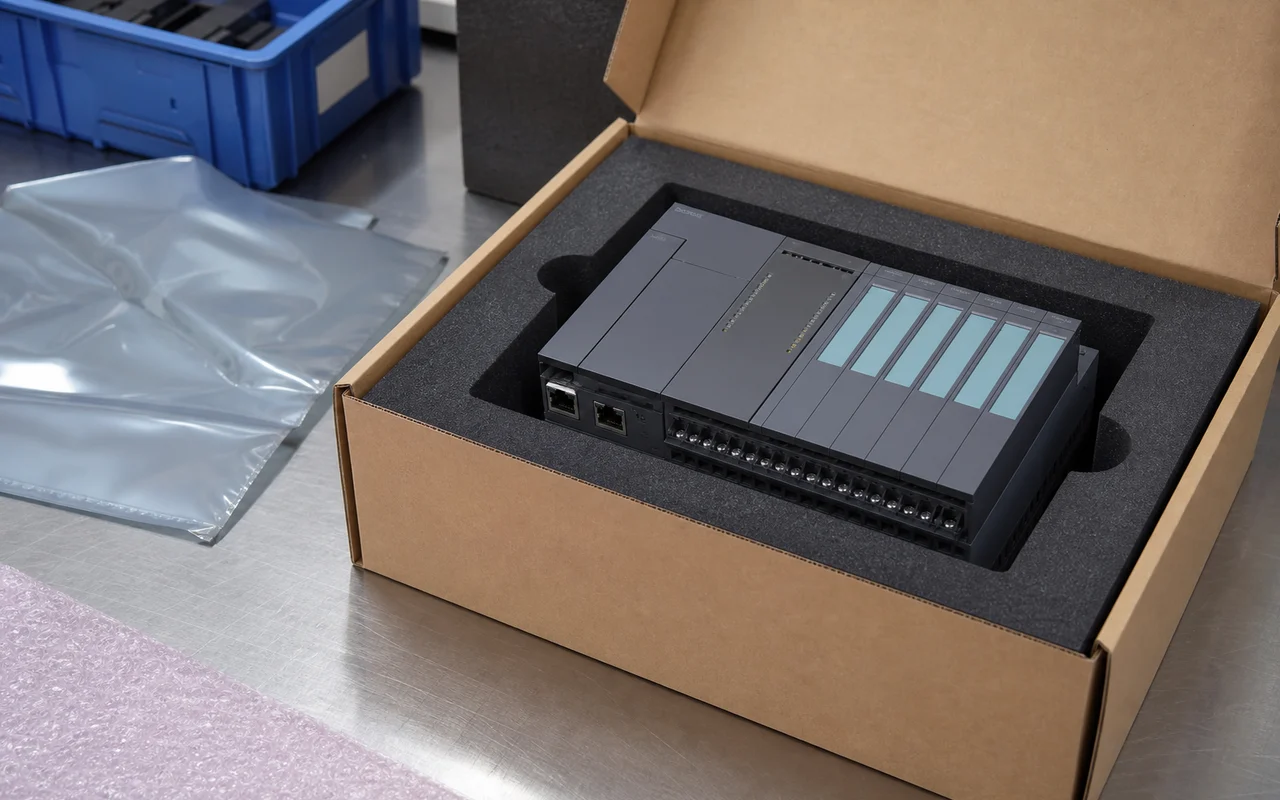 Secure Export Packing
Cushion protection and strong cartons ensure safe transportation.
 Worldwide Shipping
Global logistics network supports air, sea and express delivery.
 Documentation Check
Part number, revision and compatibility verified before shipment.
 After-sales Support
Professional technical support to help resolve your issues.