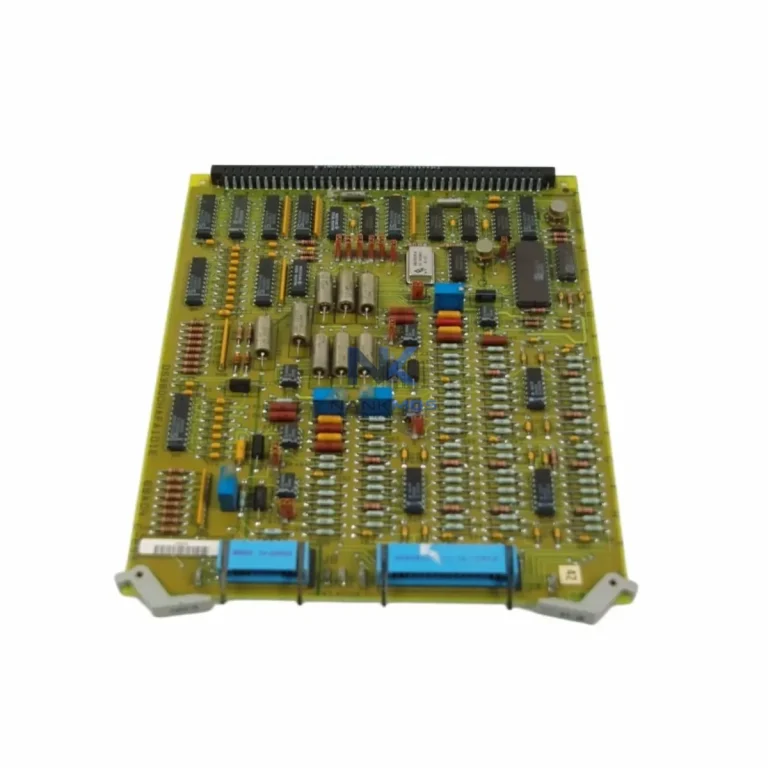
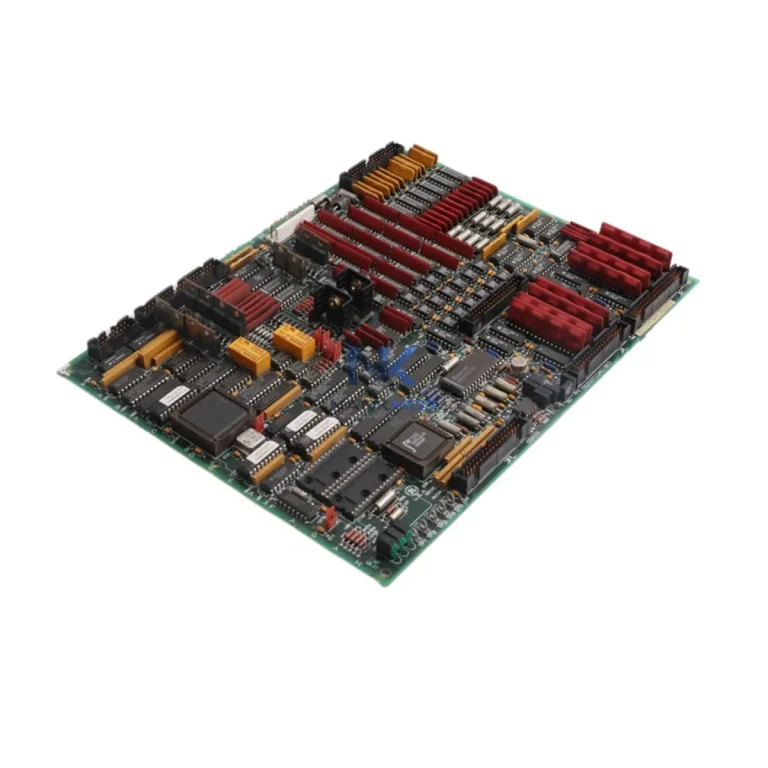
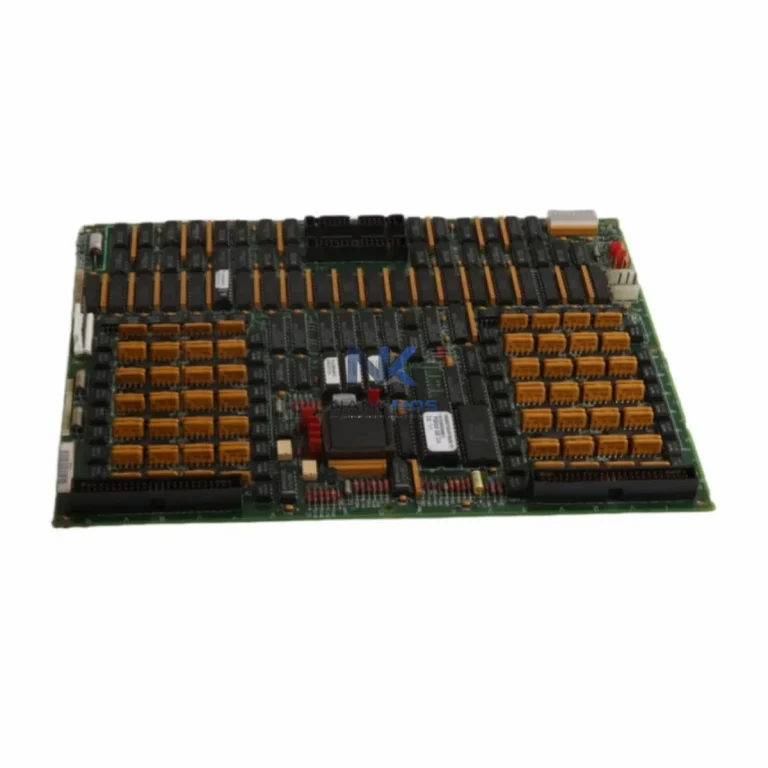
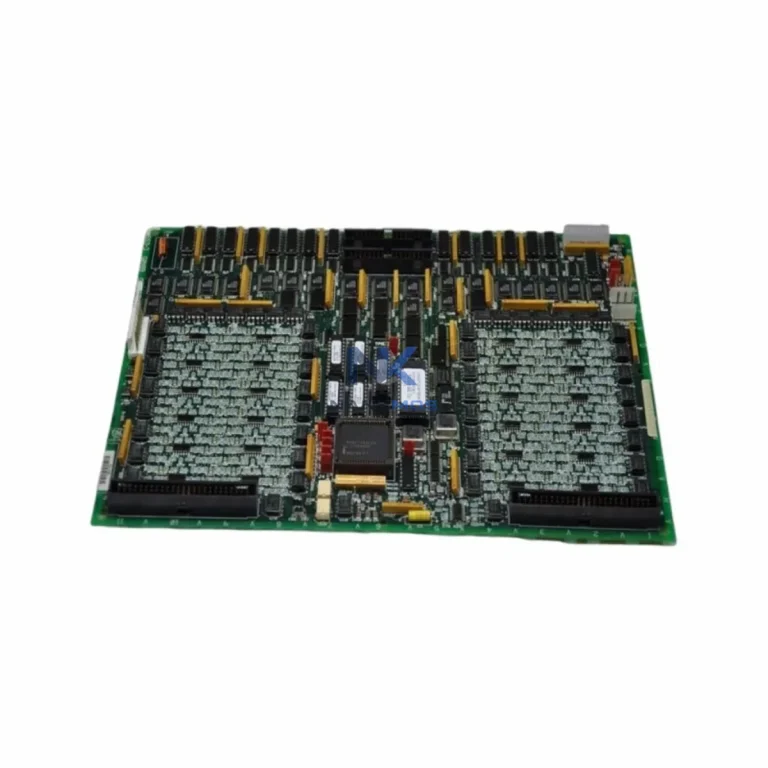
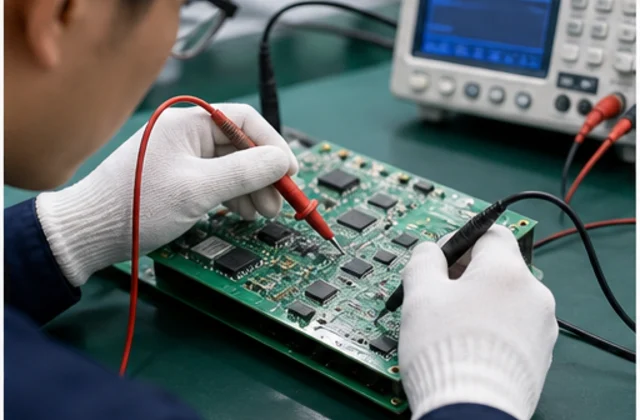
 Functional Inspection
100% tested on professional platforms to ensure stable performance.
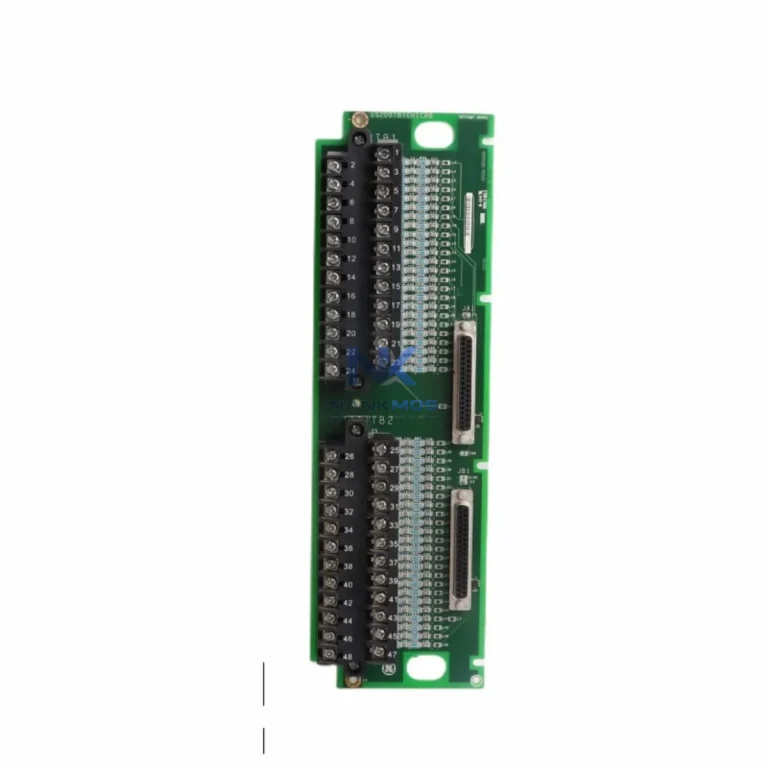
GE DS200PTBAG1ADC is a NANKMOS industrial automation product record Listed under Mark V series and Sensors. Confirm condition, availability, lead time, compatibility and documentation by email inquiry.
Brand names are used for identification only.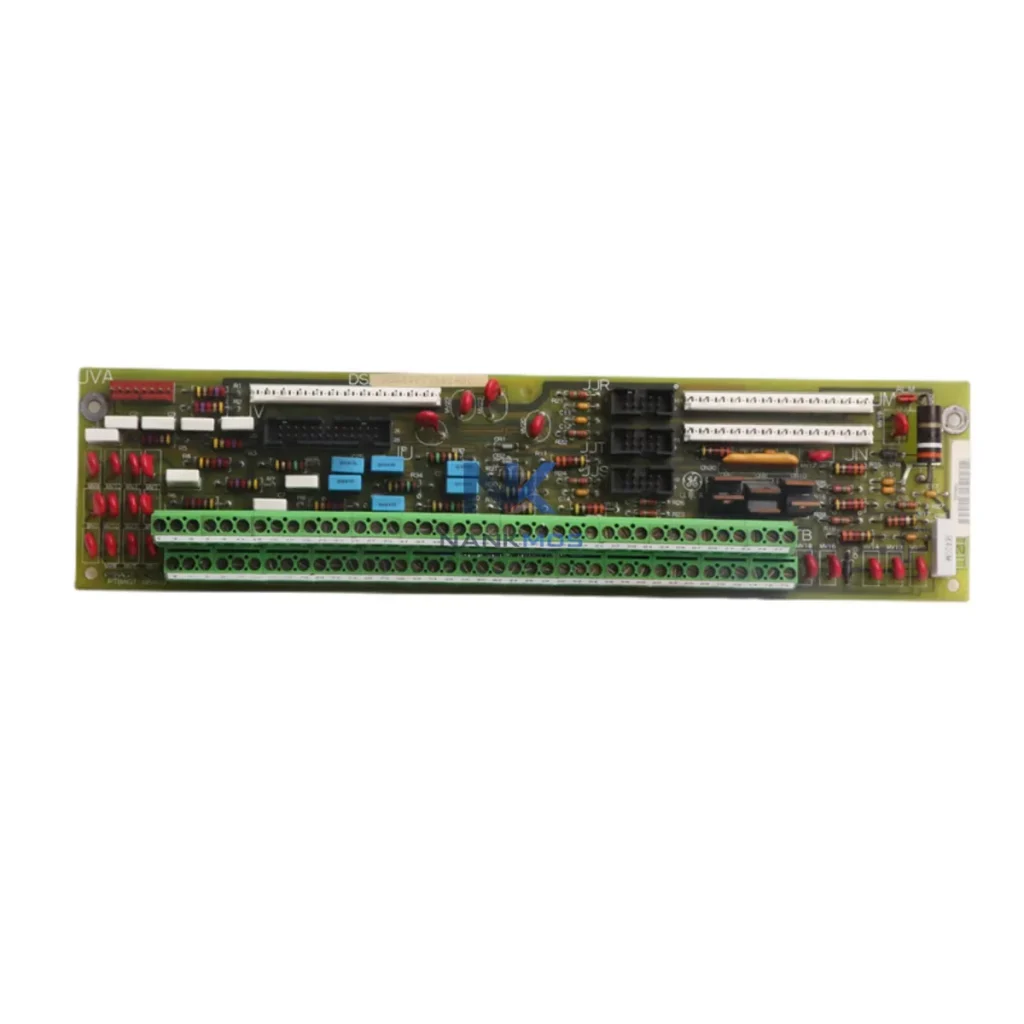
GE DS200PTBAG1ADC is a NANKMOS industrial automation product record Listed under Mark V series and Sensors. Confirm condition, availability, lead time, compatibility and documentation by email inquiry.
| Manufacturer | GE |
|---|---|
| Application | DCS / Control Board Replacement |
| Part Number / Model | DS200PTBAG1ADC |
| Compatible System | Mark V |
| Series | Mark V |
| Condition Options | To Confirm |
| Module Type | Control Board / Card |
| Warranty | 12 Months |
| Packaging | Anti-static Bag / Secure Box |
| Shipping Methods | DHL / FedEx / UPS / Air / Sea |
| Availability | To Confirm |
| Lead Time | To Confirm |
| Documentation | Part number and revision checked before quote |
The GE DS200PTBAG1ADC is a high-performance Pulse Transmitter Board engineered for the GE Mark V turbine control platform, delivering precision signal acquisition and seamless industrial network integration across complex automation architectures. Designed to operate at the intersection of field instrumentation and digital control infrastructure, this board captures high-frequency pulse signals from turbine speed sensors, flow meters, and rotating machinery, converting raw physical data into structured digital values that feed directly into the Mark V controller's real-time processing engine. In smart factory environments where millisecond-level data accuracy determines operational safety and efficiency, the DS200PTBAG1ADC serves as a critical data origination node — bridging the analog world of rotating equipment with the digital backbone of modern industrial communication networks.
Within a fully connected automation site, the DS200PTBAG1ADC does not operate in isolation. Its pulse signal outputs are processed by the GE Mark V TCCA core processor, which aggregates data from multiple I/O boards including the DS200TCQAG1BHF analog input board and the DS200DSPCH1ADA digital signal processor card. These processed values are then transmitted upstream via the Mark V's internal communication bus to SCADA platforms such as GE iFIX or Wonderware System Platform, enabling operators to monitor turbine speed, shaft vibration, and flow rates in real time from centralized control rooms or remote HMI terminals. The integration of the DS200PTBAG1ADC into this data chain ensures that no pulse event is lost, dropped, or misinterpreted — a requirement that is non-negotiable in power generation, oil and gas compression, and petrochemical processing environments.
The DS200PTBAG1ADC anchors the signal acquisition layer of a Mark V-based turbine control architecture. In a typical smart factory deployment, pulse signals from magnetic pickup sensors mounted on turbine shafts or compressor impellers are routed directly to the DS200PTBAG1ADC's input terminals. The board conditions, filters, and digitizes these signals before passing them to the GE DS200TCQAG1BHF analog I/O processor, which handles multi-channel data aggregation across the Mark V rack. Simultaneously, the GE DS200DSPCH1ADA digital signal processor card executes closed-loop speed control algorithms using the pulse frequency data as its primary feedback variable.
At the network layer, the Mark V controller communicates with upstream systems through a dedicated gateway module — commonly a GE IS200ESELH1A Ethernet interface card or a third-party Modbus TCP/DNP3 protocol converter — enabling the turbine's operational data to reach plant-level SCADA systems without proprietary protocol barriers. Operators monitoring from a GE Cimplicity HMI workstation or a Wonderware InTouch terminal can view real-time speed trends, pulse count histories, and alarm states derived directly from the DS200PTBAG1ADC's signal chain. For remote diagnostic sessions, engineers access the same data stream through VPN-secured SCADA connections, eliminating the need for on-site intervention during routine performance reviews.
The data flow extends further into the plant's edge computing layer, where an industrial edge gateway — such as a Moxa MGate or a Siemens SCALANCE device — aggregates Mark V outputs alongside data from other field devices including Yokogawa EJA110E differential pressure transmitters and ABB ACS880 variable frequency drives controlling auxiliary pumps and fans. This multi-vendor data convergence feeds into a unified plant historian or cloud analytics platform, enabling cross-system performance correlation, predictive maintenance scheduling, and energy optimization reporting. The DS200PTBAG1ADC's role as the originating pulse acquisition node makes it indispensable to the integrity of this entire data chain — any degradation in its signal fidelity propagates upstream as measurement error, control instability, or false alarm conditions.
For sites undergoing Mark V to Mark VIe migration, the DS200PTBAG1ADC can be retained in hybrid architectures where legacy I/O boards continue to serve as signal conditioners while new GE IS420UCSBH3A Mark VIe I/O packs handle protocol translation and Ethernet-based communication. Industrial managed switches — such as the Hirschmann MACH104 or Phoenix Contact FL SWITCH series — provide the network backbone that connects Mark VIe controllers, remote I/O panels, HMI servers, and historian nodes within a single, redundant ring topology.
Industrial automation sites running legacy Mark V turbine control systems frequently encounter data integration challenges that limit their ability to achieve full plant transparency. The DS200PTBAG1ADC addresses several of these challenges directly:
Protocol Fragmentation: Many plants operate mixed-protocol environments where Mark V's internal ARCNET bus cannot natively communicate with Modbus RTU, PROFIBUS DP, or EtherNet/IP devices. By pairing the DS200PTBAG1ADC with a protocol gateway module, pulse data can be translated and published to any standard industrial network, eliminating the data silos that prevent cross-system visibility.
Data Island Elimination: Turbine speed and flow data captured by the DS200PTBAG1ADC is often trapped within the Mark V controller and inaccessible to plant-level MES or ERP systems. Integrating the Mark V's communication output with OPC-UA servers or MQTT brokers allows this data to flow freely to cloud dashboards, mobile monitoring apps, and enterprise reporting tools — transforming isolated control data into actionable business intelligence.
Remote Monitoring and Diagnostics: Without reliable pulse signal data, remote engineers cannot accurately assess turbine health, detect early-stage bearing wear, or validate overspeed protection setpoints from off-site locations. The DS200PTBAG1ADC's high-resolution pulse acquisition capability provides the signal quality necessary for remote diagnostic confidence, reducing unplanned site visits and accelerating fault resolution timelines.
Production Line Transparency: In power plants and process facilities where multiple turbines or compressors operate in parallel, aggregating DS200PTBAG1ADC data from each unit into a unified SCADA dashboard enables operators to compare performance across machines, identify underperforming units, and schedule maintenance windows based on actual condition data rather than fixed time intervals.
Alarm Tracking and System Expansion: The DS200PTBAG1ADC supports alarm threshold configuration within the Mark V control logic, enabling speed deviation, overspeed, and underspeed alarms to be generated at the source and propagated through the network to operator workstations, mobile devices, and automated shutdown systems. As plant capacity expands, additional DS200-series I/O boards can be integrated into the existing Mark V rack without architectural redesign, providing a scalable path to increased monitoring coverage.
Q1: What communication protocols does the GE DS200PTBAG1ADC support for SCADA integration? The DS200PTBAG1ADC communicates natively via the GE Mark V internal bus (ARCNET-based backplane). For SCADA integration, the Mark V controller's communication interface — such as the GE IS200ESELH1A Ethernet card — translates internal bus data to Modbus TCP, DNP3, or OPC-DA/OPC-UA protocols, enabling connectivity with GE iFIX, Wonderware, Ignition, and other SCADA platforms. Protocol gateway devices can further extend compatibility to PROFIBUS DP, EtherNet/IP, and MQTT environments.
Q2: How does the DS200PTBAG1ADC ensure network stability and signal integrity in high-vibration turbine environments? The DS200PTBAG1ADC is designed to operate within the Mark V's ruggedized rack enclosure, which provides EMI shielding, vibration damping, and thermal management suited to turbine hall conditions. Its input circuitry includes signal conditioning filters that reject electrical noise from high-voltage switchgear and variable frequency drives operating in proximity. Network stability is further ensured by the Mark V's redundant communication architecture, which maintains controller-to-SCADA connectivity even during single-path failures.
Q3: Can the DS200PTBAG1ADC be used in a Mark V to Mark VIe migration without full system replacement? Yes. In phased migration projects, the DS200PTBAG1ADC can continue to serve as the pulse signal acquisition board while the Mark VIe controller handles higher-level processing and Ethernet-based communication. GE's migration toolkit supports hybrid rack configurations where DS200-series I/O boards interface with Mark VIe I/O packs via signal conditioning adapters, preserving existing field wiring investments while enabling modern network connectivity and remote diagnostic capabilities.
Q4: What does the 12-month warranty cover, and how is pre-shipment testing conducted? Every GE DS200PTBAG1ADC supplied by NANKMOS is covered by a 12-month warranty from the date of shipment, covering manufacturing defects, component failures, and functional non-conformance under normal operating conditions. Prior to dispatch, each board undergoes functional verification testing including pulse input simulation, output signal validation, and backplane communication checks. Test records are available upon request. Expedited shipping and technical support are available throughout the warranty period to minimize downtime in the event of a warranty claim.
Functional Inspection100% tested on professional platforms to ensure stable performance.
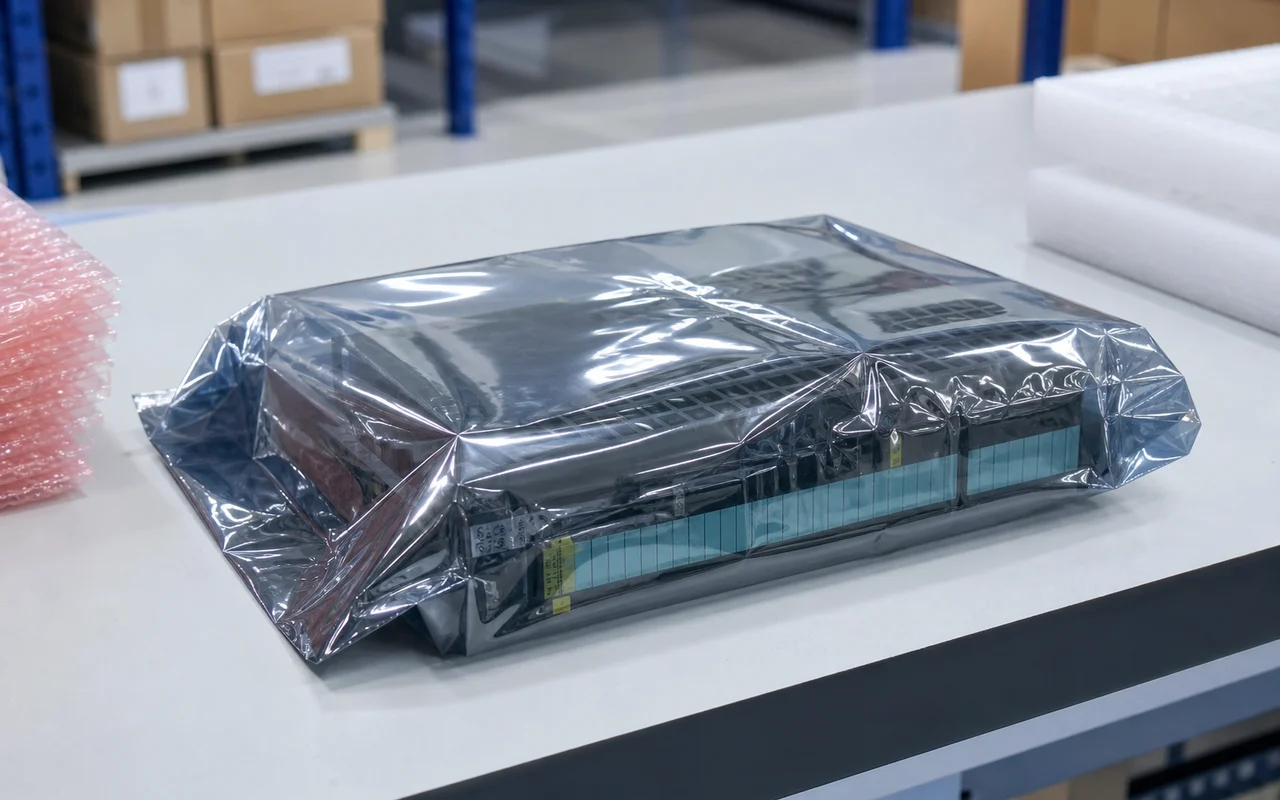 Anti-static Packaging
Modules are packed in anti-static bags to prevent electrostatic damage.
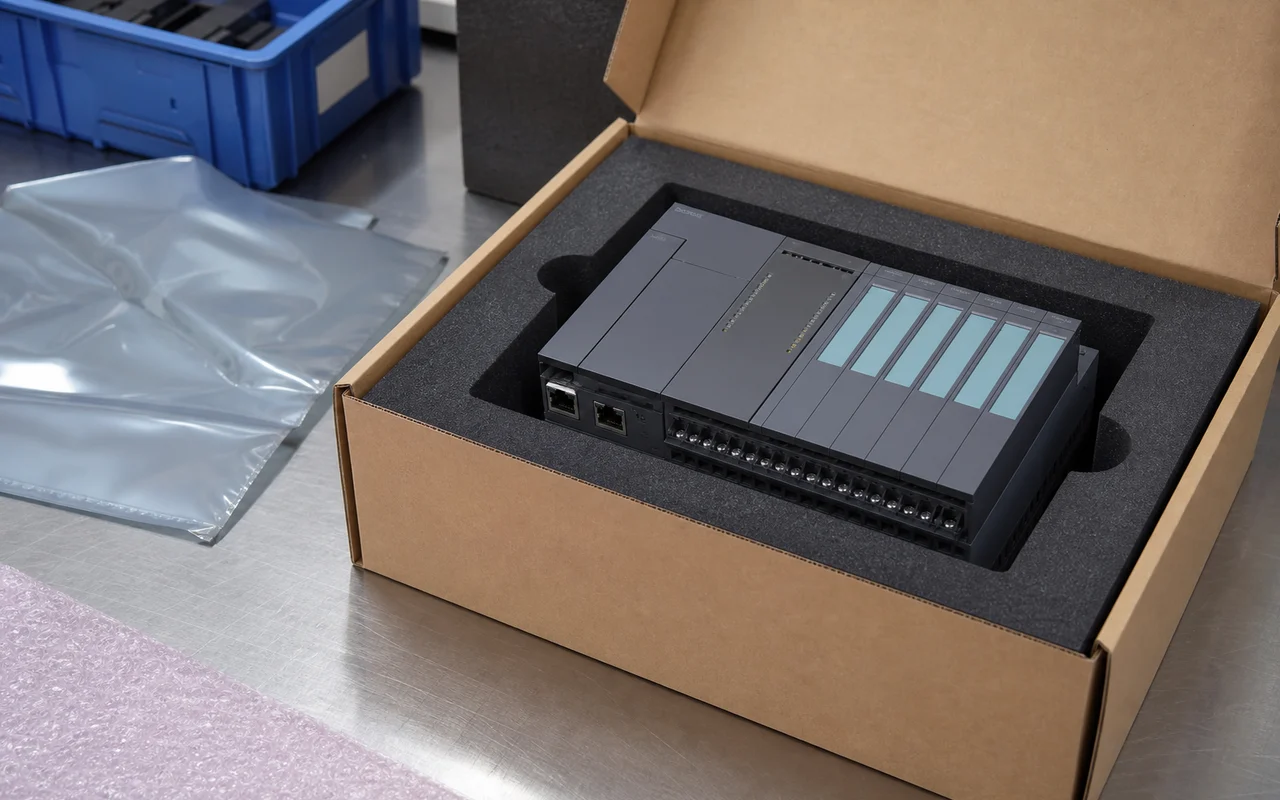 Secure Export Packing
Cushion protection and strong cartons ensure safe transportation.
 Worldwide Shipping
Global logistics network supports air, sea and express delivery.
 Documentation Check
Part number, revision and compatibility verified before shipment.
 After-sales Support
Professional technical support to help resolve your issues.