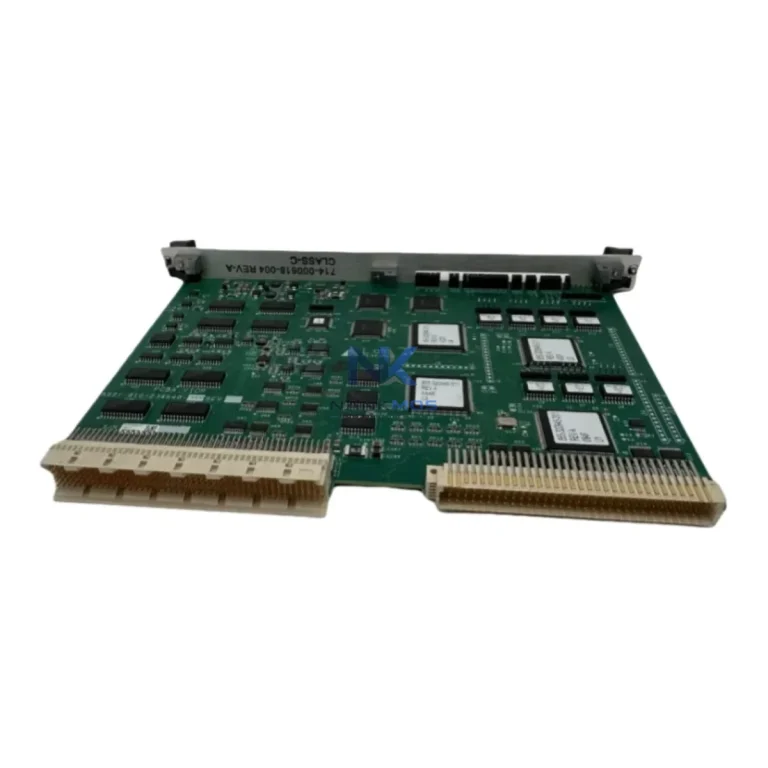
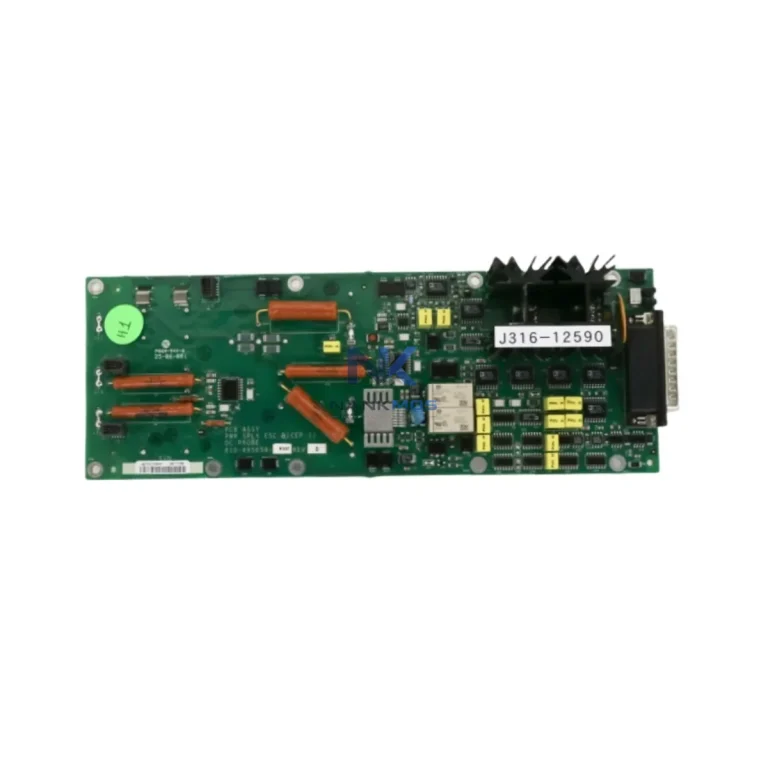
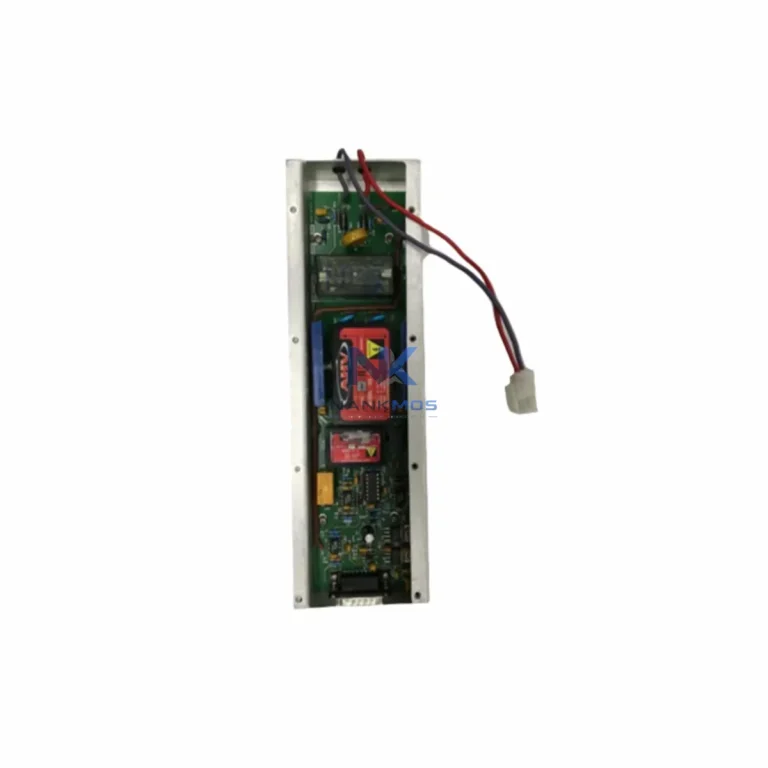
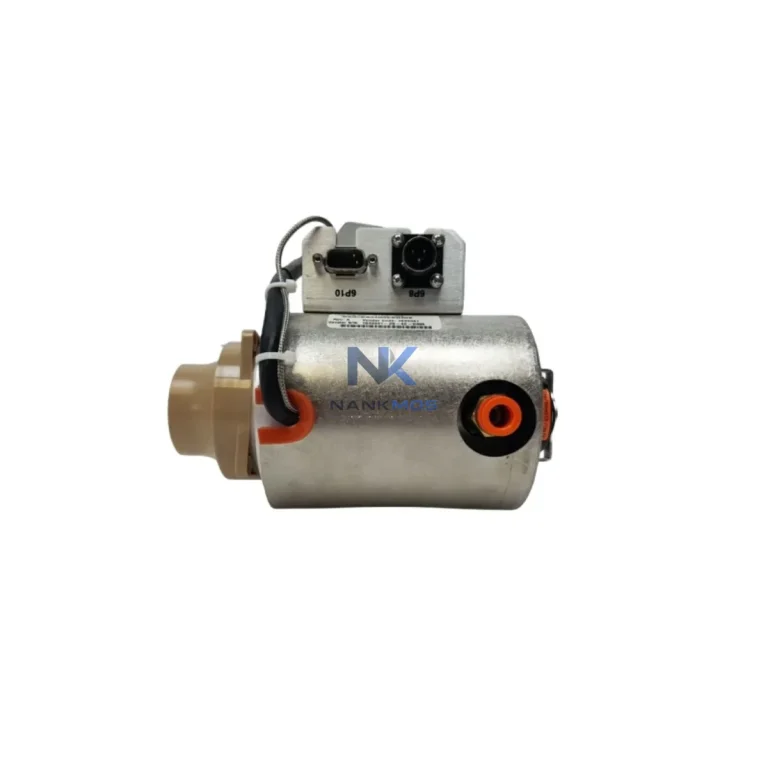
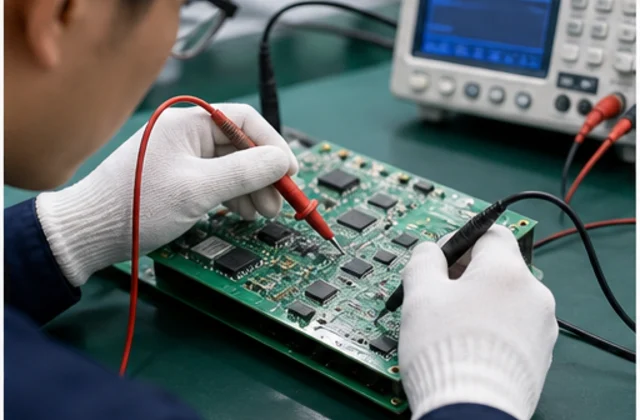
 Functional Inspection
100% tested on professional platforms to ensure stable performance.
Lam Research ECM01.1-PB01-NN OM80-HC12-V7 0242-30288 is a NANKMOS industrial automation product record Listed under Other series series and Drives. Confirm condition, availability, lead time, compatibility and documentation by email inquiry.
Brand names are used for identification only.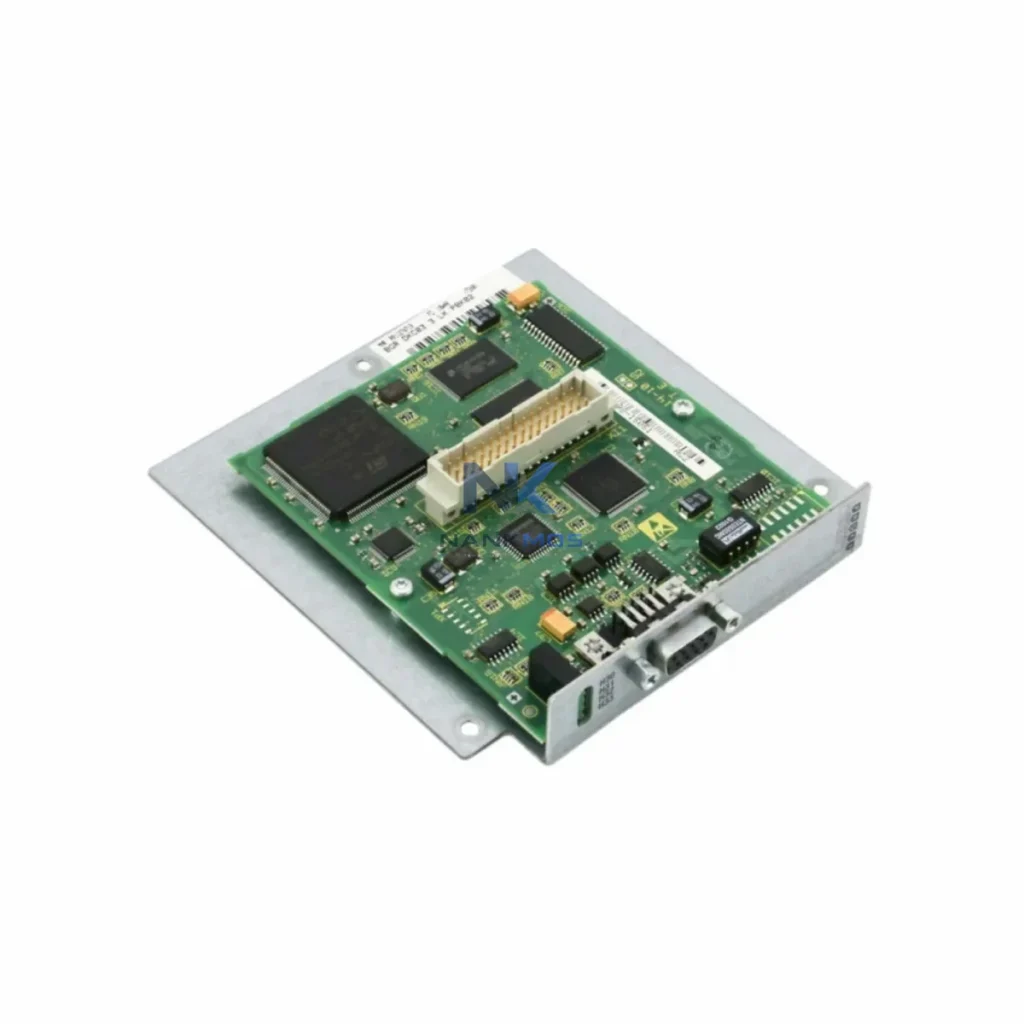
Lam Research ECM01.1-PB01-NN OM80-HC12-V7 0242-30288 is a NANKMOS industrial automation product record Listed under Other series series and Drives. Confirm condition, availability, lead time, compatibility and documentation by email inquiry.
| Manufacturer | Lam Research |
|---|---|
| Application | Motion Control & Drive System |
| Part Number / Model | ECM01.1-PB01-NN OM80-HC12-V7 0242-30288 |
| Compatible System | Confirmed by inquiry |
| Condition Options | To Confirm |
| Module Type | Servo / Drive Module |
| Warranty | 12 Months |
| Packaging | Anti-static Bag / Secure Box |
| Shipping Methods | DHL / FedEx / UPS / Air / Sea |
| Availability | To Confirm |
| Lead Time | To Confirm |
| Documentation | Part number and revision checked before quote |
The Lam Research ECM01.1-PB01-NN OM80-HC12-V7 (P/N: 0242-30288) is a precision-engineered industrial drive controller designed for ECM Series motion and process control systems. Built to operate within high-demand semiconductor and advanced manufacturing environments, this controller serves as a critical node in the plant-floor data chain — bridging field-level actuators, servo drives, and process equipment with upper-layer SCADA, HMI, and MES platforms. Its robust architecture supports real-time command execution, closed-loop feedback, and deterministic network communication, making it a cornerstone component for smart factory deployments where uptime, data integrity, and remote diagnostics are non-negotiable.
In modern automated facilities, the drive controller is no longer a standalone device — it is an active participant in the factory data network. The ECM01.1-PB01-NN integrates seamlessly into multi-axis motion architectures, coordinating with servo amplifiers, linear encoders, and precision actuators to deliver synchronized, high-resolution motion profiles. Its signal processing capability ensures that position feedback, velocity commands, and torque limits are transmitted with minimal latency across the control loop, supporting the tight cycle times demanded by semiconductor wafer handling, etch process control, and deposition equipment.
The ECM01.1-PB01-NN operates at the intersection of motion control and industrial networking, enabling a continuous, bidirectional data flow from the physical process layer to the supervisory control layer. In a typical smart factory deployment, the data chain begins at the sensor and actuator level — where linear encoders, proximity sensors, and pressure transducers feed real-time signals into the drive controller. The ECM01.1-PB01-NN processes these inputs, executes motion commands from the host PLC or motion controller, and returns status, fault, and position data upstream.
Within an ECM Series motion system, the ECM01.1-PB01-NN works in concert with companion servo amplifiers and axis modules to coordinate multi-axis trajectories. These axis modules receive interpolated path commands from the central motion controller and relay encoder feedback through the ECM01.1-PB01-NN's feedback interface, ensuring that position accuracy is maintained across all axes simultaneously. For facilities running PROFIBUS-based field networks, the controller's PB01 communication module enables direct integration with PROFIBUS DP master stations, allowing the drive to appear as a standard network node addressable by Siemens S7 PLCs, Schneider Modicon controllers, or equivalent PROFIBUS masters.
At the network transport layer, data from the ECM01.1-PB01-NN is aggregated by industrial Ethernet switches and routed to SCADA servers and HMI terminals. Operators monitoring the production line through HMI panels receive live drive status, axis position, velocity, and alarm states — enabling immediate response to process deviations without requiring physical access to the equipment. Remote I/O modules installed at distributed field cabinets extend the reach of the control network, collecting additional process signals and forwarding them through the same data backbone that carries ECM01.1-PB01-NN telemetry.
Edge gateway devices installed at the cell or zone level perform protocol translation between the PROFIBUS field network and higher-level Ethernet-based systems, ensuring that data from the ECM01.1-PB01-NN is accessible to MES platforms and cloud-based analytics engines without requiring proprietary middleware. Variable frequency drives (VFDs) controlling auxiliary motors — such as vacuum pumps, exhaust fans, and coolant circulators — are similarly networked, with their operational data flowing through the same SCADA infrastructure. This unified data architecture allows maintenance engineers to correlate drive controller performance with auxiliary equipment behavior, identifying systemic issues before they escalate into unplanned downtime.
Power distribution modules and industrial UPS systems supporting the ECM Series equipment are also monitored through the network, with power quality data — voltage, current, and harmonic distortion — logged alongside drive controller metrics. This holistic view of the electrical and mechanical system enables predictive maintenance workflows, where anomalies in power consumption or drive response are flagged automatically and routed to maintenance management systems for scheduling and resolution.
Many advanced manufacturing facilities face persistent challenges with protocol fragmentation, data silos, and limited remote visibility into drive-level equipment. The ECM01.1-PB01-NN addresses these challenges directly through its multi-protocol communication architecture and compatibility with standard industrial networking infrastructure.
Protocol Unification: In facilities where legacy RS-232/RS-485 devices coexist with modern PROFIBUS or Ethernet-based systems, the ECM01.1-PB01-NN's flexible interface options allow it to communicate with both legacy and contemporary control platforms. This eliminates the need for dedicated protocol converters at each drive node, reducing network complexity and potential failure points.
Eliminating Data Silos: By exposing drive status, fault codes, and performance metrics through the PROFIBUS network, the ECM01.1-PB01-NN ensures that drive-level data is available to SCADA historians and MES databases in real time. Maintenance teams no longer need to physically inspect drive controllers to retrieve fault logs — all diagnostic data is accessible remotely through the SCADA interface.
Remote Monitoring and Diagnostics: The controller's real-time feedback loop enables remote diagnostics from the SCADA or HMI layer. Engineers can monitor axis position, velocity error, and drive temperature from the control room, identifying developing faults before they cause process interruptions. Alarm states are transmitted immediately to the SCADA alarm management system, ensuring that response times are minimized and root cause analysis can begin without delay.
Production Line Transparency: Integration with MES platforms allows the ECM01.1-PB01-NN's operational data to be correlated with production records, enabling traceability of drive performance across individual wafer lots or production batches. This level of transparency supports quality management systems and regulatory compliance requirements in semiconductor manufacturing environments.
System Scalability: The PROFIBUS-based architecture of the ECM01.1-PB01-NN supports network expansion without requiring changes to the host control system. Additional drive nodes, remote I/O modules, or sensor interfaces can be added to the PROFIBUS segment as production capacity grows, with the host PLC automatically recognizing new devices through the GSD-based configuration process.
All units are subject to pre-shipment functional testing, verifying communication integrity, command response, and feedback accuracy prior to dispatch. Stock is maintained for prompt global fulfillment, and each unit is covered by a 12-Month Warranty from the date of shipment.
Q1: What communication protocols does the ECM01.1-PB01-NN support, and is it compatible with Siemens or Schneider PLC platforms? The ECM01.1-PB01-NN features a PROFIBUS DP interface (PB01 module) alongside RS-232/RS-485 serial communication and analog/digital I/O. It is compatible with any PROFIBUS DP master, including Siemens S7-300/400/1500 series PLCs and Schneider Modicon M340/M580 controllers. Configuration is performed using standard GSD files, requiring no proprietary software beyond the PLC's existing engineering environment.
Q2: How does the ECM01.1-PB01-NN support remote diagnostics and what data is available through the SCADA interface? Through the PROFIBUS network, the ECM01.1-PB01-NN exposes axis position, velocity, torque, drive temperature, fault codes, and operational status to the SCADA system in real time. Alarm states are transmitted immediately upon detection, enabling remote fault identification and response without requiring physical access to the drive controller. Historical data is logged by the SCADA historian for trend analysis and predictive maintenance.
Q3: What is the network latency performance of the ECM01.1-PB01-NN in a multi-axis PROFIBUS configuration? The ECM01.1-PB01-NN is designed for deterministic, real-time communication within PROFIBUS DP networks operating at standard baud rates up to 12 Mbps. In typical multi-axis configurations with 8–16 drive nodes, cycle times are well within the requirements of semiconductor process equipment, ensuring that command-to-response latency does not impact motion accuracy or process repeatability.
Q4: Does the ECM01.1-PB01-NN include a warranty, and what pre-shipment testing is performed? Yes. Every ECM01.1-PB01-NN unit is covered by a 12-Month Warranty from the date of shipment. Prior to dispatch, each unit undergoes functional verification including communication interface testing, command/feedback loop validation, and fault detection checks. Units that do not meet specification are quarantined and not dispatched. Global stock is maintained for prompt fulfillment to minimize lead times for critical replacement requirements.
Functional Inspection100% tested on professional platforms to ensure stable performance.
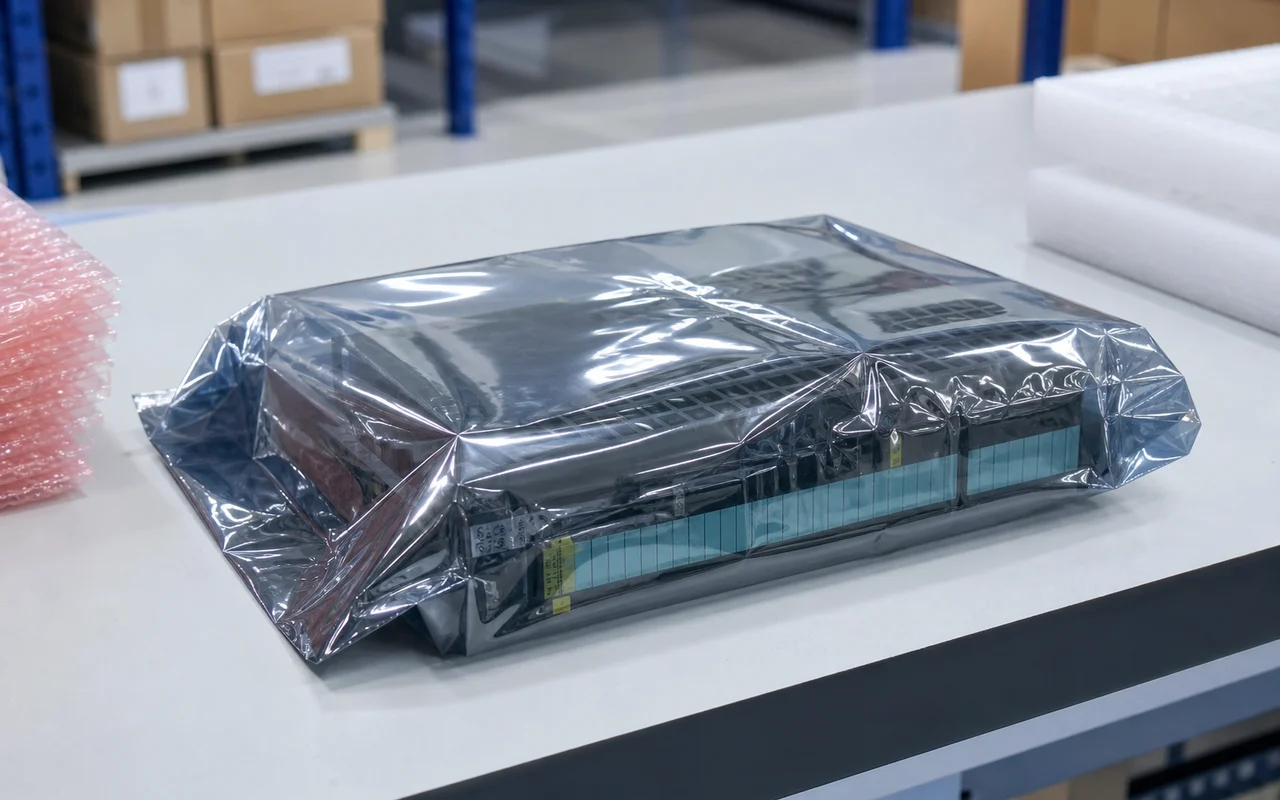 Anti-static Packaging
Modules are packed in anti-static bags to prevent electrostatic damage.
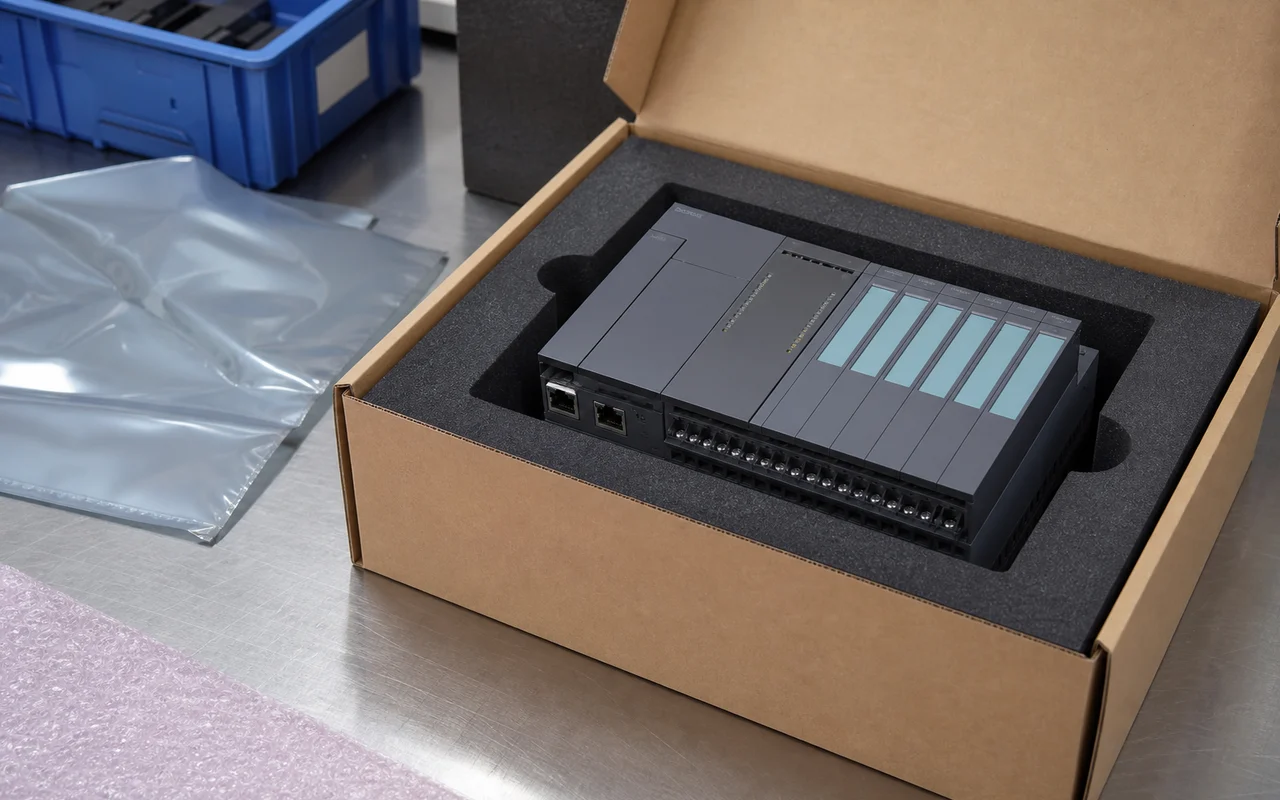 Secure Export Packing
Cushion protection and strong cartons ensure safe transportation.
 Worldwide Shipping
Global logistics network supports air, sea and express delivery.
 Documentation Check
Part number, revision and compatibility verified before shipment.
 After-sales Support
Professional technical support to help resolve your issues.