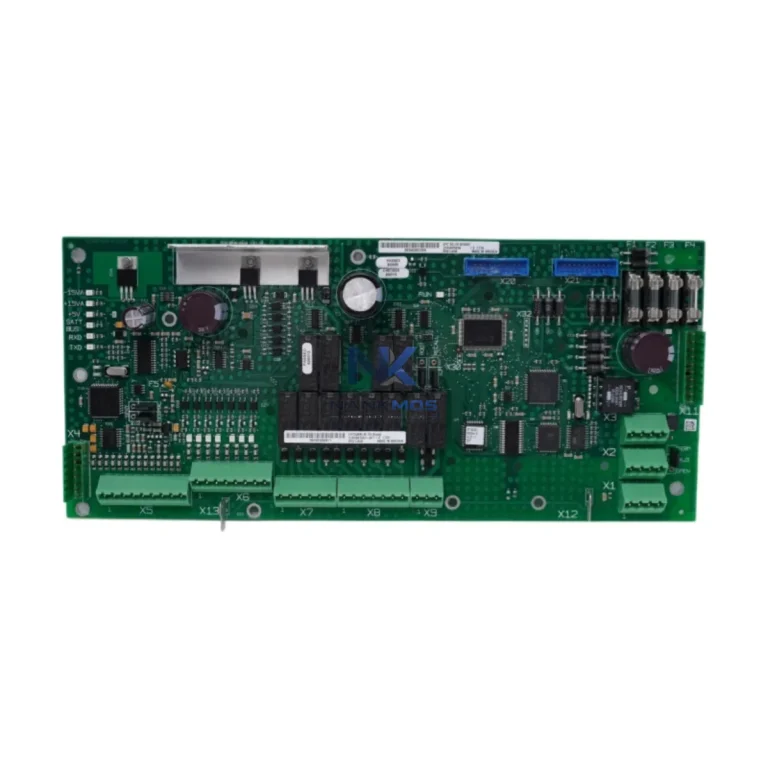
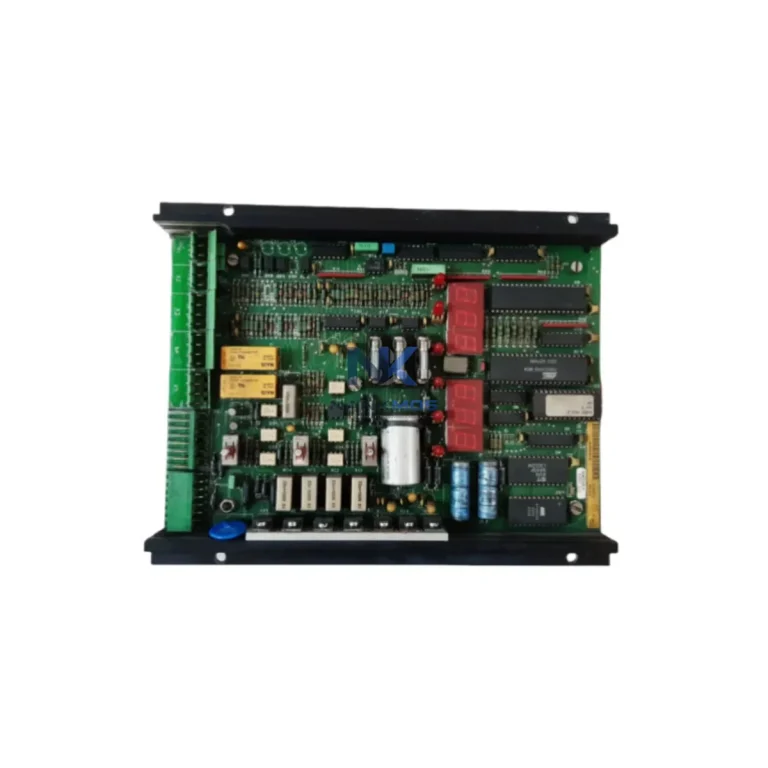
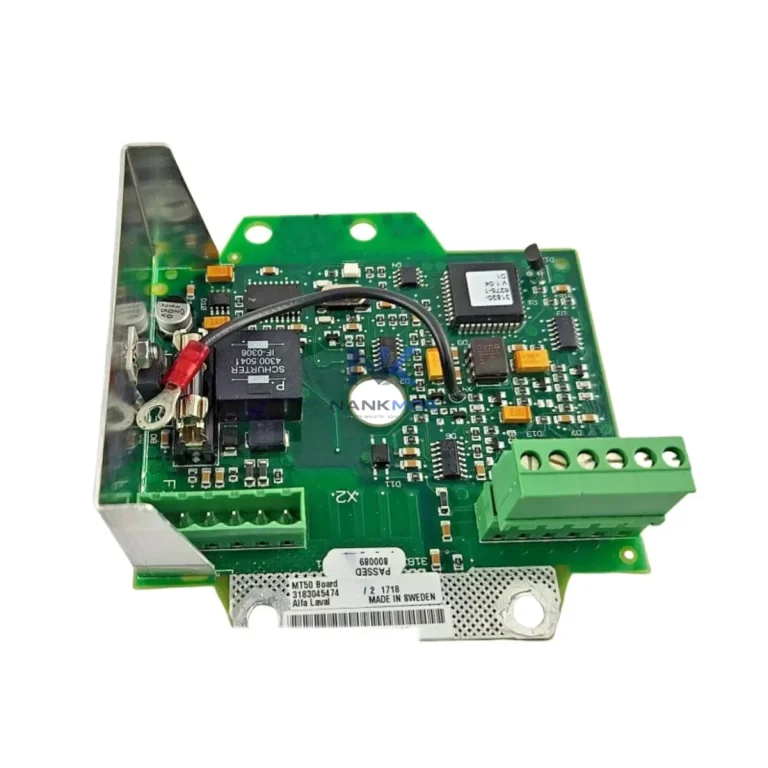
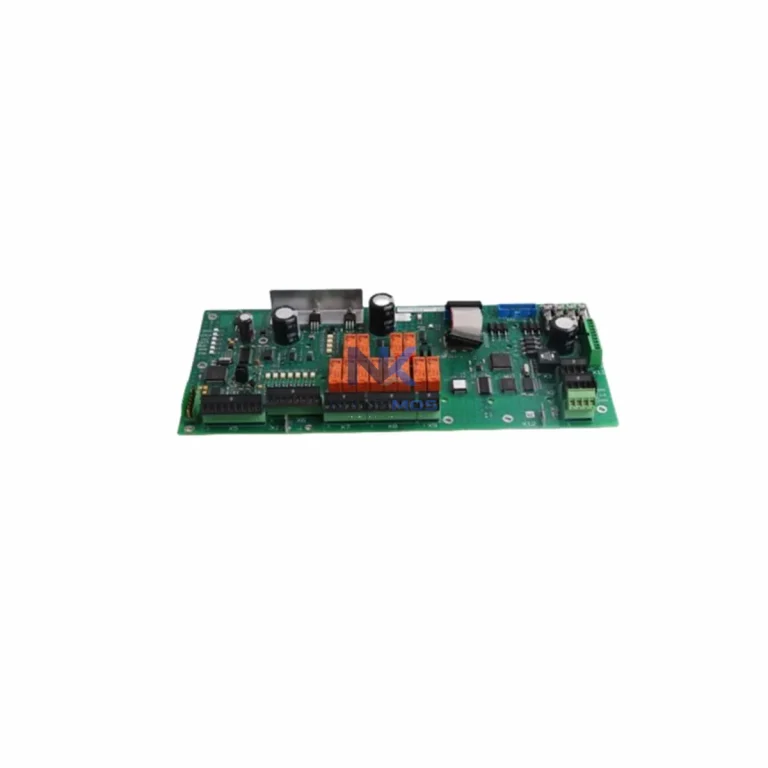
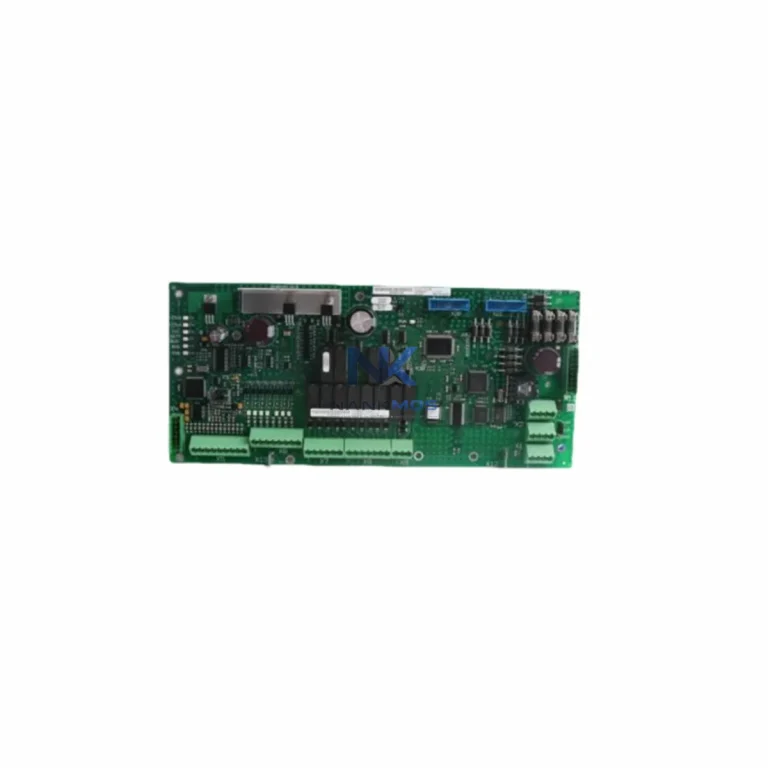
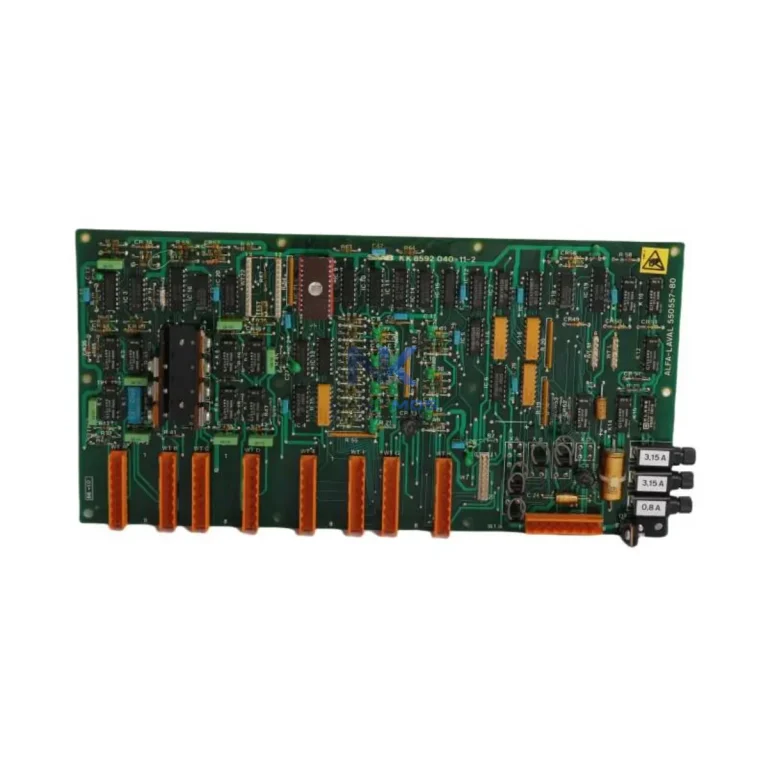
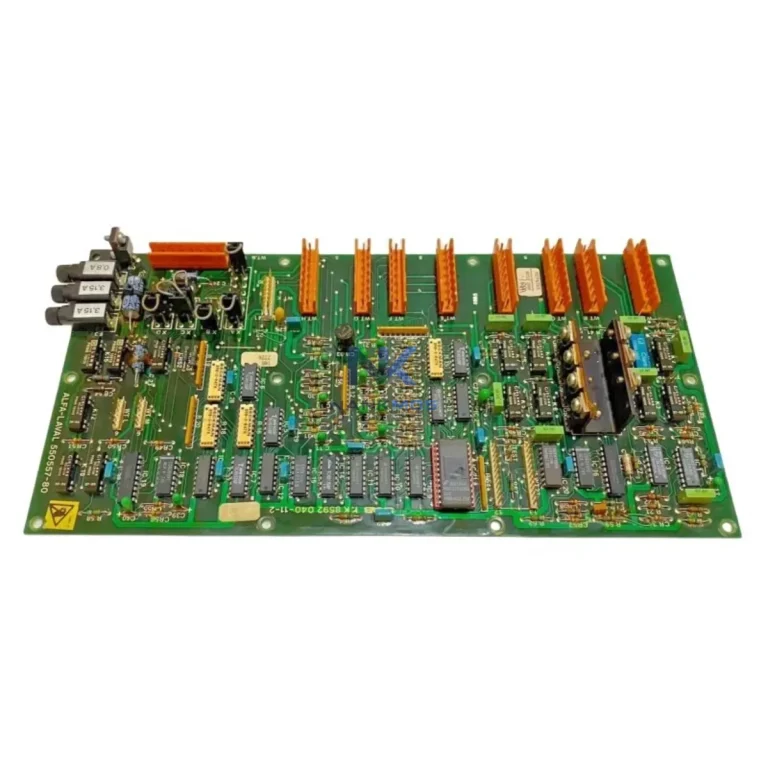
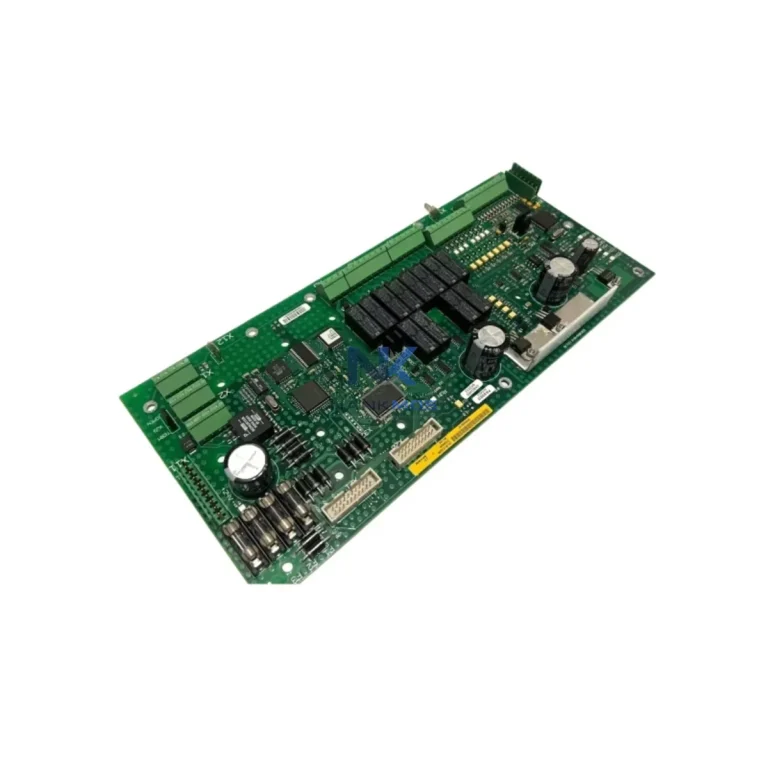
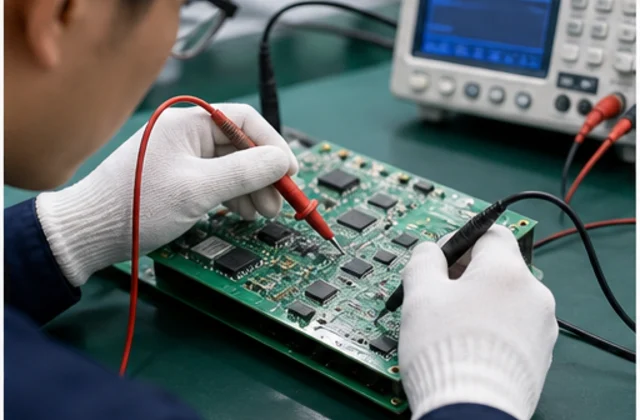
 Functional Inspection
100% tested on professional platforms to ensure stable performance.
Alfa Laval EPC1000 is a NANKMOS industrial automation product record Listed under Other series series and Drives. Confirm condition, availability, lead time, compatibility and documentation by email inquiry.
Brand names are used for identification only.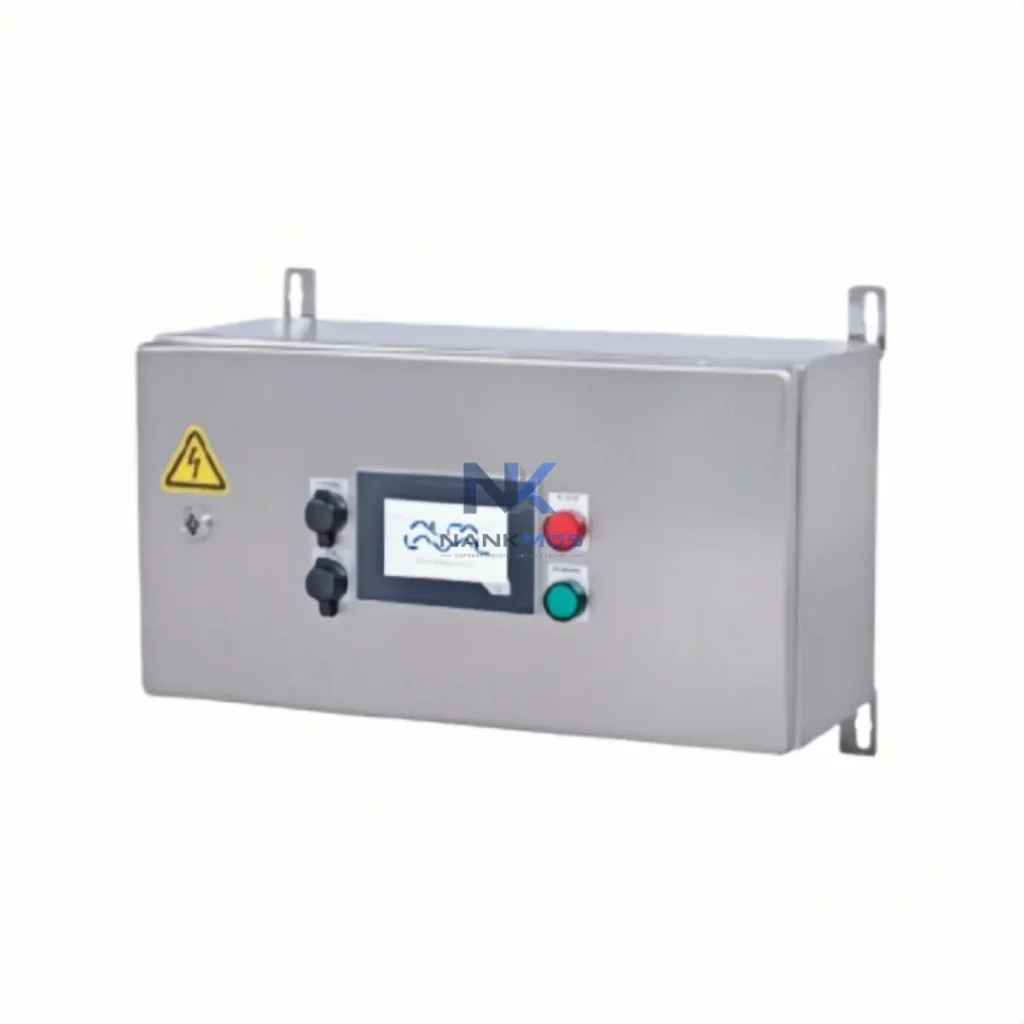
Alfa Laval EPC1000 is a NANKMOS industrial automation product record Listed under Other series series and Drives. Confirm condition, availability, lead time, compatibility and documentation by email inquiry.
| Manufacturer | Alfa Laval |
|---|---|
| Application | Controller Processing & System Control |
| Part Number / Model | EPC1000 |
| Compatible System | Confirmed by inquiry |
| Condition Options | To Confirm |
| Module Type | Controller / CPU Module |
| Warranty | 12 Months |
| Packaging | Anti-static Bag / Secure Box |
| Shipping Methods | DHL / FedEx / UPS / Air / Sea |
| Availability | To Confirm |
| Lead Time | To Confirm |
| Documentation | Part number and revision checked before quote |
The Alfa Laval EPC1000 is a high-performance energy-control industrial controller from the EPC Series, engineered to deliver precise load management, motor control optimization, and drive efficiency across demanding industrial automation environments. Designed for integration into smart production lines, the EPC1000 enables facilities to reduce unnecessary energy consumption, lower thermal loads on critical equipment, and maintain consistent production throughput — all while supporting predictive maintenance strategies and long-term operational reliability.
Built on Alfa Laval's proven EPC platform, the EPC1000 is purpose-built for applications where energy efficiency is not a secondary consideration but a core operational requirement. Whether deployed in continuous process manufacturing, discrete assembly lines, or hybrid production environments, this controller provides the intelligence needed to align energy input with actual production demand — eliminating waste at the source.
The Alfa Laval EPC1000 is designed to operate as a central node within a power-aware automation architecture. In modern industrial facilities, energy efficiency depends not on a single device but on the coordinated behavior of an entire control ecosystem. The EPC1000 is built to participate actively in that ecosystem.
When paired with a Siemens S7-1500 PLC or equivalent programmable logic controller, the EPC1000 receives real-time production scheduling data and adjusts its control outputs to match actual line demand — preventing the common inefficiency of running equipment at full capacity during low-throughput periods. This demand-responsive behavior is further enhanced when the EPC1000 operates alongside a Danfoss FC302 variable frequency drive (VFD), where motor speed is continuously modulated based on load feedback rather than fixed setpoints.
For servo-driven axes, the EPC1000 integrates with Yaskawa Sigma-7 servo drives to coordinate motion profiles with energy availability windows — reducing peak current draw during simultaneous multi-axis acceleration events. This coordination is particularly valuable in high-density assembly lines where inrush current spikes contribute significantly to peak demand charges.
Power quality and consumption visibility are provided through integration with Schneider Electric PowerLogic PM5000 series power monitoring modules, which feed real-time kWh, power factor, and harmonic distortion data back to the EPC1000's control logic. This closed-loop energy feedback allows the controller to make dynamic adjustments that a conventional fixed-parameter controller cannot achieve.
On the field device side, the EPC1000 communicates with distributed Beckhoff EL series I/O terminals to aggregate sensor data from temperature probes, current transducers, and pressure transmitters across the production line. This data informs the controller's thermal load management routines — identifying equipment running hotter than expected and reducing drive output before thermal protection events occur.
Operator visibility is maintained through a Siemens SIMATIC HMI TP1200 Comfort Panel, where energy consumption trends, load distribution maps, and controller status are displayed in real time. Alarm thresholds for overcurrent, thermal overload, and communication faults are configurable directly from the HMI, reducing the need for engineering intervention during routine operations.
At the network level, the EPC1000 connects to plant-wide SCADA systems — including Wonderware InTouch and Ignition by Inductive Automation — via standard industrial Ethernet protocols, enabling energy data to be logged, trended, and reported at the enterprise level. This connectivity supports ISO 50001 energy management system (EnMS) compliance reporting and facilitates continuous improvement initiatives driven by actual consumption data rather than estimates.
Communication reliability is ensured through compatibility with Moxa NPort industrial serial device servers and Phoenix Contact FL SWITCH managed Ethernet switches, which maintain deterministic communication latency even in electrically noisy production environments. The EPC1000's protocol flexibility — supporting Modbus RTU/TCP, PROFIBUS DP, and EtherNet/IP — means it can be retrofitted into existing control architectures without requiring a full network redesign.
Factory energy costs are rarely distributed evenly across a production shift. Peak demand events, idle-state overconsumption, and uncoordinated motor starts are among the most common — and most correctable — sources of energy waste in industrial facilities. The Alfa Laval EPC1000 addresses each of these through a combination of real-time load monitoring, adaptive control output, and predictive operational logic.
Reducing Idle-State Energy Draw: Many production lines consume 40–60% of their peak energy during non-productive periods — conveyor systems running empty, HVAC systems operating at full capacity between shifts, and auxiliary drives spinning without load. The EPC1000's demand-responsive control logic detects these idle conditions through I/O feedback and automatically reduces drive output, fan speeds, and auxiliary power to minimum-required levels. When production resumes, the controller executes a coordinated soft-start sequence that brings all systems back to operational speed without generating the inrush current spikes associated with uncontrolled restarts.
Thermal Load Management: Heat is one of the most damaging and energy-intensive byproducts of industrial automation. Excessive thermal loads shorten component lifespans, increase cooling system energy consumption, and create unplanned downtime events. The EPC1000 monitors thermal feedback from connected drives, motors, and power modules, and adjusts operating parameters — including switching frequency, output current limits, and duty cycle — to keep thermal loads within optimal ranges. This proactive thermal management reduces cooling energy requirements and extends the mean time between failures (MTBF) for connected equipment.
Production Line Rhythm Stabilization: Inconsistent production throughput — caused by uncoordinated equipment starts, communication latency, or unbalanced load distribution — results in both energy waste and quality defects. The EPC1000 synchronizes control outputs across multiple drive systems to maintain a consistent production rhythm, ensuring that upstream and downstream equipment operate in phase. This synchronization reduces the energy cost of acceleration and deceleration events and improves overall equipment effectiveness (OEE) by minimizing micro-stoppages caused by timing mismatches.
Predictive Maintenance Integration: By continuously logging operational parameters — including current draw trends, thermal profiles, and communication error rates — the EPC1000 provides the data foundation for predictive maintenance programs. Facilities using this data in conjunction with SCADA analytics platforms can identify developing faults weeks before they cause unplanned downtime, scheduling maintenance during planned production windows rather than responding reactively to failures. This shift from reactive to predictive maintenance reduces both maintenance costs and the energy waste associated with running degraded equipment at reduced efficiency.
Every unit shipped from NANKMOS undergoes a full functional test prior to dispatch, verifying control output accuracy, communication protocol integrity, and thermal performance under simulated load conditions. This pre-shipment testing process ensures that the EPC1000 arrives ready for immediate integration — reducing commissioning time and the associated labor costs.
Q1: What measurable energy savings can the Alfa Laval EPC1000 deliver in a typical production environment? Actual savings vary by application, but facilities integrating the EPC1000 into coordinated drive and motor control architectures typically report reductions in idle-state energy consumption of 20–40%, with additional savings from improved power factor and reduced peak demand charges. The controller's demand-responsive logic is most effective in applications with variable production schedules, where the gap between peak and average load is significant.
Q2: Is the EPC1000 compatible with existing PLC and SCADA infrastructure without requiring a full system redesign? Yes. The EPC1000 supports Modbus RTU/TCP, PROFIBUS DP, and EtherNet/IP, making it compatible with the majority of installed PLC platforms — including Siemens S7, Allen-Bradley ControlLogix, and Mitsubishi MELSEC series — as well as leading SCADA platforms. In most retrofit scenarios, integration requires only configuration changes at the communication layer, with no hardware modifications to existing control panels.
Q3: What is the recommended replacement or upgrade path for facilities currently using older EPC Series controllers? The EPC1000 is designed as a direct functional upgrade within the Alfa Laval EPC Series platform. Facilities running earlier EPC models can typically migrate to the EPC1000 with minimal wiring changes, as the physical I/O configuration and communication pinout are consistent across the series. NANKMOS technical support can provide application-specific migration guidance based on your existing system documentation.
Q4: What does the 12-month warranty cover, and what is the process for warranty claims? The 12-month warranty provided by NANKMOS covers manufacturing defects, component failures under normal operating conditions, and communication interface faults identified during the warranty period. Each unit is tested prior to shipment, and test records are retained for warranty reference. To initiate a warranty claim, contact NANKMOS at [email protected] or +86 18359268345 with your order reference and a description of the observed fault. Replacement units are dispatched from in-stock inventory to minimize production downtime.
Functional Inspection100% tested on professional platforms to ensure stable performance.
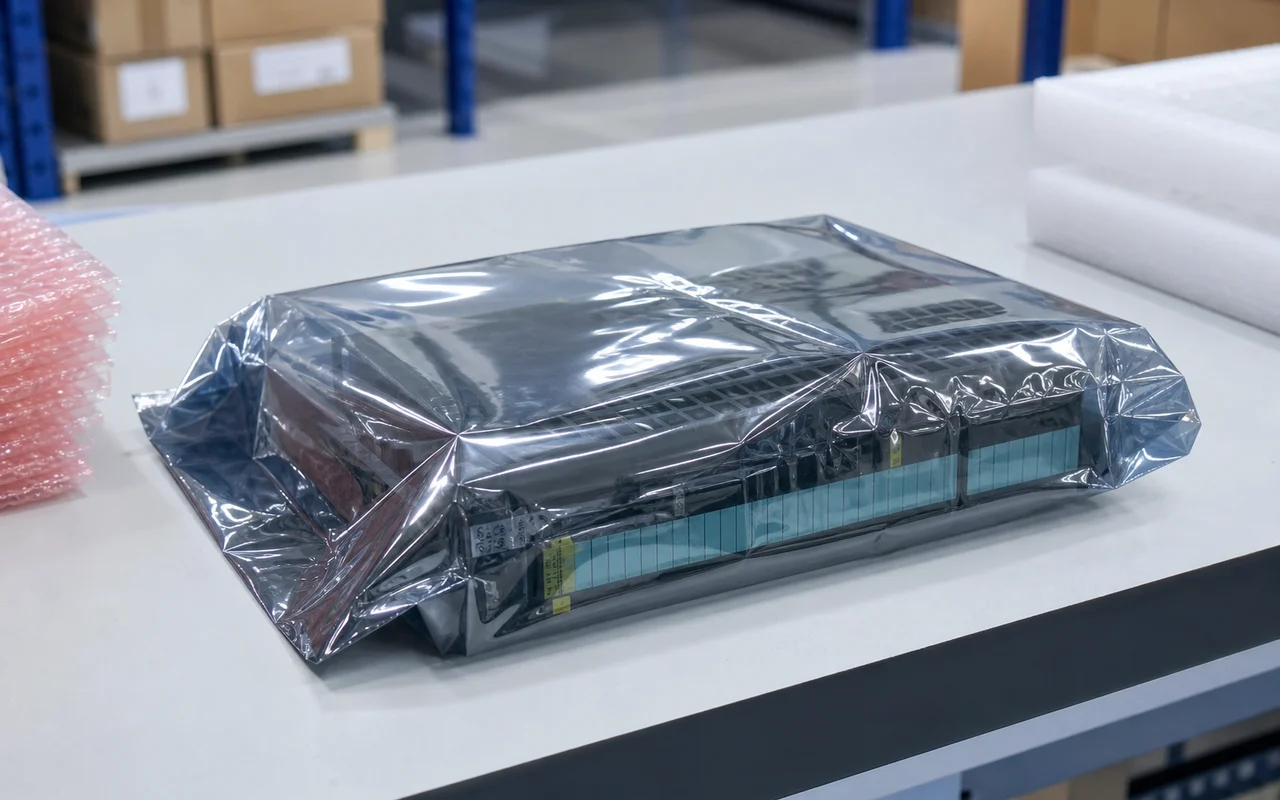 Anti-static Packaging
Modules are packed in anti-static bags to prevent electrostatic damage.
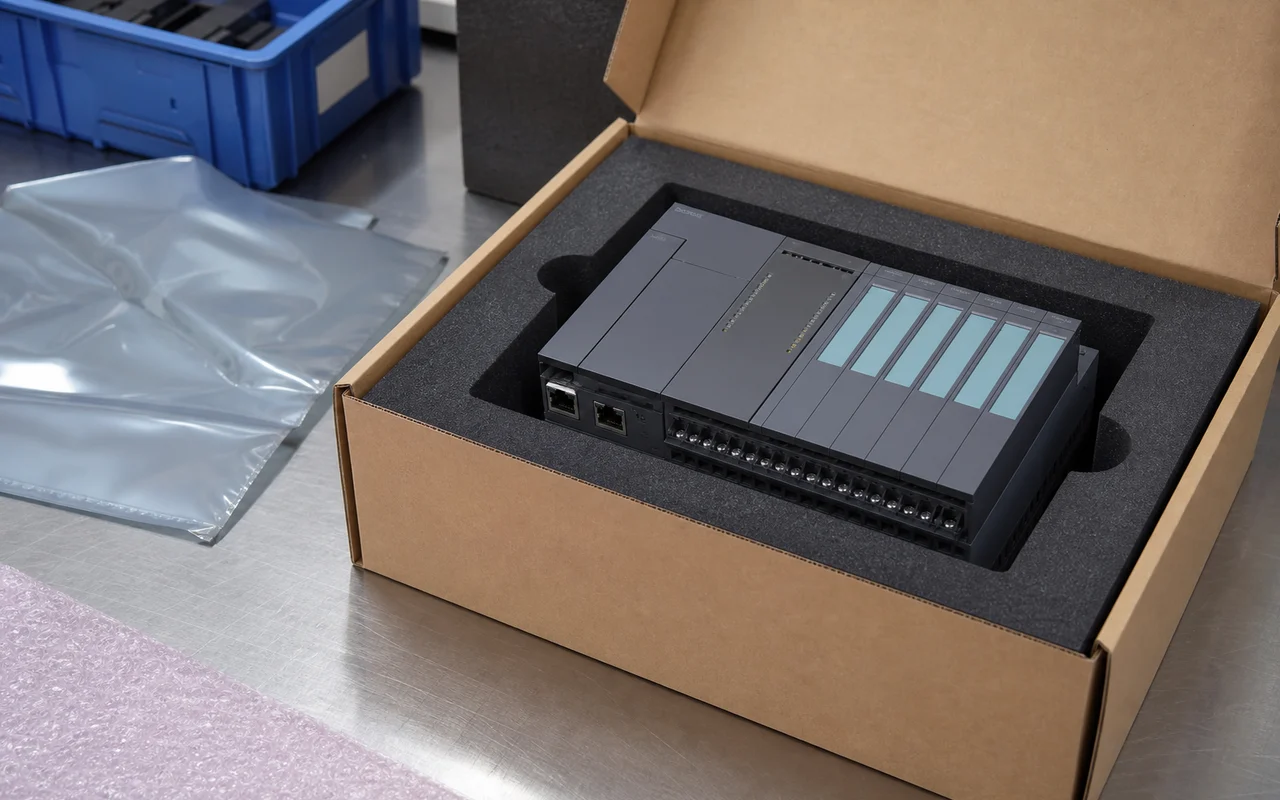 Secure Export Packing
Cushion protection and strong cartons ensure safe transportation.
 Worldwide Shipping
Global logistics network supports air, sea and express delivery.
 Documentation Check
Part number, revision and compatibility verified before shipment.
 After-sales Support
Professional technical support to help resolve your issues.