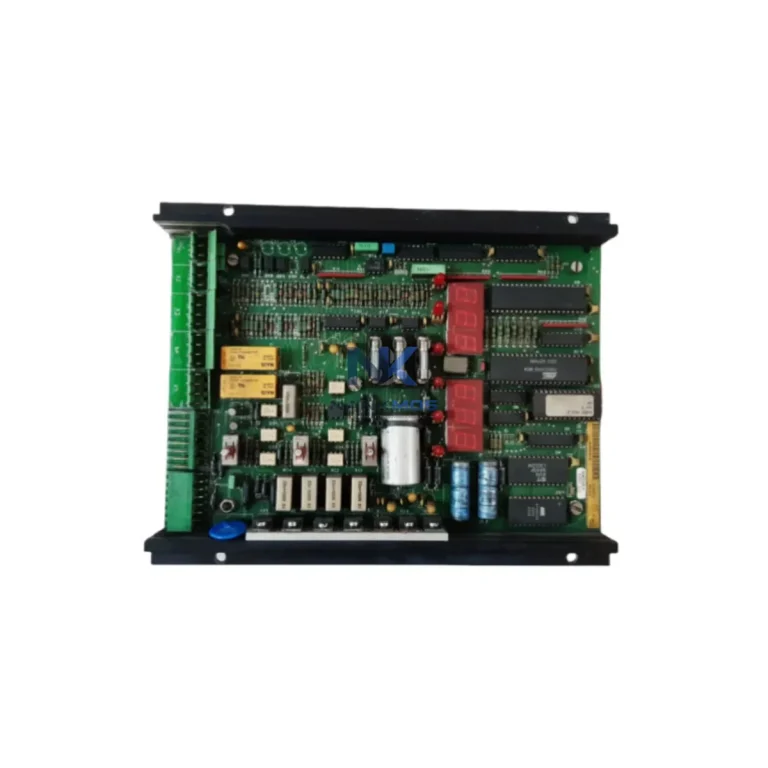
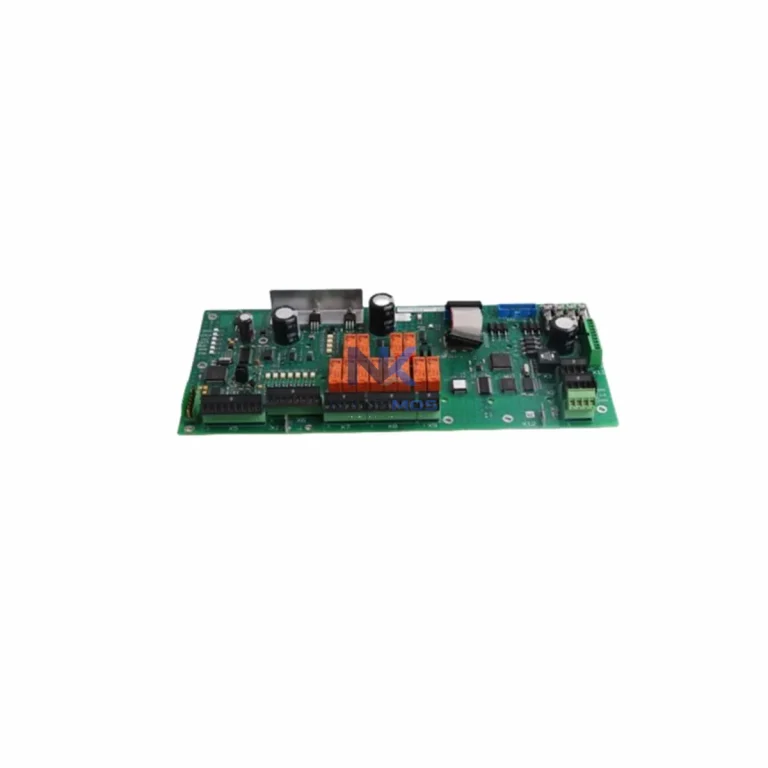
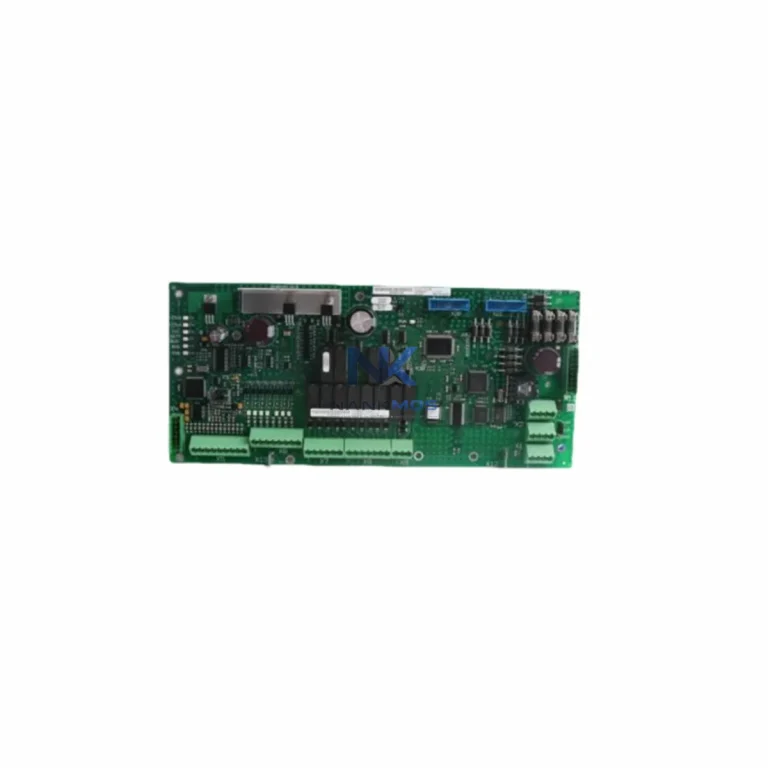
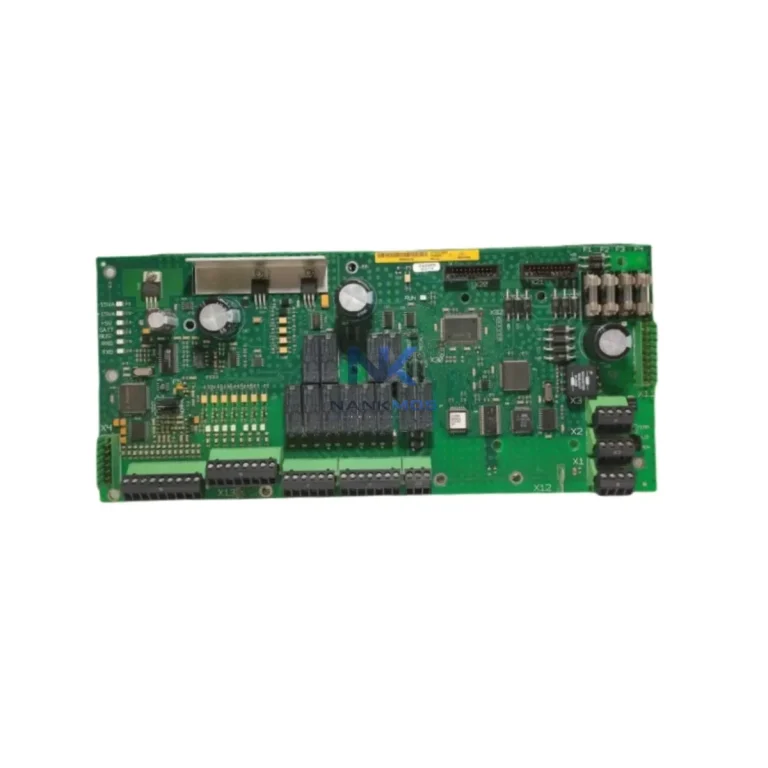
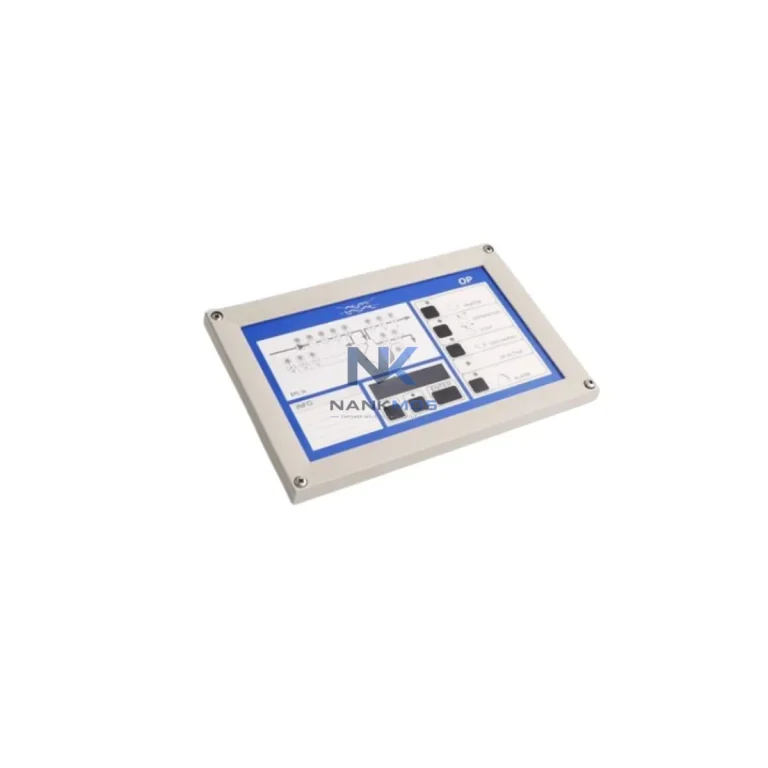
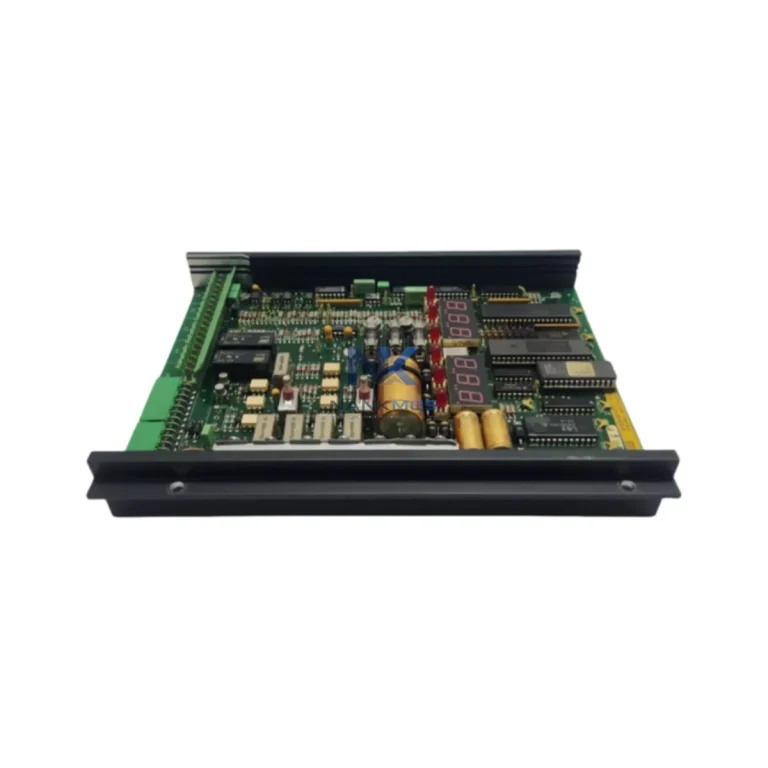
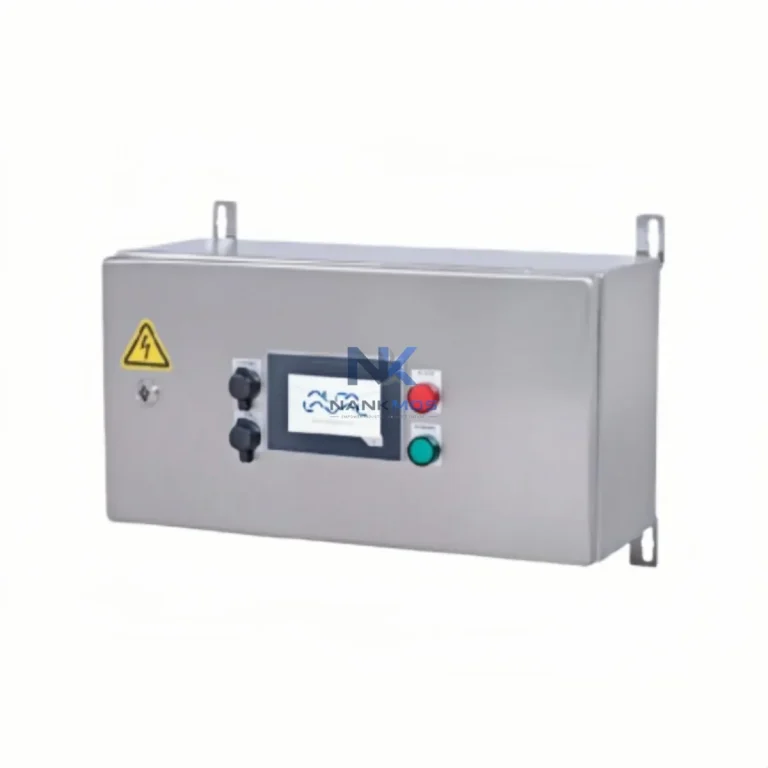
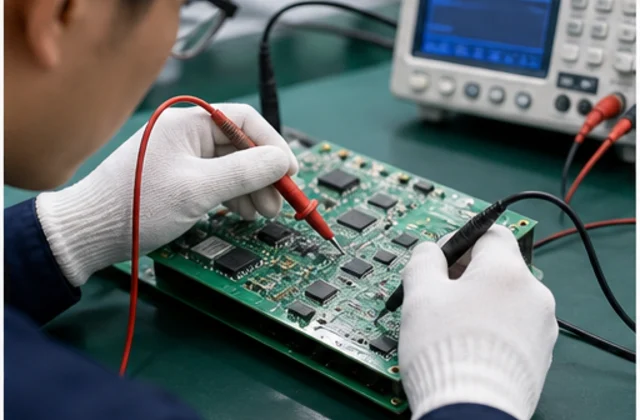
 Functional Inspection
100% tested on professional platforms to ensure stable performance.
Alfa Laval EPC 50 3183045486/4 is a NANKMOS industrial automation product record Listed under Other series series and Business & Industrial > Automation, Control & Flow Devices > Programmable Logic Controllers. Confirm condition, availability, lead time, compatibility and documentation by email inquiry.
Brand names are used for identification only.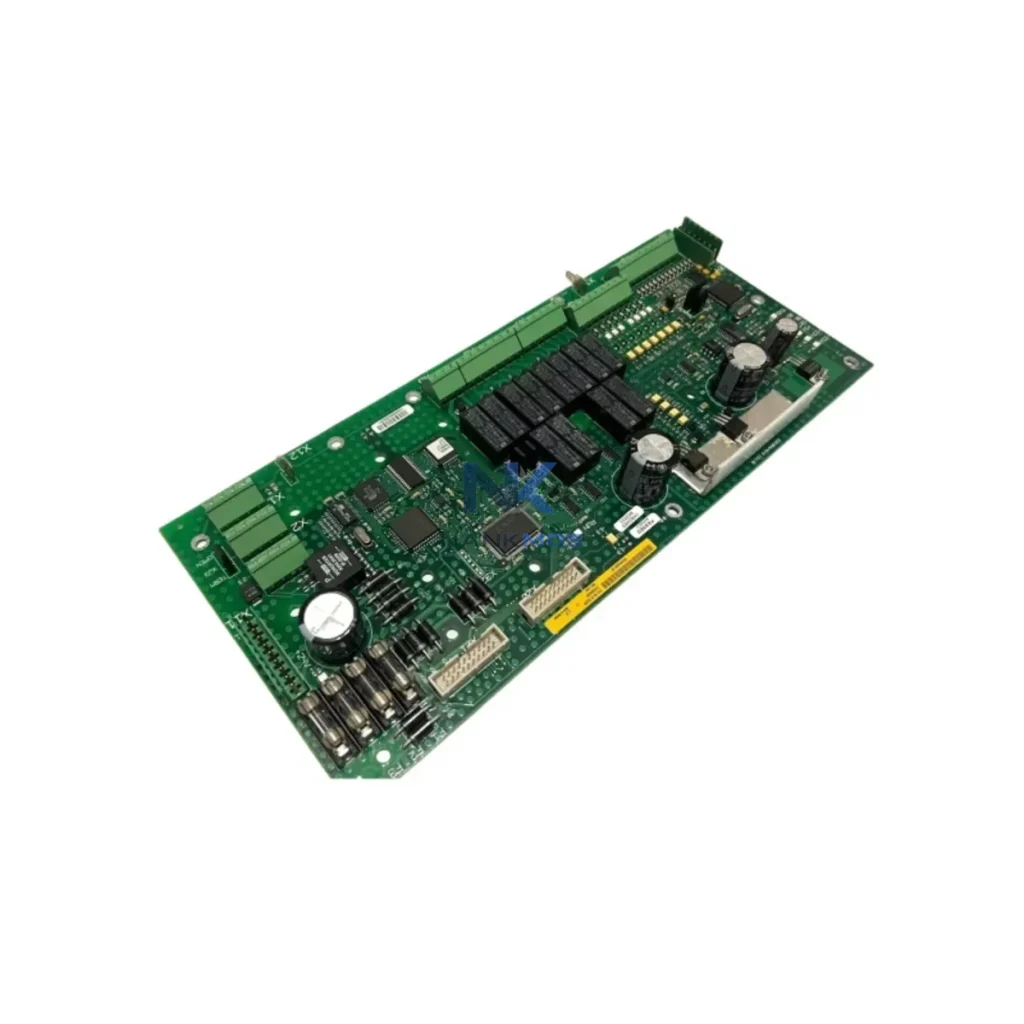
Alfa Laval EPC 50 3183045486/4 is a NANKMOS industrial automation product record Listed under Other series series and Business & Industrial > Automation, Control & Flow Devices > Programmable Logic Controllers. Confirm condition, availability, lead time, compatibility and documentation by email inquiry.
| Manufacturer | Alfa Laval |
|---|---|
| Application | Controller Processing & System Control |
| Part Number / Model | EPC 50 3183045486/4 |
| Compatible System | Confirmed by inquiry |
| Condition Options | To Confirm |
| Module Type | Controller / CPU Module |
| Warranty | 12 Months |
| Packaging | Anti-static Bag / Secure Box |
| Shipping Methods | DHL / FedEx / UPS / Air / Sea |
| Availability | To Confirm |
| Lead Time | To Confirm |
| Documentation | Part number and revision checked before quote |
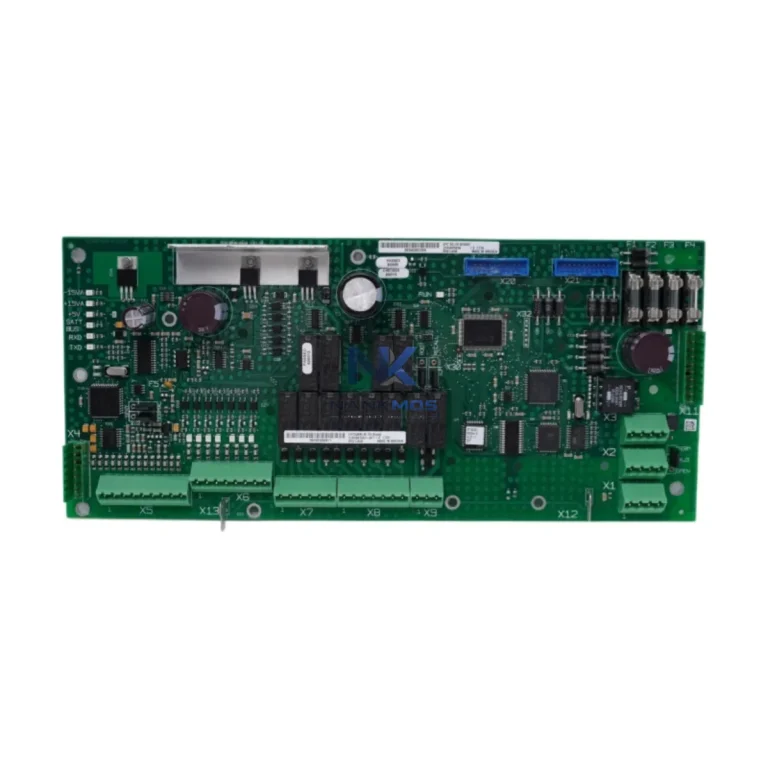
The Alfa Laval EPC 50 3183045486/4 is a high-integrity communication board engineered for industrial network environments where reliable data exchange between field devices and supervisory systems is non-negotiable. Designed as a core I/O interface within the EPC 50 control platform, this board enables seamless signal acquisition, protocol-level communication, and real-time data transmission across the full automation stack — from field-level sensors and actuators through to PLC controllers, SCADA platforms, HMI terminals, and enterprise MES layers.
In modern smart factory architectures, the integrity of the data link between physical process equipment and digital control systems determines the responsiveness of the entire operation. The EPC 50 3183045486/4 sits at the heart of this link, providing the communication backbone that connects Alfa Laval process equipment — including heat exchangers, separators, and fluid handling systems — to plant-wide automation networks. Its role extends beyond simple I/O mapping: it supports structured data flow design, alarm feedback routing, and remote diagnostic access that are essential for continuous production environments in food processing, marine, energy, and industrial utility sectors.
The EPC 50 3183045486/4 operates as the communication nucleus within a layered industrial data architecture. At the field level, process sensors — including temperature transmitters, pressure transducers, and flow meters — feed analog and digital signals directly into the EPC 50 board's I/O channels. These signals are conditioned, digitized, and structured for upstream transmission without data loss or latency spikes that could compromise process control decisions.
From the EPC 50 platform, structured process data is passed to the site PLC — commonly a Siemens S7-300/S7-400 or Allen-Bradley ControlLogix — via a fieldbus gateway or direct serial interface. In installations where the EPC 50 system operates alongside remote I/O modules such as the Siemens ET 200S or Phoenix Contact Axioline series, the communication board ensures that distributed I/O points remain synchronized with the central control logic, eliminating polling delays that can cause alarm suppression or missed fault events.
For SCADA integration, the EPC 50 3183045486/4 supports data relay through Modbus RTU-capable gateways — such as the Moxa MGate MB3170 or similar industrial protocol converters — enabling OPC-UA or Modbus TCP data feeds into platforms like Wonderware System Platform, Ignition SCADA, or Siemens WinCC. This allows operators to monitor Alfa Laval process equipment in real time from centralized HMI terminals, with full alarm visualization, trend logging, and remote setpoint adjustment capability.
In edge computing deployments, the EPC 50 board's data output can be aggregated by an industrial edge gateway — such as the Advantech ADAM-3600 or Moxa UC-8100 — before being forwarded to cloud-based analytics platforms or plant MES systems. This architecture supports predictive maintenance workflows, where vibration, temperature, and flow anomalies detected at the EPC 50 I/O level are correlated with historical datasets to generate early fault warnings before equipment failure occurs.
Variable frequency drives (VFDs) connected to pump and separator motor circuits — including Alfa Laval-compatible drives from ABB ACS series or Danfoss FC series — also benefit from the EPC 50's communication capability. Drive status, speed reference, and fault codes can be routed through the EPC 50 board's digital I/O channels, giving the SCADA layer full visibility of motor-driven process equipment without requiring separate communication modules for each drive.
Industrial Ethernet switches — such as the Hirschmann RS20 or Moxa EDS-308 — provide the network backbone that carries EPC 50 data across the plant floor to control room systems. The managed switch infrastructure ensures VLAN segmentation between process control traffic and corporate IT networks, maintaining the deterministic communication timing that industrial automation requires.
Many industrial sites operating Alfa Laval EPC 50 systems face a common set of integration challenges: protocol fragmentation between legacy field devices and modern SCADA platforms, data islands created by standalone control systems that do not share process variables with the plant network, and limited remote diagnostic capability that forces on-site intervention for every fault event.
The EPC 50 3183045486/4 directly addresses protocol fragmentation by providing a structured I/O interface that can be bridged to standard industrial protocols through gateway devices. Sites running mixed-protocol environments — where Profibus DP devices coexist with Modbus RTU instruments and Ethernet/IP controllers — can use the EPC 50 board as the anchor point for a protocol normalization layer, ensuring that all process data from Alfa Laval equipment is available in a format compatible with the site's primary SCADA or DCS platform.
Data island elimination is achieved by connecting the EPC 50 platform to the plant-wide historian — such as OSIsoft PI or Aveva Historian — through a gateway that maps EPC 50 process tags to the historian's tag database. This gives process engineers and maintenance teams access to continuous, time-stamped process records from Alfa Laval equipment alongside data from other plant systems, enabling cross-system correlation analysis that was previously impossible.
Remote monitoring and alarm tracking are enhanced by the EPC 50 board's ability to relay digital alarm outputs to SCADA alarm management systems. When a process deviation occurs — such as a high-temperature alarm on a heat exchanger or a low-flow condition on a separator feed — the EPC 50 board's I/O channels transmit the alarm state to the SCADA platform within the scan cycle, triggering operator notifications and logging the event with a precise timestamp for post-incident analysis.
Production line transparency is further improved by integrating EPC 50 data into OEE (Overall Equipment Effectiveness) dashboards, where uptime, throughput, and quality metrics from Alfa Laval process equipment are displayed alongside data from other production assets. This gives plant managers a unified view of factory performance without requiring manual data collection from individual control panels.
Q1: What communication protocols does the Alfa Laval EPC 50 3183045486/4 support for SCADA and PLC integration? The EPC 50 3183045486/4 is a communication board designed for the EPC 50 control platform, supporting digital and analog I/O signal interfaces that can be bridged to Modbus RTU, Modbus TCP, and OPC-UA through compatible industrial protocol gateways. For direct PLC integration with Siemens S7 or Allen-Bradley systems, a Modbus-capable gateway module is recommended to translate EPC 50 process data into the PLC's native protocol.
Q2: How is network stability and communication latency managed in EPC 50 installations? The EPC 50 board operates within a deterministic control cycle, ensuring that I/O scan times remain consistent under normal network load. For Ethernet-connected deployments, managed industrial switches with QoS (Quality of Service) configuration are recommended to prioritize EPC 50 process traffic over non-critical data. In high-availability installations, redundant communication paths can be configured at the gateway level to maintain data continuity during network segment failures.
Q3: Can the EPC 50 3183045486/4 be integrated into an existing SCADA or remote monitoring system without replacing the entire EPC 50 control platform? Yes. The EPC 50 3183045486/4 communication board can be installed as a replacement or upgrade component within an existing EPC 50 system, restoring or enhancing the platform's I/O and communication capability without requiring a full system replacement. Integration with SCADA platforms such as Ignition, WinCC, or Wonderware is achieved through gateway devices that map EPC 50 I/O signals to the SCADA tag database, enabling remote monitoring and alarm management without disrupting the existing control architecture.
Q4: What pre-shipment testing and warranty coverage is provided for the EPC 50 3183045486/4? Every Alfa Laval EPC 50 3183045486/4 unit supplied by NANKMOS undergoes pre-shipment functional testing to verify I/O channel integrity, communication interface operation, and board-level electrical performance before dispatch. All units are covered by a 12-month warranty from the date of shipment, covering manufacturing defects and functional failures under normal operating conditions. Expedited replacement support is available for critical production applications where downtime costs are significant.
Functional Inspection100% tested on professional platforms to ensure stable performance.
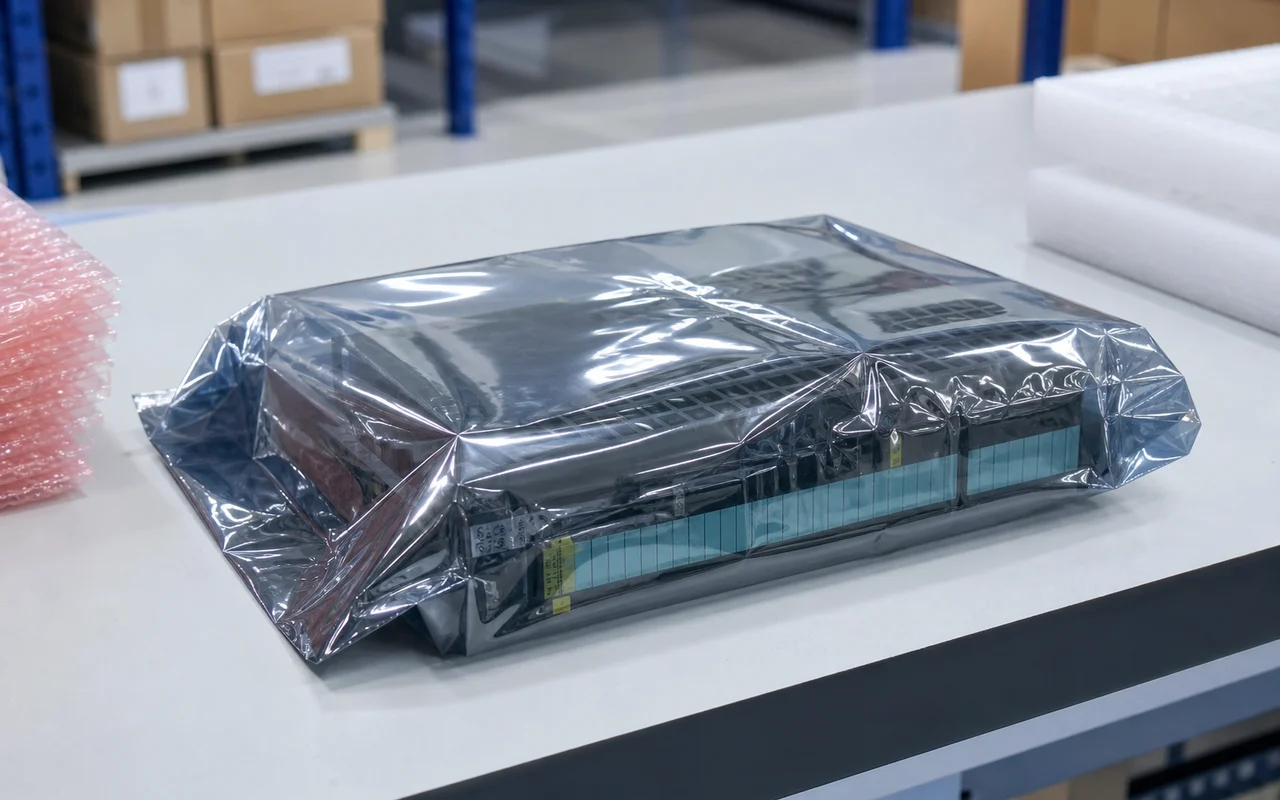 Anti-static Packaging
Modules are packed in anti-static bags to prevent electrostatic damage.
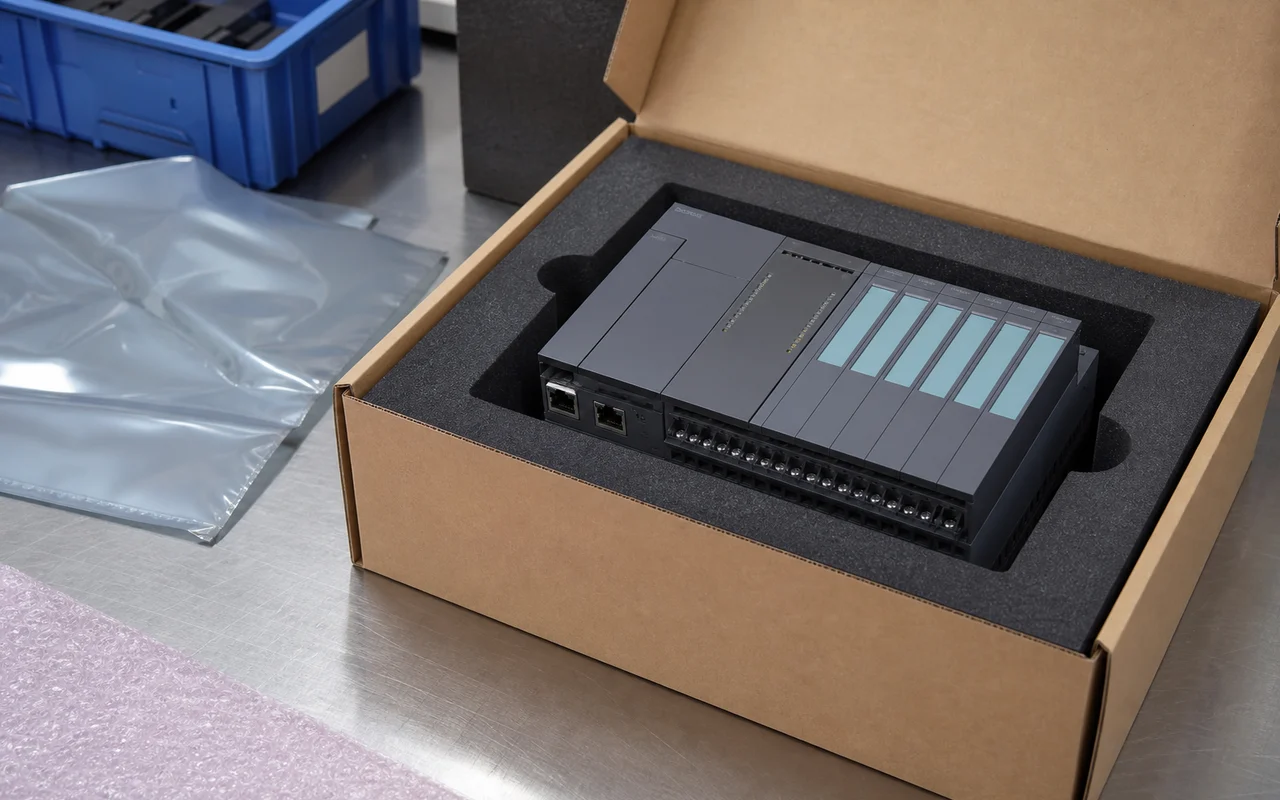 Secure Export Packing
Cushion protection and strong cartons ensure safe transportation.
 Worldwide Shipping
Global logistics network supports air, sea and express delivery.
 Documentation Check
Part number, revision and compatibility verified before shipment.
 After-sales Support
Professional technical support to help resolve your issues.