Functional Inspection
100% tested on professional platforms to ensure stable performance.
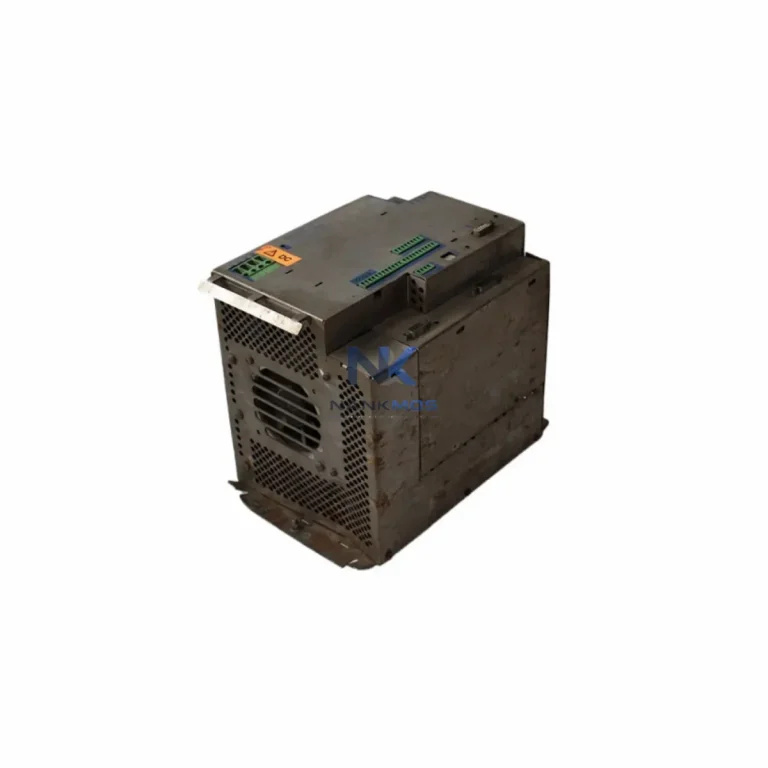
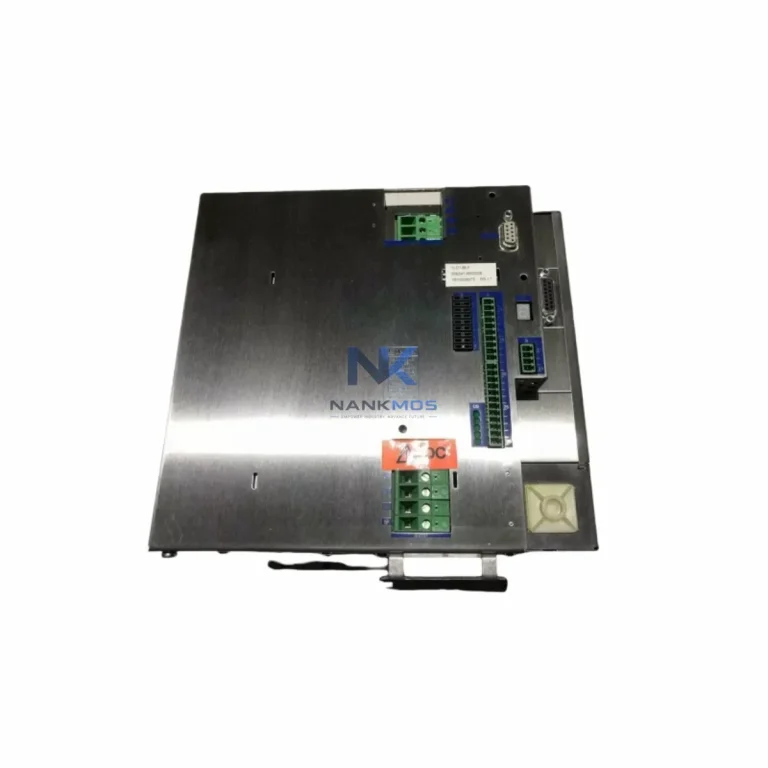
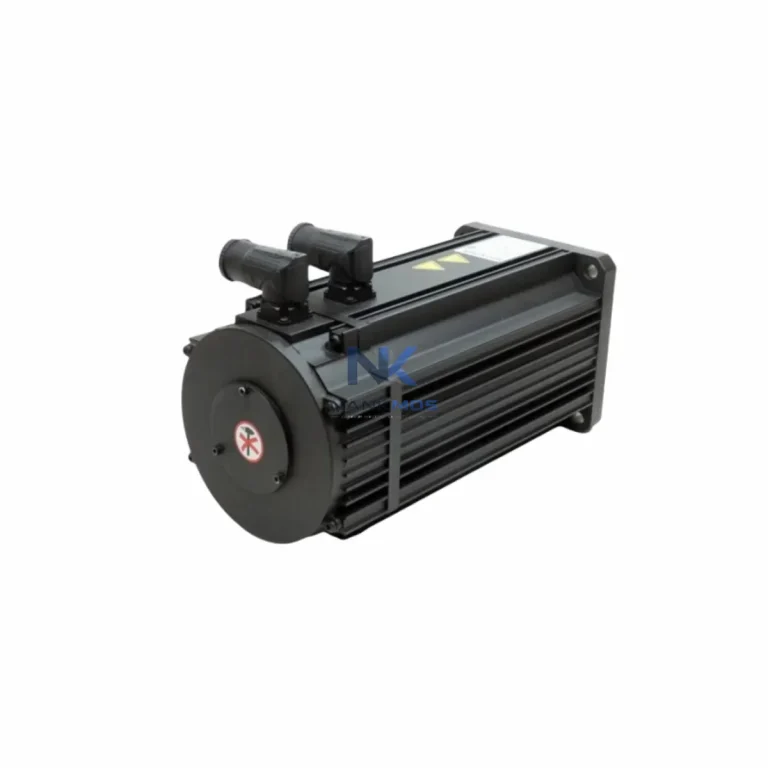
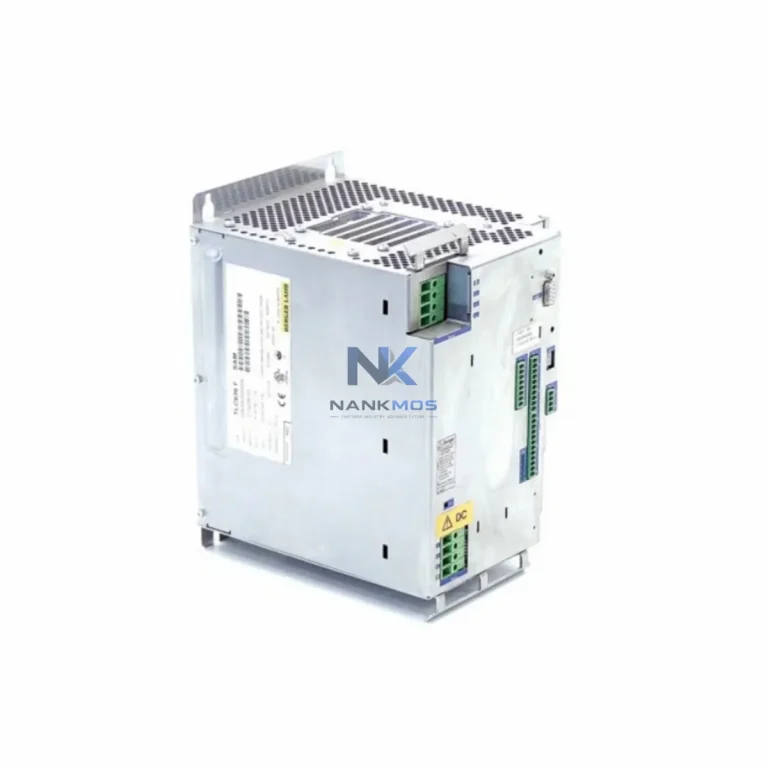
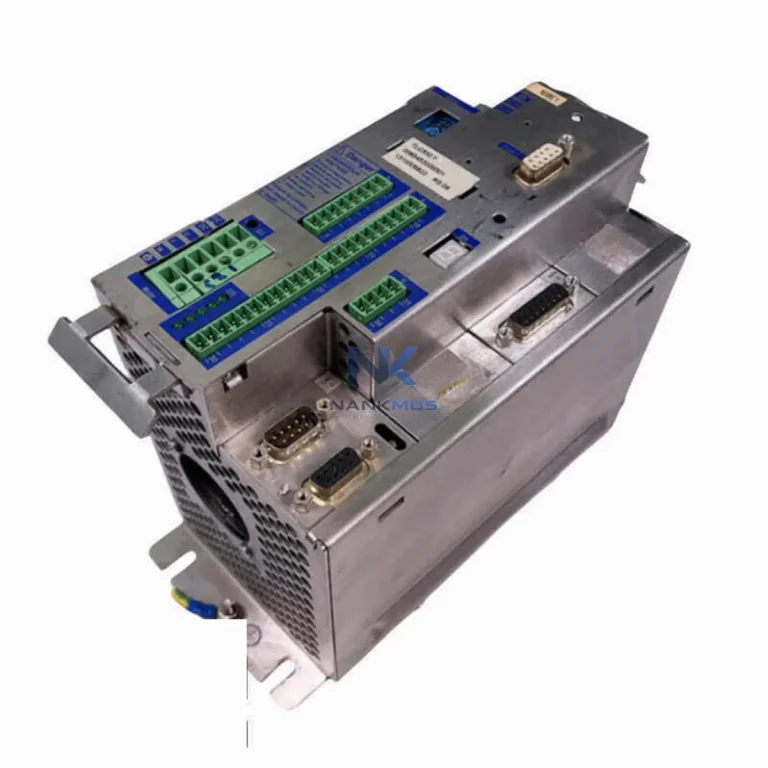
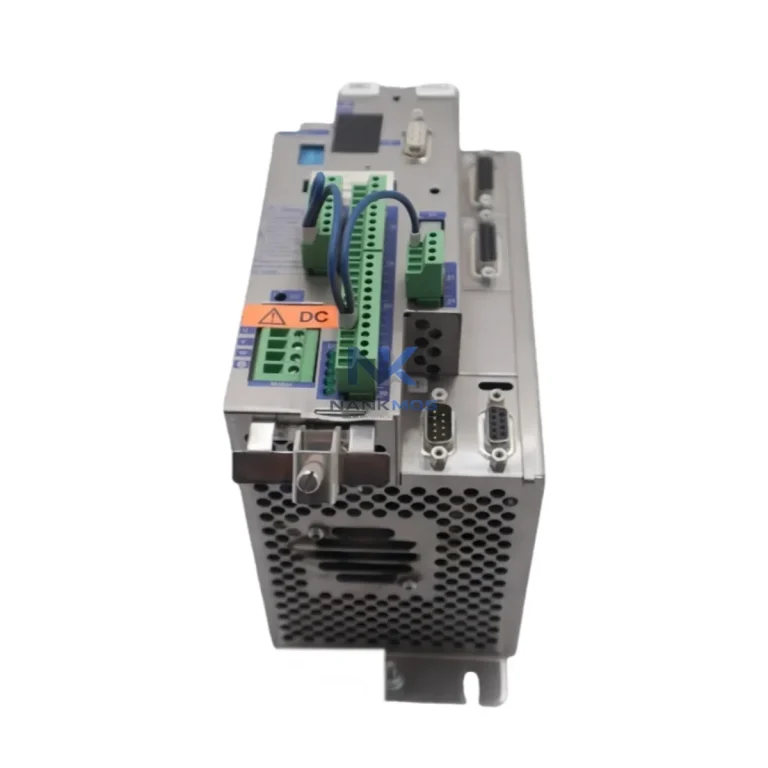
Berger Lahr RDM51122/50 LWC RDM51122/50LWC is a NANKMOS industrial automation product record Listed under Other series series and Drives. Confirm condition, availability, lead time, compatibility and documentation by email inquiry.
Brand names are used for identification only.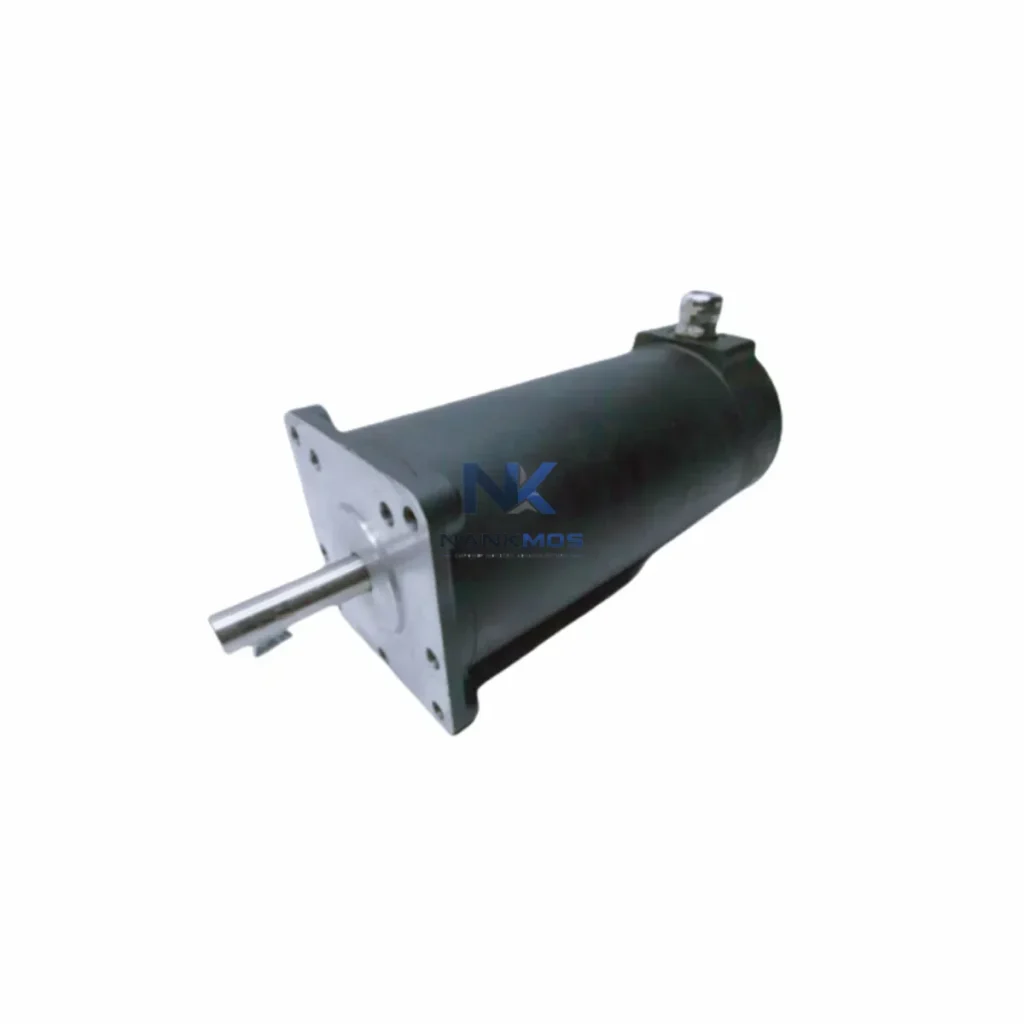
Berger Lahr RDM51122/50 LWC RDM51122/50LWC is a NANKMOS industrial automation product record Listed under Other series series and Drives. Confirm condition, availability, lead time, compatibility and documentation by email inquiry.
| Manufacturer | Berger Lahr |
|---|---|
| Application | Motion Control & Drive System |
| Part Number / Model | RDM51122/50 LWC RDM51122/50LWC |
| Compatible System | Confirmed by inquiry |
| Condition Options | To Confirm |
| Module Type | Servo / Drive Module |
| Warranty | 12 Months |
| Packaging | Anti-static Bag / Secure Box |
| Shipping Methods | DHL / FedEx / UPS / Air / Sea |
| Availability | To Confirm |
| Lead Time | To Confirm |
| Documentation | Part number and revision checked before quote |
The Berger Lahr RDM51122/50 LWC is a precision stepper drive interface module from the renowned WD Series, engineered for seamless integration into modern industrial data networks and smart factory environments. Leveraging Berger Lahr's proprietary LWC (Local Word Communication) serial protocol, this interface bridges the gap between field-level stepping motor drives and upper-level control architectures — enabling deterministic, high-speed command exchange between PLC controllers, motion controllers, and distributed drive systems.
In today's connected factory, every axis of motion must be visible, controllable, and diagnosable from a central system. The RDM51122/50 LWC fulfils this requirement by providing a structured communication channel that integrates directly with Siemens S7 PLCs, Schneider Modicon controllers, and Beckhoff TwinCAT platforms, allowing engineers to parameterise drive behaviour, monitor real-time position feedback, and execute coordinated multi-axis sequences — all without leaving the SCADA or HMI environment.
The RDM51122/50 LWC sits at the heart of a layered motion-control data architecture. At the field level, stepper motors driven by the Berger Lahr WD3-007 stepper drive receive position and velocity commands via the LWC interface. These commands originate from a Siemens S7-1200 or S7-300 PLC, which executes the motion programme and simultaneously reports axis status upward through the network stack.
For sites requiring protocol bridging, a Moxa MGate MB3270 Modbus-to-serial gateway or a Hilscher netTAP NT 100 communication gateway can translate LWC serial data into PROFIBUS DP or PROFINET IO frames, making the drive's real-time data visible to a Siemens WinCC SCADA or Ignition by Inductive Automation HMI platform. This enables operators to view live torque curves, step counts, fault registers, and thermal status on a centralised dashboard without any additional field wiring.
Remote I/O expansion is handled by modules such as the Wago 750-352 PROFIBUS DP coupler or Phoenix Contact Inline IL PN BK PROFINET bus coupler, which aggregate digital and analogue signals from proximity sensors, encoders, and limit switches alongside the drive data. These signals feed into the same PLC scan cycle, ensuring that motion events and sensor states are time-stamped and correlated for alarm management.
At the edge, an industrial edge gateway — such as the Siemens SINEMA Remote Connect or a Moxa UC-8112 edge computer — collects drive telemetry and forwards it to cloud-based analytics or MES platforms. This enables predictive maintenance workflows: vibration anomalies, step-loss events, and over-temperature conditions are detected early, reducing unplanned downtime. The Berger Lahr WDPRO programming software further supports offline parameter backup and remote configuration push, completing the diagnostic loop.
Power integrity for the drive network is maintained by a Phoenix Contact QUINT 24VDC industrial power supply, which provides regulated, filtered DC power to both the RDM51122/50 LWC interface and associated I/O modules. An industrial managed Ethernet switch — such as the Hirschmann RS20 or Moxa EDS-308 — segments the motion control network from the office IT network, ensuring deterministic communication latency and network security compliance.
Protocol Fragmentation: Many brownfield sites run a mix of legacy serial drives alongside modern PROFINET or EtherNet/IP infrastructure. The RDM51122/50 LWC, when paired with an appropriate protocol gateway, eliminates the need to replace functional stepper drives simply to achieve network visibility. Engineers can retain existing Berger Lahr WD-series hardware while gaining full SCADA integration.
Data Silos: Without a structured drive interface, motion data remains locked inside the drive's internal registers, invisible to the plant historian or MES. The LWC protocol provides a defined register map that PLCs can poll cyclically, pushing position, speed, fault code, and temperature data into the plant-wide data historian — breaking down information silos and enabling cross-system correlation.
Remote Monitoring Gaps: Maintenance engineers often cannot access drive parameters without physical presence on the machine. With the RDM51122/50 LWC integrated into a remote-access architecture via VPN-enabled edge gateways, parameter reads and writes can be performed securely from any location, reducing travel costs and accelerating fault resolution.
Production Line Transparency: Real-time OEE (Overall Equipment Effectiveness) calculations require accurate motion event data. By surfacing drive status through the LWC interface into SCADA, production managers gain visibility into cycle times, idle periods, and fault frequencies — enabling data-driven line balancing and throughput optimisation.
Alarm Traceability: Unstructured alarm management leads to repeated faults and slow root-cause analysis. The RDM51122/50 LWC's fault register, when mapped into a SCADA alarm system, provides timestamped, categorised fault records that maintenance teams can analyse to identify recurring failure patterns and implement corrective actions proactively.
System Scalability: As production capacity grows, additional stepper axes can be added to the LWC network without redesigning the control architecture. The modular nature of the WD Series drive family means that new RDM-series interface modules can be commissioned rapidly, with parameter sets cloned from existing axes to minimise engineering time.
Q1: What is the communication latency of the LWC protocol on the RDM51122/50 LWC? The LWC (Local Word Communication) protocol is a synchronous serial interface designed for deterministic, low-latency command exchange. Typical cycle times are in the range of 1–5 ms depending on the host PLC scan rate and the number of axes polled. This makes it suitable for coordinated multi-axis motion sequences where timing consistency is critical.
Q2: Is the RDM51122/50 LWC compatible with PROFIBUS or PROFINET networks? The RDM51122/50 LWC uses Berger Lahr's proprietary LWC serial protocol natively. Integration with PROFIBUS DP or PROFINET IO networks is achieved via a compatible protocol gateway — such as the Hilscher netTAP NT 100 or Moxa MGate series — which translates LWC register data into standard fieldbus frames. This approach preserves the existing drive hardware investment while enabling full fieldbus network participation.
Q3: How does the RDM51122/50 LWC support remote diagnostics and fault analysis? The interface module exposes a structured fault register and status word that can be polled by the host PLC and forwarded to SCADA or MES systems via standard OPC-UA or Modbus TCP data paths. Combined with a VPN-enabled edge gateway, maintenance engineers can read fault codes, review drive history, and push corrective parameter changes remotely — without requiring physical access to the control cabinet.
Q4: What warranty and pre-shipment testing does the RDM51122/50 LWC carry? Every RDM51122/50 LWC unit supplied by NANKMOS is covered by a 12-Month Warranty from the date of shipment. Each unit undergoes functional communication testing prior to dispatch, verifying LWC protocol handshake, register read/write integrity, and interface signal levels. In-stock units are available for immediate global dispatch, with full traceability documentation provided upon request.
Functional Inspection100% tested on professional platforms to ensure stable performance.
 Anti-static Packaging
Modules are packed in anti-static bags to prevent electrostatic damage.
 Secure Export Packing
Cushion protection and strong cartons ensure safe transportation.
 Worldwide Shipping
Global logistics network supports air, sea and express delivery.
 Documentation Check
Part number, revision and compatibility verified before shipment.
 After-sales Support
Professional technical support to help resolve your issues.