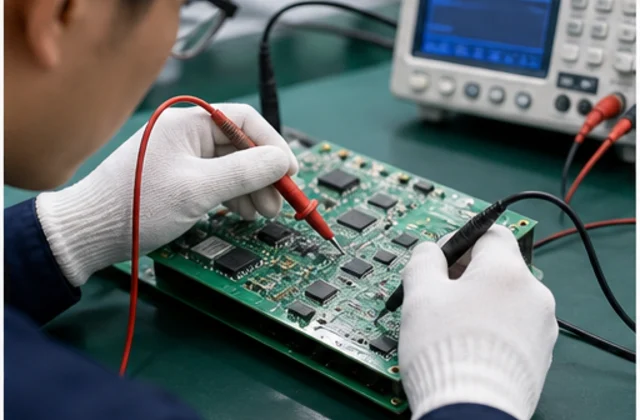
 Functional Inspection
100% tested on professional platforms to ensure stable performance.
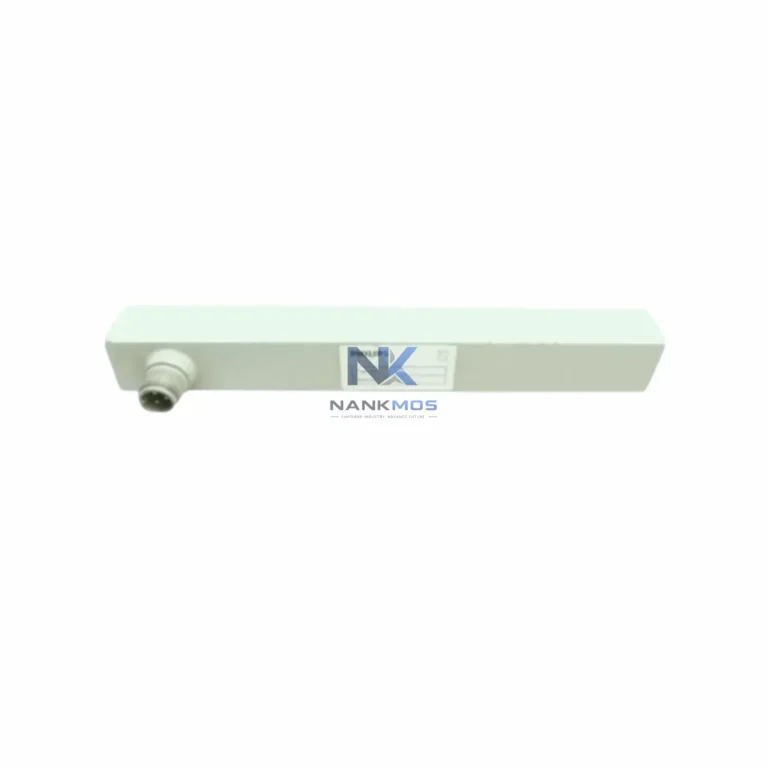
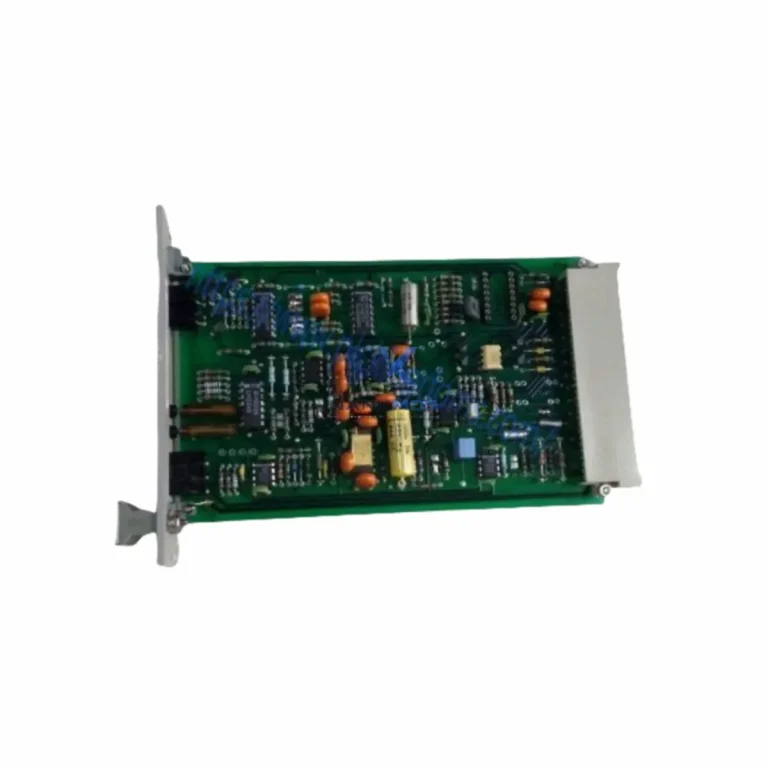
Philips LD5001M is a NANKMOS industrial automation product record Listed under Other series series and HMI Panels. Confirm condition, availability, lead time, compatibility and documentation by email inquiry.
Brand names are used for identification only.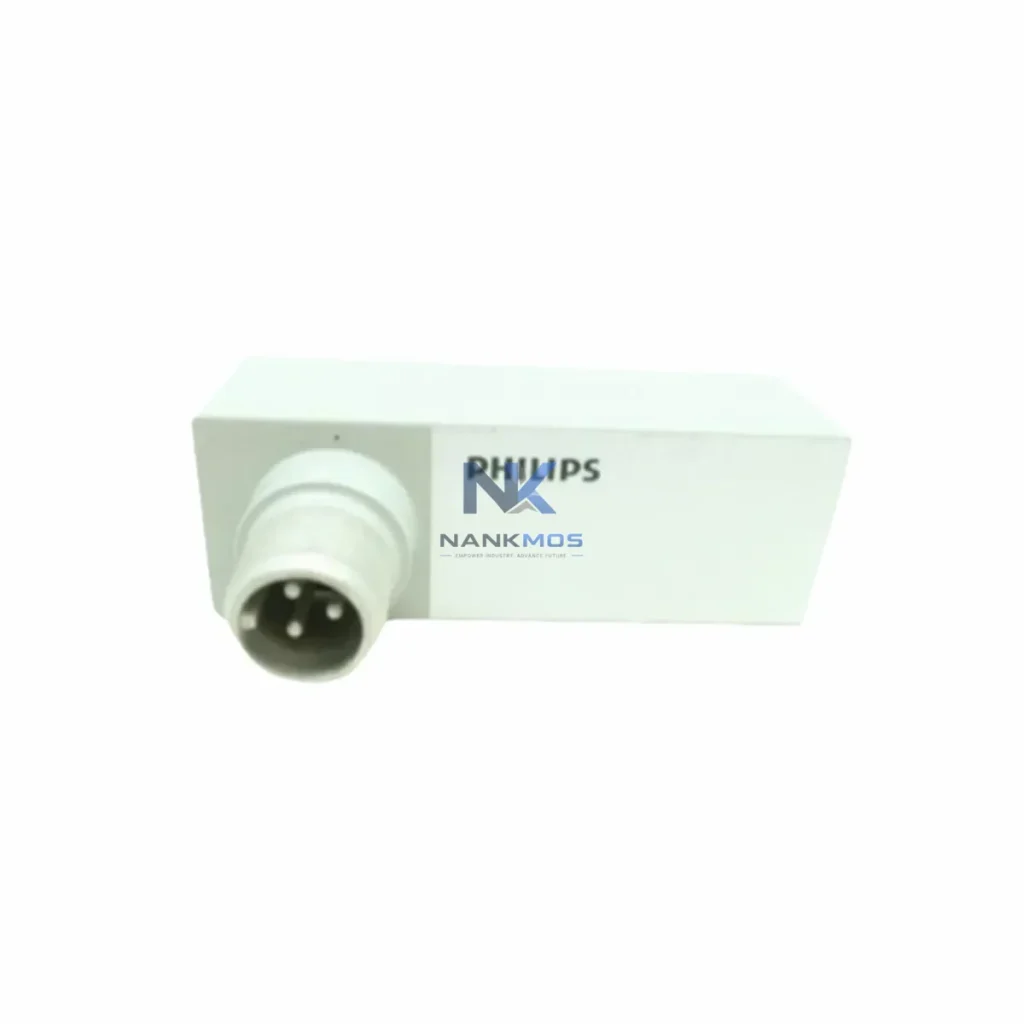
Philips LD5001M is a NANKMOS industrial automation product record Listed under Other series series and HMI Panels. Confirm condition, availability, lead time, compatibility and documentation by email inquiry.
| Manufacturer | Philips |
|---|---|
| Application | Industrial Automation Maintenance |
| Part Number / Model | LD5001M |
| Compatible System | Confirmed by inquiry |
| Condition Options | To Confirm |
| Module Type | HMI Panels |
| Warranty | 12 Months |
| Packaging | Anti-static Bag / Secure Box |
| Shipping Methods | DHL / FedEx / UPS / Air / Sea |
| Availability | To Confirm |
| Lead Time | To Confirm |
| Documentation | Part number and revision checked before quote |
The Philips LD5001M is a high-precision analog displacement transducer engineered for demanding industrial automation environments where accurate positional data must flow seamlessly across every layer of the smart factory architecture. Delivering a stable 4–20 mA or 0–10 V analog output signal, the LD5001M serves as a critical sensing node in the industrial data chain — converting mechanical displacement into a clean, noise-immune electrical signal that feeds directly into PLC input modules, remote I/O systems, SCADA platforms, and HMI visualization layers without signal degradation or protocol ambiguity.
In modern smart factory deployments, positional accuracy is not merely a measurement requirement — it is a data quality imperative. The LD5001M addresses this by providing a linear, repeatable output that integrates natively with analog input cards on Siemens S7-300/S7-1500 PLCs, Rockwell ControlLogix systems, and Mitsubishi MELSEC Q-series controllers. Its robust construction, rated for industrial-grade EMI environments, ensures signal integrity even when installed adjacent to variable frequency drives (VFDs), servo amplifiers, and high-current motor control centers — environments where lesser sensors introduce noise artifacts that corrupt process data and trigger false alarms.
The LD5001M sits at the very origin of the industrial data chain. In a typical smart factory deployment, the sensor's 4–20 mA output is wired to an analog input module — such as a Siemens SM 331 or a Phoenix Contact AXL F AI4 I EF remote I/O slice — which digitizes the displacement value and passes it upstream via PROFIBUS DP or PROFINET IO to the main PLC controller. From the PLC, the real-time positional data is published to the plant SCADA system through an OPC-UA server or a dedicated SCADA gateway such as the Kepware KEPServerEX, where it becomes available for trend logging, alarm management, and production KPI dashboards on Wonderware InTouch or Ignition HMI panels.
In servo-driven press and stamping applications, the LD5001M displacement feedback is read by the servo drive's analog input — for example, a Yaskawa Sigma-7 or a Siemens SINAMICS S120 — enabling closed-loop position control without the cost of a full encoder retrofit. The drive's internal PLC function block compares the LD5001M signal against the target setpoint and adjusts torque output in real time, achieving sub-millimetre repeatability across thousands of production cycles.
For distributed sensing architectures, the LD5001M can be aggregated through a Wago 750-series or Beckhoff EK1100 EtherCAT coupler, where multiple displacement channels are scanned at high speed and transmitted over EtherCAT to the motion controller. This topology is common in multi-axis gantry systems and automated assembly lines where dozens of positional sensors must be synchronized to a single machine cycle clock. The edge gateway — such as a Moxa UC-8112 or an HMS Anybus Edge — can simultaneously forward the aggregated displacement data to the cloud historian for long-term trend analysis and predictive maintenance modelling.
In hydraulic and pneumatic control panels, the LD5001M is often paired with a pressure transmitter and a flow sensor on the same analog input card, giving the SCADA operator a complete picture of actuator state — position, pressure, and flow — on a single process graphic. When the displacement reading deviates from the expected profile, the SCADA alarm engine triggers an alert to the maintenance team's mobile HMI, enabling remote diagnosis before the deviation escalates into a production stoppage.
Many industrial sites still operate with legacy PLCs that lack native fieldbus connectivity, creating data islands where positional information from displacement sensors never reaches the SCADA or MES layer. The LD5001M's universal analog output eliminates this barrier: its 4–20 mA signal is readable by virtually any PLC analog input card manufactured in the last three decades, from legacy Siemens S5 systems to modern Omron NX-series controllers, without any protocol conversion hardware.
For sites transitioning to digital fieldbus architectures, the LD5001M can be connected through an analog-to-PROFIBUS gateway or an analog-to-EtherNet/IP converter, bridging the gap between legacy sensing infrastructure and modern network-based control systems. This approach protects the existing sensor investment while enabling the plant to achieve full data transparency — every displacement measurement visible in real time on the SCADA dashboard, logged to the historian, and available for OEE analysis.
Remote monitoring is another area where the LD5001M delivers measurable value. By routing the sensor's analog signal through a 4G/LTE remote I/O module or an industrial IoT gateway, maintenance engineers can monitor critical displacement parameters — such as hydraulic cylinder stroke, valve position, or press ram travel — from any location, receiving SMS or email alerts when readings approach alarm thresholds. This capability reduces unplanned downtime by enabling predictive intervention before mechanical wear causes a process fault.
Production line transparency is further enhanced when the LD5001M data is integrated into the MES layer. Cycle-by-cycle displacement profiles can be compared against the golden reference to detect tooling wear, fixture drift, or material variation — quality insights that were previously invisible without expensive inline measurement systems. The 12-month warranty and in-stock availability ensure that replacement units can be sourced and installed rapidly, minimizing the mean time to repair (MTTR) when a sensor reaches end of service life.
Q1: Does the Philips LD5001M LD5001M support direct connection to PROFIBUS or PROFINET networks? The LD5001M outputs a standard 4–20 mA or 0–10 V analog signal and does not include a native PROFIBUS or PROFINET interface. To integrate it into a PROFIBUS or PROFINET network, connect the analog output to a remote I/O module with the appropriate fieldbus interface — such as a Siemens ET 200SP analog input module on PROFINET, or a Phoenix Contact Inline analog slice on PROFIBUS DP. The PLC then reads the digitized displacement value over the fieldbus at the configured scan rate.
Q2: What is the maximum cable length for the 4–20 mA output signal, and does cable length affect measurement accuracy? The 4–20 mA current loop signal of the LD5001M can be transmitted over cable runs of up to 300 metres using standard shielded twisted-pair cable (0.5 mm² minimum cross-section) without significant accuracy loss, provided the total loop resistance remains within the specified load resistance limit (typically ≤ 500 Ω). For longer runs or high-EMI environments, use armoured cable and ensure the shield is grounded at one end only to prevent ground loop interference.
Q3: Can the LD5001M be used in a redundant sensing architecture for safety-critical applications? Yes. For safety-critical or high-availability applications, two LD5001M units can be installed in a dual-channel configuration, with each sensor connected to an independent analog input on a safety PLC (e.g., Siemens S7-1500F or Pilz PSS 4000). The safety controller compares both displacement readings in real time; if the values diverge beyond a configurable tolerance, the system triggers a safe-state response. This architecture is commonly used in hydraulic press safety circuits and robotic cell guarding systems.
Q4: What does the 12-month warranty cover, and how is the out-of-box test performed before shipment? Every Philips LD5001M unit supplied by NANKMOS is covered by a 12-month warranty from the date of shipment, covering manufacturing defects in materials and workmanship. Prior to dispatch, each unit undergoes an outgoing quality inspection that includes output signal verification across the full measurement range, insulation resistance testing, and connector integrity checks. Units that do not meet the specified linearity and output accuracy are quarantined and not shipped. In the event of a warranty claim, NANKMOS provides a replacement unit or repair service with a target turnaround of 5–7 business days.
Functional Inspection100% tested on professional platforms to ensure stable performance.
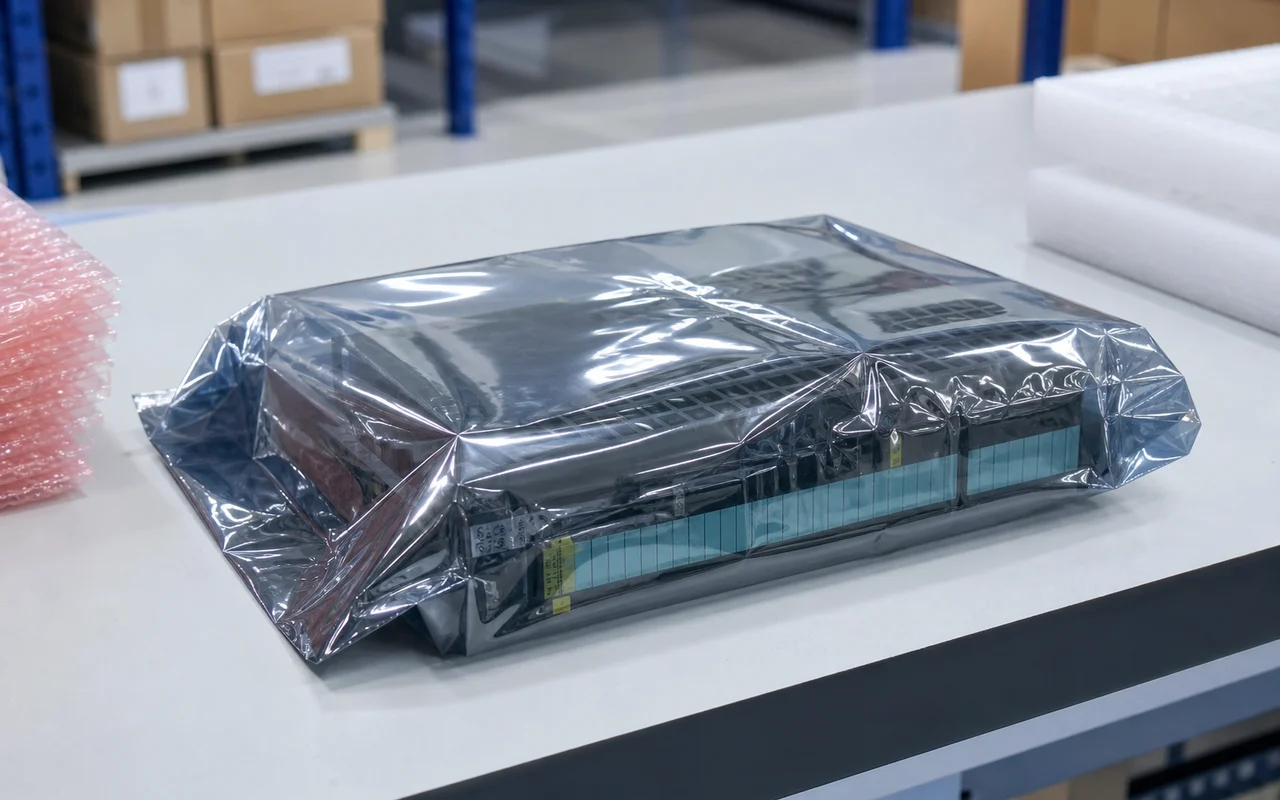 Anti-static Packaging
Modules are packed in anti-static bags to prevent electrostatic damage.
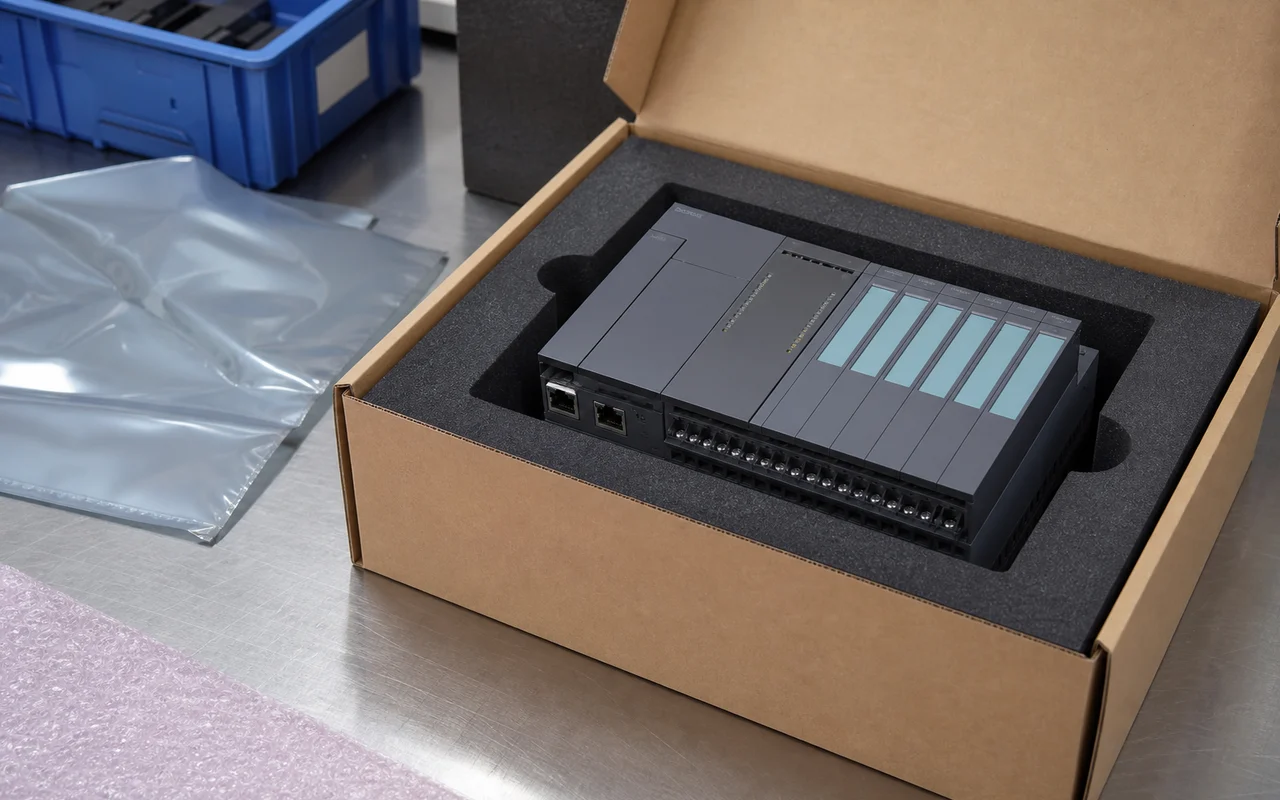 Secure Export Packing
Cushion protection and strong cartons ensure safe transportation.
 Worldwide Shipping
Global logistics network supports air, sea and express delivery.
 Documentation Check
Part number, revision and compatibility verified before shipment.
 After-sales Support
Professional technical support to help resolve your issues.