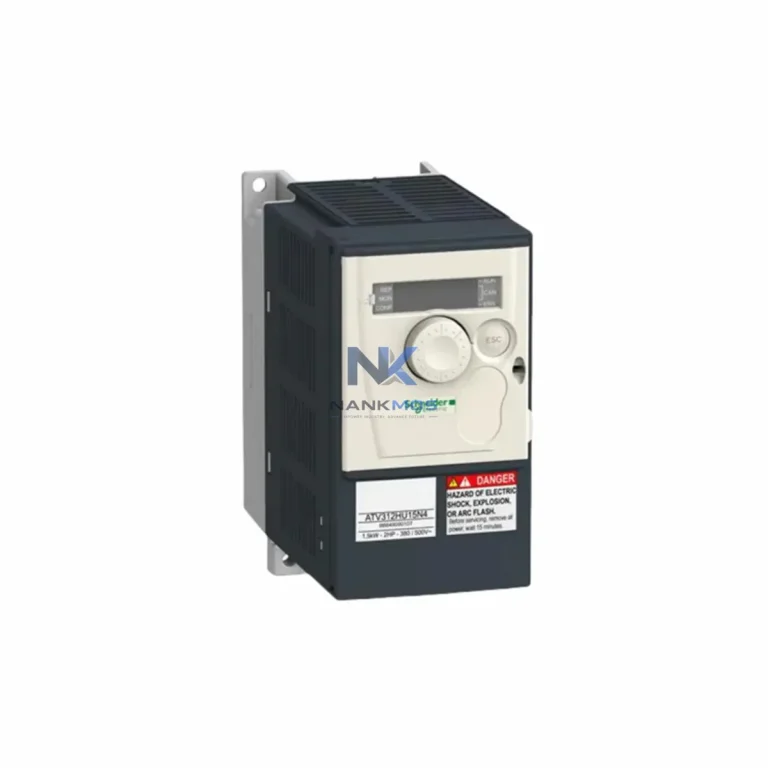
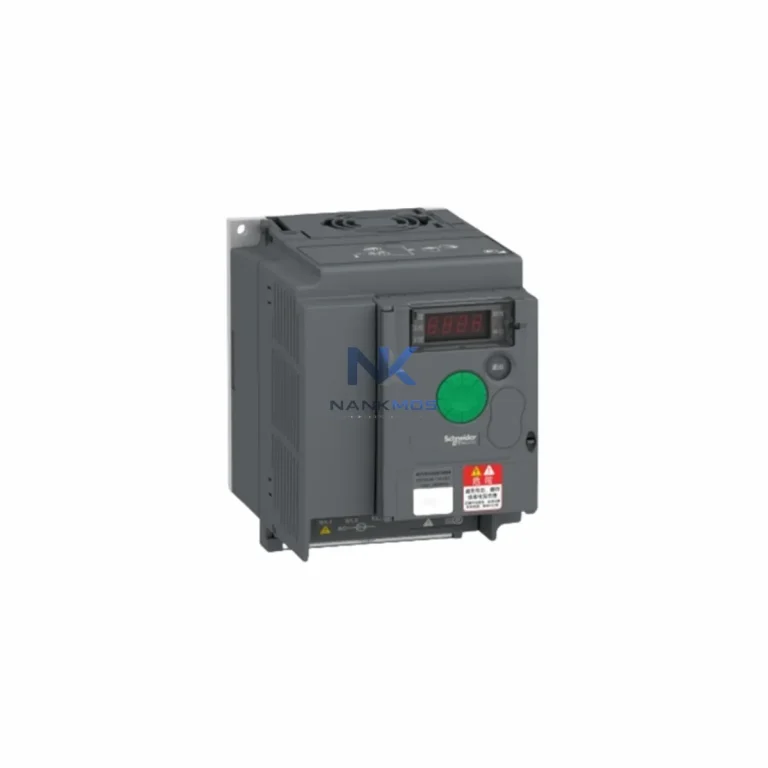
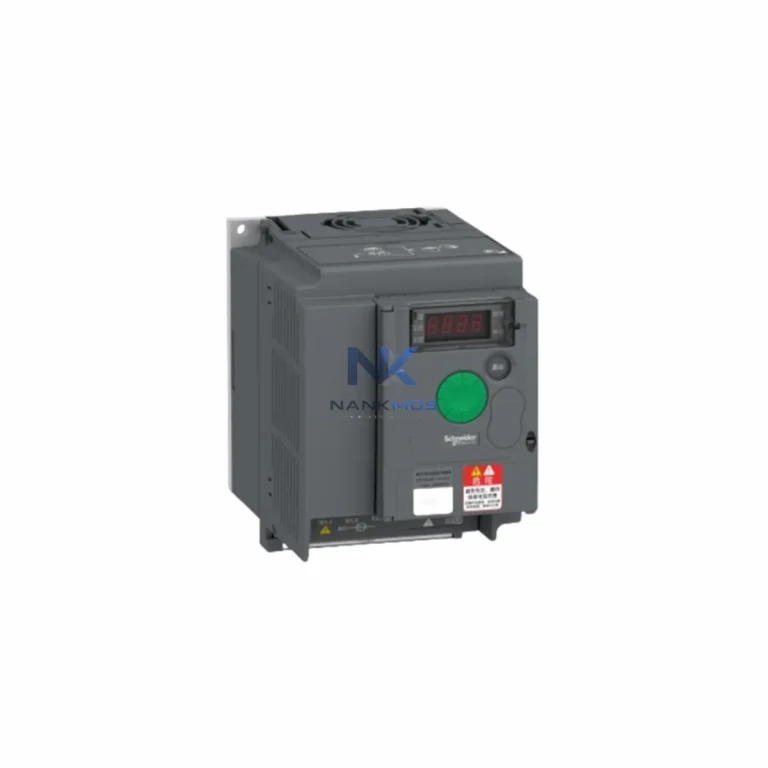
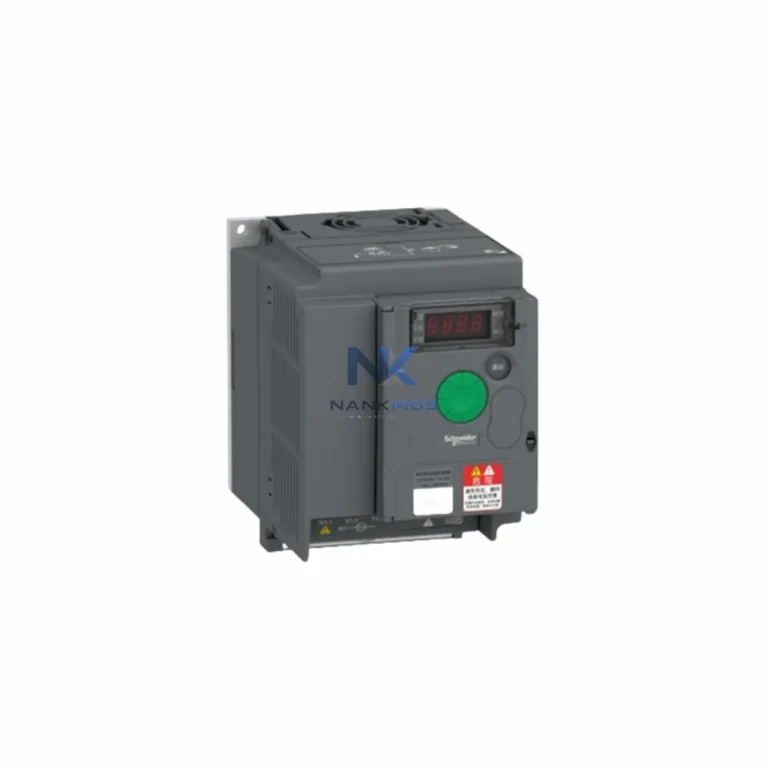
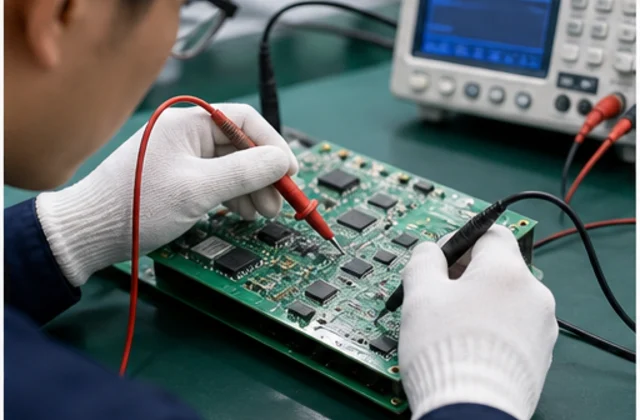
 Functional Inspection
100% tested on professional platforms to ensure stable performance.
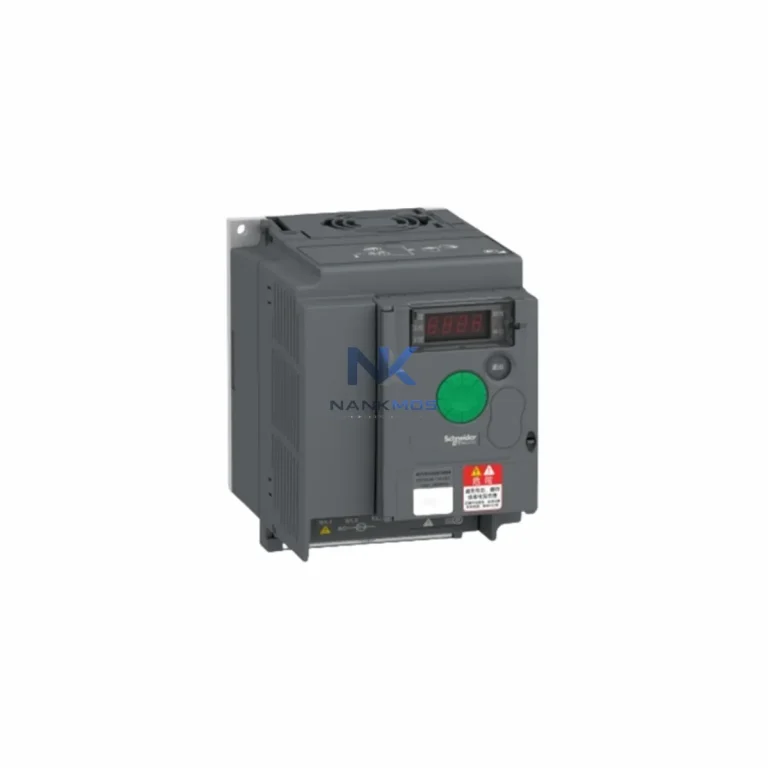
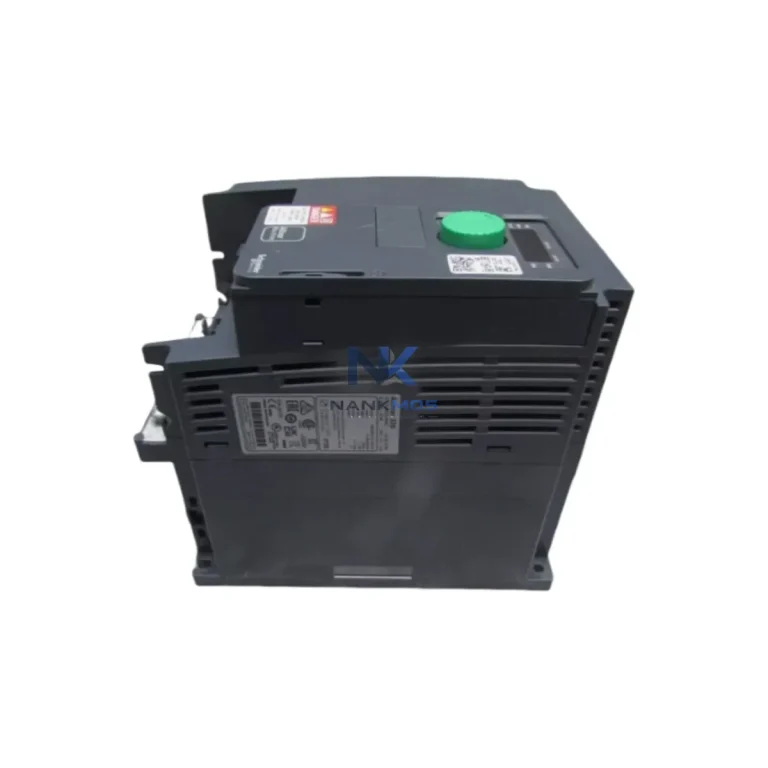
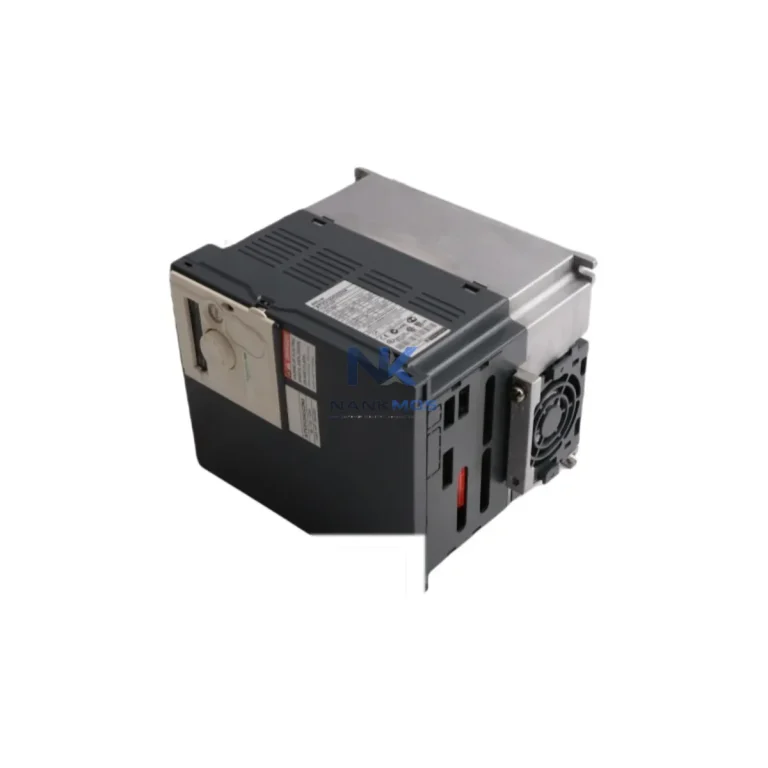
Schneider Electric PN072139P903 is a NANKMOS industrial automation product record Listed under Altivar series and Drives. Confirm condition, availability, lead time, compatibility and documentation by email inquiry.
Brand names are used for identification only.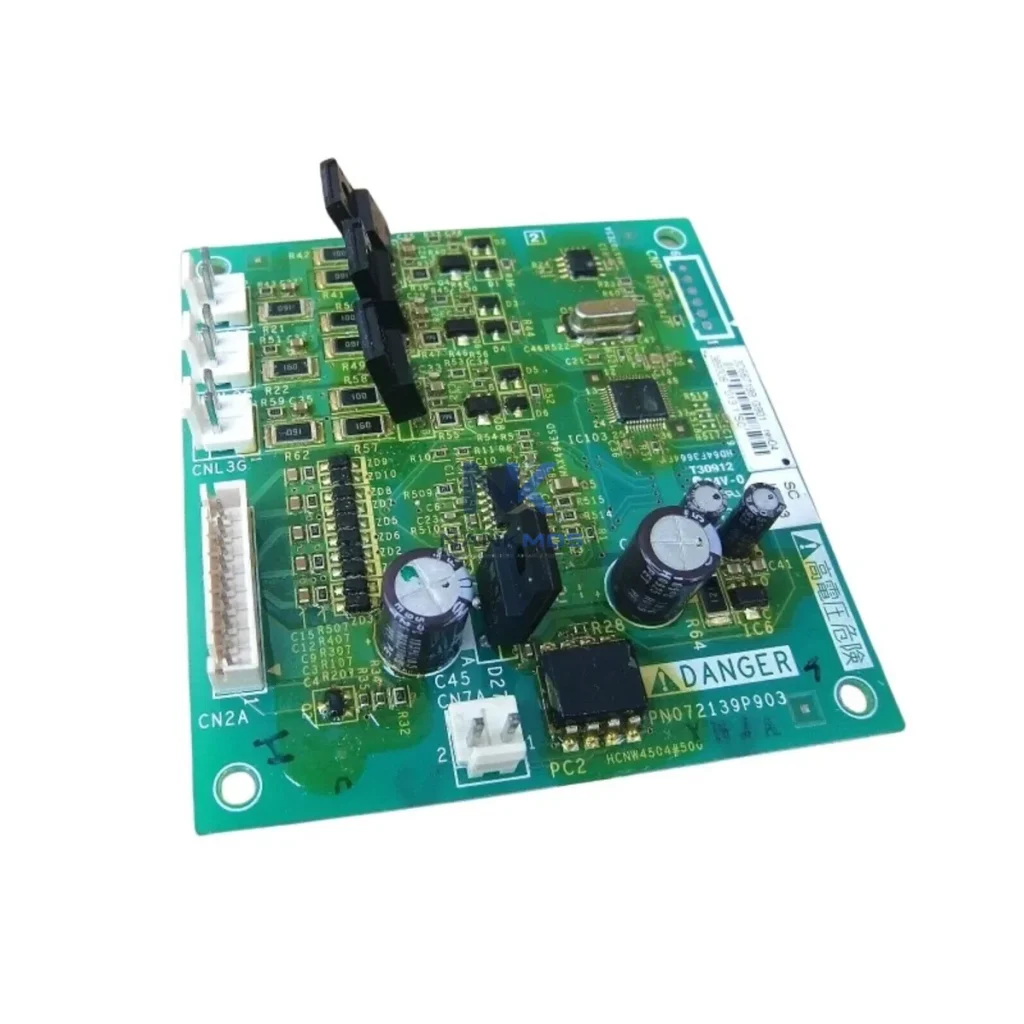
Schneider Electric PN072139P903 is a NANKMOS industrial automation product record Listed under Altivar series and Drives. Confirm condition, availability, lead time, compatibility and documentation by email inquiry.
| Manufacturer | Schneider Electric |
|---|---|
| Application | Motion Control & Drive System |
| Part Number / Model | PN072139P903 |
| Compatible System | Altivar |
| Series | Altivar |
| Condition Options | To Confirm |
| Module Type | Servo / Drive Module |
| Warranty | 12 Months |
| Packaging | Anti-static Bag / Secure Box |
| Shipping Methods | DHL / FedEx / UPS / Air / Sea |
| Availability | To Confirm |
| Lead Time | To Confirm |
| Documentation | Part number and revision checked before quote |
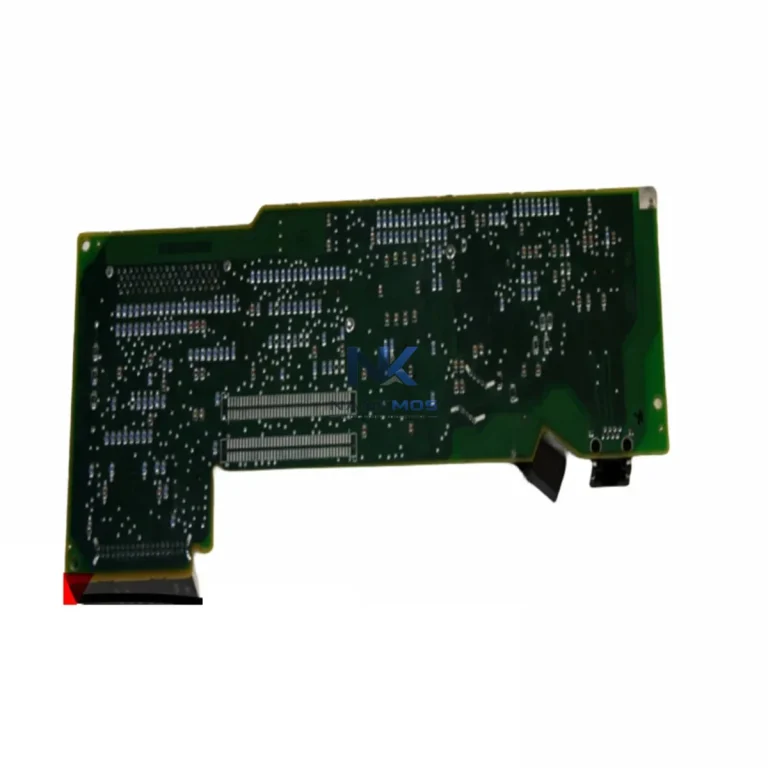
The Schneider Electric PN072139P903 is a thyristor trigger board engineered for the Altivar series of variable frequency drives (VFDs), delivering precise gate-pulse control over power thyristors to regulate motor current, reduce switching losses, and optimize energy consumption across demanding industrial production environments. As a core power electronics component within the Altivar drive platform, the PN072139P903 directly governs the firing angle of thyristors in the drive's rectifier or braking stage, enabling smooth, efficient energy transfer from the AC supply to the motor load — and back during regenerative braking cycles.
In modern smart factories and energy-conscious production lines, every watt of unnecessary heat dissipation or switching inefficiency represents a measurable cost. The PN072139P903 addresses this by maintaining tightly synchronized trigger pulses that minimize thyristor conduction losses, reduce thermal stress on the power stack, and extend the operational lifespan of the drive assembly. This translates directly into lower energy bills, reduced cooling requirements, and fewer unplanned maintenance events — all critical metrics for facilities operating under ISO 50001 energy management frameworks or pursuing lean manufacturing targets.
The PN072139P903 thyristor trigger board does not operate in isolation — it is a precision interface between the drive's digital control logic and its high-power switching stage. In a fully integrated automation architecture, this board works in concert with the Altivar ATV61 or ATV71 drive controller boards, which generate the speed reference and torque demand signals that the trigger board translates into precise firing sequences. The result is a motor control loop that responds dynamically to load changes without overshooting current draw or generating unnecessary reactive power.
At the system level, the PN072139P903 integrates within a broader energy management chain. Schneider Electric PowerLogic power monitoring modules upstream of the drive measure real-time kW, kVAR, and power factor, feeding data to the plant's SCADA or EcoStruxure Energy Manager platform. When the SCADA system detects off-peak windows or load-shedding requirements, it signals the Modicon M340 or Modicon M580 PLC to adjust drive speed references — commands that ultimately reach the motor through the firing sequences managed by the PN072139P903. This closed-loop energy control architecture ensures that motor energy consumption tracks actual production demand rather than running at fixed speed regardless of load.
On the drive's internal bus, the trigger board communicates with the Altivar control card and interfaces with the drive's I/O extension modules, which relay feedback signals from current transformers, temperature sensors, and encoder modules mounted on the motor shaft. This feedback allows the trigger board's firing angle to be continuously adjusted for optimal efficiency across varying load profiles — particularly important in applications such as centrifugal pumps and fans, where affinity laws mean that even a 10% speed reduction can yield up to 27% energy savings.
For facilities using Profibus DP or CANopen fieldbus architectures, the Altivar drive — with the PN072139P903 at its power core — can receive speed and torque commands directly from the PLC without analog signal degradation, ensuring that the firing board operates on clean, noise-immune digital references. Magelis HMI panels provide operators with real-time visibility into drive operating parameters, energy consumption trends, and fault diagnostics, enabling proactive intervention before efficiency losses escalate into unplanned downtime.
In high-cycle production environments — automotive assembly, packaging lines, textile mills, and chemical processing plants — the cumulative energy impact of drive inefficiency is substantial. A thyristor trigger board operating outside its calibrated firing window introduces phase imbalance, increases harmonic distortion on the supply network, and forces the drive's thermal management system to work harder, consuming additional cooling energy. The PN072139P903, maintained in factory-calibrated condition and pre-shipment tested before dispatch, eliminates these inefficiency vectors.
When integrated with a Schneider Electric Altivar Process drive configured for pump or fan control, the PN072139P903 enables the drive to operate in energy-saving mode, where the firing angle is continuously optimized based on actual motor flux demand rather than a fixed voltage-to-frequency ratio. This approach, combined with the drive's built-in energy meter function, allows plant engineers to quantify energy savings in real time and report against sustainability KPIs.
For predictive maintenance programs, the health of the thyristor trigger board is a leading indicator of drive reliability. Degraded firing synchronization — detectable through increased motor current ripple or elevated drive temperature alarms — signals impending thyristor failure before a catastrophic fault occurs. Replacing the PN072139P903 proactively, using a verified in-stock unit with a 12-month warranty, is far less costly than an unplanned production stoppage caused by a drive fault during peak output periods.
The board also plays a role in braking energy management. In applications with high-inertia loads — large centrifuges, hoists, or winding machines — the Altivar drive's braking thyristors, triggered by the PN072139P903, control the rate at which kinetic energy is dissipated or returned to the supply network. Proper firing control during deceleration prevents DC bus overvoltage faults, reduces wear on braking resistors, and in regenerative configurations, recovers energy that would otherwise be wasted as heat. This directly reduces the facility's net energy consumption and lowers the thermal load on the electrical room.
Q1: How does the PN072139P903 contribute to measurable energy savings on a production line? By maintaining precise thyristor firing synchronization, the PN072139P903 minimizes conduction losses in the drive's power stage, reduces harmonic distortion, and enables the Altivar drive to operate at peak efficiency across variable load conditions. When combined with speed control strategies managed by the plant PLC and monitored via SCADA, facilities typically achieve 15–30% energy reduction on variable-torque loads such as pumps, fans, and compressors compared to fixed-speed operation.
Q2: Is the PN072139P903 compatible with all Altivar drive models, and can it replace older trigger boards? The PN072139P903 is designed for specific Altivar drive variants within the Schneider Electric platform. Compatibility should be verified against the drive's nameplate and service documentation. For replacement applications, the board's firing circuit design and connector pinout must match the original specification. Our team can assist with cross-reference verification prior to shipment to ensure a direct, drop-in replacement without additional configuration.
Q3: What pre-shipment testing is performed on the PN072139P903 before delivery? Each PN072139P903 unit undergoes functional verification testing prior to dispatch, confirming gate-pulse output integrity, signal timing accuracy, and board-level electrical continuity. This process ensures that the component arrives ready for installation without requiring additional bench testing, minimizing production line downtime during maintenance windows. All units are covered by a 12-month warranty from the date of shipment.
Q4: What is the lead time, and is the PN072139P903 available from stock? The PN072139P903 is maintained in stock for immediate dispatch. Standard lead time for in-stock units is 3–7 business days depending on destination. For urgent production line recovery situations, expedited shipping options are available. Contact our team to confirm current inventory levels and arrange priority fulfillment.
Functional Inspection100% tested on professional platforms to ensure stable performance.
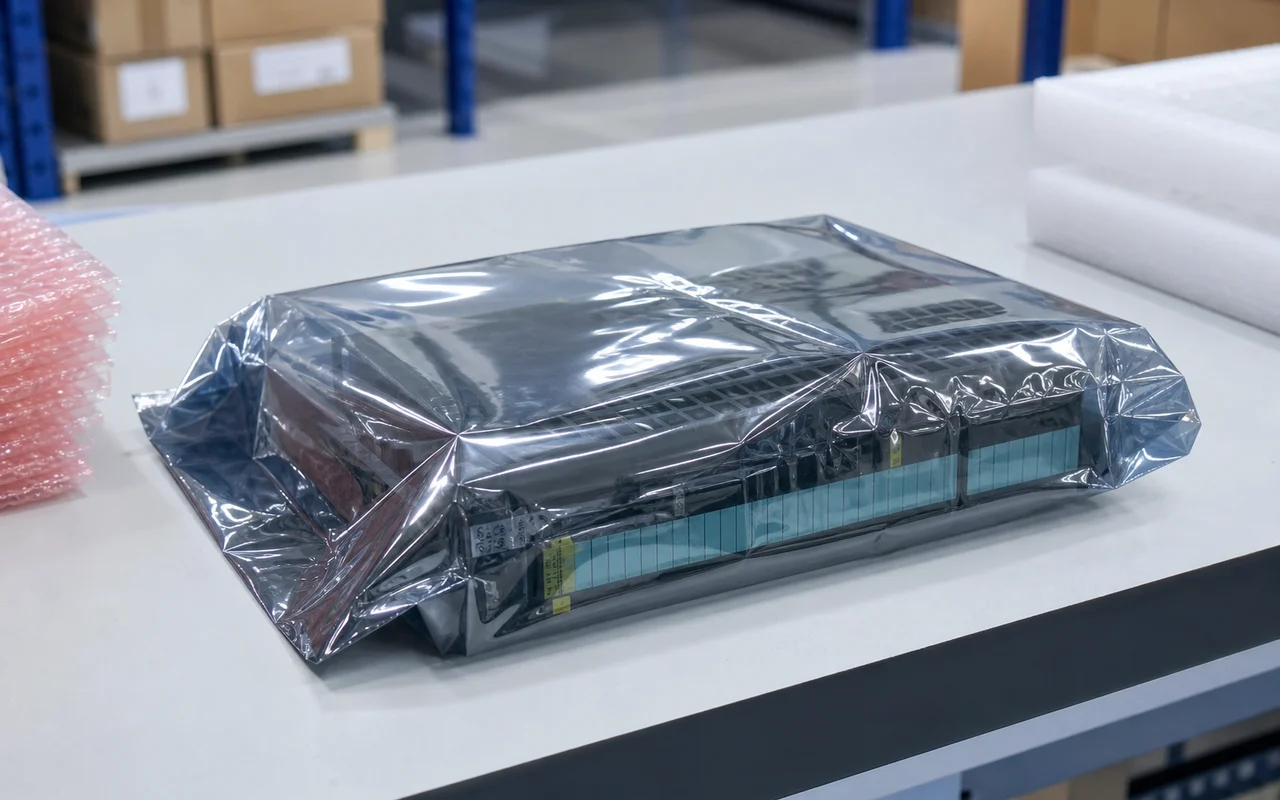 Anti-static Packaging
Modules are packed in anti-static bags to prevent electrostatic damage.
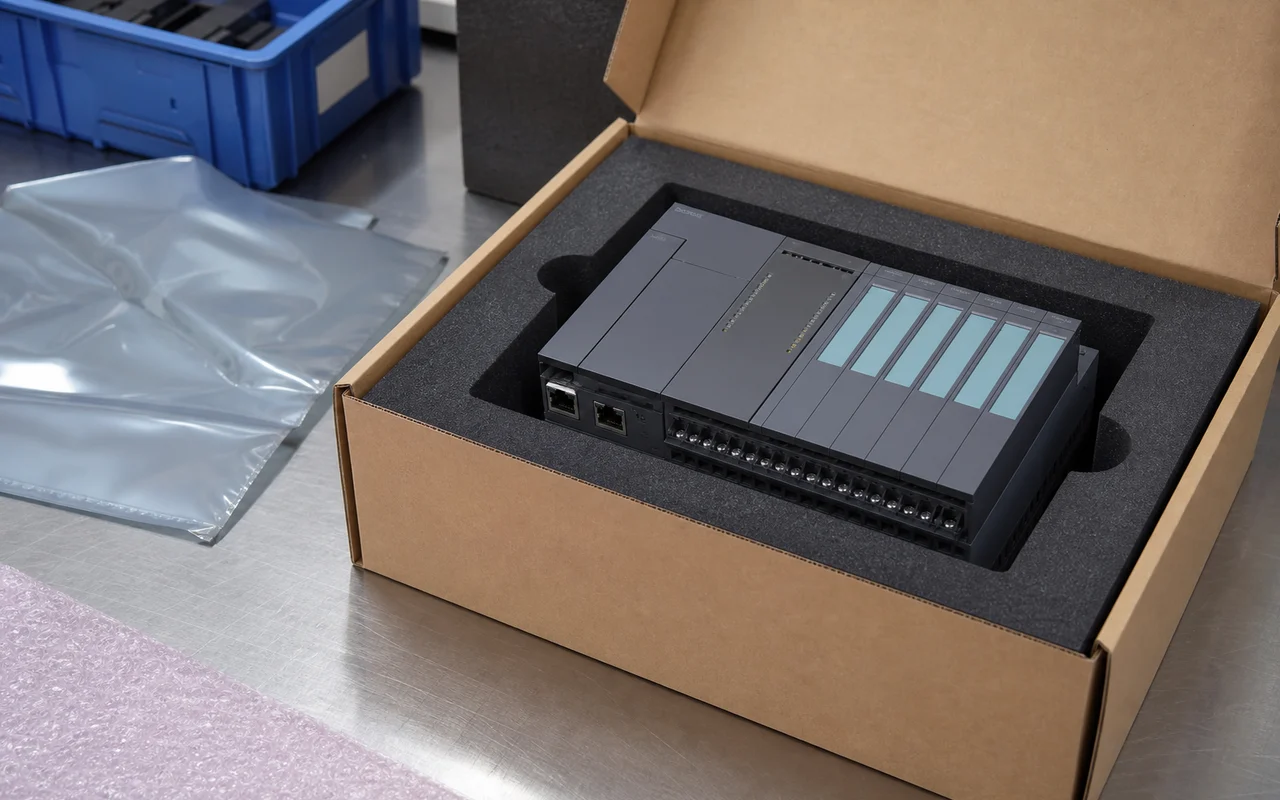 Secure Export Packing
Cushion protection and strong cartons ensure safe transportation.
 Worldwide Shipping
Global logistics network supports air, sea and express delivery.
 Documentation Check
Part number, revision and compatibility verified before shipment.
 After-sales Support
Professional technical support to help resolve your issues.