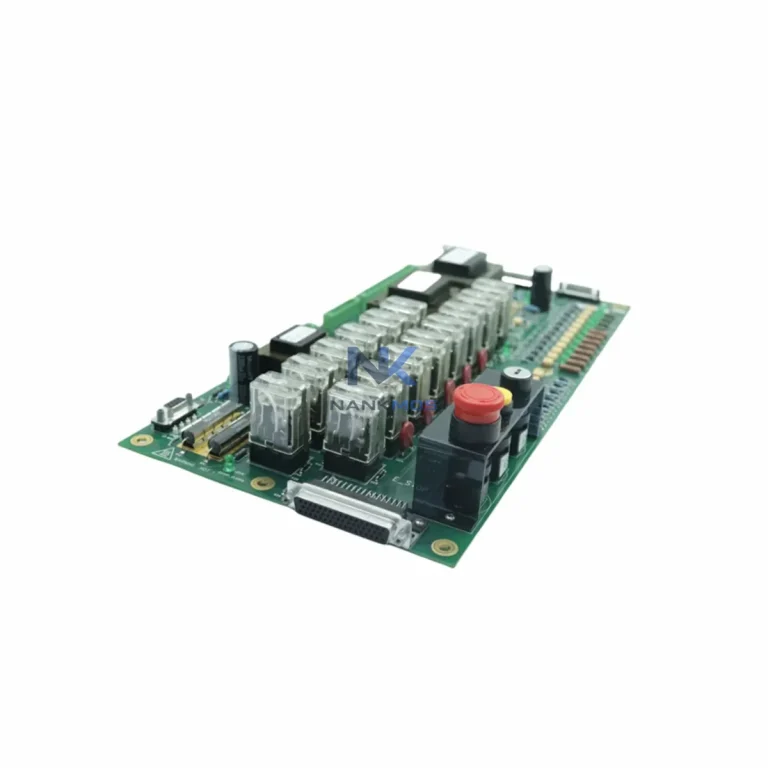
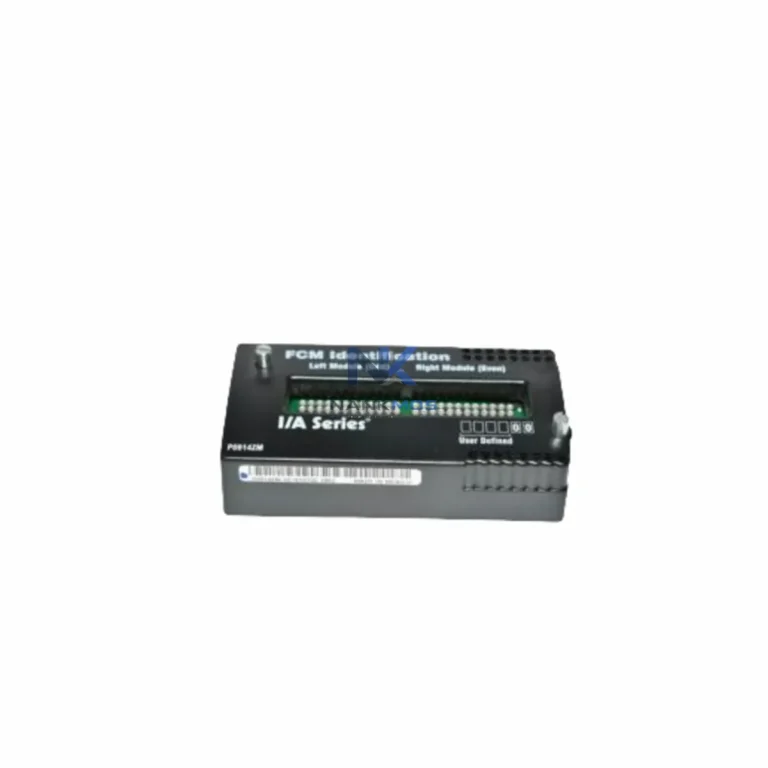
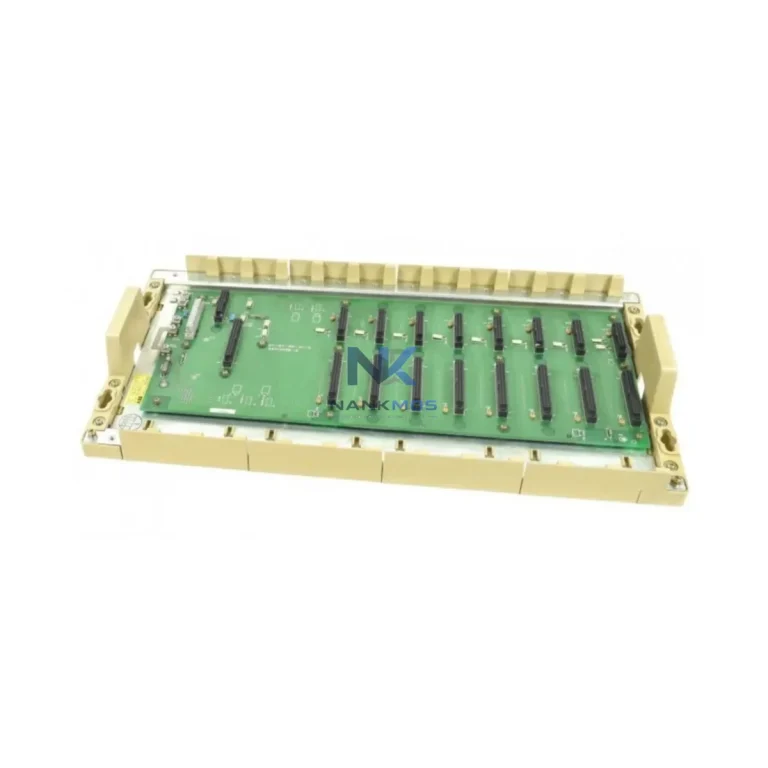
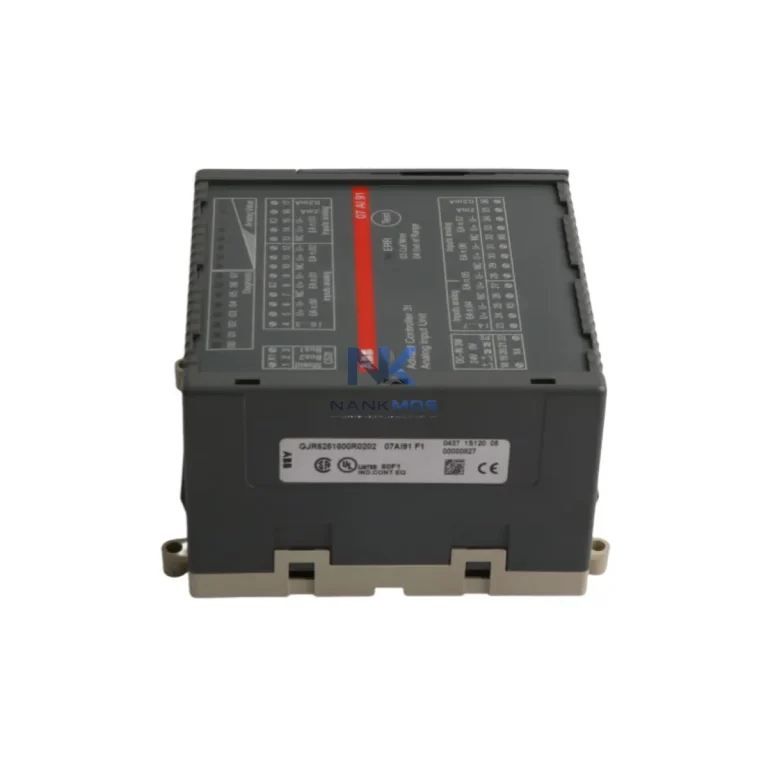
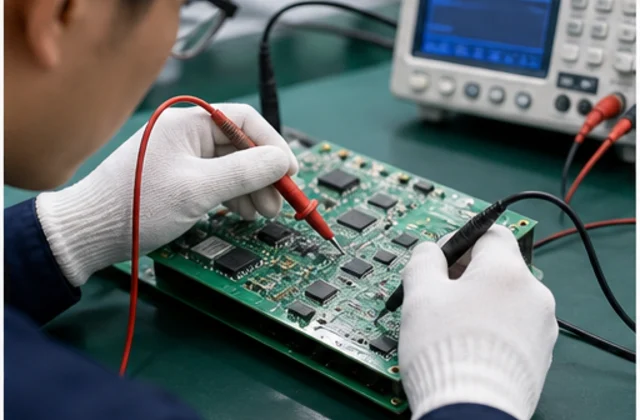
 Functional Inspection
100% tested on professional platforms to ensure stable performance.
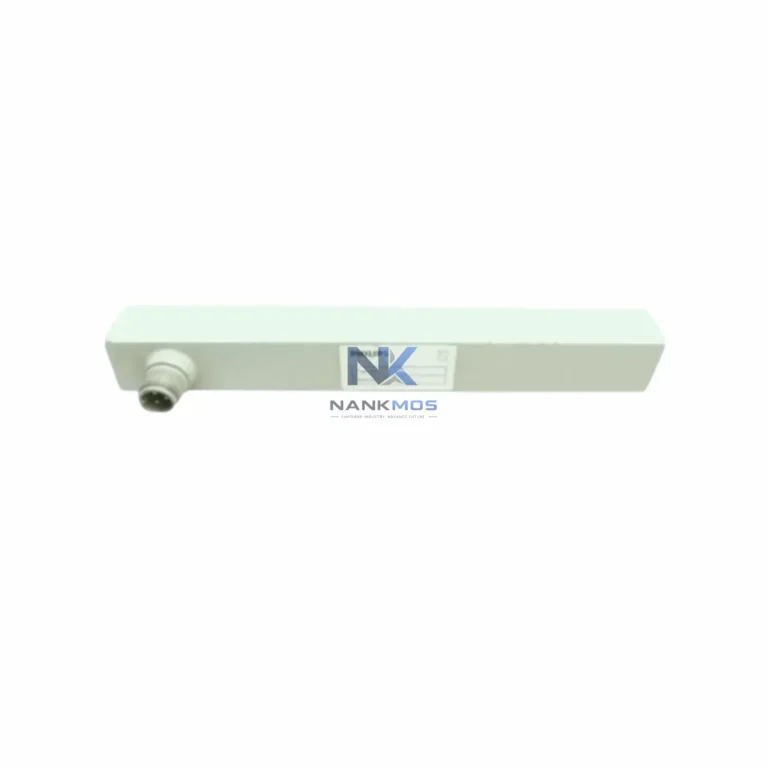
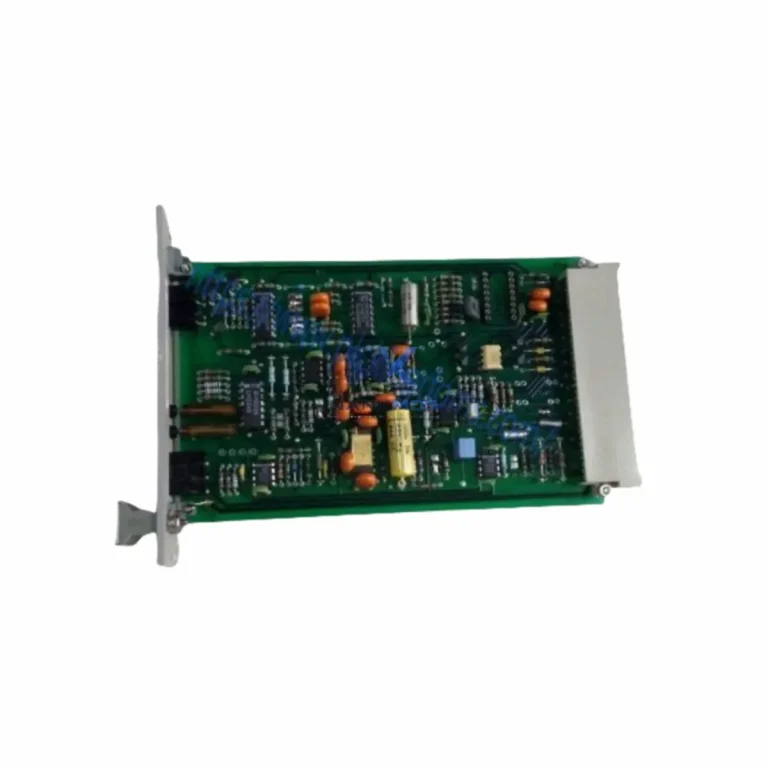
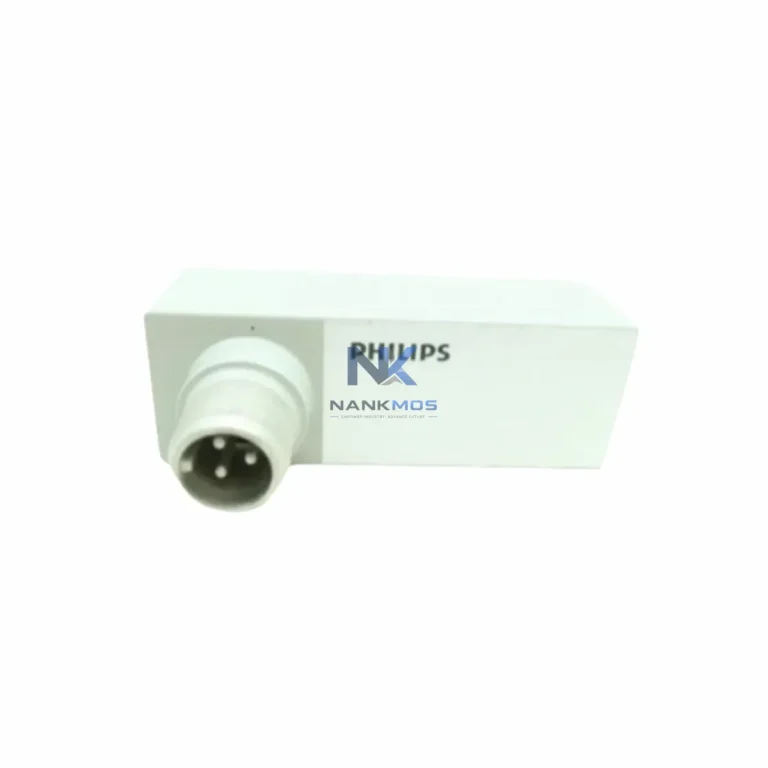
Philips 940622127011 is a NANKMOS industrial automation product record Listed under Other series series and Business & Industrial > Automation, Control & Flow Devices > Programmable Logic Controllers. Confirm condition, availability, lead time, compatibility and documentation by email inquiry.
Brand names are used for identification only.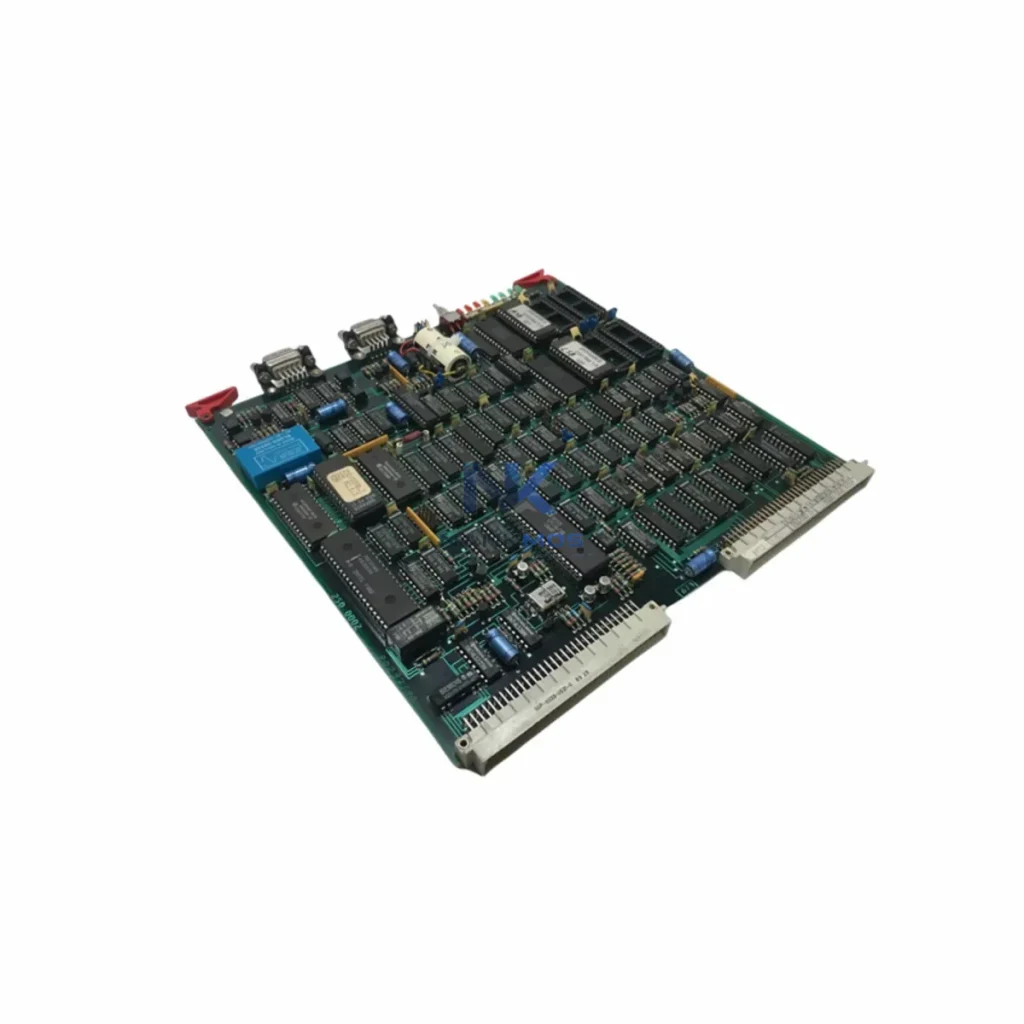
Philips 940622127011 is a NANKMOS industrial automation product record Listed under Other series series and Business & Industrial > Automation, Control & Flow Devices > Programmable Logic Controllers. Confirm condition, availability, lead time, compatibility and documentation by email inquiry.
| Manufacturer | Philips |
|---|---|
| Application | Controller Processing & System Control |
| Part Number / Model | 940622127011 |
| Compatible System | Confirmed by inquiry |
| Condition Options | To Confirm |
| Module Type | Controller / CPU Module |
| Warranty | 12 Months |
| Packaging | Anti-static Bag / Secure Box |
| Shipping Methods | DHL / FedEx / UPS / Air / Sea |
| Availability | To Confirm |
| Lead Time | To Confirm |
| Documentation | Part number and revision checked before quote |
The Philips 940622127011 is a high-reliability CPU Card Module engineered for energy-aware distributed control within ISSC DCS architectures. Designed to operate at the heart of smart production lines, this module delivers deterministic process control while actively contributing to load management, thermal efficiency, and overall energy optimisation across the automation layer. With a proven track record in continuous-process and discrete-manufacturing environments, the 940622127011 enables plant engineers to reduce idle-state power draw, stabilise equipment cycle rates, and extend mean time between failures — all within a single, compact card form factor.
Industrial facilities running 24/7 operations face mounting pressure to reduce energy expenditure without compromising throughput. The Philips 940622127011 addresses this directly by providing fast, low-latency scan cycles that minimise CPU overhead and prevent unnecessary actuator toggling — a common source of reactive energy loss. Its architecture supports tight integration with field-level devices including Philips ISSC I/O expansion modules, analogue input cards, and digital output racks, allowing the control system to respond to real-time load signals with precision rather than approximation.
When paired with a variable-frequency drive (VFD) or servo drive system on the same control network, the 940622127011 can coordinate motor ramp profiles and deceleration curves to recover braking energy and reduce peak-demand spikes. This is particularly valuable in applications such as conveyor synchronisation, pump station control, and compressor staging, where uncoordinated motor starts represent a significant share of facility energy consumption.
Effective energy management in a modern plant is never the result of a single device — it emerges from the coordinated behaviour of an entire control ecosystem. The Philips 940622127011 CPU Module serves as the orchestration layer within this ecosystem, communicating with upstream and downstream components to enforce energy-conscious control strategies.
At the field level, the module interfaces with Philips ISSC analogue input cards to receive real-time signals from current transformers, power transducers, and temperature sensors. These inputs feed directly into the CPU's control logic, enabling dynamic load-shedding routines that can curtail non-critical loads during peak-demand windows. Simultaneously, the 940622127011 exchanges process data with Philips ISSC digital output modules to actuate contactors, soft starters, and isolation relays in a sequenced, energy-efficient manner.
For drive-intensive applications, the CPU module communicates with variable-frequency drives and servo amplifiers over the plant's fieldbus backbone — whether PROFIBUS DP, Modbus RTU, or a proprietary ISSC serial link — to coordinate speed references and torque limits in real time. This closed-loop interaction between the 940622127011 and the drive layer eliminates the energy waste associated with fixed-speed motor operation and allows the system to match motor output precisely to process demand.
At the supervisory level, the module's data is aggregated by an HMI panel or SCADA server, where energy KPIs such as specific energy consumption (SEC), power factor, and load factor are trended and alarmed. Operators can use this visibility to identify inefficient operating windows, schedule high-energy tasks during off-peak tariff periods, and validate the impact of energy-saving initiatives over time. The 940622127011 also supports integration with power monitoring modules and energy management gateways, enabling the plant to participate in demand-response programmes and ISO 50001 energy audits.
Communication modules — including RS-485 serial cards and Ethernet gateway adapters compatible with the ISSC DCS backplane — extend the 940622127011's reach to enterprise-level energy management systems (EMS) and MES platforms, closing the loop between shop-floor control and facility-wide energy accounting.
Production line efficiency is measured not only in units per hour but in energy consumed per unit produced. The Philips 940622127011 contributes to both dimensions by providing the control intelligence needed to eliminate waste at every stage of the production cycle.
During startup sequences, the CPU module executes staggered motor-start routines that prevent simultaneous inrush currents from overloading the facility's power infrastructure. This reduces peak-demand charges on the electricity bill and protects upstream switchgear and transformers from thermal stress. During steady-state production, the 940622127011 monitors cycle times and adjusts setpoints dynamically to maintain optimal line throughput without over-driving actuators or running conveyors at unnecessary speeds.
In standby and changeover periods — which can account for 20–35% of total shift time in many discrete manufacturing environments — the module enforces an energy-saving mode that powers down non-essential I/O, reduces polling rates for low-priority sensors, and signals drives to enter sleep mode. When the line resumes, the 940622127011 orchestrates a controlled wake-up sequence that brings all subsystems back online in the correct order, preventing process upsets and minimising restart energy spikes.
Predictive maintenance is another dimension where the 940622127011 delivers energy value. By logging runtime hours, fault codes, and thermal alarm events from connected Philips ISSC I/O modules and field devices, the CPU builds a historical dataset that maintenance teams can analyse to identify degrading components before they cause unplanned downtime. Unplanned stops are among the most energy-intensive events in a plant, as they require full restart sequences and often result in scrap that must be reprocessed. Preventing them through data-driven maintenance scheduling directly reduces the facility's energy intensity.
All units of the Philips 940622127011 supplied by NANKMOS are sourced from verified channels, subjected to outgoing functional tests, and covered by a 12-Month Warranty. Stock is maintained for immediate dispatch, supporting urgent maintenance requirements and minimising production downtime.
Q1: How does the Philips 940622127011 contribute to measurable energy savings on a production line? The 940622127011 reduces energy consumption through deterministic scan-cycle control, staggered motor-start sequencing, and dynamic load-shedding logic. When integrated with VFDs, servo drives, and power monitoring modules, it enables the control system to match energy output precisely to process demand — eliminating the idle-state waste and over-speed operation that inflate energy bills in fixed-control architectures.
Q2: Is the 940622127011 compatible with third-party SCADA systems and energy management platforms? Yes. The module operates within the ISSC DCS backplane and supports serial and fieldbus communication protocols that are compatible with major SCADA platforms and EMS gateways. Communication modules and protocol converters available for the ISSC platform extend connectivity to Modbus TCP, OPC-DA, and other standard interfaces used by energy management and MES systems.
Q3: What is the recommended replacement or upgrade path if the 940622127011 is end-of-life in my system? NANKMOS recommends a like-for-like replacement with a tested 940622127011 unit as the lowest-risk option for maintaining system stability. Where a platform upgrade is planned, our technical team can advise on compatible ISSC DCS CPU modules and migration strategies that preserve existing I/O wiring and fieldbus configurations, minimising retrofit cost and downtime.
Q4: What testing and warranty coverage is provided with each unit? Every Philips 940622127011 dispatched by NANKMOS undergoes outgoing functional verification prior to shipment. All units are covered by a 12-Month Warranty against manufacturing defects and operational failure under normal operating conditions. In-stock units are available for same-day or next-business-day dispatch to support urgent maintenance and minimise production downtime.
Functional Inspection100% tested on professional platforms to ensure stable performance.
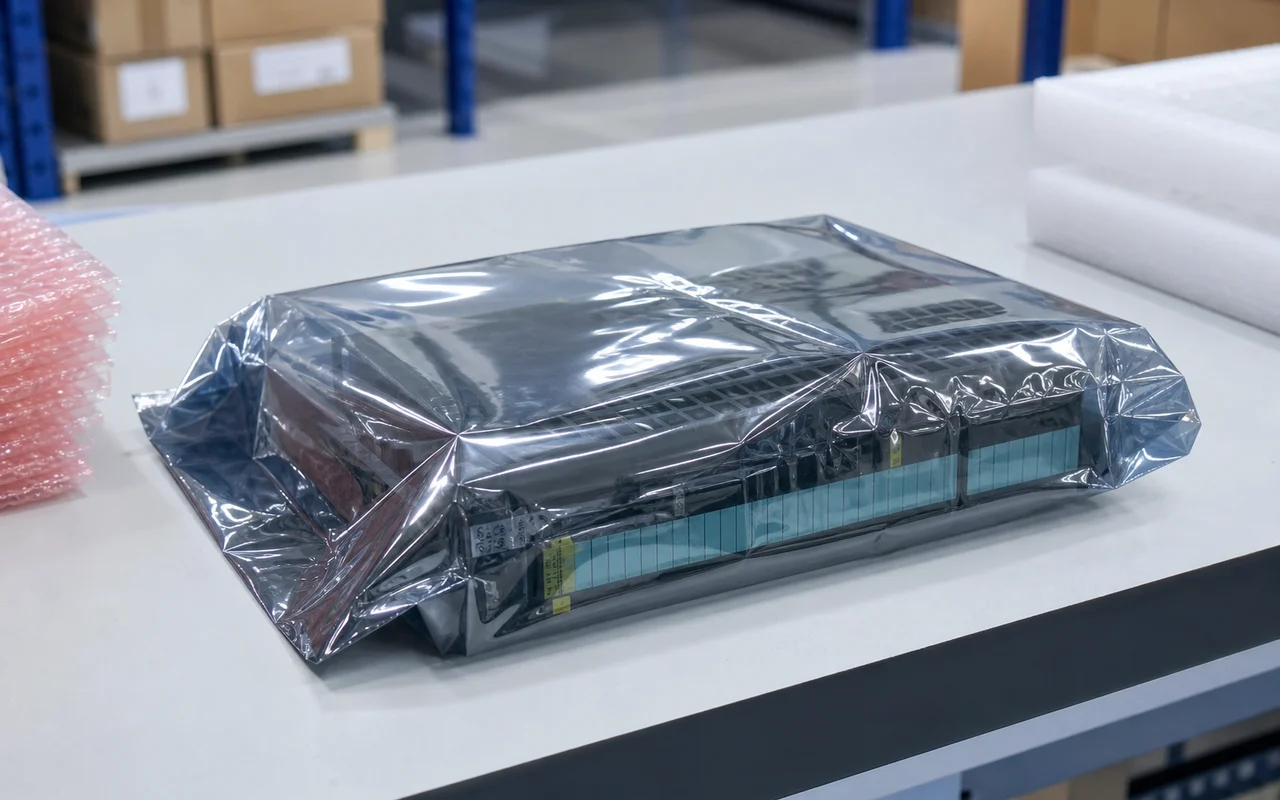 Anti-static Packaging
Modules are packed in anti-static bags to prevent electrostatic damage.
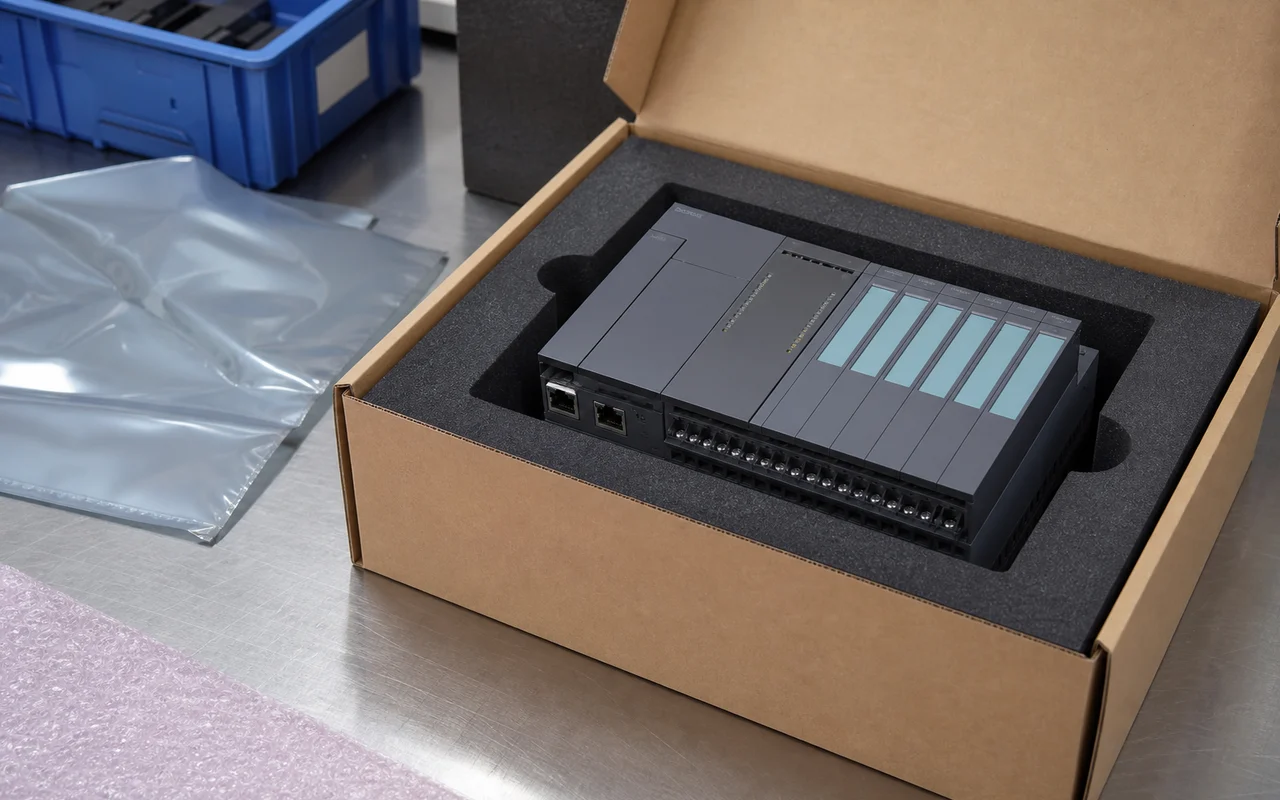 Secure Export Packing
Cushion protection and strong cartons ensure safe transportation.
 Worldwide Shipping
Global logistics network supports air, sea and express delivery.
 Documentation Check
Part number, revision and compatibility verified before shipment.
 After-sales Support
Professional technical support to help resolve your issues.