Functional Inspection
100% tested on professional platforms to ensure stable performance.
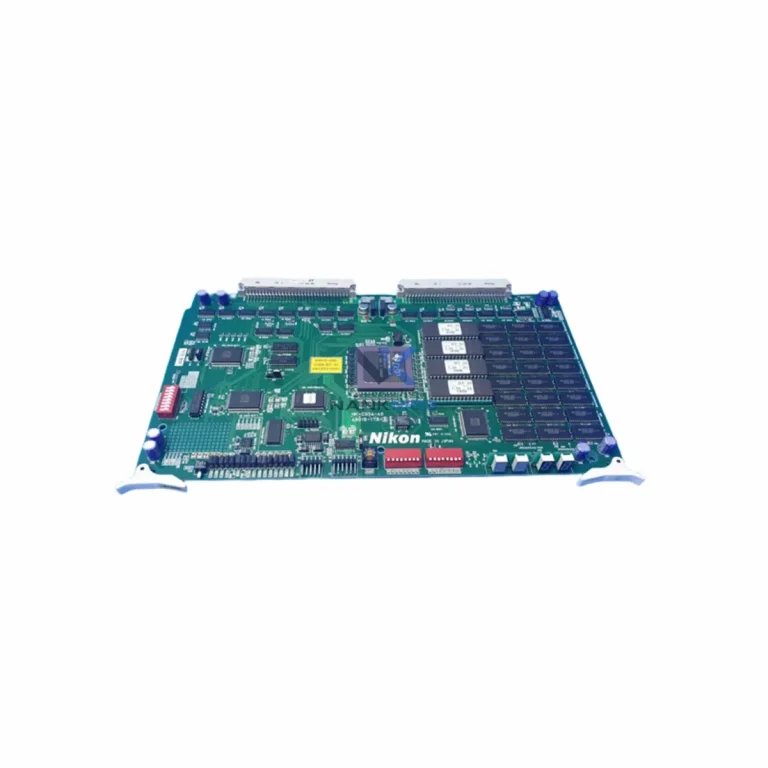
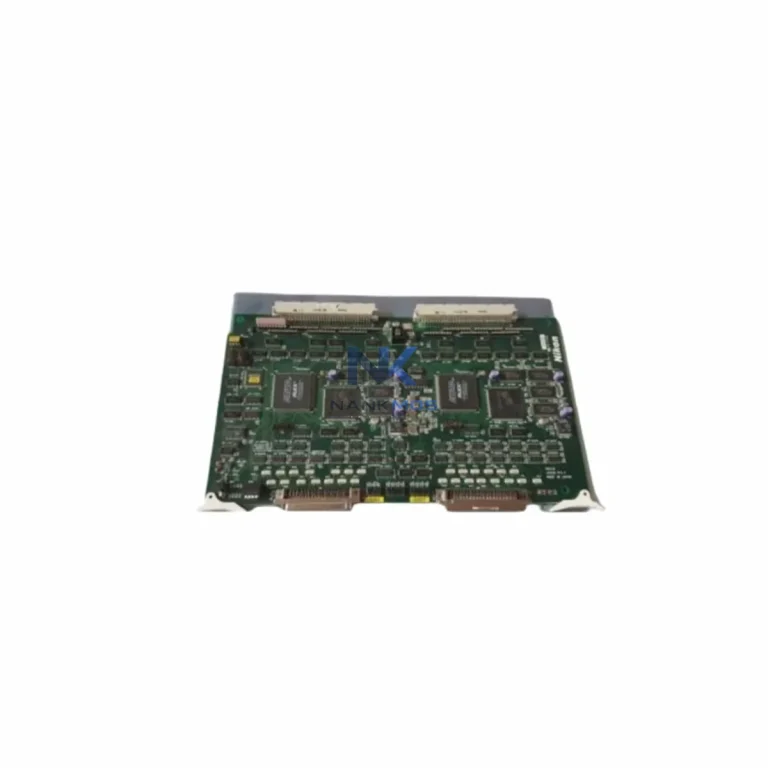
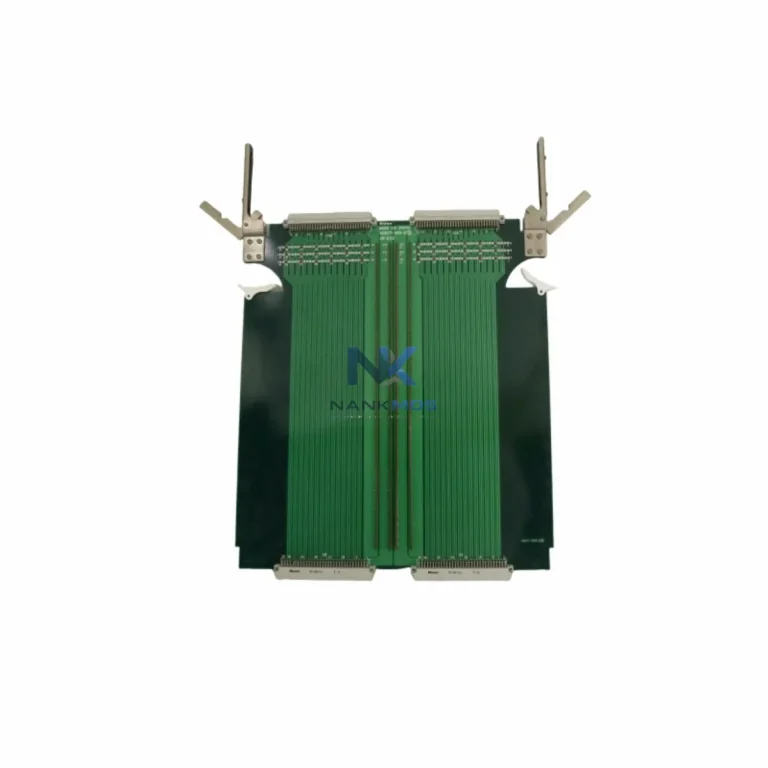
NIKON GLG5412 is a NANKMOS industrial automation product record Listed under Other series series and Business & Industrial > Automation, Control & Flow Devices. Confirm condition, availability, lead time, compatibility and documentation by email inquiry.
Brand names are used for identification only.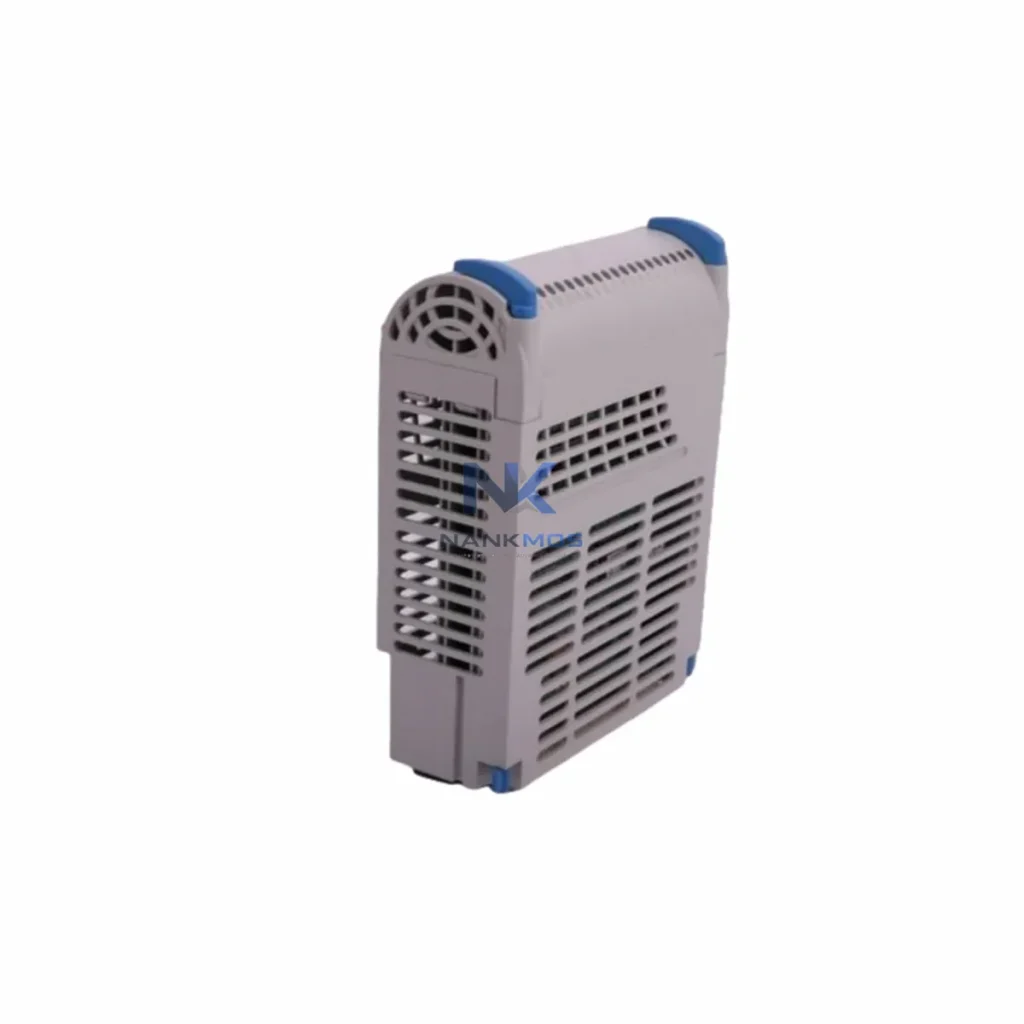
NIKON GLG5412 is a NANKMOS industrial automation product record Listed under Other series series and Business & Industrial > Automation, Control & Flow Devices. Confirm condition, availability, lead time, compatibility and documentation by email inquiry.
| Manufacturer | NIKON |
|---|---|
| Application | Industrial Network Communication |
| Part Number / Model | GLG5412 |
| Compatible System | Confirmed by inquiry |
| Condition Options | To Confirm |
| Module Type | Communication Module |
| Warranty | 12 Months |
| Packaging | Anti-static Bag / Secure Box |
| Shipping Methods | DHL / FedEx / UPS / Air / Sea |
| Availability | To Confirm |
| Lead Time | To Confirm |
| Documentation | Part number and revision checked before quote |
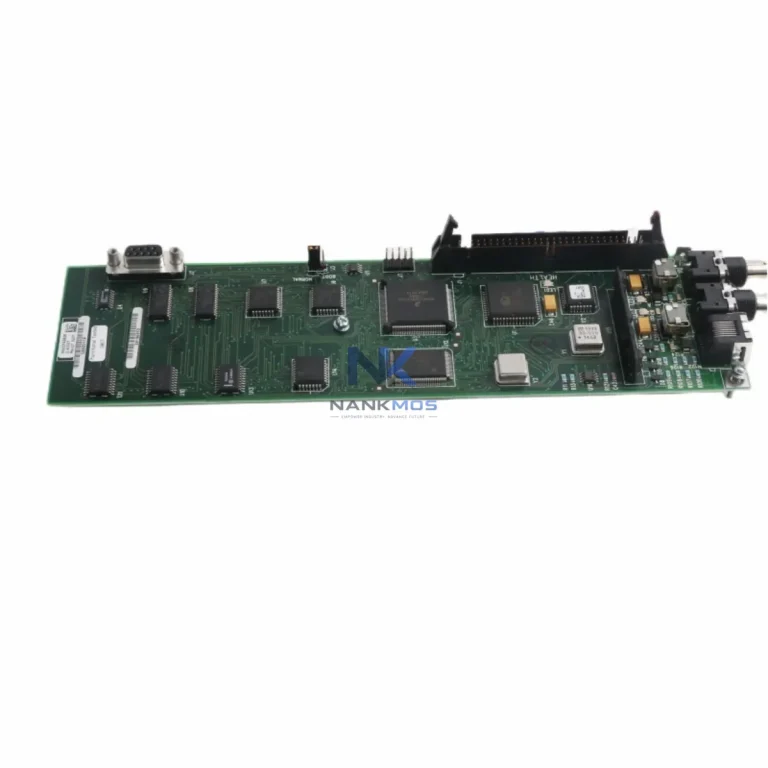
The Nikon GLG5412 is a precision-engineered industrial network interface module designed to bridge high-accuracy laser systems with the broader smart factory data ecosystem. In modern automated production environments, laser-based measurement, alignment, and lithography systems must communicate seamlessly with PLC controllers, remote I/O nodes, HMI panels, SCADA platforms, and edge gateways. The GLG5412 fulfils this role by providing a stable, protocol-aware communication backbone that keeps laser subsystems fully integrated within the plant-wide data flow — from signal acquisition at the field level all the way to real-time visualisation at the supervisory layer.
Across semiconductor fabrication, precision machining, and photovoltaic production lines, the GLG5412 connects directly to Nikon's laser control architecture while exposing standardised industrial communication interfaces. This allows upstream controllers — such as Siemens S7-series PLCs or Mitsubishi MELSEC iQ-R systems — to issue positioning commands, receive status feedback, and log operational data without manual intervention. The module supports RS-422 and EtherCAT-compatible signal paths, enabling deterministic, low-latency data exchange that is critical for closed-loop laser control in high-throughput environments.
The GLG5412 sits at the intersection of laser subsystem control and plant-wide industrial networking. In a typical smart factory deployment, the data flow begins at the field device layer: laser sensors and optical encoders feed raw measurement data into the GLG5412's input interface. The module conditions and packetises this data before forwarding it upstream via EtherCAT to a distributed I/O coupler — such as a Beckhoff EK1100 EtherCAT Coupler — which aggregates signals from multiple field nodes onto the main automation bus.
From the I/O coupler, data travels to the primary PLC controller. In Nikon-integrated production lines, this is commonly a Siemens S7-1500 or a Mitsubishi MELSEC iQ-R series controller, both of which support EtherCAT master functionality and can execute real-time laser positioning logic at sub-millisecond cycle times. The PLC's output commands are routed back through the GLG5412 to adjust laser power, beam position, or exposure timing — completing the closed-loop control cycle.
Simultaneously, the GLG5412 exposes a secondary communication channel for supervisory systems. An OPC-UA gateway — such as a Moxa MGate MB3480 or equivalent industrial protocol converter — bridges the laser subsystem data onto the plant Ethernet backbone, making it accessible to SCADA platforms like Wonderware System Platform or Ignition by Inductive Automation. HMI panels installed at the machine station display real-time laser status, alarm states, and throughput metrics, giving operators immediate visibility without requiring direct access to the controller.
For remote diagnostic capability, the GLG5412's network interface allows integration with edge computing nodes — such as a Siemens SIMATIC IPC or a Advantech UNO-series edge gateway — that run local analytics and forward aggregated data to cloud-based MES or ERP systems. This architecture supports predictive maintenance workflows: vibration signatures, thermal drift, and beam quality metrics captured by the GLG5412 are continuously streamed to the edge node, where anomaly detection algorithms flag potential failures before they cause unplanned downtime.
Industrial Ethernet switches — such as the Hirschmann SPIDER series or Moxa EDS-400 series managed switches — provide the network infrastructure that connects the GLG5412, the PLC, the SCADA gateway, and the edge node into a unified, VLAN-segmented automation network. This segmentation ensures that time-critical EtherCAT traffic is isolated from general IT traffic, preserving deterministic performance across the laser control loop.
Variable frequency drives (VFDs) controlling the motion stages adjacent to the laser system — such as Yaskawa Sigma-7 servo drives or Panasonic MINAS A6 series — also communicate via the same EtherCAT backbone, allowing the PLC to synchronise laser firing events with stage movement with microsecond-level precision. The GLG5412 acts as the anchor point for this synchronisation, ensuring that laser exposure occurs exactly when the optical path is correctly aligned.
Many precision manufacturing sites operate with legacy laser systems that were installed before plant-wide industrial networking became standard. These systems generate valuable process data — beam quality logs, exposure counts, power calibration records — but that data remains trapped within proprietary interfaces, creating information silos that prevent meaningful analysis at the supervisory level.
The Nikon GLG5412 addresses this directly. Its dual-interface architecture allows it to communicate with the laser system using Nikon's native serial protocol while simultaneously presenting a standardised industrial network interface to the rest of the automation infrastructure. This eliminates the need to replace the laser system entirely: the GLG5412 acts as a protocol bridge, translating proprietary laser data into formats that SCADA, MES, and ERP systems can consume natively.
For sites struggling with remote monitoring, the GLG5412's network connectivity enables alarm events — such as laser power deviation, interlock trips, or cooling system faults — to be forwarded in real time to the SCADA alarm management system. Maintenance engineers receive push notifications on mobile HMI clients, allowing them to diagnose and respond to faults without being physically present at the machine. This capability is particularly valuable in multi-site operations where a single engineering team supports laser systems across several facilities.
Production line transparency is another key benefit. By integrating the GLG5412 into the plant data network, production managers gain access to laser utilisation metrics, mean time between failures (MTBF) trends, and exposure cycle counts — all displayed on unified dashboards alongside data from other production assets. This holistic view supports informed decisions about preventive maintenance scheduling, spare parts stocking, and capacity planning.
System expansion is straightforward: the GLG5412's modular design allows additional laser nodes to be added to the EtherCAT ring without reconfiguring the existing network topology. Each new node is automatically detected by the EtherCAT master, reducing commissioning time and minimising the risk of configuration errors during line expansion.
Q1: What communication protocols does the Nikon GLG5412 support, and is it compatible with third-party PLC platforms?The GLG5412 supports RS-422 serial communication and EtherCAT-compatible network interfaces, making it compatible with EtherCAT master controllers from Siemens, Mitsubishi, Beckhoff, and other major PLC vendors. For integration with non-EtherCAT platforms, an OPC-UA or Modbus gateway can be used to bridge the GLG5412 data onto the target network.
Q2: How does the GLG5412 ensure network stability in high-interference industrial environments?The GLG5412 is designed for industrial-grade electromagnetic compatibility (EMC). Its shielded interface connectors and differential RS-422 signalling provide robust noise immunity in environments with variable frequency drives, servo amplifiers, and high-current switching equipment operating nearby. EtherCAT's hardware-level error detection further ensures data integrity across the network.
Q3: Can the GLG5412 support remote diagnostics and predictive maintenance workflows?Yes. When integrated with an edge gateway or OPC-UA server, the GLG5412 enables continuous streaming of laser operational data — including power levels, cycle counts, and fault codes — to remote monitoring platforms. This data can be used to build predictive maintenance models that identify degradation trends before they result in unplanned downtime.
Q4: What does the 12-month warranty cover, and what is the supply lead time?The Nikon GLG5412 is covered by a 12-month warranty from the date of shipment, covering manufacturing defects and functional failures under normal operating conditions. Units are available from in-stock inventory and ship globally. Pre-shipment functional testing is performed on every unit to verify communication interface integrity and laser control signal accuracy before dispatch.
Functional Inspection100% tested on professional platforms to ensure stable performance.
 Anti-static Packaging
Modules are packed in anti-static bags to prevent electrostatic damage.
 Secure Export Packing
Cushion protection and strong cartons ensure safe transportation.
 Worldwide Shipping
Global logistics network supports air, sea and express delivery.
 Documentation Check
Part number, revision and compatibility verified before shipment.
 After-sales Support
Professional technical support to help resolve your issues.