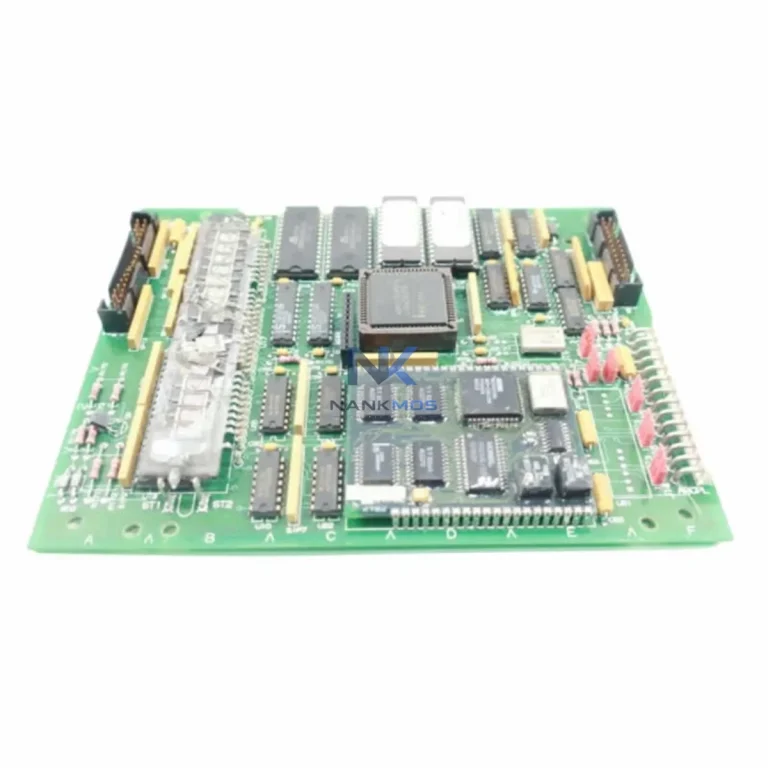
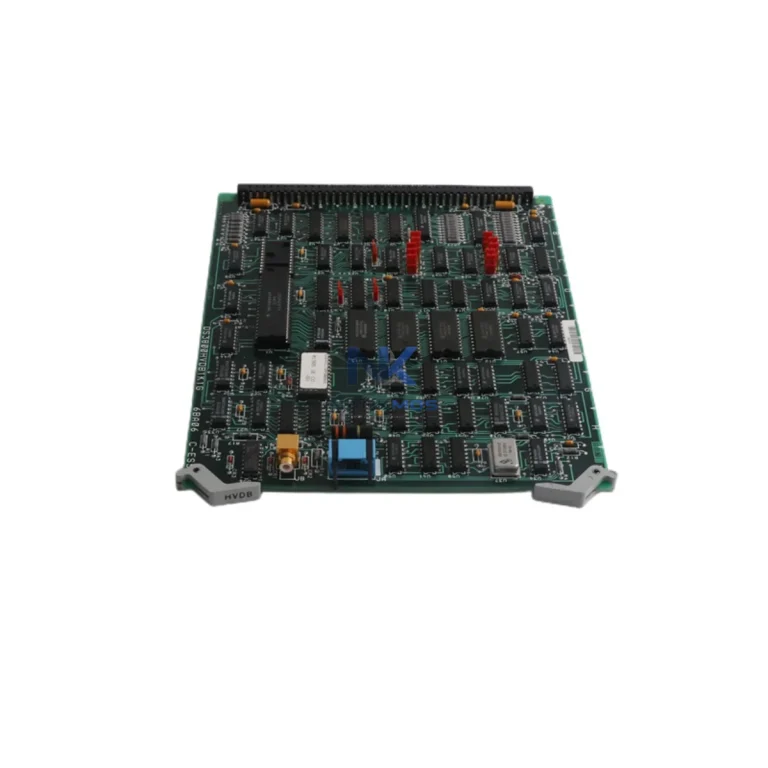
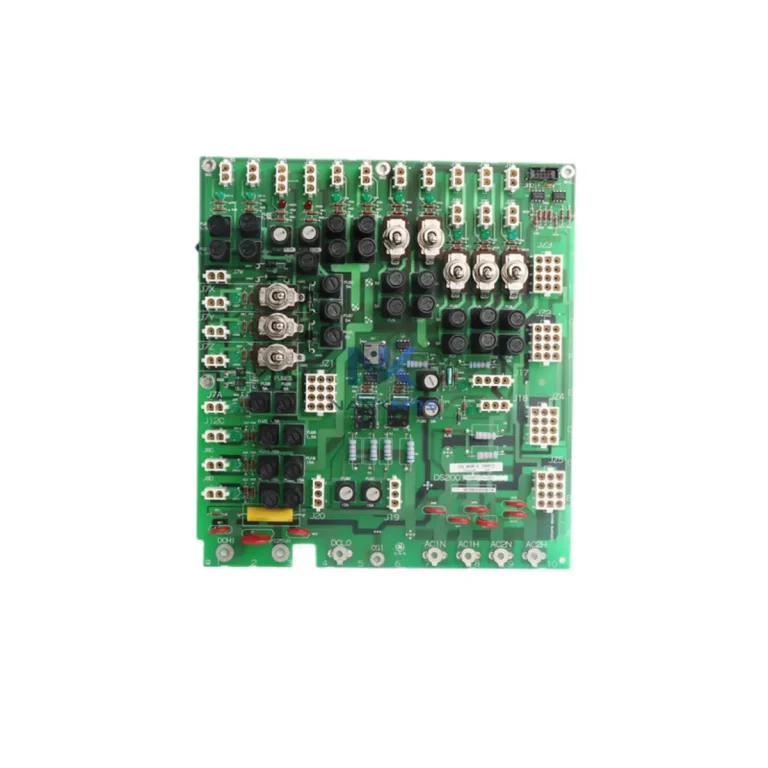
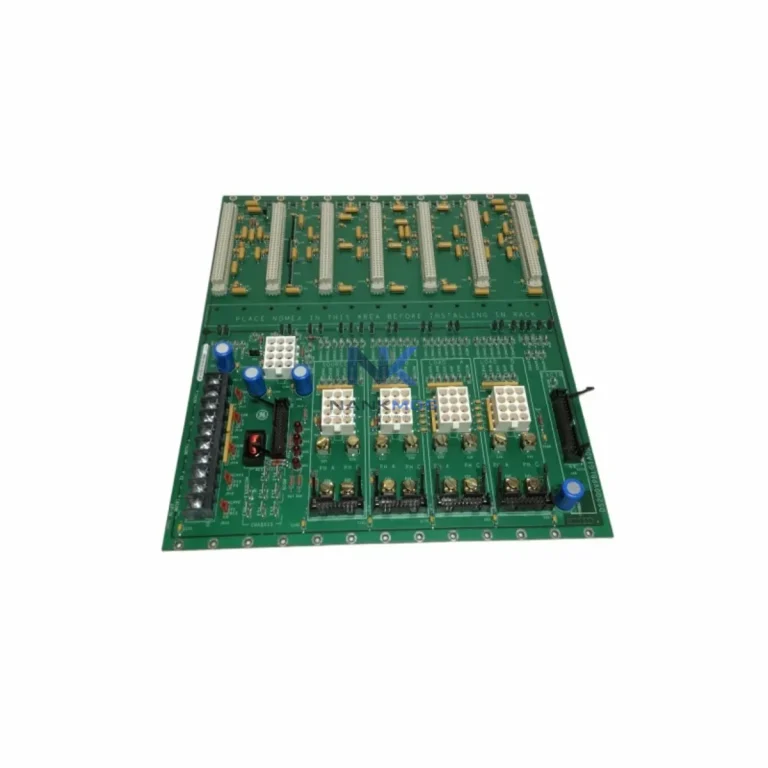
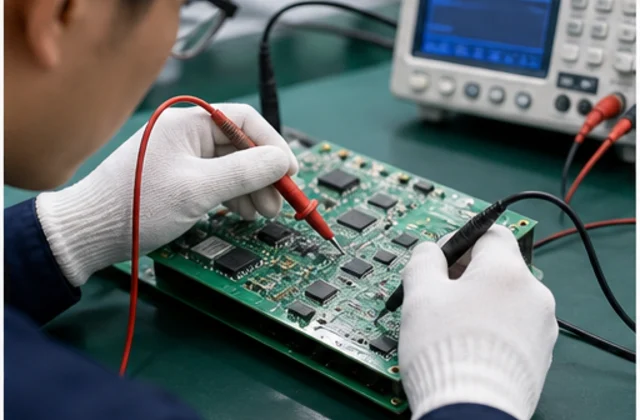
 Functional Inspection
100% tested on professional platforms to ensure stable performance.
GE IS200EXHSG3A is a NANKMOS industrial automation product record Listed under Mark VI series and Drives. Confirm condition, availability, lead time, compatibility and documentation by email inquiry.
Brand names are used for identification only.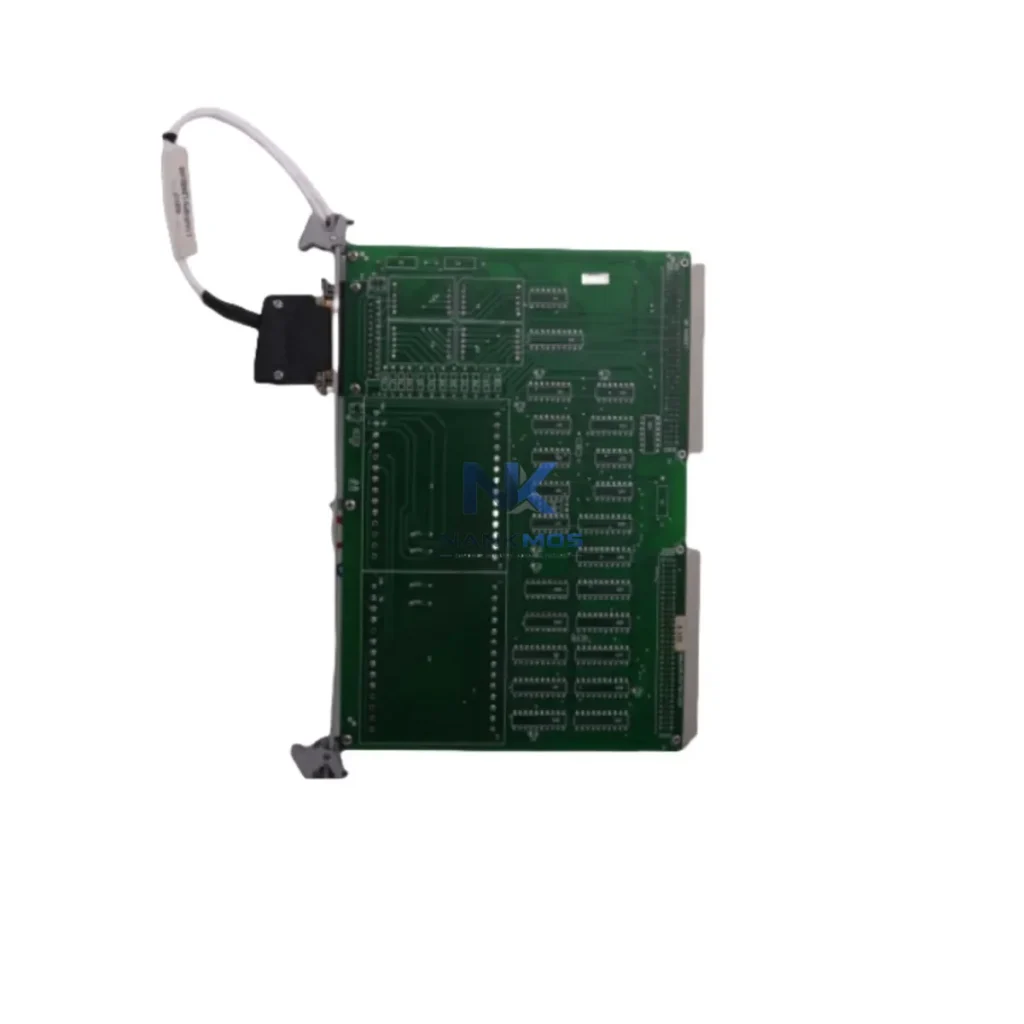
GE IS200EXHSG3A is a NANKMOS industrial automation product record Listed under Mark VI series and Drives. Confirm condition, availability, lead time, compatibility and documentation by email inquiry.
| Manufacturer | GE |
|---|---|
| Application | Motion Control & Drive System |
| Part Number / Model | IS200EXHSG3A |
| Compatible System | Mark VI |
| Series | Mark VI |
| Condition Options | To Confirm |
| Module Type | Servo / Drive Module |
| Warranty | 12 Months |
| Packaging | Anti-static Bag / Secure Box |
| Shipping Methods | DHL / FedEx / UPS / Air / Sea |
| Availability | To Confirm |
| Lead Time | To Confirm |
| Documentation | Part number and revision checked before quote |
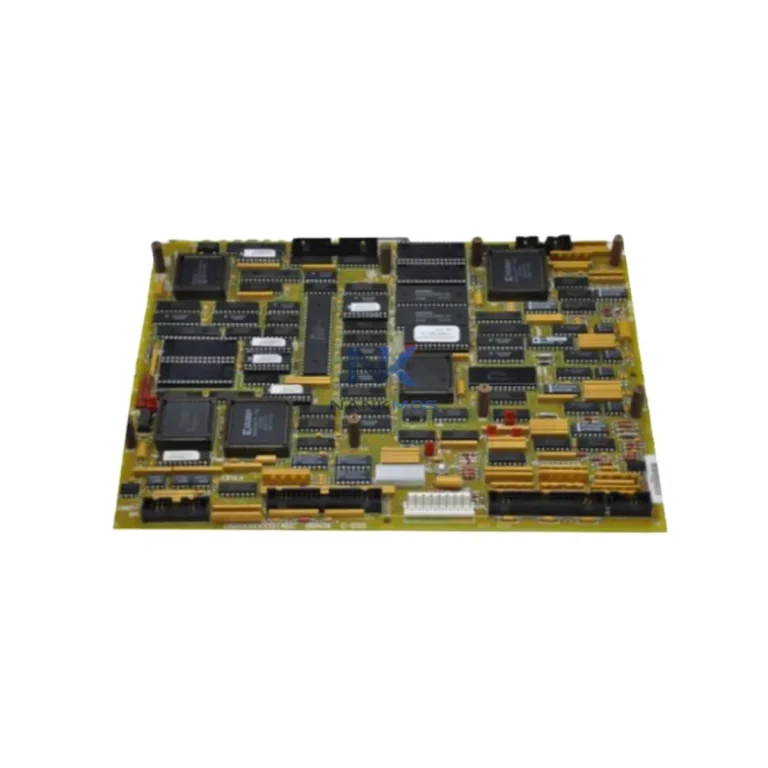
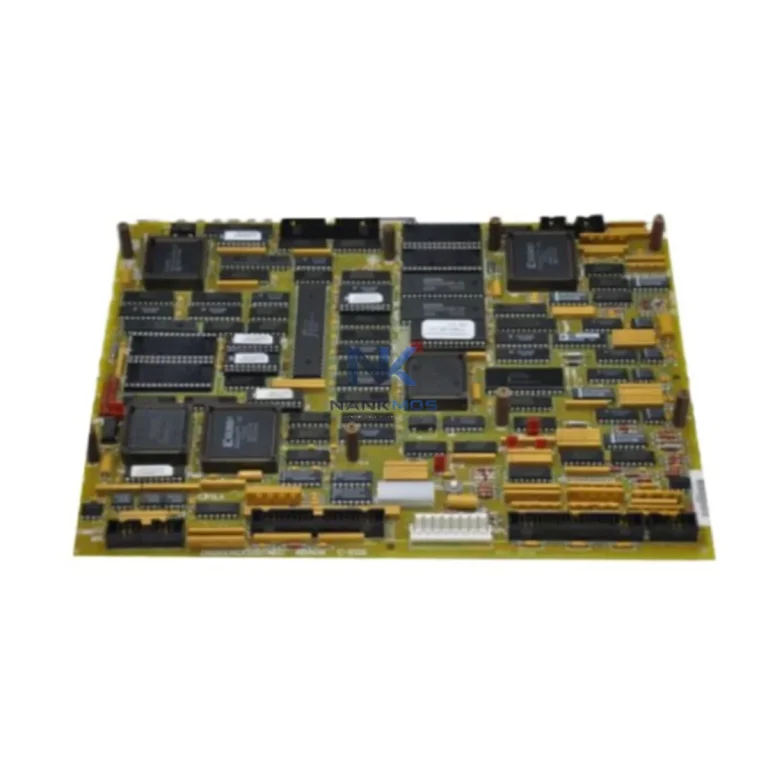
The GE IS200EXHSG3A is a high-speed exciter relay driver board engineered for GE's Mark VI turbine control platform. Designed to operate within the EX2100 excitation system architecture, this board manages the high-speed relay switching logic that governs field excitation, protection interlocks, and fault isolation in gas turbines, steam turbines, and combined-cycle power generation units. As industrial facilities push toward smarter, more connected operations, the IS200EXHSG3A plays a critical role in the data chain that links field-level excitation hardware to supervisory control and monitoring systems.
Within a Mark VI control cabinet, the IS200EXHSG3A interfaces directly with the VCMI (VME Communications and Memory Interface) backplane, exchanging real-time relay state data over GE's proprietary IONet Industrial Ethernet and ARCNET communication buses. This dual-bus architecture ensures that relay driver status — including coil energization states, contact feedback, and fault flags — is continuously reported to the Mark VI controller core, where it is processed alongside inputs from companion boards such as the IS200VCRCH1B (VME Relay Contact board) and the IS200VSVOH1B (Servo Output board). The result is a tightly synchronized excitation control loop capable of sub-millisecond response times, essential for protecting generator windings and maintaining grid stability during transient events.
In a modern smart factory or power generation facility running on GE Mark VI architecture, the IS200EXHSG3A sits at the intersection of field-level hardware and plant-wide data infrastructure. The data flow begins at the excitation field: voltage and current sensors feed analog signals into the IS200EACFG1A (Exciter AC Feedback board), which digitizes these readings and passes them upstream via the VME backplane. The IS200EXHSG3A receives relay command outputs from the Mark VI controller and drives the physical relay coils that control field breakers, crowbar circuits, and protection contactors — all within microseconds of receiving the command signal.
These relay state transitions are simultaneously logged and transmitted over IONet to the Mark VI's UCSC (Unit Controller) and from there to the plant's SCADA system — typically a GE iFIX, Cimplicity, or third-party Wonderware/Ignition platform. Operators at the HMI workstation can observe real-time relay status, acknowledge alarms, and initiate controlled shutdowns without leaving the control room. The IS200VCMIH2B (VME Communications and Memory Interface board) acts as the network bridge, ensuring that relay driver data from the IS200EXHSG3A is packaged into IONet frames and delivered to the historian and SCADA layer with deterministic latency.
For facilities integrating legacy Modbus RTU devices — such as older AVR (Automatic Voltage Regulators) or third-party protection relays — a protocol gateway such as the IS200IOCIH1B (I/O Communications Interface board) can be deployed alongside the IS200EXHSG3A to bridge Modbus data into the Mark VI IONet fabric. This eliminates data silos between the excitation subsystem and the broader plant automation network, enabling unified alarm management, trend logging, and predictive maintenance analytics across the entire turbine-generator unit.
Edge computing nodes connected to the Mark VI network can subscribe to relay state streams from the IS200EXHSG3A, feeding machine learning models that detect early signs of relay contact wear, coil degradation, or abnormal switching frequency — enabling condition-based maintenance rather than time-based replacement cycles. Paired with the IS200EXHSG1A (an earlier revision of the same relay driver family), facilities can maintain hot-standby redundancy, ensuring zero-downtime relay driver replacement during planned outages.
Protocol fragmentation is one of the most persistent challenges in power generation automation. Older excitation systems may rely on proprietary serial protocols that cannot natively communicate with modern SCADA or MES platforms. The IS200EXHSG3A, operating within the Mark VI's IONet ecosystem, provides a standardized data pathway that eliminates this fragmentation — relay states, fault codes, and switching events are all exposed as structured IONet data objects, readable by any Mark VI-compatible HMI or historian without custom protocol translation.
Data island elimination: In facilities where excitation control, turbine protection, and generator monitoring have historically operated as separate, disconnected systems, the IS200EXHSG3A's integration into the Mark VI backplane creates a unified data fabric. Relay events from the excitation system are correlated in real time with turbine speed signals, generator terminal voltage readings, and protection relay trip logs — giving operators and engineers a complete, time-stamped picture of every event sequence.
Remote diagnostics are enabled through the Mark VI's IONet connectivity. Maintenance engineers can remotely query relay driver status, review switching event logs, and perform forced relay tests from a remote engineering workstation — reducing the need for on-site intervention during fault investigation. This capability is particularly valuable for remote or unmanned power generation sites where travel time to site represents significant operational cost.
Production line transparency and alarm traceability: Every relay switching event handled by the IS200EXHSG3A generates a timestamped event record in the Mark VI historian. These records feed into alarm management dashboards, enabling root-cause analysis of nuisance trips, contact bounce events, and protection system activations. Over time, this data supports continuous improvement initiatives — reducing unplanned outages and extending the operational life of excitation system components.
System scalability: The Mark VI platform supports multi-controller configurations where multiple IS200EXHSG3A boards can operate in coordinated redundancy across R, S, and T controller triplets. This TMR (Triple Modular Redundancy) architecture ensures that a single board failure does not interrupt excitation control — the remaining two controllers continue to drive relay outputs while the faulty board is flagged for replacement, all without process interruption.
Q1: What communication protocols does the IS200EXHSG3A support, and is it compatible with third-party SCADA systems? The IS200EXHSG3A communicates via GE's IONet Industrial Ethernet and ARCNET protocols over the Mark VI VME backplane. Relay state data is accessible to any SCADA or HMI platform that interfaces with the Mark VI controller via OPC-DA, OPC-UA, or Modbus TCP gateway — including GE Cimplicity, iFIX, Wonderware, and Ignition. Direct third-party access to the VME backplane is not supported without a Mark VI controller intermediary.
Q2: How does the IS200EXHSG3A perform in high-speed switching applications, and what is the typical relay response latency? The IS200EXHSG3A is designed for high-speed relay switching in excitation protection applications, with relay command-to-contact response times in the sub-millisecond range under normal Mark VI controller load. Network transmission latency over IONet is deterministic and typically below 10ms end-to-end from controller command to SCADA acknowledgment, ensuring that alarm and trip events are captured and logged with accurate timestamps.
Q3: Can the IS200EXHSG3A be used in a redundant Mark VI TMR configuration, and how is failover managed? Yes. In a TMR (Triple Modular Redundancy) Mark VI configuration, three IS200EXHSG3A boards operate in parallel across the R, S, and T controller triplets. The Mark VI voting logic continuously compares relay command outputs from all three controllers. If one board fails or produces an out-of-tolerance output, the remaining two controllers maintain relay control without interruption. The faulty board is flagged in the diagnostic log and can be replaced online during the next maintenance window.
Q4: What pre-shipment testing and warranty coverage is provided for the IS200EXHSG3A? Every IS200EXHSG3A unit supplied by NANKMOS undergoes functional testing prior to shipment, including relay coil continuity verification, driver circuit output testing, and backplane connector inspection. All units are covered by a 12-month warranty from the date of shipment. In-stock units are available for immediate dispatch with global shipping support. For lead time confirmation or bulk order inquiries, contact [email protected] or call +86 18359268345.
Functional Inspection100% tested on professional platforms to ensure stable performance.
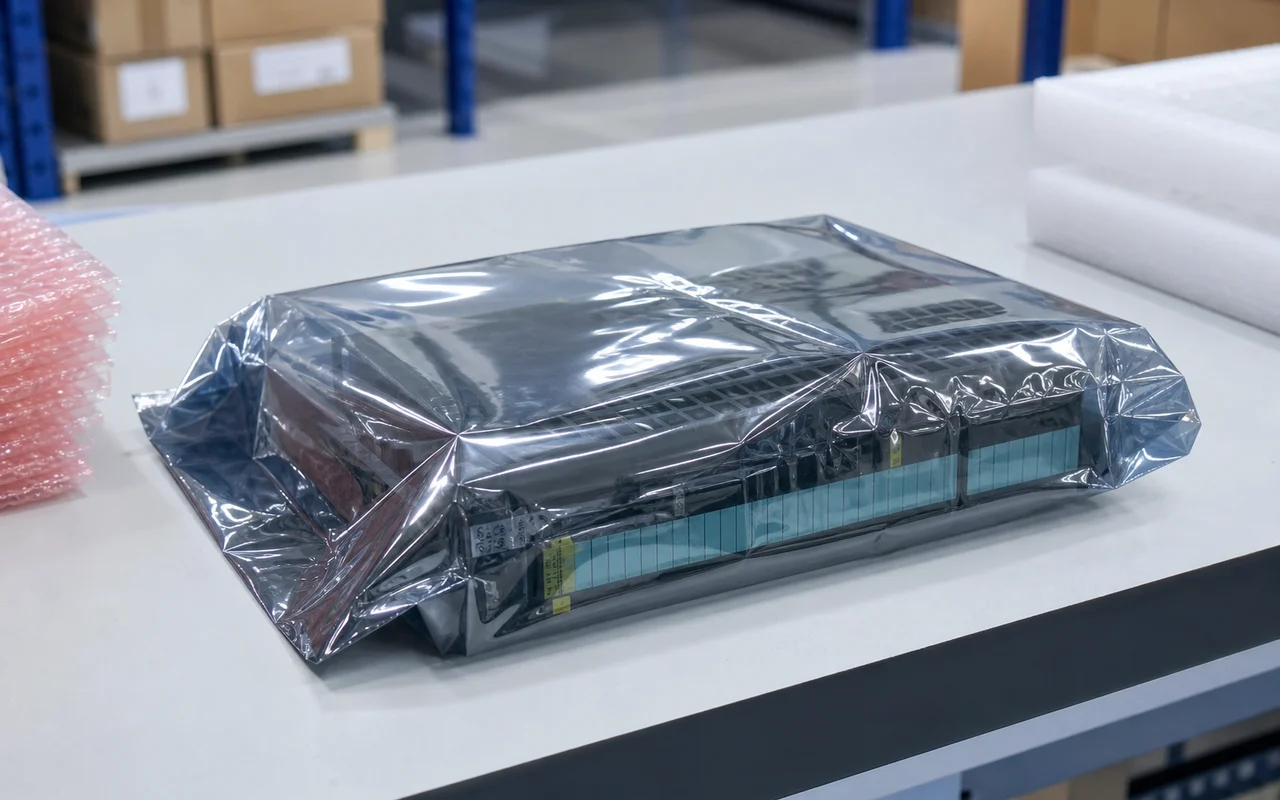 Anti-static Packaging
Modules are packed in anti-static bags to prevent electrostatic damage.
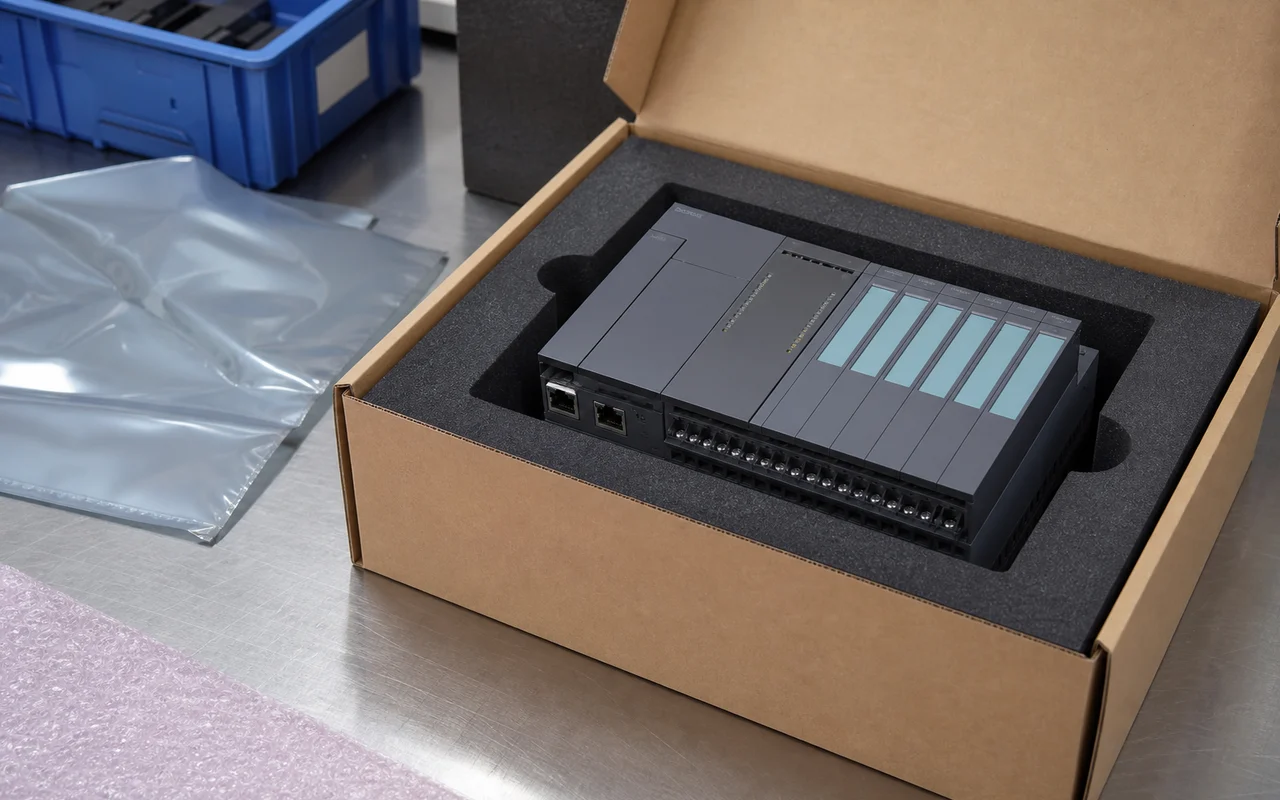 Secure Export Packing
Cushion protection and strong cartons ensure safe transportation.
 Worldwide Shipping
Global logistics network supports air, sea and express delivery.
 Documentation Check
Part number, revision and compatibility verified before shipment.
 After-sales Support
Professional technical support to help resolve your issues.