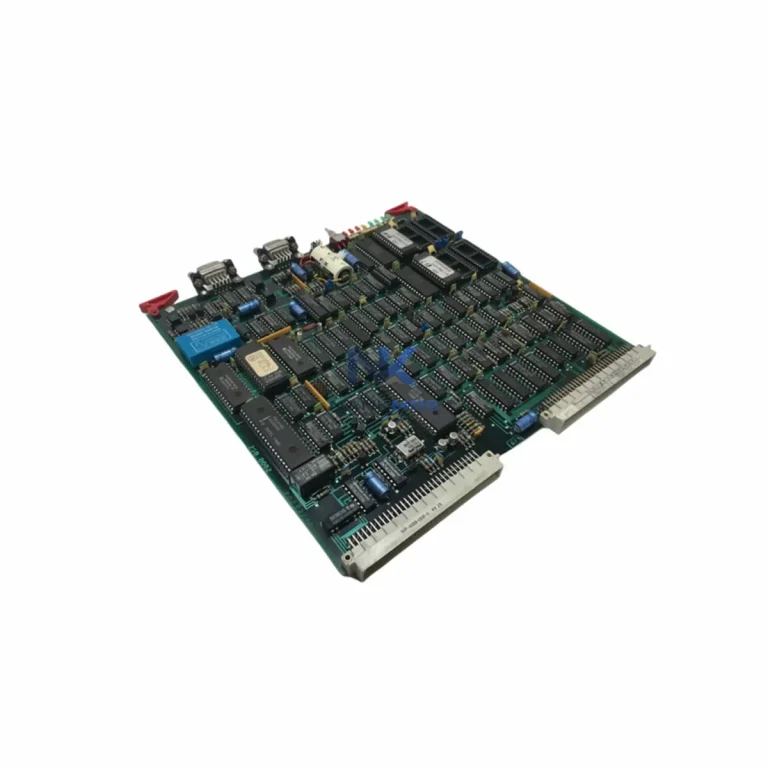
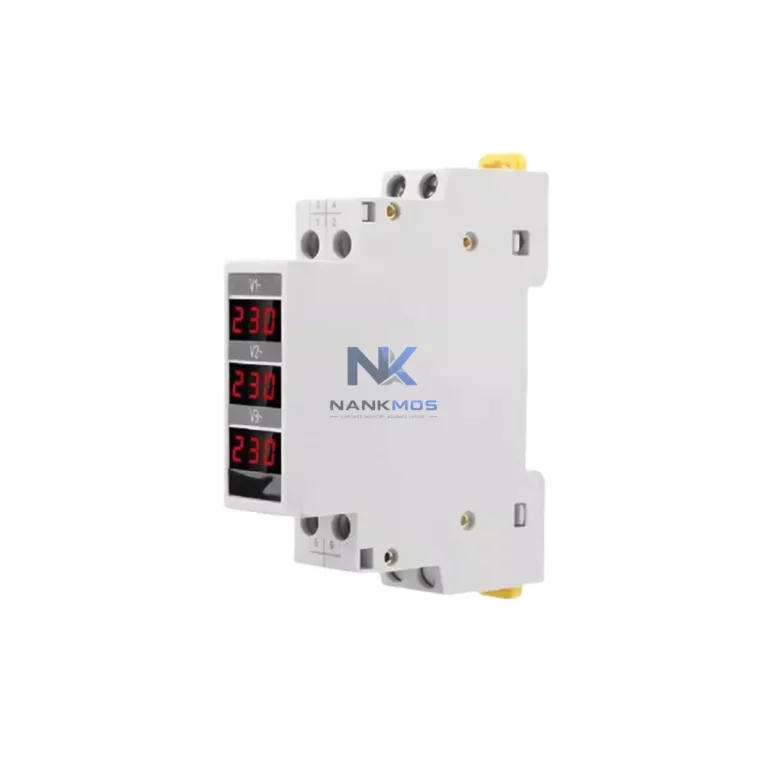
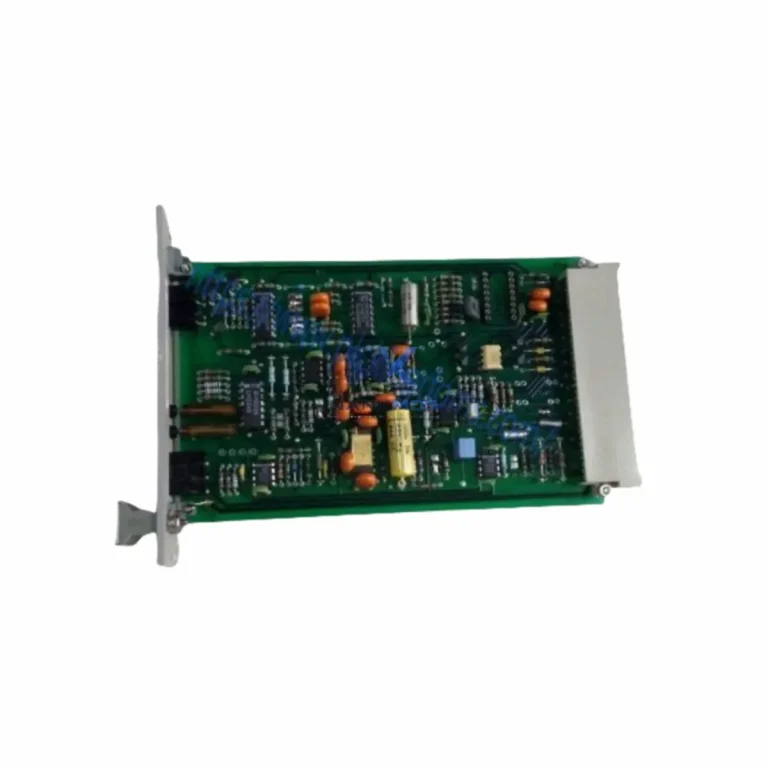
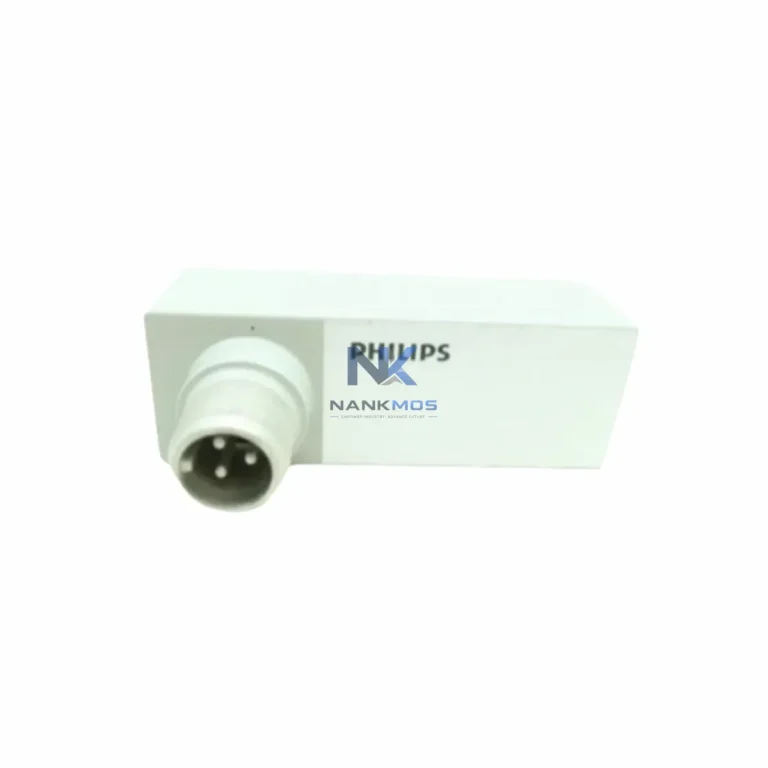
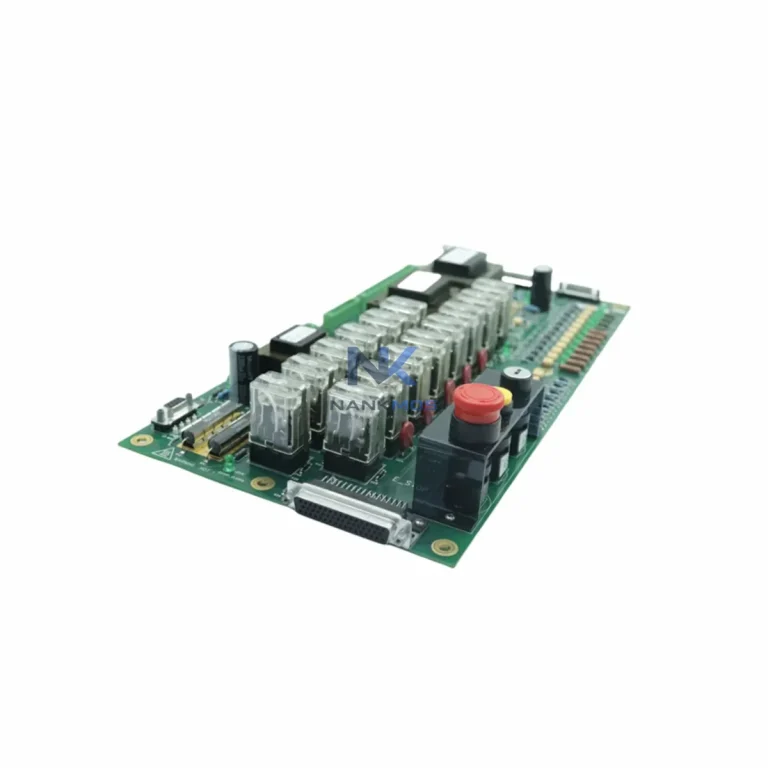
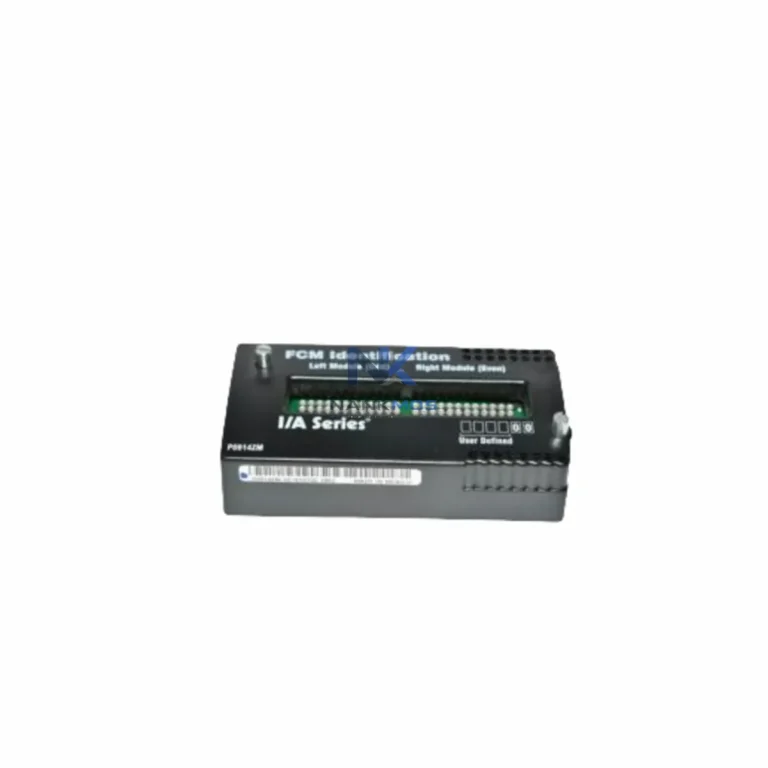
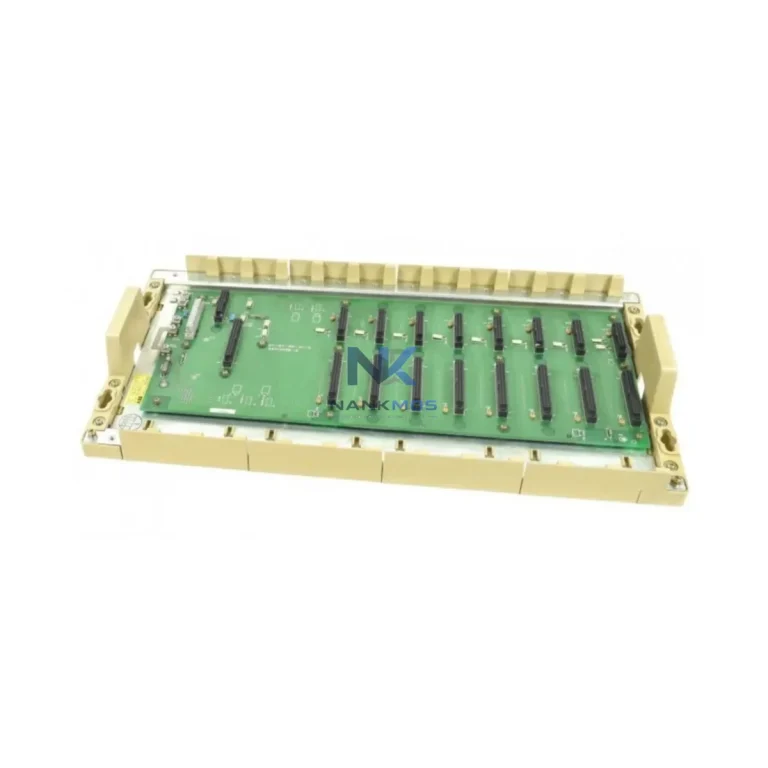
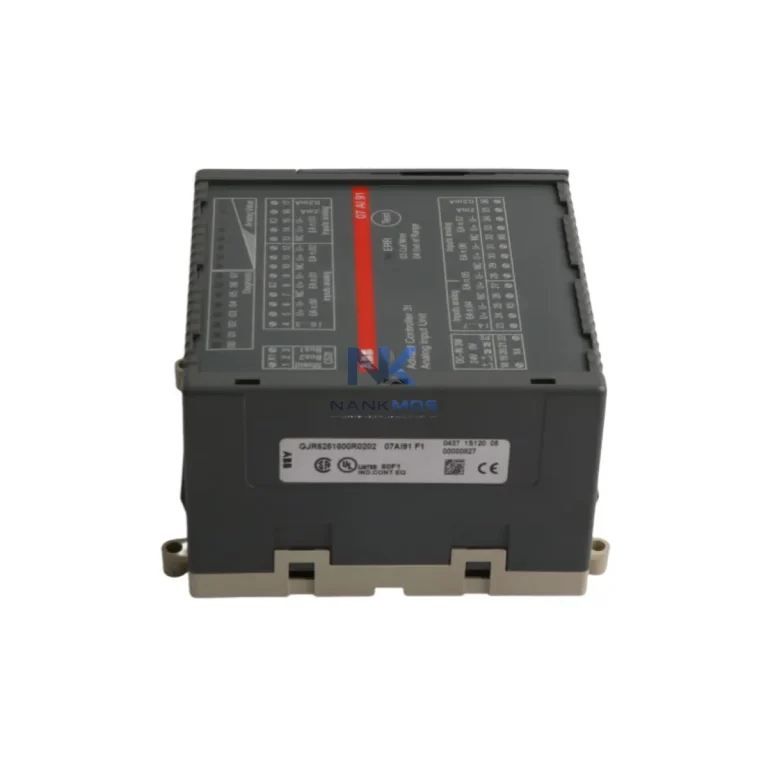
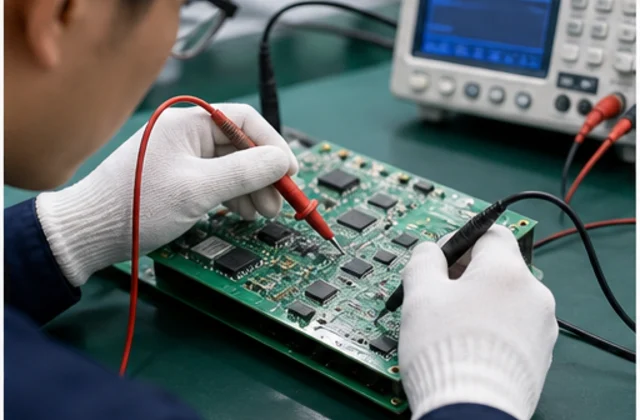
 Functional Inspection
100% tested on professional platforms to ensure stable performance.
Philips LD5004M is a NANKMOS industrial automation product record Listed under Other series series and Business & Industrial > Automation, Control & Flow Devices > Programmable Logic Controllers. Confirm condition, availability, lead time, compatibility and documentation by email inquiry.
Brand names are used for identification only.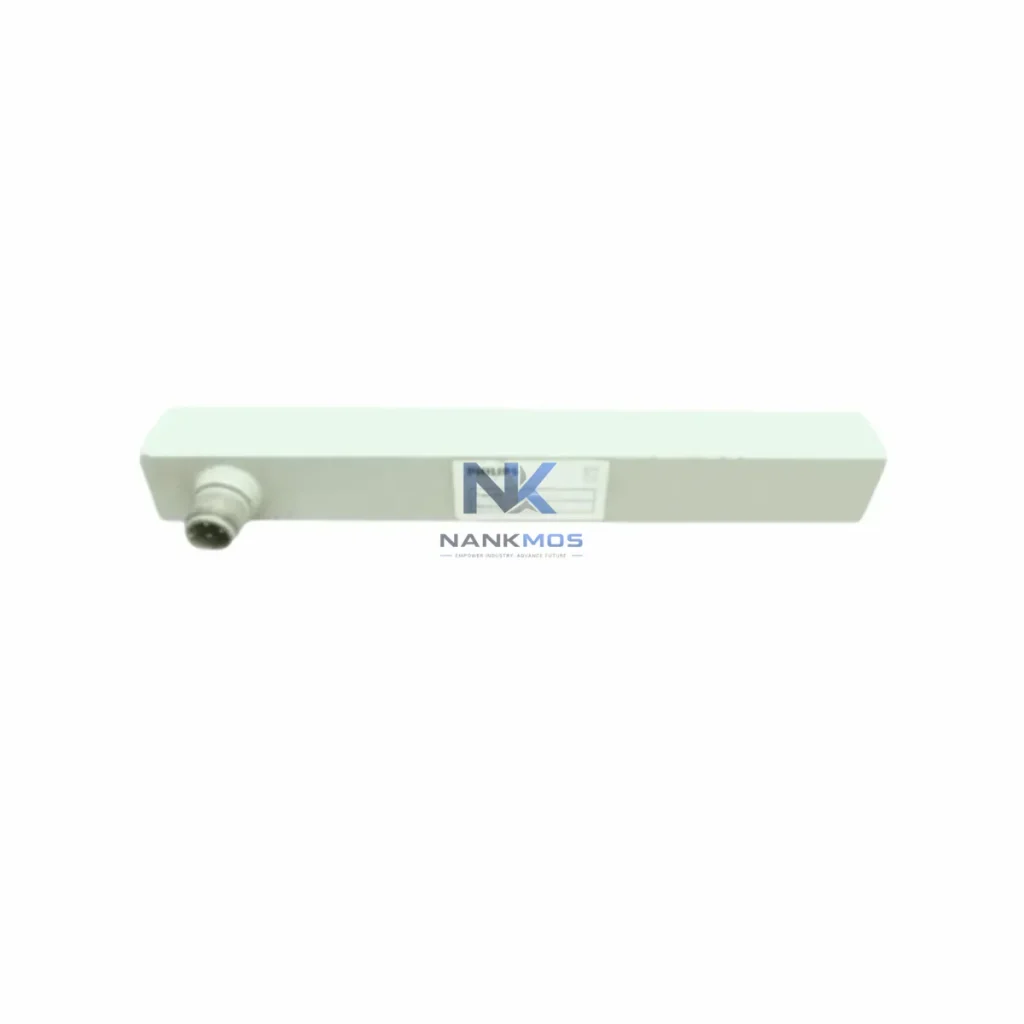
Philips LD5004M is a NANKMOS industrial automation product record Listed under Other series series and Business & Industrial > Automation, Control & Flow Devices > Programmable Logic Controllers. Confirm condition, availability, lead time, compatibility and documentation by email inquiry.
| Manufacturer | Philips |
|---|---|
| Application | Controller Processing & System Control |
| Part Number / Model | LD5004M |
| Compatible System | Confirmed by inquiry |
| Condition Options | To Confirm |
| Module Type | Controller / CPU Module |
| Warranty | 12 Months |
| Packaging | Anti-static Bag / Secure Box |
| Shipping Methods | DHL / FedEx / UPS / Air / Sea |
| Availability | To Confirm |
| Lead Time | To Confirm |
| Documentation | Part number and revision checked before quote |
The Philips LD5004M is a precision linear displacement module engineered for energy-conscious industrial automation environments. Designed within the Philips LD Series platform, this module delivers accurate position feedback with a low-power operating profile, making it an essential component for factories pursuing measurable reductions in energy consumption without sacrificing process accuracy or throughput stability. Whether integrated into a servo-driven press, a linear transfer system, or a multi-axis CNC cell, the LD5004M contributes directly to smarter energy management and tighter production-line control.
In a modern smart factory, every sensor and actuator contributes to the overall energy budget of the production cell. The Philips LD5004M is designed to integrate seamlessly into a layered automation architecture where energy visibility and load management are first-class priorities.
At the controller level, the LD5004M feeds real-time position data to a PLC — such as a Siemens S7-1200 or Mitsubishi MELSEC iQ-R — enabling the controller to make cycle-accurate decisions about when to energise downstream actuators and when to hold them in a low-power standby state. This position-triggered logic is a foundational technique for reducing unnecessary motor run time and cutting peak-demand spikes on the factory floor.
On the drive side, the displacement feedback from the LD5004M is used by servo drives — including units from the Philips LD Series drive family or compatible third-party servo amplifiers — to execute precise, energy-optimised motion profiles. Rather than running at full torque throughout a stroke, the drive can taper current delivery based on the exact position reported by the LD5004M, reducing resistive losses and thermal output in the motor windings.
For variable-speed applications, the LD5004M works alongside variable frequency drives (VFDs) to coordinate linear position with rotational speed. When the displacement module signals that a workpiece has reached a target zone, the VFD can ramp down the associated conveyor or spindle motor, avoiding the energy waste of running at full speed into a mechanical stop. This coordination is managed through the PLC's I/O modules, which translate the LD5004M's position signal into speed-reference commands for the drive.
Power monitoring modules — such as dedicated energy meters or multi-function power analysers installed on the same panel bus — capture the real-time consumption data of the cell. When correlated with the LD5004M's position timestamps, plant engineers can identify which phases of the motion cycle consume the most energy and redesign profiles accordingly. This data flows upward to an HMI display, giving operators a live view of both position status and energy draw on a single screen.
At the field level, the LD5004M operates alongside digital and analog I/O modules that handle auxiliary signals: end-of-travel confirmation, overtravel interlocks, and safety-rated position limits. These I/O points feed into the PLC's safety logic, ensuring that the system de-energises actuators promptly when the LD5004M reports an out-of-range condition — preventing both mechanical damage and the energy waste associated with stalled or overloaded drives.
Communication gateways and protocol converters allow the LD5004M's data to be surfaced on higher-level networks such as PROFINET or EtherNet/IP, where SCADA systems aggregate position and energy data from across the plant. This integration enables energy management software to schedule production runs during off-peak tariff windows and to flag cells where displacement-cycle energy consumption is trending upward — an early indicator of mechanical wear or misalignment.
The Philips LD5004M addresses one of the most persistent challenges in industrial energy management: the gap between theoretical cycle efficiency and actual measured consumption. In many production lines, energy is wasted not during active machining or assembly, but during the transition phases — the moments when a workpiece is being positioned, clamped, or transferred. The LD5004M closes this gap by providing the precise, low-latency position feedback that allows control systems to minimise dwell time, reduce over-travel, and eliminate the micro-stops that accumulate into significant energy losses over a shift.
By enabling tighter position control, the LD5004M reduces the mechanical stress on linear guides, ball screws, and pneumatic cylinders, which in turn lowers the friction-related energy losses that contribute to heat build-up in the machine structure. Lower thermal loads mean that cooling systems — fans, heat exchangers, and air-conditioning units serving the control cabinet — operate less intensively, producing a secondary energy saving that compounds over time.
From a predictive maintenance perspective, the LD5004M's continuous position data provides a baseline against which drift and degradation can be detected early. A gradual shift in the module's reported zero-point or a change in the linearity of its output can indicate bearing wear, guide contamination, or coupling looseness — all of which, if left unaddressed, would eventually cause unplanned downtime and the associated energy cost of restarting a cold production line. Early detection allows maintenance to be scheduled during planned windows, keeping the line running at its optimised energy-per-part ratio.
All units are shipped from in-stock inventory, pre-tested against Philips LD Series acceptance criteria, and covered by a 12-Month Warranty from the date of shipment. Replacement units are available for rapid dispatch to minimise line downtime in the event of a field failure.
Q1: How does the LD5004M contribute to measurable energy savings on a production line?The LD5004M provides high-resolution position feedback that allows PLCs and servo drives to execute load-proportional motion profiles, reducing unnecessary torque output and shortening cycle dwell times. When integrated with a power monitoring module and SCADA system, the energy saved per cycle can be logged and reported against production targets.
Q2: Which control platforms and communication protocols is the LD5004M compatible with?The LD5004M is natively compatible with Philips LD Series controllers and drives. Via standard I/O interfaces and protocol gateway modules, it can be integrated into Siemens, Mitsubishi, Omron, and Rockwell PLC platforms, as well as PROFINET, EtherNet/IP, and Modbus-based SCADA architectures.
Q3: Can the LD5004M replace an existing displacement sensor from a different manufacturer?In many cases, yes. The LD5004M's analog output and mechanical envelope are compatible with common linear displacement sensor form factors. A wiring and signal-range verification is recommended before substitution. Contact our technical team with your existing sensor datasheet for a compatibility assessment.
Q4: What does the 12-Month Warranty cover, and how is stock availability managed?The 12-Month Warranty covers manufacturing defects and functional failures under normal operating conditions from the date of shipment. Units are held in stock and dispatched after passing outgoing functional tests. In the event of a warranty claim, a replacement unit is prioritised for same-week shipment to minimise production disruption.
Functional Inspection100% tested on professional platforms to ensure stable performance.
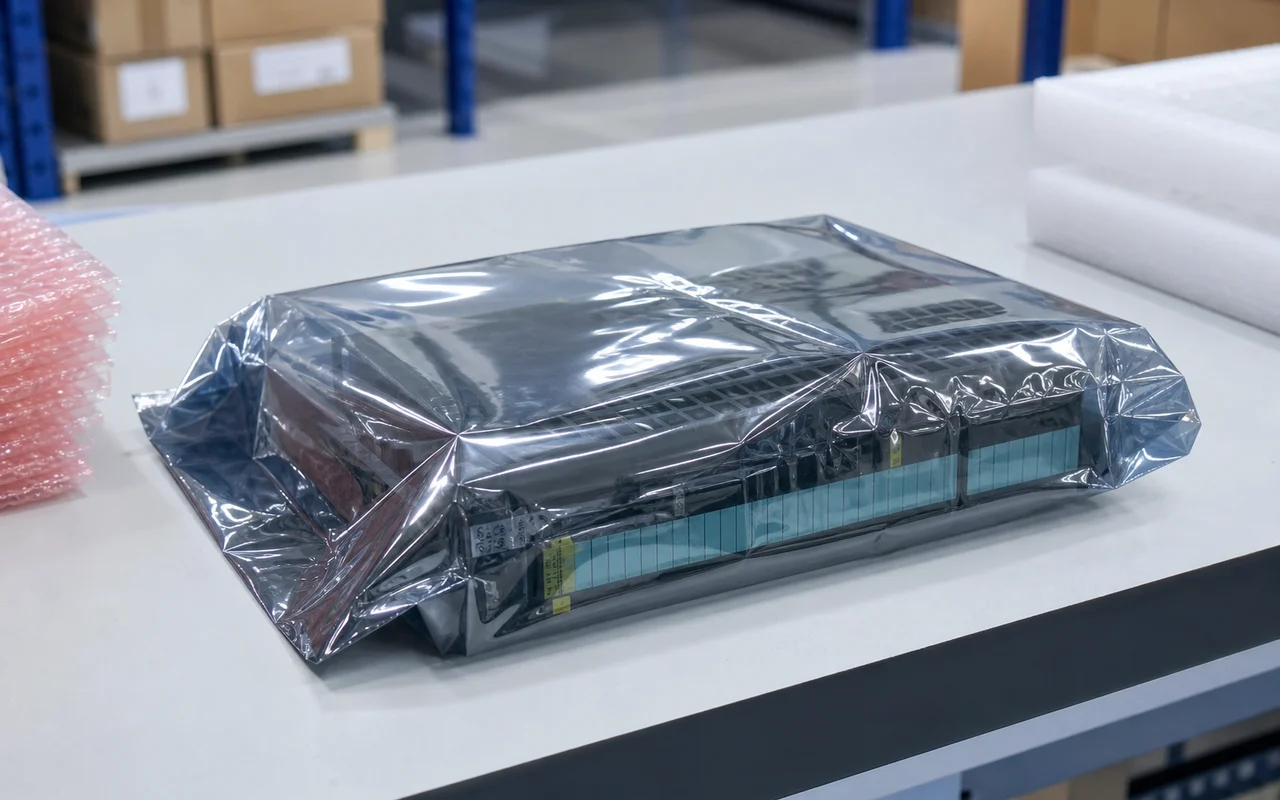 Anti-static Packaging
Modules are packed in anti-static bags to prevent electrostatic damage.
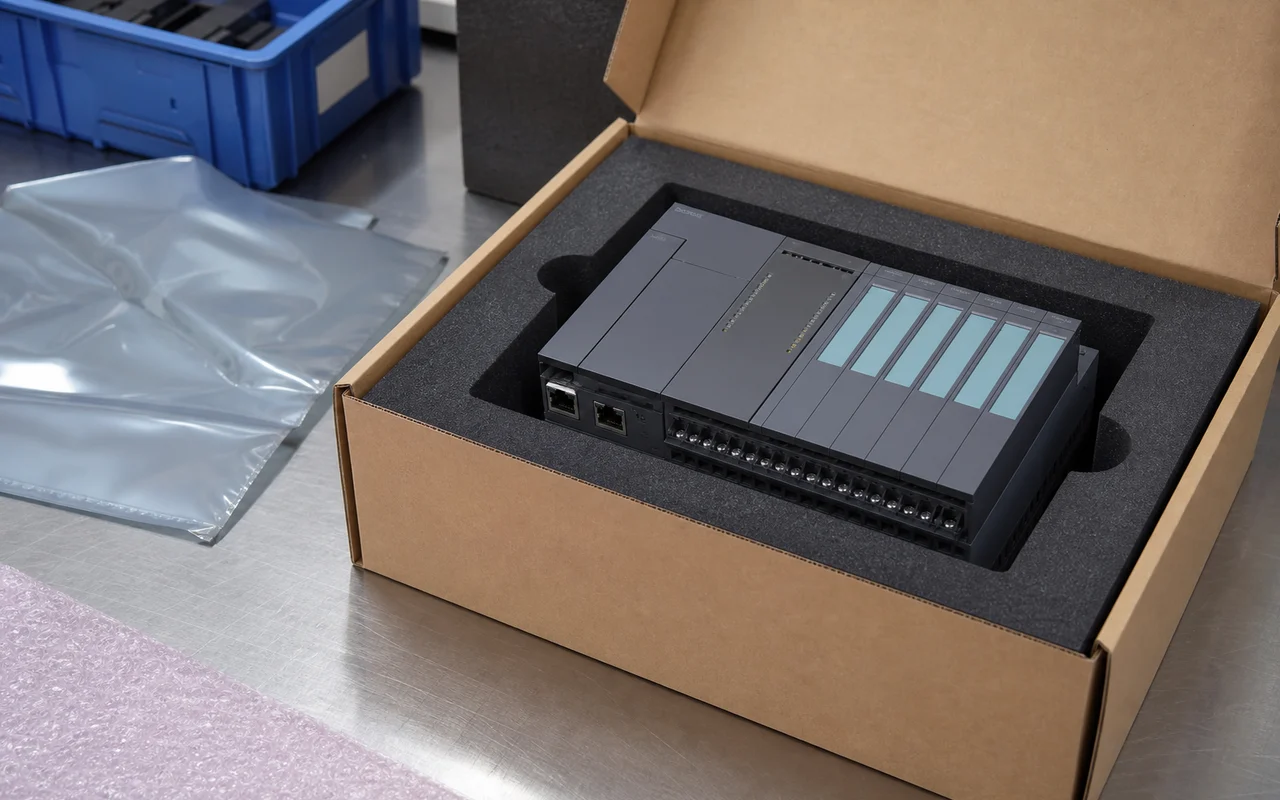 Secure Export Packing
Cushion protection and strong cartons ensure safe transportation.
 Worldwide Shipping
Global logistics network supports air, sea and express delivery.
 Documentation Check
Part number, revision and compatibility verified before shipment.
 After-sales Support
Professional technical support to help resolve your issues.