Functional Inspection
100% tested on professional platforms to ensure stable performance.
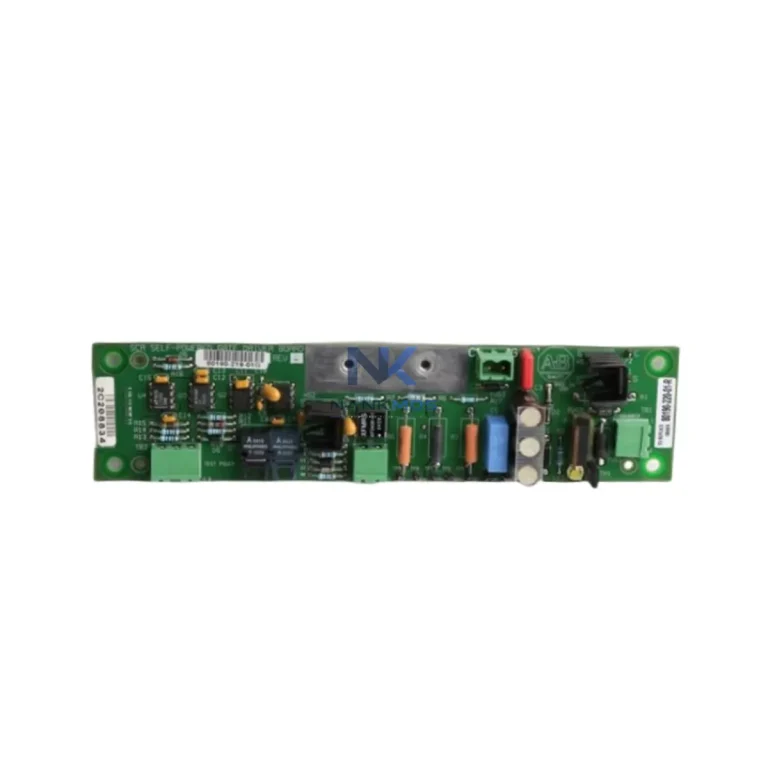
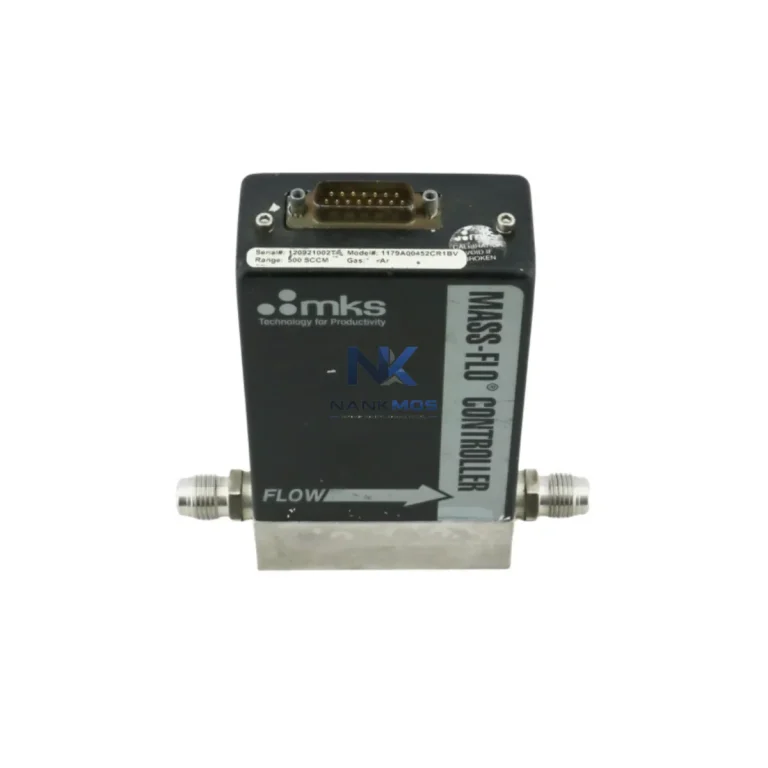
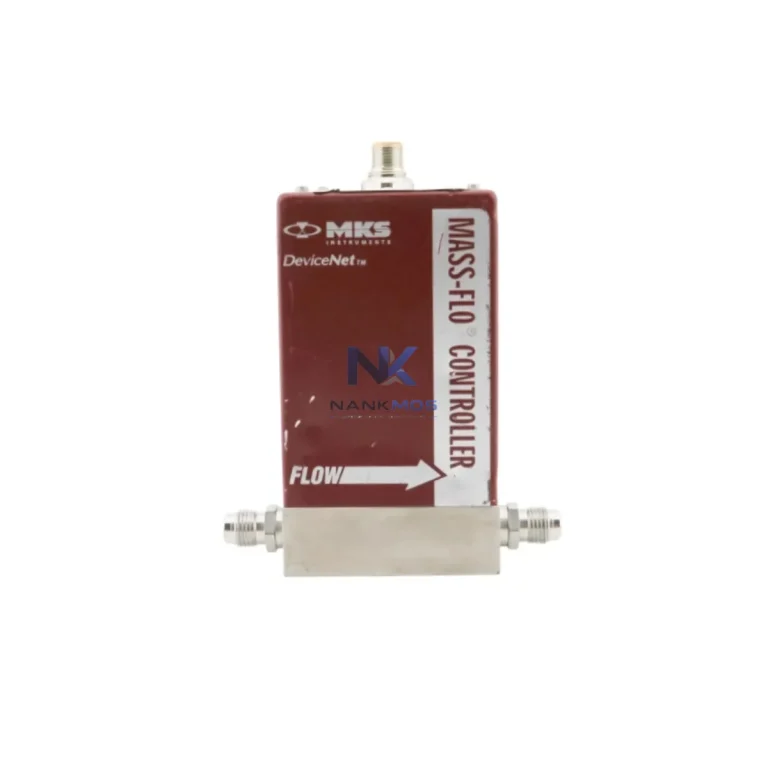
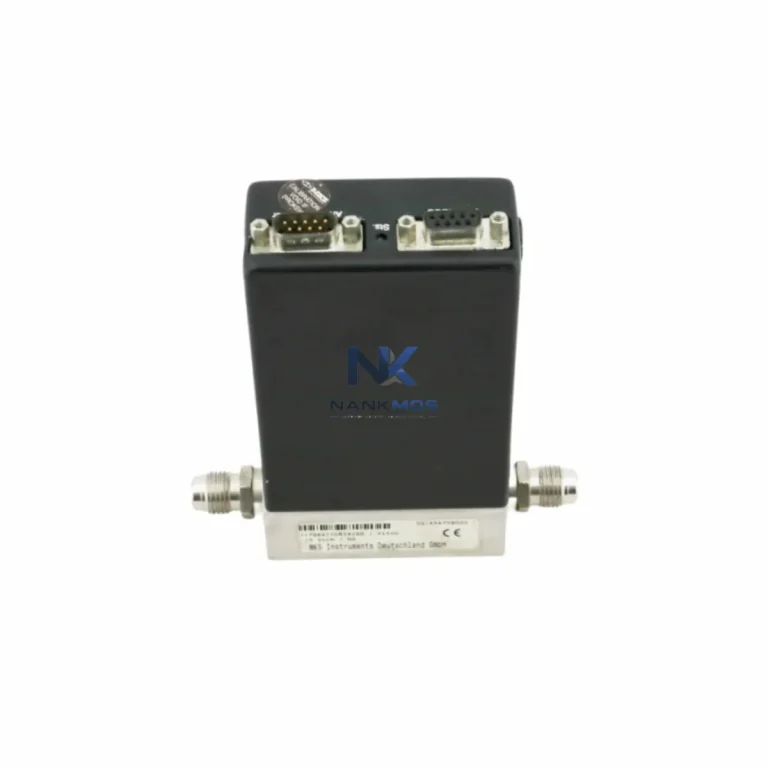
MKS Instruments PCA-28223 4022.436.8098.5 4022.437.0220 UTOP1-020MX UGRMEM-01SAKOE is a NANKMOS industrial automation product record Listed under Other series series and Business & Industrial > Automation, Control & Flow Devices > Programmable Logic Controllers. Confirm condition, availability, lead time, compatibility and documentation by email inquiry.
Brand names are used for identification only.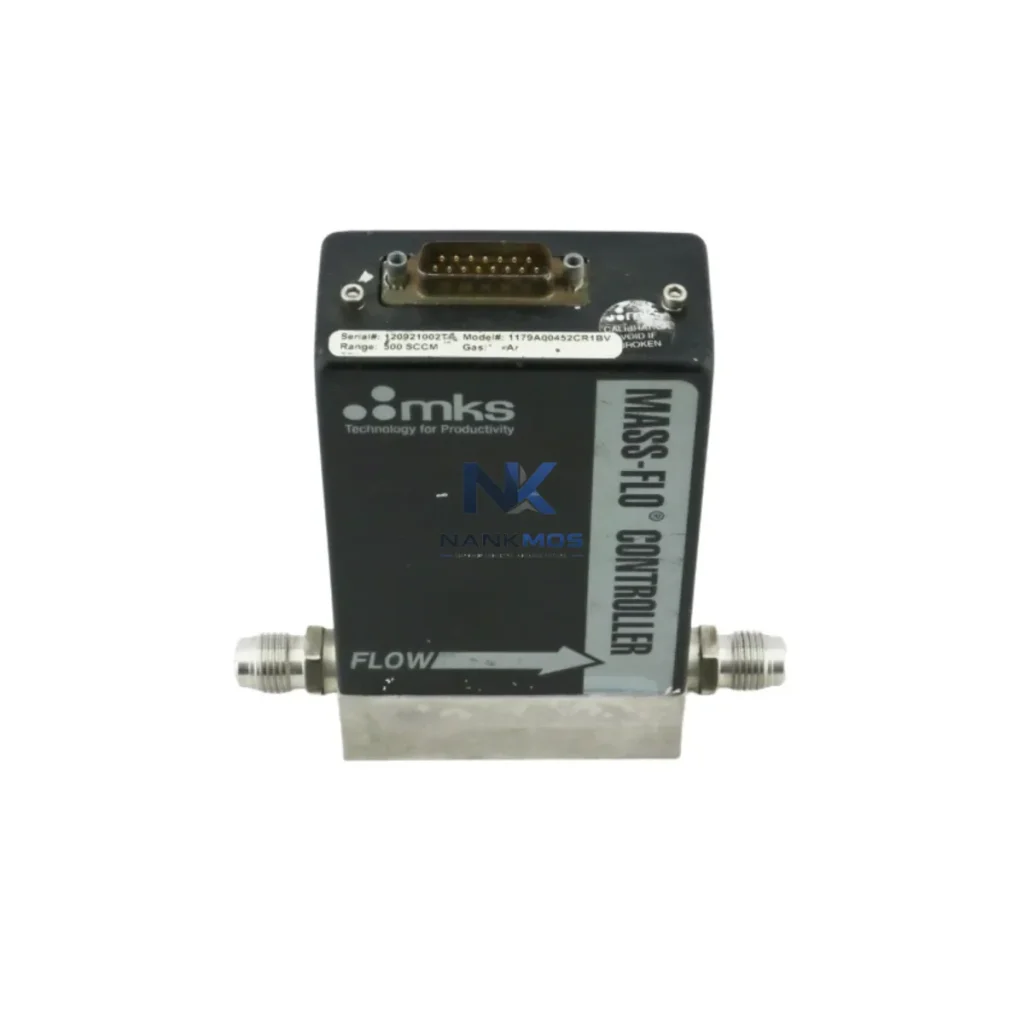
MKS Instruments PCA-28223 4022.436.8098.5 4022.437.0220 UTOP1-020MX UGRMEM-01SAKOE is a NANKMOS industrial automation product record Listed under Other series series and Business & Industrial > Automation, Control & Flow Devices > Programmable Logic Controllers. Confirm condition, availability, lead time, compatibility and documentation by email inquiry.
| Manufacturer | MKS Instruments |
|---|---|
| Application | Controller Processing & System Control |
| Part Number / Model | PCA-28223 4022.436.8098.5 4022.437.0220 UTOP1-020MX UGRMEM-01SAKOE |
| Compatible System | Confirmed by inquiry |
| Condition Options | To Confirm |
| Module Type | Controller / CPU Module |
| Warranty | 12 Months |
| Packaging | Anti-static Bag / Secure Box |
| Shipping Methods | DHL / FedEx / UPS / Air / Sea |
| Availability | To Confirm |
| Lead Time | To Confirm |
| Documentation | Part number and revision checked before quote |
The MKS PCA-28223 (also referenced as UTOP1-020MX, part numbers 4022.436.8098.5 and 4022.437.0220) is a precision industrial pressure controller engineered for seamless integration into smart factory data architectures. Designed by MKS Instruments, this unit bridges the gap between field-level pressure sensing and upper-layer control systems — enabling real-time process data to flow continuously from the measurement point through to SCADA dashboards, HMI panels, and enterprise-level monitoring platforms.
In modern automated facilities — spanning semiconductor fabrication, petrochemical processing, pharmaceutical manufacturing, and precision gas delivery — pressure control is not an isolated function. It is a critical node in a broader data chain. The PCA-28223 is built to serve that role: not merely as a standalone controller, but as an active participant in the plant-wide communication network.
The PCA-28223 operates at the intersection of physical process control and digital data infrastructure. In a typical smart factory deployment, pressure signals originate at the process chamber or gas delivery manifold. The PCA-28223 receives a setpoint command — typically via a 0–5 V or 4–20 mA analog signal from a PLC output module or a dedicated MKS Type 247 multi-channel readout controller — and drives a downstream valve or mass flow control element to maintain the target pressure with high accuracy.
The controller's analog readback output feeds directly into the PLC's analog input card, where the signal is digitized and passed upstream. In facilities running Siemens S7-300/S7-1500 PLCs or Allen-Bradley ControlLogix platforms, this data is then aggregated by the plant's SCADA layer — commonly Wonderware InTouch, Ignition by Inductive Automation, or Siemens WinCC — for real-time trending, alarm management, and historical logging.
Where legacy analog infrastructure meets modern Ethernet-based networks, a Modbus RTU-to-Ethernet gateway (such as those from the Moxa NPort or HMS Anybus series) bridges the signal domain. This allows the PCA-28223's process values to be published as OPC-UA data points, accessible to edge computing nodes and cloud-based analytics platforms without any modification to the controller's native interface.
In multi-zone vacuum systems, the PCA-28223 is often deployed alongside MKS 600 Series Baratron capacitance manometers for independent pressure verification, and paired with MKS Type 1179 mass flow controllers to maintain precise gas composition ratios. The combined data from these instruments — pressure, flow rate, and valve position — is routed through an industrial managed Ethernet switch (such as a Hirschmann RS20 or Phoenix Contact FL SWITCH series) to the central DCS or SCADA server.
For remote I/O architectures, the analog outputs of the PCA-28223 can be captured by a distributed I/O module (e.g., Beckhoff EtherCAT terminals or Wago 750 series fieldbus couplers), converting the signal into a digital fieldbus packet for transmission across the plant network. This approach eliminates long analog cable runs, reduces signal degradation, and enables sub-millisecond data refresh rates at the SCADA level.
HMI panels — whether panel-mounted Siemens TP700 Comfort units or standalone Weintek cMT series touchscreens — display live pressure readings, setpoint deviations, and controller status in real time. Operators can issue setpoint adjustments directly from the HMI, with commands routed back through the PLC to the PCA-28223's analog input, completing the closed-loop control and visualization cycle.
At the edge layer, an industrial IoT gateway (such as a Moxa UC-8100 or Advantech WISE-5000 series) can aggregate data from multiple PCA-28223 units across a production line, apply local analytics rules, and push summarized datasets to cloud platforms for predictive maintenance modeling and OEE (Overall Equipment Effectiveness) reporting.
Protocol Fragmentation: Many process facilities operate a mix of analog, RS-232, and fieldbus devices that cannot communicate natively with modern Ethernet-based SCADA systems. The PCA-28223's standard analog I/O interface is universally compatible with signal converters and protocol gateways, ensuring it can be integrated into any existing control architecture without requiring firmware changes or proprietary middleware.
Data Silos and Process Transparency: Pressure data locked inside a standalone controller provides no value to plant-wide optimization efforts. By routing PCA-28223 outputs through PLC analog input cards and upstream to SCADA historians, operators gain full process transparency — enabling correlation of pressure events with flow anomalies, temperature excursions, or valve response delays across the entire production line.
Remote Monitoring and Alarm Tracking: In unmanned or semi-attended process areas, the PCA-28223's continuous analog readback enables SCADA systems to generate real-time alarms when pressure deviates beyond defined thresholds. Alarm records are time-stamped and stored in the historian database, providing a complete audit trail for root cause analysis and regulatory compliance reporting.
Remote Diagnostics: When integrated with an edge gateway or OPC-UA server, maintenance engineers can query the PCA-28223's live process values remotely — without physical access to the equipment — enabling faster fault isolation, reduced mean time to repair (MTTR), and lower maintenance travel costs across geographically distributed facilities.
System Scalability: The PCA-28223's analog interface standard means it can be added to an existing multi-zone control system without disrupting the current network topology. Additional controllers can be connected to spare PLC I/O channels or distributed I/O modules, scaling the pressure control network incrementally as production capacity expands.
Shipment Testing and Quality Assurance: Every PCA-28223 unit is functionally tested prior to dispatch. Calibration records and test data are available upon request, supporting incoming inspection workflows and reducing commissioning time at the installation site.
Q1: What communication protocols does the MKS PCA-28223 support, and how does it integrate with a Modbus-based SCADA system? The PCA-28223 uses standard analog I/O (0–5 V, 0–10 V, or 4–20 mA) as its primary interface. To integrate with a Modbus RTU or Modbus TCP SCADA system, the analog output is connected to a Modbus-capable analog input module or a dedicated signal-to-Modbus converter. The SCADA system then reads the converted register values at configurable polling intervals, typically achieving update rates of 100–500 ms — well within the requirements of most process monitoring applications.
Q2: How does the PCA-28223 maintain network stability in high-EMI industrial environments? The controller's analog signal interface is inherently resistant to digital network disruptions such as packet loss or bus collisions. In high-EMI environments, shielded twisted-pair cabling and proper grounding practices ensure signal integrity. For long cable runs exceeding 30 meters, a 4–20 mA current loop configuration is recommended over voltage-mode signaling, as current loops are significantly less susceptible to electromagnetic interference and voltage drop.
Q3: Can the PCA-28223 be used in a multi-controller architecture with centralized SCADA monitoring? Yes. Multiple PCA-28223 units can be deployed across different process zones, each connected to dedicated analog I/O channels on a PLC or distributed I/O module. The PLC aggregates all pressure data and forwards it to the SCADA server via Ethernet/IP or Profinet, enabling centralized monitoring, alarm management, and historical trending for all zones from a single operator workstation.
Q4: What does the 12-Month Warranty cover, and what is the typical lead time for in-stock units? The 12-Month Warranty covers manufacturing defects and functional failures under normal operating conditions, commencing from the date of shipment. In-stock units are typically dispatched within 1–3 business days. For time-critical projects, expedited shipping options are available. Contact our technical sales team to confirm current inventory status and lead time for your specific quantity requirement.
Functional Inspection100% tested on professional platforms to ensure stable performance.
 Anti-static Packaging
Modules are packed in anti-static bags to prevent electrostatic damage.
 Secure Export Packing
Cushion protection and strong cartons ensure safe transportation.
 Worldwide Shipping
Global logistics network supports air, sea and express delivery.
 Documentation Check
Part number, revision and compatibility verified before shipment.
 After-sales Support
Professional technical support to help resolve your issues.