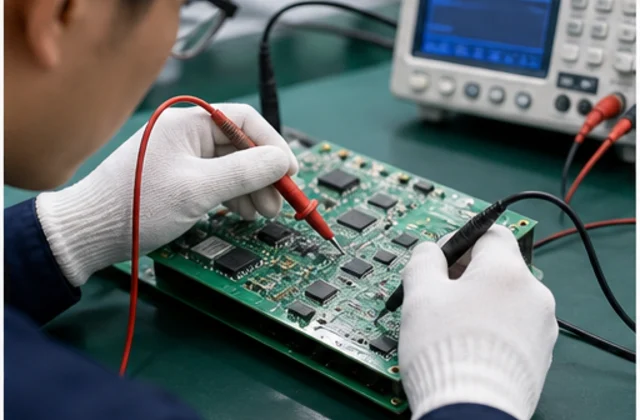
 Functional Inspection
100% tested on professional platforms to ensure stable performance.
OXFORD TL4 1128-426 is a NANKMOS industrial automation product record Listed under Other series series and Business & Industrial > Automation, Control & Flow Devices. Confirm condition, availability, lead time, compatibility and documentation by email inquiry.
Brand names are used for identification only.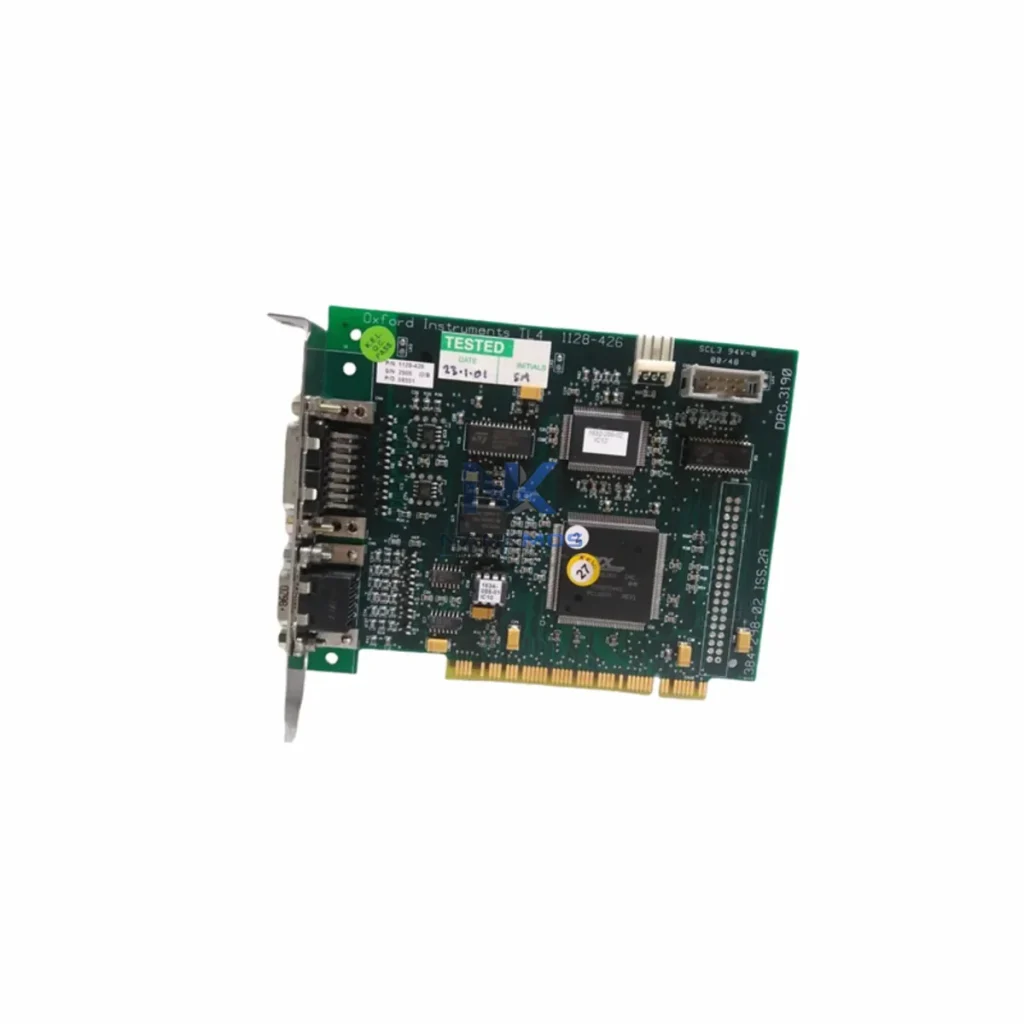
OXFORD TL4 1128-426 is a NANKMOS industrial automation product record Listed under Other series series and Business & Industrial > Automation, Control & Flow Devices. Confirm condition, availability, lead time, compatibility and documentation by email inquiry.
| Manufacturer | OXFORD |
|---|---|
| Application | Industrial Automation Maintenance |
| Part Number / Model | TL4 1128-426 |
| Compatible System | Confirmed by inquiry |
| Condition Options | To Confirm |
| Module Type | Automation, Control & Flow Devices |
| Warranty | 12 Months |
| Packaging | Anti-static Bag / Secure Box |
| Shipping Methods | DHL / FedEx / UPS / Air / Sea |
| Availability | To Confirm |
| Lead Time | To Confirm |
| Documentation | Part number and revision checked before quote |
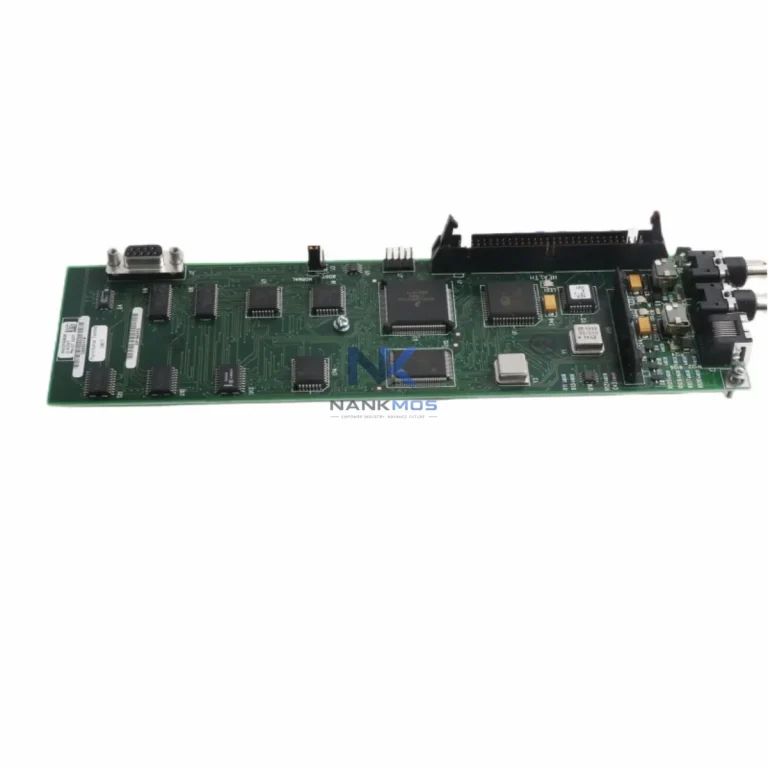
The Oxford TL4-1128-426 is a high-performance PCI interface card engineered for seamless integration within TL4-series industrial control architectures. Designed to bridge the communication gap between host controller backplanes and peripheral I/O subsystems, this module delivers deterministic data throughput, low-latency signal routing, and robust electrical isolation — making it a foundational component in multi-layer automation platforms where signal integrity and system consistency are non-negotiable.
In modern industrial control environments, the PCI interface layer is not merely a connectivity component — it is the structural backbone that determines how reliably the control layer communicates with I/O modules, communication gateways, and field devices. The TL4-1128-426 is purpose-built to fulfil this role within TL4-compatible rack systems, supporting modular expansion, redundant communication paths, and long-term maintainability across demanding industrial deployments.
The TL4-1128-426 does not operate in isolation — its value is fully realised when deployed as part of a coherent, layered automation architecture. Within a TL4-series control platform, this PCI interface card serves as the communication spine connecting the CPU module to downstream I/O and communication subsystems.
At the control layer, the TL4-1128-426 interfaces directly with TL4-compatible CPU modules, enabling the host processor to manage I/O polling cycles, interrupt handling, and real-time data exchange without bus contention. When paired with TL4-series digital input modules (DI) and digital output modules (DO), the card ensures deterministic scan times and consistent signal delivery across the entire rack assembly.
At the I/O layer, the card supports connection to analogue input modules (AI) and analogue output modules (AO) within the same TL4 backplane, allowing mixed-signal architectures to share a unified PCI bus without cross-talk or timing conflicts. This is particularly important in process control applications where 4–20 mA analogue signals must be sampled with high fidelity alongside discrete digital I/O.
At the communication layer, the TL4-1128-426 can be deployed alongside industrial communication gateway modules supporting protocols such as PROFIBUS DP, PROFINET IO, Modbus RTU/TCP, and OPC-UA. By offloading protocol conversion to dedicated gateway modules while maintaining a clean PCI data path, the architecture achieves both protocol flexibility and bus efficiency. Integration with industrial Ethernet switches further extends the communication reach to remote I/O stations and SCADA servers.
At the power layer, the card is designed to operate within the power budget of standard TL4 rack power supply units (PSUs), including redundant PSU configurations where dual power feeds ensure uninterrupted operation during single-supply failures. Proper power sequencing and inrush current management are handled at the backplane level, reducing the risk of interface card damage during system startup.
At the HMI layer, the TL4-1128-426 supports architectures where operator interface panels and SCADA workstations communicate with the control system via the host CPU. Whether the HMI is a panel PC running a SCADA/HMI software suite or a dedicated operator terminal connected via industrial Ethernet, the PCI interface card ensures that the data pipeline from field device to operator display remains low-latency and reliable.
At the execution layer, the card's deterministic communication capability supports time-critical control loops involving servo drives, variable frequency drives (VFDs), and motion controllers. In coordinated motion applications, where multiple axes must be synchronised within microsecond tolerances, a stable PCI interface is essential to prevent jitter-induced positioning errors.
At the protection layer, the TL4-1128-426 is compatible with architectures incorporating safety relay modules, emergency stop circuits, and watchdog timer functions. The card's electrical isolation characteristics help prevent fault propagation from field-side disturbances to the host CPU, maintaining system integrity during abnormal operating conditions.
At the maintenance layer, the modular design of the TL4-1128-426 simplifies field replacement and hot-swap procedures in systems designed for minimal downtime. Diagnostic LEDs and status registers accessible via the PCI bus allow maintenance engineers to verify card health, bus arbitration status, and interrupt activity without removing the card from the rack — reducing mean time to repair (MTTR) and supporting predictive maintenance strategies.
Manufacturing & Discrete Automation: In automotive assembly lines and electronics manufacturing facilities, the TL4-1128-426 supports high-speed PLC scan cycles and coordinated robot cell control. Its deterministic PCI bus performance ensures that production line sequencing, conveyor control, and quality inspection systems operate in tight synchronisation.
Power Generation & Electrical Utilities: In substation automation and power distribution control systems, the card provides a reliable interface between protection relay data acquisition modules and the central control processor. Its electrical isolation characteristics are particularly valuable in high-voltage environments where ground potential differences can introduce noise into control signals.
Petrochemical & Refinery Process Control: In continuous process environments such as crude distillation units and catalytic cracking plants, the TL4-1128-426 supports long-duration, uninterrupted operation. Its compatibility with redundant CPU and PSU configurations aligns with the high-availability requirements of SIL-rated safety instrumented systems (SIS).
Water Treatment & Municipal Infrastructure: In SCADA-controlled water treatment plants, the card enables reliable communication between distributed I/O stations and the central control room. Its support for industrial communication gateways allows legacy Modbus RTU field devices to be integrated into modern PROFINET or OPC-UA architectures without replacing existing field instrumentation.
Mining & Mineral Processing: In underground and surface mining operations, where vibration, dust, and temperature extremes challenge control system reliability, the TL4-1128-426's industrial-grade design ensures consistent performance. Its modular replaceability reduces the logistical burden of maintaining spare parts inventories in remote locations.
Metallurgy & Steel Production: In electric arc furnace control and rolling mill automation, where high electromagnetic interference (EMI) environments are common, the card's PCI bus isolation and signal conditioning capabilities help maintain data integrity across the control architecture.
Marine & Offshore Systems: In vessel automation and offshore platform control systems, the TL4-1128-426 supports compact rack-mount installations where space is constrained and environmental conditions — including humidity, salt air, and mechanical vibration — demand robust hardware design.
Packaging & Material Handling: In high-speed packaging lines and automated warehousing systems, the card's low-latency PCI communication supports rapid I/O updates required for servo-driven pick-and-place systems, label applicators, and vision inspection stations.
Q1: Is the Oxford TL4-1128-426 compatible with third-party TL4-format backplanes and CPU modules from other vendors? The TL4-1128-426 is designed to the TL4 PCI interface specification and is primarily validated for use with Oxford Semiconductor TL4-series CPU modules and backplane assemblies. Compatibility with third-party TL4-format hardware depends on adherence to the TL4 electrical and mechanical specification. We recommend bench-testing the card in your specific rack configuration prior to full deployment. Our technical team can provide pre-sale compatibility guidance based on your system architecture documentation.
Q2: What installation and commissioning considerations apply when integrating the TL4-1128-426 into an existing control cabinet? Installation requires a compatible TL4 backplane slot with correct PCI bus keying (3.3V or universal). Prior to insertion, ensure the rack power supply is de-energised and that ESD precautions are observed. After installation, verify bus arbitration via the host CPU's device manager or diagnostic utility. For systems with redundant CPU configurations, confirm that the card is recognised by both primary and standby processors. Commissioning should include a full I/O scan cycle test and communication latency measurement to validate system performance against design specifications.
Q3: What does the 12-Month Warranty cover, and how is long-term spare parts availability managed? The 12-Month Warranty covers manufacturing defects, component failure under normal operating conditions, and functional non-conformance to published specifications. It does not cover damage resulting from incorrect installation, overvoltage events, or unauthorised modification. For long-term maintenance planning, we maintain in-stock inventory of the TL4-1128-426 and can provide advance replacement units to minimise system downtime. Customers operating in industries with extended asset lifecycles — such as power generation or petrochemical processing — are encouraged to discuss multi-year spare parts agreements with our sales team to ensure continued availability beyond the standard product lifecycle.
Functional Inspection100% tested on professional platforms to ensure stable performance.
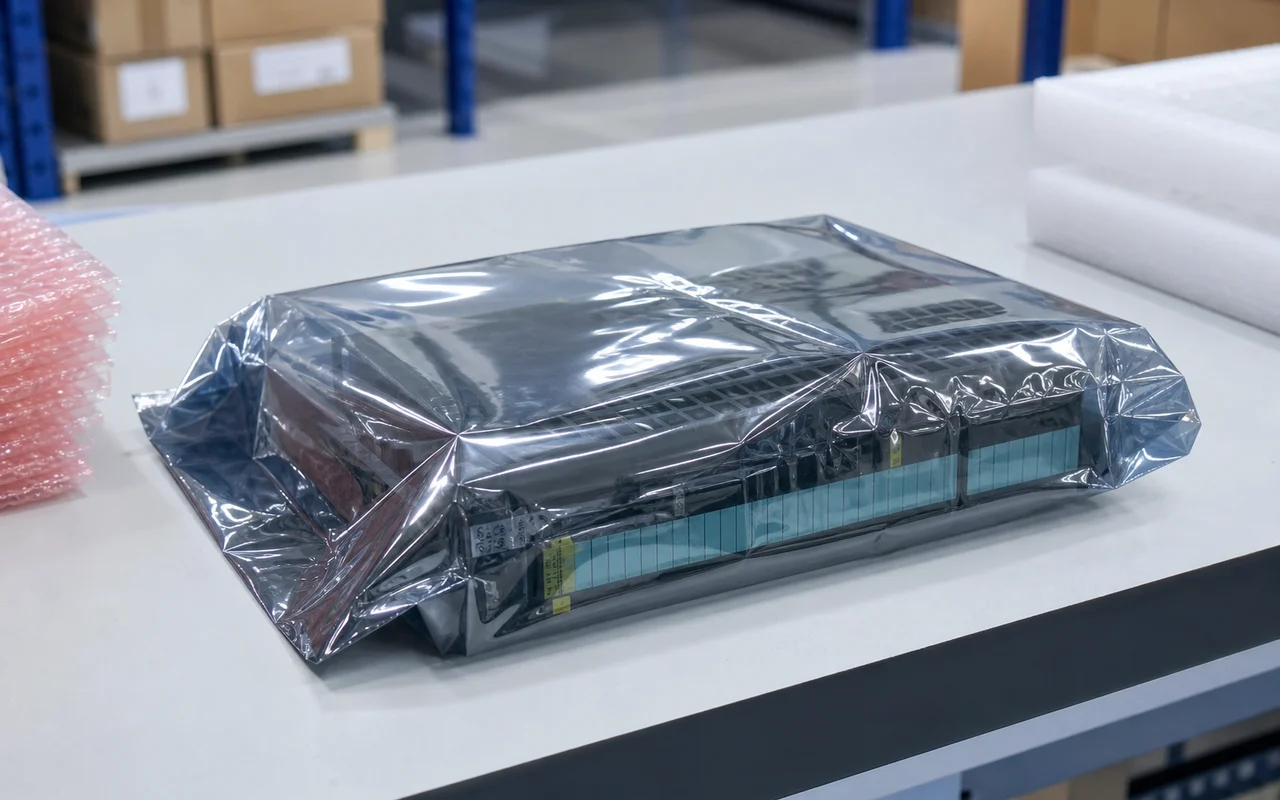 Anti-static Packaging
Modules are packed in anti-static bags to prevent electrostatic damage.
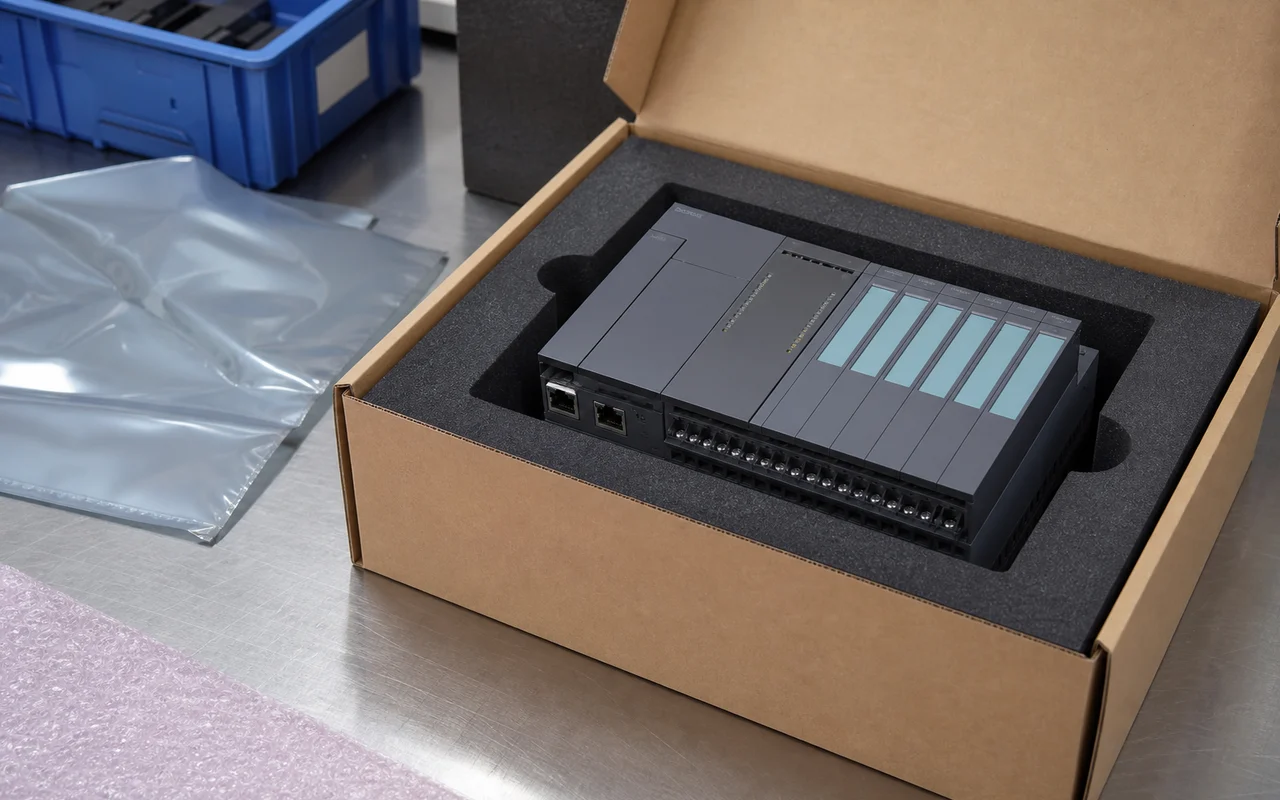 Secure Export Packing
Cushion protection and strong cartons ensure safe transportation.
 Worldwide Shipping
Global logistics network supports air, sea and express delivery.
 Documentation Check
Part number, revision and compatibility verified before shipment.
 After-sales Support
Professional technical support to help resolve your issues.