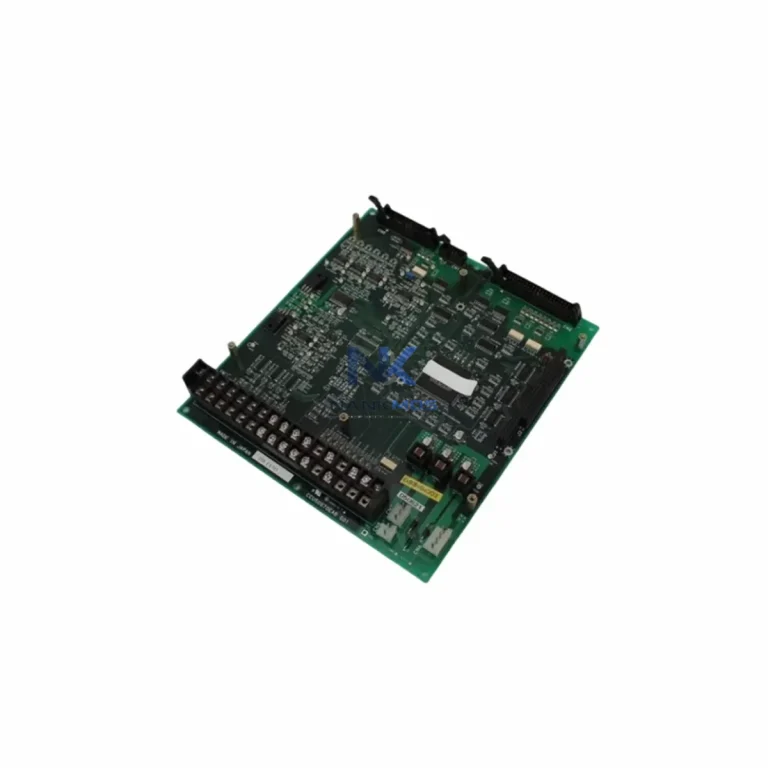
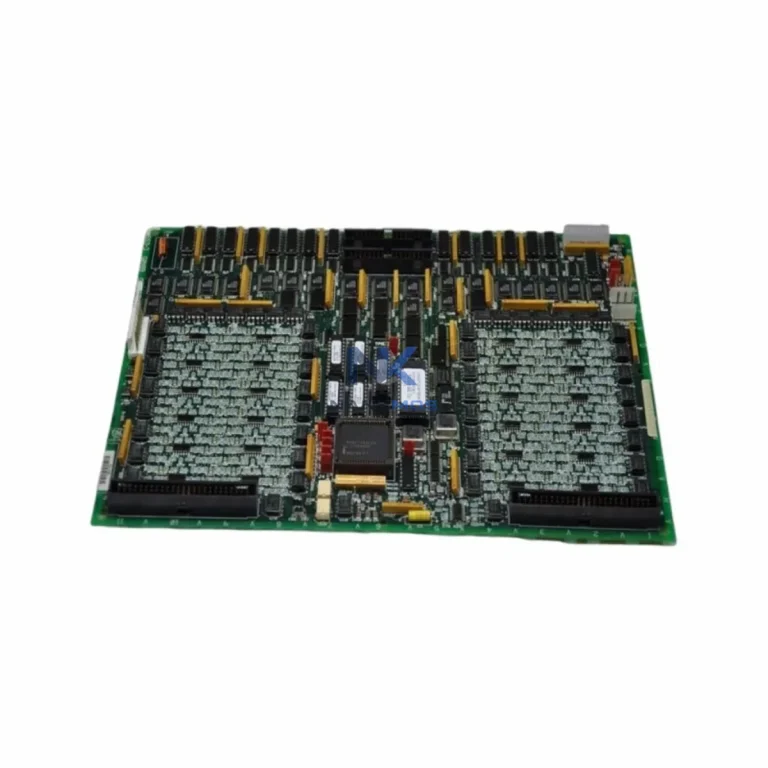
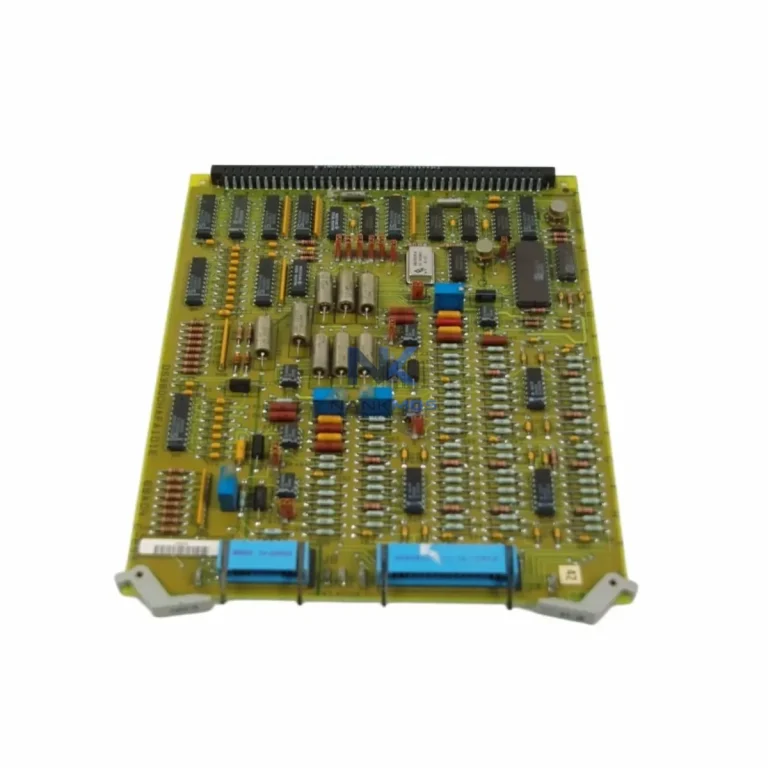
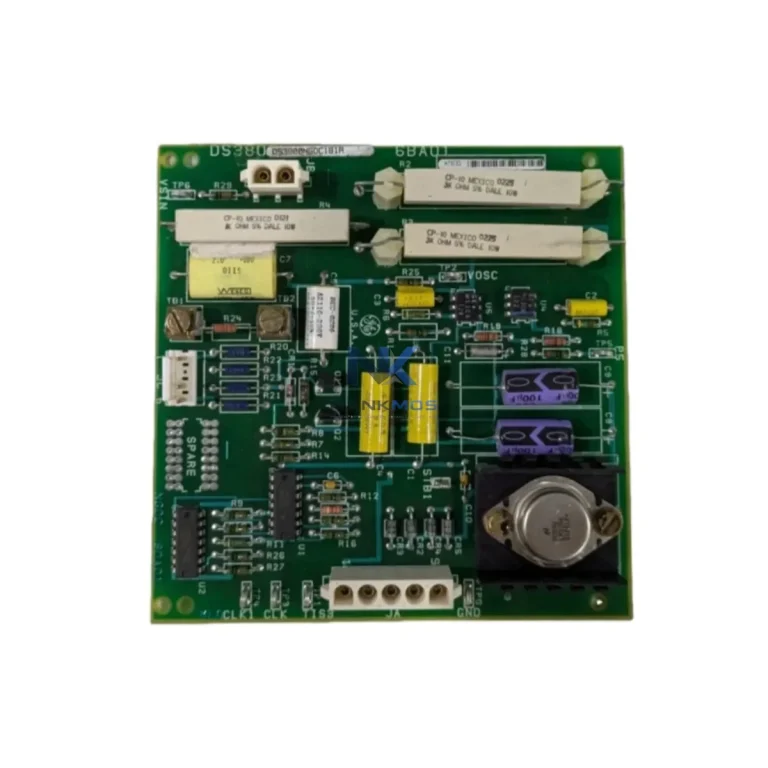
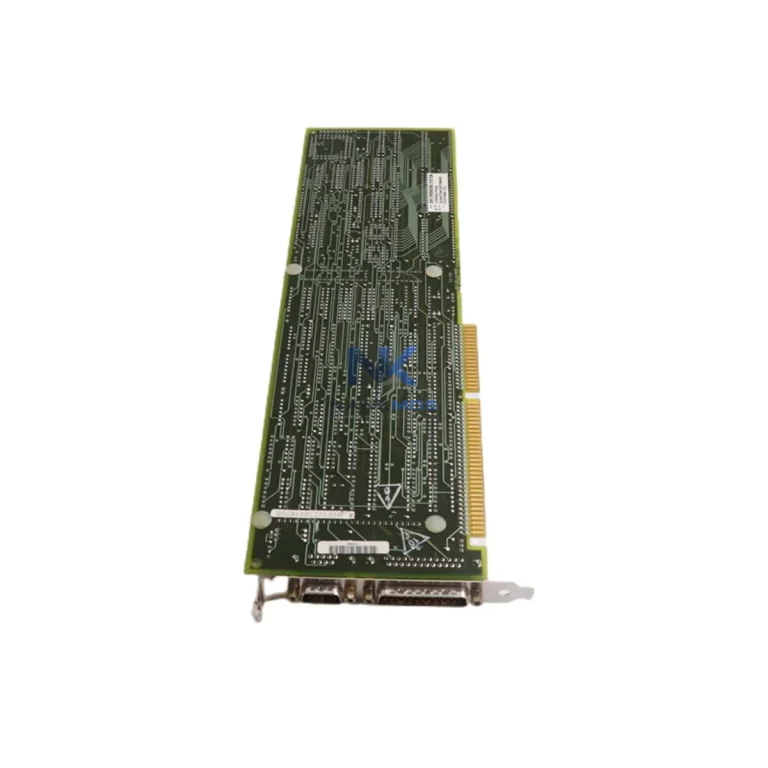
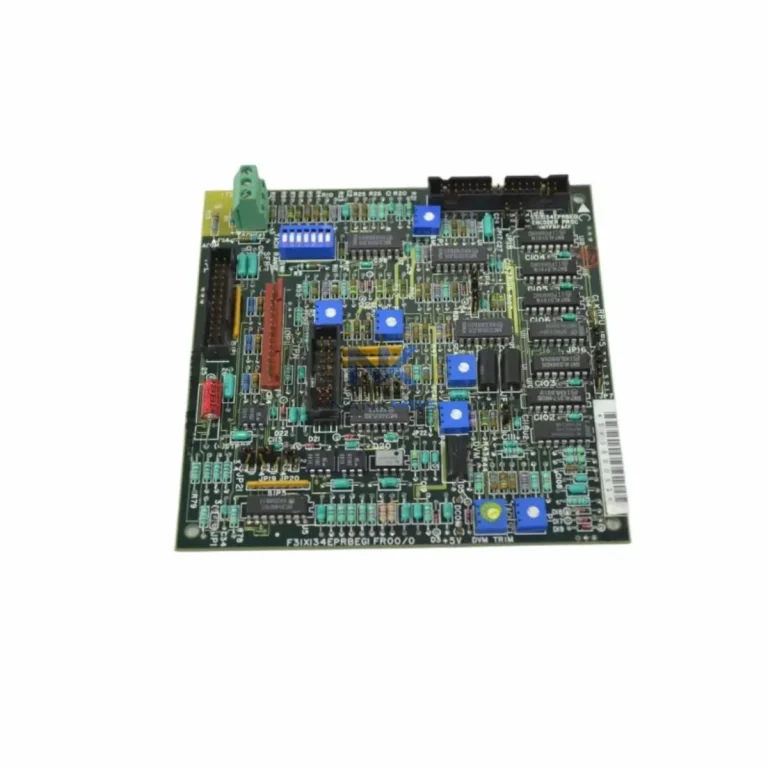
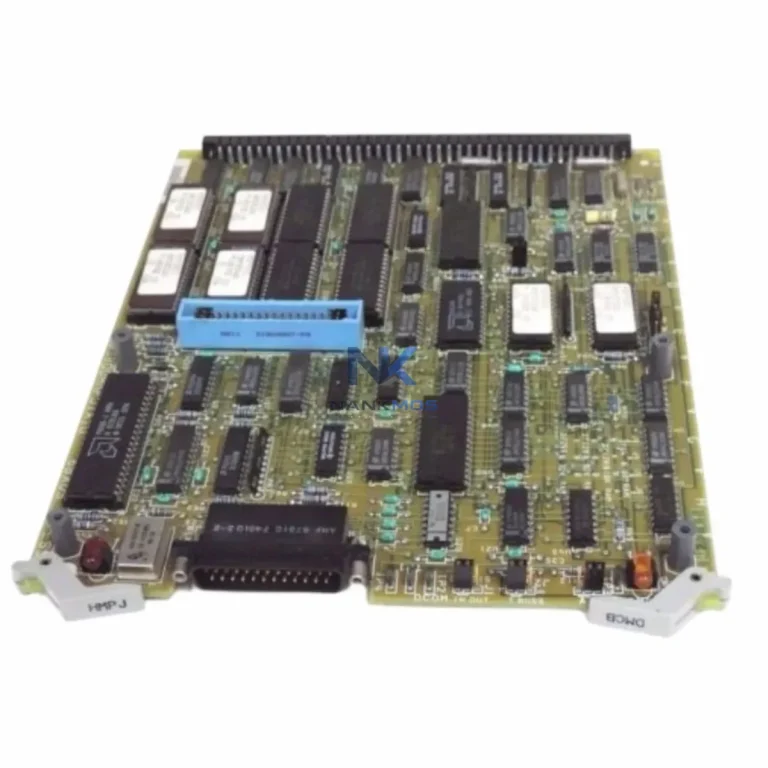
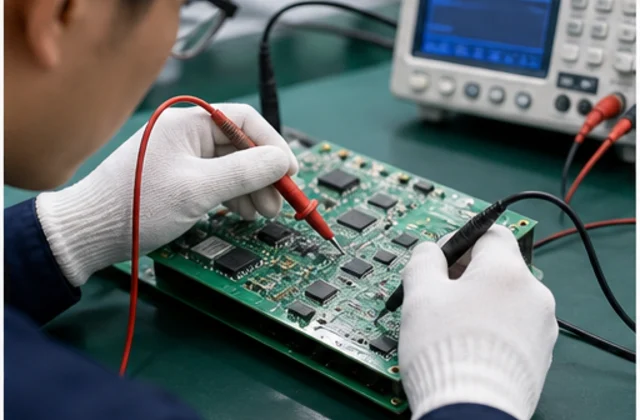
 Functional Inspection
100% tested on professional platforms to ensure stable performance.
GE 531X175SSBAAM3 is a NANKMOS industrial automation product record Listed under Mark VI series and Business & Industrial > Automation, Control & Flow Devices. Confirm condition, availability, lead time, compatibility and documentation by email inquiry.
Brand names are used for identification only.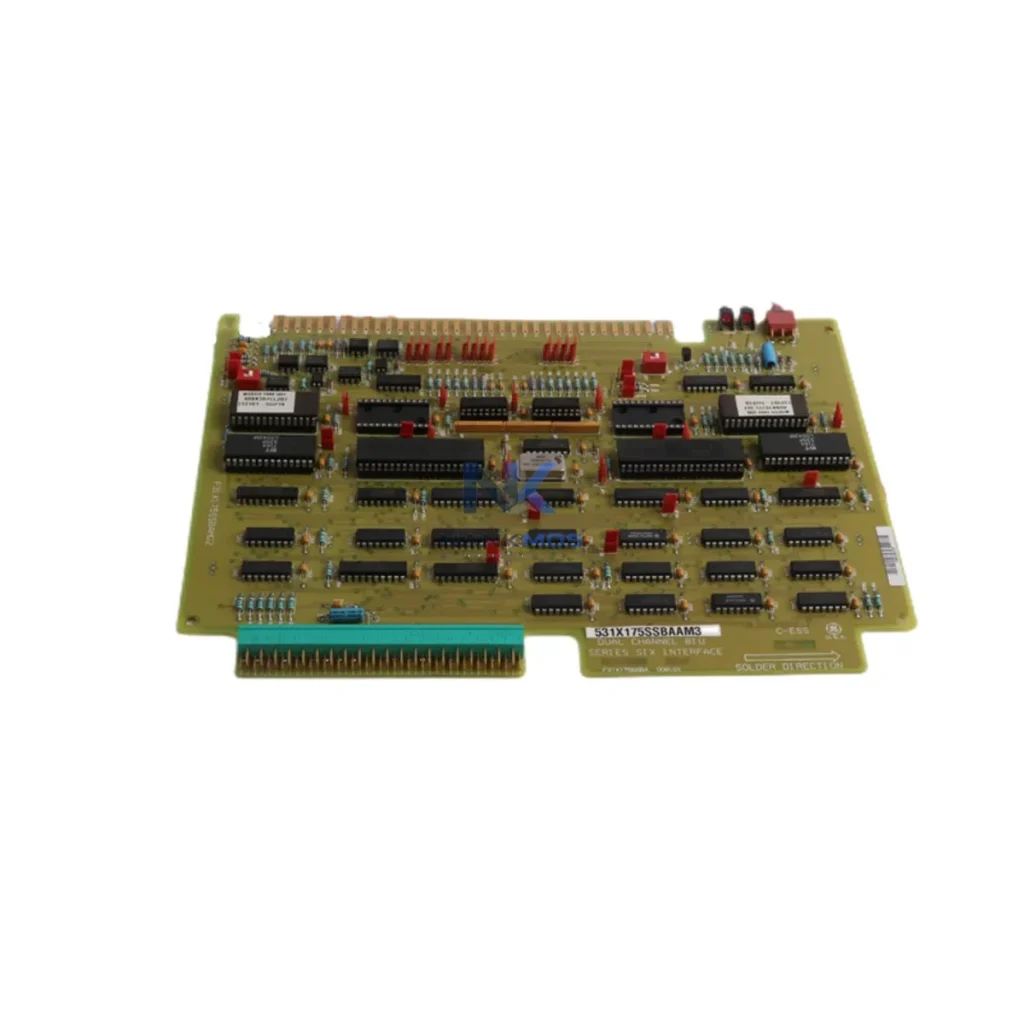
GE 531X175SSBAAM3 is a NANKMOS industrial automation product record Listed under Mark VI series and Business & Industrial > Automation, Control & Flow Devices. Confirm condition, availability, lead time, compatibility and documentation by email inquiry.
| Manufacturer | GE |
|---|---|
| Application | Industrial Network Communication |
| Part Number / Model | 531X175SSBAAM3 |
| Compatible System | Mark VI |
| Series | Mark VI |
| Condition Options | To Confirm |
| Module Type | Communication Module |
| Warranty | 12 Months |
| Packaging | Anti-static Bag / Secure Box |
| Shipping Methods | DHL / FedEx / UPS / Air / Sea |
| Availability | To Confirm |
| Lead Time | To Confirm |
| Documentation | Part number and revision checked before quote |
The GE 531X175SSBAAM3 is a high-performance Bus Interface Unit (BIU) card engineered for the GE Mark VI Speedtronic turbine control platform. Designed to serve as the critical data bridge between field-level devices and upper-layer control systems, this interface card enables seamless industrial network communication across complex automation architectures. Whether deployed in gas turbine power plants, combined-cycle facilities, or large-scale process industries, the 531X175SSBAAM3 delivers the connectivity backbone that modern smart factories demand — linking PLCs, remote I/O modules, HMI panels, SCADA servers, and edge gateways into a unified, real-time data ecosystem.
In today's industrial environment, data latency and protocol fragmentation are among the most persistent barriers to operational transparency. The 531X175SSBAAM3 addresses these challenges by providing a stable, high-integrity communication pathway within the Mark VI control architecture. It supports the proprietary GE IONet communication protocol, enabling deterministic, low-latency data exchange between the Mark VI controller core and distributed I/O packs such as the PPDA, PPDB, and PPDC terminal boards. This deterministic communication is essential for turbine protection logic, where millisecond-level response times directly impact plant safety and uptime.
From a smart factory data flow perspective, the 531X175SSBAAM3 sits at the intersection of signal acquisition and network transmission. Field sensors — including thermocouples, pressure transmitters, vibration probes, and speed pickups — feed raw process data into the Mark VI I/O packs. The BIU card then aggregates and routes this data upstream through the IONet backbone to the Mark VI controller, where it is processed, alarmed, and forwarded to SCADA and historian systems via OPC-DA or OPC-UA gateways. Operators monitoring the plant from a Cimplicity HMI workstation or a third-party SCADA platform receive real-time turbine status, alarm events, and trend data — all made possible by the reliable network link that the 531X175SSBAAM3 provides.
Integration with broader automation ecosystems is a core strength of this card. In multi-controller architectures, the Mark VI system running the 531X175SSBAAM3 can exchange data with upstream DCS platforms, MES layers, and cloud-based analytics engines through protocol conversion gateways. Edge computing devices installed at the control panel level can subscribe to IONet data streams and republish them over MQTT or REST APIs for IIoT dashboards, enabling remote diagnostics and predictive maintenance workflows without disrupting the real-time control loop. This layered connectivity model — from field device to cloud — is the foundation of Industry 4.0 implementation in power generation and heavy process industries.
The 531X175SSBAAM3 is also a key enabler of remote monitoring and fault diagnostics. When paired with the Mark VI Toolbox engineering software, maintenance engineers can remotely interrogate I/O pack health, verify signal integrity, and diagnose communication faults without physical access to the control cabinet. This capability dramatically reduces mean time to repair (MTTR) and supports condition-based maintenance strategies. Alarm data captured through the BIU communication path can be routed to plant-wide alarm management systems, ensuring that critical turbine events are logged, timestamped, and escalated through the correct notification channels.
For system integrators and plant engineers specifying replacement or expansion hardware, the 531X175SSBAAM3 is compatible with the broader GE Mark VI hardware ecosystem, including the VCMI communication interface module, VTUR turbine controller board, VSVO servo output card, and VDYN dynamic signal processor. These components work in concert to deliver a fully redundant, fault-tolerant control architecture. The BIU card supports hot-standby redundancy configurations, ensuring that a single card failure does not interrupt the control network — a critical requirement for continuous-process industries where unplanned shutdowns carry significant financial and safety consequences.
Every 531X175SSBAAM3 unit supplied by NANKMOS undergoes pre-shipment functional testing to verify communication integrity, board-level signal continuity, and firmware compatibility. Units are sourced from verified industrial supply channels and are available for immediate dispatch from in-stock inventory. Global logistics support ensures timely delivery to power plants, petrochemical facilities, and OEM integrators worldwide. All units are covered by a 12-month warranty against manufacturing defects and communication failures, with technical support available throughout the warranty period.
The 531X175SSBAAM3 operates at the heart of a layered industrial data flow architecture. At the field level, process sensors — including thermocouple inputs wired to TCQA terminal boards, 4–20 mA pressure transmitters connected to TCEA analog input packs, and magnetic speed pickups feeding DSPX signal processors — continuously generate raw process data. This data is collected by distributed I/O packs mounted in the Mark VI I/O cabinet and transmitted over the IONet communication bus to the BIU card, which routes it to the Mark VI controller core for real-time processing.
Within the controller, the VTUR turbine controller board executes protection and sequencing logic, while the VSVO servo output card drives fuel control valves and inlet guide vane actuators based on the processed signals. The VCMI communication interface module bridges the Mark VI internal bus to plant-level Ethernet networks, enabling the SCADA server — typically running GE Cimplicity or a third-party platform such as Wonderware or Ignition — to receive live turbine data via OPC-UA. Operators at HMI workstations can monitor exhaust temperatures, shaft speeds, vibration levels, and fuel flow rates in real time, with alarm pop-ups triggered automatically when process variables exceed defined thresholds.
At the edge layer, industrial gateways installed adjacent to the Mark VI panel can subscribe to IONet data streams and republish selected tags over MQTT to cloud-based IIoT platforms. This enables remote diagnostics from off-site engineering centers, where maintenance teams can review trend data, compare current readings against historical baselines, and initiate remote tuning adjustments through the Mark VI Toolbox. Industrial Ethernet switches with managed VLAN configurations ensure that the IONet traffic remains isolated from plant IT networks, preserving deterministic communication performance even in high-traffic network environments.
For plants operating mixed-vendor automation architectures, protocol conversion gateways translate IONet data into Modbus TCP or PROFINET frames, allowing the Mark VI system to share process data with third-party PLCs, variable frequency drives controlling auxiliary equipment, and DCS platforms managing balance-of-plant systems. This interoperability is essential for achieving plant-wide data visibility and enabling cross-system alarm correlation in centralized SCADA environments.
Many industrial sites operating legacy turbine control systems face persistent data visibility challenges. Protocol fragmentation — where the Mark VI IONet architecture cannot natively communicate with Modbus RTU devices, PROFIBUS field instruments, or modern OPC-UA servers — creates data silos that prevent operators from achieving a unified view of plant performance. The 531X175SSBAAM3, as the network backbone of the Mark VI system, is the starting point for resolving these integration gaps. By ensuring that the BIU communication layer is functioning correctly and reliably, plant engineers can then layer protocol conversion solutions on top of a stable, high-integrity data foundation.
Remote monitoring is another area where a properly functioning 531X175SSBAAM3 delivers measurable operational value. Plants that have experienced BIU card failures report complete loss of remote visibility into turbine parameters, forcing operators to rely on local panel readings and manual data logging. Restoring the BIU card restores the full remote monitoring capability, enabling alarm tracking, trend analysis, and remote diagnostics from centralized control rooms or off-site engineering centers.
Production line transparency — the ability to see real-time turbine performance data overlaid on process flow diagrams in the SCADA system — depends entirely on the reliability of the IONet communication path that the 531X175SSBAAM3 maintains. Plants that invest in maintaining healthy BIU card inventory report faster fault response times, reduced unplanned downtime, and improved compliance with condition-based maintenance programs. System expansion, whether adding new I/O packs, integrating additional sensors, or extending the IONet network to new control cabinets, also relies on a correctly configured and fully operational BIU card as the network anchor point.
Q1: What communication protocol does the GE 531X175SSBAAM3 support, and is it compatible with standard industrial Ethernet networks? The 531X175SSBAAM3 uses GE's proprietary IONet protocol, which is a deterministic Ethernet-based communication standard designed specifically for the Mark VI Speedtronic platform. It is not directly compatible with standard Modbus TCP or PROFINET networks, but protocol conversion gateways can bridge IONet data to these standard protocols for integration with third-party PLCs, DCS platforms, and SCADA systems.
Q2: How does the 531X175SSBAAM3 support remote diagnostics and predictive maintenance? When integrated with the GE Mark VI Toolbox engineering software, the 531X175SSBAAM3 enables remote interrogation of I/O pack health, signal integrity verification, and communication fault diagnostics. Maintenance engineers can access this diagnostic data from remote workstations connected to the plant network, supporting condition-based maintenance strategies and reducing the need for physical cabinet access during routine checks.
Q3: Does the 531X175SSBAAM3 support redundant network configurations to prevent single points of failure? Yes. The Mark VI architecture supports hot-standby dual BIU card redundancy. In a redundant configuration, if the primary 531X175SSBAAM3 experiences a communication fault, the standby card assumes network control automatically without interrupting the real-time control loop. This redundancy is critical for continuous-process applications where network downtime directly impacts turbine availability and plant safety.
Q4: What warranty and pre-shipment testing does NANKMOS provide for the 531X175SSBAAM3? All 531X175SSBAAM3 units supplied by NANKMOS are covered by a 12-month warranty against manufacturing defects and communication failures. Prior to shipment, each unit undergoes functional testing to verify IONet communication integrity, board-level signal continuity, and firmware compatibility with the Mark VI platform. Units are available from in-stock inventory for immediate dispatch, with global logistics support for power generation and process industry customers worldwide.
Functional Inspection100% tested on professional platforms to ensure stable performance.
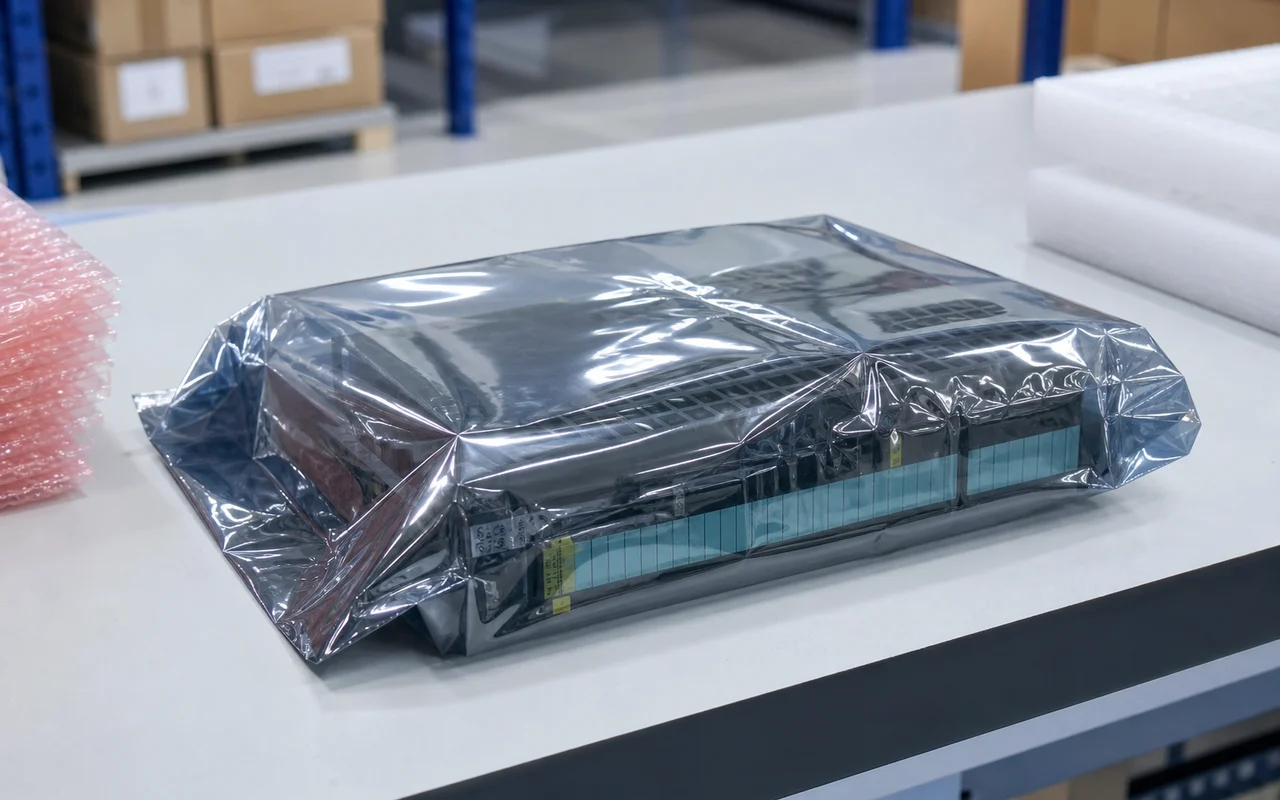 Anti-static Packaging
Modules are packed in anti-static bags to prevent electrostatic damage.
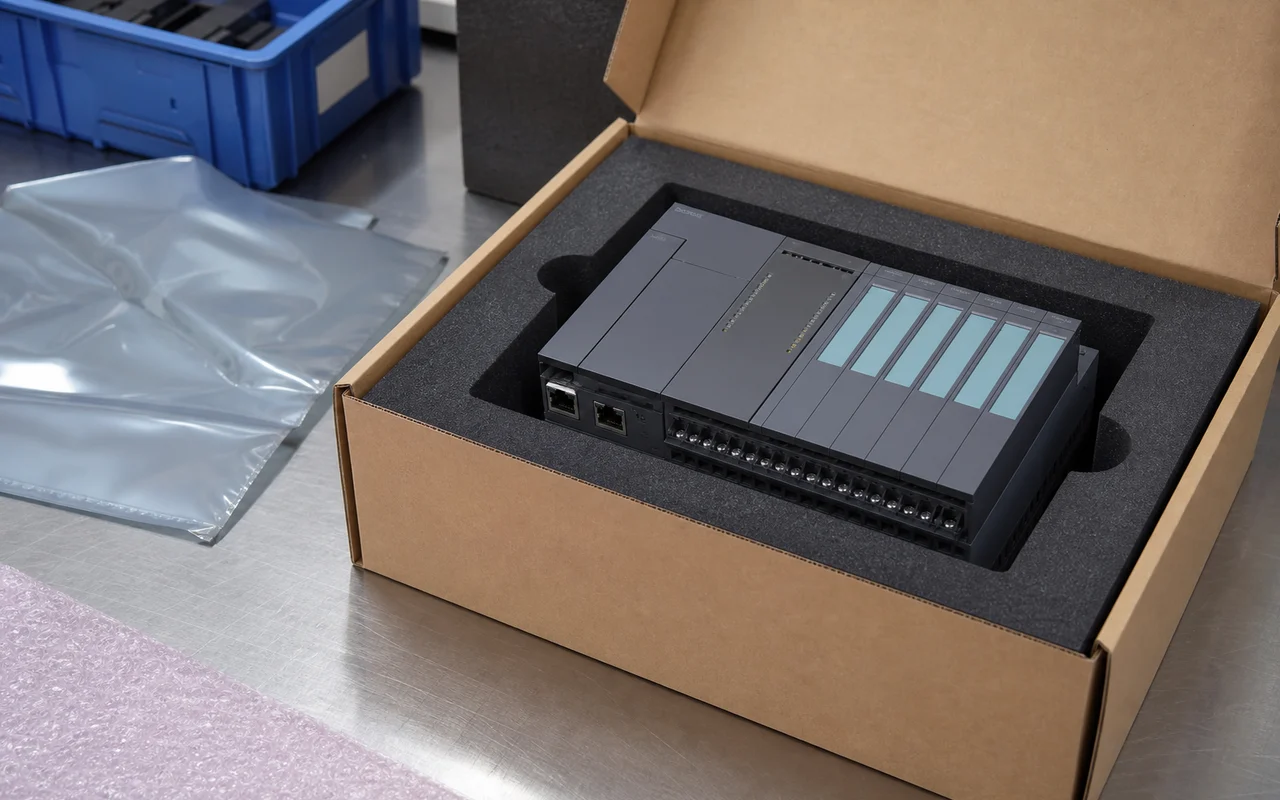 Secure Export Packing
Cushion protection and strong cartons ensure safe transportation.
 Worldwide Shipping
Global logistics network supports air, sea and express delivery.
 Documentation Check
Part number, revision and compatibility verified before shipment.
 After-sales Support
Professional technical support to help resolve your issues.