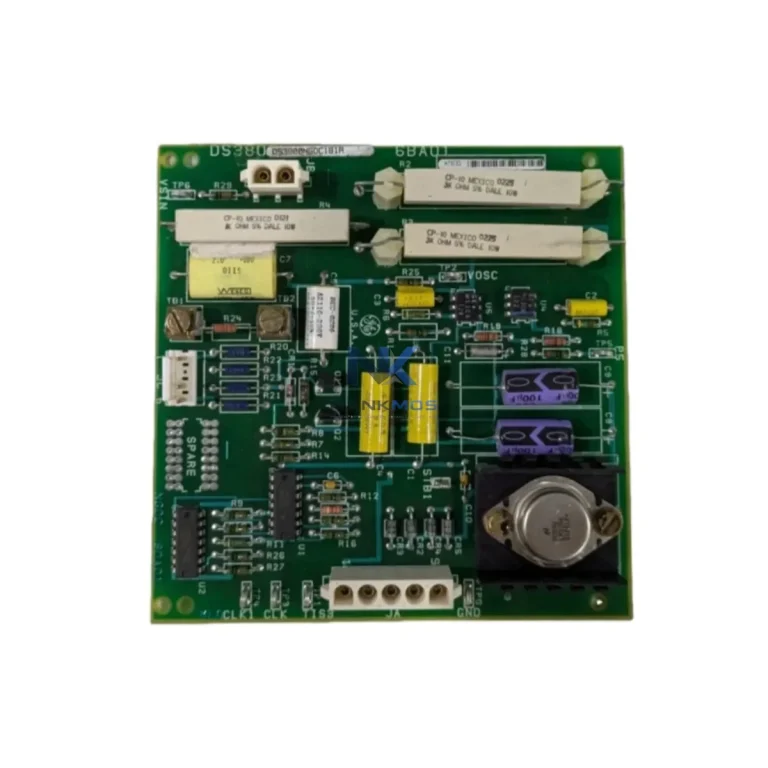
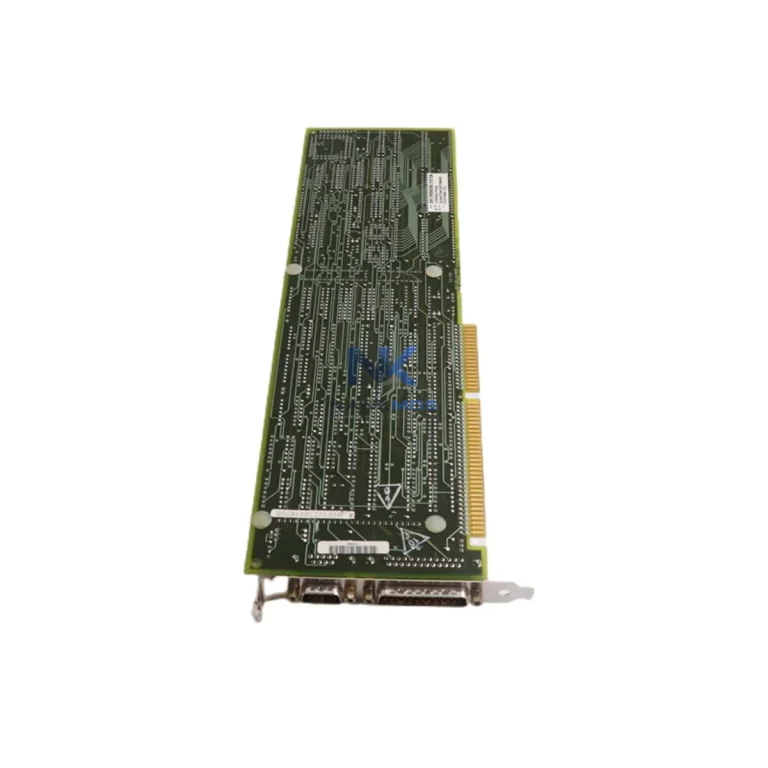
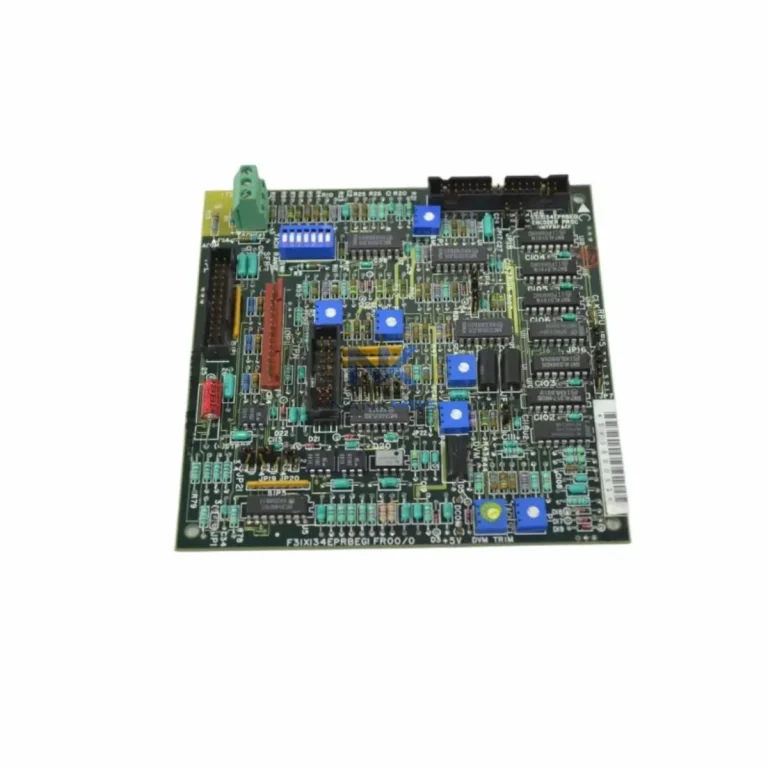
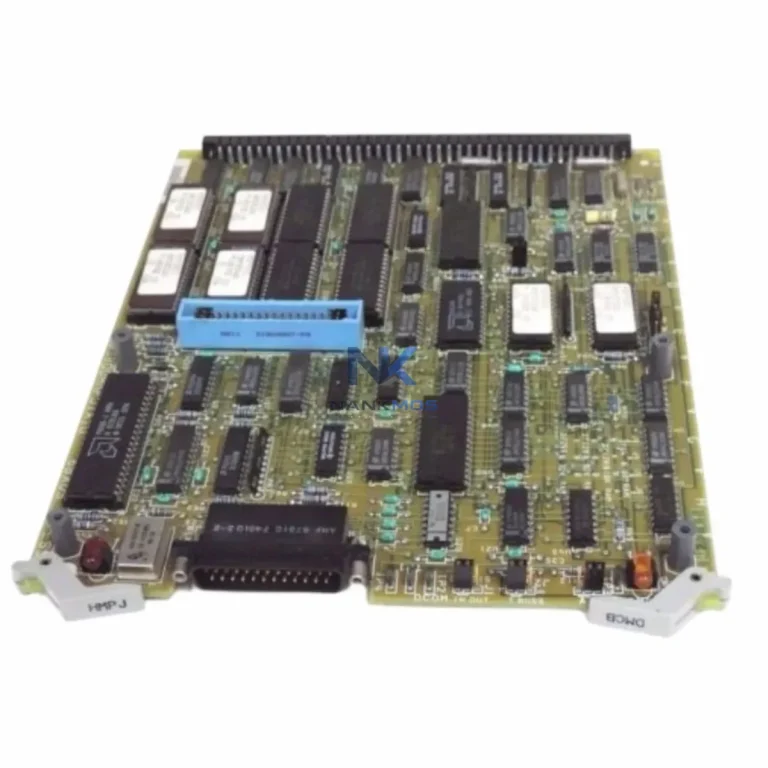
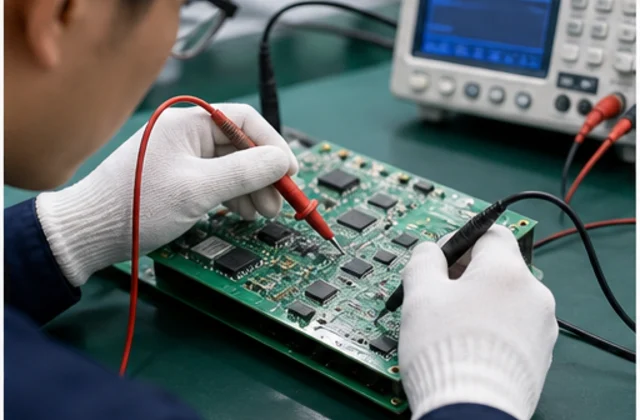
 Functional Inspection
100% tested on professional platforms to ensure stable performance.
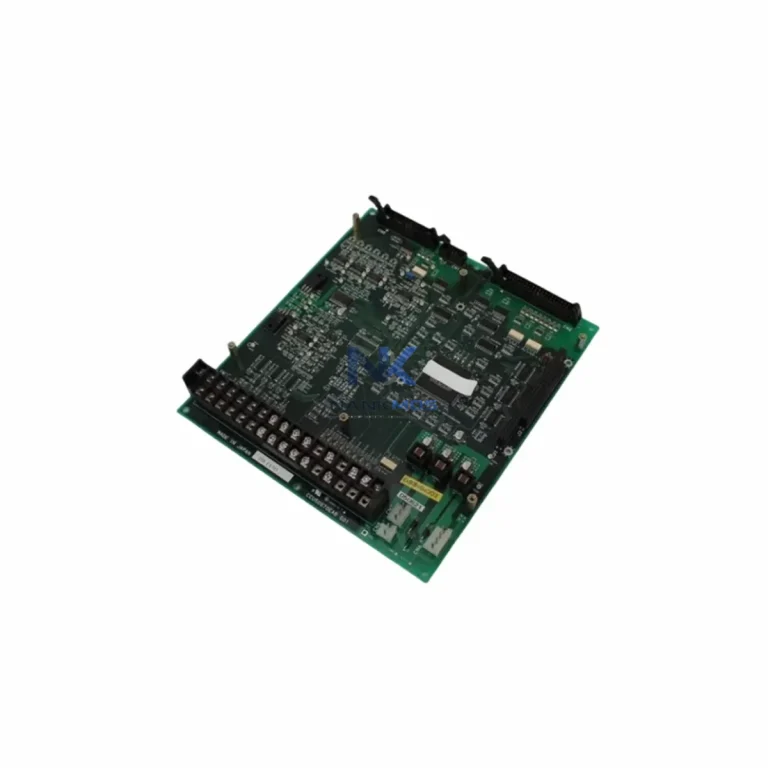
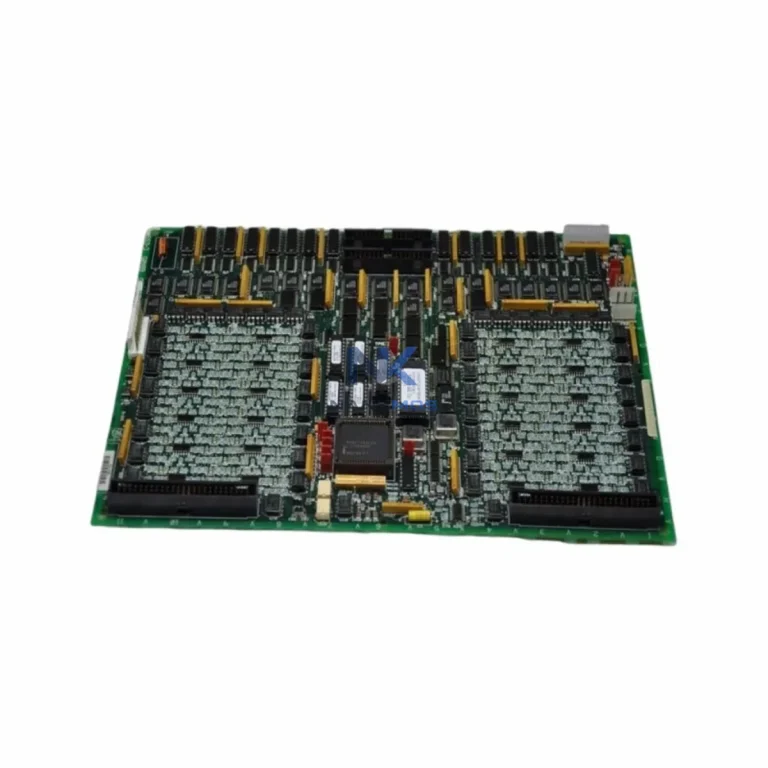
GE DS200QTBAG1ADC is a NANKMOS industrial automation product record Listed under Mark VI series and Business & Industrial > Automation, Control & Flow Devices. Confirm condition, availability, lead time, compatibility and documentation by email inquiry.
Brand names are used for identification only.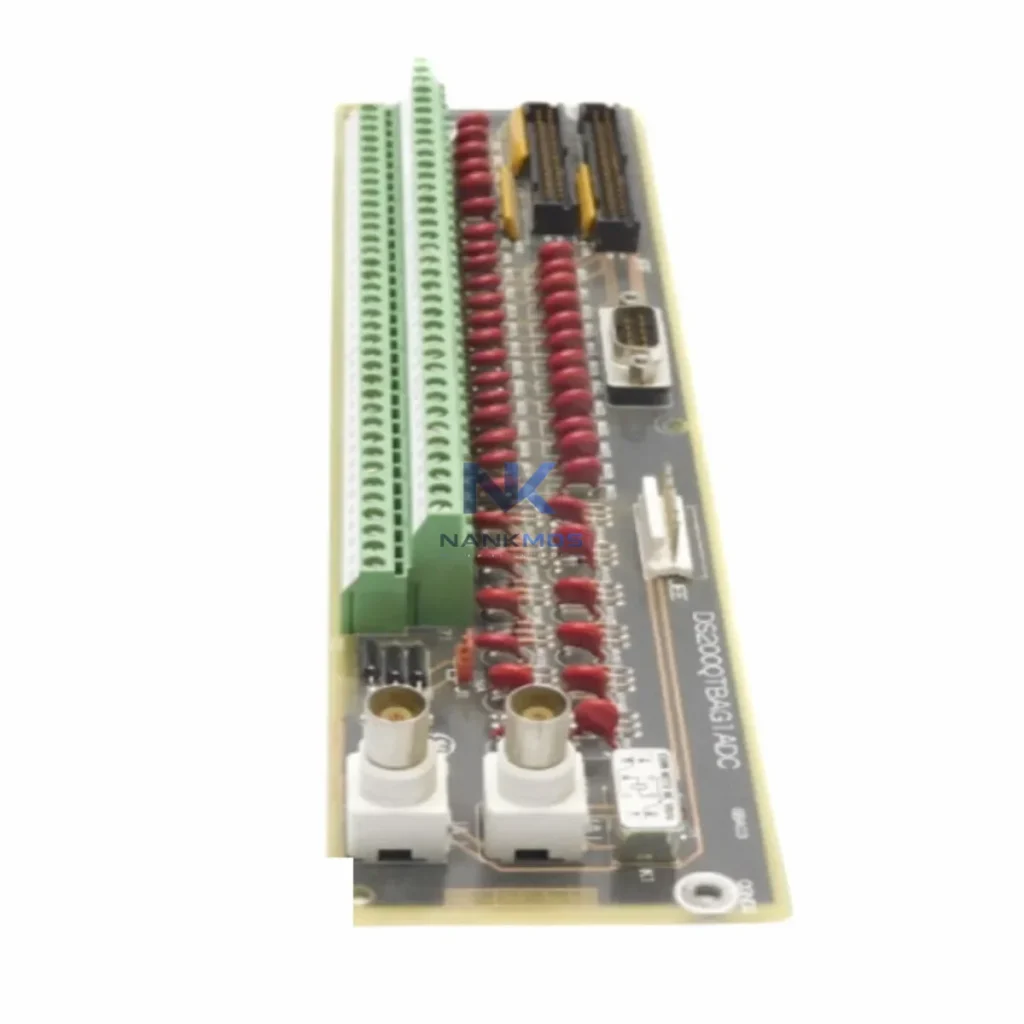
GE DS200QTBAG1ADC is a NANKMOS industrial automation product record Listed under Mark VI series and Business & Industrial > Automation, Control & Flow Devices. Confirm condition, availability, lead time, compatibility and documentation by email inquiry.
| Manufacturer | GE |
|---|---|
| Application | Turbine & Condition Monitoring |
| Part Number / Model | DS200QTBAG1ADC |
| Compatible System | Mark VI |
| Series | Mark VI |
| Condition Options | To Confirm |
| Module Type | Monitoring Module |
| Warranty | 12 Months |
| Packaging | Anti-static Bag / Secure Box |
| Shipping Methods | DHL / FedEx / UPS / Air / Sea |
| Availability | To Confirm |
| Lead Time | To Confirm |
| Documentation | Part number and revision checked before quote |
The GE DS200QTBAG1ADC is a precision-engineered turbine control termination board designed for deployment within the GE Mark VI Turbine Control System. As a critical interface component at the I/O and signal termination layer, the DS200QTBAG1ADC provides the structured wiring backbone that connects field instrumentation — thermocouples, RTDs, proximity probes, and discrete I/O — to the Mark VI controller chassis. Its role in the control architecture is not peripheral; it is foundational to signal integrity, system consistency, and long-term maintainability across gas turbine, steam turbine, and combined-cycle power generation installations.
In a complete Mark VI control architecture, the DS200QTBAG1ADC operates in close coordination with the controller backbone. The Mark VI system is structured around a TMR (Triple Modular Redundancy) or simplex control philosophy, and the termination board must align precisely with the I/O pack assignments and signal routing defined at the engineering level. Mismatched or degraded termination boards introduce signal noise, calibration drift, and diagnostic blind spots — all of which compromise turbine availability and increase unplanned downtime risk. The DS200QTBAG1ADC eliminates these risks by providing a factory-matched, system-verified termination interface.
The DS200QTBAG1ADC does not operate in isolation. Its value is fully realized when integrated within a coherent Mark VI control architecture that spans multiple functional layers. At the controller layer, the DS200TCQAG1BHF and DS200TCQCG1BHF turbine control boards provide the processing backbone, executing protection logic, sequencing, and closed-loop control. The DS200QTBAG1ADC serves as the structured termination point that feeds clean, conditioned signals into these controllers.
At the I/O pack layer, modules such as the IS200VTURH1BAA turbine I/O pack and IS200TREGH1B terminal board work in tandem with the DS200QTBAG1ADC to manage analog and discrete signal routing. Proper termination board selection ensures that I/O pack assignments are honored and that signal paths remain electrically stable across the full operating temperature range of the turbine enclosure.
For communication and network integration, the Mark VI architecture typically incorporates IS200EIOCH1A Ethernet I/O controllers and DS200IIBDG1A inter-board communication modules, enabling the control system to exchange real-time data with plant-level SCADA, historian, and DCS platforms. The termination board's role in maintaining signal fidelity at the field interface directly supports the accuracy of data transmitted across these communication layers.
Power distribution within the Mark VI cabinet relies on components such as the DS200PTBAG1A power termination board and dedicated 28VDC and 125VDC power supply modules. The DS200QTBAG1ADC must be installed in a cabinet environment where power quality is stable and properly conditioned, as voltage transients at the termination layer can propagate into the I/O pack and affect controller diagnostics.
At the HMI and operator interface layer, GE Mark VI systems are commonly paired with Cimplicity-based operator workstations or third-party SCADA platforms. The integrity of the data displayed at the HMI level is directly dependent on the accuracy of field signal termination — making the DS200QTBAG1ADC a silent but essential contributor to operator situational awareness and alarm management.
For redundancy-critical installations, the TMR architecture of the Mark VI requires that termination boards be correctly assigned to R, S, and T controller paths. The DS200QTBAG1ADC supports this redundancy framework by providing a consistent, low-impedance termination interface that does not introduce asymmetry between redundant signal paths. This is particularly important in applications where turbine trip logic depends on voted I/O signals across all three controller channels.
The DS200QTBAG1ADC is deployed across a wide range of heavy industrial environments where GE Mark VI turbine control systems are the platform of choice. In gas turbine power generation, the board manages thermocouple and RTD terminations for exhaust temperature monitoring, compressor inlet sensing, and combustion dynamics feedback — all critical inputs to the turbine protection and control logic.
In combined-cycle power plants, the Mark VI system coordinates gas turbine, steam turbine, and heat recovery steam generator (HRSG) control within a unified architecture. The DS200QTBAG1ADC supports multi-unit installations where consistent termination standards across all turbine control panels are essential for maintenance efficiency and spare parts rationalization.
In oil and gas processing facilities, including offshore platforms and LNG terminals, the Mark VI system is used for compressor train control and emergency shutdown integration. The DS200QTBAG1ADC's robust construction and system-matched design make it suitable for these demanding environments where component reliability directly affects process safety and regulatory compliance.
In industrial cogeneration and district energy applications, the board supports smaller-scale turbine installations where the Mark VI system provides both control and protection functions. Its compatibility with the broader Mark VI I/O ecosystem simplifies spare parts management and reduces the engineering overhead associated with mixed-generation control hardware.
Q1: Is the DS200QTBAG1ADC compatible with both Mark VI simplex and TMR configurations?The DS200QTBAG1ADC is designed for use within the GE Mark VI platform and is compatible with both simplex and TMR (Triple Modular Redundancy) control architectures. In TMR installations, the board must be correctly assigned to the appropriate controller path (R, S, or T) as defined in the system engineering documentation. All units supplied by NANKMOS are tested and verified prior to shipment to confirm functional compatibility with the Mark VI I/O pack interface.
Q2: What is the warranty coverage and how does NANKMOS support long-term maintenance requirements?Every DS200QTBAG1ADC supplied by NANKMOS is covered by a 12-Month Warranty from the date of shipment. This warranty covers functional defects and ensures that the board performs to GE Mark VI system specifications. NANKMOS maintains ready stock of Mark VI termination boards and associated I/O components to support both planned maintenance outages and emergency replacement requirements. Our global logistics network enables fast dispatch to power generation and industrial facilities worldwide.
Q3: How should the DS200QTBAG1ADC be installed and commissioned within an existing Mark VI control cabinet?Installation of the DS200QTBAG1ADC should follow the GE Mark VI system engineering drawings and I/O assignment documentation specific to the turbine unit. The board must be mounted in the designated termination panel location, with field wiring connected according to the terminal assignment schedule. Prior to energization, verify that the I/O pack connected to the termination board matches the engineering configuration and that all signal grounds are properly established. Commissioning should include a point-to-point signal verification against the control system I/O database to confirm that all field signals are correctly mapped and within calibration tolerance.
Functional Inspection100% tested on professional platforms to ensure stable performance.
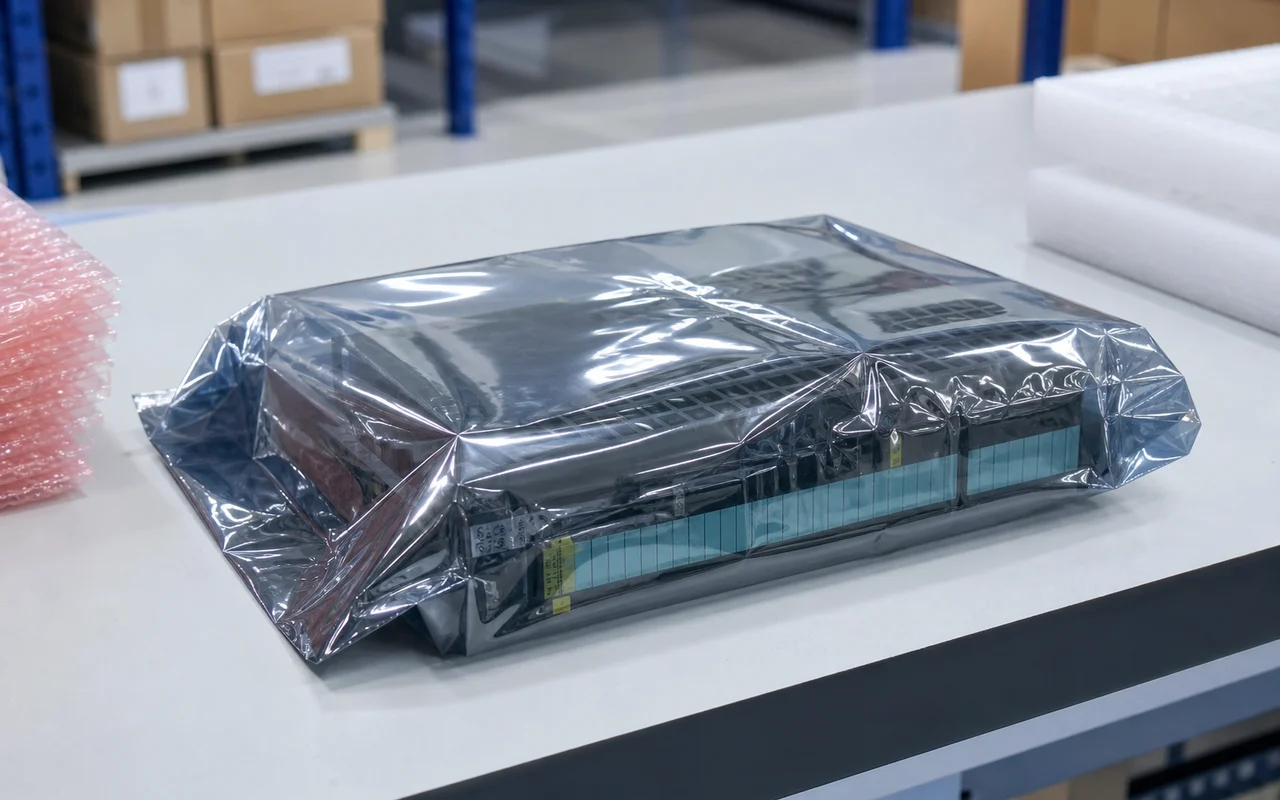 Anti-static Packaging
Modules are packed in anti-static bags to prevent electrostatic damage.
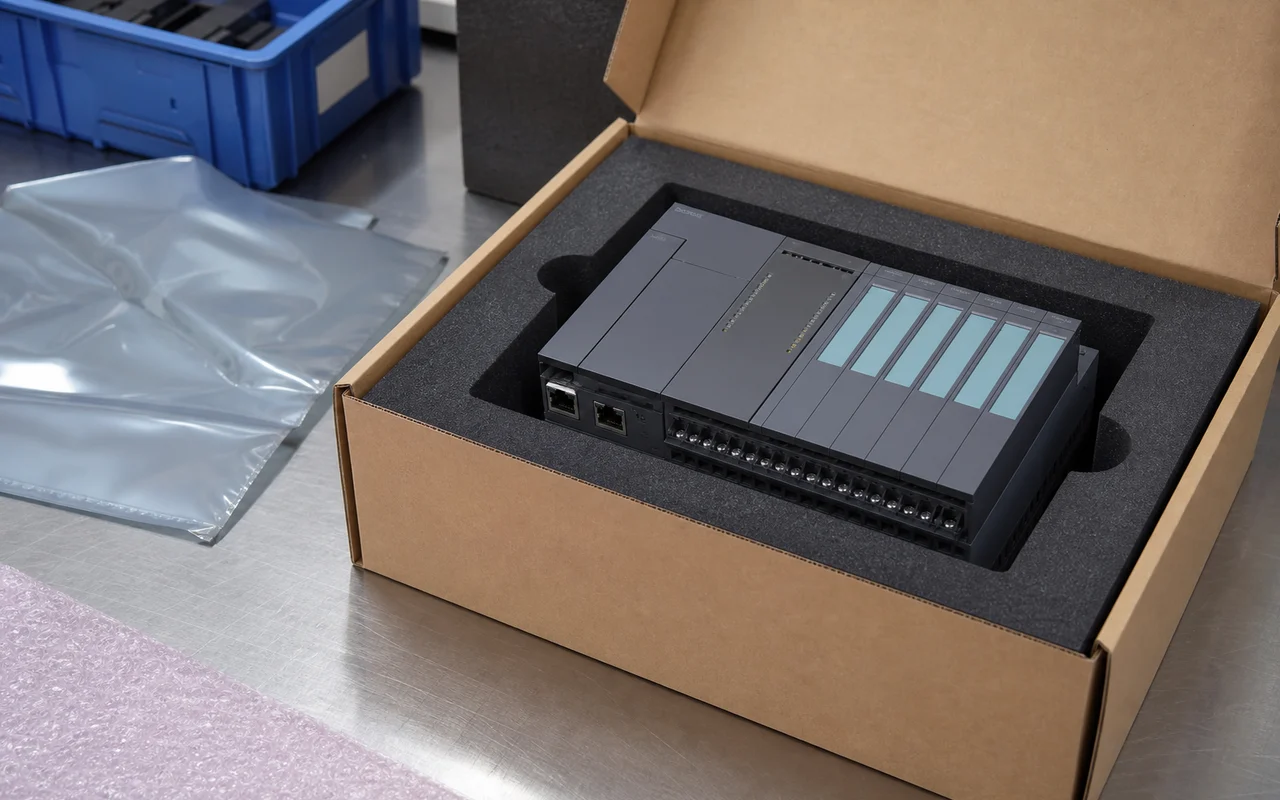 Secure Export Packing
Cushion protection and strong cartons ensure safe transportation.
 Worldwide Shipping
Global logistics network supports air, sea and express delivery.
 Documentation Check
Part number, revision and compatibility verified before shipment.
 After-sales Support
Professional technical support to help resolve your issues.