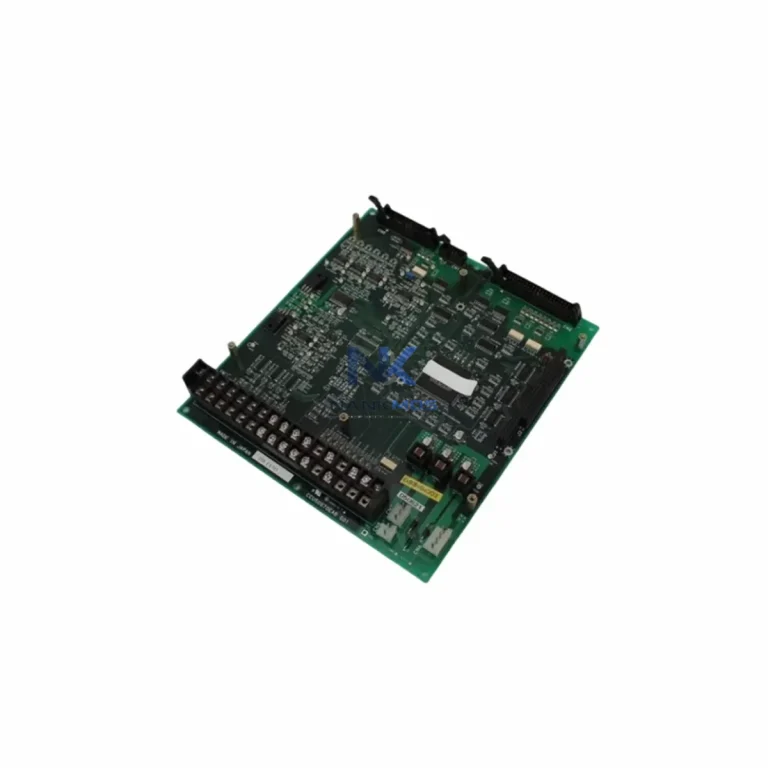
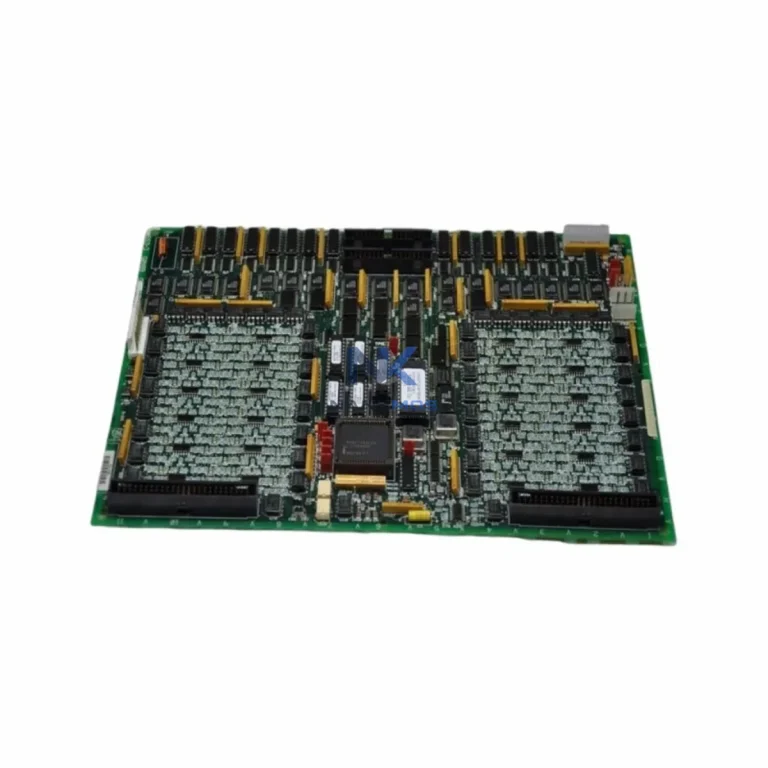
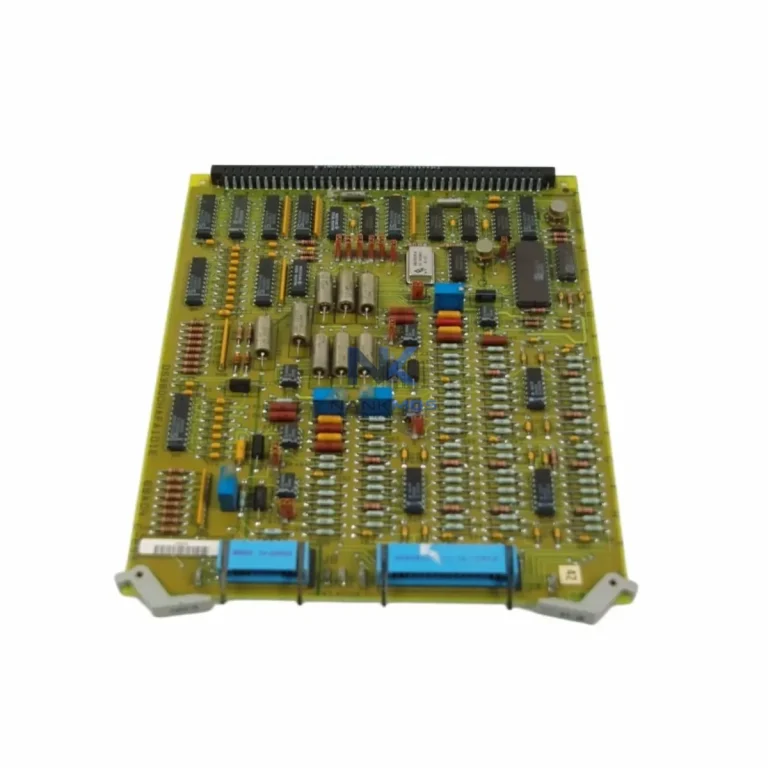
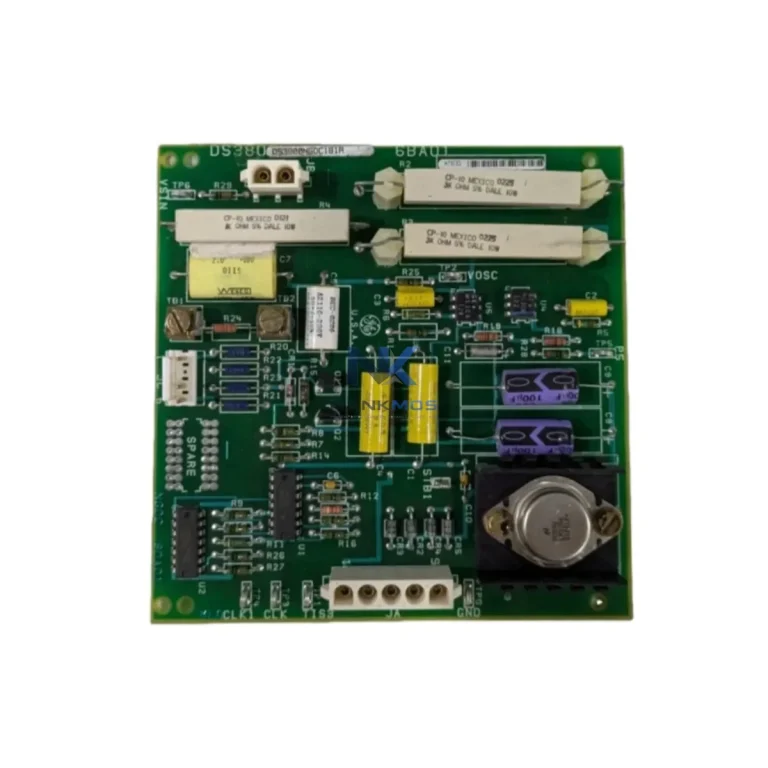
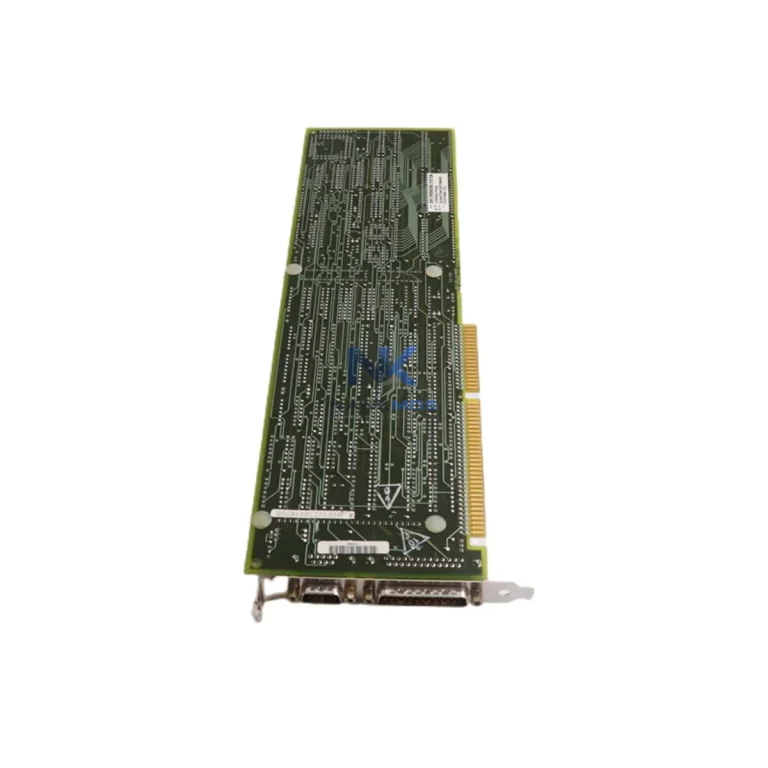
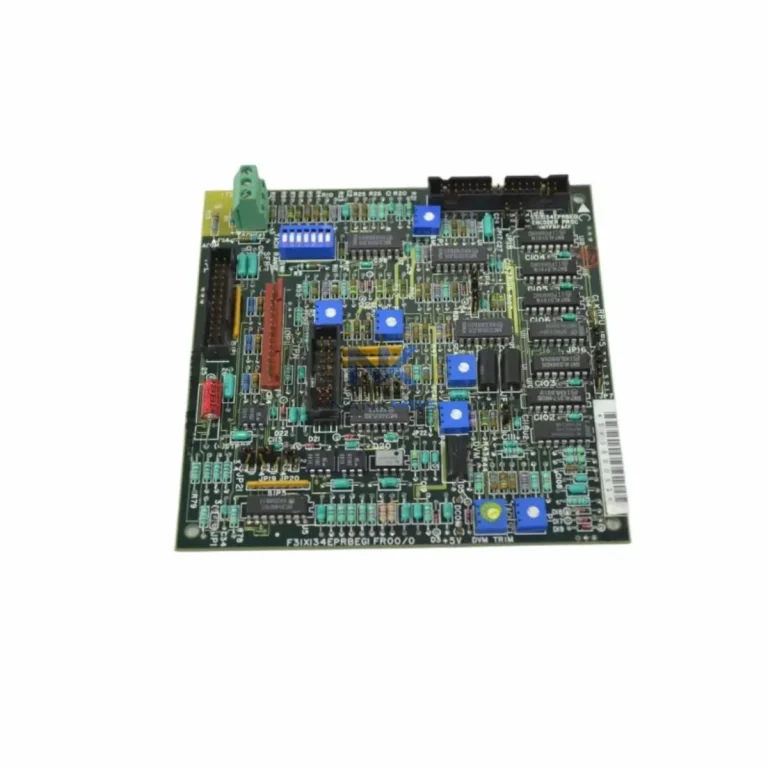
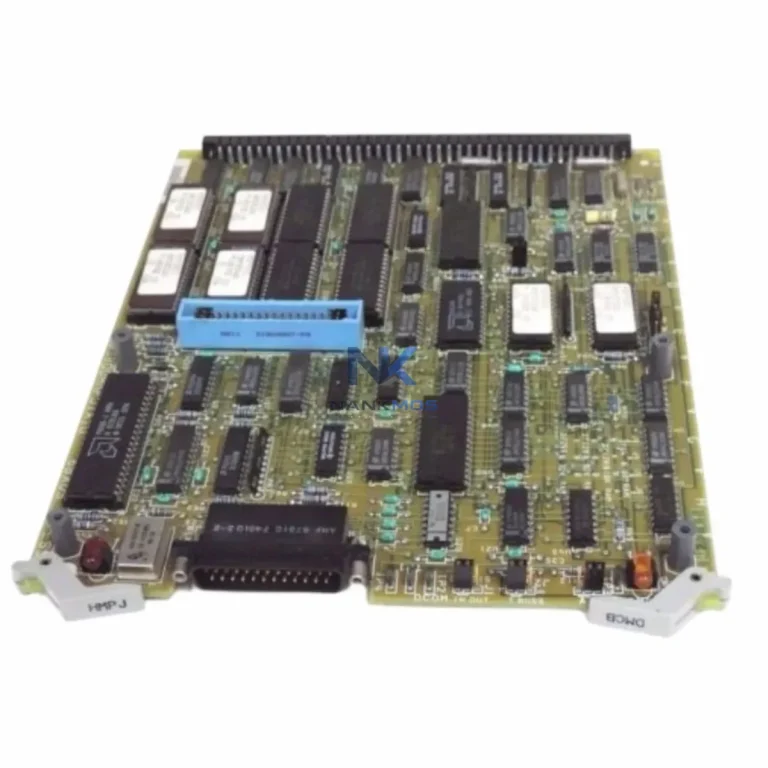
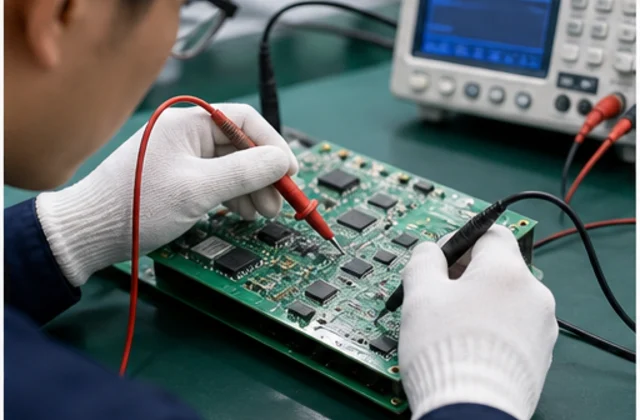
 Functional Inspection
100% tested on professional platforms to ensure stable performance.
GE DS200TCDAH1BGD is a NANKMOS industrial automation product record Listed under Mark VI series and Business & Industrial > Automation, Control & Flow Devices. Confirm condition, availability, lead time, compatibility and documentation by email inquiry.
Brand names are used for identification only.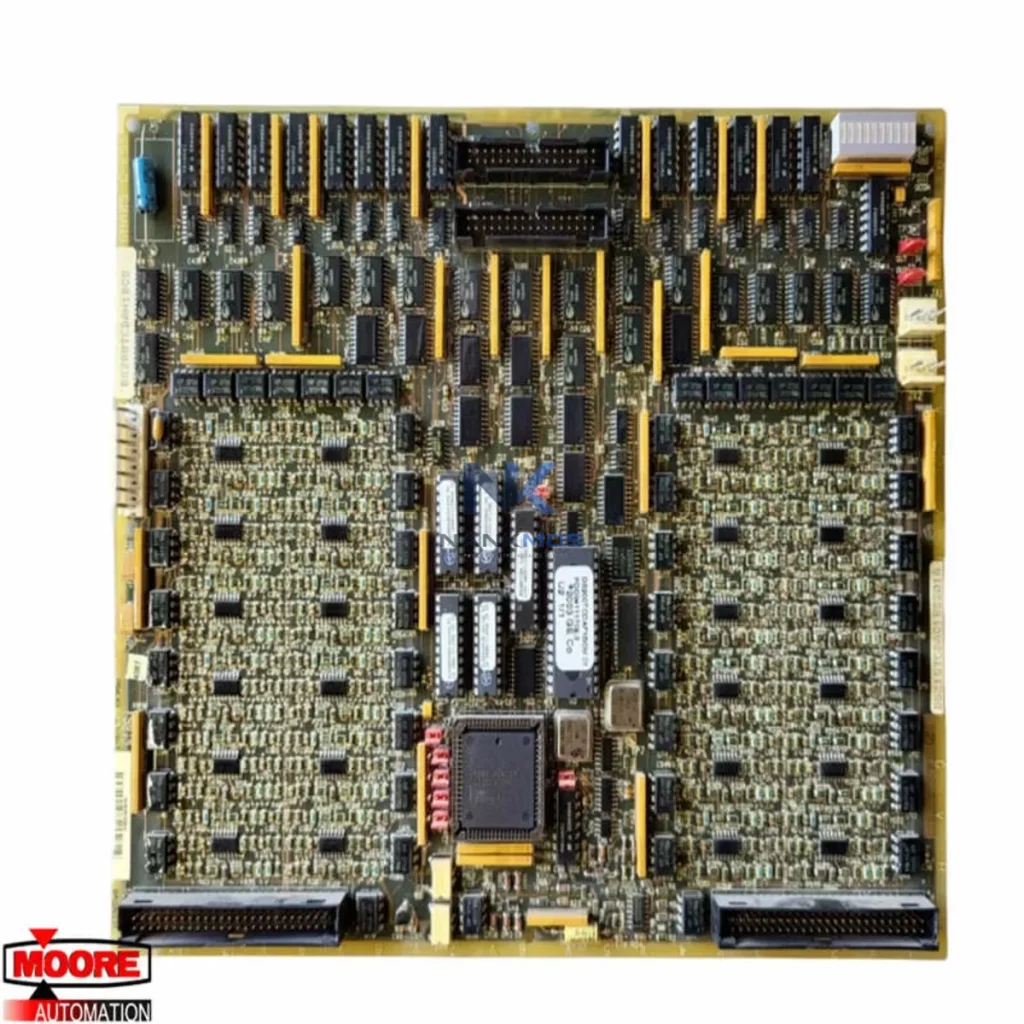
GE DS200TCDAH1BGD is a NANKMOS industrial automation product record Listed under Mark VI series and Business & Industrial > Automation, Control & Flow Devices. Confirm condition, availability, lead time, compatibility and documentation by email inquiry.
| Manufacturer | GE |
|---|---|
| Application | Industrial Network Communication |
| Part Number / Model | DS200TCDAH1BGD |
| Compatible System | Mark VI |
| Series | Mark VI |
| Condition Options | To Confirm |
| Module Type | Communication Module |
| Warranty | 12 Months |
| Packaging | Anti-static Bag / Secure Box |
| Shipping Methods | DHL / FedEx / UPS / Air / Sea |
| Availability | To Confirm |
| Lead Time | To Confirm |
| Documentation | Part number and revision checked before quote |
The GE DS200TCDAH1BGD is a high-performance communication interface board engineered for GE Mark VI turbine control systems, delivering seamless industrial data link connectivity across the full spectrum of smart factory architectures. Designed to bridge field-level devices with supervisory control layers, this board enables real-time data exchange between turbine controllers, distributed I/O modules, HMI terminals, SCADA platforms, and enterprise-level data historians. In an era where operational transparency and predictive maintenance define competitive advantage, the DS200TCDAH1BGD serves as the critical network node that transforms isolated control loops into a unified, data-driven automation ecosystem.
At its core, the DS200TCDAH1BGD facilitates protocol conversion and network translation within the GE Mark VI control architecture, allowing legacy serial communication signals to be mapped onto modern industrial Ethernet backbones. This capability is essential for facilities integrating older turbine assets with contemporary SCADA systems such as GE iFIX, Wonderware AVEVA, or Ignition-based platforms. The board supports the proprietary IONET and ARCNET communication protocols native to the Mark VI platform, while providing gateway-level compatibility with Modbus RTU, Modbus TCP/IP, and OPC-DA/UA data exchange standards — enabling plant-wide data aggregation without costly controller replacements.
Signal flow begins at the turbine's field instrumentation layer, where thermocouples, pressure transmitters, vibration sensors, and speed pickups feed raw process data into the Mark VI I/O pack assemblies. The DS200TCDAH1BGD receives this conditioned signal data from companion boards such as the DS200TCQAG1B analog input module and the DS200TCEAG1B thermocouple input board, consolidating multi-channel process variables into a structured data stream. This stream is then transmitted across the IONET ring network to the Mark VI controller rack, where the DS200TCDAH1BGD's communication logic ensures deterministic, low-latency delivery of critical turbine parameters — including exhaust temperature spreads, rotor speed, compressor discharge pressure, and fuel flow rates.
Within the control network, the DS200TCDAH1BGD interfaces directly with the Mark VI's primary controller boards, including the DS200TCDAG1A and DS200TCDAH1BEC variants, forming a redundant communication backbone that maintains data integrity even under single-point failure conditions. The board's dual-port network architecture supports TMR (Triple Modular Redundancy) configurations, where three independent controller channels cross-validate process data before issuing control outputs — a design philosophy that underpins the Mark VI's reputation for safety-critical reliability in gas turbine, steam turbine, and combined-cycle power generation applications.
For SCADA and HMI integration, the DS200TCDAH1BGD enables the Mark VI system to publish real-time turbine data to operator workstations running GE Toolbox, Cimplicity HMI, or third-party visualization platforms via OPC server middleware. Plant operators gain access to live trend displays, alarm annunciation panels, and historical data logging — all sourced from the DS200TCDAH1BGD's network communication layer. Remote diagnostic sessions can be initiated through the same communication pathway, allowing GE service engineers or in-house automation specialists to interrogate controller logic, review fault logs, and perform parameter adjustments without physical access to the turbine control cabinet.
In smart factory deployments where edge computing and IIoT connectivity are priorities, the DS200TCDAH1BGD's data output can be routed through industrial protocol gateways — such as the Moxa MGate series or Red Lion Data Station Plus — to publish turbine KPIs to cloud-based analytics platforms, MES systems, or digital twin environments. This integration path supports predictive maintenance algorithms that correlate vibration signatures, bearing temperatures, and efficiency metrics to forecast maintenance intervals, reducing unplanned downtime and extending turbine service life. The board's network communication layer also supports integration with industrial switches such as the Hirschmann RS20 or SCALANCE X series, ensuring managed, VLAN-segmented network traffic between the turbine control domain and the plant IT backbone.
The DS200TCDAH1BGD sits at the intersection of field instrumentation and supervisory control, orchestrating data flow across every layer of the smart factory hierarchy. At the field level, process sensors — including thermocouple arrays wired through the DS200TCEAG1B thermocouple input board and 4–20 mA transmitters connected via the DS200TCQAG1B analog input module — continuously feed measured variables into the Mark VI I/O pack network. The DS200TCDAH1BGD collects this multi-channel process data and routes it with deterministic timing across the IONET ring to the Mark VI controller rack, where the DS200TCDAG1A controller board executes turbine protection logic and closed-loop control algorithms.
At the control network layer, the DS200TCDAH1BGD's dual-port IONET interface maintains synchronised communication between the Mark VI's three redundant controller channels, enabling the TMR voting logic to cross-validate sensor readings and control outputs in real time. This redundant data path ensures that a single communication fault — whether caused by a failed network node, a damaged cable, or electromagnetic interference from nearby variable frequency drives or motor starters — does not interrupt turbine control or data acquisition. The board's ARCNET communication layer further supports peer-to-peer data exchange between multiple Mark VI racks in multi-unit power plant configurations, allowing a centralised SCADA system to aggregate turbine data from multiple generating units through a single network interface.
At the supervisory layer, the DS200TCDAH1BGD's OPC-compatible data output feeds GE Cimplicity HMI workstations and plant historians, enabling operators to monitor exhaust temperature spreads, rotor vibration levels, fuel consumption rates, and efficiency metrics on real-time trend displays. Alarm events generated by the Mark VI controller — including over-temperature trips, overspeed relays, and combustion instability warnings — are transmitted through the DS200TCDAH1BGD's communication layer to the SCADA alarm management system, where they are logged with millisecond-resolution timestamps for post-event analysis and regulatory reporting. For facilities deploying edge computing infrastructure, the board's Modbus TCP/IP output can be polled by industrial IoT gateways, enabling turbine KPI data to be published to cloud analytics platforms for fleet-wide performance benchmarking and predictive maintenance modelling.
Many power generation and industrial facilities operating GE Mark VI turbine control systems face persistent data connectivity challenges that limit operational visibility and increase maintenance costs. The DS200TCDAH1BGD directly addresses these challenges across several critical dimensions.
Protocol Fragmentation: Older turbine control installations often rely on proprietary ARCNET or RS-485 serial communication that cannot be directly integrated with modern Modbus TCP/IP or OPC-UA-based SCADA platforms. The DS200TCDAH1BGD's multi-protocol communication architecture bridges this gap, enabling legacy Mark VI systems to publish process data to contemporary supervisory platforms without controller replacement or costly communication gateway hardware.
Data Silos and Production Transparency: In multi-unit power plants or industrial compressor stations, turbine data is frequently isolated within individual controller racks, preventing plant-wide performance comparison and centralised alarm management. The DS200TCDAH1BGD's IONET ring network architecture enables multi-rack data aggregation, giving SCADA operators a unified view of all turbine units from a single HMI workstation.
Remote Monitoring and Diagnostics: Unplanned turbine trips in remote or offshore installations generate significant operational costs when on-site engineering response is required. The DS200TCDAH1BGD's network communication layer supports remote diagnostic sessions via GE Toolbox software, allowing engineers to review fault logs, interrogate controller logic, and perform parameter adjustments from a remote workstation — reducing mean time to repair and minimising production losses.
Alarm Tracking and System Expansion: As plant automation systems evolve, the need to add new I/O points, integrate additional sensor types, or expand the SCADA alarm database requires a communication infrastructure that can scale without disrupting existing control logic. The DS200TCDAH1BGD's modular position within the Mark VI communication architecture supports incremental system expansion, allowing new I/O pack assemblies and communication nodes to be added to the IONET ring without reconfiguring the existing network topology.
Q1: What communication protocols does the GE DS200TCDAH1BGD support, and is it compatible with third-party SCADA systems? The DS200TCDAH1BGD supports IONET, ARCNET, Modbus RTU, Modbus TCP/IP, and OPC-DA/UA protocols. It is compatible with GE Cimplicity, GE iFIX, Wonderware AVEVA, Ignition, and any OPC-compliant SCADA or HMI platform. Third-party integration typically requires an OPC server middleware layer or a Modbus TCP/IP polling configuration on the SCADA side.
Q2: How does the DS200TCDAH1BGD maintain network stability in TMR redundant configurations? In TMR (Triple Modular Redundancy) configurations, the DS200TCDAH1BGD maintains three independent IONET communication channels that continuously cross-validate process data. If one channel experiences a communication fault, the remaining two channels sustain control and data acquisition without interruption. The board's dual-port IONET interface supports automatic failover, ensuring deterministic data delivery even under single-point network failure conditions.
Q3: Can the DS200TCDAH1BGD be used for remote diagnostics, and what tools are required? Yes. Remote diagnostic sessions can be conducted via GE Toolbox software connected to the Mark VI system through the DS200TCDAH1BGD's network communication layer. Engineers can review fault logs, monitor real-time process variables, adjust control parameters, and perform I/O calibration checks from a remote workstation. A secure network connection to the turbine control LAN is required, typically implemented via a VPN gateway or dedicated remote access server.
Q4: What warranty and pre-shipment testing does the DS200TCDAH1BGD include? Every DS200TCDAH1BGD supplied by NANKMOS is covered by a 12-Month Warranty against manufacturing defects and functional failures. Each unit undergoes pre-shipment functional testing to verify communication interface integrity, network port operation, and board-level power supply performance. Units are shipped in anti-static packaging with full traceability documentation. In-stock units are available for immediate dispatch with standard lead times of 3–7 business days for international shipments.
Functional Inspection100% tested on professional platforms to ensure stable performance.
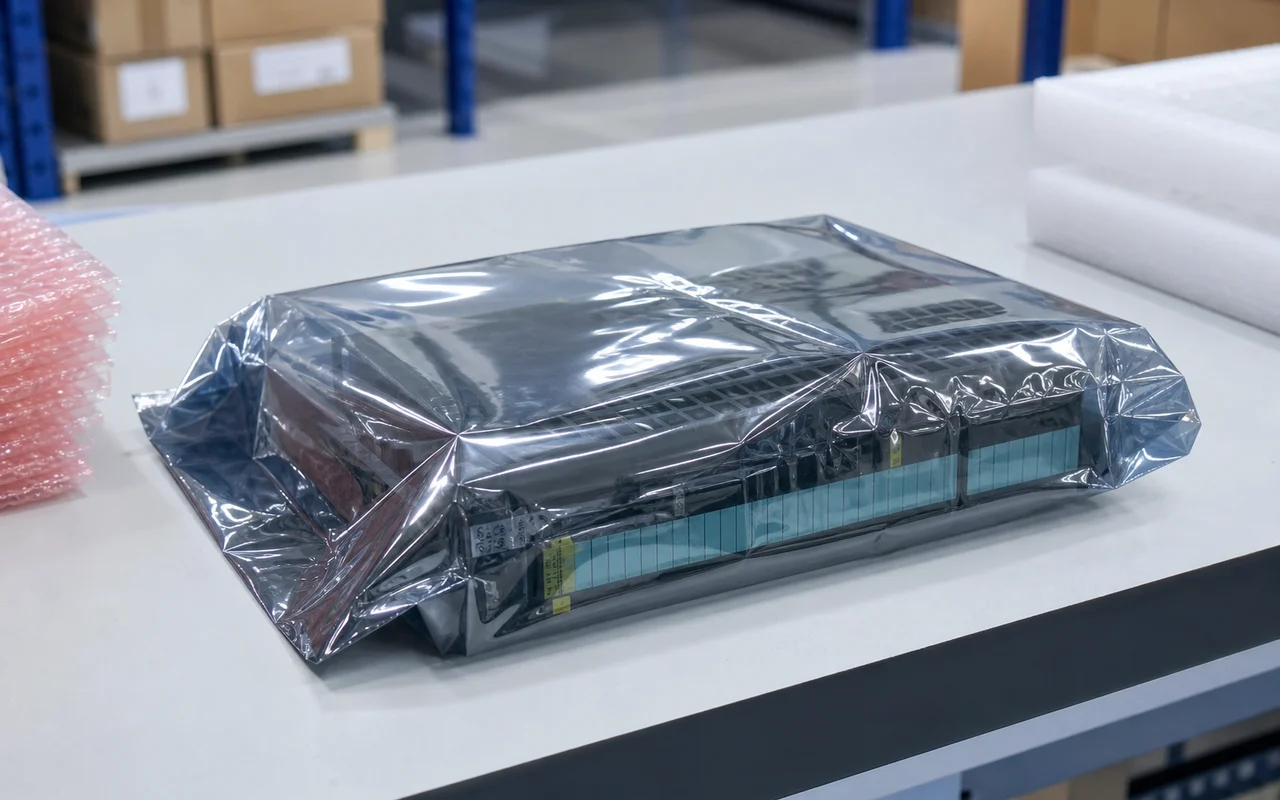 Anti-static Packaging
Modules are packed in anti-static bags to prevent electrostatic damage.
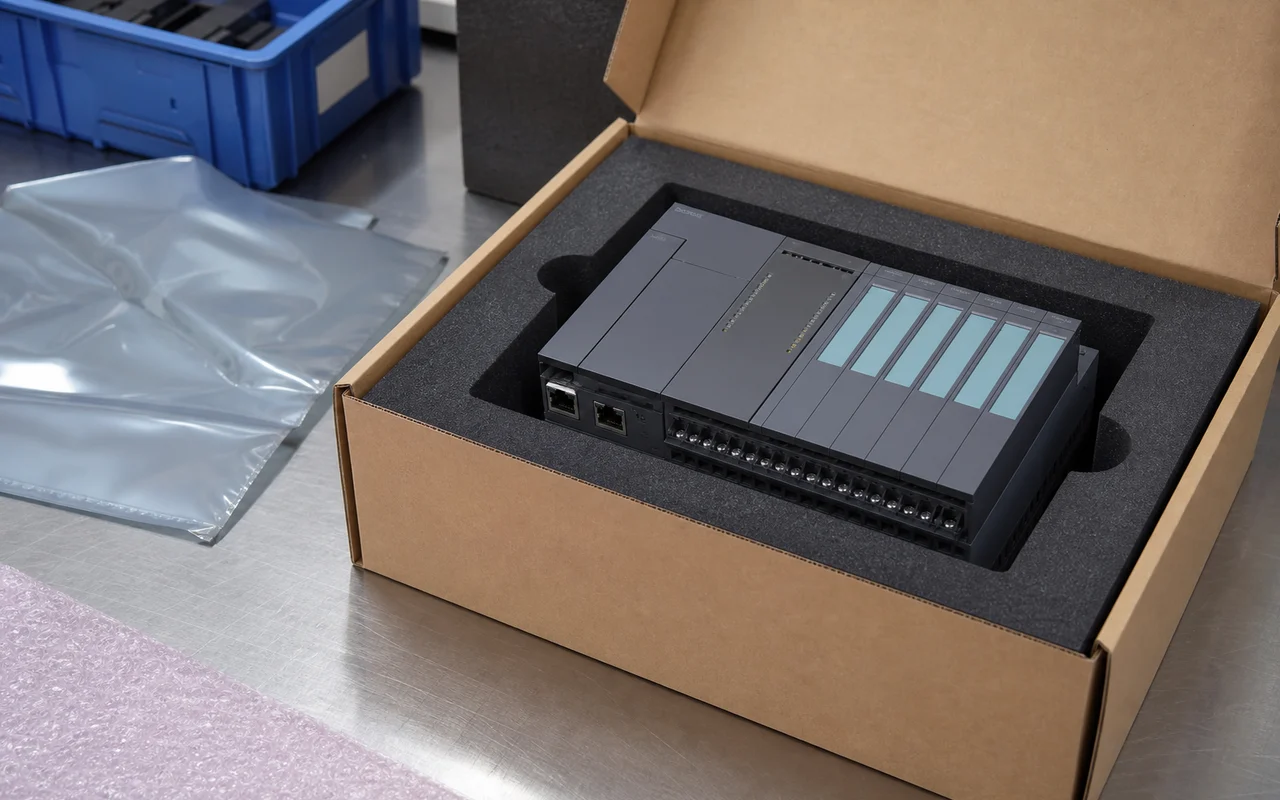 Secure Export Packing
Cushion protection and strong cartons ensure safe transportation.
 Worldwide Shipping
Global logistics network supports air, sea and express delivery.
 Documentation Check
Part number, revision and compatibility verified before shipment.
 After-sales Support
Professional technical support to help resolve your issues.