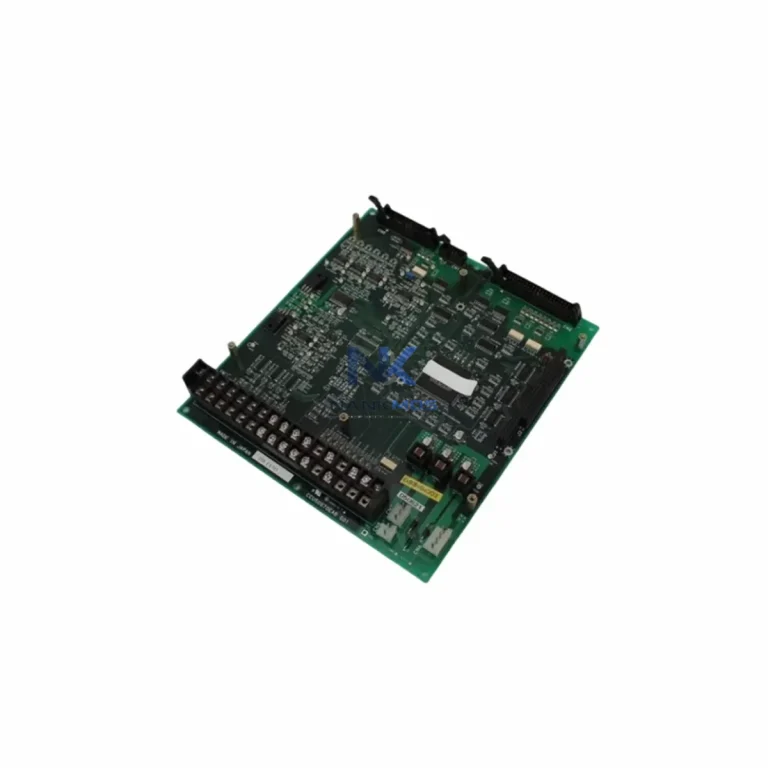
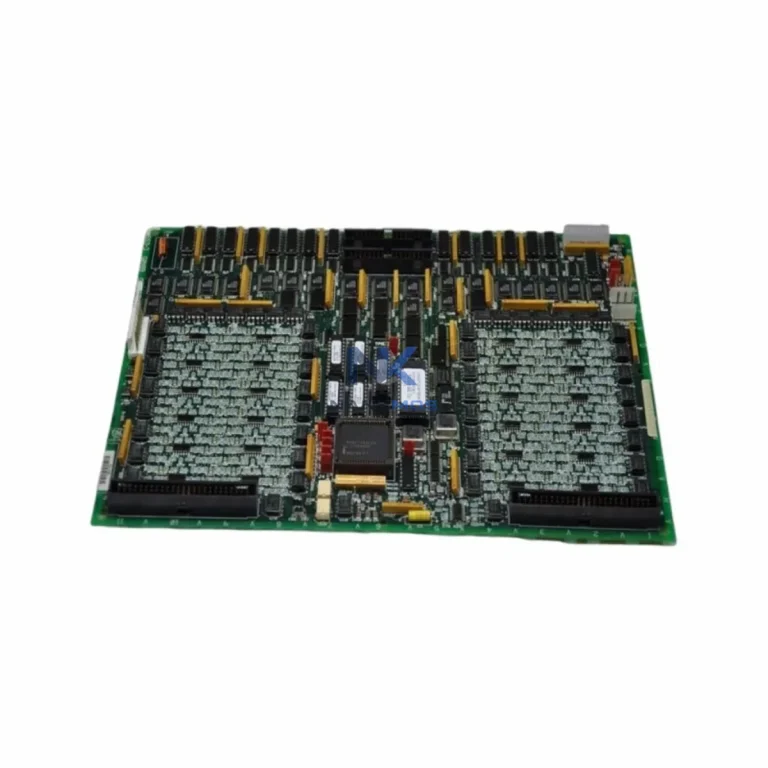
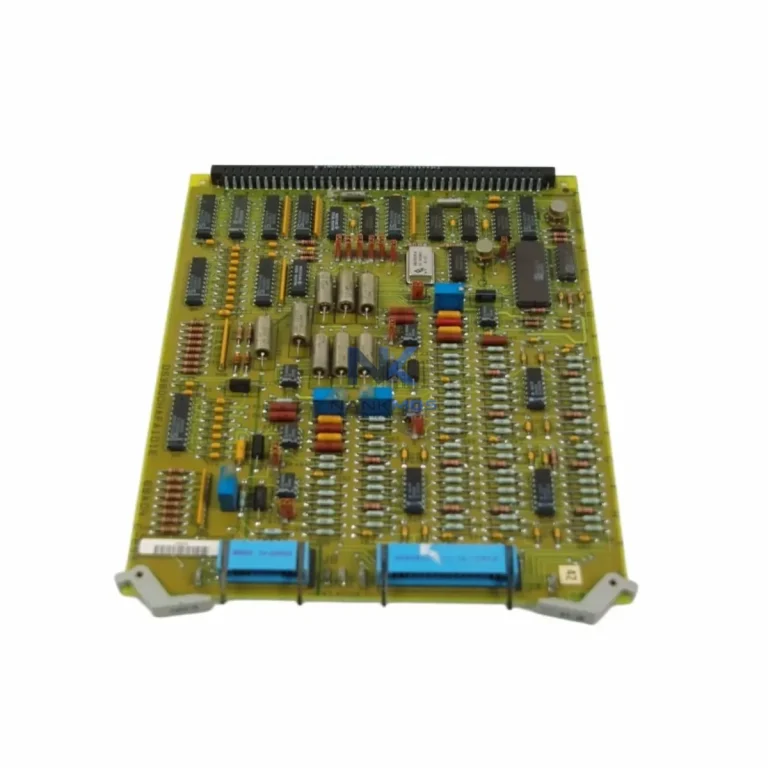
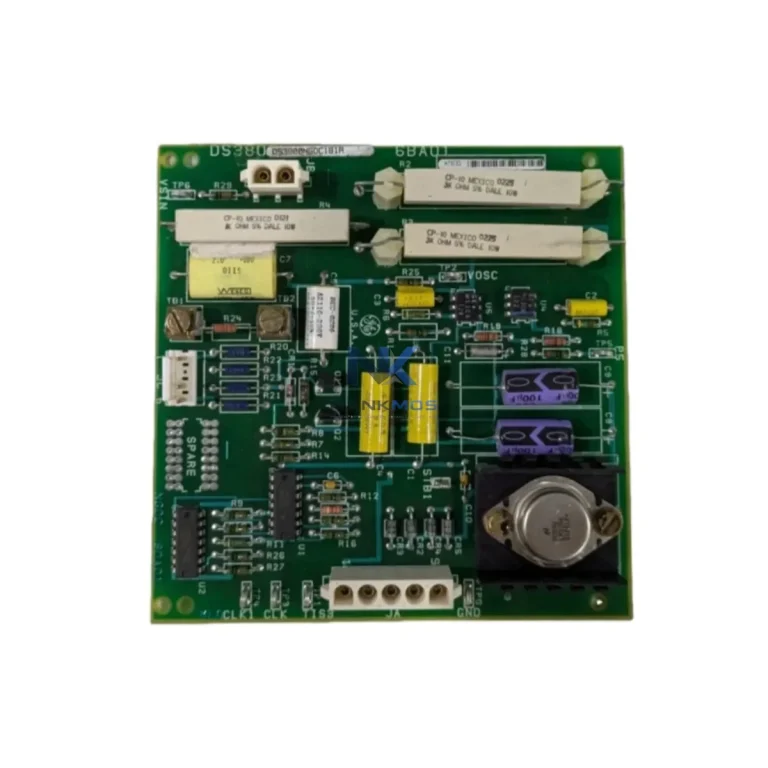
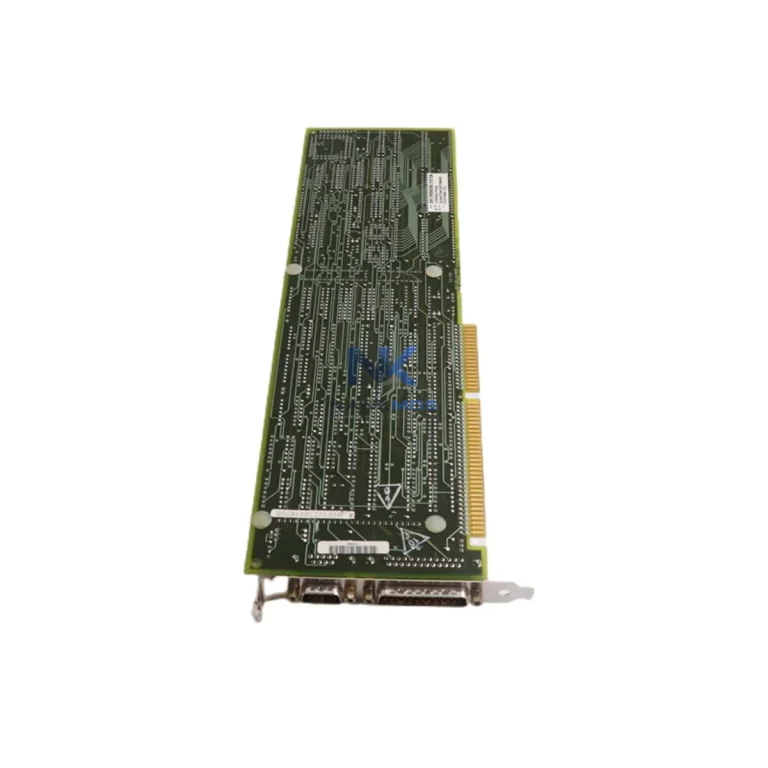
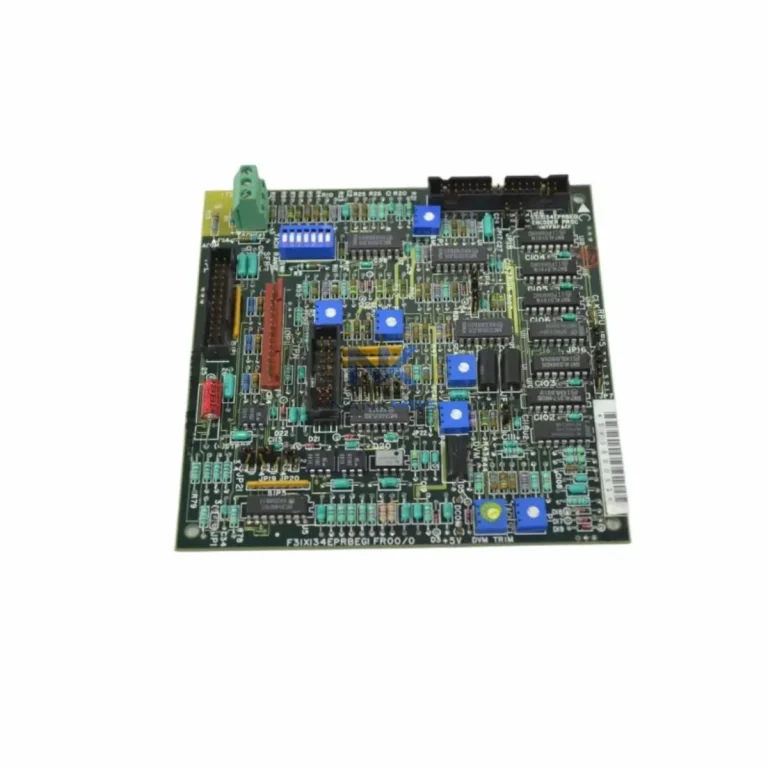
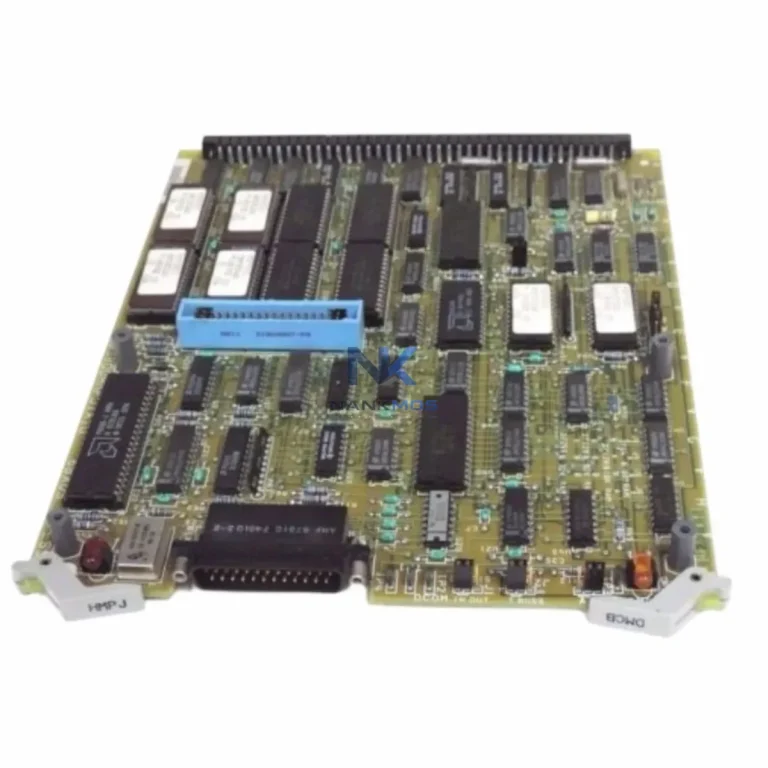
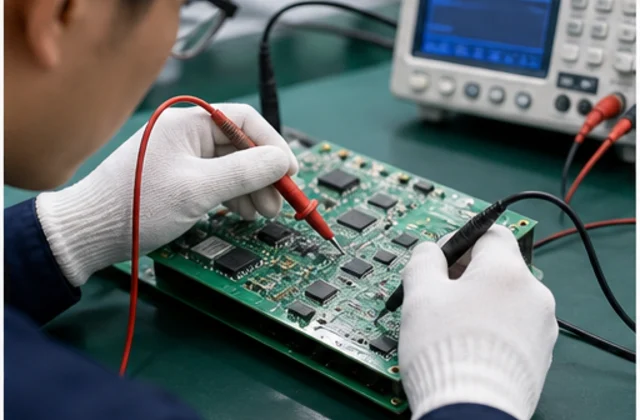
 Functional Inspection
100% tested on professional platforms to ensure stable performance.
GE DS200TCTGG1AFF is a NANKMOS industrial automation product record Listed under Mark V series and Business & Industrial > Automation, Control & Flow Devices. Confirm condition, availability, lead time, compatibility and documentation by email inquiry.
Brand names are used for identification only.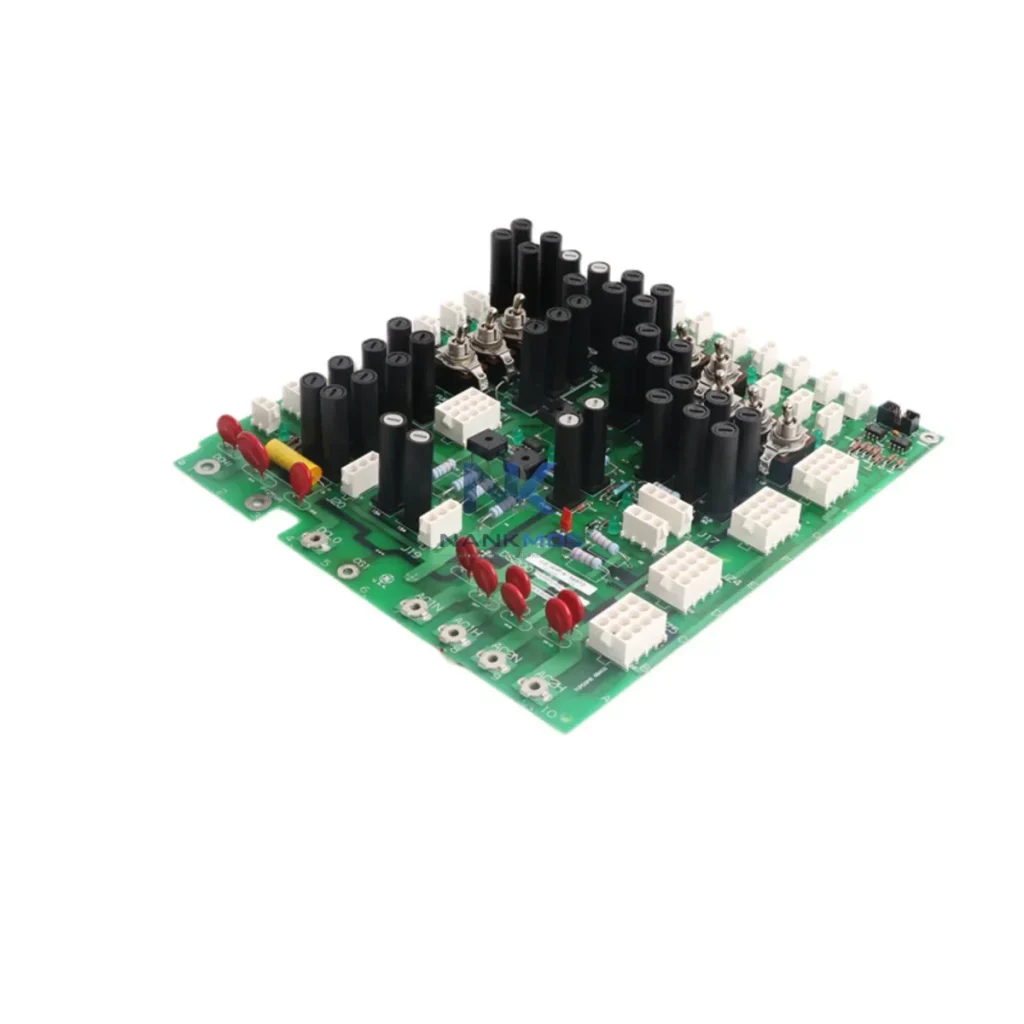
GE DS200TCTGG1AFF is a NANKMOS industrial automation product record Listed under Mark V series and Business & Industrial > Automation, Control & Flow Devices. Confirm condition, availability, lead time, compatibility and documentation by email inquiry.
| Manufacturer | GE |
|---|---|
| Application | Turbine & Condition Monitoring |
| Part Number / Model | DS200TCTGG1AFF |
| Compatible System | Mark V |
| Series | Mark V |
| Condition Options | To Confirm |
| Module Type | Monitoring Module |
| Warranty | 12 Months |
| Packaging | Anti-static Bag / Secure Box |
| Shipping Methods | DHL / FedEx / UPS / Air / Sea |
| Availability | To Confirm |
| Lead Time | To Confirm |
| Documentation | Part number and revision checked before quote |
The GE DS200TCTGG1AFF is a high-performance turbine control board engineered for the GE Mark V Turbine Control System — one of the most widely deployed gas and steam turbine management platforms in industrial power generation and process manufacturing. Designed to govern turbine sequencing, speed regulation, and protective shutdown logic, the DS200TCTGG1AFF plays a central role in energy-aware production environments where load stability, thermal efficiency, and uptime directly determine operating costs.
In modern smart production lines, turbine control hardware is no longer evaluated solely on reliability — it is evaluated on its contribution to energy optimization. The DS200TCTGG1AFF delivers precisely that: deterministic control response, low-latency signal processing, and tight integration with upstream and downstream automation layers that together reduce unnecessary energy consumption, minimize thermal loading, and extend equipment service intervals.
Every unit supplied by NANKMOS is sourced from verified inventory, subjected to functional bench testing prior to dispatch, and backed by a 12-month warranty — ensuring that your replacement or expansion project proceeds without procurement risk.
The DS200TCTGG1AFF does not operate in isolation — its energy control value is realized through tight integration with the broader automation ecosystem. Within a GE Mark V cabinet, it communicates directly with companion boards such as the DS200TCQAG1BHF (I/O terminal board) and the DS200SDCCG1AFB (speed and dynamics control card), forming a coordinated control layer that governs fuel valve positioning, inlet guide vane actuation, and load ramp rates with millisecond precision.
At the drive level, the DS200TCTGG1AFF interfaces with variable frequency drives (VFDs) and soft-starter systems managing auxiliary motors — including lube oil pumps, cooling fans, and fuel gas compressors. By delivering accurate speed reference signals and trip commands, it prevents drive over-current events that would otherwise spike energy demand and generate excess heat. Integration with GE Mark V IONET communication modules enables real-time data exchange with plant-level SCADA systems, allowing energy managers to monitor turbine heat rate, exhaust temperature profiles, and fuel consumption trends from a centralized dashboard.
On the sensor side, the board processes inputs from magnetic speed pickups, thermocouples, and pressure transmitters — feeding validated process values into the Mark V's control algorithms. This closed-loop feedback eliminates the energy penalties associated with open-loop or manual control: turbines run closer to their optimal operating point, fuel-to-power conversion efficiency improves, and unnecessary load cycling is suppressed. When paired with a GE Mark V HMI workstation running Cimplicity or a third-party SCADA platform, operators gain the visibility needed to implement demand-response strategies and shift non-critical loads away from peak tariff windows.
For facilities running mixed automation architectures, the DS200TCTGG1AFF's PROFIBUS and Modbus-compatible communication path allows it to report turbine status to Siemens S7-series PLCs, ABB AC500 controllers, or Rockwell Automation ControlLogix platforms acting as plant-wide energy management hubs. Power monitoring modules — such as dedicated power quality analyzers installed on the turbine generator bus — can correlate DS200TCTGG1AFF control actions with real-time kWh consumption data, enabling granular energy accounting at the asset level.
In combined-cycle and cogeneration facilities, the DS200TCTGG1AFF directly influences the energy balance of the entire production line. Its governor control logic maintains turbine speed within a tight band, preventing the frequency deviations that force downstream motor drives to draw compensatory reactive power — a hidden source of energy waste that inflates apparent power demand and increases transformer loading.
Precise trip logic reduces the frequency and severity of emergency shutdowns. Each unplanned turbine trip carries a significant energy cost: the restart sequence consumes fuel during purge cycles, the turbine must be brought back through its acceleration curve, and auxiliary systems run at elevated power draw during the warm-up phase. By maintaining protective functions with high reliability and low nuisance-trip rates, the DS200TCTGG1AFF minimizes these energy-intensive restart events and keeps the production line running at its designed throughput rate.
Thermal load management is another dimension where the board contributes to efficiency. The Mark V's exhaust temperature control algorithms — executed in part through the DS200TCTGG1AFF — prevent turbine over-firing, which not only wastes fuel but accelerates hot-section component degradation. Maintaining exhaust temperatures within the optimal isotherm extends combustion liner and transition piece service life, reducing the frequency of maintenance outages that interrupt production and consume energy in restart sequences.
From a predictive maintenance perspective, the continuous signal monitoring capability of the DS200TCTGG1AFF provides the raw data needed for condition-based maintenance programs. Vibration trends, exhaust spread values, and speed pickup signal quality can be logged and analyzed to identify developing faults before they cause forced outages — shifting maintenance from reactive (high energy cost, high production loss) to predictive (scheduled, minimal disruption).
NANKMOS maintains ready stock of the DS200TCTGG1AFF to support urgent replacement requirements. Units are dispatched following functional verification testing, with documentation confirming test results. The 12-month warranty covers manufacturing defects and functional failures, providing procurement teams with the confidence to specify NANKMOS-supplied components in critical turbine control upgrade and maintenance projects.
Q1: How does the DS200TCTGG1AFF contribute to measurable energy savings in a gas turbine plant? By maintaining precise governor control and minimizing nuisance trips, the DS200TCTGG1AFF keeps the turbine operating at its optimal heat rate point. Reduced trip frequency lowers fuel consumption during restart purge cycles, and accurate load control prevents the reactive power penalties associated with speed deviations. Plants with high-cycle operation typically see meaningful reductions in fuel consumption per MWh generated after replacing degraded control boards.
Q2: Is the DS200TCTGG1AFF compatible with upgraded Mark VI or third-party DCS platforms? The DS200TCTGG1AFF is natively designed for the GE Mark V architecture. With appropriate interface modules and signal conditioning, it can exchange data with Mark VI systems and third-party DCS/SCADA platforms via Modbus RTU or PROFIBUS DP. For full Mark VI migration projects, GE-certified replacement boards for the Mark VI platform are recommended; NANKMOS can advise on the appropriate upgrade path based on your control system revision.
Q3: What is the testing and verification process before shipment? Each DS200TCTGG1AFF unit undergoes functional bench testing prior to dispatch. Testing covers power supply rail verification, I/O channel continuity, communication interface integrity, and logic execution checks. A test report is available upon request. Units are packaged in anti-static, shock-protected materials to prevent transit damage.
Q4: What does the 12-month warranty cover, and what is the replacement process? The 12-month warranty covers manufacturing defects and functional failures under normal operating conditions. If a warranted unit fails within the coverage period, NANKMOS will provide a replacement unit subject to fault verification. Warranty claims are processed through [email protected]. Lead time for warranty replacements is minimized by NANKMOS's in-stock inventory policy — replacement units are typically available for immediate dispatch.
Functional Inspection100% tested on professional platforms to ensure stable performance.
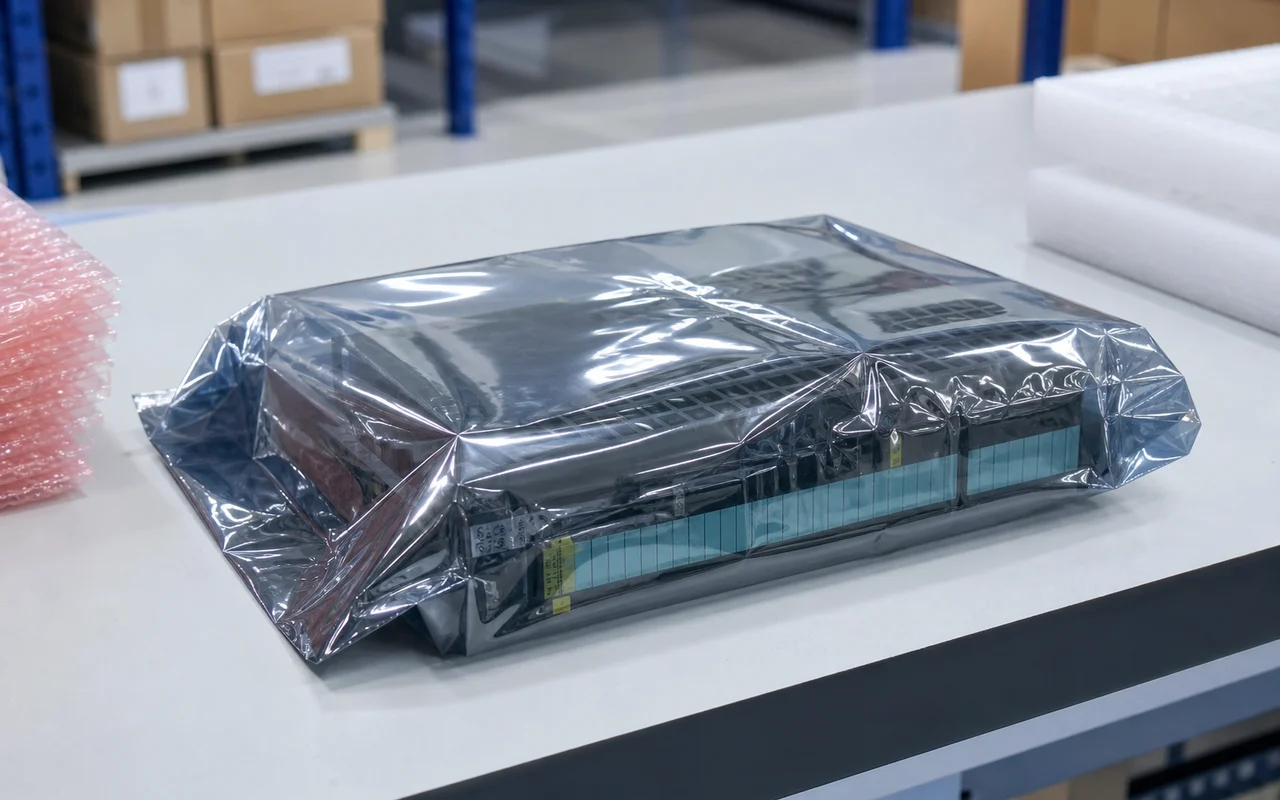 Anti-static Packaging
Modules are packed in anti-static bags to prevent electrostatic damage.
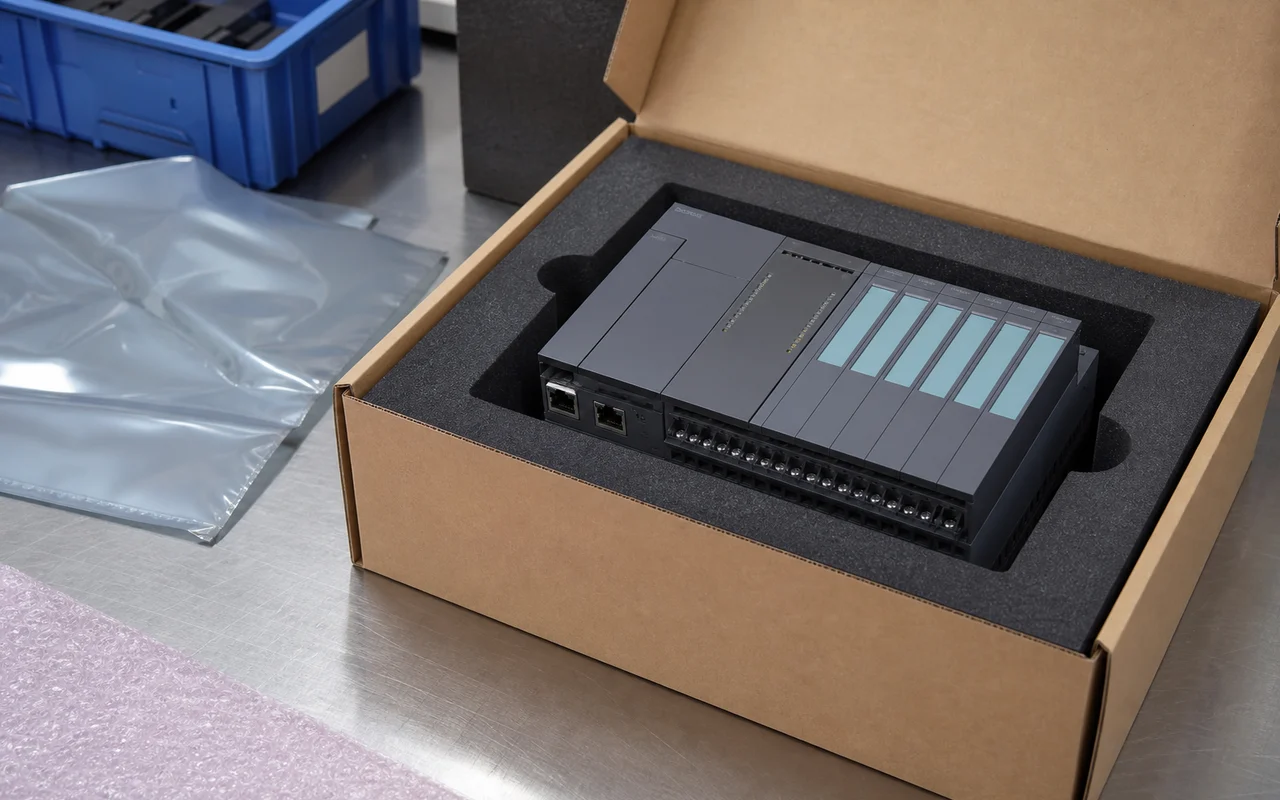 Secure Export Packing
Cushion protection and strong cartons ensure safe transportation.
 Worldwide Shipping
Global logistics network supports air, sea and express delivery.
 Documentation Check
Part number, revision and compatibility verified before shipment.
 After-sales Support
Professional technical support to help resolve your issues.