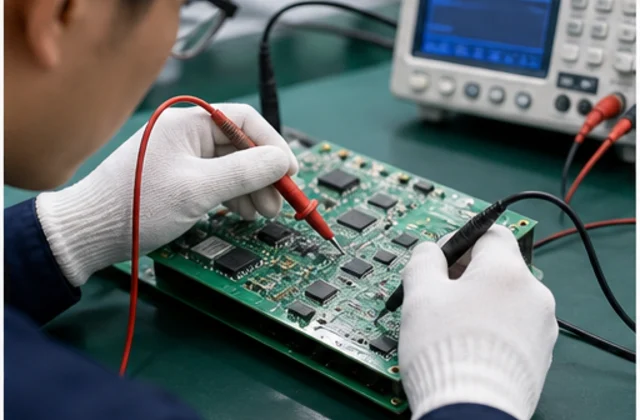
 Functional Inspection
100% tested on professional platforms to ensure stable performance.
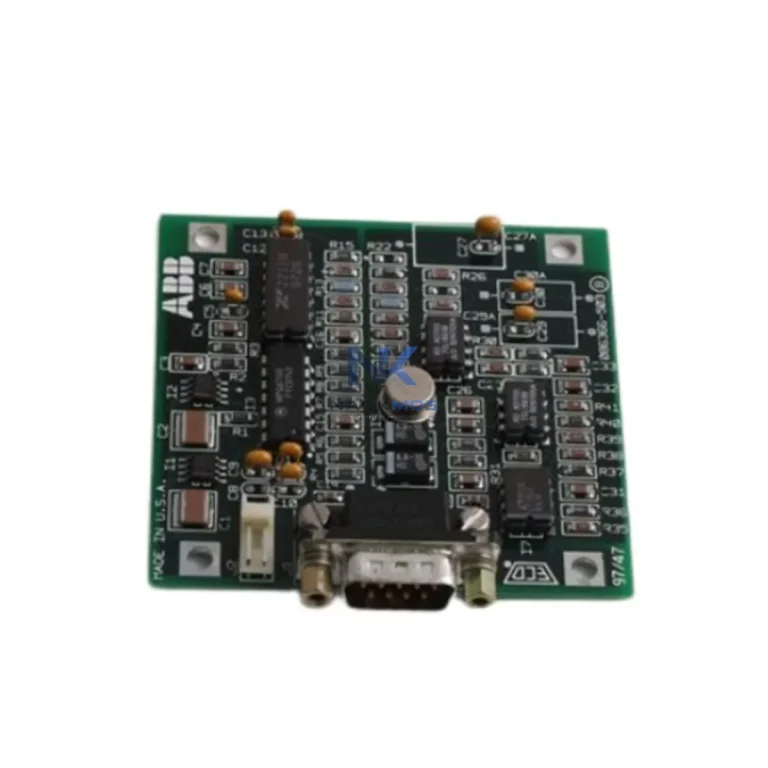
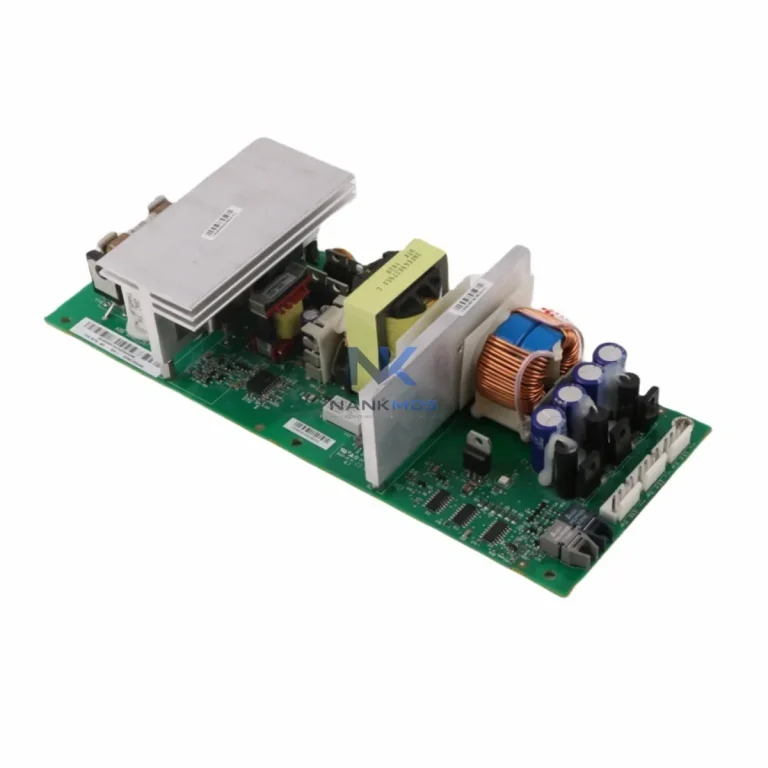
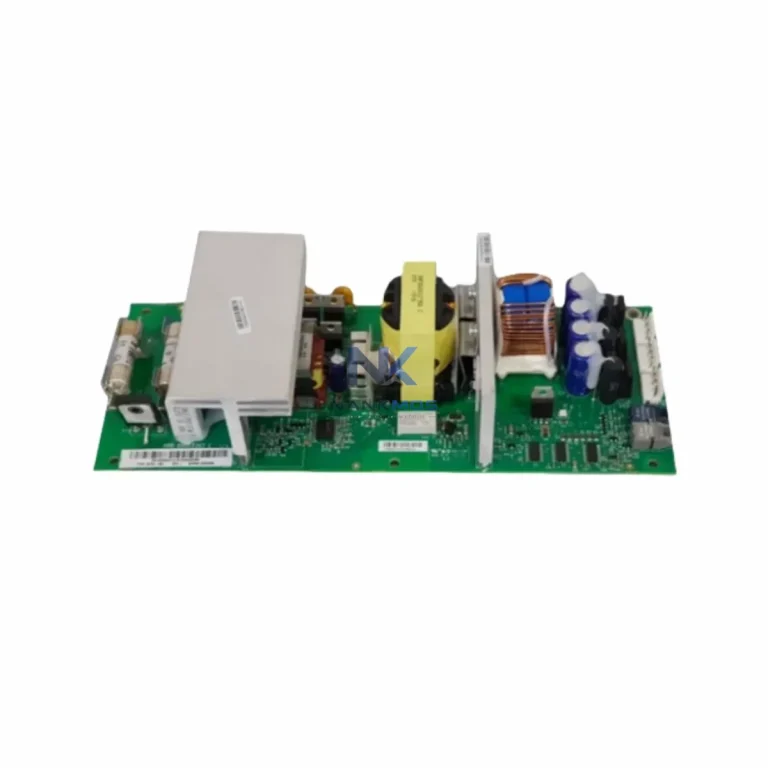
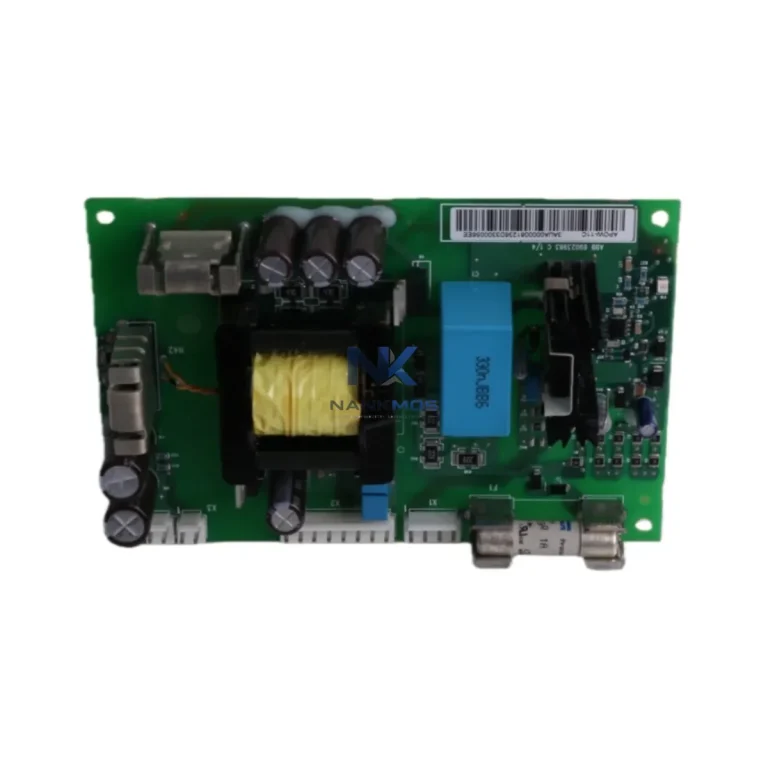
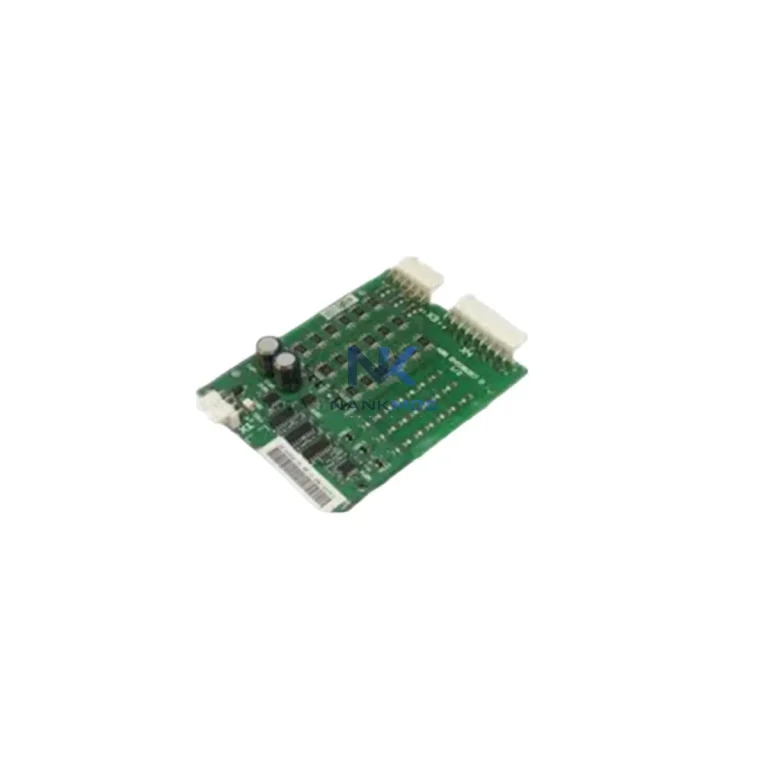
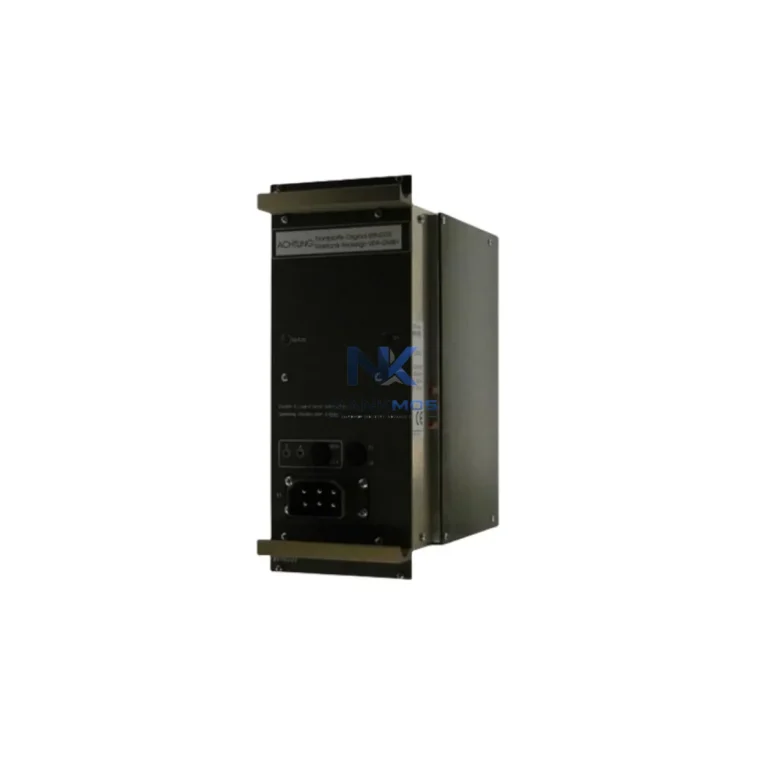
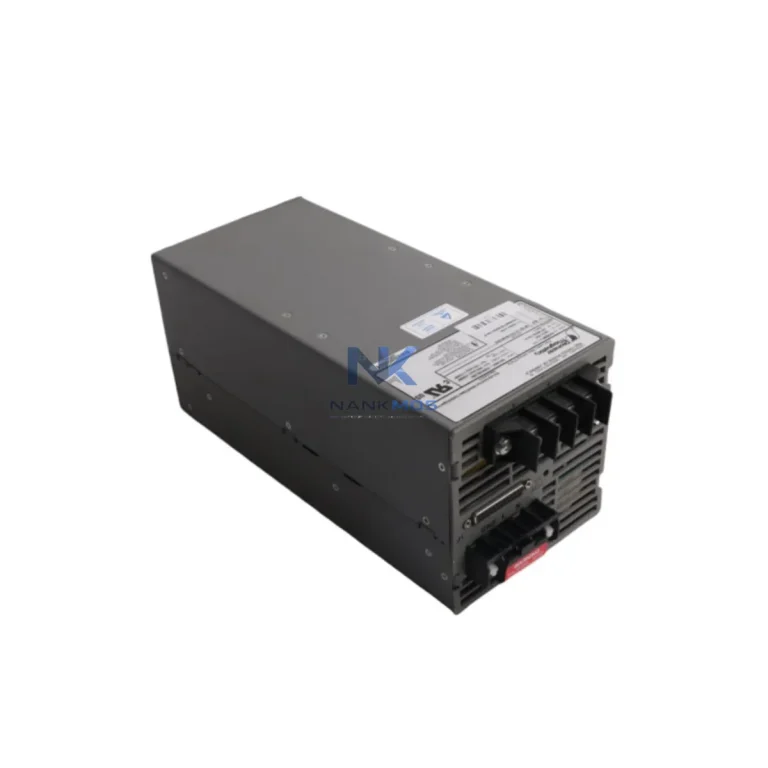
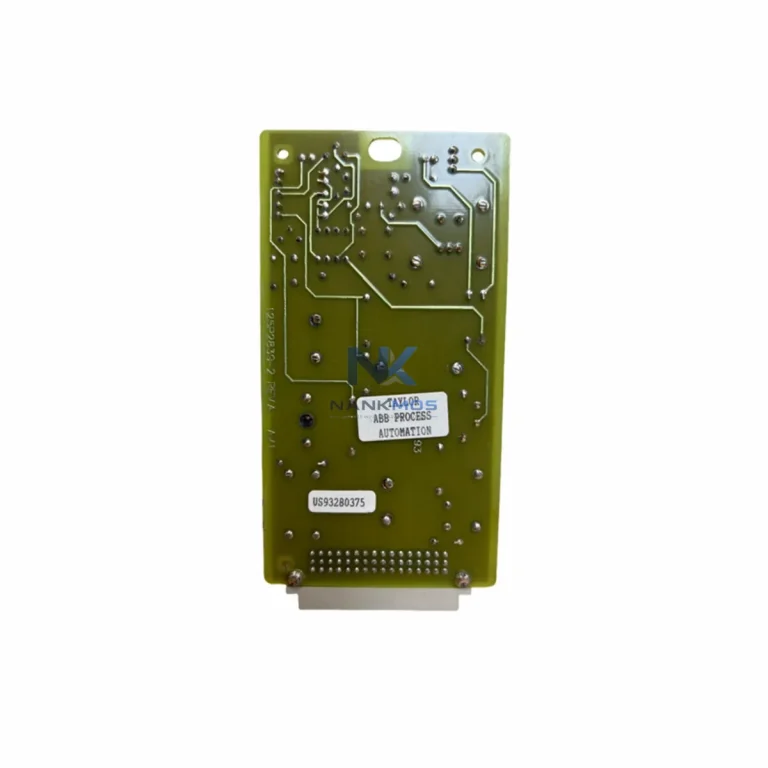
ABB 3HNA021587-001/03 3HAC025562-001-06 DSQC508 3HAC5393-2 is a NANKMOS industrial automation product record Listed under IRC5 series and Power Supplies. Confirm condition, availability, lead time, compatibility and documentation by email inquiry.
Brand names are used for identification only.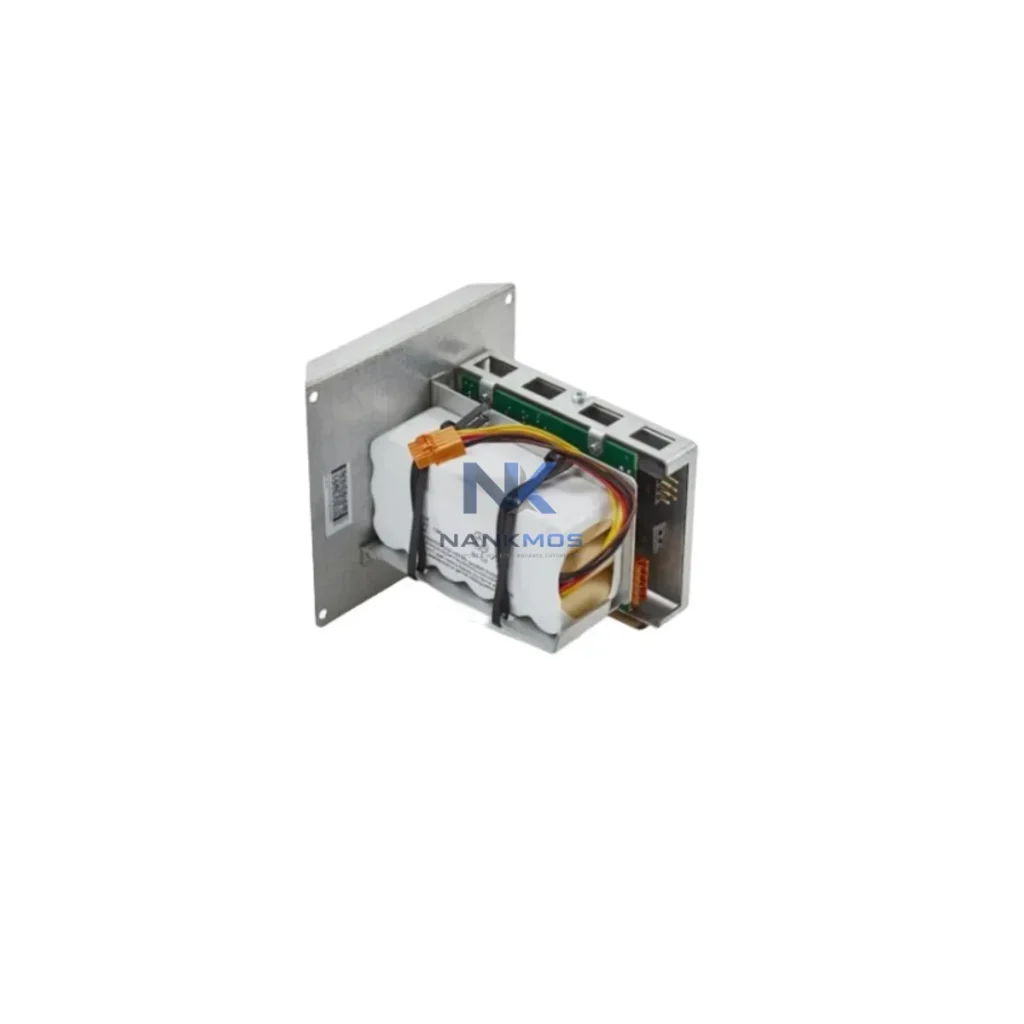
ABB 3HNA021587-001/03 3HAC025562-001-06 DSQC508 3HAC5393-2 is a NANKMOS industrial automation product record Listed under IRC5 series and Power Supplies. Confirm condition, availability, lead time, compatibility and documentation by email inquiry.
| Manufacturer | ABB |
|---|---|
| Application | Control System Power Support |
| Part Number / Model | 3HNA021587-001/03 3HAC025562-001-06 DSQC508 3HAC5393-2 |
| Compatible System | IRC5 |
| Series | IRC5 |
| Condition Options | To Confirm |
| Module Type | Power Supply Module |
| Warranty | 12 Months |
| Packaging | Anti-static Bag / Secure Box |
| Shipping Methods | DHL / FedEx / UPS / Air / Sea |
| Availability | To Confirm |
| Lead Time | To Confirm |
| Documentation | Part number and revision checked before quote |
The ABB DSQC508 (part number 3HNA021587-001, also cross-referenced as 3HAC025562-001 and 3HAC5393-2) is a precision-engineered battery backup unit designed for the ABB IRC5 robot controller platform. In modern smart manufacturing environments where uninterrupted power continuity directly impacts production throughput and energy efficiency, the DSQC508 plays a critical role in maintaining controller memory integrity, preserving program states, and enabling controlled shutdown sequences that prevent data loss and reduce recovery energy costs. This unit is an essential component for any facility operating ABB IRB series industrial robots in energy-sensitive, high-utilization production lines.
In a fully integrated smart factory, the DSQC508 battery unit does not operate in isolation — it functions as a critical node within a broader power-aware automation architecture. When the ABB IRC5 controller experiences a power interruption, the DSQC508 immediately supplies backup voltage to the controller's DSQC400 main computer board, ensuring that active program variables, axis positions, and I/O states are preserved without requiring a full cold restart. This directly reduces the energy overhead associated with re-homing sequences and system re-initialization.
Within the IRC5 cabinet, the DSQC508 works in close coordination with the DSQC609 power distribution board, which manages voltage routing across the controller's internal subsystems. The DSQC609 ensures that backup power from the DSQC508 is correctly distributed to memory-critical circuits while isolating non-essential loads. Alongside the DSQC652 fieldbus adapter — commonly used for PROFIBUS or DeviceNet communication — the battery unit ensures that communication state tables are retained during brief outages, preventing costly re-synchronization cycles with upstream PLCs such as the Siemens S7-300 or Allen-Bradley ControlLogix platforms.
For facilities using servo drive systems, the DSQC508 supports the IRC5's ability to execute a controlled deceleration and park sequence for ABB servo motors driven by the DSQC627 drive unit. Rather than allowing an abrupt stop that could cause mechanical stress and require recalibration energy, the battery-backed shutdown allows the drive system to complete its deceleration ramp gracefully. This is particularly valuable in high-inertia applications such as heavy payload handling or precision assembly lines where axis recalibration consumes significant time and power.
Integration with HMI systems — such as the ABB FlexPendant or third-party SCADA terminals connected via the DSQC668 Ethernet switch module — also benefits from the DSQC508's backup capability. Operator interface sessions remain active during momentary power dips, eliminating the need for operators to re-authenticate and reload production recipes, which contributes to measurable reductions in idle energy consumption at the HMI and controller level.
From a production line energy management perspective, the DSQC508 addresses one of the most overlooked sources of energy waste in robotic automation: unplanned restart cycles. Each cold restart of an IRC5 controller involves re-energizing the DSQC601 I/O unit cluster, re-establishing fieldbus communication with connected sensors and actuators, and executing full axis calibration sequences — all of which draw peak current loads that stress both the facility's power infrastructure and the robot's internal power supply, the DSQC662.
By maintaining controller state through power interruptions, the DSQC508 enables warm-restart capability, which can reduce restart energy consumption by 40–60% compared to a full cold-boot sequence. In multi-robot cells where several IRC5 controllers operate in synchronized production beats, this energy saving compounds significantly across the line. Facilities running three-shift operations with frequent micro-outages — common in regions with unstable grid supply — report measurable reductions in monthly energy consumption after ensuring all IRC5 units are equipped with functional DSQC508 battery units.
Beyond energy savings, the DSQC508 contributes to predictive maintenance strategies. A degraded or failed battery unit is one of the leading causes of unexplained IRC5 controller faults and memory corruption events. By maintaining a healthy DSQC508 in service, maintenance teams can eliminate this failure mode from their diagnostic matrix, reducing mean time to repair (MTTR) and avoiding the energy and labor costs associated with full controller re-commissioning. Proactive replacement of the DSQC508 on a scheduled cycle — typically every 3–5 years depending on operating temperature and cycle frequency — is a low-cost intervention that protects significantly more expensive assets including the DSQC400 main computer and the overall IRC5 cabinet investment.
For energy management systems (EMS) integrated with SCADA platforms monitoring robot cell power consumption, a stable DSQC508 ensures that the IRC5 controller's power draw profile remains predictable and within modeled parameters. Anomalous power spikes caused by repeated cold restarts can trigger false alarms in power monitoring modules and complicate load balancing across the facility's distribution network. Maintaining battery backup integrity is therefore not only a robot reliability measure but a facility-level energy quality improvement.
Q1: How does the DSQC508 contribute to energy savings in an IRC5 robot cell?The DSQC508 enables warm-restart capability after power interruptions, eliminating the high-current cold-boot sequence that re-energizes all controller subsystems from zero. This reduces peak energy demand during restarts and lowers the cumulative energy cost of unplanned outages across multi-robot production lines.
Q2: Is the DSQC508 compatible with all IRC5 cabinet variants?Yes. The DSQC508 is compatible with the standard IRC5 single cabinet and IRC5 dual cabinet configurations. It is also applicable to IRC5 Compact variants where the battery backup slot is present. Compatibility with S4C+ platforms should be verified against the specific controller revision before ordering.
Q3: What is the recommended replacement interval and how is the unit tested before shipment?We recommend replacing the DSQC508 every 3–5 years under normal industrial operating conditions, or immediately upon detection of low-battery fault codes in the IRC5 event log. Every unit supplied by NANKMOS undergoes a full functional discharge and charge cycle test prior to shipment to verify capacity and output voltage stability. All units are covered by a 12-month warranty from the date of delivery.
Q4: What is the stock availability and lead time for the DSQC508?The ABB DSQC508 (3HNA021587-001) is maintained in stock at our warehouse and is available for immediate shipment. Standard orders are processed and dispatched within 1–2 business days. For bulk procurement or urgent production line requirements, please contact our team directly to confirm allocation and expedited shipping options.
Functional Inspection100% tested on professional platforms to ensure stable performance.
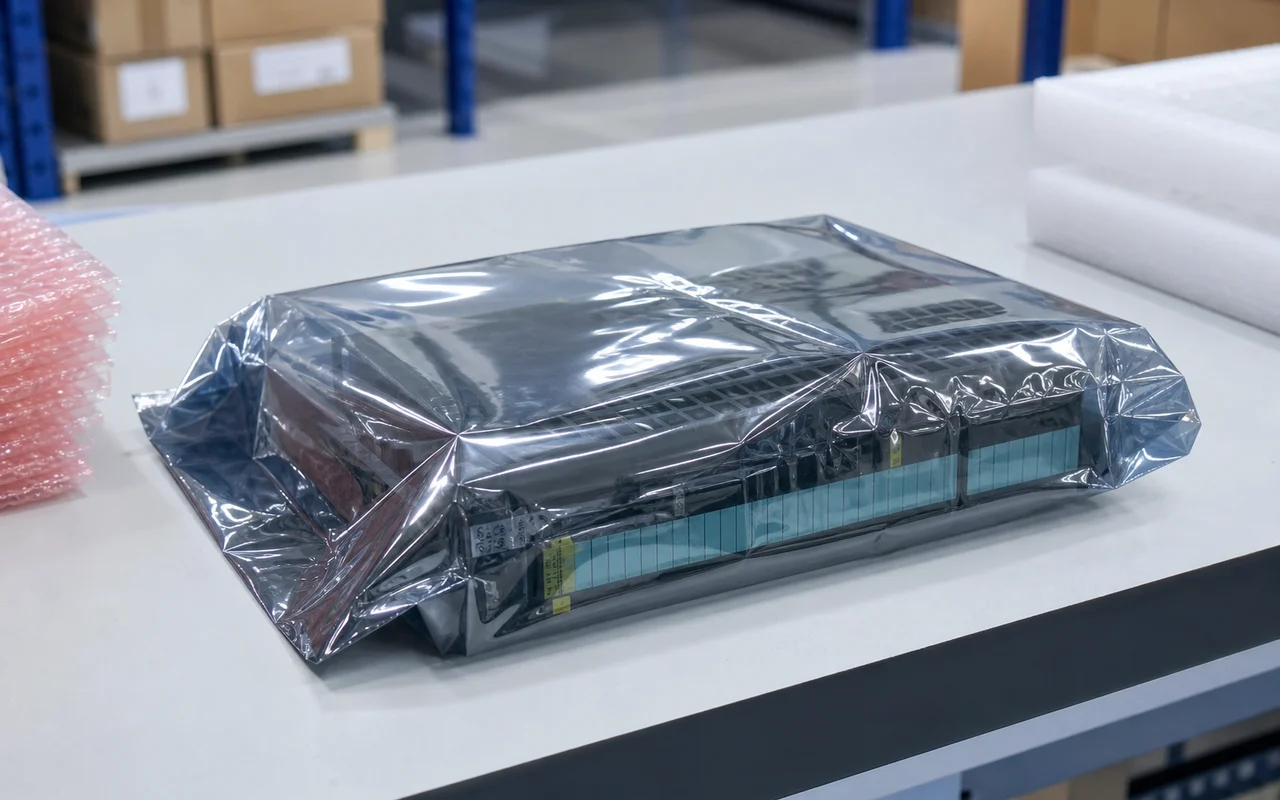 Anti-static Packaging
Modules are packed in anti-static bags to prevent electrostatic damage.
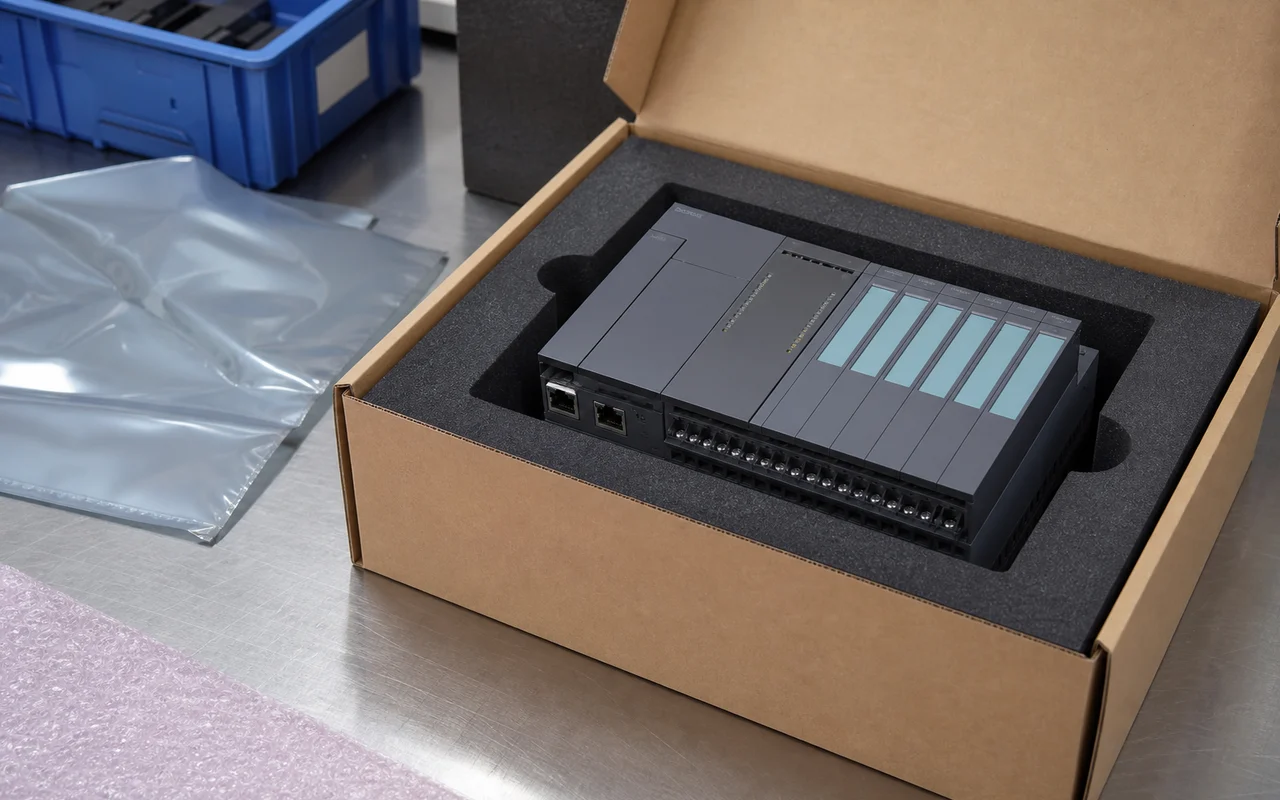 Secure Export Packing
Cushion protection and strong cartons ensure safe transportation.
 Worldwide Shipping
Global logistics network supports air, sea and express delivery.
 Documentation Check
Part number, revision and compatibility verified before shipment.
 After-sales Support
Professional technical support to help resolve your issues.