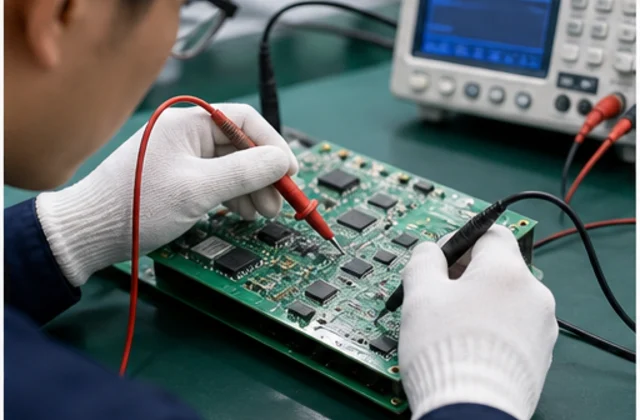
 Functional Inspection
100% tested on professional platforms to ensure stable performance.
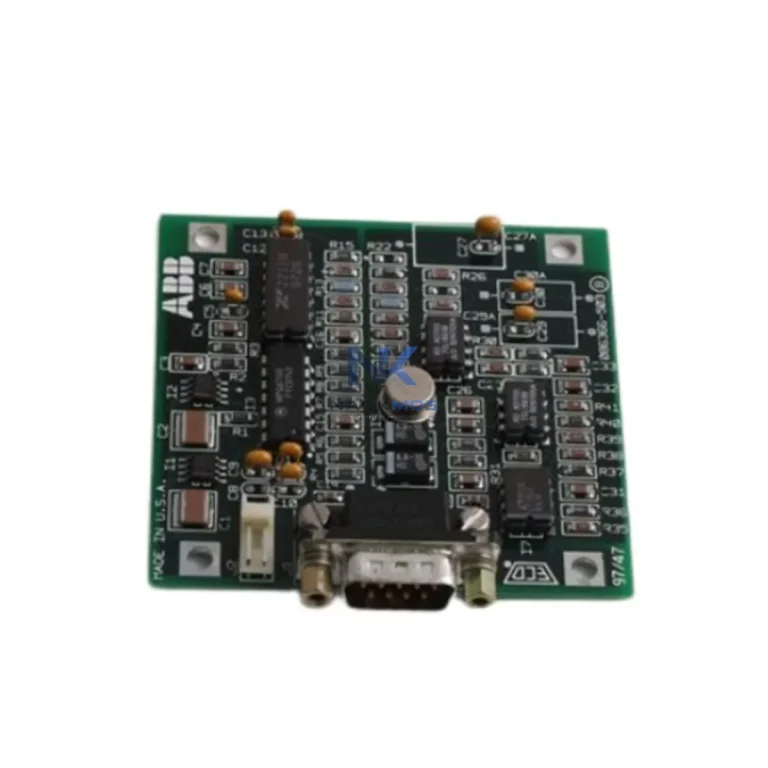
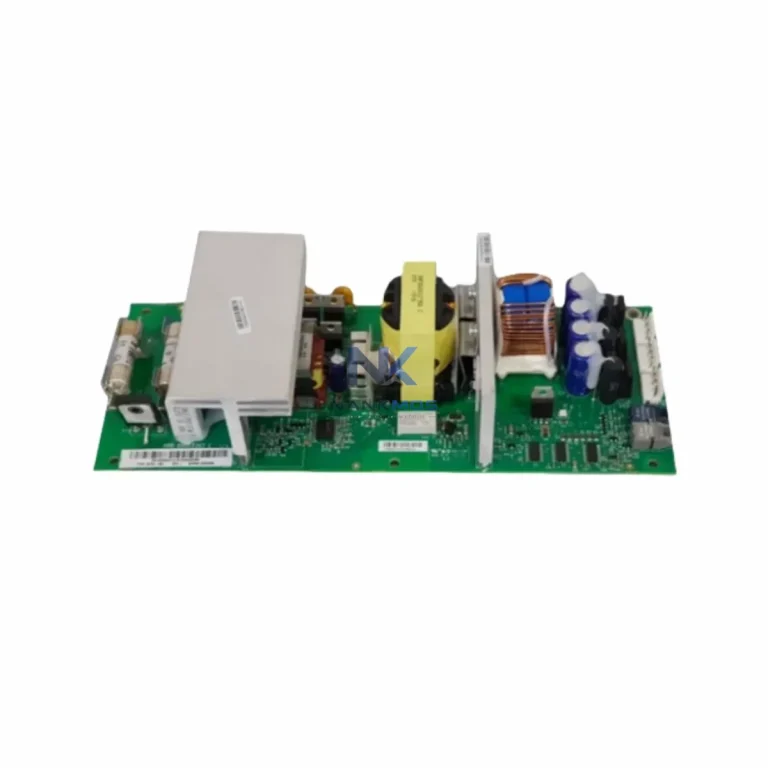
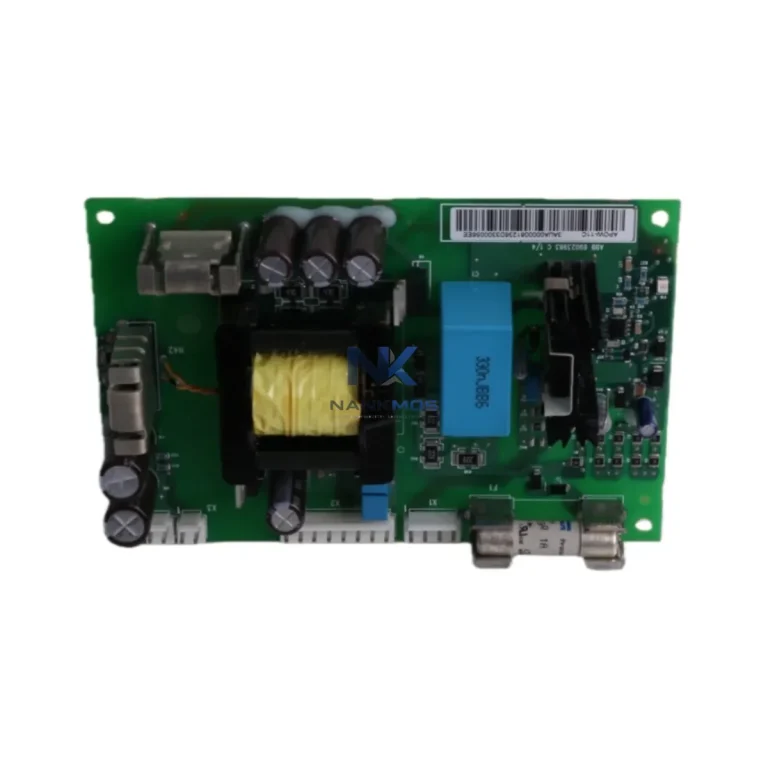
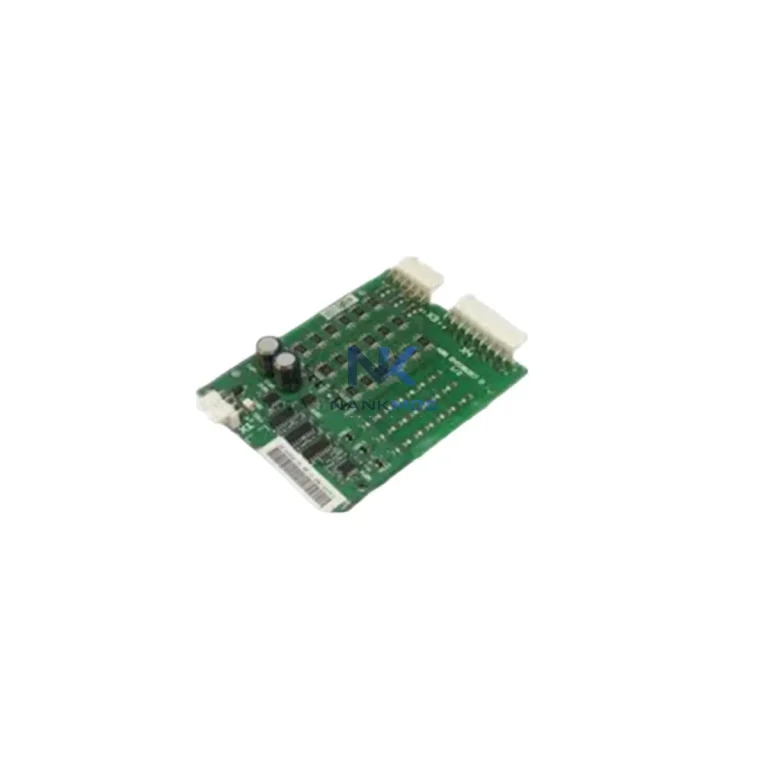
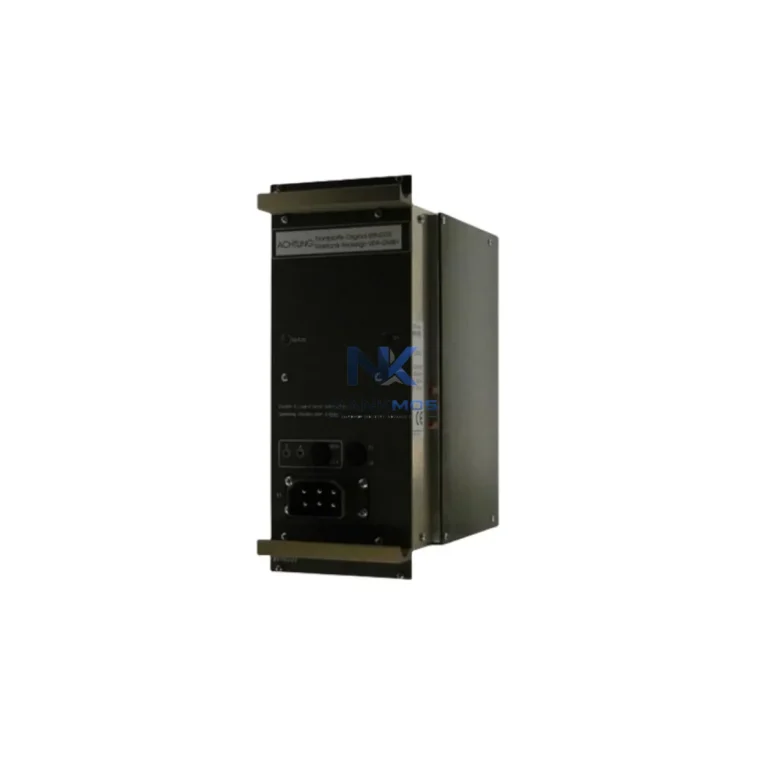
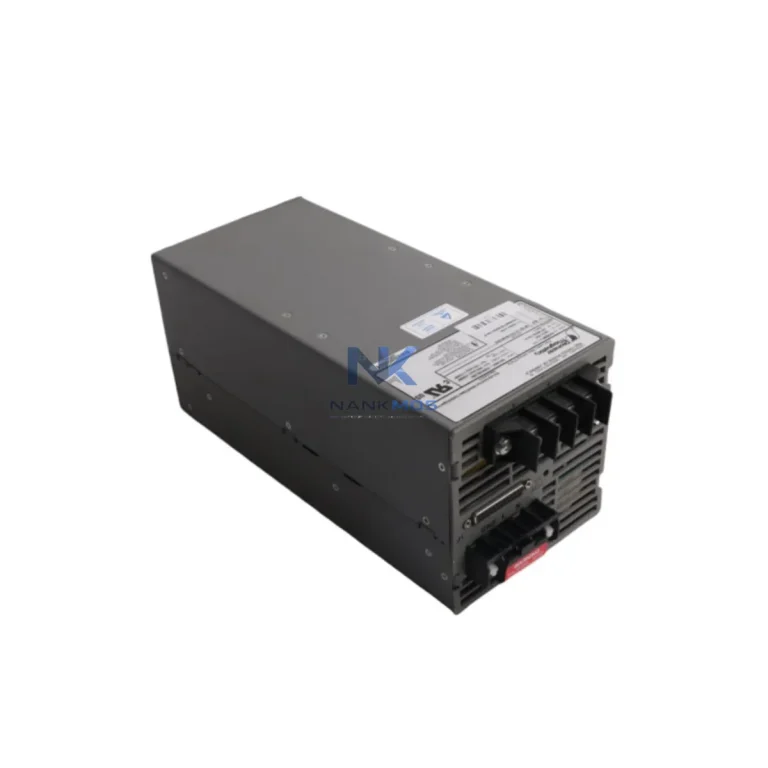
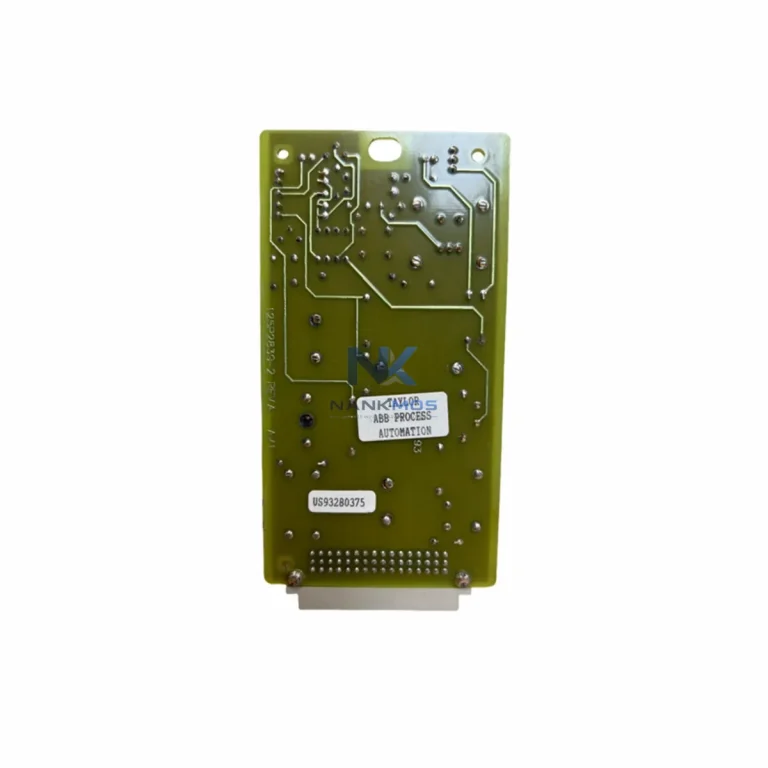
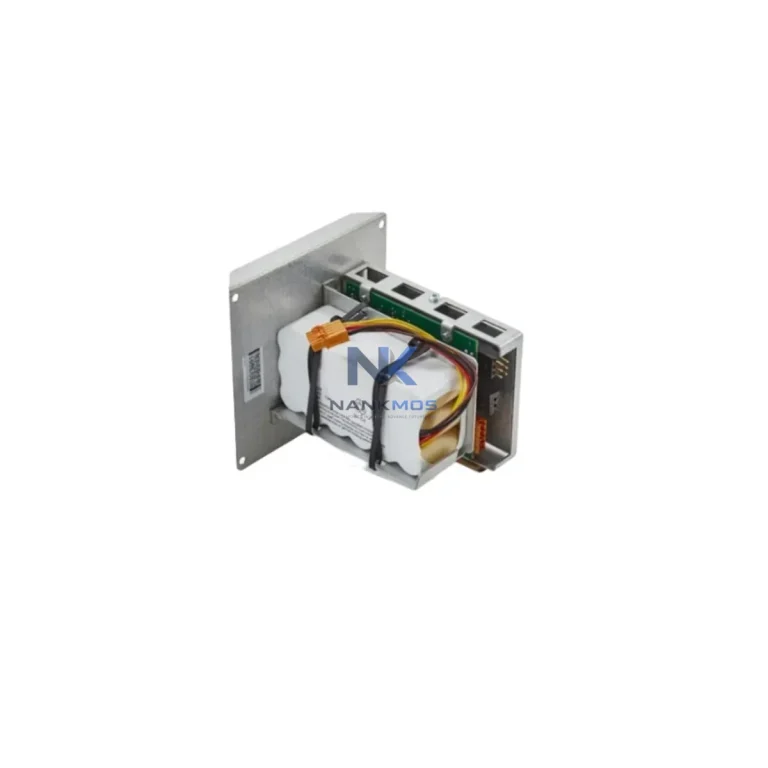
ABB LPFLD48 is a NANKMOS industrial automation product record Listed under Advant series and Power Supplies. Confirm condition, availability, lead time, compatibility and documentation by email inquiry.
Brand names are used for identification only.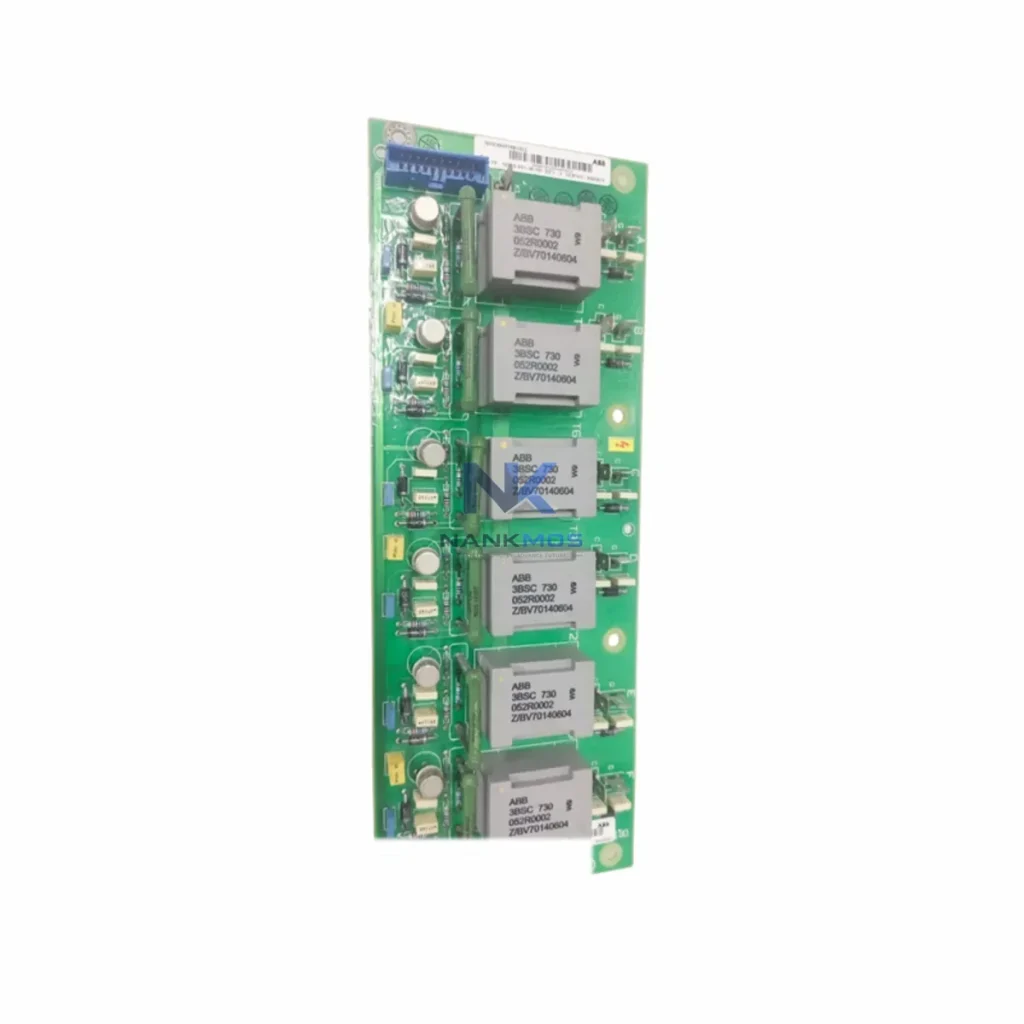
ABB LPFLD48 is a NANKMOS industrial automation product record Listed under Advant series and Power Supplies. Confirm condition, availability, lead time, compatibility and documentation by email inquiry.
| Manufacturer | ABB |
|---|---|
| Application | Control System Power Support |
| Part Number / Model | LPFLD48 |
| Compatible System | Advant |
| Series | Advant |
| Condition Options | To Confirm |
| Module Type | Power Supply Module |
| Warranty | 12 Months |
| Packaging | Anti-static Bag / Secure Box |
| Shipping Methods | DHL / FedEx / UPS / Air / Sea |
| Availability | To Confirm |
| Lead Time | To Confirm |
| Documentation | Part number and revision checked before quote |
The ABB LPFLD48 is a dedicated field power supply engineered for the ABB Advant OCS distributed control system (DCS), delivering stable 48V DC output with a focus on energy control, load management, and production line efficiency. Designed for continuous industrial operation, the LPFLD48 provides regulated, low-ripple DC power to field I/O modules, communication interfaces, and sensor networks — ensuring that every watt consumed contributes directly to process uptime rather than thermal waste.
In modern smart factories, unregulated or inefficient field power is one of the most overlooked sources of energy loss. The LPFLD48 addresses this by maintaining tight voltage regulation across variable load conditions, reducing reactive power draw and minimising heat dissipation within control cabinets. This directly lowers the thermal load on adjacent components — including ABB DSDO110 digital output modules, DSDI110 digital input modules, and DSDP140 pulse counter boards — extending their operational lifespan and reducing cooling energy requirements.
The LPFLD48 operates at the heart of a power-aware automation architecture. In an Advant OCS cabinet, it supplies clean 48V DC to the field bus termination units and I/O racks, enabling the ABB DSCS140 communication supervisor and DSCB110 communication bus modules to maintain uninterrupted MASTERBUS 300 or INSUM protocol exchanges with upstream SCADA systems. Stable field power is a prerequisite for accurate data acquisition — any voltage sag or ripple directly degrades the signal integrity of connected DSAI130 analogue input modules and DSAO120 analogue output modules, introducing measurement errors that propagate into energy consumption calculations.
When integrated with a power monitoring strategy, the LPFLD48 works alongside dedicated power measurement hardware such as the ABB CM-EFS.1 current monitoring relay and external energy metering modules to provide a complete picture of field-level energy consumption. The HMI layer — typically an ABB Panel 800 or third-party SCADA workstation running ABB 800xA — can then visualise real-time load trends, identify idle-state overconsumption, and trigger demand-response actions through the PLC layer.
In servo and drive-intensive production lines, the LPFLD48 supports the control infrastructure that governs ABB ACS880 industrial drives and ACS580 general-purpose drives. While the drives themselves operate on AC mains, their control cards, encoder interfaces, and fieldbus adapters (such as the FPBA-01 PROFIBUS adapter or FENA-21 Ethernet adapter) rely on stable low-voltage DC supplies. The LPFLD48 ensures that the DCS I/O layer feeding speed references and torque commands to these drives remains electrically stable, preventing nuisance trips caused by power quality issues at the field level.
Factory energy optimisation is not solely a function of variable-speed drives or high-efficiency motors — it begins with the integrity of the control power infrastructure. The ABB LPFLD48 contributes to production line energy optimisation in three primary ways.
Reduced idle-state energy waste: By providing a regulated, low-quiescent-current supply to field I/O racks, the LPFLD48 ensures that modules in standby or low-activity states do not draw excess current. This is particularly relevant in batch production environments where large sections of the I/O network may be inactive between production cycles. Compared to unregulated or ageing power supplies with degraded capacitors, a properly functioning LPFLD48 can measurably reduce baseline cabinet power draw.
Thermal load management: Excess heat in control cabinets is both an energy cost (requiring active cooling) and a reliability risk. The LPFLD48's regulated output minimises resistive losses within the cabinet wiring and module backplanes, reducing the heat load that cabinet air conditioning or heat exchangers must manage. In facilities where cabinet cooling accounts for a significant fraction of auxiliary energy consumption, this contributes directly to overall plant energy efficiency KPIs.
Production rhythm stability: Unplanned DCS shutdowns caused by field power failures are among the most disruptive events in continuous process manufacturing. Each unplanned stop not only wastes the energy invested in bringing the process to operating conditions but also generates energy-intensive restart sequences. The LPFLD48, when maintained in good condition and sourced from a tested, warranted supply chain, eliminates this failure mode — keeping production at its designed throughput rate and energy consumption profile.
For predictive maintenance programmes, the LPFLD48's output voltage and current draw can be monitored via external measurement points and fed into condition monitoring systems. Gradual degradation in output regulation — often the first sign of capacitor ageing — can be detected early, allowing planned replacement during scheduled maintenance windows rather than emergency shutdowns.
Q1: How does the LPFLD48 contribute to measurable energy savings on the production line? The LPFLD48 reduces energy waste by maintaining tight voltage regulation, which minimises resistive losses in field wiring and I/O module backplanes. It also reduces cabinet thermal load, lowering the energy demand of cabinet cooling systems. In combination with ABB Advant OCS DCS logic and upstream SCADA energy management functions, it supports demand-response strategies that align field device activity with actual production requirements.
Q2: Is the LPFLD48 compatible with both Advant OCS and MOD 300 DCS platforms? Yes. The LPFLD48 is designed for the ABB Advant OCS architecture, which shares hardware lineage with the MOD 300 and Masterpiece 200/1 platforms. It is compatible with standard Advant I/O racks and field termination units used across these DCS families. If you are integrating into a mixed-generation ABB DCS environment, please confirm the rack and backplane revision with our technical team before ordering.
Q3: What is the recommended replacement or upgrade path if the LPFLD48 is no longer available new from ABB? As the Advant OCS platform is a mature DCS generation, new OEM supply of the LPFLD48 may be limited. NANKMOS maintains tested surplus stock of the LPFLD48 and compatible ABB Advant power supply modules. Each unit undergoes full functional and load testing prior to dispatch. For sites planning a longer-term migration to ABB 800xA or System 800xA, our team can advise on compatible I/O migration strategies that preserve existing field wiring investments.
Q4: What does the 12-month warranty cover, and what is the testing process before shipment? Every LPFLD48 unit supplied by NANKMOS is covered by a 12-month warranty against functional defects from the date of shipment. Prior to dispatch, each unit undergoes a full functional test including output voltage verification, load regulation testing, and ripple measurement. Units that do not meet specification are quarantined and not offered for sale. In the event of a warranty claim, NANKMOS provides direct technical support and replacement coordination to minimise your downtime.
Functional Inspection100% tested on professional platforms to ensure stable performance.
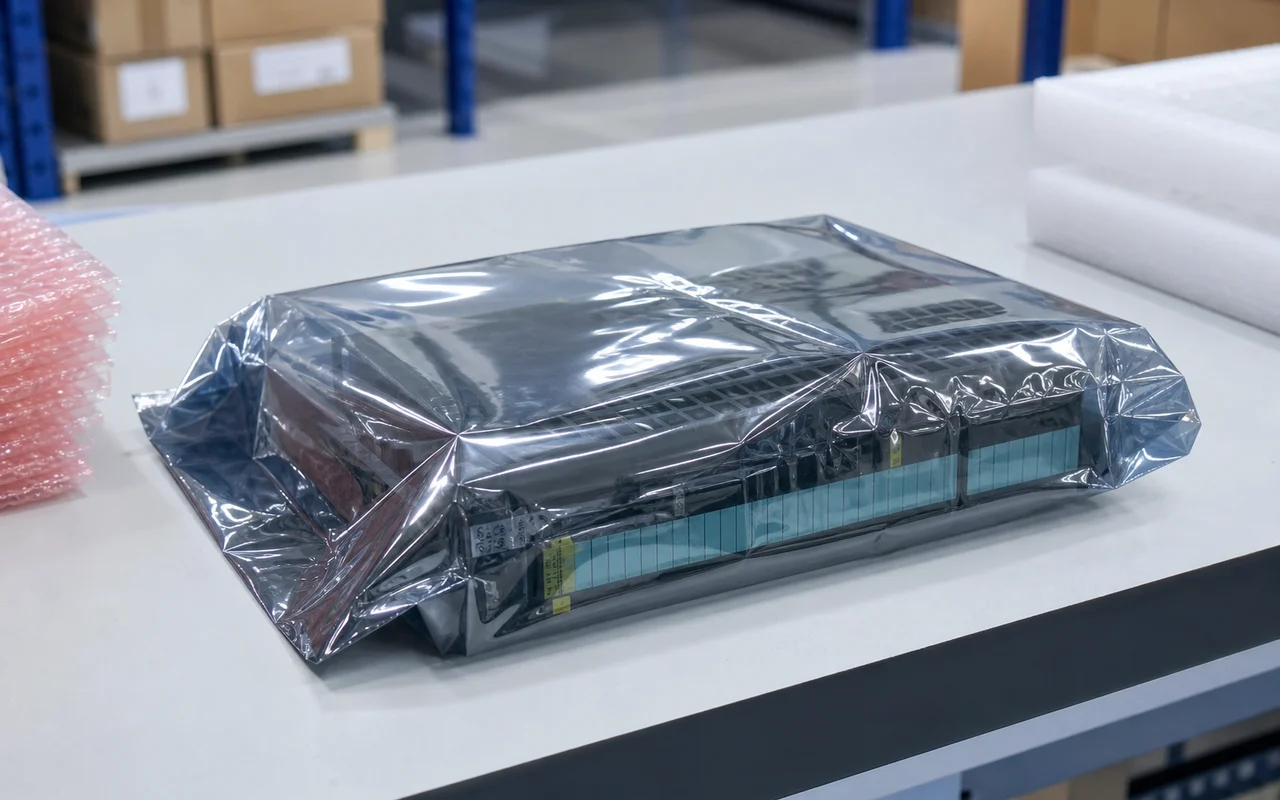 Anti-static Packaging
Modules are packed in anti-static bags to prevent electrostatic damage.
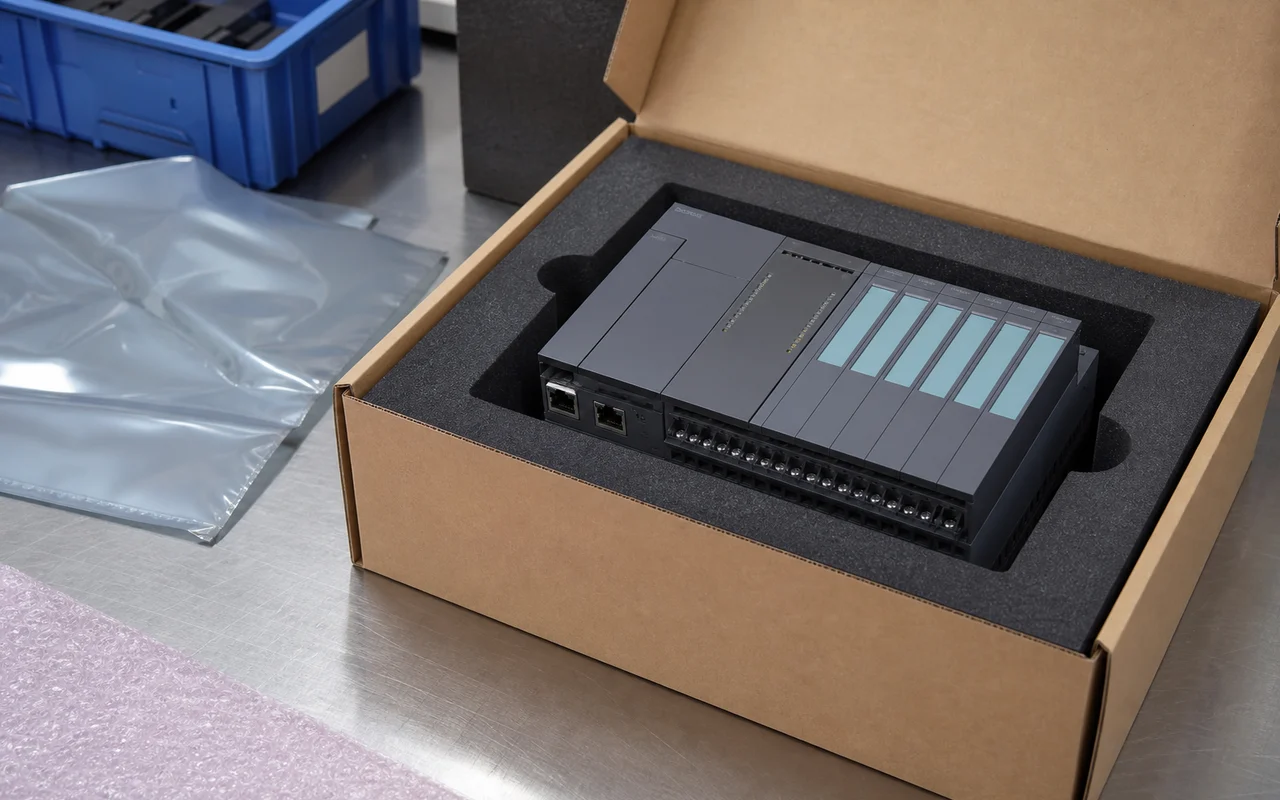 Secure Export Packing
Cushion protection and strong cartons ensure safe transportation.
 Worldwide Shipping
Global logistics network supports air, sea and express delivery.
 Documentation Check
Part number, revision and compatibility verified before shipment.
 After-sales Support
Professional technical support to help resolve your issues.