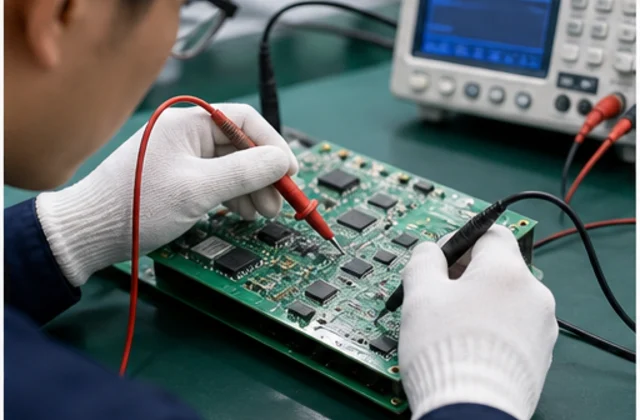
 Functional Inspection
100% tested on professional platforms to ensure stable performance.
ABB 1KHW002238R0001 N4BG/1KHW002237R0001 OPIC1 R1A is a NANKMOS industrial automation product record Listed under ACS880 series and Drives. Confirm condition, availability, lead time, compatibility and documentation by email inquiry.
Brand names are used for identification only.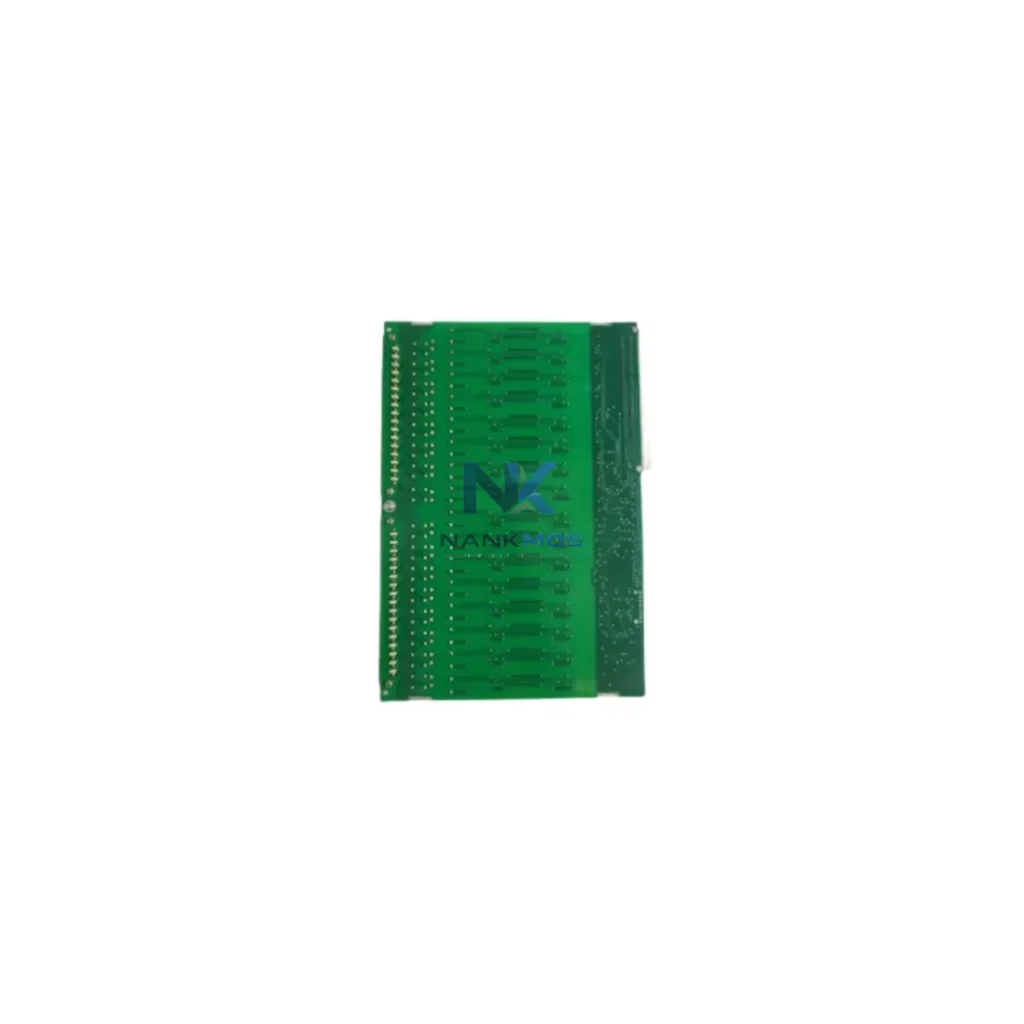
ABB 1KHW002238R0001 N4BG/1KHW002237R0001 OPIC1 R1A is a NANKMOS industrial automation product record Listed under ACS880 series and Drives. Confirm condition, availability, lead time, compatibility and documentation by email inquiry.
| Manufacturer | ABB |
|---|---|
| Application | Motion Control & Drive System |
| Part Number / Model | 1KHW002238R0001 N4BG/1KHW002237R0001 OPIC1 R1A |
| Compatible System | ACS880 |
| Series | ACS880 |
| Condition Options | To Confirm |
| Module Type | Servo / Drive Module |
| Warranty | 12 Months |
| Packaging | Anti-static Bag / Secure Box |
| Shipping Methods | DHL / FedEx / UPS / Air / Sea |
| Availability | To Confirm |
| Lead Time | To Confirm |
| Documentation | Part number and revision checked before quote |
The ABB 1KHW002238R0001 (also referenced as 1KHW002237R0001 OPIC1 R1A), designated variant N4BG, is a precision-engineered fiber optic interface board designed for seamless integration within ABB's ACS880 and ACS580 industrial drive platforms. As a core component of the drive's internal control architecture, the OPIC1 board manages high-speed optical signal transmission between the inverter control unit and the IGBT gate driver boards, ensuring signal integrity, electrical isolation, and deterministic communication latency across the full power conversion chain. In demanding industrial environments where electromagnetic interference, ground loops, and high-voltage transients are constant operational realities, the fiber optic medium provides an inherently immune signal path — a critical design requirement for high-power drive systems deployed in process-critical applications.
This board is not a peripheral accessory; it is a structural element of the ACS880's modular control hierarchy. Its role spans the boundary between the drive's main control layer and the power electronics layer, making it indispensable for maintaining synchronized gate firing sequences, fault signal propagation, and real-time current regulation feedback. When this interface is compromised, the entire drive's ability to perform closed-loop vector control, direct torque control (DTC), or scalar frequency regulation is directly affected. Replacement with a verified, system-matched unit — such as the 1KHW002238R0001 N4BG — is therefore an engineering-critical decision, not a commodity procurement.
NANKMOS maintains verified stock of this module with pre-shipment functional testing, full 12-Month Warranty coverage, and rapid dispatch capability to support both planned maintenance cycles and unplanned breakdown recovery scenarios.
The 1KHW002238R0001 OPIC1 N4BG operates within a layered automation architecture where every module's reliability directly influences system-wide performance. In a typical ACS880-based drive system, the OPIC1 board interfaces with the ACS880's main control unit — such as the ZCU-12 or ZCU-14 control boards — which execute the drive's DTC algorithm and manage all closed-loop regulation tasks. The fiber optic signals transmitted by the OPIC1 board reach the IGBT gate driver boards (such as the AGDR series), which translate control pulses into precise switching events across the inverter's power module stack.
At the I/O and fieldbus layer, the ACS880 platform integrates with option modules such as the FENA-21 Ethernet adapter for PROFINET or EtherNet/IP connectivity, or the FDNA-01 for DeviceNet integration, enabling the drive to participate in plant-wide SCADA and DCS communication frameworks. The OPIC1 board's signal integrity is a prerequisite for these higher-level communication layers to function correctly — a degraded optical interface will manifest as erratic torque response, nuisance tripping, or loss of fieldbus synchronization, all of which propagate upstream into the control system.
At the power supply layer, the ACS880's internal APBU auxiliary power supply board and the AINT interface board work in conjunction with the OPIC1 to maintain stable operating conditions for the control electronics. In multi-drive configurations or common DC bus architectures — common in crane, winder, and extruder applications — the OPIC1's role in maintaining synchronized inverter firing across multiple drive units becomes even more critical. A single degraded optical interface in a multi-drive rack can introduce phase imbalance or cross-drive fault propagation.
For HMI and supervisory integration, the ACS880 platform supports the ACS-AP-I or ACS-AP-W control panels, which provide local parameter access, fault history review, and drive commissioning functions. The integrity of the OPIC1 board directly affects the fault data that these panels display — accurate fault codes and timestamps depend on reliable signal transmission from the gate driver layer upward through the control hierarchy. In installations where the ABB Automation Builder or Drive Composer Pro software is used for remote commissioning and diagnostics, the OPIC1's operational status is implicitly verified during the drive's self-diagnostic routines.
At the protection and redundancy layer, the OPIC1 board participates in the drive's internal fault detection architecture. Fiber optic signal loss is treated as a critical fault condition, triggering immediate drive shutdown to protect the IGBT modules from uncontrolled switching states. In high-availability installations, maintaining a verified spare 1KHW002238R0001 N4BG in the local maintenance inventory is a standard engineering practice, consistent with IEC 61511 functional safety recommendations for process-critical drive systems.
The ABB 1KHW002238R0001 OPIC1 N4BG supports a broad range of industrial sectors where ACS880 and ACS580 drives are deployed as primary motion control and process regulation assets.
In oil and gas and petrochemical facilities, ACS880 drives control compressors, pumps, and agitators in hazardous area installations. The OPIC1 board's galvanic isolation is particularly valuable in these environments, where ground potential differences between control rooms and field equipment can introduce dangerous common-mode voltages. Reliable fiber optic signal transmission ensures that the drive's safety functions — including STO (Safe Torque Off) and SS1 (Safe Stop 1) — operate with the determinism required by SIL-rated safety systems.
In power generation and utilities, ACS880 drives are used for boiler feed pump control, cooling tower fan regulation, and turbine auxiliary systems. In these applications, the drive must maintain continuous operation across extended maintenance intervals, making the availability of verified replacement modules like the 1KHW002238R0001 N4BG a critical factor in plant reliability planning.
In metals and mining, ACS880 multi-drive systems power conveyor systems, ball mills, and hoisting equipment. The high cyclic load profiles and frequent regenerative braking events in these applications place sustained stress on the drive's internal electronics, making periodic inspection and proactive replacement of interface boards a standard maintenance practice.
In water and wastewater treatment, ACS880 drives regulate pump stations and aeration blowers across geographically distributed installations. Remote diagnostic capability — enabled by reliable OPIC1 signal transmission — allows maintenance teams to assess drive health without physical site visits, reducing operational costs and improving response times.
In marine and offshore applications, ACS880 drives are integrated into vessel propulsion, thruster control, and cargo handling systems. The OPIC1 board's role in maintaining signal integrity under the vibration, humidity, and temperature cycling conditions of marine environments makes verified, OEM-specification replacement units essential for classification society compliance and vessel operational continuity.
Q1: Is the 1KHW002238R0001 N4BG directly interchangeable with the 1KHW002237R0001 OPIC1 R1A, and will it fit my existing ACS880 drive without firmware changes?The 1KHW002238R0001 N4BG and 1KHW002237R0001 OPIC1 R1A are functionally equivalent optical interface boards within the ACS880 and ACS580 drive families. Both part numbers reference the OPIC1 board generation and are designed for the same mechanical and electrical installation position within the drive's internal module bay. In most cases, direct replacement does not require firmware modification, as the board's function is handled at the hardware signal level rather than through software-configurable parameters. However, it is recommended to verify the drive's firmware version against ABB's compatibility matrix and to perform a full drive self-test sequence after replacement to confirm fault-free operation before returning the drive to service.
Q2: What diagnostic steps should be followed if the ACS880 reports a fiber optic communication fault after OPIC1 replacement?After installing the 1KHW002238R0001 N4BG, if the ACS880 continues to report fiber optic communication faults (typically fault codes in the FF series or equivalent drive-specific codes), the diagnostic sequence should begin with physical inspection of the fiber optic cable connectors at both the OPIC1 board and the gate driver board terminations. Contaminated or improperly seated fiber connectors are the most common cause of persistent optical faults after board replacement. If connectors are clean and properly seated, the gate driver boards (AGDR series) should be inspected for independent faults. Drive Composer Pro can be used to read the full fault history and parameter set to isolate whether the fault is originating from the OPIC1 layer or from the gate driver layer.
Q3: What warranty and supply continuity terms apply to the 1KHW002238R0001 N4BG sourced from NANKMOS, and how does this support long-term maintenance planning?All 1KHW002238R0001 N4BG units supplied by NANKMOS carry a 12-Month Warranty covering functional defects under normal operating conditions. Each unit undergoes pre-shipment functional verification to confirm optical signal transmission integrity before dispatch. For maintenance planners managing ACS880 fleets across multiple sites, NANKMOS supports blanket order arrangements and reserved stock agreements to ensure module availability aligns with planned maintenance windows and emergency breakdown response requirements. Contact [email protected] or +86 18359268345 to discuss supply continuity arrangements for your installation base.
Functional Inspection100% tested on professional platforms to ensure stable performance.
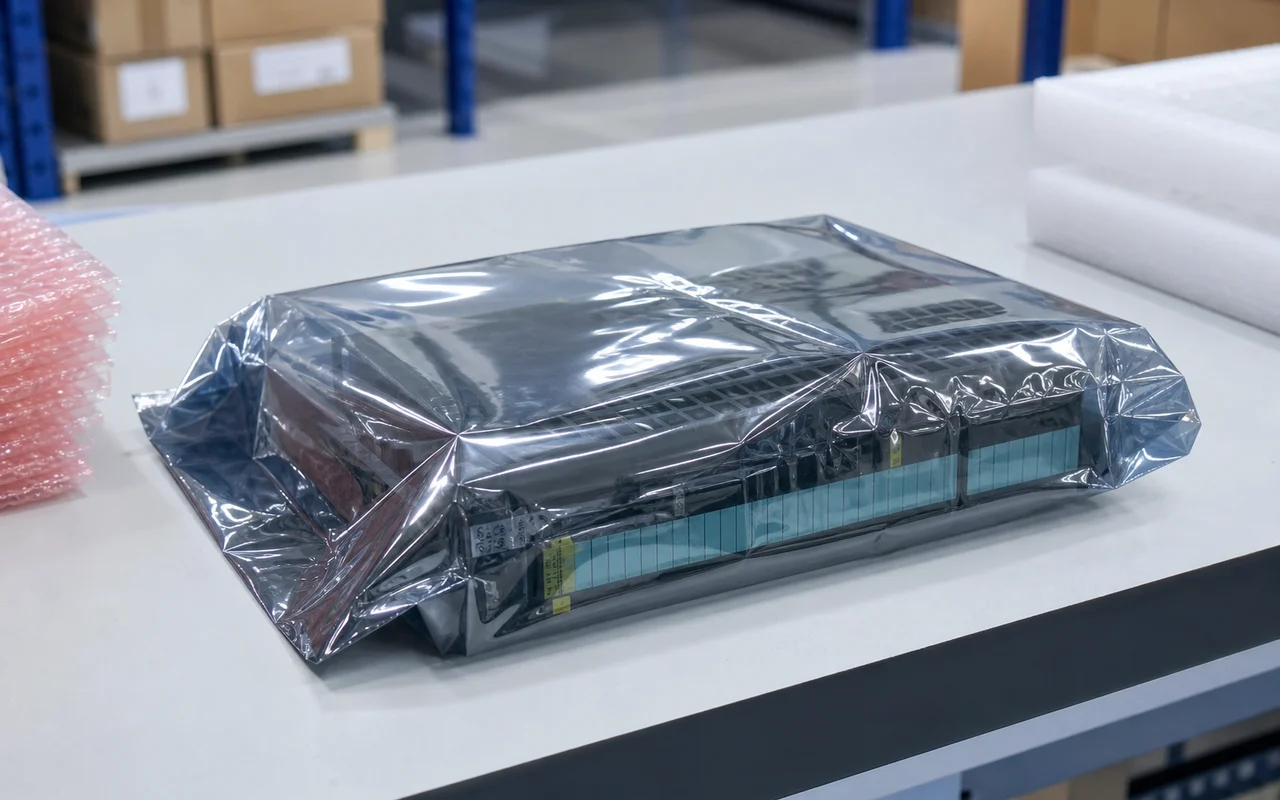 Anti-static Packaging
Modules are packed in anti-static bags to prevent electrostatic damage.
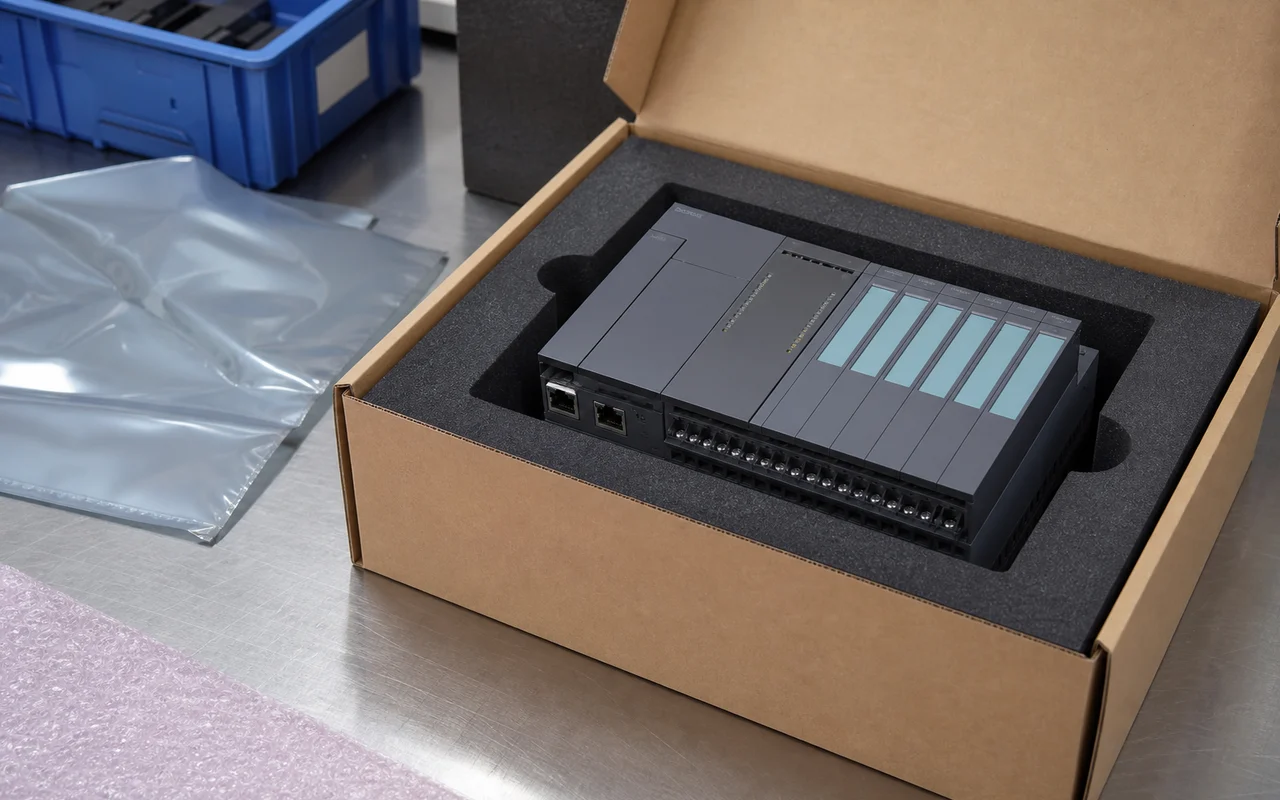 Secure Export Packing
Cushion protection and strong cartons ensure safe transportation.
 Worldwide Shipping
Global logistics network supports air, sea and express delivery.
 Documentation Check
Part number, revision and compatibility verified before shipment.
 After-sales Support
Professional technical support to help resolve your issues.