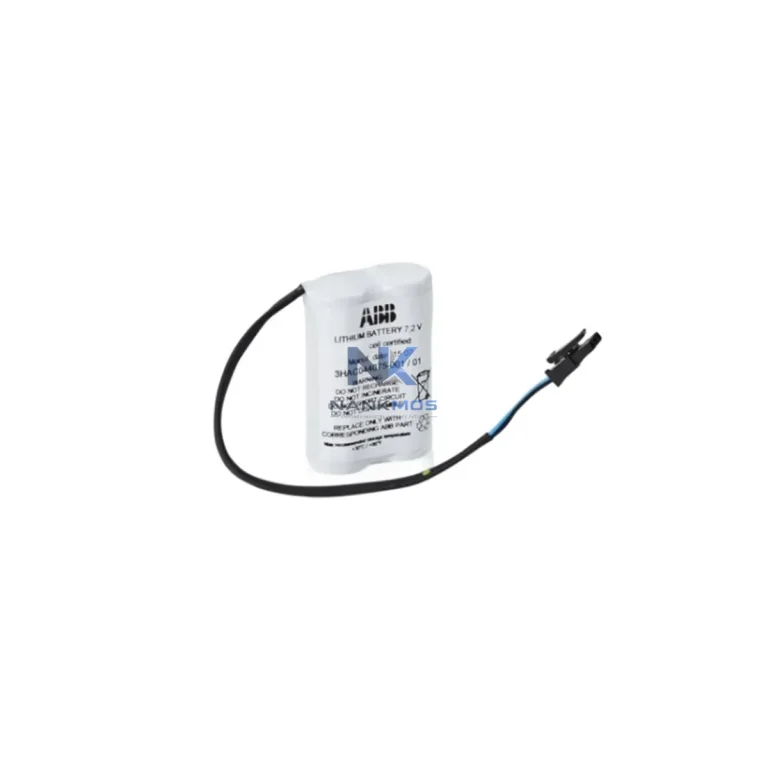
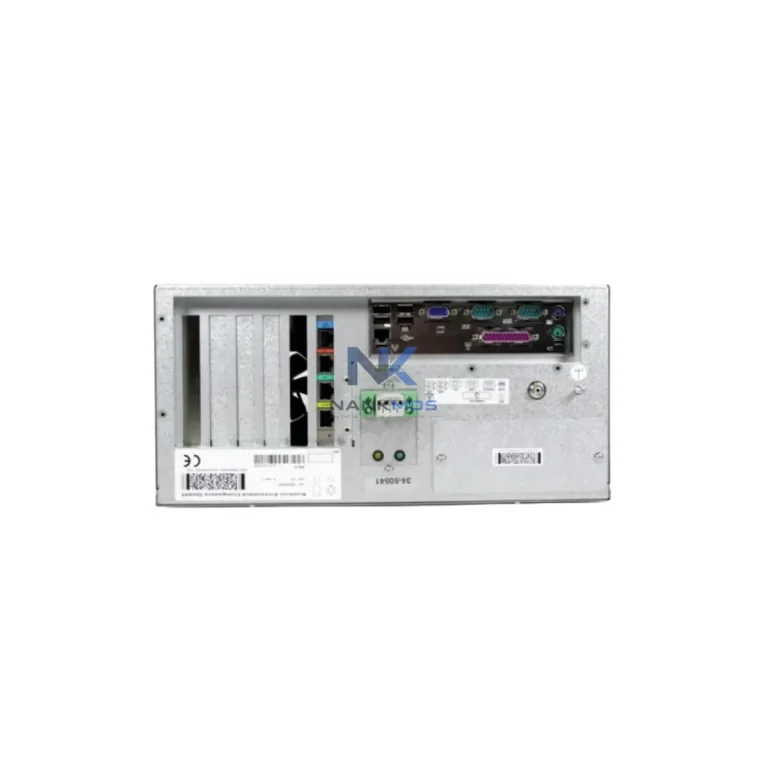
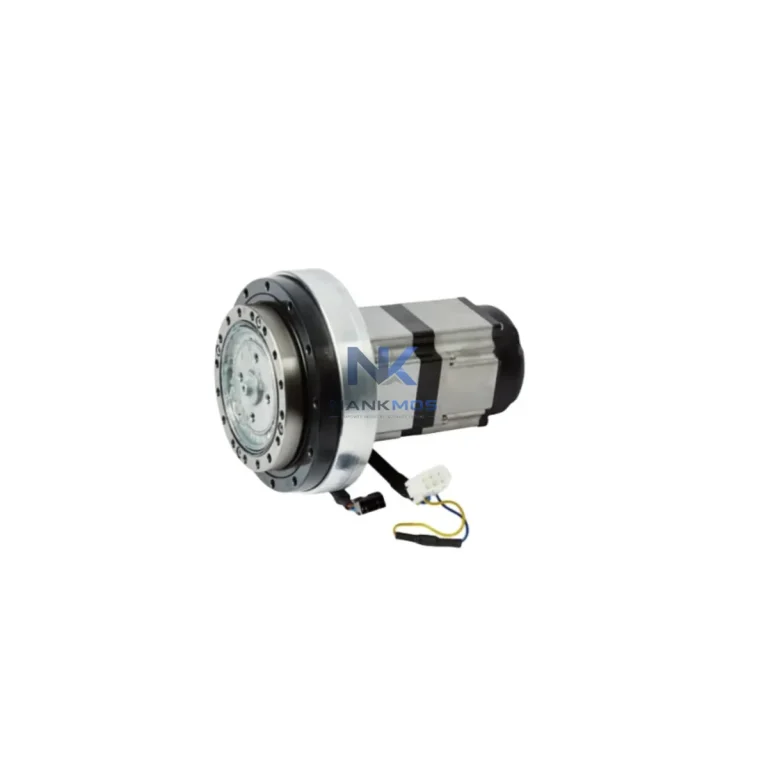
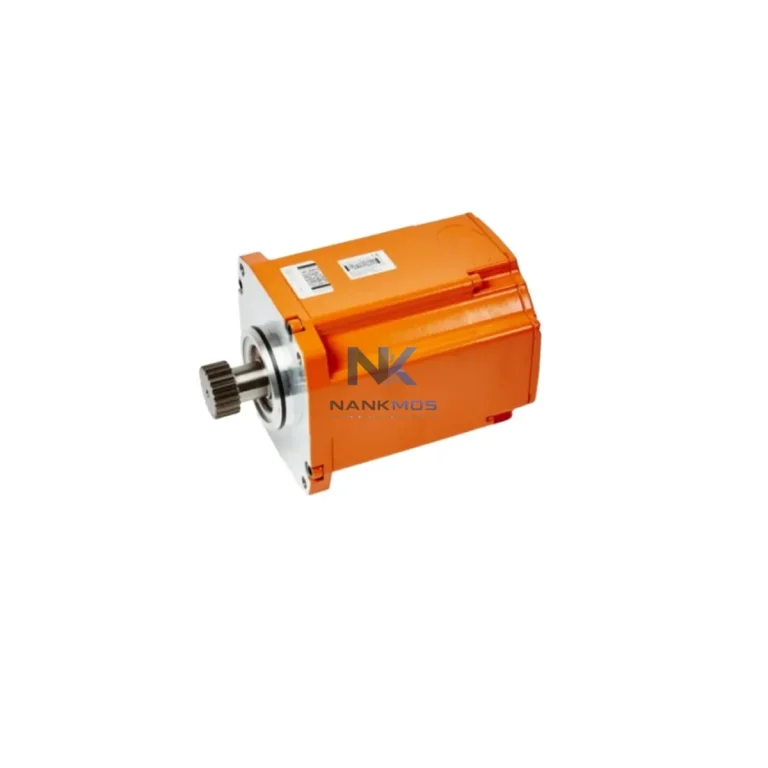
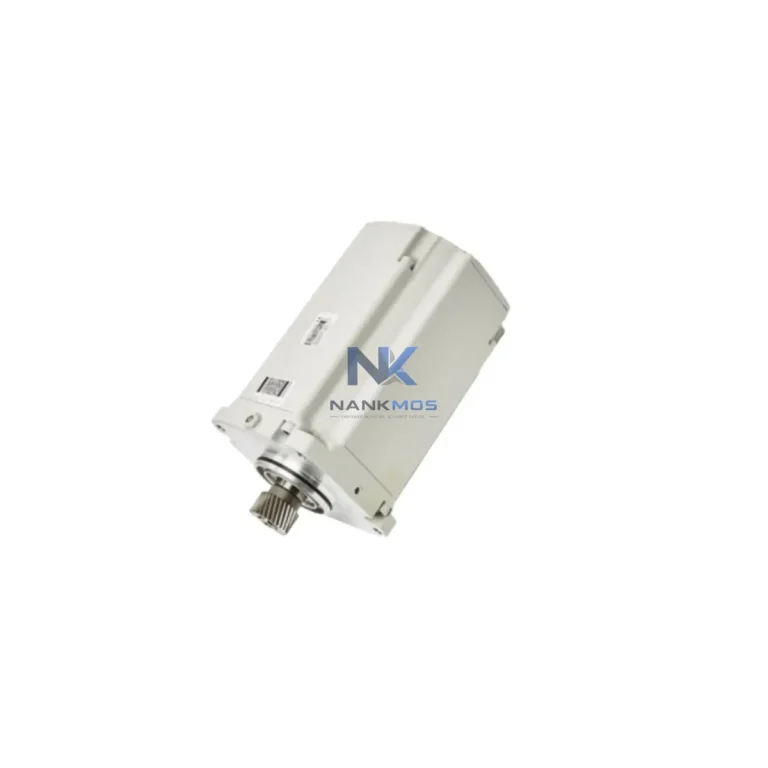
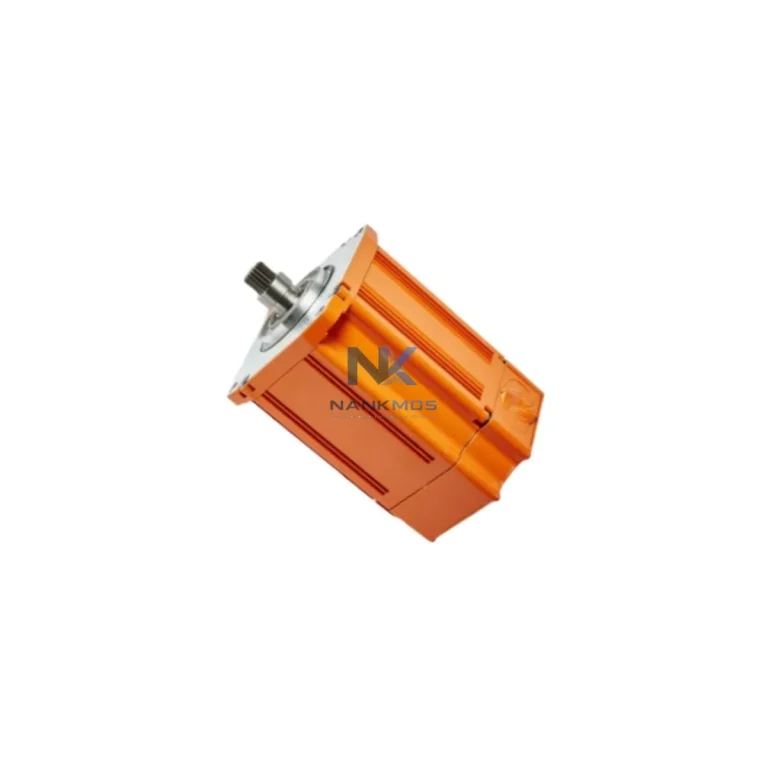
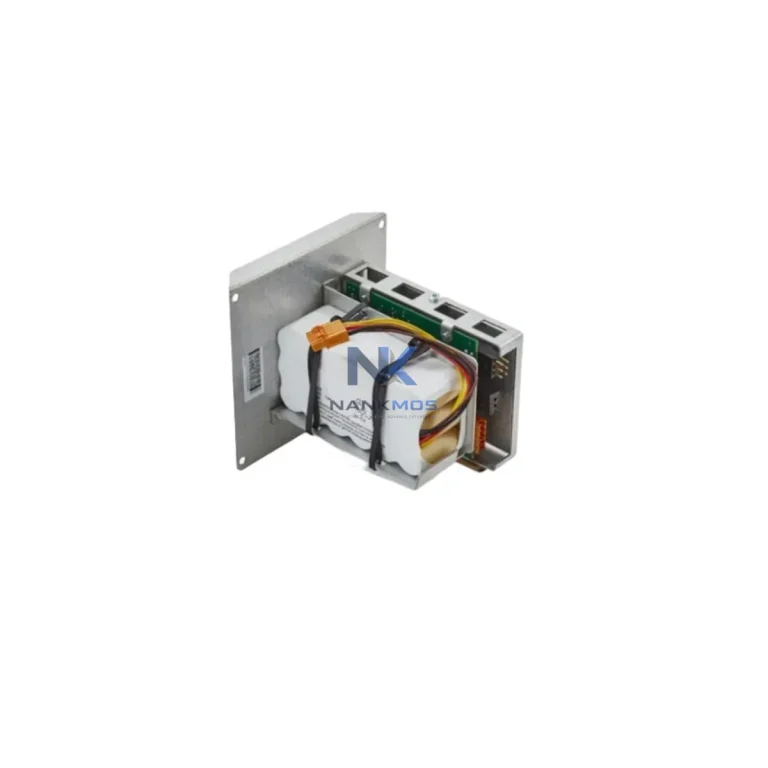
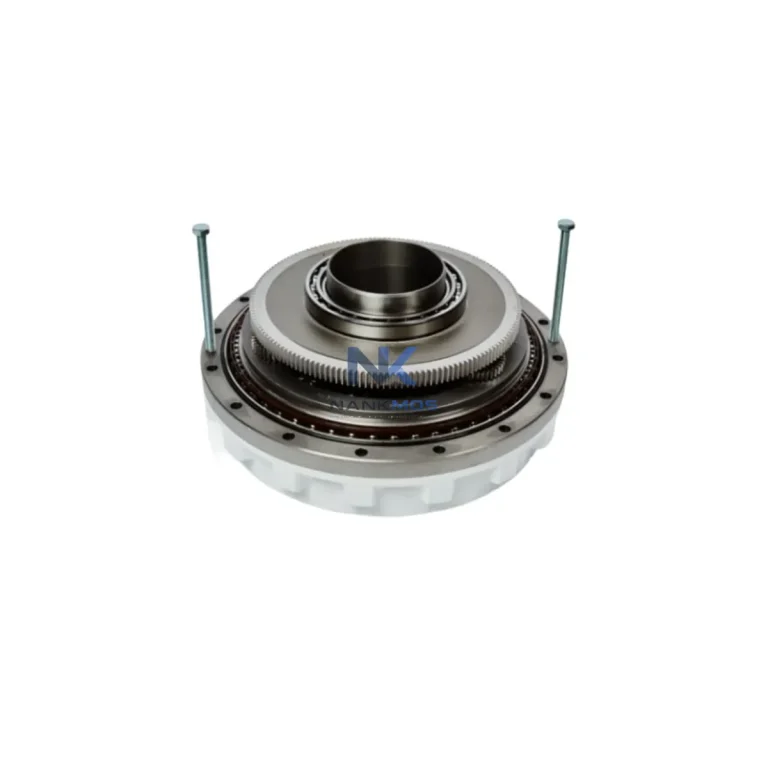
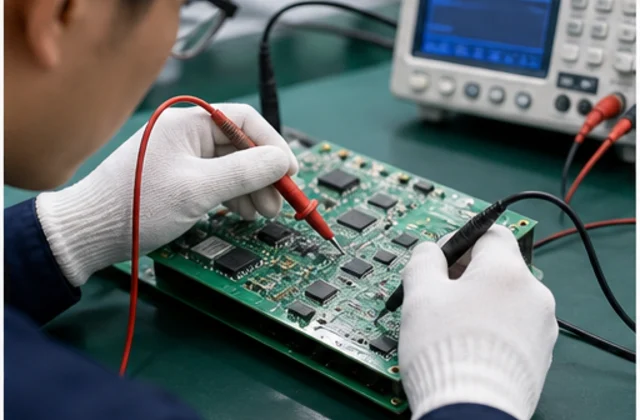
 Functional Inspection
100% tested on professional platforms to ensure stable performance.
ABB 3AUA0000035408/RMIO-11C is a NANKMOS industrial automation product record Listed under ACS880 series and Drives. Confirm condition, availability, lead time, compatibility and documentation by email inquiry.
Brand names are used for identification only.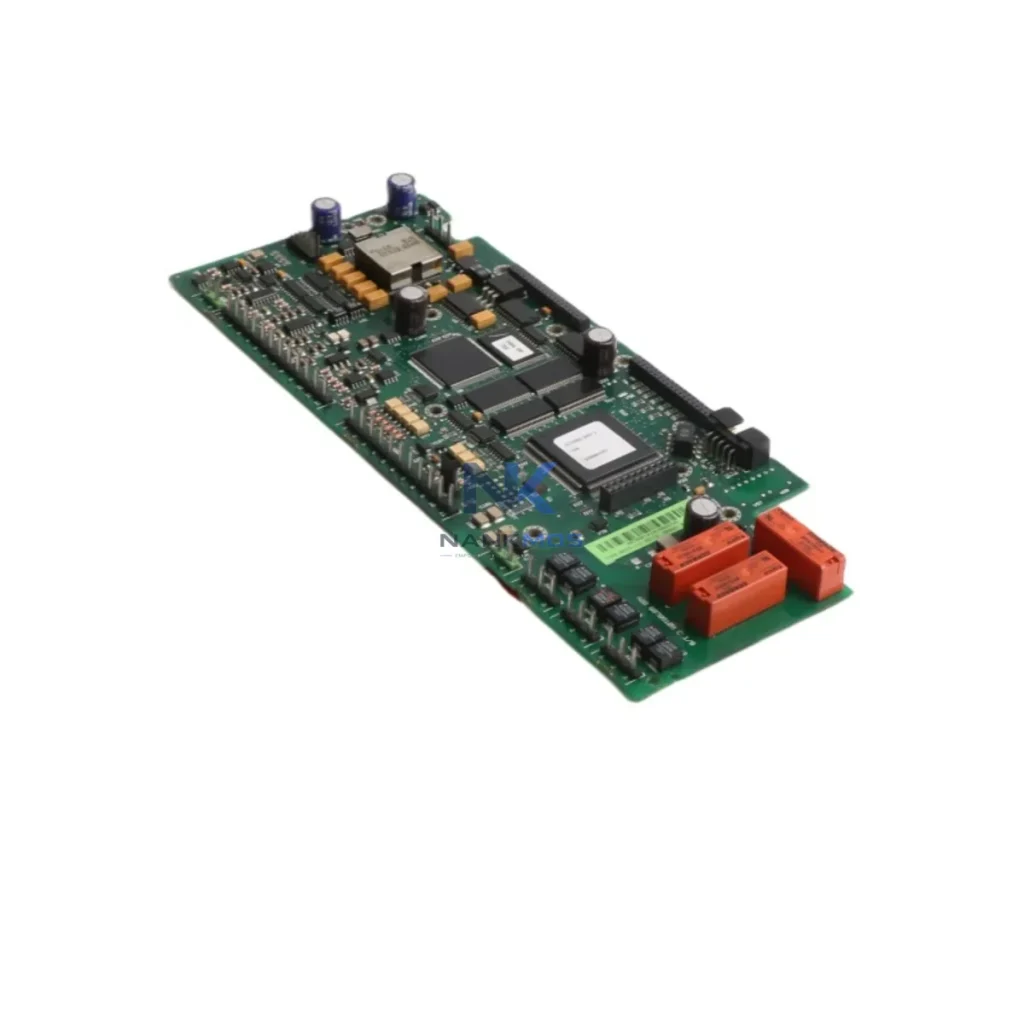
ABB 3AUA0000035408/RMIO-11C is a NANKMOS industrial automation product record Listed under ACS880 series and Drives. Confirm condition, availability, lead time, compatibility and documentation by email inquiry.
| Manufacturer | ABB |
|---|---|
| Application | Field Signal Input / Output |
| Part Number / Model | 3AUA0000035408/RMIO-11C |
| Compatible System | ACS880 |
| Series | ACS880 |
| Condition Options | To Confirm |
| Module Type | I/O Module |
| Warranty | 12 Months |
| Packaging | Anti-static Bag / Secure Box |
| Shipping Methods | DHL / FedEx / UPS / Air / Sea |
| Availability | To Confirm |
| Lead Time | To Confirm |
| Documentation | Part number and revision checked before quote |
The ABB RMIO-11C (part number 3AUA0000035408) is a dedicated I/O control board engineered for the ACS880 series industrial drive platform. Designed to operate at the intersection of the control layer and the I/O layer within a fully integrated automation architecture, the RMIO-11C delivers deterministic signal routing, robust digital and analog I/O expansion, and seamless contextual integration with ABB's broader drive ecosystem. Whether deployed in standalone variable-speed drive cabinets or embedded within multi-drive ACS880 rack configurations, this board ensures consistent signal fidelity, reliable fieldbus communication, and long-term maintainability across demanding industrial environments.
The RMIO-11C is not simply an add-on card — it is a structural element of the ACS880 control architecture. Its role spans from real-time process signal acquisition at the I/O layer, through deterministic data exchange at the communication layer, to coordinated command execution at the drive control layer. This layered integration makes it a critical component for engineers designing high-availability motor control systems in power generation, petrochemical processing, water treatment, mining, and marine propulsion applications.
The RMIO-11C achieves its full value when considered within the complete ACS880 automation platform rather than as an isolated component. At the control layer, the board interfaces directly with the ACS880 drive's main control unit (ACU), receiving speed references, torque commands, and fault acknowledgment signals through the internal DDCS fiber optic bus. This high-speed, noise-immune communication backbone ensures that the RMIO-11C remains synchronized with the drive's real-time control cycle, eliminating latency that could compromise process stability in closed-loop applications.
At the I/O layer, the RMIO-11C expands the native signal capacity of the ACS880 drive, enabling engineers to connect additional process sensors, limit switches, and actuator feedback signals without requiring external I/O modules or additional PLC scan cycles. This direct integration reduces wiring complexity and improves signal integrity compared to remote I/O architectures. When paired with the RDCO-01 or RDCO-04 DDCS communication adapter, the board extends the drive's connectivity to PROFIBUS-DP networks, enabling seamless integration with Siemens S7 PLCs, ABB AC500 controllers, or Rockwell ControlLogix systems at the communication layer.
For power layer considerations, the RMIO-11C draws its operating power directly from the ACS880 drive's internal 24 VDC bus, eliminating the need for a dedicated external power supply and simplifying cabinet design. In redundant drive architectures, the board supports hot-standby configurations when used alongside the ACS880's built-in redundancy management firmware, ensuring uninterrupted process control during drive module switchover events.
At the HMI layer, parameter sets configured through ABB Drive Composer or the ACS880 control panel (ACS-AP-I or ACS-AP-W) are stored in the drive's memory and automatically applied to the RMIO-11C's I/O mapping on power-up, eliminating manual reconfiguration after maintenance interventions. This feature is particularly valuable in multi-drive systems where consistent I/O behavior across multiple ACS880 units is required for coordinated process control.
In protection layer applications, the RMIO-11C's digital outputs can be configured to drive external safety relays or motor protection relays, providing a direct hardware interlock path that operates independently of the fieldbus communication layer. This architecture ensures that critical protection functions remain active even during communication network faults, meeting the requirements of IEC 61508 SIL 2 safety architectures in process industries.
For maintenance layer efficiency, the board's diagnostic registers are accessible via the drive's DDCS bus, allowing condition monitoring systems such as ABB System 1 or third-party SCADA platforms to read I/O status, signal quality indicators, and fault history without interrupting drive operation. This capability supports predictive maintenance strategies and reduces unplanned downtime in continuous process applications.
Power Generation: In gas turbine and steam turbine auxiliary systems, the RMIO-11C controls cooling water pumps, lube oil pumps, and seal gas compressors within ACS880 multi-drive configurations. Its deterministic I/O response time ensures that protective shutdown sequences are executed within the timing requirements of turbine protection systems, complementing Bently Nevada 3500 series vibration monitoring racks and GE Mark VI turbine control systems.
Petrochemical & Oil and Gas: Deployed in compressor train motor control centers, the RMIO-11C manages anti-surge valve position feedback, suction pressure signals, and discharge temperature inputs within ACS880 variable-speed drive systems. Its analog input resolution supports precise process variable monitoring, reducing the need for separate signal conditioning modules in hazardous area control panels.
Water Treatment & Municipal Infrastructure: In variable-flow pumping stations, the RMIO-11C enables pressure-based flow control by processing 4–20 mA signals from differential pressure transmitters and routing speed references to the ACS880 drive. Its relay outputs provide dry-contact status signals to SCADA systems via Modbus RTU, supporting remote monitoring of pump station operations without additional protocol converters.
Mining & Minerals Processing: In conveyor drive systems and ball mill drives, the RMIO-11C's digital inputs monitor belt slip detectors, bearing temperature switches, and emergency stop circuits, while its analog outputs provide speed feedback to the plant DCS. The board's robust operating temperature range supports deployment in outdoor drive enclosures in harsh mining environments.
Marine Propulsion & Offshore: In diesel-electric propulsion systems, the RMIO-11C integrates ACS880 thruster drives with the vessel's integrated automation system (IAS), providing real-time torque and speed feedback to the dynamic positioning (DP) controller. Its fiber optic DDCS interface eliminates electromagnetic interference from high-power propulsion cables, ensuring signal integrity in electrically noisy marine environments.
Q1: Is the RMIO-11C compatible with all ACS880 drive variants, and can it be retrofitted into existing ACS880 installations? The RMIO-11C is designed for the ACS880 single drive and multi-drive platform and is compatible with ACS880-01, ACS880-07, and ACS880-17 variants that support the standard control unit slot configuration. Retrofitting into existing ACS880 installations is supported provided the drive firmware version meets the minimum requirement specified in ABB technical guide 3AUA0000085967. No hardware modifications to the drive cabinet are required, and the board's I/O mapping can be configured via ABB Drive Composer without interrupting adjacent drive modules. All units supplied by NANKMOS are pre-shipment tested and covered by a 12-Month Warranty.
Q2: How does the RMIO-11C maintain signal integrity and system consistency in multi-drive ACS880 architectures with PROFIBUS-DP communication? In multi-drive PROFIBUS-DP networks, the RMIO-11C operates as a slave node through the RDCO-01 or RDCO-04 adapter, with each drive assigned a unique station address. The board's DDCS fiber optic interface isolates the I/O control layer from the fieldbus communication layer, ensuring that PROFIBUS network disturbances do not affect real-time I/O processing within the drive. For high-availability architectures, ABB recommends configuring the PROFIBUS master with watchdog timeout parameters aligned to the drive's fault response time, ensuring coordinated fault handling across all drive nodes in the network.
Q3: What is the recommended approach for long-term maintenance and spare parts management for RMIO-11C boards in critical process applications? For critical process applications, NANKMOS recommends maintaining a minimum of one spare RMIO-11C per five installed units, stored in anti-static packaging in a climate-controlled environment. Board replacement requires only the transfer of the drive's parameter backup file to the replacement unit via ABB Drive Composer, restoring full I/O configuration without manual parameter re-entry. All RMIO-11C units supplied by NANKMOS are sourced from verified supply channels, pre-shipment tested under operational conditions, and covered by a 12-Month Warranty, providing a documented baseline for spare parts lifecycle management in long-term maintenance contracts.
Functional Inspection100% tested on professional platforms to ensure stable performance.
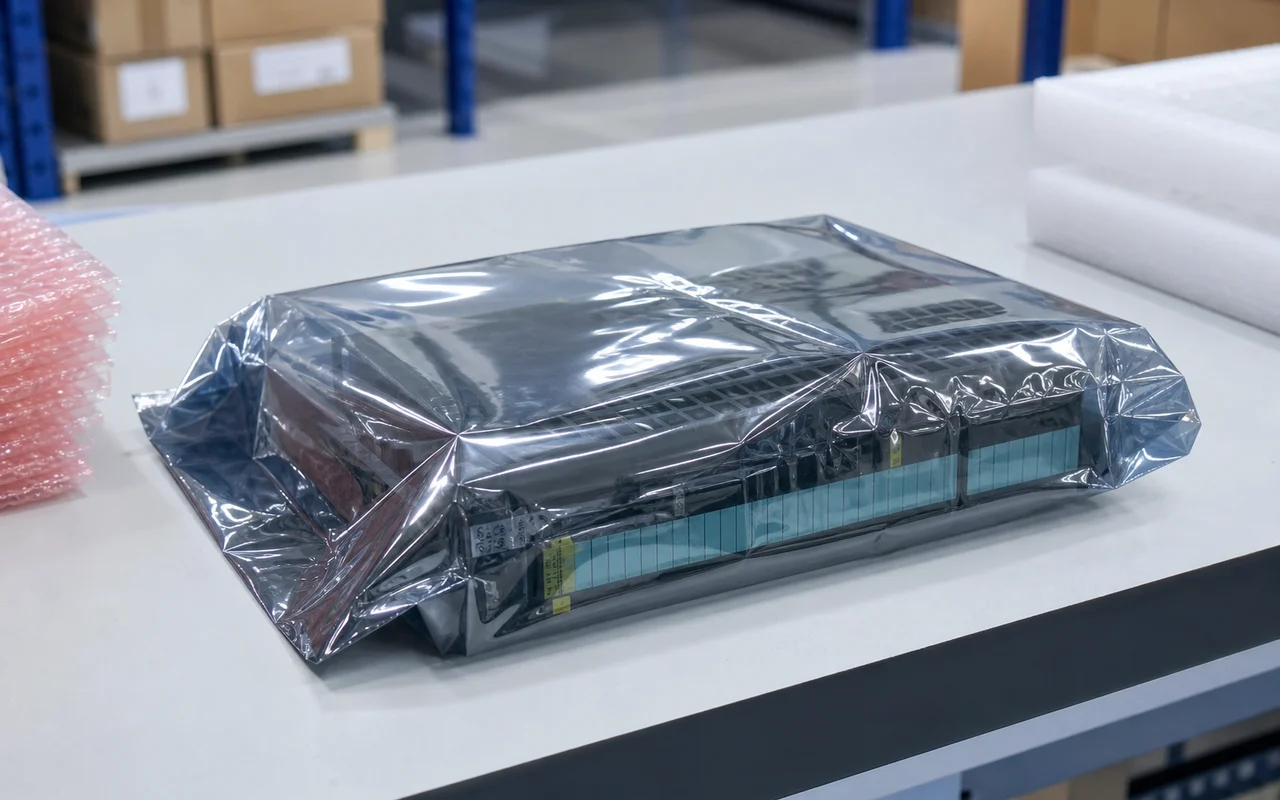 Anti-static Packaging
Modules are packed in anti-static bags to prevent electrostatic damage.
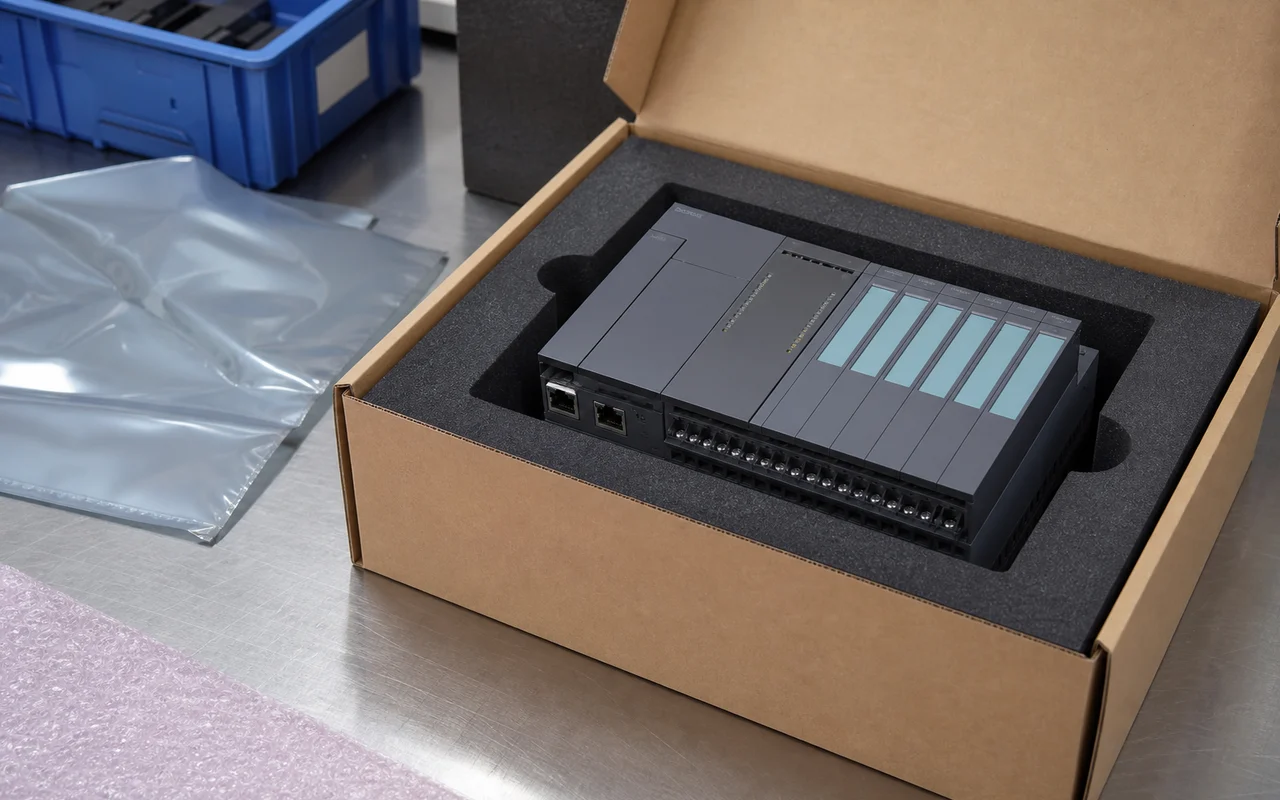 Secure Export Packing
Cushion protection and strong cartons ensure safe transportation.
 Worldwide Shipping
Global logistics network supports air, sea and express delivery.
 Documentation Check
Part number, revision and compatibility verified before shipment.
 After-sales Support
Professional technical support to help resolve your issues.