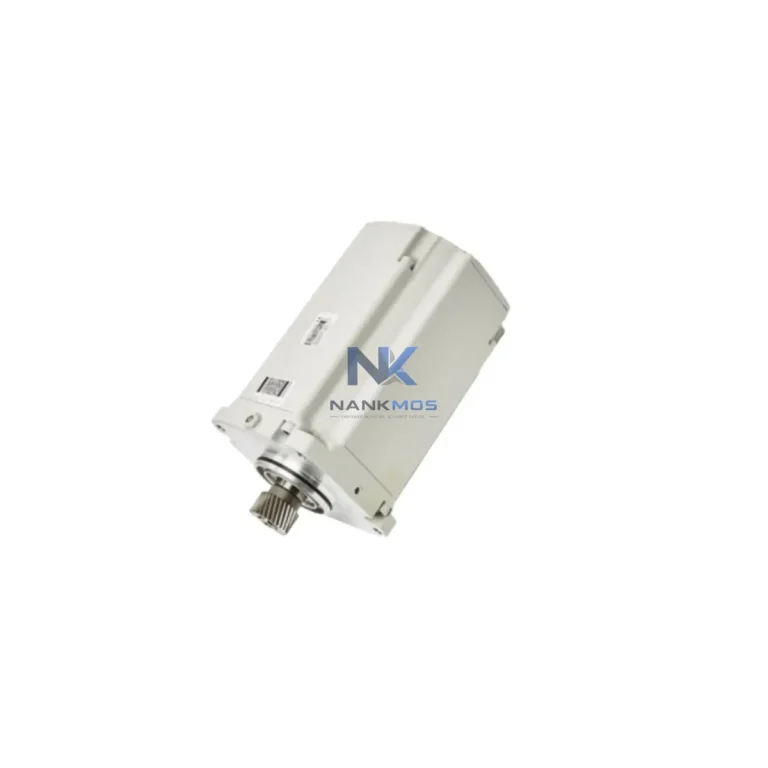
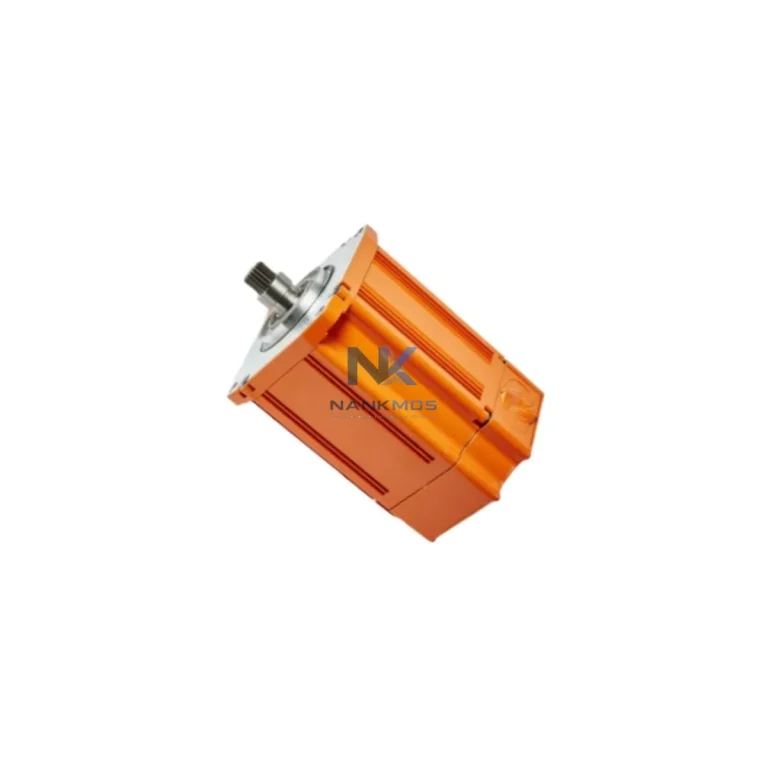
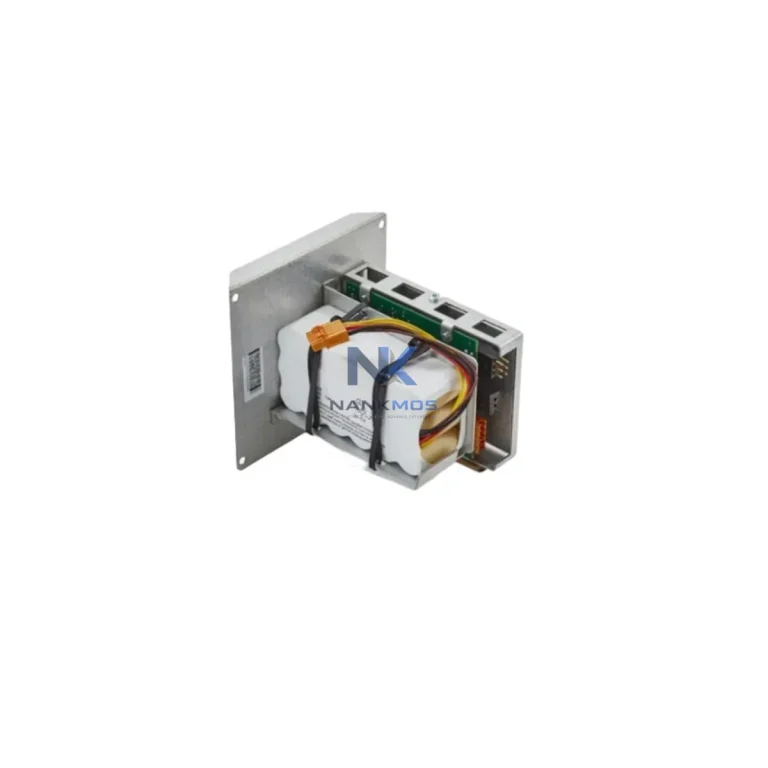
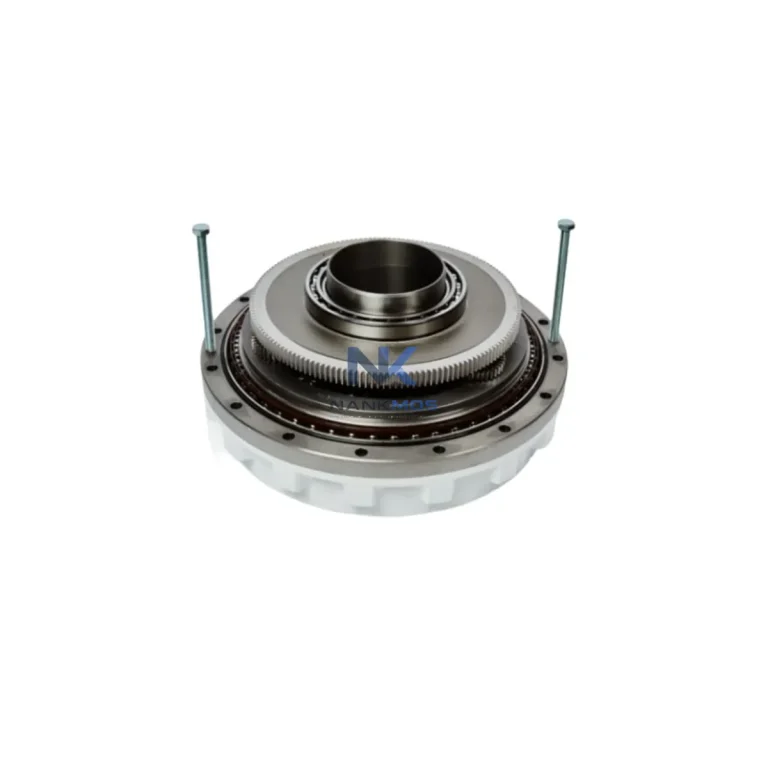
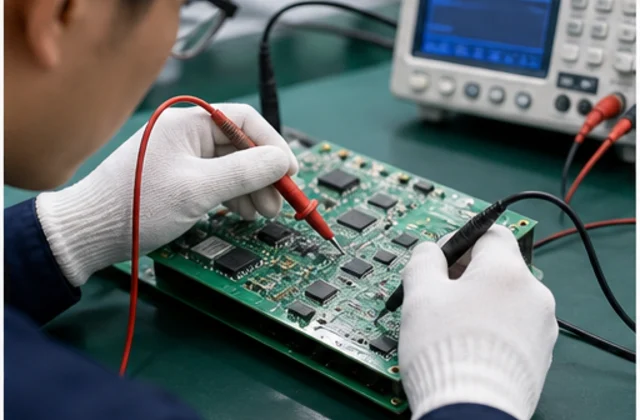
 Functional Inspection
100% tested on professional platforms to ensure stable performance.
ABB 3BHE024313R0101 KSD211A101 is a NANKMOS industrial automation product record Listed under UNITROL series and Drives. Confirm condition, availability, lead time, compatibility and documentation by email inquiry.
Brand names are used for identification only.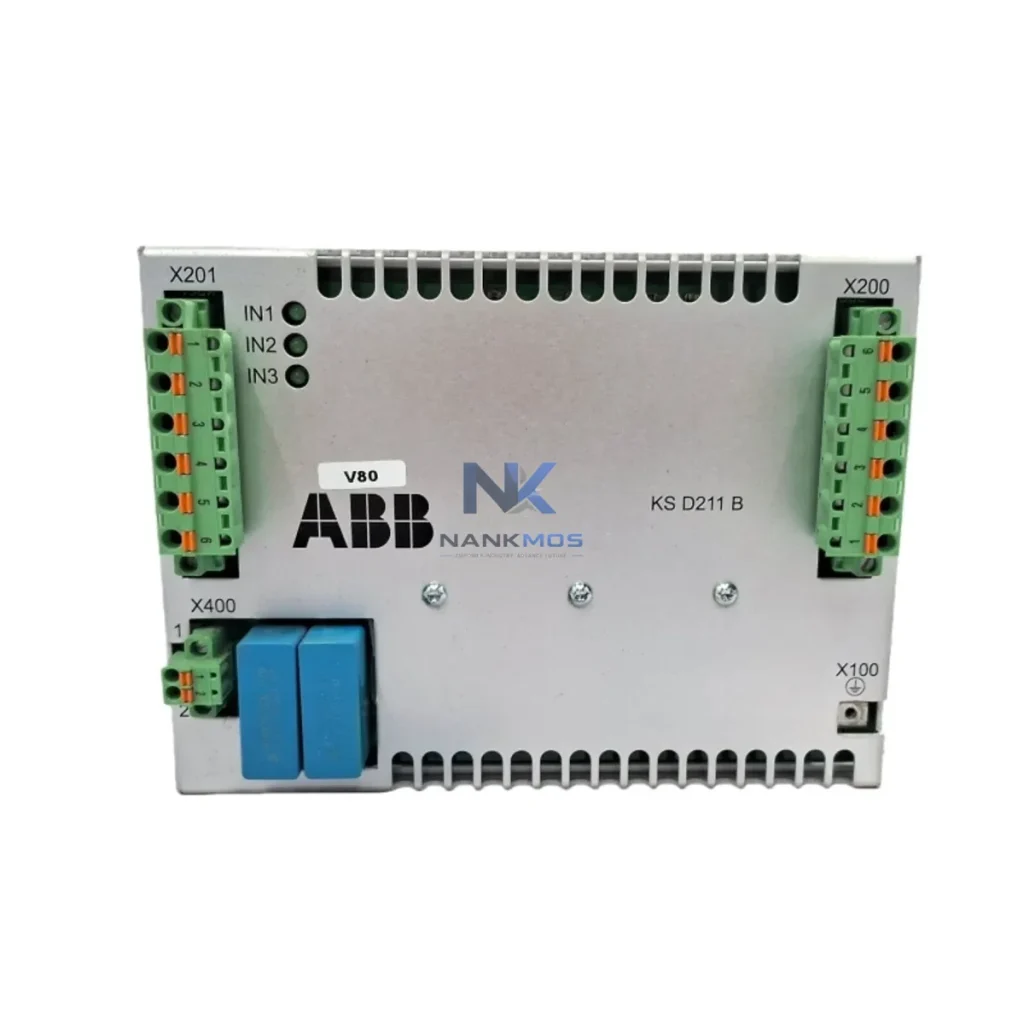
ABB 3BHE024313R0101 KSD211A101 is a NANKMOS industrial automation product record Listed under UNITROL series and Drives. Confirm condition, availability, lead time, compatibility and documentation by email inquiry.
| Manufacturer | ABB |
|---|---|
| Application | Field Signal Input / Output |
| Part Number / Model | 3BHE024313R0101 KSD211A101 |
| Compatible System | UNITROL |
| Series | UNITROL |
| Condition Options | To Confirm |
| Module Type | I/O Module |
| Warranty | 12 Months |
| Packaging | Anti-static Bag / Secure Box |
| Shipping Methods | DHL / FedEx / UPS / Air / Sea |
| Availability | To Confirm |
| Lead Time | To Confirm |
| Documentation | Part number and revision checked before quote |
The ABB 3BHE024313R0101 KSD211A101 is a precision-engineered Input Coupling Unit designed for deployment within ABB's UNITROL excitation control platform. Purpose-built for synchronous generator and large motor excitation systems, this component plays a critical role in energy acquisition, reactive power regulation, and load-side stability management across high-demand industrial environments. By accurately coupling input signals from the power network into the excitation control chain, the KSD211A101 enables the UNITROL system to respond dynamically to grid fluctuations, reducing unnecessary reactive current draw and minimizing thermal stress on downstream equipment.
In modern smart production lines where energy efficiency is a measurable KPI, the 3BHE024313R0101 KSD211A101 contributes directly to reducing idle energy consumption and improving overall power factor. When integrated with ABB's UNITROL 6800 or UNITROL 5000 excitation controllers, this input coupling unit ensures that voltage reference signals are transmitted with minimal distortion, allowing the excitation system to maintain generator output within optimal efficiency bands. This translates to lower fuel or grid energy consumption per production cycle and reduced heat generation in the generator windings and associated drive components.
The ABB 3BHE024313R0101 KSD211A101 does not operate in isolation — its energy control value is fully realized when it functions as part of a coordinated automation architecture. In a typical smart factory deployment, this input coupling unit interfaces directly with the ABB UNITROL 6800 Automatic Voltage Regulator (AVR), which governs excitation current to maintain stable terminal voltage under variable load conditions. When the AVR receives clean, conditioned input signals from the KSD211A101, it can execute faster and more precise voltage corrections, reducing the reactive power burden on the upstream transformer and switchgear.
On the drive side, the KSD211A101 works in conjunction with ABB ACS880 industrial drives and ACS580 general-purpose drives, which manage motor speed and torque across compressor, pump, and conveyor applications. Stable excitation input directly supports the voltage quality that these drives depend on for consistent DC bus regulation. Poor input coupling can introduce harmonic disturbances that force drives to operate in derating mode, increasing energy consumption per unit of mechanical output. The KSD211A101 eliminates this risk by providing a clean, isolated signal path into the excitation chain.
For power monitoring and energy management, the KSD211A101 integrates naturally with ABB's CM-series power monitoring modules and third-party power quality analyzers connected via Modbus RTU or PROFIBUS DP. These systems capture real-time data on active power (kW), reactive power (kVAR), and power factor (PF), feeding the information into SCADA platforms such as ABB System 800xA or Siemens WinCC. When the excitation system — anchored by a properly functioning input coupling unit — maintains stable voltage output, SCADA energy dashboards consistently report lower reactive power demand and improved efficiency ratios across the production shift.
At the field level, the KSD211A101 supports integration with ABB AC500 PLCs and Siemens S7-1500 controllers that manage production line sequencing and energy scheduling. I/O modules connected to these PLCs monitor generator status, load demand signals, and protection relay outputs. The excitation system's response to these signals — conditioned through the KSD211A101 — determines how quickly the generator can ramp up or down in response to production line load changes, directly affecting energy efficiency during start-stop cycles. HMI panels such as the ABB CP600 series display excitation status and energy metrics, giving operators real-time visibility into system performance without requiring manual intervention.
Temperature sensors and vibration monitoring modules installed on the generator stator and rotor provide predictive maintenance data that complements the KSD211A101's role in thermal load reduction. By maintaining optimal excitation levels, the unit prevents over-excitation conditions that generate excess heat in generator windings — a leading cause of insulation degradation and unplanned downtime. Communication modules using IEC 61850 or PROFINET protocols relay this health data to the plant's energy management system (EMS), enabling condition-based maintenance scheduling that further reduces energy waste from inefficient or degraded equipment.
Industrial production lines face a persistent challenge: energy consumption does not scale linearly with output. Inefficient excitation control, poor power factor, and reactive power surges all contribute to energy bills that exceed what actual production demands. The ABB 3BHE024313R0101 KSD211A101 addresses this at the source by ensuring that the excitation system receives accurate, stable input signals at all times — the foundation of efficient generator and motor control.
When the KSD211A101 is functioning correctly within the UNITROL excitation chain, the generator maintains a tighter voltage regulation band. This means downstream equipment — including variable frequency drives, servo amplifiers, and industrial power supplies — operates within its designed voltage tolerance, avoiding the efficiency penalties associated with voltage sag or swell compensation. Production line cycle times become more predictable, and the energy consumed per production unit decreases as equipment operates closer to its rated efficiency point.
Downtime reduction is another measurable benefit. Excitation system faults caused by degraded or failed input coupling units are among the most disruptive events in power-intensive industries, often requiring generator shutdown and manual inspection. By maintaining a verified, tested replacement unit such as the 3BHE024313R0101 KSD211A101 in inventory, plant engineers can execute rapid swap-outs during scheduled maintenance windows rather than facing extended unplanned outages. NANKMOS supplies this unit from tested stock with full functional verification, ensuring that replacement units perform to ABB's original specifications from the moment of installation.
Over a 12-month operational period, the cumulative effect of stable excitation control — enabled by a properly functioning KSD211A101 — includes reduced reactive power charges on utility bills, lower cooling energy requirements due to reduced thermal load on the generator, and improved overall equipment effectiveness (OEE) scores. For plant managers and energy engineers benchmarking against ISO 50001 energy management standards, this component represents a high-leverage point in the energy optimization strategy.
Q1: How does the ABB 3BHE024313R0101 KSD211A101 contribute to energy savings on a production line? The KSD211A101 conditions and isolates input signals entering the UNITROL excitation controller, enabling precise voltage regulation. Accurate excitation control reduces reactive power demand, lowers generator thermal load, and allows downstream drives and motors to operate at peak efficiency — directly reducing energy consumption per production cycle.
Q2: Is the 3BHE024313R0101 KSD211A101 compatible with both UNITROL 5000 and UNITROL 6800 systems? Yes. The KSD211A101 input coupling unit is designed for use within ABB's UNITROL excitation platform and is compatible with UNITROL 5000 and UNITROL 6800 series controllers. For specific hardware revision compatibility, cross-reference the unit's R0101 revision designation with your system's documentation or contact NANKMOS for technical confirmation.
Q3: What testing and quality verification does NANKMOS perform before shipping this unit? All ABB 3BHE024313R0101 KSD211A101 units supplied by NANKMOS are sourced from verified inventory and undergo functional testing prior to dispatch. Testing confirms signal coupling integrity, isolation performance, and board-level component condition. Each unit ships with a 12-month warranty covering defects in materials and workmanship under normal operating conditions.
Q4: How quickly can a replacement KSD211A101 be sourced if the existing unit fails? NANKMOS maintains ready stock of the ABB 3BHE024313R0101 KSD211A101 to support urgent replacement requirements. Orders are processed promptly with expedited shipping options available for critical production line situations. Contact [email protected] or +86 18359268345 to confirm current stock availability and lead time for your location.
Functional Inspection100% tested on professional platforms to ensure stable performance.
 Anti-static Packaging
Modules are packed in anti-static bags to prevent electrostatic damage.
 Secure Export Packing
Cushion protection and strong cartons ensure safe transportation.
 Worldwide Shipping
Global logistics network supports air, sea and express delivery.
 Documentation Check
Part number, revision and compatibility verified before shipment.
 After-sales Support
Professional technical support to help resolve your issues.