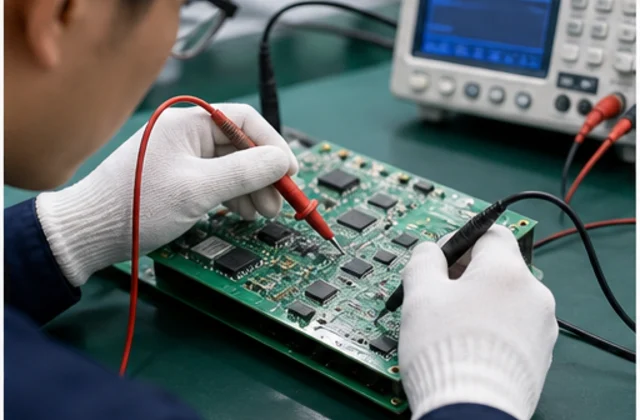
 Functional Inspection
100% tested on professional platforms to ensure stable performance.
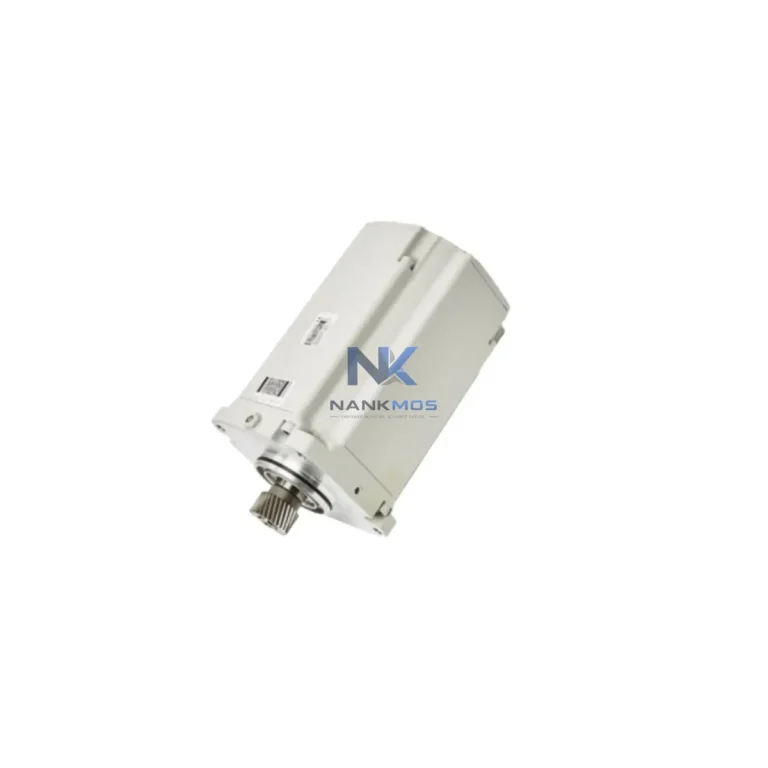
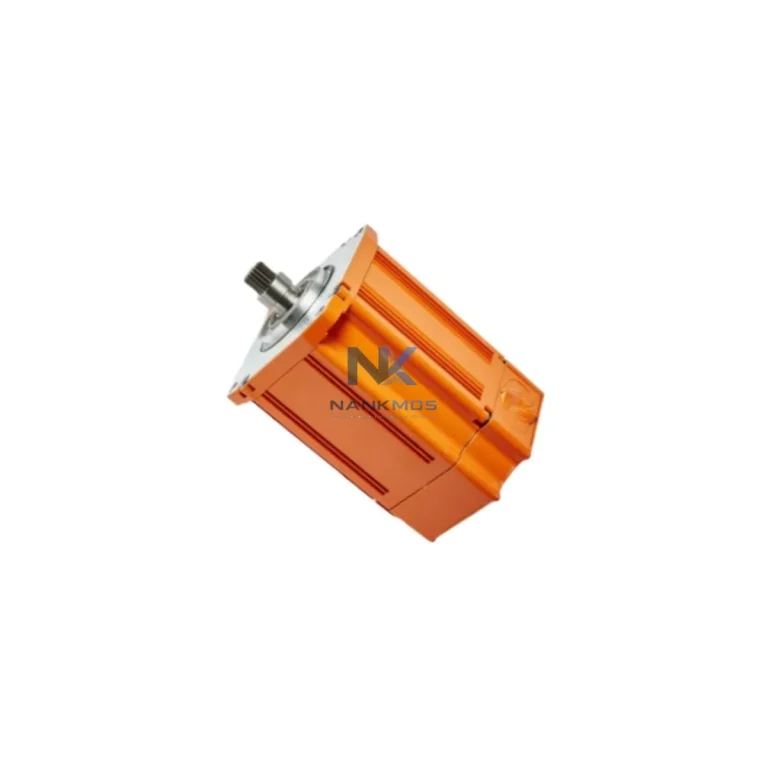
ABB 3HAC020208-001 IRB66003HAC020208-001 is a NANKMOS industrial automation product record Listed under Other series series and Drives. Confirm condition, availability, lead time, compatibility and documentation by email inquiry.
Brand names are used for identification only.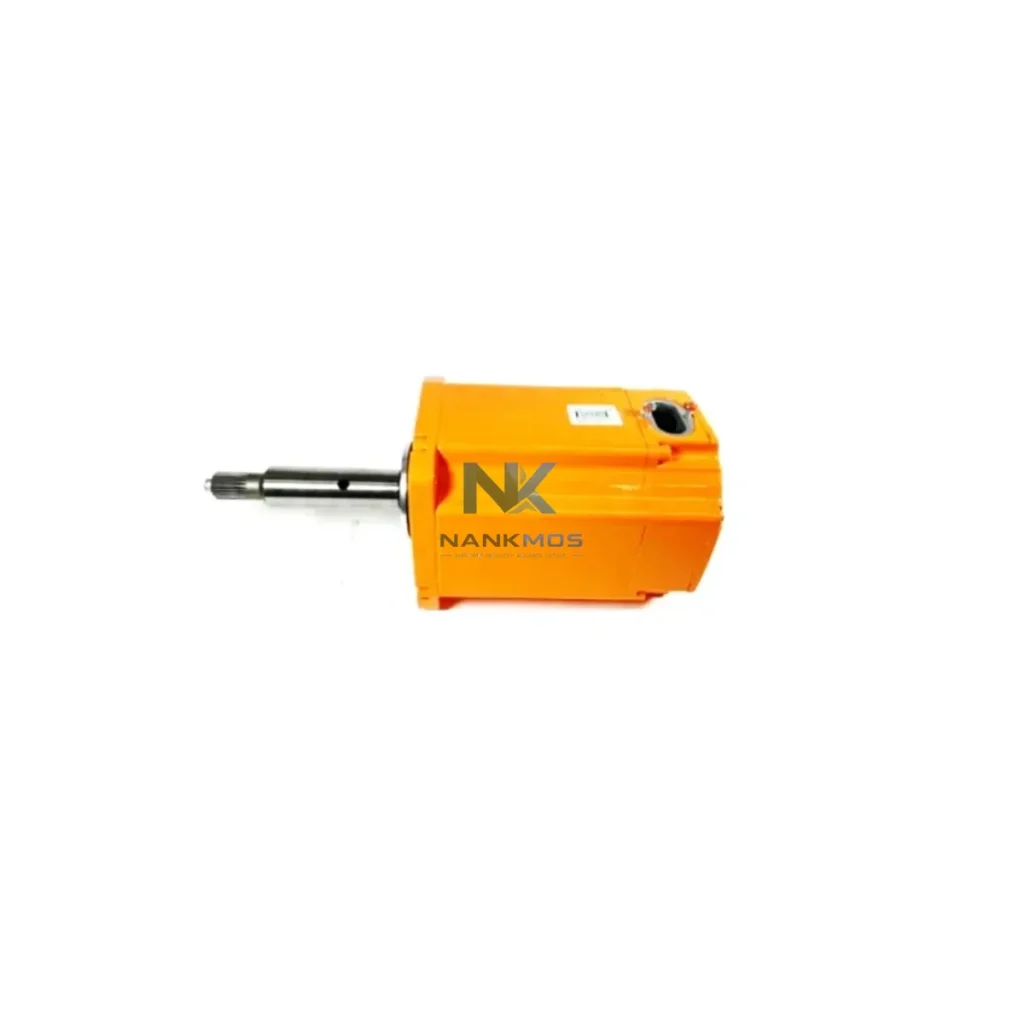
ABB 3HAC020208-001 IRB66003HAC020208-001 is a NANKMOS industrial automation product record Listed under Other series series and Drives. Confirm condition, availability, lead time, compatibility and documentation by email inquiry.
| Manufacturer | ABB |
|---|---|
| Application | Motion Control & Drive System |
| Part Number / Model | 3HAC020208-001 IRB66003HAC020208-001 |
| Compatible System | Confirmed by inquiry |
| Condition Options | To Confirm |
| Module Type | Servo / Drive Module |
| Warranty | 12 Months |
| Packaging | Anti-static Bag / Secure Box |
| Shipping Methods | DHL / FedEx / UPS / Air / Sea |
| Availability | To Confirm |
| Lead Time | To Confirm |
| Documentation | Part number and revision checked before quote |
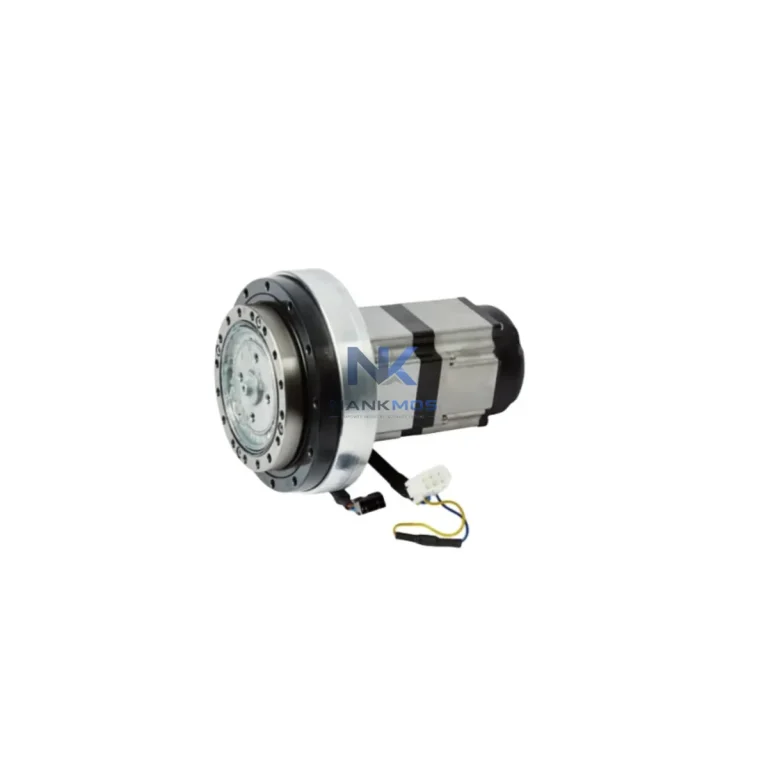
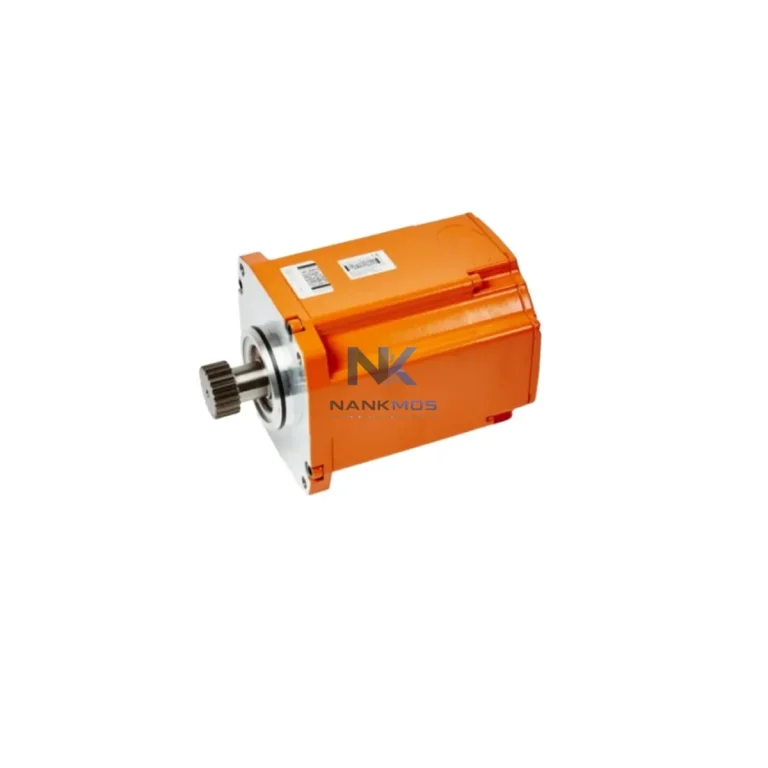
The ABB 3HAC020208-001 is a precision servo motor engineered for the IRB 6600 series industrial robot platform — one of ABB's most widely deployed heavy-payload robotic arms in automotive, foundry, and general manufacturing environments. Beyond its mechanical role as a high-torque drive unit, the 3HAC020208-001 sits at the heart of a connected automation architecture, enabling real-time motion data to flow seamlessly between the robot joint, the IRC5 robot controller, SCADA systems, and plant-level MES platforms.
In modern smart factory deployments, every servo axis is a data source. The 3HAC020208-001 feeds position, velocity, torque, and thermal status data back through the ABB IRC5 controller's integrated drive bus, where it is aggregated alongside signals from other robot joints and peripheral devices. This data stream is then made available to upstream systems via EtherNet/IP and PROFIBUS DP — the two dominant industrial communication protocols in ABB robot cells — allowing SCADA platforms such as Ignition, WinCC, or FactoryTalk to monitor axis health, cycle counts, and fault states in real time.
Understanding how the ABB 3HAC020208-001 fits into a complete industrial data chain is essential for system integrators and maintenance engineers planning smart factory upgrades. The data flow begins at the servo motor itself: encoder feedback from the 3HAC020208-001 is transmitted to the ABB IRC5 controller's axis computer board (typically the DSQC 661 or DSQC 668 drive unit module), which processes motion commands and returns real-time status to the controller's main computer.
From the IRC5 controller, robot cell data is passed to the plant network via a PROFIBUS DP fieldbus adapter (such as the DSQC 352) or through the IRC5's built-in EtherNet/IP port. This allows a Siemens S7-300 or S7-1500 PLC — acting as the cell controller — to read robot status registers, trigger motion programs, and receive fault acknowledgements without operator intervention. The PLC in turn communicates upstream to a PROFINET-capable industrial managed switch, routing data to the SCADA server and historian.
At the field level, additional devices share the same network backbone: Cognex vision sensors mounted at the robot wrist report part-present signals via EtherNet/IP; Keyence laser displacement sensors provide weld seam or pick-point correction data; and Beckhoff EtherCAT remote I/O terminals handle discrete I/O for tooling, grippers, and safety interlocks. All of these signals converge at the PLC and are forwarded to the SCADA layer, where operators can view a live dashboard of robot axis loads, cycle times, and alarm histories.
For facilities running ABB Ability™ Connected Services or a third-party edge gateway (such as a Moxa UC-8112 industrial computer), the IRC5 controller's OPC UA server can publish axis-level data directly to cloud analytics platforms, enabling predictive maintenance models that flag abnormal torque signatures on the 3HAC020208-001 before a mechanical failure occurs. This closed-loop diagnostic architecture — from servo encoder to cloud dashboard — is the foundation of Industry 4.0 robot cell design.
Protocol fragmentation is one of the most common barriers to smart factory transparency. Many IRB 6600 installations were commissioned with PROFIBUS as the primary fieldbus, while newer plant systems have migrated to EtherNet/IP or PROFINET. The ABB IRC5 controller's modular fieldbus adapter architecture means the 3HAC020208-001's axis data can be bridged across protocols without replacing the servo motor or the controller — only the fieldbus adapter card needs to change, preserving the existing mechanical and electrical investment.
Data silos between the robot cell and the MES are eliminated when the IRC5 is configured to expose its OPC UA interface. Maintenance teams can subscribe to axis-specific nodes — including the 3HAC020208-001's motor temperature, cumulative run hours, and error log — and feed this data directly into a Kepware OPC UA aggregator or a Ignition SCADA gateway, creating a unified equipment health dashboard across all robot cells on the production floor.
Remote diagnostics become practical when the IRC5 controller is connected to the plant's industrial Ethernet backbone through a managed switch with VLAN segmentation. Engineers can use ABB's RobotStudio remote monitoring tool or a VPN-connected HMI to review the 3HAC020208-001's fault history, reset alarms, and adjust motion parameters without entering the robot cell — reducing downtime and improving safety compliance.
Production line transparency is further enhanced by integrating robot cycle data with barcode or RFID traceability systems at the cell boundary. When the IRB 6600 completes a weld, assembly, or palletizing cycle, the IRC5 can trigger a signal to a Zebra RFID reader or a Datalogic barcode scanner to log the part serial number alongside the robot's axis performance data — creating a full traceability record that links product quality to servo motor health.
Q1: What communication protocols does the ABB 3HAC020208-001 support in a smart factory environment? The 3HAC020208-001 servo motor interfaces with the ABB IRC5 controller via the internal drive bus. The IRC5 controller then supports EtherNet/IP, PROFIBUS DP, DeviceNet, and PROFINET (with the appropriate DSQC fieldbus adapter), allowing the motor's axis data to be integrated into any major industrial network architecture. OPC UA is also available through the IRC5's PC interface for direct SCADA and MES connectivity.
Q2: How is network stability maintained when the IRB 6600 is running high-speed motion cycles? The IRC5 controller uses a deterministic real-time operating system (RTOS) that isolates motion control from network communication tasks. Axis commands and encoder feedback are processed on a dedicated drive bus at millisecond cycle times, while fieldbus communication to the PLC or SCADA system runs on a separate, lower-priority thread. This architecture ensures that network latency or packet loss on the plant Ethernet does not affect robot motion accuracy or safety.
Q3: Can the 3HAC020208-001 be monitored remotely for predictive maintenance? Yes. When the IRC5 controller is connected to the plant network and configured with ABB Ability™ Connected Services or a third-party OPC UA client, key parameters from the 3HAC020208-001 — including motor temperature, torque load, cumulative operating hours, and fault codes — can be streamed to a remote dashboard or cloud analytics platform. This enables maintenance teams to detect abnormal wear patterns and schedule replacement before an unplanned failure occurs.
Q4: What warranty and pre-shipment testing does NANKMOS provide for the ABB 3HAC020208-001? Every ABB 3HAC020208-001 unit supplied by NANKMOS undergoes pre-shipment functional testing, including electrical continuity verification, encoder signal validation, and communication interface checks. All units are covered by a 12-month warranty from the date of shipment. In-stock units are available for immediate dispatch, supporting urgent maintenance and production continuity requirements.
Functional Inspection100% tested on professional platforms to ensure stable performance.
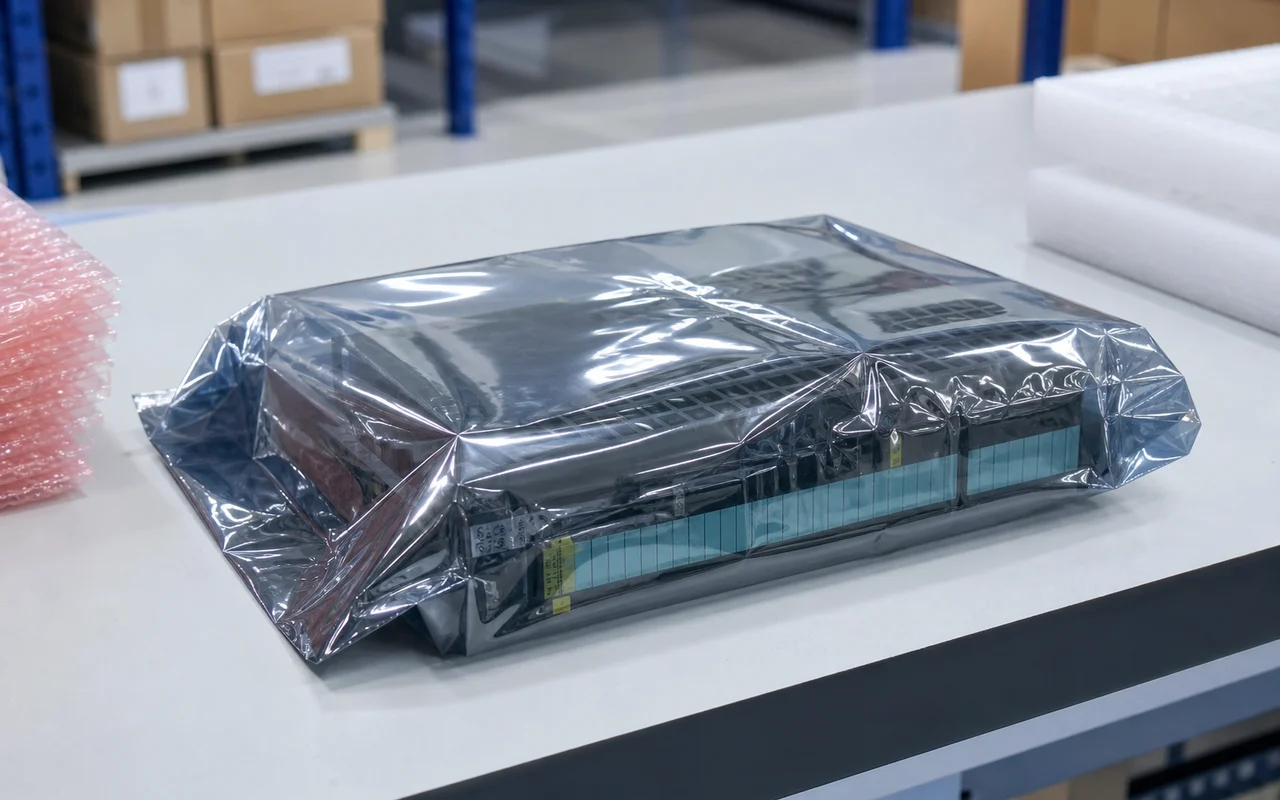 Anti-static Packaging
Modules are packed in anti-static bags to prevent electrostatic damage.
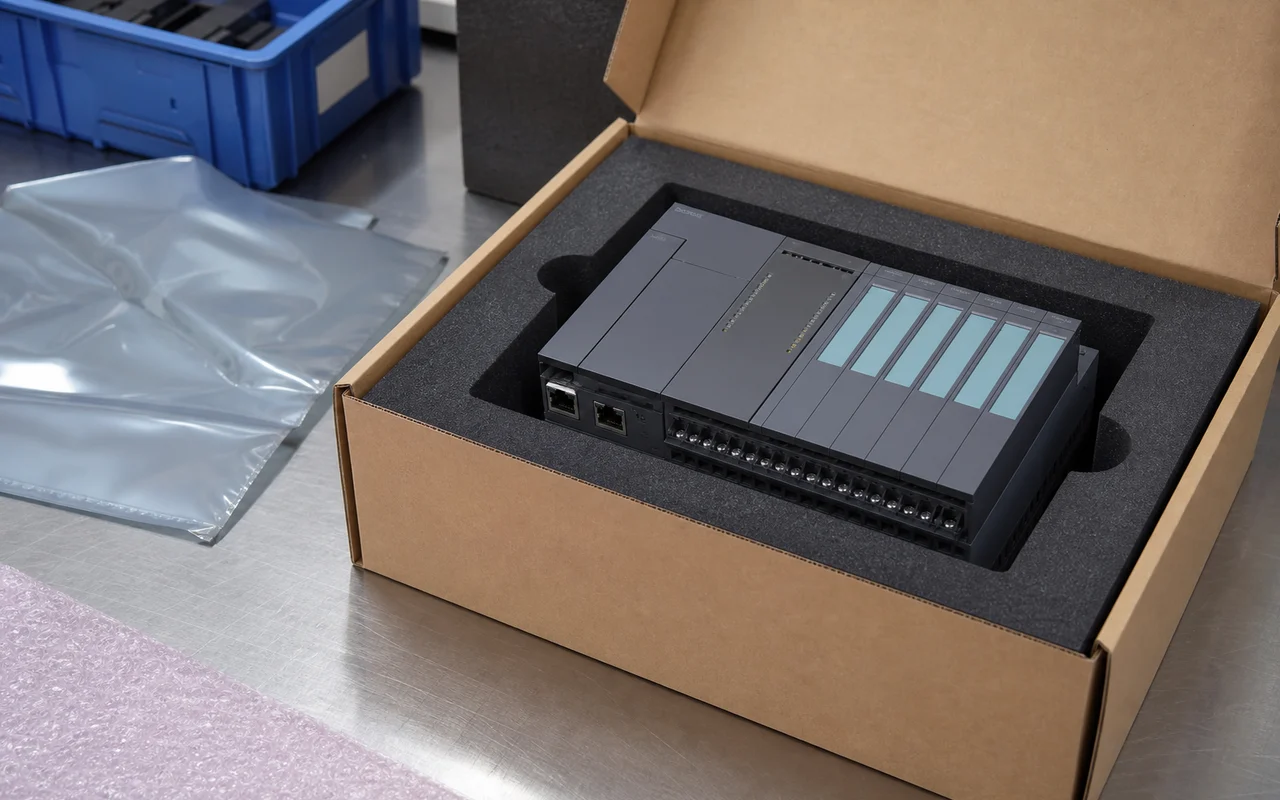 Secure Export Packing
Cushion protection and strong cartons ensure safe transportation.
 Worldwide Shipping
Global logistics network supports air, sea and express delivery.
 Documentation Check
Part number, revision and compatibility verified before shipment.
 After-sales Support
Professional technical support to help resolve your issues.