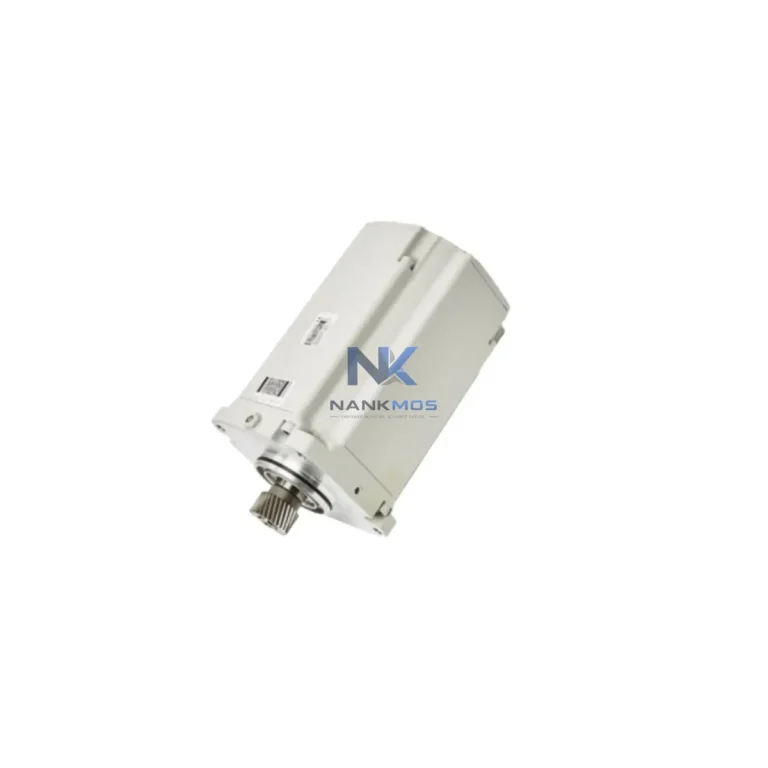
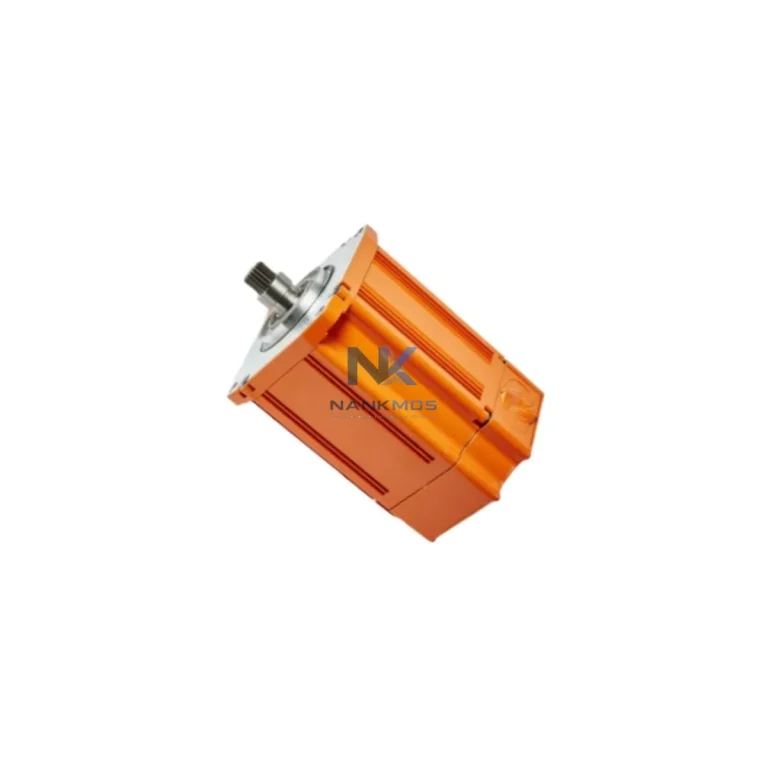
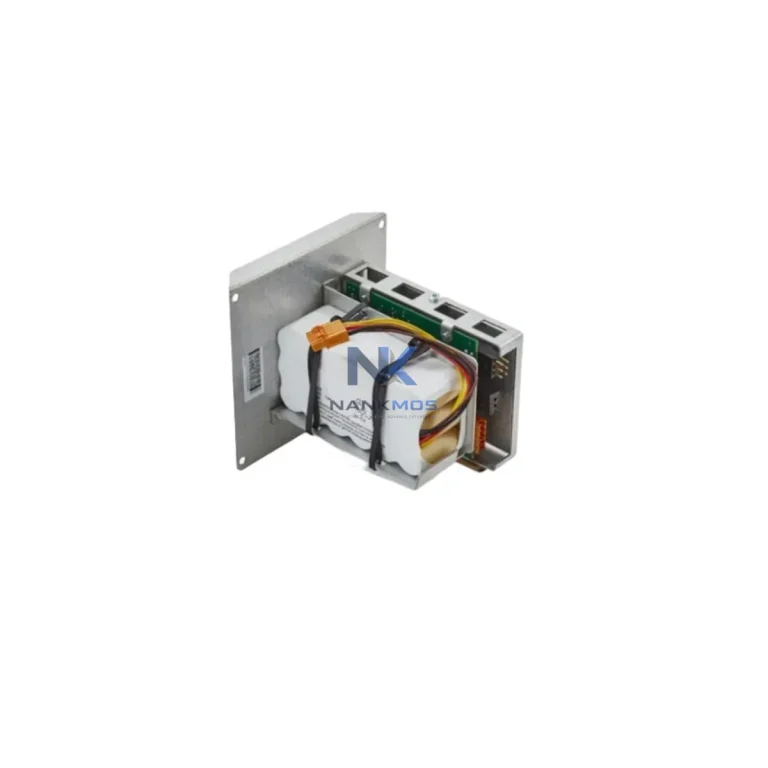
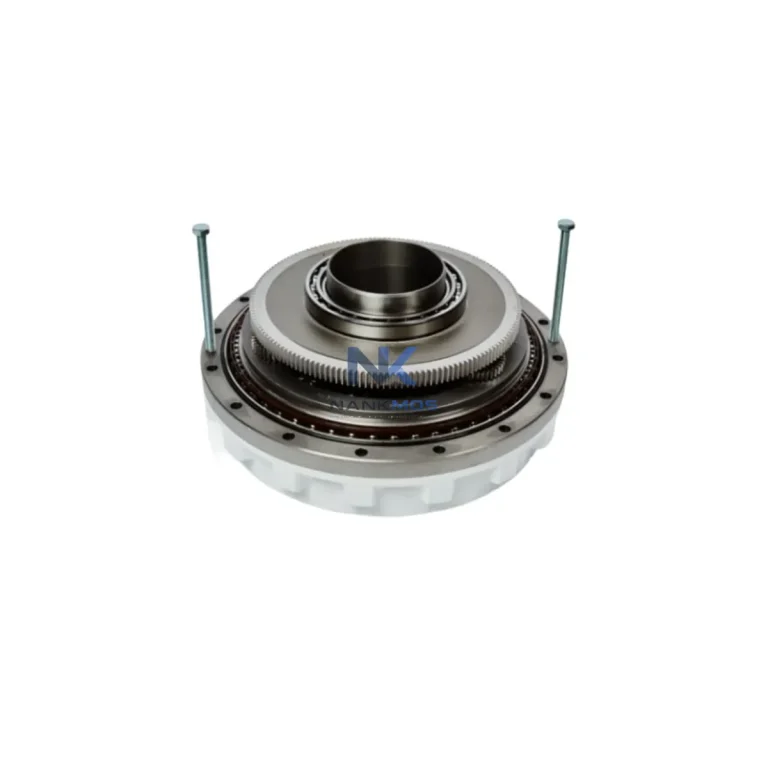
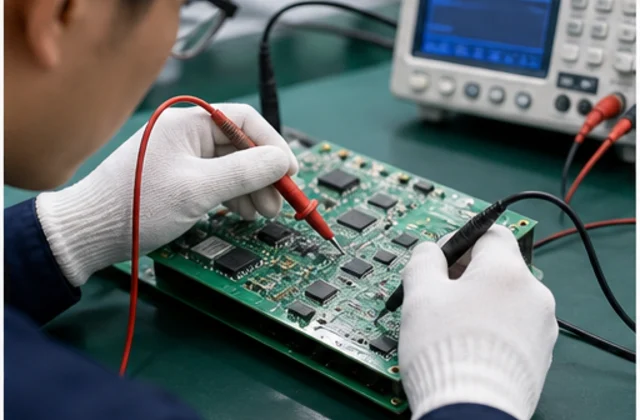
 Functional Inspection
100% tested on professional platforms to ensure stable performance.
ABB 76003HAC17484-2 is a NANKMOS industrial automation product record Listed under IRC5 series and Drives. Confirm condition, availability, lead time, compatibility and documentation by email inquiry.
Brand names are used for identification only.
ABB 76003HAC17484-2 is a NANKMOS industrial automation product record Listed under IRC5 series and Drives. Confirm condition, availability, lead time, compatibility and documentation by email inquiry.
| Manufacturer | ABB |
|---|---|
| Application | Motion Control & Drive System |
| Part Number / Model | 76003HAC17484-2 |
| Compatible System | IRC5 |
| Series | IRC5 |
| Condition Options | To Confirm |
| Module Type | Servo / Drive Module |
| Warranty | 12 Months |
| Packaging | Anti-static Bag / Secure Box |
| Shipping Methods | DHL / FedEx / UPS / Air / Sea |
| Availability | To Confirm |
| Lead Time | To Confirm |
| Documentation | Part number and revision checked before quote |
The ABB 3HAC17484-2 is a precision-engineered Speed Module designed for deployment within the ABB IRC5 robot controller platform — one of the most widely adopted modular robot control architectures in global industrial automation. As a core drive-layer component, the 3HAC17484-2 governs axis velocity regulation, servo feedback processing, and motion trajectory synchronization across multi-axis robotic systems. Its role within the IRC5 architecture is not peripheral — it is a foundational element that directly determines the accuracy, repeatability, and dynamic response of the entire robotic cell.
At NANKMOS, every ABB 3HAC17484-2 unit is sourced, pre-shipment tested, and dispatched under a 12-Month Warranty, ensuring that replacement and integration cycles for maintenance engineers and system integrators are fully supported from procurement through commissioning.
The ABB 3HAC17484-2 Speed Module does not operate in isolation. Its value is fully realized when understood within the layered architecture of the IRC5 control platform and the broader robotic cell ecosystem. A complete IRC5-based automation system integrates multiple interdependent modules, and the Speed Module sits at the intersection of the motion control layer and the drive layer — making it a critical node for system performance.
At the controller layer, the IRC5 Main Computer (DSQC639 or DSQC1000) executes RobotWare motion programs and dispatches velocity and position commands to the drive system. The 3HAC17484-2 receives these commands and translates them into precise servo output signals for each robot axis. This tight coupling between the main computer and the speed module ensures deterministic motion control with sub-millisecond cycle times.
The power supply layer — typically the ABB DSQC609 or DSQC661 power distribution unit — provides regulated DC bus voltage to the speed module and associated drive units. Stable power delivery is essential for consistent speed regulation, particularly during high-dynamic motion profiles or multi-axis coordinated movements. Any instability at the power layer propagates directly into axis velocity errors, making the integrity of the power module a prerequisite for 3HAC17484-2 performance.
Within the drive layer, the 3HAC17484-2 works in conjunction with axis computers such as the DSQC668 or DSQC673, which handle position feedback from resolver or encoder signals. The speed module processes velocity loop closure while the axis computer manages position loop closure — a distributed architecture that allows ABB IRC5 to achieve high-bandwidth servo control across six or more axes simultaneously.
The I/O layer — implemented via ABB DSQC651, DSQC652, or DSQC378B I/O boards — provides digital and analog signal interfaces for end-effectors, safety interlocks, and peripheral equipment. While the I/O layer does not directly interface with the speed module, its signal integrity affects the overall system state machine that governs when motion commands are issued and when the drive system is enabled or inhibited.
At the communication layer, the IRC5 platform supports DeviceNet, PROFIBUS, EtherNet/IP, and PROFINET via dedicated fieldbus adapter modules (e.g., DSQC658 for DeviceNet, DSQC688 for PROFINET). These communication modules allow the IRC5 controller — and by extension the speed module's motion outputs — to be coordinated with upstream PLCs, SCADA systems, or MES platforms, enabling fully integrated production line control.
The HMI layer, represented by the ABB FlexPendant (IRC5 teach pendant), provides the operator interface for jogging, program execution, and drive system diagnostics. When a speed module fault is detected, the FlexPendant displays axis-specific error codes that guide maintenance engineers directly to the affected drive channel — significantly reducing mean time to repair (MTTR) in production environments.
For systems requiring redundancy or high-availability architecture, the IRC5 Dual Cabinet configuration separates the control electronics from the drive electronics, allowing the speed module and associated drive units to be housed in a dedicated drive cabinet. This physical separation improves thermal management, simplifies module replacement during live production windows, and supports hot-swap maintenance strategies in critical manufacturing environments.
Finally, at the maintenance layer, having a verified, in-stock 3HAC17484-2 unit available — backed by a 12-Month Warranty and pre-shipment testing — directly reduces unplanned downtime risk. Robotic cells that operate without a spare speed module on-site face extended lead times during failure events. NANKMOS maintains inventory specifically to support rapid replacement cycles for IRC5-based systems across manufacturing, automotive, electronics assembly, and logistics automation sectors.
Automotive Body-in-White Manufacturing: IRC5-controlled ABB robots performing spot welding, seam sealing, and material handling rely on the 3HAC17484-2 for precise axis velocity control during high-speed, multi-robot coordinated sequences. Speed module integrity is critical for maintaining weld path accuracy and cycle time consistency across multi-shift production schedules.
Electronics Assembly and PCB Handling: In semiconductor and electronics manufacturing, ABB IRC5 robots perform pick-and-place, dispensing, and inspection tasks that demand sub-millimeter repeatability. The speed module's role in velocity loop control directly determines the smoothness of approach trajectories and the accuracy of component placement — particularly in high-mix, low-volume production environments.
Palletizing and Logistics Automation: High-throughput palletizing lines using ABB IRB 660 or IRB 760 robots — both IRC5-controlled — require sustained high-speed operation across extended production windows. The 3HAC17484-2 must maintain consistent velocity regulation under variable load conditions, making module condition and availability a key factor in overall line OEE (Overall Equipment Effectiveness).
Process Industry and Hazardous Environment Applications: In petrochemical, pharmaceutical, and food processing facilities, IRC5-based robotic systems operate in controlled environments where unplanned downtime carries significant safety and compliance implications. Pre-tested, warranted replacement modules such as the 3HAC17484-2 are essential components of the spare parts strategy for these facilities.
Metal Fabrication and Arc Welding: ABB arc welding robots — including IRB 1410, IRB 2600, and IRB 4600 variants — use the IRC5 platform with integrated welding process control. The speed module governs torch path velocity, which directly affects weld bead geometry, penetration depth, and heat input. Consistent speed module performance is a prerequisite for weld quality certification in structural and pressure vessel fabrication.
Q1: Is the ABB 3HAC17484-2 compatible with all IRC5 controller variants, including the Panel Mounted Controller (PMC) and Compact IRC5? The 3HAC17484-2 is designed for the IRC5 platform and is primarily associated with the standard IRC5 Single and Dual Cabinet configurations. Compatibility with the IRC5 Panel Mounted Controller or Compact IRC5 variants depends on the specific drive architecture of those configurations. We recommend verifying the drive unit slot specification and backplane connector type against your controller's hardware documentation before installation. NANKMOS technical support can assist with compatibility verification prior to order confirmation.
Q2: What pre-shipment testing does NANKMOS perform on the 3HAC17484-2, and what does the 12-Month Warranty cover? Every 3HAC17484-2 unit dispatched by NANKMOS undergoes functional verification testing prior to shipment, including power-on diagnostics, drive bus communication checks, and output signal integrity verification. The 12-Month Warranty covers component failure under normal operating conditions and includes replacement or repair support. Warranty claims are processed through NANKMOS directly, with expedited handling for production-critical applications. Contact [email protected] for warranty terms and RMA procedures.
Q3: How should the 3HAC17484-2 be integrated during IRC5 controller commissioning or module replacement, and what diagnostic tools are recommended? During commissioning or replacement, the IRC5 controller should be powered down and locked out before module removal or installation. After installation, use the ABB RobotStudio software or the FlexPendant's event log to verify drive system initialization and confirm that the speed module is recognized on the internal drive bus. ABB's IRC5 hardware troubleshooting documentation (3HAC021313-001) provides axis-specific diagnostic procedures. For systems with active RobotWare licenses, the drive system status can be monitored in real time via the FlexPendant's I/O and drive status panels. NANKMOS recommends retaining a verified spare 3HAC17484-2 on-site to minimize commissioning delays in the event of a drive fault during initial system startup.
Functional Inspection100% tested on professional platforms to ensure stable performance.
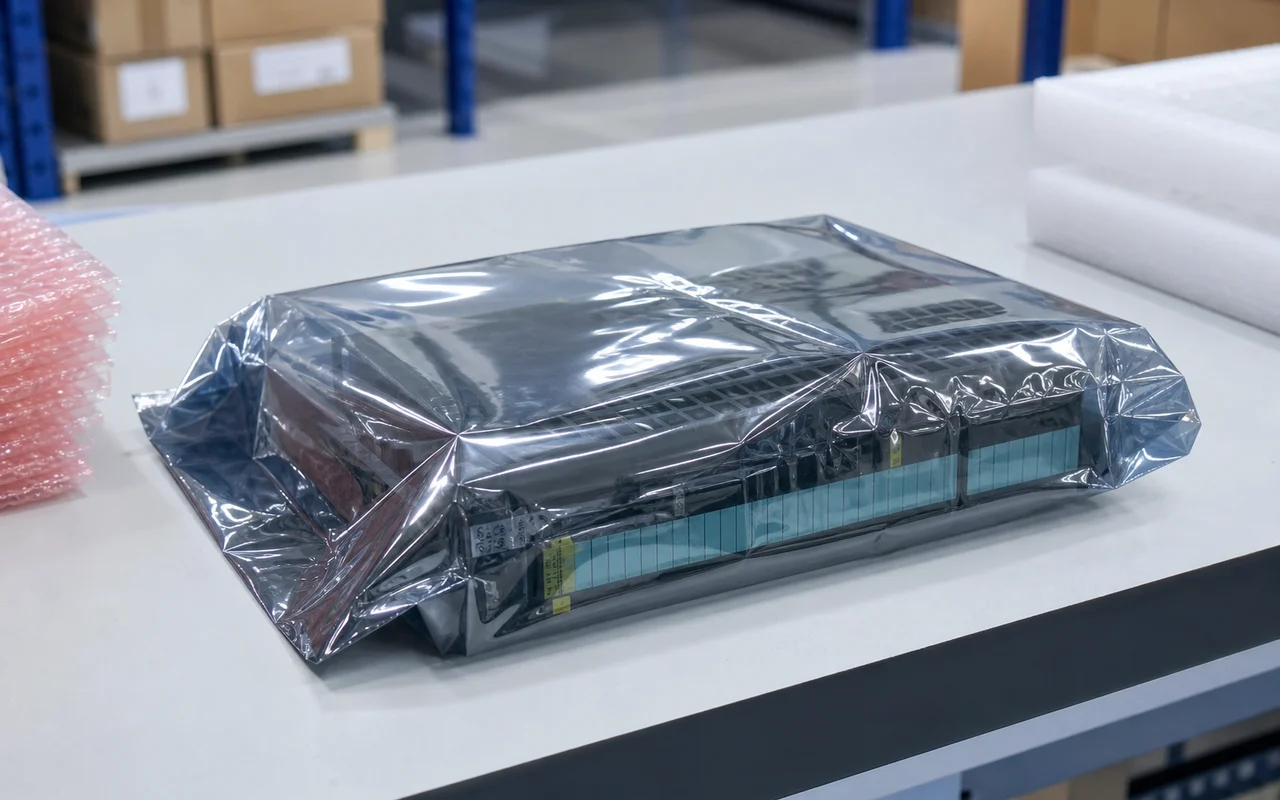 Anti-static Packaging
Modules are packed in anti-static bags to prevent electrostatic damage.
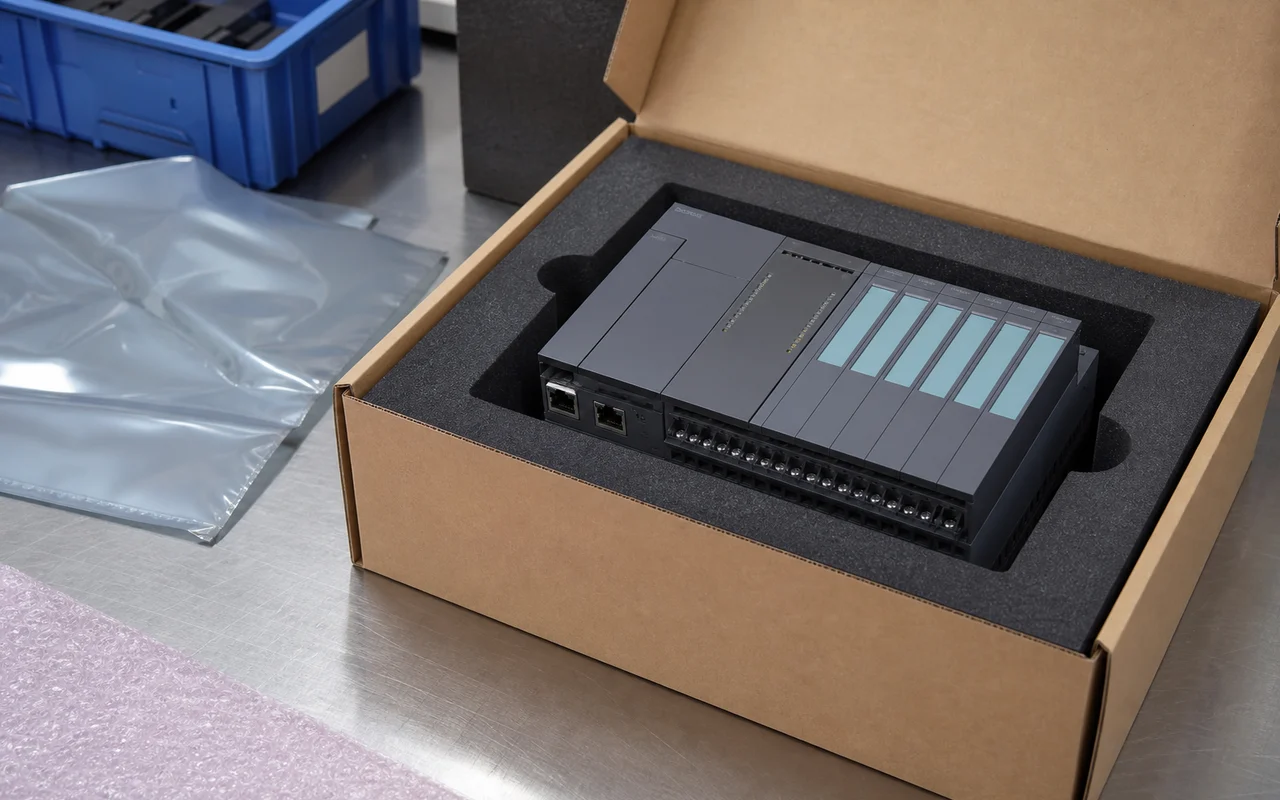 Secure Export Packing
Cushion protection and strong cartons ensure safe transportation.
 Worldwide Shipping
Global logistics network supports air, sea and express delivery.
 Documentation Check
Part number, revision and compatibility verified before shipment.
 After-sales Support
Professional technical support to help resolve your issues.