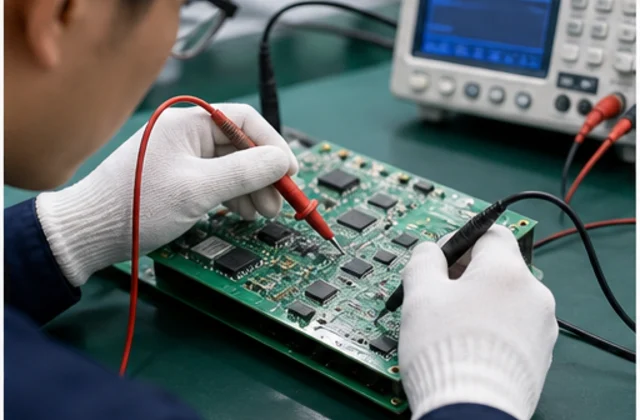
 Functional Inspection
100% tested on professional platforms to ensure stable performance.
ABB BINT-12C 3AUA0000077967 is a NANKMOS industrial automation product record Listed under S800 series and Drives. Confirm condition, availability, lead time, compatibility and documentation by email inquiry.
Brand names are used for identification only.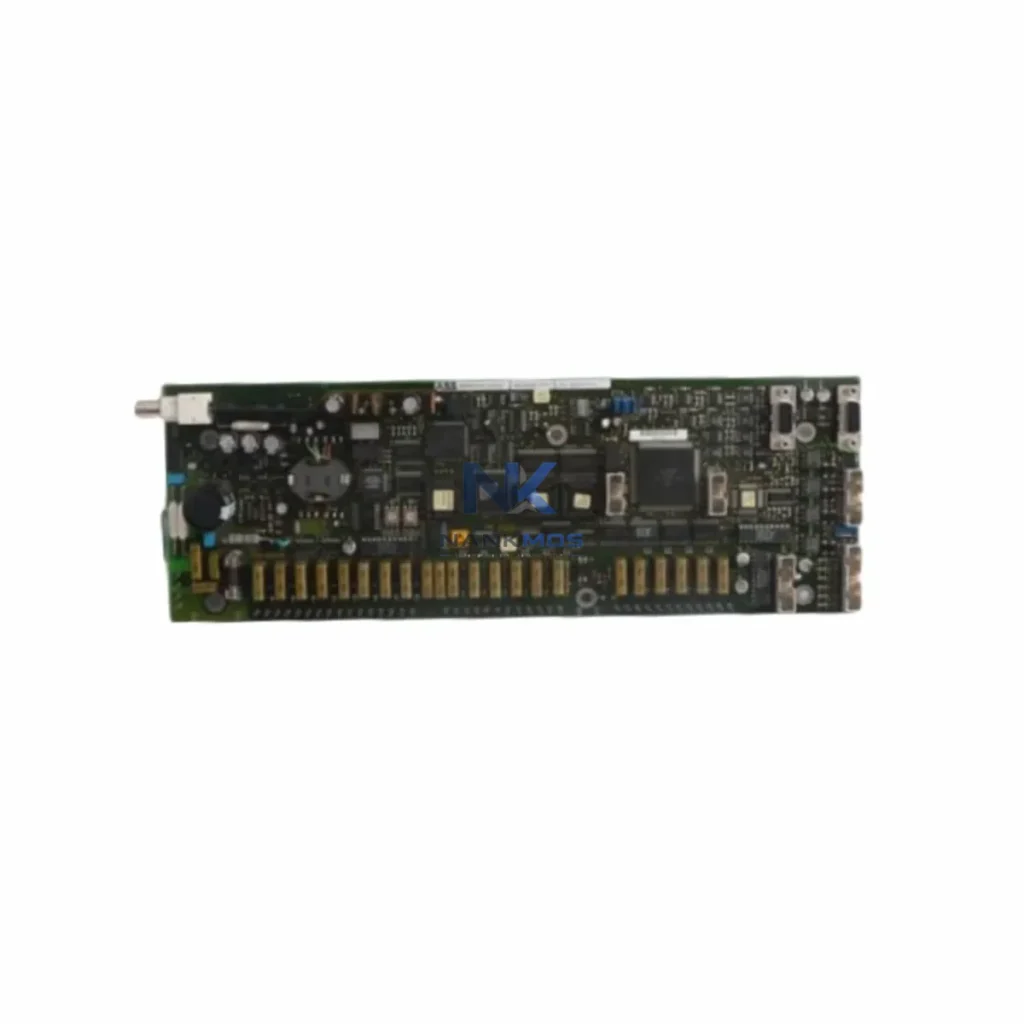
ABB BINT-12C 3AUA0000077967 is a NANKMOS industrial automation product record Listed under S800 series and Drives. Confirm condition, availability, lead time, compatibility and documentation by email inquiry.
| Manufacturer | ABB |
|---|---|
| Application | Industrial Network Communication |
| Part Number / Model | BINT-12C 3AUA0000077967 |
| Compatible System | S800 |
| Series | S800 |
| Condition Options | To Confirm |
| Module Type | Communication Module |
| Warranty | 12 Months |
| Packaging | Anti-static Bag / Secure Box |
| Shipping Methods | DHL / FedEx / UPS / Air / Sea |
| Availability | To Confirm |
| Lead Time | To Confirm |
| Documentation | Part number and revision checked before quote |
The ABB BINT-12C (Part No. 3AUA0000077967) is a factory-engineered communication interface board purpose-built for the ACS800 variable frequency drive platform. As a dedicated option module within the ACS800 drive family, the BINT-12C occupies the critical communication layer of the control architecture — bridging the drive's internal control bus with external fieldbus networks, supervisory controllers, and distributed I/O systems. Its function extends well beyond simple protocol conversion: the BINT-12C enables real-time command routing, bidirectional status feedback, and diagnostic transparency across the full automation stack, making it an indispensable element in high-availability industrial environments where system consistency, signal stability, and long-term maintainability are non-negotiable engineering requirements.
In modern industrial control architecture, every component must be evaluated not in isolation but in the context of the complete system it serves. The BINT-12C is engineered to operate as part of a tightly coordinated ACS800 platform that includes the RMIO-02 control board, RDCO-03 optical communication modules, RINT-5611C rectifier interface boards, APBU-44C branching units, and RAIO-01 analog I/O extension modules. Together, these components form a fully integrated drive control ecosystem capable of supporting multi-drive configurations, master-follower topologies, common DC bus architectures, and redundant communication paths. The BINT-12C's role within this ecosystem is to ensure that fieldbus signals — whether originating from a PROFIBUS-DP master, a DeviceNet scanner, or a Modbus RTU controller — are accurately decoded and delivered to the drive's control core with minimal latency and without signal degradation, preserving the integrity of the entire control loop.
From a system architecture perspective, the BINT-12C positions itself at the intersection of the drive's internal control bus and the plant-level automation network. This strategic placement makes it a key enabler of centralized supervisory control, allowing a Siemens S7-300 PLC, an Allen-Bradley ControlLogix controller, or a Schneider Electric Modicon M340 to issue speed references, torque commands, and start/stop signals directly to the ACS800 drive without the resolution losses and noise susceptibility inherent in analog signal conversion. The elimination of analog intermediaries improves command fidelity, enables bidirectional status reporting, and supports advanced control strategies — including cascade control, ratio control, and feedforward compensation — that depend on high-resolution, low-latency communication between the supervisory controller and the drive.
The BINT-12C also plays a foundational role in system diagnostics, predictive maintenance, and long-term operational efficiency. By maintaining a live communication link between the ACS800 drive and the supervisory SCADA or DCS layer, the module enables continuous monitoring of critical drive parameters including output frequency, motor current, DC bus voltage, fault codes, and thermal status. This real-time data stream supports condition-based maintenance strategies, allowing maintenance engineers to identify developing faults — such as insulation degradation, bearing wear, or cooling fan failure — before they escalate into unplanned downtime events. In facilities where drive availability directly impacts production throughput, this diagnostic capability translates into measurable reductions in maintenance cost and production loss.
The BINT-12C delivers its full architectural value when deployed as part of a complete ABB ACS800 automation platform. A representative integrated architecture built around this communication interface module spans multiple coordinated system layers:
At the control layer, the ACS800 RMIO-02 control board serves as the drive's processing core, executing speed and torque control algorithms in real time while the BINT-12C manages all external communication traffic. This functional separation ensures that fieldbus latency or network disturbances do not interfere with the drive's closed-loop control execution. The RDCO-03 optical communication module extends this architecture into fiber-optic DDCS (Drive-to-Drive Communication System) networks, enabling high-speed, noise-immune data exchange between multiple ACS800 drives in master-follower configurations — a topology commonly used in winder, unwinder, and multi-section conveyor applications.
At the power and rectifier layer, the RINT-5611C rectifier interface board manages the front-end power conversion stage, while the APBU-44C branching unit distributes the DC bus across multiple inverter units in a common DC bus architecture. The BINT-12C's communication link ensures that the supervisory controller maintains full visibility into both the rectifier and inverter stages, enabling coordinated power management, regenerative braking control, and fault isolation across the entire drive system without requiring separate communication paths for each hardware layer.
At the I/O and signal layer, the ACS800's onboard analog and digital I/O channels — supplemented by RAIO-01 analog I/O extension modules and RDIO-01 digital I/O extension modules — provide local signal interfaces for process sensors, limit switches, and actuator feedback. The BINT-12C complements this local I/O infrastructure by providing a high-bandwidth fieldbus path for bulk parameter exchange and real-time command updates, reducing the polling burden on local I/O channels and improving overall system responsiveness in high-scan-rate applications.
At the HMI and supervisory layer, the BINT-12C's fieldbus connectivity enables seamless integration with ABB Panel Builder 800 HMI terminals, as well as third-party SCADA platforms via OPC-DA or OPC-UA gateways. Operators gain real-time visibility into drive status, fault history, energy consumption data, and process variables — supporting both operational decision-making and regulatory compliance reporting in industries subject to IEC, ISO, or local regulatory standards.
Manufacturing and Packaging Lines: In high-speed packaging and assembly lines, the BINT-12C enables precise speed synchronization between multiple ACS800 drives controlling conveyor sections, indexing tables, and filling stations. The fieldbus communication path allows the line PLC to issue coordinated speed references to all drives simultaneously, ensuring product registration accuracy and minimizing changeover time. The module's diagnostic feedback capability supports rapid fault identification during production runs, reducing mean time to repair (MTTR) and protecting line OEE targets in continuous production environments.
Power Generation and Utilities: In power plant auxiliary systems — including boiler feed pumps, induced draft fans, and cooling water pumps — the BINT-12C provides the communication link between the plant DCS and the ACS800 drives controlling these critical loads. The module's support for redundant communication paths ensures that drive control is maintained even in the event of a primary network failure, supporting the high-availability requirements of power generation facilities. Energy optimization algorithms running in the DCS can continuously adjust drive speed setpoints via the BINT-12C to minimize auxiliary power consumption and improve plant heat rate.
Petrochemical and Process Industries: In refinery and chemical plant applications, the BINT-12C supports integration of ACS800 drives into PROFIBUS-PA segments and HART-enabled process control networks via appropriate gateway devices. The module's bidirectional communication capability allows process controllers to implement advanced control strategies using drive speed as a manipulated variable. The 12-Month Warranty and documented pre-shipment test certification support the stringent equipment qualification requirements of petrochemical facilities operating under ATEX, IECEx, or equivalent safety frameworks.
Water and Wastewater Treatment: Municipal water treatment facilities rely on the BINT-12C to integrate ACS800 drives controlling submersible pumps, aeration blowers, and sludge handling equipment into centralized SCADA systems. The module's Modbus RTU compatibility ensures interoperability with legacy SCADA infrastructure, while its PROFIBUS-DP capability supports migration to modern IEC 61131-3 based control platforms. Remote monitoring via the BINT-12C's communication link enables unmanned operation of remote pumping stations, reducing operational staffing costs and improving response time to process upsets.
Mining and Minerals Processing: In mining applications — including conveyor drives, crusher drives, and mill drives — the BINT-12C provides the communication backbone for coordinated multi-drive control systems. The module's ability to support master-follower drive configurations via the RDCO-03 optical link, combined with fieldbus connectivity to the mine automation system, enables load-sharing control strategies that maximize throughput while protecting mechanical equipment from overload conditions and reducing energy consumption per tonne of material processed.
Q1: Is the BINT-12C compatible with all ACS800 drive variants, and can it be retrofitted into existing installations? The BINT-12C is designed for the ABB ACS800 drive family and installs into the standard option board slot provided on ACS800 single drives, multidrive inverter units, and regenerative drive configurations. Retrofitting into existing ACS800 installations is straightforward — the module slots directly into the designated option board position without requiring drive disassembly or firmware modification in most cases. Compatibility should be verified against the specific ACS800 firmware version and hardware revision using ABB's option module compatibility matrix. All units supplied by NANKMOS are pre-shipment tested for slot compatibility and communication initialization prior to dispatch, ensuring drop-in readiness for both new installations and maintenance replacements.
Q2: What fieldbus protocols does the BINT-12C support, and how does it integrate with third-party PLC platforms? The BINT-12C is a base communication interface board; the specific fieldbus protocol supported depends on the fieldbus adapter module installed in conjunction with the BINT-12C within the ACS800 option slot architecture — for example, the FPBA-01 adapter for PROFIBUS-DP or the FDNA-01 adapter for DeviceNet. This modular approach allows the same BINT-12C hardware to support multiple fieldbus standards by changing only the protocol adapter, protecting the capital investment in the base communication infrastructure. Integration with Siemens, Rockwell Automation, Schneider Electric, and Mitsubishi Electric PLC platforms has been validated in field installations across manufacturing, utilities, and process industries globally.
Q3: What does the 12-Month Warranty cover, and what is the typical lead time for replacement units? All BINT-12C units supplied by NANKMOS carry a 12-Month Warranty covering manufacturing defects, component failures, and communication initialization faults under normal operating conditions. The warranty period begins from the date of shipment and includes technical support for installation and commissioning queries. NANKMOS maintains stock inventory of BINT-12C modules to support rapid replacement requirements — typical order processing and shipment is completed within 3–5 business days for in-stock units. For urgent maintenance situations requiring minimal system downtime, expedited shipment options are available upon request. Replacement units are supplied with the same pre-shipment test certification as new units, ensuring full drop-in compatibility with existing ACS800 installations and minimizing re-commissioning time.
Functional Inspection100% tested on professional platforms to ensure stable performance.
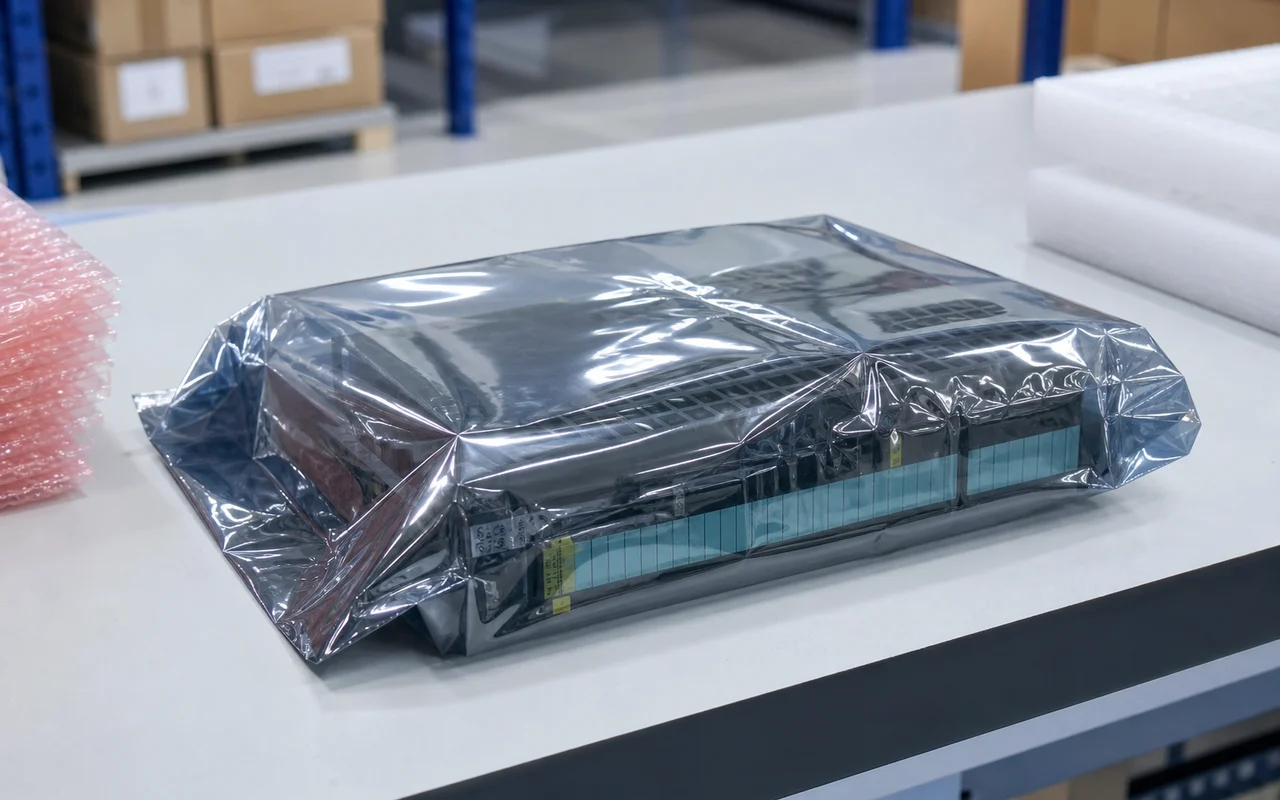 Anti-static Packaging
Modules are packed in anti-static bags to prevent electrostatic damage.
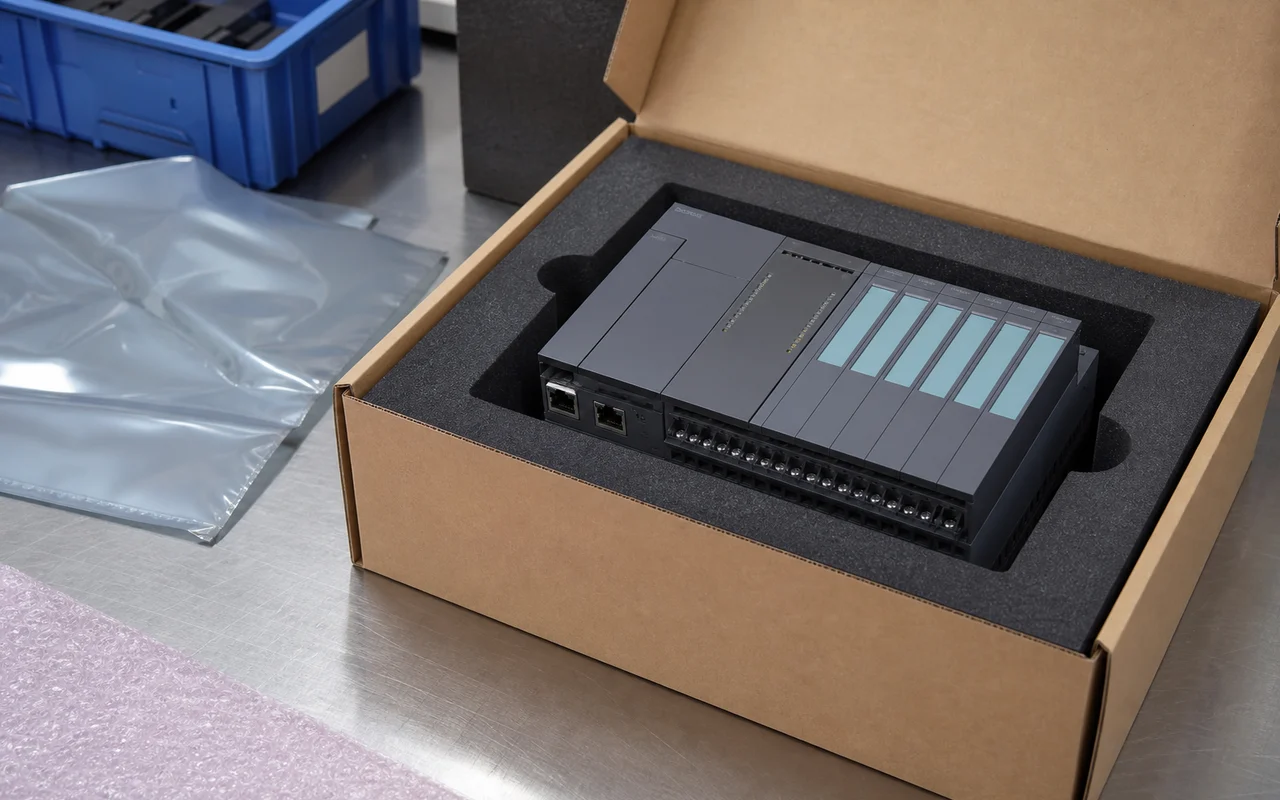 Secure Export Packing
Cushion protection and strong cartons ensure safe transportation.
 Worldwide Shipping
Global logistics network supports air, sea and express delivery.
 Documentation Check
Part number, revision and compatibility verified before shipment.
 After-sales Support
Professional technical support to help resolve your issues.